Using Deterrents to Stop Digging: What Works and What Doesn't
😊 Frustrated by your dog's digging? PetCareWorld explores effective and ineffective stop dog digging deterrents, helping you choose the right solution to…
Read article
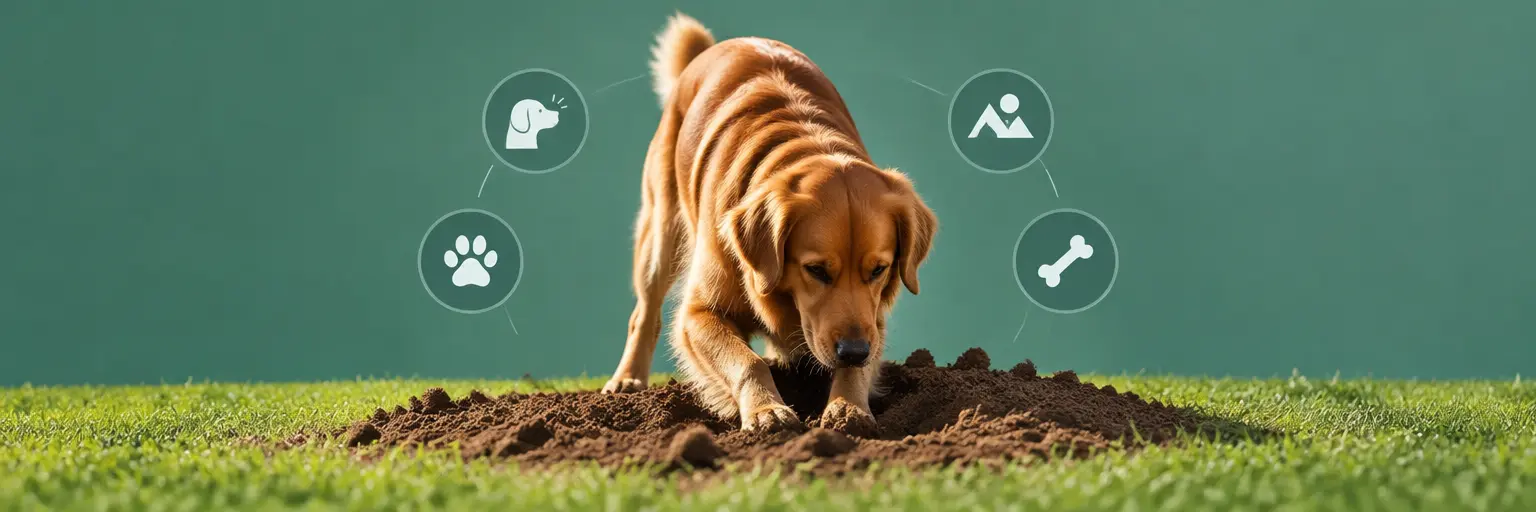
Is your dog turning your backyard into a moonscape? Digging is one of the most common—and frustrating—canine behaviors, but it’s rarely random. Whether your pup is hunting for cool earth, chasing hidden critters, or simply battling boredom, understanding the root cause is the first step to a solution. At PetCareWorld, we break down the science behind digging, offering proven training techniques, environmental tweaks, and enrichment strategies that respect your dog’s instincts while protecting your lawn. From creating designated dig zones to addressing anxiety triggers, our expert-approved tips help you redirect this natural behavior into positive, healthy outlets. Stop patching holes and start building a happier, more balanced bond with your furry friend today.

😊 Frustrated by your dog's digging? PetCareWorld explores effective and ineffective stop dog digging deterrents, helping you choose the right solution to…
Read article
🤔 Discover how fellow pet owners conquered their dogs' destructive digging habits! PetCareWorld shares real-life success stories and practical solutions to finally…
Read article
🤔 Uncover the mysteries behind why pets excessively dig! PetCareWorld explores environmental triggers like boredom, instinct, and uncomfortable bedding, offering solutions to…
Read articleDigging is one of the most common yet frustrating canine behaviors, especially for proud pet parents at PetCareWorld. Whether your yard resembles a lunar landscape or your flower beds have become excavation sites, this subcategory provides expert-backed, compassionate solutions. You will discover why dogs dig, how to redirect this instinct, and practical steps to protect your garden and maintain a happy, well-adjusted pup. Let’s transform that destructive habit into a manageable, even enriching, part of your dog’s life.
Before you can fix the problem, you must understand the motivation behind it. Digging isn’t random mischief; it’s often a deeply ingrained instinct linked to survival, comfort, or pure entertainment. Common triggers include temperature regulation (cooling off in summer or warming up in winter), hunting for burrowing prey like rodents, creating a safe den for puppies, escaping under fences, or simply alleviating boredom and excess energy. Certain breeds, like terriers and hounds, have a genetic predisposition to dig more than others.
Recognizing your dog’s specific trigger is the first step toward a targeted solution. Watch when and where digging occurs—is it near tree roots, under fences, or after you leave for work? By mapping these patterns, you can tailor your response. For example, if your dog digs to cool off, provide a shaded sandbox; if it’s escape-oriented, reinforce fence bases. This proactive diagnosis prevents wasted effort and builds a stronger bond based on understanding rather than punishment.
Instead of fighting the instinct, create a designated digging pit that satisfies your dog’s natural urge in an acceptable location. Train your dog to use this zone by burying tempting toys or treats there and praising them enthusiastically when they dig there. For areas you want to protect, use physical barriers like chicken wire under soil, decorative rocks, or motion-activated sprinklers. Scent-based deterrents—citrus peels, vinegar, or commercial repellents—can also discourage repeat offenses without harming your pet.
Make the designated zone irresistible by varying what you hide: food-dispensing toys, bones, or even a (pet-safe) treasure map. Consistency is key—every time your dog starts digging in the wrong spot, calmly redirect them to the pit. Over time, they will learn that digging in the pit yields rewards, while digging elsewhere leads to a boring, non-stimulating outcome. Pairing this with ample daily exercise—at least 30-60 minutes of active play—can significantly reduce the underlying urge to dig from pent-up energy.
A tired dog is a well-behaved dog. Digging often stems from boredom, so increasing both physical and mental enrichment is one of the most effective, long-term solutions. Incorporate puzzle feeders, nose-work games, and interactive toys that challenge your dog’s problem-solving skills. Rotate toys weekly to maintain novelty, and schedule two to three dedicated play sessions daily, mixing fetch, tug-of-war, and obedience training. This engagement reduces the desire to self-entertain through digging.
For high-energy breeds, consider canine sports like agility, flyball, or even barn hunt (which encourages intentional digging in a controlled environment). Mental exhaustion is often more satisfying for dogs than physical exhaustion alone. A 15-minute session of “find the treat” inside the house can be as draining as a 30-minute run. When your dog’s brain is occupied, destructive behaviors like digging naturally diminish, leading to a calmer household and a happier pet who no longer feels the need to excavate your landscaping.
Your yard’s design can either invite or discourage digging. For persistent fence-line diggers, install underground fencing (buried 12-18 inches deep) or lay a concrete or paver border along the fence base. Redirect your dog’s digging toward a dedicated sandpit placed in a shadier part of the yard, which also helps regulate their temperature. For garden beds, use raised planters, decorative barriers, or thick mulch—dogs dislike the texture of pine cones, sharp gravel, or holly clippings.
Consider planting dog-repellent flora like marigolds, rosemary, or curry plant, which release scents that canines find unpleasant. Alternatively, create a “no-dig” border using large flat stones that make digging physically difficult. If your dog digs to escape under a fence, secure the base with tension wire and attach an L-shaped footer underground. Remember, punishing after the fact rarely works; instead, make the wrong areas physically unappealing and the right areas highly rewarding. This environmental management ensures your garden thrives while your dog stays safe and satisfied.
Sometimes, digging becomes a compulsive disorder or a symptom of separation anxiety. If your dog digs excessively only when left alone, destroys furniture, barks non-stop, or paces, these are red flags. Compulsive digging is repetitive, ritualistic, and occurs without an obvious goal. In such cases, professional help from a certified veterinary behaviorist or dog trainer is crucial. They may recommend desensitization techniques, anti-anxiety medication, or structured alone-time training.
Keep a journal of your dog’s digging episodes—note the time, duration, and surrounding environment. This data helps professionals pinpoint triggers and treatment plans. Meanwhile, never punish anxiety-driven digging; that increases stress and worsens the behavior. Instead, create a safe indoor space with crate training (properly introduced), leave a worn t-shirt with your scent, and use calming aids like pheromone diffusers or soothing music. Addressing the root emotional cause, not just the symptom, leads to lasting behavioral change and a more secure, confident canine companion.
Yes, digging is a natural canine behavior, but excessive digging can become problematic. It’s normal for about 30-40% of dogs to dig occasionally, driven by instincts like seeking comfort, hunting, or boredom. However, if it becomes obsessive or destructive, it warrants intervention. Evaluate the frequency and location, then implement environmental and training solutions as described above.
Punishment, especially after the fact, is ineffective and can damage your bond. Dogs don’t associate past digging with present yelling. Instead, focus on positive redirection—praise when they use their designated digging pit and ignore or redirect when they dig elsewhere. Consistent, reward-based training yields far better long-term results than punishment.
Choose a shaded area with loose, sandy soil. Bury high-value toys, treats, or chews so digging feels rewarding. Initially, guide your dog to the spot and reveal the buried treasure. Repeat daily for a couple of weeks, gradually reducing your involvement. Always celebrate their digging there with extra praise and treats to reinforce the positive association.
Absolutely. Terriers were bred to dig for vermin, and hounds follow scents underground. Breeds like Dachshunds, Jack Russell Terriers, and Siberian Huskies have strong digging instincts. However, any breed can dig if bored or anxious. For high-drive breeds, provide structured digging opportunities and increase mental enrichment to satisfy their genetic needs safely.
Seek professional guidance if digging is compulsive, causes destruction to property, or accompanies other anxiety signs like panting, drooling, or escape attempts. Also, consult if you cannot identify the trigger or if redirection efforts fail after three weeks of consistent effort. A veterinary behaviorist or certified trainer can provide a customized behavior modification plan.







