Understanding and Solving Dog Chewing Behavior Issues
Welcome to PetCareWorld's dedicated guide on Dog Behavior Issues – Chewing. Chewing is one of the most common challenges dog owners face, but it’s rarely just "bad behavior." In this comprehensive subcategory, we break down the underlying causes—from puppy teething and boredom to anxiety and compulsive disorders—and provide actionable, science-backed solutions. Whether you're dealing with shredded shoes, mangled furniture, or destructive separation behaviors, our expert articles help you protect your home while strengthening your bond. Expect clear diagnostics, prevention strategies, training techniques, and product recommendations tailored to every age and breed.
🐾 Why Do Dogs Chew? Uncovering the Root Causes
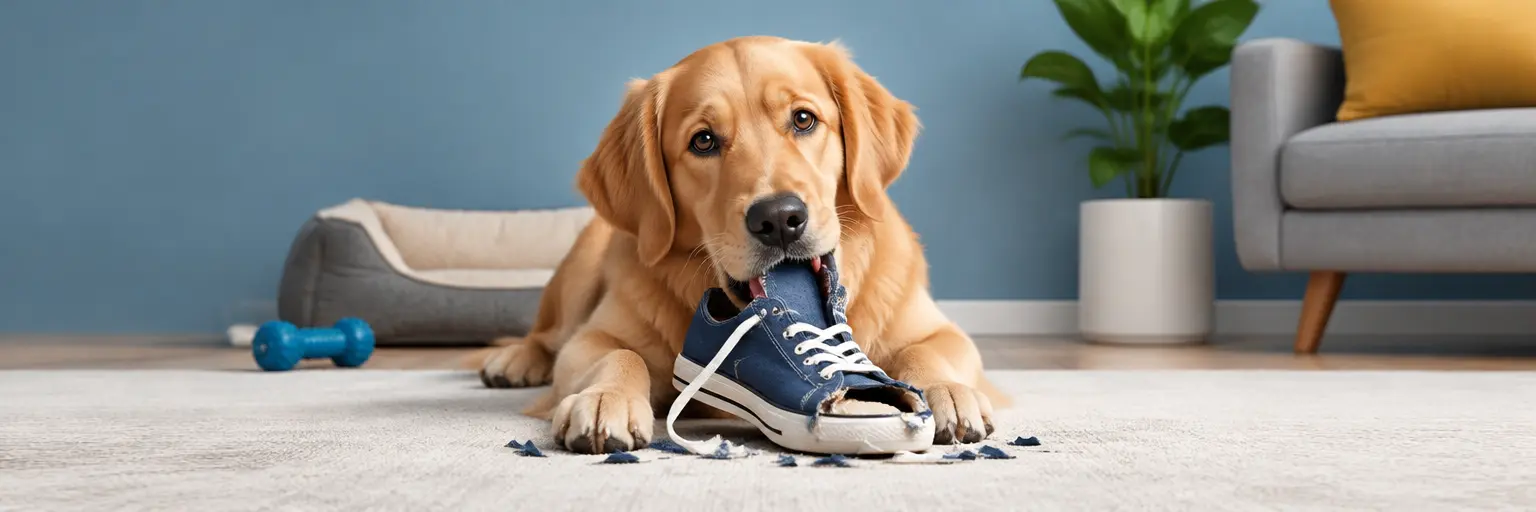
Understanding why your dog chews is the first step toward fixing the problem. Chewing isn't a single behavior; it’s a symptom with multiple triggers. Puppies chew primarily to relieve teething pain, while adult dogs may chew out of boredom, excess energy, or as a self-soothing mechanism for stress. Some breeds, like Labradors and Golden Retrievers, have a genetically higher need to mouth and carry objects. Medical issues, such as nutritional deficiencies or gastrointestinal discomfort, can also manifest as destructive chewing. Our guides help you observe patterns—time, location, and target objects—to pinpoint the exact cause.
By identifying the root trigger, you can implement targeted interventions rather than punishing the behavior. For instance, if chewing happens mainly when you’re away, that points to separation anxiety; if it’s constant and random, boredom or lack of mental stimulation is likely. We provide a detailed checklist of diagnostic signs, plus advice on when to consult a veterinarian to rule out health issues. This foundational knowledge transforms you from a frustrated owner into a proactive problem-solver, ultimately reducing the risk of injury to your dog and damage to your belongings.
🦴 Puppy Teething Chewing: Safe Relief Strategies
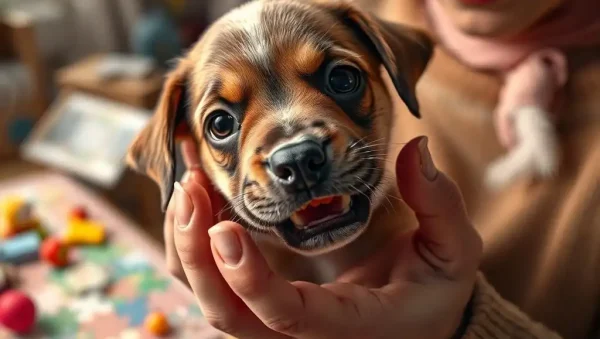
Puppy teething typically begins around 3–4 months and can last until 6–8 months. During this phase, chewing is a physical necessity—the discomfort of new teeth pushing through gums drives puppies to seek relief. Punishing this natural instinct is harmful and ineffective. Instead, we teach you how to channel it positively. Our articles recommend a variety of safe chew toys—rubber rings, chilled teething bones, and soft fabric ropes—that soothe gums while satisfying the urge. We also cover the importance of rotating toys to maintain novelty and prevent boredom-based chewing.
Beyond toys, we emphasize management and supervision. Crate training and baby gates create safe zones where your puppy can chew without destroying your home. We also explain the "trading up" method: when your puppy grabs something off-limits, offer a desirable chew toy instead, then praise them for switching. This builds positive associations and teaches impulse control. Consistency is key—most puppies outgrow excessive teething chewing by their first birthday with proper guidance. Our step-by-step teething timeline helps you anticipate changes and adjust your strategy accordingly.
🏠 Destructive Chewing from Separation Anxiety
If your dog chews doors, windowsills, or only when you're gone, separation anxiety is likely the culprit. This isn't spite—it's panic. Destructive chewing during your absence is a stress-relief behavior, often accompanied by pacing, whining, or inappropriate elimination. Our expert content explains how to distinguish anxiety-driven chewing from boredom-driven chewing. We detail a gradual desensitization plan: start with short departures, use puzzle feeders and interactive toys as distractions, and practice calm arrivals and departures to minimize emotional spikes. For severe cases, we recommend consulting a veterinary behaviorist about anti-anxiety medication.
Prevention is equally critical. Never punish your dog after the fact—they won't connect it to their anxiety and it will worsen their fear. Instead, we guide you in creating a "safe haven" with calming pheromone diffusers, soft music, and a designated chew zone stocked with long-lasting treats like frozen Kongs or bully sticks. We also discuss the role of physical exercise: a tired dog is less anxious. A consistent pre-departure routine—such as a brisk walk followed by a food puzzle—can significantly reduce stress. Over time, these strategies build your dog's confidence and independence.
🧠 Boredom and Excess Energy: Mental and Physical Enrichment
High-energy breeds, working dogs, and smart puppies often chew simply because they have no better outlet. Boredom chewing is usually indiscriminate—your dog may target books, remote controls, or even walls—while often looking for attention. Our guides emphasize that enrichment is the antidote. We offer a curated list of interactive puzzle toys, snuffle mats, and DIY games that engage your dog's natural problem-solving abilities. Scent work, for instance, can tire a dog out faster than a 5-mile run because it uses mental energy. We also outline a daily exercise and play schedule tailored to different breed groups.
Training is another powerful tool to combat boredom. Teaching impulse-control commands like "leave it," "drop it," and "place" gives your dog a clear job and strengthens your leadership. We provide clicker training scripts and reward-based techniques that make obedience fun. Additionally, we explore the benefits of dog sports—agility, flyball, or nosework—as structured physical and mental challenges. By redirecting excess energy into positive activities, you not only stop destructive chewing but also foster a happier, more balanced dog. Regular enrichment reduces the likelihood of future behavioral issues and deepens your bond.
🛠️ Training and Correction: Redirecting Chewing Habits
Even with environmental changes, some dogs need direct training to break established chewing habits. Our methods are entirely positive reinforcement-based, avoiding harmful aversive techniques like shock collars or bitter sprays that can damage trust. We break down a three-step approach: supervision, redirection, and rewarding alternative behaviors. Keep your dog on a leash indoors initially so you can immediately redirect their attention from an off-limits item to an approved chew toy. The moment they chew the right thing, offer enthusiastic praise and a tiny treat. Repetition creates new neural pathways.
We also teach you how to "dog-proof" effectively—using bitter-tasting deterrents on furniture legs as a temporary barrier, securing trash cans, and storing shoes out of reach. Advanced training includes teaching "target" cues where your dog moves to a specific mat or bed on command, giving you an alternative behavior to reinforce. We address common mistakes, such as inconsistent commands or leaving the dog unsupervised too early. With patience—usually 2–4 weeks of consistent practice—most dogs learn to choose appropriate chew items. For stubborn cases, our resource section links to certified professional dog trainers who specialize in behavior modification.
🩺 Health-Related Chewing: When to See a Vet
Sometimes, chewing is a medical red flag. Dental pain from fractured teeth, gum disease, or oral infections can cause dogs to chew obsessively in an attempt to relieve discomfort. Additionally, gastrointestinal issues like inflammatory bowel disease or parasite infestations may lead to pica—chewing and ingesting non-food items like rocks, fabric, or dirt. Nutritional deficiencies, particularly in minerals, can also trigger unusual chewing cravings. Our subcategory includes a valuable guide on recognizing these signs, such as drooling, bad breath, or bleeding gums, and when to schedule a veterinary exam.
We also discuss age-related cognitive dysfunction in older dogs, which can manifest as repetitive chewing or mouthing. If you notice sudden changes in chewing behavior accompanied by weight loss, lethargy, or vomiting, it’s essential to rule out metabolic or neurological conditions. Our articles provide a symptom tracker you can bring to your vet, ensuring no detail is missed. Treatment for health-related chewing varies from dental cleanings to dietary adjustments or medication. By addressing the underlying medical issue, you not only stop the destructive chewing but also improve your dog's overall quality of life. Always prioritize a vet check before assuming it's purely behavioral.
Frequently Asked Questions
How long does puppy teething chewing last?
Puppy teething chewing typically starts around 3 months and ends by 6–8 months when all adult teeth have erupted. However, some dogs may chew longer out of habit. Provide appropriate teething toys during this period and gradually transition to durable adult chew toys after teething ends. Consistent training during this phase will help prevent lifelong destructive chewing.
What are the best chew toys for aggressive chewers?
For aggressive chewers, choose heavy-duty rubber toys like Kong Extreme, nylon bones, and natural antlers. Avoid hard plastic or cooked bones that can crack teeth. Always supervise initial use and discard toys with damaged edges. Rotate toys every few days to maintain interest. For extremely strong chewers, seek vet-approved options like the Goughnuts range that has a lifetime guarantee.
Can I use bitter apple spray to stop my dog from chewing?
Bitter apple spray can be a temporary deterrent, but it's not a standalone solution. Some dogs ignore or get used to the taste. Use it on furniture surfaces you want to protect while simultaneously teaching your dog to chew approved items. Combine it with redirection training and increased exercise. If your dog still chews despite the spray, reassess for anxiety or medical causes.
Is chewing a sign of separation anxiety?
Not all chewing is separation anxiety, but if it only occurs when you’re away and targets exit points like door frames or windowsills, it's likely anxiety-driven. Look for other signs like excessive drooling or barking. Start with short departures and use calming aids. For severe cases, consult a veterinary behaviorist. Boredom-induced chewing usually happens everywhere, not just in your absence.
Why does my dog chew on my shoes even when I'm home?
Shoes carry your scent, providing comfort and familiarity. If your dog chews them while you're present, it may be boredom, attention-seeking, or leftover puppy habit. Keep shoes in a closed closet, and provide interactive toys near your usual sitting spot. Reward your dog for chewing appropriate items. If the behavior persists, increase daily exercise and mental stimulation, or consider a vet check for nutritional deficiencies.