Unmasking Canine Hepatitis: A Guide to Protecting Your Dog's Liver
🐶 Protect your canine companion from canine hepatitis! PetCareWorld's expert guide offers crucial information on preventing dog liver disease, ensuring your furry…
Read article
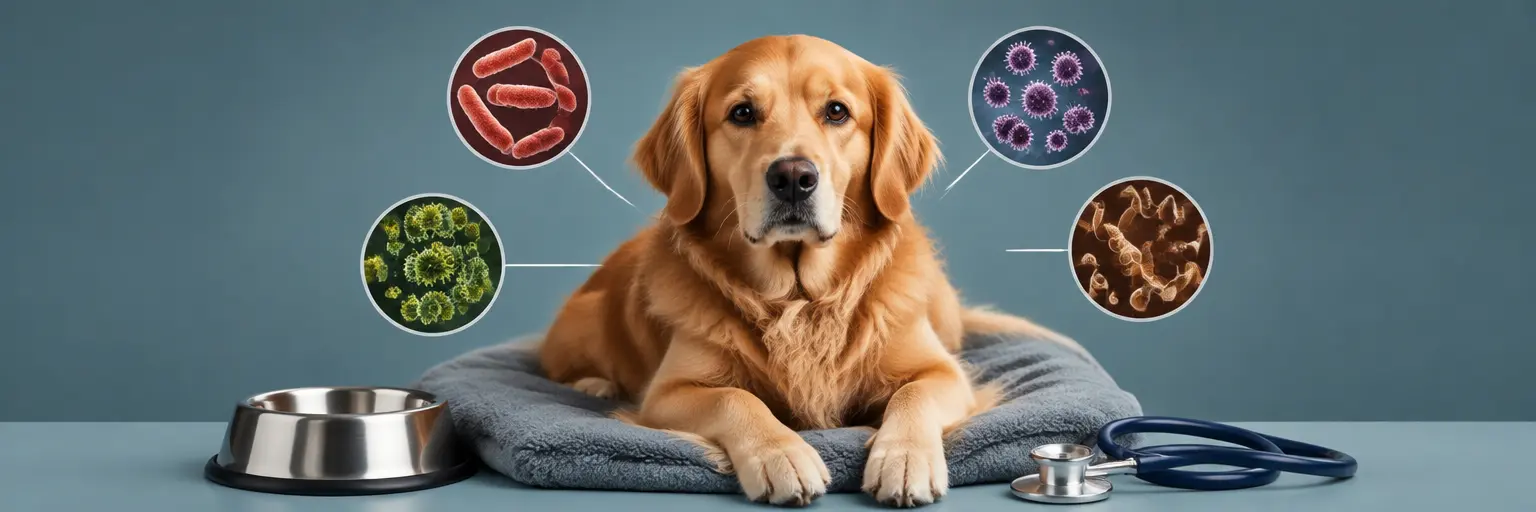
Protect your furry friend from common canine infections with expert-backed insights that every dog owner needs. From bacterial skin issues to viral threats like kennel cough and parvovirus, understanding the symptoms, transmission routes, and prevention strategies is crucial for early detection and effective treatment. Learn how to spot warning signs before they escalate, implement vaccination schedules that shield against contagious diseases, and adopt hygiene practices that keep your home safe. Whether you’re dealing with ear infections, urinary tract problems, or fungal outbreaks, this guide delivers practical, veterinarian-approved advice to boost your dog’s immunity and recovery. Stay ahead of seasonal risks, recognize when to seek emergency care, and build a proactive wellness routine that minimizes infection chances. Your dog’s health depends on informed decisions—grab the knowledge to act with confidence and ensure a happier, healthier companion.

🐶 Protect your canine companion from canine hepatitis! PetCareWorld's expert guide offers crucial information on preventing dog liver disease, ensuring your furry…
Read article
🐶 Protect your canine companion! PetCareWorld's expert guide on infectious diseases in dogs provides crucial information on prevention and treatment, ensuring your…
Read article
🤔 Learn about canine influenza's symptoms, transmission, and—crucially—effective dog flu prevention tips to protect your furry friend. PetCareWorld offers expert advice for…
Read article
😊 Is your dog exhibiting a persistent cough? PetCareWorld's expert guide on "Decoding Canine Cough" helps you understand kennel cough, its symptoms,…
Read articleInfections are among the most frequent health threats your canine companion will face, ranging from mild skin irritations to severe systemic diseases. This dedicated subcategory within PetCareWorld’s Dog Care & Training section provides a deep dive into bacterial, viral, fungal, and parasitic infections that commonly affect dogs. Here, you’ll find actionable prevention strategies, early warning signs, and treatment options, all backed by veterinary expertise to help you act swiftly and keep your furry friend safe, healthy, and thriving.
Bacterial infections can strike almost any part of a dog’s body, including the ears, skin, urinary tract, and respiratory system. Common culprits include Staphylococcus, E. coli, and Bordetella (kennel cough). Symptoms often manifest as persistent scratching, redness, fever, lethargy, or unusual discharge. Early detection is crucial because untreated bacterial infections can spread to the bloodstream, leading to sepsis. Your vet typically prescribes antibiotics, and it’s vital to complete the full course even if symptoms improve.
Prevention revolves around good hygiene, regular grooming, and keeping wounds clean. Avoid exposing your dog to crowded, unsanitary environments like poorly ventilated boarding kennels, which are breeding grounds for respiratory bacteria. For recurrent skin infections, underlying allergies or thyroid issues may be the trigger, so a comprehensive diagnostic workup is recommended. Always consult your veterinarian before using any over-the-counter remedies, as misuse can mask symptoms or promote antibiotic resistance.
Viral infections are often the most dangerous for dogs, especially puppies. Canine parvovirus attacks the gastrointestinal tract, causing severe vomiting, bloody diarrhea, and rapid dehydration, while distemper affects the respiratory, gastrointestinal, and nervous systems. Both are highly contagious and often fatal without immediate veterinary intervention. Vaccination remains your strongest defense—core vaccines protect against these and other viruses like adenovirus and rabies, and boosters are essential to maintain immunity.
Symptoms of viral illness can mimic other conditions, so any sudden behavioral change, fever, or appetite loss warrants a vet visit. There are no direct antiviral cures for most canine viruses; treatment focuses on supportive care: IV fluids, anti-nausea medications, and nutrition. Isolation is critical to prevent outbreaks. Since viruses can survive in the environment for months, thorough disinfection with bleach-based products is necessary if your dog has been infected. Always keep vaccination records updated to ensure herd immunity within your community.
Fungal infections are more common than many owners realize. Ringworm, despite its name, is a fungus that causes circular, hairless patches with scaly edges, often on the face, paws, or tail. It is zoonotic, meaning it can spread to humans, so handling infected pets requires gloves and strict hygiene. Yeast infections, typically Malassezia, thrive in moist areas like ears, armpits, and skin folds, causing a musty odor, itching, and greasy, darkened skin. Both conditions are aggravated by humidity, poor grooming, and underlying allergies.
Treatment for ringworm usually involves topical antifungal creams, medicated shampoos, and oral medications for severe cases. For yeast, antifungal ear drops or cleansers are effective, but addressing the root cause—such as food allergies or hormonal imbalances—is key to prevention. Regular bathing with vet-recommended antifungal shampoo can reduce recurrence. Keep your dog’s living areas dry and clean, and wash bedding frequently in hot water. If multiple pets share your home, quarantine infected animals to stop the spread.
Parasitic infections are among the most preventable yet widespread dog illnesses. Fleas cause intense itching and can transmit tapeworms, while ticks carry Lyme disease, ehrlichiosis, and anaplasmosis. Heartworms, transmitted by mosquito bites, are potentially fatal, as the worms congest the heart and lungs. Symptoms range from scratching and hair loss to coughing, fatigue, and weight loss. Year-round preventive medications—topical, oral, or injectable—are the gold standard for protection, but they only work if administered consistently.
Early diagnosis is vital for parasitic infections. For heartworms, the American Heartworm Society recommends annual testing, as early-stage infections are easier and safer to treat, though treatment is lengthy and expensive. Tick removal should be done carefully with tweezers to avoid leaving mouthparts embedded. Flea control requires treating both the dog and the environment, including carpets, furniture, and yard. Regular fecal exams catch intestinal parasites like roundworms and giardia, which often show no visible symptoms but can cause malnutrition and digestive upset.
Prevention is always better than treatment when it comes to infections. A balanced diet, regular exercise, and routine veterinary check-ups bolster your dog’s immune system. Vaccinations, parasite control, and dental care form the cornerstone of preventive health. But knowing when to seek professional help can save your dog’s life. Red flags include persistent vomiting or diarrhea (over 24 hours), difficulty breathing, seizures, sudden weakness, or refusal to eat or drink for more than a day. A temperature above 103°F (39.4°C) also warrants immediate attention.
Trust your instincts—if your dog seems “off” but you can’t pinpoint why, an early vet visit is wise. Blood tests, urinalysis, and imaging can uncover hidden infections before they escalate. At home, maintain a clean environment, provide fresh water, and avoid sharing food bowls with other animals. Quarantine new pets for at least two weeks before introducing them to your existing dog. By staying vigilant and proactive, you dramatically reduce the risk of infectious diseases and ensure a longer, happier life for your companion.
Yes, some infections are zoonotic, meaning they transfer between animals and humans. Ringworm, leptospirosis, and certain parasitic infections like roundworms are examples. Always wash your hands after handling a sick dog, wear gloves when cleaning up waste, and keep your dog’s vaccinations and deworming current to minimize zoonotic risks.
Immediate action is recommended, especially for viral or bacterial infections that progress rapidly. If you notice fever, lethargy, loss of appetite, or unusual discharge, contact your vet within 24 hours. For severe symptoms like bloody diarrhea, seizures, or difficulty breathing, seek emergency care right away.
Some natural options, like coconut oil for mild skin yeast, may offer temporary relief, but they are not substitutes for veterinary care. Many infections require prescription antibiotics, antifungals, or antivirals. Misusing natural remedies can delay proper treatment and worsen the condition, so always consult your vet first.
Core vaccines (distemper, parvovirus, adenovirus, rabies) typically require a booster one year after the initial puppy series, then every three years. Non-core vaccines, such as leptospirosis or Bordetella, depend on your dog’s lifestyle and regional risk. Your veterinarian will create a personalized schedule based on age, health, and exposure.
Use a bleach solution (1 part bleach to 30 parts water) on hard surfaces, and wash all bedding, toys, and bowls in hot water with disinfectant. For parvovirus, which is highly resilient, discard porous items that cannot be sterilized. Vacuum carpets frequently and consider a professional steam cleaning. Keep other pets away from contaminated areas until fully disinfected.







