The Impact of Medications on Your Dog's Digestion
🤔 Discover how common dog medications can disrupt your canine companion's digestive system. Learn about potential dog medication digestive side effects and…
Read article
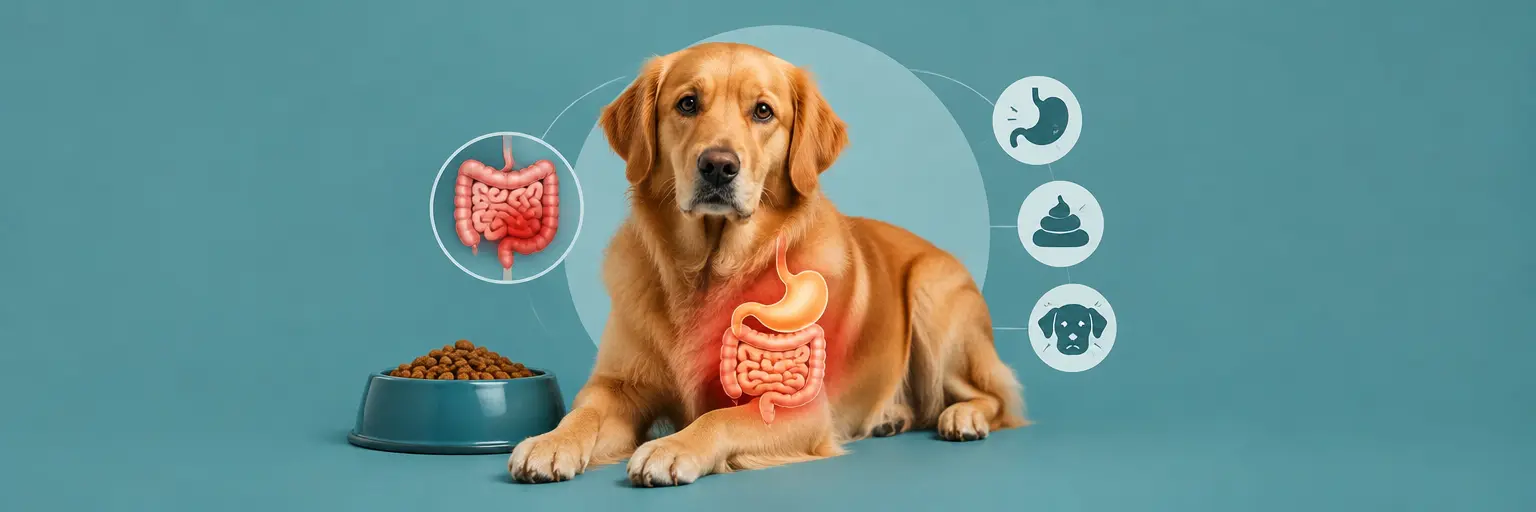
Digestive troubles are among the most common reasons dog owners rush to the vet, and understanding the signs can make all the difference in your furry friend’s comfort and health. From occasional upset stomachs to chronic conditions like inflammatory bowel disease, digestive issues in dogs can range from mild, short-lived episodes to serious medical emergencies. Recognizing symptoms such as vomiting, diarrhea, excessive gas, bloating, or a sudden loss of appetite early on is crucial for timely intervention and effective treatment. Whether it’s a dietary indiscretion from sneaking table scraps, a sudden food switch, or a more complex underlying issue like pancreatitis or food allergies, this guide equips you with practical, vet-approved insights to help you identify, manage, and prevent common canine digestive problems. Learn how to support your dog’s gut health with proper nutrition, probiotics, and hydration, and discover when a simple home remedy is appropriate versus when you must seek professional veterinary care. Your dog can’t tell you what’s wrong, but with the right knowledge, you can be their best advocate and keep their tummy happy and tail wagging.

🤔 Discover how common dog medications can disrupt your canine companion's digestive system. Learn about potential dog medication digestive side effects and…
Read article
🤔 Suspect your dog has a food allergy? PetCareWorld's expert guide helps identify common dog food allergy symptoms, offering treatment options and…
Read article
🤔 Uncover the link between your dog's diet and digestive woes. PetCareWorld explores common dog food digestive problems causes, offering expert insights…
Read article
🤔 Notice sudden changes in your dog's poop? PetCareWorld explains what altered stool consistency, frequency, or color signifies, helping you understand potential…
Read articleDigestive problems are among the most frequent reasons dog owners seek veterinary advice, affecting everything from a pet’s energy levels to their long-term health. At PetCareWorld, we break down the common causes, symptoms, and remedies for canine gastrointestinal distress, from mild dietary indiscretion to chronic conditions like inflammatory bowel disease. This subcategory is your go-to resource for recognizing warning signs, implementing effective home care, and knowing when professional intervention is essential. Whether you’re dealing with occasional vomiting, persistent diarrhea, or unexplained weight loss, our expert-backed information helps you navigate your dog’s digestive health with confidence and clarity.
Many digestive issues in dogs stem from what they eat—sudden diet changes, low-quality ingredients, or specific allergens can wreak havoc on a sensitive stomach. Common culprits include beef, dairy, wheat, and artificial additives, which may cause chronic gas, loose stools, or vomiting shortly after meals. Understanding your dog’s unique dietary needs is the first step toward prevention, as even “premium” foods can contain hidden irritants. Keeping a detailed food diary and introducing new proteins slowly can help pinpoint triggers, while hydrolyzed or limited-ingredient diets often provide relief for allergy-prone pets.
Beyond allergies, feeding habits like rapid eating or excessive treats contribute to digestive upset. Portion control and scheduled meal times stabilize gastric emptying, while puzzle feeders slow down gulpers. If you suspect a food intolerance, consider an elimination trial under veterinary guidance—this method removes all potential allergens for 8-12 weeks, then reintroduces them one by one. Always prioritize high-fiber, easily digestible formulations, and avoid table scraps, which frequently contain fats and seasonings that dogs cannot process effectively. Consistency in both ingredients and feeding routine is paramount for maintaining a healthy gut environment.
Digestive issues are often triggered by invisible invaders—roundworms, hookworms, giardia, salmonella, or canine parvovirus. Puppies and unvaccinated dogs are especially vulnerable, with symptoms ranging from bloody diarrhea to severe lethargy. Regular fecal exams and preventive deworming are critical, as many parasites are zoonotic and can affect human family members. Bacterial infections typically arise from contaminated water or raw meat, while viral pathogens spread through direct contact with infected feces. Prompt veterinary testing isolates the culprit, guiding targeted antibiotic, antiparasitic, or antiviral therapy that resolves the infection before dehydration or secondary complications set in.
Prevention hinges on hygiene and vaccination protocols. Year-round heartworm and intestinal parasite prevention is non-negotiable, especially for dogs that frequent parks or kennels. Clean up feces immediately, provide fresh water, and avoid raw diets unless specifically recommended by your vet. If your dog shows acute symptoms like persistent vomiting or bloody stools, seek immediate care—dehydration can become life-threatening within 24 hours, particularly in small breeds. Early intervention with fluids and supportive care dramatically improves outcomes, while delaying treatment risks chronic inflammation or organ damage. Always quarantine affected dogs from other pets to prevent outbreak spread.
When digestive problems persist beyond a few days or recur monthly, chronic conditions like inflammatory bowel disease (IBD), exocrine pancreatic insufficiency, or pancreatitis may be at play. IBD involves an abnormal immune response to normal gut bacteria, causing thickened intestinal walls, malabsorption, and weight loss. Pancreatitis, on the other hand, is a painful inflammation often triggered by high-fat meals, leading to severe abdominal pain, vomiting, and enzyme imbalances. Diagnosis requires blood panels, ultrasound, or intestinal biopsies, but once identified, these conditions are manageable with lifelong dietary modifications, immunosuppressive drugs, or enzyme supplements.
Management revolves around low-fat, highly digestible diets rich in omega-3 fatty acids, prebiotics, and soluble fiber. Small, frequent meals reduce pancreatic workload, while probiotics restore beneficial flora. Regular veterinary check-ups are essential to adjust medication dosages and monitor nutrient levels, as malabsorption can silently deplete vitamins B12 and E. Owners should also track stool consistency and appetite daily, documenting any fluctuations to share with their vet. With meticulous care, many dogs with chronic digestive disorders enjoy excellent quality of life, though relapses are possible during stress or dietary indiscretion—hence a stable environment and strict feeding discipline are non-negotiable.
Not every upset stomach requires a vet trip, but certain red flags demand immediate professional attention. Persistent vomiting (more than 4-6 hours), repeated episodes of diarrhea lasting over 24 hours, visible blood in stool or vomit, abdominal distension, or signs of severe pain like whining, pacing, or a tucked belly are all emergencies. Additionally, a dog that refuses water, shows pale gums, or collapses is at risk of dehydration and shock. Bloat (gastric dilatation-volvulus) is a life-threatening condition where the stomach twists—if you suspect it, every minute counts, so rush to an emergency clinic without delay.
Home monitoring is appropriate only for mild, isolated symptoms like a single soft stool or one bout of vomiting after eating grass. In these cases, withhold food for 12 hours, then offer a bland diet of boiled chicken and rice in tiny portions. Never administer human medications like ibuprofen or Pepto-Bismol, as they are toxic to dogs. Always call your vet if symptoms worsen, even if they initially seemed benign. Early diagnosis of conditions like intestinal foreign bodies or poisoning significantly improves prognosis, while waiting too long can lead to sepsis or organ failure. Trust your instincts—if something feels off, professional evaluation is always the safer choice.
Modern veterinary medicine offers a suite of tools to pinpoint digestive issues, from basic fecal floatation tests to advanced abdominal ultrasounds and endoscopy. A complete blood count (CBC) and biochemistry panel reveal organ function, inflammation markers, and hydration status. Specific tests like canine pancreatic lipase (cPL) diagnose pancreatitis, while folate and cobalamin levels assess small intestinal bacterial overgrowth. For chronic cases, intestinal biopsies taken via endoscopy provide definitive diagnosis of IBD or lymphoma. Imaging with X-rays or CT scans detects foreign bodies, obstructions, or tumors, ensuring no hidden mechanical cause is overlooked.
Treatment is multi-faceted: antiparasitics for infections, antiemetics for vomiting, gastroprotectants for ulcers, and antibiotics for bacterial overgrowth. Fluid therapy—subcutaneous or intravenous—restores hydration, while electrolyte supplementation prevents arrhythmias. Longer-term, prescription gastrointestinal diets, fiber supplements like psyllium, and probiotics (e.g., FortiFlora) support mucosal healing. Pain management with NSAIDs or opioids is crucial for pancreatitis cases. Surgical intervention is reserved for obstructions, torsion, or tumor removal. Every plan is tailored to the dog’s age, breed, and severity, so follow your vet’s instructions precisely and schedule rechecks to ensure complete resolution.
Preventing digestive issues starts with consistent, high-quality nutrition—choose foods with named animal proteins, limited fillers, and balanced fiber (5-8% crude fiber). Incorporate fresh, dog-safe vegetables like pumpkin or sweet potato, which are rich in soluble fiber and soothe irritated intestines. Probiotic supplements and bone broth can enhance gut integrity, while omega-3 oils reduce inflammation. Always transition new foods over 7-10 days, mixing increasing amounts of the new diet with the old to avoid shock. Regular exercise promotes healthy motility, but avoid vigorous activity immediately after meals to reduce bloat risk.
Home care extends beyond diet: ensure constant access to clean water, especially during diarrhea, and consider electrolyte solutions formulated for dogs. Stress triggers digestive flare-ups, so maintain predictable routines—fixed feeding times, consistent walk schedules, and a calm environment. Grooming dogs with long coats prevents fecal matting, which harbors bacteria. For chronic sufferers, keep a symptom journal, noting weather, food, and activity correlations. Annual bloodwork and fecal exams catch early issues, while dental hygiene prevents oral bacteria from migrating to the gut. These proactive steps drastically reduce emergency visits and improve your dog’s overall vitality, making digestive health a manageable aspect of daily care.
Common signs include vomiting, diarrhea (often with mucus or blood), constipation, excessive gas, abdominal bloating, loss of appetite, weight loss, and a gurgling stomach. Lethargy or restlessness may accompany pain. Watch for increased drooling or lip licking, which can indicate nausea. If symptoms persist beyond 24 hours or include lethargy, consult your vet immediately.
No, never give human medications like Pepto-Bismol, Imodium, or antacids without veterinary approval. These can be toxic or worsen conditions. Safe home care includes fasting for 12 hours, offering small amounts of boiled chicken and rice, and ensuring water intake. For persistent issues, a vet-prescribed probiotic or antiemetic is safest.
Treat as an emergency if you see repeated vomiting (more than 4-6 hours), blood in stool or vomit, a distended or hard abdomen, retching without vomiting (bloat sign), inability to stand, pale gums, or signs of severe pain. Any fever over 103°F or collapse requires immediate vet care.
Switch to a highly digestible, low-fat diet with prebiotics and soluble fiber like pumpkin or boiled white rice. Use a limited-ingredient protein source such as turkey or venison. Feed smaller, more frequent meals. Consider a veterinary prescription GI diet or adding a probiotic like FortiFlora for at least 4-6 weeks to restore gut flora.
Yes, brachycephalic breeds (Boxers, Bulldogs) often have sensitive stomachs, while large breeds like Great Danes are prone to bloat. German Shepherds commonly have exocrine pancreatic insufficiency, and Yorkshire Terriers may suffer from portosystemic shunts. Breeds with food allergies include Labradors and Golden Retrievers. Regular monitoring and breed-specific nutrition are essential.







