
Understanding the Importance of Calcium in Bird Diets

Welcome to PetCareWorld, your ultimate guide to a happier, healthier life for your beloved companion! Are you curious about ensuring your feathered friend thrives? Then delve into our essential guide on Calcium needs in bird diets. Discover the critical role calcium plays in maintaining your bird's vibrant health and learn how to provide optimal nutrition for a long and joyful life together. Unlock the secrets to a flourishing avian companion – explore more now!
- Calcium's Crucial Role in Avian Health
- Determining Your Bird's Calcium Requirements
- Providing Adequate Calcium Through Diet
- Choosing the Right Calcium Supplements for Birds
- Sourcing Calcium in Bird Diets: Natural and Supplemental Options
- Monitoring Calcium Levels and Preventing Deficiencies
- Frequently Asked Questions
- Final Reflection: The Unseen Strength of Calcium in Avian Health
- Unlock Your Bird's Health Potential: Boost Calcium Today!
Calcium's Crucial Role in Avian Health
Calcium is an absolutely vital mineral for birds, playing a much more significant role than many pet owners realize. This comprehensive guide delves into the specific calcium needs in bird diets, exploring its impact on various aspects of avian health, from skeletal development to egg production. Understanding these needs is paramount for ensuring your feathered friend thrives and enjoys a long, healthy life.
Ignoring calcium requirements can lead to serious health problems, so let's explore why this often-overlooked nutrient is so crucial. We'll examine the specific needs of different bird species, the symptoms of deficiency, and how to ensure your bird receives the optimal amount of calcium through a balanced diet and, when necessary, supplementation. This guide will equip you with the knowledge to make informed decisions about your bird's nutritional well-being, contributing to their overall health and happiness.
Calcium and Bone Development in Birds
Calcium is the fundamental building block of strong bones and a healthy skeletal system in birds. Unlike mammals, birds possess a unique skeletal structure adapted for flight, requiring exceptional bone strength and density. Avian bones are inherently porous, meaning they require a constant supply of calcium to maintain their integrity. Insufficient calcium intake during a bird's growth phase can lead to rickets, a condition characterized by weakened bones, deformities, and impaired growth. Even adult birds need a consistent supply of calcium to prevent bone thinning and fragility, increasing their susceptibility to fractures.
The amount of calcium required varies depending on the bird's species, age, size, and activity level. For example, larger, more active birds generally need higher calcium intake than smaller, less active species. [Specific calcium requirements for various bird species pending]. Ensuring adequate calcium intake is especially critical during periods of rapid growth, molting, and breeding.
Calcium's Impact on Egg Production and Shell Quality
For female birds, particularly those of egg-laying species, calcium plays an even more critical role. A significant portion of a hen's calcium intake is utilized in the formation of eggshells. Calcium deficiency directly impacts eggshell quality, leading to thin, weak, or porous shells. These fragile eggs are more susceptible to breakage, resulting in embryo mortality or failure to hatch.
Furthermore, calcium deficiency can lead to reduced egg production, impacting breeding success and the overall health of the hen. Providing adequate calcium during the egg-laying period is not only crucial for the success of reproduction but also for the health and well-being of the mother bird, preventing potential health complications associated with calcium depletion. [Data on average calcium requirements during egg-laying periods for various species pending]. Supplementation may be necessary during peak laying seasons to ensure sufficient calcium levels.
Calcium Deficiency Symptoms in Birds: Recognizing the Warning Signs
Recognizing the signs of calcium deficiency is crucial for early intervention and preventing severe health complications. Symptoms can vary but may include:
- Weak bones and fractures: Birds may exhibit difficulty perching, climbing, or moving normally. Fractures may occur even with minor trauma.
- Soft or deformed bones: Deformities in the legs, wings, or beak may be visible.
- Muscle weakness: Birds may appear lethargic, weak, or unable to fly properly.
- Egg shell problems: Thin, fragile, or soft-shelled eggs are a clear indicator of calcium deficiency in laying hens.
- Reduced egg production: A noticeable decrease in egg-laying frequency in hens is another significant warning sign.
- Tremors or seizures: In severe cases, calcium deficiency can lead to neurological symptoms.
If you observe any of these symptoms in your bird, it's crucial to consult an avian veterinarian immediately. They can perform diagnostic tests to confirm a calcium deficiency and recommend appropriate treatment, which may involve dietary adjustments or calcium supplementation. Early diagnosis and treatment are essential to prevent irreversible damage and ensure your bird's recovery.
Remember, providing a balanced and nutritious diet is the cornerstone of preventative care. By understanding the importance of calcium in avian diets, you can take proactive steps to ensure the health and well-being of your feathered companion.
Calcium's Role in Muscle Function and Nerve Transmission
Calcium plays a vital role in the proper functioning of a bird's muscular system and nervous system. Its importance cannot be overstated, as deficiencies can lead to a range of debilitating conditions. Think of calcium as the crucial conductor of an orchestra, ensuring the harmonious interplay of various systems within the avian body. Without sufficient calcium, this delicate balance is disrupted.
Specifically, calcium ions (Ca²⁺) are essential for muscle contraction. The process involves the interaction of proteins within muscle fibers, a process that is entirely dependent on the presence of calcium. When a bird's muscles need to contract – whether it's flapping its wings, perching, or even digesting food – calcium ions trigger the necessary chain of events. A deficiency can result in weakened muscles, leading to difficulties with flight, movement, and overall physical activity. This can manifest as lethargy, difficulty perching, or a noticeable weakness in the bird's legs and wings. Severe deficiencies can even lead to paralysis.
Beyond muscle function, calcium is critical for nerve impulse transmission. The transmission of nerve signals throughout the bird's body relies on the flow of calcium ions across nerve cell membranes. This rapid exchange of ions allows for the quick and efficient communication between the brain and the rest of the body, enabling the bird to respond to stimuli and coordinate its actions.
A calcium deficiency can disrupt this process, leading to neurological problems such as tremors, seizures, or impaired coordination. These symptoms can significantly impact a bird's quality of life, affecting its ability to interact with its environment and perform essential behaviors. Owners should be vigilant for any signs of these neurological issues, as they can be indicators of a serious calcium deficiency.
Early intervention is key to mitigating the severity of these conditions and improving the bird's overall health. The careful monitoring of a bird's diet and the provision of adequate calcium are essential preventative measures.
Determining Your Bird's Calcium Requirements

Understanding the precise calcium needs of your bird is crucial for maintaining its health and well-being. While a general guideline is difficult to establish without knowing the specific species and individual bird, we can explore the key factors that influence calcium requirements. Remember, consulting with an avian veterinarian is always recommended for personalized dietary advice, especially if you notice any signs of calcium deficiency or imbalance.
This proactive approach will ensure your feathered friend thrives. The overarching goal is to maintain a proper calcium-phosphorus ratio, essential for strong bones, healthy egg production (in laying hens), and overall bodily functions. Ignoring this balance can lead to serious health complications.
Factors Affecting Calcium Needs (Age, Species, Breeding Status)
Several factors significantly influence a bird's calcium needs. Let's examine these crucial elements in detail:
- Age: Young, growing birds require significantly more calcium than mature adults. During periods of rapid growth, their bodies demand higher levels of calcium for skeletal development. For example, a young cockatoo will need a much higher calcium intake compared to a fully mature one. This increased need naturally tapers off as the bird reaches adulthood.
- Species: Different bird species have varying calcium requirements. Smaller birds generally need less calcium compared to larger species. For instance, a small finch’s calcium needs will be far less than those of a large macaw. This variance is largely due to differences in body size and metabolic rates. Species-specific dietary guidelines are essential for optimal health.
- Breeding Status: Laying hens, particularly those producing multiple clutches of eggs, require substantially higher calcium intake. Egg production places a significant demand on the bird's calcium stores. A deficiency during this period can lead to soft-shelled eggs, reduced egg production, and even egg binding – a life-threatening condition. Supplementation is often necessary during breeding seasons to meet this elevated requirement. The increased calcium needs during breeding should be carefully monitored and adjusted accordingly.
Providing Adequate Calcium Through Diet
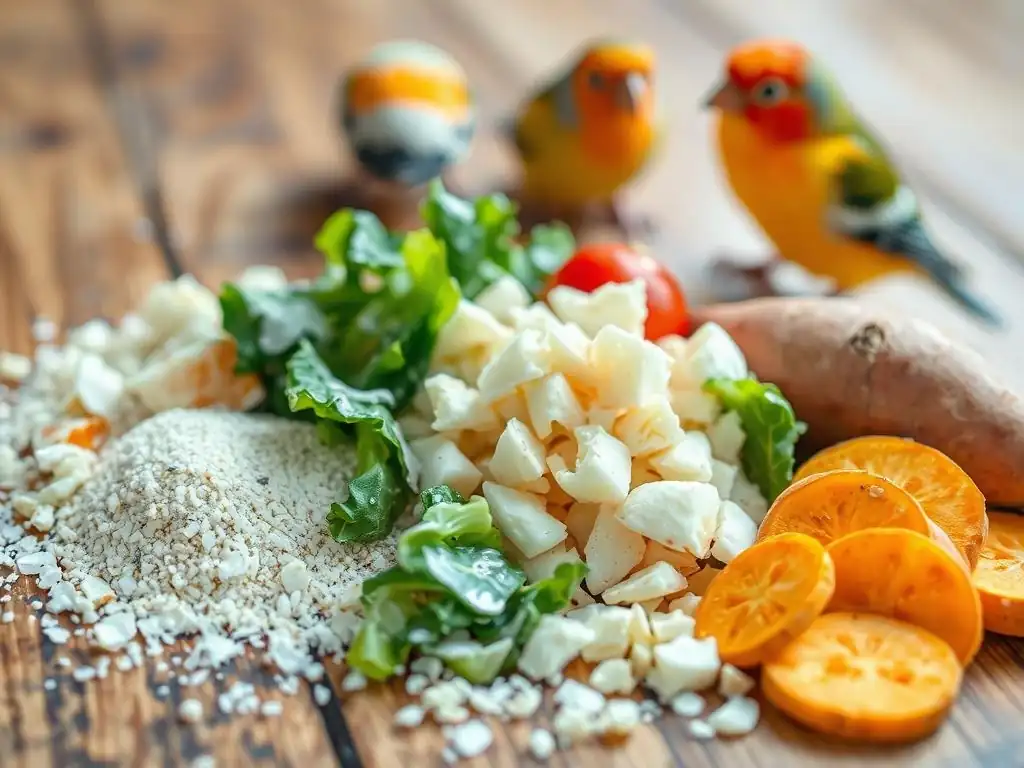
A balanced diet is the cornerstone of providing adequate calcium for your bird. While commercial birdseed mixes often contain some calcium, they are rarely sufficient to meet the needs of most birds, especially during growth or breeding. Enriching your bird’s diet with calcium-rich foods is crucial. Here are some excellent options:
- Cuttlebone: A natural source of calcium, readily available in most pet stores. Birds naturally peck at it to obtain the calcium they need.
- Calcium-rich Vegetables: Leafy greens like kale, spinach (in moderation due to oxalates), and collard greens are excellent sources of calcium. Other vegetables such as broccoli and carrots also contribute to calcium intake.
- Calcium-Fortified Foods: Some commercially available bird foods are fortified with additional calcium. Always check the nutritional label to ensure it meets your bird's specific needs. However, relying solely on fortified foods may not be sufficient.
- Grit: Grit helps with digestion and can contain calcium. However, it shouldn't replace other calcium sources. The amount and type of grit should be carefully considered as it may affect the balance in the bird's system.
Remember to introduce new foods gradually to avoid digestive upset. Variety is key to ensuring a well-rounded and calcium-rich diet for your bird. A balanced approach considering all the above suggestions is crucial.
Choosing the Right Calcium Supplements for Birds

While a balanced diet should be the primary source of calcium, supplementation might be necessary in certain situations, such as during breeding or if your bird shows signs of calcium deficiency. However, over-supplementation can be just as harmful as deficiency, potentially leading to kidney problems. Therefore, consulting an avian veterinarian before starting any supplementation is strongly advised.
Choosing the Right Calcium Supplements for Birds
When choosing a calcium supplement, consider the following:
- Form: Calcium supplements come in various forms, including powder, liquid, and blocks. The best form depends on your bird's preferences and your ease of administration. Powder can be sprinkled on food, while liquid supplements can be added to water (though this might not always be the most effective method). Blocks are often self-administered by the birds.
- Calcium-Phosphorus Ratio: Pay close attention to the calcium-phosphorus ratio. A proper balance is essential, as an imbalance can lead to health issues. The ideal ratio varies depending on the bird species and life stage, so consult your avian veterinarian for guidance.
- Other Nutrients: Some supplements also include other essential nutrients, such as vitamin D3, which aids in calcium absorption. Check the label for a complete list of ingredients.
- Quality and Source: Opt for high-quality supplements from reputable manufacturers. Avoid supplements containing fillers or unnecessary additives.
Remember, the key to ensuring your bird receives adequate calcium lies in a combination of a balanced diet and, when necessary, carefully chosen and appropriately dosed supplements. Always prioritize a proactive approach and consult your avian veterinarian for personalized advice tailored to your bird's specific needs. This diligent attention to detail will contribute to your bird’s long-term health and happiness.
Over-Supplementation Risks: Avoiding Calcium Toxicity
Providing your bird with sufficient calcium is crucial for its health, but it's equally important to avoid overdoing it. Calcium toxicity, or hypercalcemia, is a serious condition that can arise from excessive calcium intake. Symptoms can be subtle at first, making early detection challenging. Birds might exhibit lethargy, decreased appetite, and weight loss.
More severe cases can lead to kidney problems, organ damage, and even death. The severity of the effects depends on the level of excess calcium and the bird's individual sensitivity. Smaller birds, for example, are generally more susceptible to the negative consequences of calcium overload than larger species.
The key to preventing calcium toxicity is careful monitoring and a balanced approach to supplementation. Avoid giving your bird calcium supplements unless explicitly recommended by an avian veterinarian. Even with supplements, always adhere strictly to the recommended dosage. Overestimating the necessary amount can have disastrous consequences. Remember that many commercially available bird seeds and pellets already contain calcium, so supplementing without knowing the precise calcium content of your bird's current diet can easily lead to an excess.
It's crucial to understand that different bird species have varying calcium needs. A diet formulated for a cockatoo will likely have different calcium requirements compared to a finch's diet. Therefore, a "one-size-fits-all" approach to calcium supplementation is inappropriate and potentially harmful. Consulting with an avian veterinarian is paramount to determine your bird's specific calcium needs, considering its species, age, and overall health. They can help you create a tailored nutrition plan that avoids both deficiencies and excesses.
Regular veterinary check-ups, including blood tests to monitor calcium levels, are advisable for all birds, especially those receiving supplemental calcium. This proactive approach allows for early detection of any imbalances and prevents the development of serious health complications. Early intervention is crucial for successful treatment and a positive outcome. Ignoring potential problems can lead to irreversible damage. Prevention, through careful planning and monitoring, is always the best medicine.
Sourcing Calcium in Bird Diets: Natural and Supplemental Options

Calcium is a vital mineral for birds, playing a crucial role in maintaining strong bones, healthy eggshells (in laying hens), and proper muscle function. Ensuring your avian companion receives adequate calcium is paramount to their overall health and well-being. Understanding how to meet their calcium needs is key, and involves a careful consideration of both dietary sources and potential supplementation. Inadequate calcium intake can lead to a variety of health problems, including metabolic bone disease (MBD), a debilitating condition often fatal if left untreated.
Therefore, a proactive approach to calcium management is essential for responsible bird ownership. This section explores the various avenues for providing sufficient calcium to your feathered friend, emphasizing a balanced approach that prioritizes natural sources while acknowledging the potential need for supplementation. Remember, always consult with an avian veterinarian before making significant changes to your bird's diet, particularly when introducing supplements.
Calcium-Rich Foods for Birds: A Comprehensive List
Many natural foods can contribute significantly to a bird's daily calcium intake. The key is to offer a diverse diet to ensure a balanced nutrient profile. Here's a list of calcium-rich foods suitable for various bird species (always research species-specific needs):
- Leafy Green Vegetables: Kale, collard greens, spinach (in moderation due to oxalates), and turnip greens are excellent sources. However, remember that oxalates in some greens can hinder calcium absorption, so moderation is key.
- Cuttlebone: This is a readily available and highly popular calcium supplement for birds. It's a natural source of calcium, and the birds often enjoy gnawing on it.
- Oyster Shell: Crushed oyster shells are another excellent source of calcium and can be added to seed mixes or offered separately. Ensure the shell is finely ground for easier consumption.
- Boiled Eggshells: Finely ground, clean, boiled eggshells can also provide supplemental calcium. Always thoroughly boil and dry the shells before grinding to prevent bacterial contamination.
- Calcium-Fortified Bird Seed Mixes: Some commercially available birdseed mixes are fortified with additional calcium. However, always check the nutritional label to confirm the calcium content.
- Certain Fruits and Vegetables: While not as concentrated as the options above, some fruits and vegetables like broccoli, carrots, and certain berries provide smaller amounts of calcium.
The table below summarizes the calcium content (approximate values) in some common bird foods:
| Food | Calcium Content (mg/100g) | Notes |
|---|---|---|
| Kale | 150-200 | Excellent source, feed in moderation |
| Collard Greens | 100-150 | Good source |
| Spinach | 80-100 | Moderate source, limit due to oxalates |
| Cuttlebone | Varies widely | Excellent source, readily available |
| Crushed Oyster Shell | High | Excellent source, ensure fine grinding |
| Boiled Eggshells (ground) | High | Excellent source, ensure thorough boiling |
Remember that the actual calcium content can vary depending on factors like growing conditions and preparation methods.
Evaluating Commercial Bird Food for Calcium Content
While many bird owners rely on commercial bird food as a staple, it's crucial to carefully examine the nutritional label to ascertain its calcium content. Many commercial mixes fall short of providing optimal calcium levels. Always look for a comprehensive nutritional analysis that clearly states the calcium content per serving or per 100g of food.
Look for a balance of calcium and phosphorus, as an imbalance can negatively affect calcium absorption and lead to health issues. A ratio of approximately 1:1 or 2:1 (calcium to phosphorus) is generally considered ideal, though species-specific needs may vary. The label should also clearly list all ingredients, allowing you to assess the overall nutritional profile and identify potential sources of calcium within the mix.
If the calcium content is insufficient, you'll need to supplement your bird's diet with additional calcium-rich foods or supplements. Don't hesitate to contact the manufacturer directly if you have questions about the nutritional composition of their products.
Safe and Effective Calcium Supplements: Types and Administration
While a balanced diet should provide the majority of a bird's calcium needs, supplementation may be necessary in certain situations, such as during breeding season or for birds with specific dietary requirements or health conditions. Several safe and effective calcium supplements are available, but it's crucial to choose the appropriate type and administer it correctly.
- Liquid Calcium Supplements: These are often easy to administer, simply adding a few drops to the bird's water or directly onto their food. Always follow the manufacturer's instructions carefully.
- Powdered Calcium Supplements: These can be sprinkled onto food or mixed into a bird's mash. Again, precise adherence to dosage instructions is vital.
- Cuttlebone and Oyster Shell: As mentioned earlier, these natural sources are excellent supplements and are generally safe and well-tolerated by birds.
Important Considerations:
- Dosage: Always follow the recommended dosage instructions provided by the manufacturer or your avian veterinarian. Over-supplementation can be as harmful as under-supplementation.
- Observation: Monitor your bird closely after introducing any new supplement, watching for any signs of adverse reactions.
- Veterinary Guidance: Consult with an avian veterinarian before starting any supplementation program, particularly if your bird has pre-existing health conditions. They can help determine the appropriate type and dosage of calcium supplement based on your bird's individual needs and species. 🐦
Remember, providing your bird with adequate calcium is a critical aspect of responsible pet ownership. By understanding the diverse sources of calcium and employing a balanced approach to dietary management, you can contribute significantly to your bird's overall health and longevity.
Monitoring Calcium Levels and Preventing Deficiencies
Maintaining optimal calcium levels in your bird's diet is crucial for their overall health and well-being. Calcium deficiency can lead to a range of serious health problems, impacting bone development, egg production (in laying birds), and even muscle function. Therefore, proactive monitoring and preventative measures are essential. Understanding your bird's specific calcium needs, based on species, age, and reproductive status, is the first step toward preventing deficiencies.
This involves careful selection of food and supplements, as well as vigilant observation of your feathered friend. Remember, even seemingly minor changes in behavior or appearance can signal underlying health issues, including calcium imbalances. Early detection is key to successful intervention and a healthier, happier bird.
Observing Your Bird for Signs of Calcium Deficiency
Recognizing the symptoms of calcium deficiency in birds can be challenging as they can manifest in various ways, often subtly at first. Some common signs to watch for include:
- Weak or brittle bones: This can lead to fractures or deformities, particularly noticeable in the legs and wings. Observe your bird's gait; any limping or difficulty perching should be investigated.
- Egg-laying problems: In female birds, calcium deficiency can result in difficulty laying eggs, soft-shelled eggs, or even egg binding, a life-threatening condition.
- Muscle weakness: This can manifest as lethargy, difficulty flying, or tremors. Your bird might appear less active than usual or struggle with simple tasks.
- Deformed beak or claws: A soft, deformed beak or abnormally shaped claws can indicate a chronic calcium deficiency.
- Loss of appetite: A significant decrease in food intake is a common sign of various health issues, including mineral imbalances.
It's crucial to remember that these symptoms aren't exclusive to calcium deficiency and could indicate other underlying health problems. Therefore, consulting an avian veterinarian is always recommended if you suspect any of these issues. Early diagnosis is critical in mitigating the negative effects of calcium deficiency and ensuring your bird's optimal health. Regular observation and a proactive approach are paramount in preventing serious complications.
Regular Veterinary Checkups for Birds
Regular veterinary checkups are essential for maintaining your bird's health and detecting potential problems early. These visits should be scheduled at least once a year, or more frequently for younger birds or those with pre-existing health conditions. During these checkups, your veterinarian will conduct a thorough physical examination, assessing your bird's overall health and weight.
Blood tests can be used to measure calcium levels directly, providing a precise indication of whether your bird is receiving adequate amounts of this essential mineral. Your veterinarian can also provide guidance on appropriate dietary adjustments and recommend suitable calcium supplements if necessary. Don't hesitate to discuss any concerns you may have regarding your bird's diet or behavior; open communication with your avian veterinarian is key to ensuring your bird receives the best possible care.
Proactive veterinary care is an investment in your bird's long-term health and happiness. Consider it a vital component of responsible bird ownership and a crucial aspect of managing their calcium needs effectively.
Adjusting Calcium Intake Based on Individual Needs
The ideal calcium intake for your bird varies significantly depending on several factors. Species, age, breeding status, and overall health all play crucial roles in determining the appropriate amount. For instance, a young, rapidly growing bird will require significantly more calcium than an older adult. Similarly, laying hens need substantially higher calcium levels to produce strong eggshells. It's crucial to research the specific calcium requirements for your bird's species and life stage. You can find this information through reputable avian veterinary resources or specialized bird-care websites.
To ensure accurate calcium supplementation, consider using commercially available formulated bird foods that already include balanced mineral levels. These foods are usually designed to meet the nutritional requirements of specific bird species. However, it’s important to remember that even with a balanced diet, individual birds might still need supplemental calcium, especially during periods of rapid growth or egg production. Always consult your avian veterinarian before introducing any supplements to your bird's diet to avoid potential imbalances or adverse reactions.
They can help you determine the appropriate dosage and type of calcium supplement based on your bird's specific needs and health status. Remember, providing the correct amount of calcium is crucial for your bird's health; neither deficiency nor excess is beneficial. Careful monitoring and professional guidance are essential for optimal calcium management.
Remember to always consult with an avian veterinarian before making any significant changes to your bird's diet or introducing supplements. They can provide personalized recommendations based on your bird's specific needs and health status. Early detection and proactive management are vital for ensuring the long-term health and happiness of your feathered companion. 🐦
Frequently Asked Questions
What is the importance of calcium in a bird's diet?
Calcium is essential for strong bones, egg production (in laying hens), and overall bone health. A deficiency can lead to serious health problems.
How much calcium does my bird need?
The required amount of calcium varies greatly depending on the species, age, and reproductive status of your bird. Consult your avian veterinarian for a species-specific recommendation.
What are good sources of calcium for my bird?
Excellent sources include cuttlebone, calcium-rich pellets, minerals blocks, and calcium supplements (only when prescribed by a vet). Ensure a balanced diet.
What are the signs of calcium deficiency in birds?
Symptoms can include weak bones, leg weakness, soft-shelled eggs, muscle tremors, and difficulty flying. Immediate veterinary care is crucial.
Can I just give my bird extra calcium supplements without consulting a vet?
No. Over-supplementation of calcium can be just as harmful as a deficiency. Always consult your avian veterinarian before adding any supplements to your bird's diet to avoid mineral imbalances.
Final Reflection: The Unseen Strength of Calcium in Avian Health
The health and vitality of our feathered friends are intrinsically linked to their calcium intake; a deficiency can silently undermine their well-being, leading to devastating consequences. This isn't just about strong bones; calcium plays a crucial role in egg production, muscle function, and overall avian health, impacting everything from breeding success to disease resistance. Ignoring this fundamental need can have far-reaching and tragic effects on bird populations, both wild and captive.
Understanding the multifaceted role of calcium in avian diets has profoundly shifted my perspective on bird care. It's no longer simply about providing seeds and water; it's about actively ensuring a balanced nutritional intake that supports every aspect of a bird's life. This understanding underscores the importance of responsible pet ownership and conservation efforts. The care of a bird is a responsibility, not a hobby.
This quote, though not directly about calcium, perfectly encapsulates the dedication required to meet the complex needs of these magnificent creatures.
Now, consider your own relationship with the birds in your life, whether they are wild visitors to your garden or beloved companions in your home. Take a moment to reflect on their diet and ensure they are receiving the calcium they need to thrive. Research your specific bird species' requirements, consult with avian veterinarians, and make informed choices about their food and supplements. By understanding and addressing their calcium needs, you are not only contributing to their individual well-being but also playing a vital role in supporting the health and resilience of avian populations as a whole.
Unlock Your Bird's Health Potential: Boost Calcium Today!
Thanks for exploring avian nutrition with us! You've learned about calcium's crucial role in your bird's health. Ready to put this knowledge into practice?
- Prioritize Calcium-Rich Foods: Carefully review your bird's diet and add more calcium-rich foods, such as cuttlebone, leafy greens, and commercially available calcium-fortified seeds.
- Consult an Avian Veterinarian: Schedule a checkup with an avian veterinarian to discuss your bird's individual calcium needs and overall nutritional balance. This proactive approach ensures optimal health.
- Share Your Experiences: Join our PetCareWorld community and share your successes (or questions!) about calcium supplementation. We'd love to hear about any positive changes you've observed in your bird's health!
What will you do today to help your bird thrive?