
Decoding Feline UTIs: Early Signs and Crucial Actions for Cat Owners

Welcome to PetCareWorld, your ultimate guide to a happier, healthier life for your beloved pets! Are you concerned about your feline friend? Learn to recognize the subtle yet crucial early signs of a Cat UTI before they escalate. Our in-depth guide on Cat UTI early signs treatment provides expert advice and practical solutions to help you navigate this common feline ailment. Discover how to provide the best possible care and keep your cat purring with health and happiness. Dive in and explore!
- Understanding Feline Urinary Tract Infections (UTIs) in Cats
- Recognizing the Early Warning Signs of a Cat UTI
- Diagnosing Cat UTIs: Veterinary Examination and Tests
- Treatment Options for Cat UTIs: Medications and Home Care
-
Preventing Future UTIs in Cats: Proactive Steps
- Maintaining Optimal Hydration: Fresh Water Availability
- Promoting a Healthy Diet: Balanced Nutrition for Urinary Health
- Regular Veterinary Checkups: Early Detection and Prevention
- Stress Reduction Techniques: Creating a Calm Environment for Your Cat
- Litter Box Management: Cleanliness and Accessibility
- When to Seek Emergency Veterinary Care for Cat UTIs
- Long-Term Management of Chronic Cat UTIs
- Frequently Asked Questions
- Final Reflection: Understanding Feline UTIs: A Journey Towards Healthier Companions
- Unlock Your Cat's Health: Take Charge Now!
Understanding Feline Urinary Tract Infections (UTIs) in Cats
Feline urinary tract infections (UTIs) are a significant concern for cat owners, often manifesting subtly and potentially leading to severe complications if left untreated. This comprehensive guide delves into the early warning signs of UTIs in cats, providing crucial information to help you recognize the symptoms and take prompt action. Understanding the causes, risk factors, and available treatment options empowers you to proactively safeguard your feline companion's health and well-being.
Early detection is key to preventing more serious urinary tract issues, and this article will equip you with the knowledge to identify and address a potential UTI in your cat. We'll explore everything from the underlying causes of UTIs to the best ways to manage and treat them, focusing on practical advice and actionable steps for cat owners.
This information is crucial for ensuring your cat receives the necessary care and minimizing the risk of long-term health problems associated with untreated UTIs. Let's dive into the specifics of feline UTIs and learn how to best support your cat's health.
What are UTIs in Cats? A Comprehensive Overview
Urinary tract infections (UTIs) in cats involve the inflammation or infection of any part of the urinary system, which includes the urethra, bladder, and kidneys. Unlike in humans, UTIs in cats are less frequently caused by bacterial infections and more often stem from other underlying issues, such as the formation of urinary crystals or stones (urolithiasis). These crystals can block the urinary tract, causing significant pain and discomfort. The infection itself can be bacterial, but it is frequently a secondary problem arising from the obstruction.
Understanding this distinction is critical for effective diagnosis and treatment. Symptoms can range from subtle changes in urination habits to more severe signs of distress, emphasizing the need for vigilant observation of your cat's behavior and elimination patterns. Early diagnosis is vital to prevent the progression of the infection and potential kidney damage.
A key aspect of understanding feline UTIs is recognizing that they are often more complex than simple bacterial infections. The condition can involve a combination of factors, including inflammation, obstruction, and infection, making accurate diagnosis crucial for successful treatment. We will explore these various aspects in more detail below.
Common Causes of UTIs in Cats: Bacteria, Crystals, and More
While bacteria can certainly cause UTIs in cats, they are not the primary culprits in the majority of cases. More commonly, UTIs in cats arise from the formation of crystals and stones in the urinary tract. These crystals can be composed of various substances, including struvite, calcium oxalate, and other less common minerals. The formation of these crystals is often influenced by dietary factors, genetics, and underlying health conditions. Furthermore, anatomical abnormalities of the urinary tract can also predispose cats to UTIs. Stress, dehydration, and improper diet can exacerbate the problem.
The type of crystals present significantly impacts treatment strategies. For example, struvite crystals are often dissolved through dietary changes, while calcium oxalate crystals may require more involved medical intervention. Understanding the specific cause is crucial for tailoring a treatment plan that effectively addresses the underlying issue. This is why a thorough veterinary examination and urinalysis are essential steps in diagnosing and treating feline UTIs. Ignoring the underlying cause could lead to recurring infections and long-term health complications.
Risk Factors for Feline UTIs: Age, Breed, and Lifestyle
Several factors increase a cat's susceptibility to UTIs. Age plays a significant role, with older cats being more prone to developing UTIs due to age-related changes in kidney function and immune response. Certain breeds, such as Persians and Himalayans, appear to have a higher predisposition to UTIs, possibly due to genetic factors or anatomical variations. Lifestyle also plays a crucial part; cats who are overweight, inactive, or consume a diet low in water intake are at increased risk. Stressful environments can also contribute to the development of UTIs.
Maintaining a healthy weight, providing access to fresh water at all times, and minimizing stress are proactive steps to reduce the risk of UTIs in your cat. Feeding a high-quality diet appropriate for your cat's age and breed can also help prevent the formation of urinary crystals. Regular veterinary check-ups, including urinalysis, allow for early detection and prompt intervention should any abnormalities be identified. Regular monitoring and preventative measures are essential to maintaining your cat's urinary health and preventing the development of UTIs.
Recognizing the Early Warning Signs of a Cat UTI

Early detection is crucial in effectively managing feline urinary tract infections (UTIs). While a veterinary diagnosis is essential for confirmation and treatment, recognizing subtle changes in your cat's behavior and urination habits can significantly improve the chances of prompt intervention and minimize potential complications. Failing to notice these early signs can lead to more severe problems, including kidney issues and potentially life-threatening blockages, particularly in male cats. Therefore, understanding the early warning signs of a Cat UTI is paramount for responsible pet ownership. This section will detail the subtle yet important indicators that warrant a visit to your veterinarian.
Subtle Behavioral Changes: Increased Thirst and Urination
One of the earliest indicators of a feline UTI is a change in your cat's drinking and urination habits. You might notice your cat drinking significantly more water than usual – a condition known as polydipsia. This increased thirst is often accompanied by an increase in urination frequency (pollakiuria). While occasional variations are normal, a sudden and persistent increase warrants attention.
For example, a cat that typically uses the litter box twice a day might suddenly be using it five or six times, even at night. This increased thirst and urination results from the body's attempt to flush out the bacteria causing the infection. Keep a close eye on your cat's water bowl and litter box usage. Maintaining a detailed record of these changes can be invaluable information for your veterinarian.
Pay close attention to these subtle shifts. Even a seemingly minor increase in water consumption coupled with more frequent trips to the litter box can be a telltale sign. Don't dismiss these changes as insignificant; instead, consider them potential indicators of an underlying issue. Early intervention is key to preventing the infection from progressing and causing more severe problems.
Changes in Urination Habits: Straining, Frequent Accidents
Beyond increased urination frequency, changes in how your cat urinates can also signal a UTI. You might observe your cat straining or squatting for extended periods in the litter box, yet producing only small amounts of urine. This straining reflects the discomfort and pain associated with the inflamed urinary tract. Another significant indicator is an increase in accidents outside the litter box.
Cats are typically meticulous about their bathroom habits, so house soiling is usually a sign of a problem. This could manifest as small amounts of urine scattered around the house, or even inappropriate urination on furniture or other surfaces. These accidents aren't due to disobedience; they reflect your cat's discomfort and inability to control urination effectively. The pain associated with urination can make it difficult for your cat to reach their litter box in time.
Consider the possibility of a UTI if your normally clean cat suddenly begins having accidents. A change in litter box habits, coupled with straining or difficulty urinating, strongly suggests a potential urinary tract issue requiring veterinary attention. Don't hesitate to seek professional help; early detection can often lead to a simpler and faster recovery.
Physical Signs: Blood in Urine, Painful Urination, Lethargy
While behavioral changes are often the first indicators, physical signs can also manifest as a Cat UTI progresses. The presence of blood in the urine (hematuria) is a significant warning sign. This might appear as pink, red, or even brownish discoloration of the urine. You might also notice your cat vocalizing during urination, indicating pain or discomfort.
This could range from a low meow to a high-pitched yowl. Finally, lethargy or a general lack of energy is another potential sign, especially if combined with other symptoms. A cat suffering from a UTI might sleep more than usual, lose its appetite, or seem less interested in playing or interacting.
The combination of these physical symptoms with behavioral changes presents a strong case for a potential UTI. The presence of blood in the urine is particularly alarming and requires immediate veterinary attention. Remember, early intervention can make all the difference in preventing complications and ensuring a successful recovery for your feline companion. Don't delay seeking professional help if you observe any of these concerning physical signs. Your veterinarian can perform a proper diagnosis and provide the appropriate treatment.
Distinguishing UTI Symptoms from Other Feline Illnesses
Diagnosing a feline UTI can be tricky because many symptoms overlap with other common cat illnesses. It's crucial to differentiate a UTI from conditions like kidney disease, bladder stones, or even stress-induced cystitis. A key difference lies in the frequency and urgency of urination. While a cat with kidney disease might urinate more frequently, the urgency associated with a UTI is often more pronounced—the cat may cry out or strain excessively to urinate, even producing only small amounts of urine each time. This differs from kidney disease, where increased urination is often less urgent.
Furthermore, bladder stones can cause similar urinary issues, but often present with additional symptoms such as blood in the urine (hematuria), which is not always present in UTIs. While both UTIs and bladder stones can lead to straining and discomfort during urination, the underlying cause is different and requires distinct treatment approaches. Bladder stones typically require surgical removal, whereas UTIs are usually treated with antibiotics.
Stress-induced cystitis, often linked to environmental changes or household stress, manifests with frequent urination and potential blood in the urine, mirroring some UTI symptoms. However, a crucial distinction lies in the underlying cause. Stress-induced cystitis requires addressing the environmental stressors, possibly through behavioral modification and environmental enrichment, rather than antibiotic treatment, which is the primary approach for UTIs.
Careful observation of your cat's behavior, coupled with a thorough veterinary examination, is critical for accurate diagnosis. Don't solely rely on online resources for diagnosis; a vet can perform tests like urinalysis to confirm the presence of bacteria, identify crystals or stones, and rule out other potential causes, ensuring your cat receives appropriate and timely treatment. Early and accurate diagnosis is key to preventing complications and ensuring a full recovery for your feline companion. Ignoring subtle symptoms can lead to more severe complications, emphasizing the importance of professional veterinary assessment.
Diagnosing Cat UTIs: Veterinary Examination and Tests
Diagnosing a feline urinary tract infection (UTI) requires a comprehensive veterinary examination and several diagnostic tests. Early detection is crucial for effective treatment and preventing long-term complications, so don't delay seeking professional help if you suspect your cat might have a UTI. This section details the process your veterinarian will likely follow to accurately diagnose and manage your cat's condition, ensuring optimal care and a swift recovery. The earlier you address the symptoms, the better the chances of a positive outcome for your feline companion.
The Importance of a Prompt Veterinary Visit for Cat UTI Suspicion
A prompt veterinary visit is paramount when you suspect your cat might be suffering from a UTI. Delaying treatment can lead to more severe complications, including bladder stones, kidney infections, and even life-threatening conditions. Early intervention significantly improves the chances of successful treatment and a faster recovery. Don't rely on home remedies or wait for symptoms to worsen; schedule an appointment with your veterinarian as soon as you notice any potential signs of a UTI in your cat.
Remember, your cat can't tell you what's wrong; it's your responsibility to be vigilant and seek professional help. The sooner a diagnosis is made, the sooner appropriate treatment can begin, reducing the risk of serious long-term health consequences. This proactive approach is essential for the well-being of your beloved pet. Early detection is key to effective Cat UTI early signs treatment.
Diagnostic Tests: Urinalysis, Blood Tests, Imaging
Several diagnostic tests are typically employed to confirm a feline UTI and rule out other potential conditions. The most common include:
- Urinalysis: This is the cornerstone of UTI diagnosis. A urine sample is analyzed to check for the presence of bacteria, blood, crystals, and other abnormalities. The results can reveal the type of bacteria causing the infection, allowing for targeted antibiotic therapy. The urine's pH level is also assessed, as imbalances can contribute to the formation of urinary crystals. Collecting a urine sample from a cat can be challenging, so your veterinarian may need to use techniques like catheterization or cystocentesis (needle aspiration from the bladder) to obtain a clean sample.
- Blood Tests: A complete blood count (CBC) and a blood chemistry panel are often performed to assess your cat's overall health and identify any underlying medical issues that might be contributing to or complicating the UTI. These tests can reveal signs of kidney damage, dehydration, and anemia, which are potential complications of untreated UTIs. Blood tests help provide a complete picture of your cat's health status.
- Imaging: In some cases, imaging techniques such as ultrasound or X-rays might be necessary. These tests can help visualize the urinary tract, identify bladder stones or other structural abnormalities, and rule out conditions such as kidney disease. Ultrasound is particularly useful for detecting bladder wall thickening or other subtle changes indicative of infection or inflammation. X-rays are essential for identifying radiopaque stones (those visible on X-rays).
Ruling Out Other Potential Conditions: Kidney Disease, Bladder Stones
It's crucial to remember that symptoms of a UTI can mimic those of other feline urinary tract diseases. Therefore, your veterinarian will need to rule out other conditions, such as:
- Kidney Disease: Chronic kidney disease (CKD) can share symptoms with UTIs, including increased thirst and urination. Blood tests and urine analysis will help differentiate between these conditions. Kidney disease often involves more significant abnormalities in blood chemistry, such as elevated creatinine and urea levels.
- Bladder Stones: Bladder stones can obstruct urine flow, leading to symptoms similar to a UTI. Imaging tests, such as ultrasound or X-rays, are essential for detecting bladder stones. The size, type, and number of stones will influence the treatment strategy. The presence of stones often requires a different approach than treating a simple bacterial infection. Careful consideration of these factors is crucial for effective Cat UTI early signs treatment.
The diagnostic process ensures your veterinarian can create a tailored treatment plan specific to your cat's individual needs, addressing the underlying cause and preventing future occurrences. Remember, early and accurate diagnosis is key to ensuring your cat's health and well-being. 😻
Treatment Options for Cat UTIs: Medications and Home Care
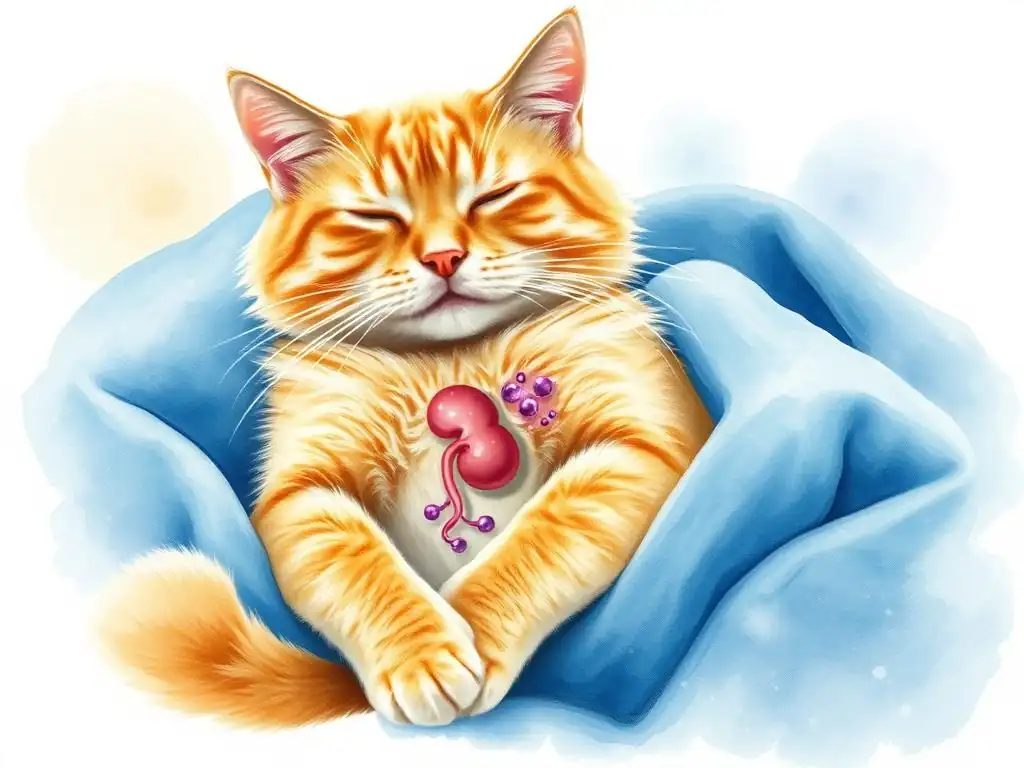
Effective treatment for feline UTIs hinges on addressing the underlying cause and providing supportive care to alleviate symptoms and promote healing. The approach will vary depending on the severity of the infection and the presence of any complications. Early intervention is key to preventing kidney damage and other serious health issues. This section details common treatment options, emphasizing the importance of collaboration with your veterinarian for a tailored treatment plan specific to your cat's needs. Remember, never administer medication without veterinary guidance. Ignoring a UTI can lead to serious complications, highlighting the importance of "Cat UTI early signs treatment."
Antibiotic Therapy for Bacterial UTIs in Cats
The most common treatment for bacterial UTIs in cats involves antibiotic therapy. Your veterinarian will perform a urine culture and sensitivity test to identify the specific bacteria causing the infection and determine the most effective antibiotic. Commonly prescribed antibiotics include amoxicillin, clavamox (amoxicillin-clavulanate), and enrofloxacin.
The duration of antibiotic treatment typically ranges from 7 to 14 days, but this can vary depending on the individual cat's response and the severity of the infection. It's crucial to complete the entire course of antibiotics, even if your cat appears to be feeling better, to prevent recurrence. Failure to complete the prescribed treatment can lead to antibiotic resistance, making future infections harder to treat.
Close monitoring for side effects, such as vomiting or diarrhea, is essential, and any concerns should be reported to your veterinarian immediately. Careful adherence to the prescribed dosage and schedule is paramount for successful treatment and minimizing the risk of complications. This is a critical component of effective "Cat UTI early signs treatment."
Pain Management and Comfort Measures for Your Cat
Cats with UTIs often experience significant discomfort, including painful urination (dysuria) and increased frequency of urination (pollakiuria). Pain management is a crucial aspect of treatment, both to improve your cat's quality of life and to encourage fluid intake, which is essential for flushing out bacteria. Your veterinarian may prescribe pain relievers such as butorphanol or buprenorphine, particularly if the cat is showing signs of significant discomfort or stress. In addition to medication, providing a comfortable and stress-free environment is vital. This includes:
- Providing a clean and easily accessible litter box. Consider using a low-sided litter box or one with a large opening to make it easier for your cat to access.
- Offering plenty of fresh water in multiple locations. Encouraging hydration is key to effective "Cat UTI early signs treatment."
- Keeping your cat warm and comfortable. A soft bed in a quiet area can help reduce stress.
- Gentle handling and minimizing stressful situations.
Dietary Changes and Hydration Strategies for UTI Recovery
Dietary modifications play a significant role in UTI management and prevention. Increasing water intake is crucial to help flush out bacteria from the urinary tract. You can achieve this by:
- Offering wet food: Wet food has a higher water content than dry kibble.
- Providing multiple water bowls: Place water bowls in various locations throughout your home, ensuring easy access for your cat.
- Using a water fountain: Many cats prefer running water, and a fountain can encourage increased fluid intake.
- Adding a small amount of low-sodium broth to your cat's food (always check with your vet first).
In some cases, your veterinarian may recommend a prescription diet formulated to help acidify the urine, making it less hospitable to bacteria. These diets often contain specific ingredients that help maintain a healthy urinary pH. These dietary changes, combined with appropriate medication and supportive care, are essential components of a comprehensive "Cat UTI early signs treatment" strategy. Remember, consistent monitoring and a close relationship with your veterinarian are key to ensuring your feline friend's health and well-being. Early detection and prompt treatment significantly improve the prognosis and reduce the risk of long-term complications. 😻
Home Care Tips: Creating a Comfortable Environment for Your Cat
Providing a comfortable and stress-free environment is crucial for your cat's recovery from a UTI. Stress can exacerbate urinary tract issues, so minimizing stressors is paramount. This involves creating a calming atmosphere and ensuring easy access to resources. A clean litter box, readily available fresh water, and quiet spaces are essential components of this supportive care.
One key aspect of home care is ensuring your cat has access to multiple, clean litter boxes. The general recommendation is one litter box per cat, plus one extra. For example, if you have two cats, provide three litter boxes strategically placed throughout your home.
This reduces competition and allows your cat to eliminate comfortably, even if they are experiencing discomfort. The type of litter is also important; some cats are sensitive to certain types, so experimentation might be needed to find the most comfortable option for your feline friend. Consider using low-sided litter boxes to ease access for cats with arthritis or other mobility issues, as straining to use the litter box can worsen their condition.
Regularly scooping the litter boxes, ideally multiple times a day, is essential to maintain hygiene and encourage your cat to use them. A clean environment directly contributes to their overall well-being and reduces the risk of further infections.
Beyond the litter box, providing readily available fresh water is vital. Dehydration can worsen UTI symptoms, so ensure your cat has access to multiple water sources. A clean water bowl should always be available, and consider adding a water fountain to encourage increased fluid intake. Many cats prefer running water, and a fountain can help them stay hydrated, particularly important during recovery from a UTI.
Observe your cat's water consumption; decreased water intake is a potential sign of ongoing problems, requiring veterinary attention. You should also consider offering wet food as it contains a higher water content than dry kibble. It's important to remember that even seemingly small changes in your cat's behavior or water consumption can indicate the need for further veterinary evaluation.
Finally, creating a quiet and stress-free environment is crucial. Cats are sensitive creatures, and stress can negatively impact their health, potentially worsening their UTI. Provide your cat with safe spaces, such as cozy beds or cat trees, where they can retreat when they feel overwhelmed or need to rest. Minimize loud noises and sudden movements, and avoid forcing interactions if your cat seems withdrawn or uncomfortable.
A calm and predictable routine can significantly reduce stress levels and contribute to a faster recovery. Remember, patience and understanding are key elements in providing the best possible home care during your cat's recovery from a UTI. A supportive and comfortable environment can significantly improve their chances of a full and speedy recovery.
Preventing Future UTIs in Cats: Proactive Steps

Preventing future urinary tract infections (UTIs) in cats requires a multi-pronged approach focusing on hydration, nutrition, and regular veterinary care. A proactive strategy significantly reduces the risk of recurrence and improves your cat's overall well-being. Ignoring preventative measures increases the likelihood of chronic UTIs, leading to more serious health complications and increased veterinary costs. This section details crucial steps cat owners can take to minimize UTI risk.
Maintaining Optimal Hydration: Fresh Water Availability
Cats, unlike dogs, don't inherently drink large amounts of water. Dehydration is a major contributor to UTIs, as concentrated urine allows bacteria to thrive. Ensuring your feline companion has constant access to fresh, clean water is paramount. Several strategies can boost water intake:
- Multiple Water Bowls: Place bowls in various locations throughout your home, especially in areas your cat frequents. This increases convenience and encourages more frequent drinking.
- Fountains: Many cats prefer running water. A water fountain provides a constant stream, mimicking natural water sources and often increasing water consumption.
- Adding Flavor: Some cats are more inclined to drink if you add a small amount of low-sodium cat broth or tuna juice (in moderation) to their water. Avoid adding milk or sugary substances.
- Wet Food: Wet food has a higher water content than dry kibble, contributing to overall hydration. Consider incorporating more wet food into your cat's diet.
Monitoring your cat's urine output is also important. Observe the frequency and volume of urination. Changes in either could indicate potential problems, including dehydration. A decrease in urine volume or an increase in urination frequency could be early signs of a UTI or other urinary issues. Consult your veterinarian if you notice any significant changes.
Promoting a Healthy Diet: Balanced Nutrition for Urinary Health
Diet plays a crucial role in urinary tract health. Certain foods can contribute to the formation of crystals and stones, increasing the risk of UTIs. Conversely, a well-balanced diet can help maintain a healthy urinary pH and prevent crystal formation.
- High-Quality Cat Food: Choose high-quality cat food formulated to support urinary tract health. Look for brands that specifically mention urinary support or that are formulated to reduce struvite or oxalate crystal formation. These diets often contain controlled levels of minerals like magnesium and phosphorus.
- Avoid Foods High in Magnesium: High magnesium levels can contribute to struvite crystal formation. Check the ingredient list carefully.
- Consult Your Veterinarian: Your veterinarian can recommend a specific diet based on your cat's breed, age, and any pre-existing health conditions. They can also perform urine tests to determine the best dietary approach for preventing future UTIs. Remember, dietary changes should always be implemented gradually to avoid digestive upset.
Regularly monitoring your cat's weight and body condition is also vital. Obesity can exacerbate urinary problems. Maintaining a healthy weight through appropriate portion control and exercise is beneficial for overall health and reduces the risk of UTIs.
Regular Veterinary Checkups: Early Detection and Prevention
Regular veterinary checkups are essential for early detection and prevention of UTIs. Even if your cat appears healthy, routine checkups allow your veterinarian to monitor urinary health proactively.
- Annual Physical Exams: Annual physical exams include a thorough assessment of your cat's overall health, including a urine analysis. This helps detect subtle changes that might indicate early stages of a UTI or other urinary tract problems.
- Urine Testing: Urine analysis is a crucial diagnostic tool. It helps identify the presence of bacteria, crystals, and other abnormalities that can contribute to UTIs. Early detection through regular testing allows for prompt treatment, minimizing the risk of complications.
- Early Intervention: Early detection and treatment of UTIs are crucial for preventing chronic conditions. Regular veterinary visits provide an opportunity to address any urinary concerns promptly and effectively. Don't wait for symptoms to appear before seeking veterinary care.
Remember, a proactive approach to feline urinary health is the best defense against UTIs. Combining optimal hydration, a balanced diet, and regular veterinary care significantly reduces the risk of recurrence and ensures your cat enjoys a long and healthy life. The cost of preventative care is far less than the potential expenses associated with treating chronic or severe UTIs.
Stress Reduction Techniques: Creating a Calm Environment for Your Cat
Cats are incredibly sensitive creatures, and stress is a significant contributing factor to urinary tract infections (UTIs). A stressful environment can weaken their immune system, making them more susceptible to illness, including UTIs. Therefore, creating a calm and predictable atmosphere is crucial for preventing future UTIs. This involves understanding your cat's individual personality and preferences. Some cats thrive in quiet, secluded spaces, while others enjoy more interactive environments. The key is to provide a balance that caters to your cat's specific needs.
Consider providing multiple resting areas throughout your home, such as comfortable beds in quiet corners, high perches offering a sense of security, and scratching posts to satisfy their natural scratching instincts. These spaces should be free from loud noises, sudden movements, and other potential stressors. Introducing new pets or people gradually and carefully is also vital, allowing your cat time to adjust and reducing the risk of stress-induced UTIs.
Furthermore, playtime is essential for both physical and mental well-being, providing an outlet for energy and reducing stress levels. Interactive play sessions with toys that stimulate their hunting instincts can be highly beneficial.
Regular grooming can also act as a stress reliever for some cats. Gentle brushing not only helps maintain their coat but also strengthens the bond between you and your feline companion, creating a sense of security and reducing anxiety. Observe your cat’s behavior closely for signs of stress, such as excessive grooming, hiding, changes in appetite, or increased aggression.
If you notice any significant behavioral changes, consult your veterinarian to rule out underlying medical conditions and discuss potential stress-reduction strategies. Remember, a calm and enriched environment significantly contributes to your cat's overall health and reduces the likelihood of future UTIs.
Litter Box Management: Cleanliness and Accessibility
Maintaining impeccable litter box hygiene is paramount in preventing UTIs in cats. Cats are fastidious creatures, and a dirty litter box can be a major source of stress and discomfort, leading to avoidance and ultimately, urinary tract problems. The rule of thumb is to have one litter box per cat, plus one extra. For example, if you have two cats, you should have three litter boxes strategically placed throughout your home. This ensures easy accessibility for all your feline companions, minimizing the chance of them holding urine due to inconvenience.
The type of litter you choose also plays a role. Some cats are sensitive to certain types of litter, which can irritate their urinary tract. Consider using unscented, clumping litter made from natural materials. Avoid scented litters or those containing additives, as these can be irritating and potentially harmful.
Regularly scoop the litter box at least once a day, removing solid waste and clumps. Completely change the litter and clean the box thoroughly with soap and water at least once a week, or more frequently if needed. Avoid harsh chemicals, as these can irritate your cat's sensitive paws and potentially contribute to UTIs.
The location of the litter box is just as crucial. Place it in a quiet, easily accessible location away from food and water bowls, as well as noisy areas or high-traffic zones. Ensure the box is large enough for your cat to comfortably turn around and eliminate without feeling cramped.
If your cat is exhibiting signs of discomfort or reluctance to use the litter box, consult your veterinarian to rule out any underlying medical issues. Proactive litter box management is a cornerstone of preventing future UTIs and ensuring your cat's urinary health. Careful attention to cleanliness, accessibility, and litter choice significantly reduces the risk of this common feline ailment.
When to Seek Emergency Veterinary Care for Cat UTIs
Recognizing when your cat's urinary tract infection (UTI) requires immediate veterinary attention is crucial for their health and well-being. While many UTIs can be managed with home care and medication prescribed by your vet, some cases escalate rapidly and become life-threatening. This section outlines the critical signs indicating a need for emergency veterinary care, emphasizing the importance of swift action for optimal outcomes in treating feline UTIs.
Early diagnosis and intervention are key to preventing long-term complications and ensuring your cat's survival. Understanding these signs can mean the difference between a manageable infection and a serious medical crisis. This is especially important for cat UTI early signs treatment.
Recognizing Life-Threatening Symptoms: Severe Pain, Inability to Urinate
A cat experiencing severe pain related to a UTI will exhibit clear signs of distress. This isn't just mild discomfort; it's often intense agony. Look for these indicators:
- Vocalization: Your cat may cry out, meow excessively, or whine persistently, especially when trying to urinate. This vocalization is often accompanied by restless pacing and a hunched posture.
- Straining to Urinate: While straining to urinate is a common sign of UTIs, in severe cases, the straining becomes prolonged and intense, with little to no urine produced. This is a critical warning sign.
- Lethargy and Depression: Extreme lethargy beyond the typical sluggishness associated with illness is a serious indicator. Your cat may appear unresponsive, withdrawn, and completely uninterested in their usual activities, even food and water. This severe depression is often coupled with noticeable weight loss.
- Blood in Urine (Hematuria): The presence of blood in the urine, indicating significant inflammation and potential bladder damage, necessitates immediate veterinary attention. Even small amounts of blood should be considered a red flag.
- Inability to Urinate (Urinary Retention): This is a life-threatening emergency. A cat unable to urinate will quickly become critically ill due to the buildup of toxins in the bloodstream. This requires immediate intervention to prevent irreversible kidney damage or even death. Early detection and treatment of cat UTI early signs are paramount.
The combination of several of these symptoms, especially the inability to urinate, demands immediate veterinary intervention. Delaying treatment in these situations can be fatal.
Immediate Action Steps: Contacting Your Veterinarian or Emergency Clinic
If you observe any of the life-threatening symptoms described above, immediate action is paramount. Don't hesitate; your cat's life may depend on it.
- Contact your veterinarian: If your regular veterinarian is available, contact them immediately to explain the situation. They will likely advise you on the next steps, potentially recommending an immediate visit or directing you to an emergency veterinary clinic.
- Seek emergency veterinary care: If your veterinarian is unavailable or the situation is dire (e.g., complete urinary retention), proceed directly to the nearest emergency veterinary clinic. Time is of the essence in these cases.
- Provide accurate information: When contacting your veterinarian or emergency clinic, provide as much detail as possible about your cat's symptoms, including the duration, severity, and any other relevant information, such as recent changes in diet or behavior. This will help the veterinary team prepare for your arrival and provide the most effective treatment.
Importance of Rapid Intervention in Severe Cases of Feline UTIs
Rapid intervention in severe feline UTIs is absolutely critical for several reasons:
- Preventing kidney damage: Untreated urinary retention can lead to fatal kidney failure due to the buildup of toxins in the bloodstream. Prompt treatment can help prevent this irreversible damage.
- Reducing pain and suffering: Severe UTIs cause excruciating pain. Immediate veterinary care provides pain relief and improves your cat's overall quality of life.
- Improving chances of survival: In cases of urinary blockage, rapid intervention is often the difference between life and death. The longer the blockage persists, the higher the risk of irreversible damage and death.
- Preventing recurrence: Addressing the underlying cause of the UTI promptly can help prevent future occurrences. Early and effective treatment can significantly reduce the likelihood of recurring infections.
Remember, early detection and swift action are key components of successful cat UTI early signs treatment. Don't underestimate the severity of these symptoms. Your vigilance and prompt response can save your cat's life. Staying informed about feline UTIs and knowing when to seek emergency care is a crucial aspect of responsible pet ownership.
Long-Term Management of Chronic Cat UTIs
Chronic feline urinary tract infections (UTIs) present unique challenges for both cats and their owners. Effective long-term management requires a multifaceted approach that goes beyond simply treating acute infections. The goal is to minimize the frequency and severity of recurrences, improving the cat's quality of life and reducing the overall burden of the disease. This often involves a combination of veterinary care, dietary adjustments, and lifestyle modifications. Ignoring chronic UTIs can lead to more serious complications, such as kidney damage or bladder stones, highlighting the importance of proactive and persistent management.
Living with Recurrent UTIs: Ongoing Monitoring and Treatment
Cats with recurrent UTIs need regular veterinary checkups, often more frequently than cats without this condition. These visits allow for urine analysis to detect early signs of infection or changes in urine composition that might indicate a recurrence or the development of complications. Depending on the individual cat's history and response to treatment, the veterinarian may recommend regular urine cultures to identify the specific bacteria causing the infections and guide antibiotic selection.
This proactive approach helps prevent the development of antibiotic resistance, a growing concern in feline medicine. Furthermore, monitoring the cat's overall health, including hydration status and weight, is crucial for early detection of potential problems. Regular blood work may also be necessary to assess kidney function.
The frequency of these checkups will vary depending on the severity and frequency of the UTIs. Some cats may require monthly monitoring, while others might need less frequent visits. The veterinarian will tailor the monitoring schedule to the individual needs of the cat.
Special Diets and Medications for Chronic UTI Management
Dietary management plays a significant role in managing chronic feline UTIs. Certain diets are specifically formulated to help prevent the formation of urinary crystals and stones, common contributors to UTIs. These prescription diets often contain adjusted levels of minerals like magnesium, phosphorus, and calcium, and may include ingredients that help acidify or alkalinize the urine, depending on the type of crystals present.
The veterinarian will recommend a specific diet based on the cat's individual needs and the type of crystals or stones identified. In addition to diet, long-term medication may be necessary in some cases. This might include antibiotics for recurring infections, or medications to help manage pain or inflammation associated with the UTI.
The choice of medication and the duration of treatment will depend on the cat's response to therapy and the severity of the condition. It is crucial to follow the veterinarian's instructions meticulously regarding medication dosage and administration. Improper use of antibiotics can lead to antibiotic resistance and other health complications.
The Role of Lifestyle Changes in Preventing Recurrences
Beyond veterinary care and dietary changes, lifestyle modifications can significantly impact the management of chronic feline UTIs. Ensuring adequate water intake is paramount. Cats prone to UTIs often benefit from increased water consumption to help flush out bacteria and prevent crystal formation. This can be achieved by providing multiple water sources throughout the house, using water fountains to encourage drinking, or even adding a small amount of low-sodium broth to their water.
Maintaining a clean litter box is also essential. Regular cleaning of the litter box prevents bacterial buildup and reduces the risk of infection. Stress can also exacerbate UTIs in cats. Creating a calm and predictable environment for your cat can help minimize stress and support overall urinary health.
This might involve providing plenty of hiding places, minimizing loud noises, and maintaining a consistent routine. Addressing any underlying behavioral issues or anxieties through positive reinforcement training can also be beneficial. Regular veterinary check-ups, specialized diets, and lifestyle adjustments work synergistically to create a comprehensive approach to managing chronic feline UTIs, improving your cat's long-term health and well-being.
Frequently Asked Questions
What are the early signs of a urinary tract infection (UTI) in cats?
Cats with UTIs may show subtle changes in their urination habits, such as straining to urinate, increased frequency, or bloody urine. They might also exhibit lethargy or vocalization during urination.
How is a feline UTI diagnosed?
A veterinarian will perform a physical exam and may run tests like a urinalysis to check for bacteria, crystals, or blood in the urine. Imaging tests like X-rays or ultrasounds may also be necessary.
What are the common treatments for cat UTIs?
Treatment typically involves antibiotics to clear the infection. Your vet might also recommend increased water intake, a prescription diet, and pain relief medication. Underlying conditions will also need to be addressed.
Can I prevent UTIs in my cat?
Yes, you can reduce the risk by ensuring your cat has access to fresh water at all times, feeding a high-quality diet, and maintaining a clean litter box. Regular veterinary checkups are also crucial.
What are the long-term consequences of untreated UTIs in cats?
Untreated UTIs can lead to serious complications like kidney infections, bladder stones, and obstruction of the urinary tract, which can be life-threatening. Prompt veterinary care is essential.
Final Reflection: Understanding Feline UTIs: A Journey Towards Healthier Companions
The silent suffering of a cat with a urinary tract infection (UTI) is a stark reminder of our responsibility as pet owners. Early detection and intervention are crucial, not just for alleviating immediate discomfort, but for preventing potentially life-threatening complications. Ignoring the subtle signs can lead to irreversible damage, highlighting the urgent need for increased awareness and proactive care.
The emotional toll of witnessing a beloved feline struggle with a UTI is profound. It underscores the deep bond we share with our animal companions and the importance of understanding their nonverbal cues. The subtle changes in behavior – the increased thirst, the strained urination, the litter box avoidance – are often overlooked until the problem becomes severe. The greatest gift that one can give to another is the gift of unconditional love.
This applies not only to the love we give our cats, but also to the responsibility we have to understand and address their health needs.
Now, consider your own cat. Have you observed any of the subtle signs mentioned throughout this article? Take a moment to reflect on your cat's behavior and habits. Don't wait for a crisis to unfold. Schedule a veterinary check-up if you have any concerns, no matter how small they may seem. Empowering yourself with knowledge is the first step towards ensuring a long, happy, and healthy life for your feline friend. Your vigilance and proactive care can make all the difference.
Unlock Your Cat's Health: Take Charge Now!
Thank you for learning about feline urinary tract infections (UTIs). We hope this article has provided you with the knowledge to better understand and address this common problem in cats. Now, let's put that knowledge into action!
- Schedule a veterinary checkup: If you suspect your cat has a UTI, contact your veterinarian immediately. Early diagnosis is crucial for a quick recovery.
- Spread the word: Share this important information with other cat owners on social media. Many pet parents would benefit from knowing the early warning signs of a UTI.
- Learn more: Explore PetCareWorld.org for more informative articles on feline health and wellness. We're dedicated to helping you provide your cat with the best possible care.
Ready to prioritize your cat's well-being? What steps will you take today to support their urinary health?