
Understanding Dog Behavior During Travel: Signs of Stress and How to Help

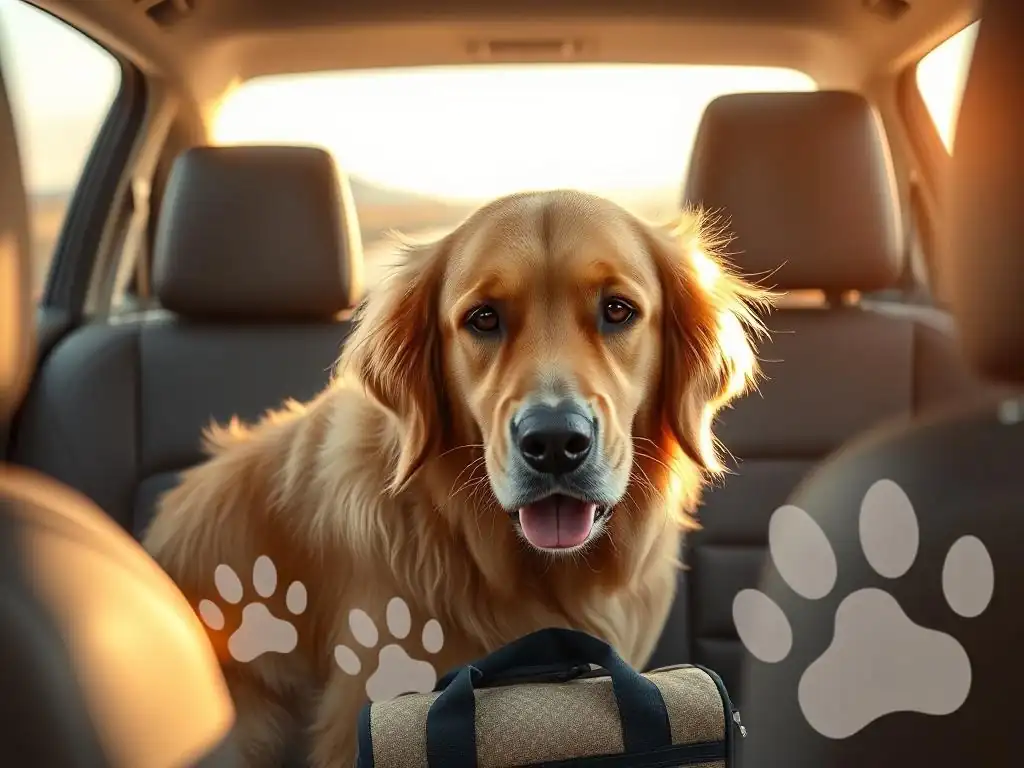
Welcome to PetCareWorld, your ultimate guide to a happier, healthier life for your beloved pets! Are you planning a trip with your canine companion? Learn to recognize the subtle Dog travel stress signs that could be indicating discomfort, and discover practical, effective relief methods in our comprehensive guide, "Understanding Dog Behavior During Travel: Signs of Stress and How to Help." Prepare for a smooth and enjoyable journey for both you and your furry friend – explore the article now and unlock the secrets to stress-free travel!
- Recognizing Stress Signs in Dogs During Travel
- Common Causes of Dog Travel Stress
-
Practical Strategies for Reducing Dog Travel Stress: Stress Relief for Dogs on the Go
- Pre-Trip Preparation: Acclimating Your Dog to Travel Gear
- Creating a Safe and Comfortable Travel Environment for Your Dog
- Managing Anxiety During Travel: Calming Aids and Techniques
- Providing Comfort and Security: Toys, Blankets, and Familiar Scents for Canine Travel
- En Route Care: Regular Breaks, Hydration, and Potty Stops for Traveling Dogs
- Seeking Professional Help for Severe Travel Anxiety in Dogs
- Post-Trip Care: Reintegrating Your Dog After Travel
- Dog Travel Stress Signs Relief: A Summary of Key Strategies
- Frequently Asked Questions
- Final Reflection: The Journey Home: Understanding and Easing Canine Travel Anxiety
- Unleash Your Pet's Travel Confidence!
Recognizing Stress Signs in Dogs During Travel
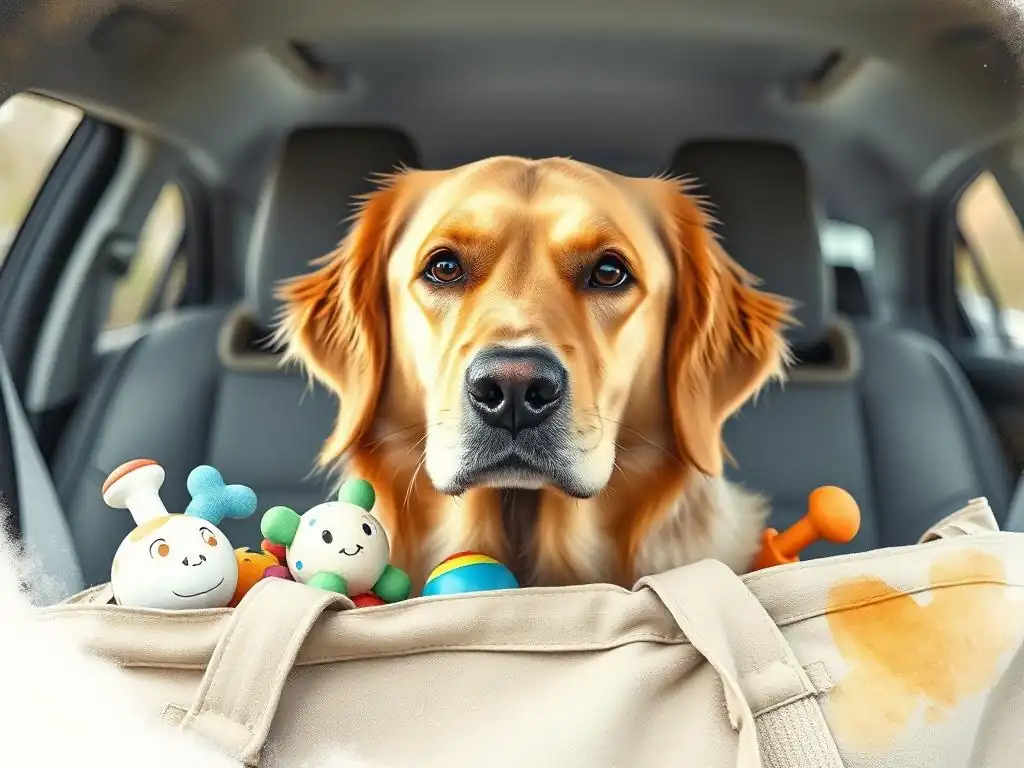
Traveling with your canine companion can be a joyous experience, strengthening the bond you share and creating lasting memories. However, for many dogs, the unfamiliar sights, sounds, and confinement of travel can trigger significant stress and anxiety.
This comprehensive guide will equip you with the knowledge to recognize the subtle and overt signs of travel stress in your dog, enabling you to provide the necessary support and ensure a smoother, more comfortable journey for both of you. We'll explore various indicators of canine travel distress, from the easily noticeable physical manifestations to the more subtle behavioral shifts, and offer practical strategies for relief, ultimately helping you to understand and address your dog's needs during travel.
This is crucial for promoting your dog's well-being and ensuring a positive travel experience for everyone involved. Learning to identify and alleviate dog travel stress is not just about making the journey easier; it's about prioritizing your pet's health and happiness.
Identifying Physical Signs of Travel Anxiety in Dogs
Many physical symptoms can signal that your dog is experiencing travel-related stress. These signs often manifest as changes in their normal bodily functions and can be quite noticeable. Keep a close eye out for the following:
- Increased panting or rapid breathing: Even in cool environments, excessive panting can indicate anxiety.
- Excessive drooling or salivation: This is often a response to nervousness and heightened stress levels.
- Vomiting or diarrhea: Gastrointestinal upset is a common physical manifestation of stress in dogs.
- Shaking or trembling: These involuntary movements are clear indicators of fear or anxiety.
- Dilated pupils: Widened pupils are a physiological response to stress and heightened arousal.
- Changes in heart rate: While not always directly observable, a significant increase in heart rate can be a key indicator (requires veterinary monitoring).
- Urination or defecation accidents: Even house-trained dogs may experience accidents due to stress and anxiety.
It's important to note that the severity of these physical signs can vary depending on the dog's individual temperament and the intensity of their anxiety. Some dogs may exhibit only one or two of these symptoms, while others may display a combination of several. The key is to be observant and responsive to any changes in your dog's normal behavior.
Behavioral Indicators of Dog Travel Stress: Restlessness and Anxiety
Beyond the physical signs, behavioral changes are often equally, if not more, telling. These changes can range from subtle shifts in demeanor to overt displays of anxiety and distress. Pay close attention to these behavioral clues:
- Restlessness and pacing: Constant movement, pacing back and forth, or an inability to settle down are common signs of anxiety.
- Whining, barking, or howling: Vocalizations are a clear indication that your dog is uncomfortable or distressed.
- Destructive behavior: Chewing, scratching, or digging at their crate or car seat can be a sign of pent-up anxiety.
- Excessive licking or chewing: This self-soothing behavior is a common response to stress and anxiety.
- Hiding or seeking refuge: Dogs may try to hide under seats or behind objects to escape the stressful situation.
- Aggression or snapping: In some cases, extreme stress can lead to increased aggression or snapping, even towards familiar people.
- Changes in body posture: A tucked tail, lowered head, or flattened ears can indicate fear and submission.
These behavioral indicators often accompany physical signs, creating a clearer picture of your dog's overall stress level. Addressing these behavioral changes is crucial for creating a safe and comfortable travel experience.
Subtle Signs of Canine Travel Distress: Changes in Appetite and Sleep
Some signs of travel stress in dogs are more subtle and might be easily overlooked. Changes in appetite and sleep patterns can be significant indicators of underlying anxiety. Be vigilant about these less obvious cues:
- Decreased appetite: A loss of interest in food is a common sign of stress. Your dog might refuse their usual treats or meals.
- Increased appetite: Conversely, some dogs may overeat as a coping mechanism for anxiety.
- Changes in sleep patterns: Your dog might experience insomnia, excessive sleeping, or restless sleep during travel.
- Difficulty settling down: Even after arriving at their destination, your dog might struggle to relax and settle into their new surroundings.
These subtle changes can be easily missed, especially if you are not actively looking for them. Therefore, it is crucial to monitor your dog's behavior closely, even if you don't see any overtly alarming symptoms. Paying attention to these subtle cues allows for early intervention and helps prevent the escalation of travel-related stress. By understanding and addressing these subtle signs, you can ensure a happier and healthier journey for your beloved pet.
Recognizing Extreme Stress: Panic Attacks and Self-Harm in Traveling Dogs
Recognizing extreme stress in dogs during travel requires a keen eye and understanding of canine body language. While panting, whining, and restlessness are common signs of travel anxiety, escalating stress can manifest in far more alarming ways, including panic attacks and self-harm. These are serious indicators demanding immediate attention and intervention. It's crucial to differentiate between mild anxiety and a true crisis to provide appropriate support.
A panic attack in a dog might present as intense, uncontrollable trembling. Their breathing may become rapid and shallow, possibly accompanied by excessive drooling or even vomiting. The dog might frantically try to escape their confinement – a crate, car seat, or even your arms – exhibiting behaviors far beyond simple restlessness. They may exhibit dilated pupils, a clear sign of heightened fear and adrenaline. Their behavior could be erratic and unpredictable, making them difficult to handle safely. Remember, a dog experiencing a panic attack is not behaving badly; they are in distress and need your help.
Self-harm, sadly, is another potential manifestation of extreme travel stress. This can range from excessive licking and chewing at their paws or body to more severe behaviors like biting at themselves until they bleed. These actions are not deliberate attempts at self-destruction, but rather desperate attempts to cope with overwhelming anxiety. The repetitive action provides a temporary distraction or sense of control in an otherwise terrifying situation.
If you observe any signs of self-harm, it's imperative to seek veterinary attention immediately. The underlying anxiety needs to be addressed to prevent further harm. The vet can prescribe medication or recommend behavioral modification strategies to help manage the dog's anxiety.
It's important to emphasize the severity of these signs. If your dog is exhibiting panic attacks or self-harm during travel, this is not something to ignore or try to manage alone. Seeking professional veterinary help is crucial. A veterinarian can assess the situation, determine the underlying cause of the stress, and recommend effective interventions, including medication and behavioral therapy.
Your dog's safety and well-being should always be the priority. Early intervention is key to preventing long-term behavioral problems and ensuring your furry friend enjoys future travels without the trauma of extreme anxiety. Remember, a calm and prepared approach to travel is the best preventative measure against these severe stress responses.
Common Causes of Dog Travel Stress
Traveling can be a stressful experience for dogs, even for those who are generally well-adjusted and confident at home. Understanding the root causes of this stress is crucial for implementing effective relief strategies. Many factors contribute to canine travel anxiety, ranging from the inherent anxieties associated with confinement and unfamiliar environments to the disruption of routine and the separation from familiar comforts. Addressing these underlying causes is key to ensuring a safe and pleasant journey for your canine companion. The severity of stress varies greatly depending on the individual dog's personality, past experiences, and the specifics of the trip.
Fear of Confinement: Crate Anxiety and Car Sickness
Many dogs experience anxiety related to confinement, particularly within a crate or carrier during travel. This is often exacerbated by the unfamiliar environment of a car or airplane. Crate anxiety manifests differently in various dogs; some may whine, pace, or bark excessively, while others may exhibit destructive behaviors like chewing or scratching. Car sickness, a frequent companion to confinement anxiety, adds another layer of distress. The combination of motion sickness and the feeling of being trapped can lead to significant discomfort and fear.
For example, a study by [Specific study details pending] indicated that approximately 30% of dogs show signs of car sickness during journeys longer than two hours. This percentage increases significantly in breeds prone to motion sickness, such as Basset Hounds and Greyhounds. Understanding these predispositions allows for proactive measures, such as administering anti-nausea medication prescribed by a veterinarian, well in advance of the trip. Providing a comfortable, well-ventilated crate, lined with familiar bedding and toys, can also significantly mitigate anxiety. Furthermore, acclimating your dog gradually to the crate and car before the actual journey is crucial to minimize stress.
Unfamiliar Environments and Sensory Overload for Dogs on the Road
The novelty of travel exposes dogs to a barrage of unfamiliar sights, sounds, and smells. This sensory overload can be incredibly overwhelming, triggering anxiety and fear. New landscapes, unfamiliar traffic noises, and the constant movement of the vehicle can create a state of hypervigilance in dogs, leading to heightened stress levels. Even seemingly minor changes, like different smells or the unfamiliar feel of a hotel room, can contribute to a dog's overall anxiety during travel.
Consider this scenario: A dog accustomed to a quiet suburban home is suddenly exposed to the chaotic sounds and smells of a busy highway. The constant vibrations, unfamiliar engine noises, and the flashing lights of passing vehicles can be incredibly stressful. This sensory bombardment can manifest in various ways, including excessive panting, restlessness, trembling, or attempts to hide. To alleviate this, providing a safe and quiet space within the vehicle, such as a well-padded crate, can help reduce sensory input. Introducing calming aids, such as pheromone diffusers or calming treats, can also be beneficial.
Separation Anxiety and the Impact of Travel on Dogs
Travel often involves separation from the dog's familiar human companions and their established routines. This separation can trigger separation anxiety, a condition characterized by excessive distress when separated from their owners. While separation anxiety can occur at any time, travel intensifies this anxiety due to the disruption of established routines and the prolonged absence from their familiar environment.
For dogs prone to separation anxiety, even a short trip can be incredibly stressful. The anticipation of leaving, the journey itself, and the unfamiliar environment at the destination can all exacerbate their anxiety. Symptoms can range from mild whining to destructive behaviors. To minimize the impact of separation anxiety during travel, ensuring the dog has access to familiar items, such as toys and bedding, can provide comfort.
Furthermore, leaving the dog with a trusted friend or family member, rather than boarding them at a kennel, might be a better option for dogs with severe separation anxiety. In extreme cases, consulting with a veterinarian or a certified professional dog trainer to develop a tailored management plan is recommended. Remember, proactive planning and understanding the nuances of your dog's behavior are paramount to ensuring a stress-free travel experience for both you and your furry friend. 🐶
Practical Strategies for Reducing Dog Travel Stress: Stress Relief for Dogs on the Go
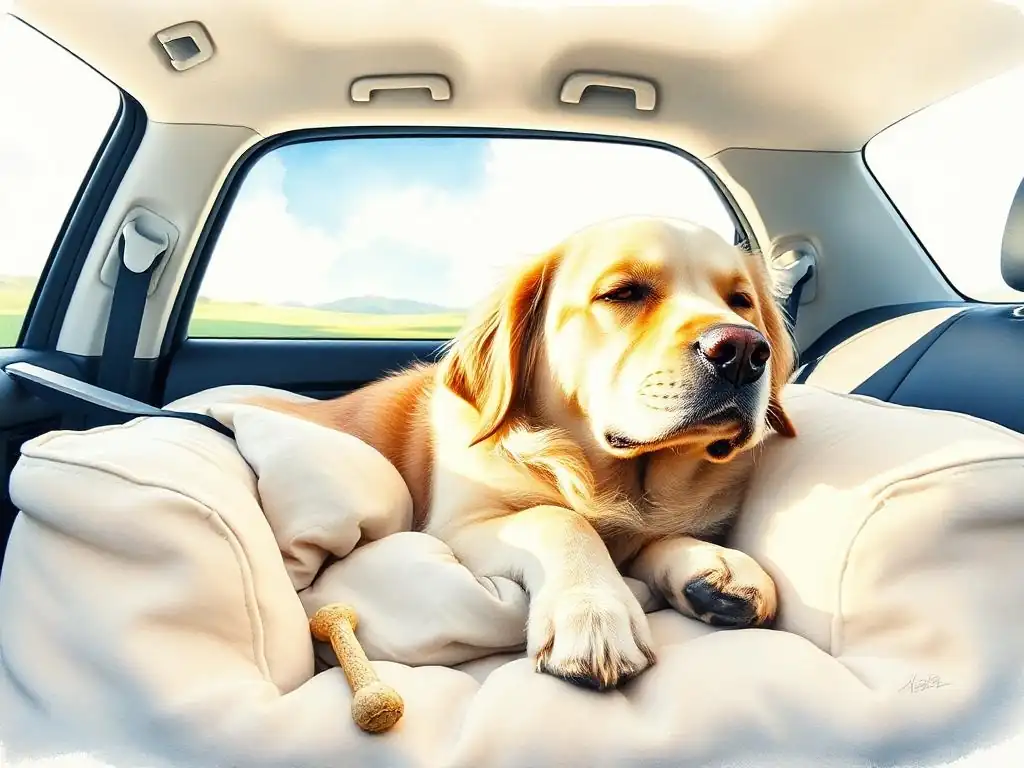
This section delves into practical, actionable steps you can take to mitigate stress in your canine companion during travel. Successfully navigating the challenges of pet travel hinges on proactive preparation and a thoughtful approach to your dog's comfort and security. Remember, a relaxed dog is a safer dog, both for themselves and for those around them.
We'll explore pre-trip preparation, creating a safe travel environment, and managing anxiety during the journey itself. Understanding your dog's individual needs and implementing these strategies will significantly contribute to a smoother, less stressful travel experience for both you and your furry friend. This approach directly addresses the keyword "Dog travel stress signs relief" by providing concrete solutions.
Pre-Trip Preparation: Acclimating Your Dog to Travel Gear
Before embarking on your journey, familiarize your dog with any travel gear they'll be using. This includes their carrier, leash, harness, and any bedding or toys you plan to bring along. Start well in advance of your trip. Don't just thrust them into a carrier the day before departure; instead, gradually introduce these items into their daily routine.
- Positive Reinforcement: Make the carrier a positive space. Place treats, toys, and comfortable bedding inside. Allow your dog to explore it at their own pace, rewarding calm behavior with praise and treats.
- Gradual Exposure: Initially, leave the carrier door open and let your dog enter and exit freely. Gradually increase the time they spend inside, rewarding them for staying calm and relaxed.
- Short Practice Trips: Take your dog on short car rides around the neighborhood, gradually increasing the duration and distance. This helps them associate the car with positive experiences, reducing travel anxiety.
- Harness and Leash Training: Ensure your dog is comfortable wearing a harness and walking on a leash. This is crucial for safe handling during travel, particularly at airports or train stations.
Creating a Safe and Comfortable Travel Environment for Your Dog
The environment you create for your dog during travel significantly impacts their stress levels. A safe and comfortable space minimizes anxiety and promotes relaxation.
- Secure Transportation: Whether traveling by car, plane, or train, ensure your dog is securely fastened using appropriate restraints. This prevents injury and reduces their fear of movement. For car travel, consider a dog seatbelt or carrier that is properly secured. For air travel, follow airline guidelines meticulously.
- Familiar Scents and Toys: Pack familiar items such as their favorite blanket, toys, or a piece of clothing that smells like you. These familiar scents provide comfort and security in an unfamiliar environment.
- Adequate Space and Ventilation: Provide ample space for your dog to move around comfortably, especially during longer journeys. Ensure adequate ventilation to prevent overheating or discomfort. Avoid confining them in overly small spaces.
- Regular Breaks: During long car journeys, plan regular stops for your dog to stretch their legs, relieve themselves, and have a drink of water. This prevents restlessness and discomfort.
Managing Anxiety During Travel: Calming Aids and Techniques
Managing anxiety during travel requires a multi-faceted approach. Combining calming aids with behavioral techniques can significantly reduce stress and promote relaxation.
- Calming Supplements: Consult your veterinarian about the use of calming supplements or pheromone diffusers. These can help reduce anxiety, but should always be used under veterinary guidance. Never administer medication without consulting a professional.
- Music Therapy: Playing calming music specifically designed for dogs can have a soothing effect. Many commercially available options exist.
- Distraction Techniques: Bring along interactive toys or puzzle feeders to keep your dog occupied and distracted during travel. This helps divert their attention from potential stressors.
- Positive Reinforcement: Throughout the journey, continue to use positive reinforcement techniques, such as praise and treats, to reward calm behavior. This helps create positive associations with travel.
Remember, every dog is an individual. What works for one dog may not work for another. Observe your dog's behavior closely and adjust your strategies as needed. Patience, understanding, and a proactive approach are key to ensuring a safe and enjoyable travel experience for your beloved canine companion. By following these guidelines, you can effectively address and relieve your dog's travel anxiety, contributing to a positive and memorable trip for both of you.
Providing Comfort and Security: Toys, Blankets, and Familiar Scents for Canine Travel
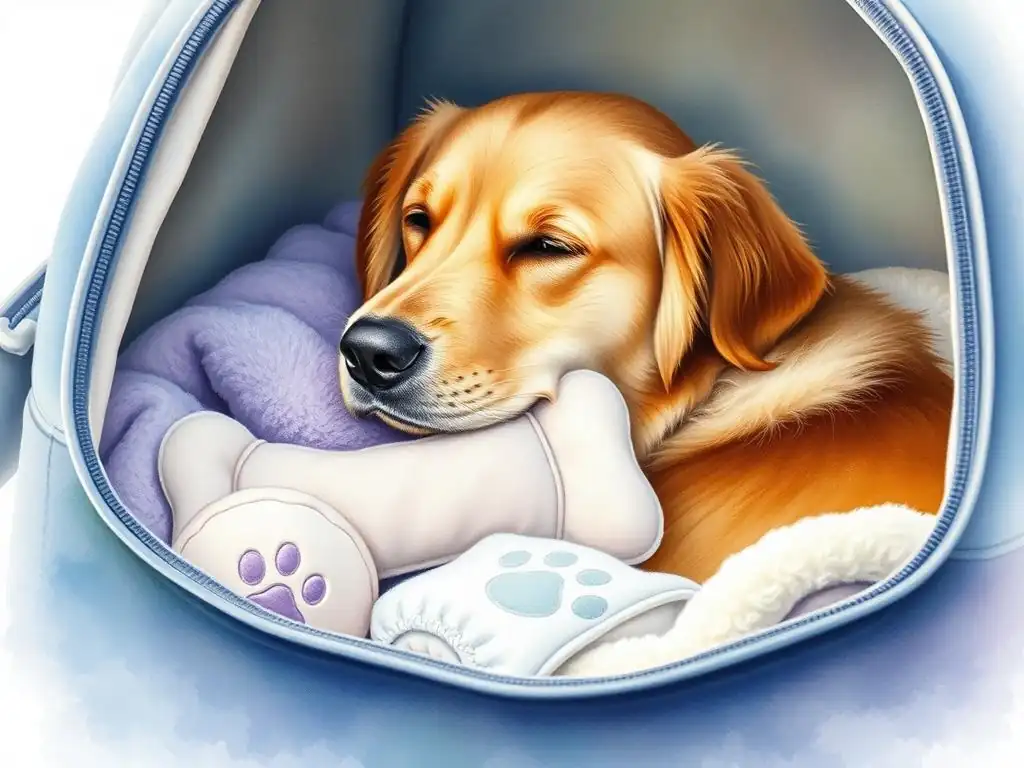
Providing a sense of comfort and security during travel is paramount to reducing stress in your canine companion. Familiar items from home can significantly ease the transition and help your dog feel more at ease in unfamiliar surroundings. Think of it as creating a small, mobile sanctuary for your furry friend.
One of the most effective strategies is to pack your dog's favorite toys. These aren't just for playtime; familiar toys offer tactile comfort and a sense of continuity. A well-loved plush toy, a sturdy chew toy, or even a simple rope toy can provide much-needed comfort during periods of anxiety. The texture and familiarity can be incredibly soothing. Consider bringing a variety, catering to different play styles and moods. A squeaky toy might be fun for short bursts of play, while a cuddly toy offers comforting companionship during rest periods.
Similarly, a familiar blanket or bedding can work wonders. The scent of home clinging to the fabric is a powerful comfort mechanism. This familiar scent can help reduce anxiety and promote relaxation. Ensure the blanket is easily washable and durable enough to withstand the rigors of travel.
Beyond toys and blankets, utilizing familiar scents can be surprisingly effective. A small, lightly scented toy or blanket sprayed with a familiar scent – perhaps the scent of your home or a favorite person – can have a calming effect. Avoid strong, artificial scents, as these could be overwhelming and counterproductive. Opt for subtle, natural scents.
The goal is to gently remind your dog of home, not to overstimulate their senses. Remember, the key is to create a small haven of familiarity amidst the chaos of travel. This simple act can significantly reduce your dog's stress and anxiety levels, making the travel experience more pleasant for both of you.
En Route Care: Regular Breaks, Hydration, and Potty Stops for Traveling Dogs
Maintaining your dog's well-being during the journey is crucial for minimizing stress. Regular breaks are essential, allowing your dog to stretch their legs, relieve themselves, and take a moment to decompress from the confinement of the vehicle. These breaks are not just about physical needs; they're about providing mental respite. A short walk, even just a few minutes, can significantly reduce restlessness and anxiety.
Hydration is another key element. Dehydration can exacerbate stress and lead to other health issues. Always carry sufficient fresh water for your dog, and offer it regularly throughout the journey. Use a travel-friendly water bowl that's easy to clean and refill. Monitor your dog’s water intake; if they seem less interested, you may need to offer smaller, more frequent sips. Consider offering water with a small amount of low-sodium broth to encourage consumption if necessary.
Equally important are regular potty stops. Confining your dog for extended periods can lead to discomfort and anxiety. Plan your stops strategically, factoring in your dog’s usual bathroom habits. Don't wait until your dog shows signs of distress; proactive potty breaks minimize accidents and reduce stress.
Choose safe and appropriate areas for your dog to relieve themselves, ensuring their safety and well-being. A quick walk and a chance to sniff around can significantly improve their mood and reduce stress levels. Remember, careful planning and attention to your dog's needs during the journey are key to making travel a positive experience for both you and your furry friend. Regular breaks, hydration, and potty stops are not just necessities; they’re crucial components of your dog’s comfort and stress relief during travel.
Seeking Professional Help for Severe Travel Anxiety in Dogs
Traveling with a dog can be a joyous experience, strengthening the human-animal bond. However, for some dogs, the experience is fraught with anxiety, manifesting in various stress signs. While many dogs adjust with proper preparation and management, some require professional intervention to manage severe travel anxiety. This section explores when and how to seek professional help for your canine companion's travel-related distress.
Recognizing the signs of severe anxiety is crucial; these can extend beyond the typical panting and restlessness to include incessant whining, destructive behavior, vomiting, diarrhea, and even self-harm. If your dog exhibits these severe symptoms consistently during travel preparations or the journey itself, seeking professional help is paramount. This isn't about spoiling your dog; it's about ensuring their well-being and a safe, comfortable travel experience for both of you. Ignoring severe anxiety can lead to long-term behavioral problems and negatively impact your dog's quality of life.
Consulting a Veterinarian: Medication and Behavioral Therapy for Canine Travel Anxiety
A veterinarian is the first point of contact when dealing with severe dog travel anxiety. They can perform a thorough physical examination to rule out any underlying medical conditions that might be exacerbating anxiety. Beyond physical health, your vet can discuss various treatment options. Medication, such as anti-anxiety drugs or pheromone therapies, can be prescribed to help manage your dog's anxiety during travel. These medications are not a quick fix but rather a tool to help manage the dog's response to stressful stimuli.
It's vital to follow your vet's instructions carefully and monitor your dog closely for any side effects. Furthermore, your vet may recommend or refer you to a certified veterinary behaviorist. A veterinary behaviorist specializes in canine behavior and can provide a comprehensive behavioral assessment, identifying the root cause of your dog's anxiety and developing a tailored behavioral modification plan. This plan might involve gradual desensitization to travel-related cues (car rides, crates, etc.)
or counter-conditioning techniques to associate travel with positive experiences. Remember, medication often works best in conjunction with behavioral therapy for lasting results. The combined approach offers a holistic solution, addressing both the physiological and psychological aspects of your dog's anxiety. Effective management of severe anxiety often requires patience and consistency, but the rewards are a happier, healthier dog who can enjoy travel with you.
Working with a Certified Dog Trainer: Behavior Modification Techniques for Travel Stress
A certified dog trainer specializing in behavior modification can play a crucial role in managing your dog's travel anxiety. Unlike veterinarians who focus on the medical aspects, trainers concentrate on behavioral techniques to address the root cause of the anxiety. They can use various methods, including:
- Desensitization and Counter-Conditioning: Gradually exposing your dog to travel-related stimuli (sounds of the car, the crate, etc.) while pairing them with positive reinforcement (treats, praise). This helps your dog associate these stimuli with positive experiences, reducing their anxiety.
- Positive Reinforcement Training: Focusing on rewarding calm behavior during travel preparation and the journey itself. This reinforces desired behaviors and helps your dog learn to cope with the stress.
- Relaxation Techniques: Teaching your dog relaxation exercises, such as deep breathing or massage, can help calm them down before, during, and after travel.
- Environmental Enrichment: Providing a comfortable and stimulating environment during travel, such as familiar toys or bedding, can help reduce anxiety.
Choosing a certified professional is crucial. Look for trainers with experience in dealing with canine anxiety and who use positive reinforcement methods. Avoid trainers who use punishment-based techniques, as these can worsen anxiety and damage your relationship with your dog. A well-structured training program, tailored to your dog's specific needs and anxieties, can significantly improve their travel experience.
The key is consistency and patience; it takes time and effort to modify ingrained behaviors. Remember, the goal is not to eliminate all anxiety but to help your dog manage it effectively and enjoy the journey with you. The combined approach of veterinary care and professional training offers the best chance for successful management of your dog's travel anxiety. This proactive approach ensures the safety and well-being of your beloved canine companion, turning stressful trips into enjoyable adventures for both of you.
Post-Trip Care: Reintegrating Your Dog After Travel

Returning home after a journey doesn't mean the end of your responsibilities regarding your canine companion's well-being. The post-trip period is crucial for helping your dog readjust and recover from the potential stresses of travel. Careful observation and a gradual return to normalcy are key components in ensuring a smooth transition and preventing lingering anxiety. Think of it as a gentle decompression period for your furry friend.
Easing Your Dog Back into Their Routine After Travel
The immediate post-travel period should focus on restoring your dog's familiar routine. This includes reinstating their regular feeding schedule, walk times, and playtime. Consistency is paramount; sudden changes after a disruptive journey can exacerbate any existing stress. Consider these practical steps:
- Gradual Reintroduction to their Space: Don't overwhelm your dog immediately. Allow them time to explore their home environment at their own pace. Let them sniff around, re-familiarize themselves with their bed, toys, and other comfort objects.
- Consistent Feeding and Walking Schedule: Stick to their usual feeding and walking schedule as closely as possible. This provides a sense of normalcy and predictability, which can be incredibly comforting after travel.
- Reintroducing Playtime and Interaction: Engage in gentle play sessions and offer plenty of affection. Use positive reinforcement techniques, like rewarding calm behavior, to help them relax and feel secure.
- Monitoring Water Intake: Ensure your dog is drinking sufficient water, as dehydration can be a common issue post-travel, especially after long car rides or flights.
- Observe their Sleeping Patterns: Note any changes in their sleep patterns. Increased sleeping or restlessness could indicate lingering stress.
Monitoring for Lingering Travel Stress: When to Seek Further Assistance
Even with careful post-trip care, some dogs might exhibit lingering signs of travel stress. It's vital to monitor your dog closely for any persistent behavioral changes. These could manifest as:
- Changes in Appetite: A significant decrease or increase in appetite can signal underlying anxiety or discomfort.
- Increased Anxiety or Restlessness: Excessive panting, pacing, trembling, or whining, even after several days back home, warrants attention.
- Changes in Elimination Habits: Frequent accidents inside the house, even if previously house-trained, might indicate stress.
- Withdrawal or Lethargy: Unusual lethargy, avoidance of interaction, or hiding can indicate that your dog is still struggling to cope.
- Aggression or Fearfulness: Unexpected aggression or increased fearfulness towards people or other animals could be a sign of post-travel trauma.
If you notice any of these persistent behavioral changes lasting beyond a few days after your return, it's crucial to seek professional veterinary or behavioral assistance. A veterinarian can rule out any underlying medical conditions, while a certified dog behaviorist can provide tailored guidance and support to help your dog overcome their travel-related stress. Early intervention is key to preventing long-term behavioral issues related to "Dog travel stress signs relief".
Remember, seeking help isn't a sign of failure; it's a sign of responsible pet ownership. Prioritizing your dog's well-being ensures a happy and healthy life together, even after the exciting (but potentially stressful) adventures of travel.
Dog Travel Stress Signs Relief: A Summary of Key Strategies
This section summarizes key strategies for recognizing and alleviating dog travel stress. Understanding your dog's unique personality and responses is crucial. While some dogs are natural travelers, others experience significant anxiety. Proactive measures and a calm, reassuring approach are paramount for a smooth journey. Remember, the goal is to minimize stress and ensure a positive travel experience for your canine companion. This involves preparation, a comfortable travel environment, and potentially, veterinary consultation for severe cases.
Key Takeaways for Minimizing Dog Travel Anxiety
Minimizing dog travel anxiety requires a multi-pronged approach. Preparation is key. Begin acclimating your dog to the travel carrier well before the trip. Make it a positive space with familiar toys and treats. Short, positive car rides can help desensitize your dog to the vehicle. Consider using pheromone diffusers or calming treats, available at most pet supply stores, to reduce anxiety during the journey. These products utilize synthetic versions of dog appeasing pheromones, mimicking the calming effect of a mother dog on her pups. The timing of administration is important; follow product instructions carefully.
Remember that subtle behavioral changes can signal underlying stress. These may include excessive panting, drooling, restlessness, whining, or changes in appetite. More severe signs can include vomiting, diarrhea, or even destructive behavior. These warrant immediate attention and may require veterinary intervention. Always consult your veterinarian before using any medication to manage your dog's travel anxiety. They can assess your dog's individual needs and recommend the safest and most effective course of action.
| Sign of Stress | Severity Level | Response |
|---|---|---|
| Excessive panting | Mild to Moderate | Offer water, ensure adequate ventilation, use a calming aid. |
| Restlessness/Pacing | Mild to Moderate | Provide a comfortable, secure space; use a calming aid. |
| Whining/Barking | Mild to Moderate | Provide reassurance, use a calming aid, potentially a comforting toy. |
| Changes in appetite (loss or gain) | Mild to Moderate | Offer appealing, easily digestible food; consult vet if persistent. |
| Vomiting/Diarrhea | Moderate to Severe | Stop feeding, offer water; consult a veterinarian immediately. |
| Destructive behavior | Moderate to Severe | Secure the dog in a safe area; consult a veterinarian immediately. |
Effective management of dog travel stress hinges on proactive preparation and attentive observation throughout the journey. Even seemingly minor changes in behavior can be indicators of distress. Early intervention is crucial for preventing escalation. Remember, patience and understanding are key components of a successful and stress-free travel experience for you and your furry friend. 🐶
Resources for Further Information on Canine Travel and Stress Management
Further information on canine travel stress and management can be found through various reputable sources. Veterinarians are invaluable resources for personalized advice, especially if your dog exhibits significant anxiety or other concerning symptoms. Your veterinarian can recommend appropriate calming aids, medications (if necessary), and strategies tailored to your dog's specific needs and breed characteristics. Additionally, certified professional dog trainers can provide guidance on behavior modification techniques and desensitization exercises to help your dog become more comfortable with travel.
They can offer personalized training plans to address specific anxieties related to car rides or other modes of transport. Remember to always prioritize your dog's well-being and seek professional help when needed. A calm and confident approach from you will significantly influence your dog's travel experience.
Frequently Asked Questions
How can I tell if my dog is stressed during travel?
Several signs indicate travel stress in dogs. Look for excessive panting, restlessness, whining, or vomiting. These are common indicators of anxiety.
What are some ways to reduce my dog's travel stress?
Familiar items like toys or blankets can help comfort your dog. Consider using a pheromone diffuser or calming treats. Ensure your dog has access to water and frequent breaks.
My dog is excessively panting during the car ride. Is this normal?
While some panting is normal, excessive panting can signal stress or overheating. Pull over frequently, offer water, and ensure adequate ventilation. If it persists, consult a vet.
Are there any medications to help with dog travel anxiety?
Yes, your veterinarian can prescribe anti-anxiety medication for your dog. This should only be done under professional guidance, as it's crucial to assess your dog's individual needs.
What's the best way to transport my dog for long distances?
For long journeys, plan for frequent stops and plenty of water. A comfortable crate or carrier is essential. Consider using a travel-safe harness for added security.
Final Reflection: The Journey Home: Understanding and Easing Canine Travel Anxiety
The stress of travel isn't limited to humans; our canine companions often experience significant anxiety during journeys. Understanding and addressing this anxiety is not just about making the trip smoother for your pet, but about ensuring their well-being and strengthening the bond you share. Ignoring these signs can have lasting consequences on your dog's emotional health.
The impact of travel stress on dogs extends far beyond the immediate trip itself. It can manifest in behavioral changes long after you've arrived at your destination, impacting their confidence and relationship with you. A dog's anxiety is a reflection of its environment and its relationship with its human companion. By understanding and addressing the root causes, we can foster a more harmonious and trusting bond.
This quote highlights the importance of proactive care and the lasting impact of our actions on our furry friends. We must remember that travel, while exciting for us, can be a deeply unsettling experience for our dogs, and our responsibility lies in mitigating that stress.
Now, consider your own dog. Think about their reactions during past travels. Have you noticed subtle signs of anxiety that you might have previously overlooked? Take the knowledge gained from this article and apply it to future journeys. Plan ahead, prepare your dog, and be mindful of their needs throughout the entire process. By doing so, you'll not only make travel less stressful for your beloved companion but also deepen the bond you share, creating memories filled with joy and mutual understanding, not fear and apprehension.
Unleash Your Pet's Travel Confidence!
Thank you for learning how to ease your dog's travel anxieties! We hope you feel confident in understanding and addressing their stress while traveling. Ready to put this knowledge into practice?
- Prioritize a comfortable travel setup: A new, calming travel bed or crate can create a secure and comforting space for your pet, significantly improving their travel experience.
- Share your travel tips: Help other pet owners by sharing this article on social media and sparking a conversation about stress-free pet travel.
- Learn More: Explore PetCareWorld.org for more insightful articles on pet care and training. Discover additional resources to enhance your pet's travel experience.
What small change will you make on your next trip to help reduce your dog's travel stress?