
The Best Dog Grooming Practices for a Healthy Coat

Welcome to PetCareWorld, your ultimate guide to a happier, healthier life for your beloved pets! Are you ready to unlock the secrets to a stunning, healthy coat for your canine companion? Discover our expert advice on healthy dog coat grooming tips – learn the techniques and tricks that will leave your dog looking and feeling their absolute best. Dive in and explore the world of canine care!
- Understanding Your Dog's Coat
- Essential Dog Grooming Techniques
- Advanced Grooming Techniques
- Nutritional Support for a Healthy Dog Coat
- Recognizing Problems and Seeking Professional Help
- Maintaining a Healthy Dog Coat: Long-Term Strategies
- Frequently Asked Questions
- Final Reflection: Nurturing the Bond Through Healthy Grooming
- Unlock Your Dog's Radiant Coat: Take Action Today!
Understanding Your Dog's Coat
Maintaining a healthy and shiny coat is crucial for your dog's overall well-being. A dog's coat acts as a protective barrier against environmental elements, and its condition can be a strong indicator of their internal health. This comprehensive guide delves into the best dog grooming practices to ensure your canine companion boasts a magnificent, healthy coat. We'll explore how to identify your dog's coat type, assess its health, and select the appropriate grooming tools to maintain its optimal condition.
Regular grooming isn't just about aesthetics; it's a vital aspect of preventative healthcare, contributing significantly to your dog's comfort and happiness. Understanding your dog's specific needs is the first step towards achieving a truly healthy and radiant coat. Let's get started!
Identifying Your Dog's Coat Type
Understanding your dog's coat type is paramount to effective grooming. Different coat types require different care and maintenance. Failing to recognize your dog's unique coat characteristics can lead to improper grooming techniques and potential harm. There are several key coat types to consider:
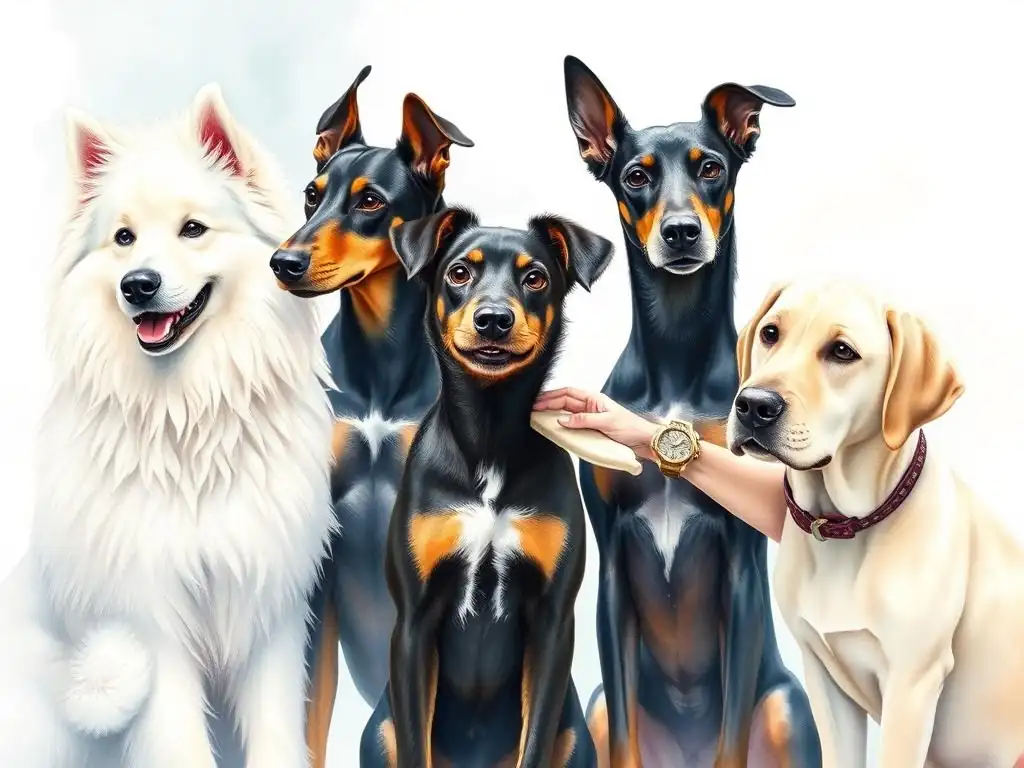
- Short and Smooth: This type of coat is easy to maintain, requiring minimal brushing. Breeds like Dobermans and Greyhounds fall into this category. Regular baths and occasional brushing are sufficient.
- Medium Length: This coat type necessitates more frequent brushing to prevent matting and tangles. Examples include Beagles and Cocker Spaniels. Regular brushing, ideally several times a week, is crucial.
- Long and Silky: These coats require daily brushing to prevent matting. Breeds like Afghan Hounds and Yorkshire Terriers need meticulous attention to maintain their luxurious coats. Detangling sprays may be beneficial.
- Double Coat: This coat consists of an outer and undercoat. Breeds like Huskies and Golden Retrievers have double coats that shed heavily seasonally. Regular brushing, particularly during shedding seasons, is essential. Specialized deshedding tools can be highly effective.
- Wirehaired: These coats require specialized grooming techniques, often involving stripping or hand-stripping, to maintain their texture. Terriers are common examples. Professional grooming may be recommended.
Assessing Your Dog's Coat Health
Regularly assessing your dog's coat health is vital for early detection of potential problems. Look out for the following signs:
- Dullness and Dryness: This can indicate underlying health issues, poor diet, or inadequate grooming. Consider adjusting your dog's diet and increasing the frequency of brushing.
- Excessive Shedding: While shedding is natural, excessive shedding can be a sign of stress, allergies, or hormonal imbalances. Consult your veterinarian if shedding is unusually heavy.
- Matting and Tangles: These are common in long-haired breeds and can cause discomfort and skin irritation. Regular brushing is essential to prevent matting.
- Skin Irritation: Redness, itching, or flaking skin requires veterinary attention. It could indicate allergies, parasites, or skin infections.
- Unusual Patches of Hair Loss: This can be a symptom of various health conditions, including hormonal imbalances, fungal infections, or autoimmune disorders. Immediate veterinary consultation is necessary.
Choosing the Right Grooming Tools
Selecting the right grooming tools is crucial for effective and safe grooming. The tools you choose should be tailored to your dog's specific coat type. Here's a list of essential grooming tools:
| Tool | Description | Suitable for |
|---|---|---|
| Slicker Brush | Removes loose hair and undercoat, excellent for double-coated breeds. | Double-coated breeds, medium to long-haired dogs |
| Undercoat Rake | Specifically designed to remove undercoat, ideal for heavy shedders. | Double-coated breeds, heavy shedders |
| Bristle Brush | Distributes natural oils, adds shine, and is gentle on the skin. | Short to medium-haired dogs, all coat types |
| Dematting Tool | Carefully removes mats and tangles, use with caution. | Long-haired breeds, dogs with matted fur |
| Grooming Gloves | Removes loose hair while massaging your dog. | All coat types |
| Nail Clippers | Essential for maintaining healthy nails. | All dogs |
Remember, consistent and appropriate grooming is key to maintaining a healthy and beautiful coat for your canine companion. Always prioritize your dog's comfort and safety during the grooming process. If you have any concerns about your dog's coat health, consult your veterinarian. 🐶
Essential Dog Grooming Techniques
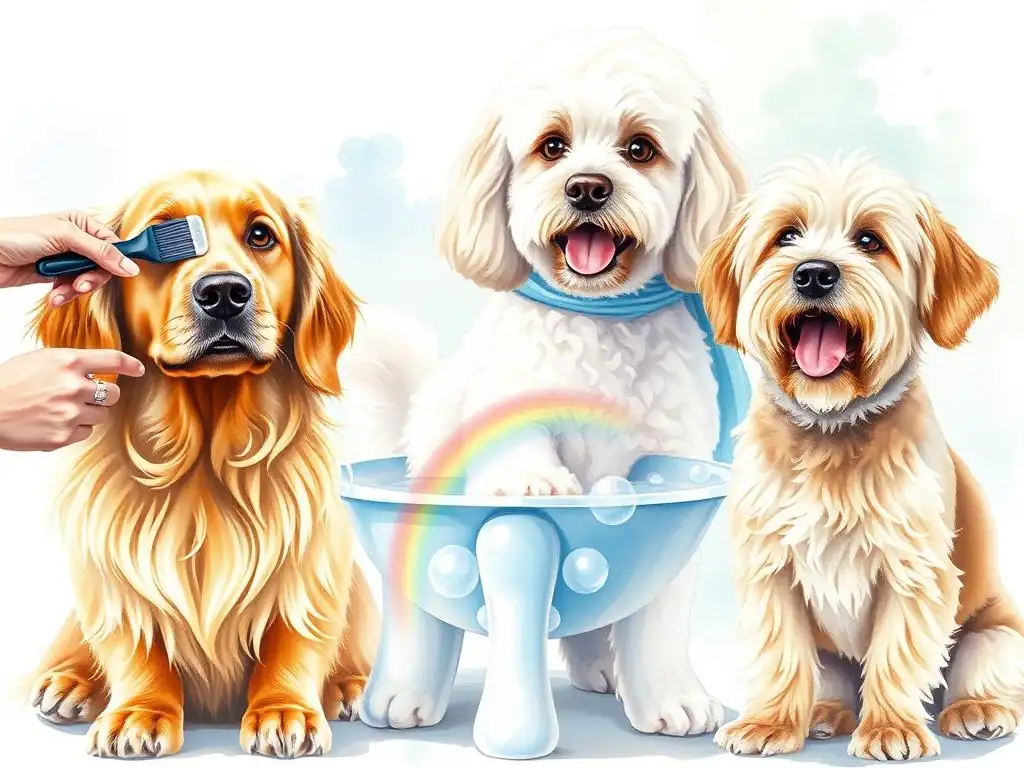
This section delves into the core techniques for maintaining a healthy dog coat, focusing on brushing, bathing, and drying. Mastering these techniques is crucial for preventing matting, skin irritations, and other coat-related problems, ultimately contributing to your dog's overall well-being. Regular and proper grooming is key to achieving a truly healthy dog coat.
Brushing Your Dog Regularly
Regular brushing is arguably the most important aspect of maintaining a healthy dog coat. The frequency depends on your dog's breed and coat type. Long-haired breeds like Yorkshire Terriers might need daily brushing to prevent matting, while short-haired breeds like Labradors may only require brushing a few times a week. However, consistent brushing is vital for all dogs.
Brushing removes dead hair, dirt, and debris, preventing matting and tangles. It also stimulates the skin, improving blood circulation and distributing natural oils, leading to a shinier, healthier coat. Furthermore, regular brushing allows you to detect early signs of skin problems, such as parasites or irritations, enabling prompt treatment.
Choosing the right brush is also crucial. Different brushes cater to different coat types. Slicker brushes are excellent for removing loose undercoat, while bristle brushes are ideal for smoothing the topcoat. For dogs with long hair, a de-shedding tool can be invaluable. Always brush gently, paying attention to sensitive areas like the belly and legs. A thorough brushing session should take between 5-20 minutes, depending on your dog's size and coat.
Bathing Your Dog Properly
While regular brushing is essential, occasional bathing is necessary to remove dirt, oils, and lingering odors. Over-bathing, however, can strip the coat of its natural oils, leading to dryness and irritation. The frequency of bathing depends on your dog's lifestyle and coat type; some dogs might only need a bath every few months, while others might require more frequent cleaning. Always use a dog-specific shampoo, as human shampoos can disrupt the pH balance of your dog's skin, potentially causing irritation or allergies.
Before bathing, thoroughly brush your dog to remove any tangles or mats. Use lukewarm water and apply the shampoo gently, working it into a lather. Rinse thoroughly to remove all traces of shampoo; any residue can irritate the skin. Pay special attention to areas prone to dirt accumulation, like the paws and tail. After bathing, gently towel-dry your dog's coat.
Drying Your Dog's Coat Effectively
Thorough drying is as important as bathing. Leaving your dog wet can lead to chills and skin infections. Gently towel-dry your dog's coat as much as possible. For long-haired breeds, you may need to use a hairdryer on a low, cool setting to ensure complete drying.
Avoid using high heat, as this can damage the coat and dry out the skin. Always keep the hairdryer at a safe distance from your dog's skin to prevent burns. A completely dry coat will help maintain a healthy skin and coat condition, preventing many potential problems associated with dampness. Remember, a healthy dog coat starts with proper drying techniques.
This detailed approach to grooming helps maintain a healthy, shiny coat for your canine companion, contributing significantly to their overall happiness and health. Remember to adapt these techniques to your dog's specific needs and always consult with a veterinarian if you notice any unusual changes in your dog's skin or coat. Regular grooming is a significant investment in your dog's well-being, providing numerous benefits beyond just aesthetics.
Advanced Grooming Techniques
This section delves into more sophisticated grooming techniques beyond the basics, crucial for maintaining a truly healthy dog coat. These techniques require a bit more skill and practice but offer significant benefits in terms of coat health and overall appearance. Remember, always prioritize your dog's comfort and safety during these procedures. If you're unsure about any technique, consult a professional groomer. Consistent application of these healthy dog coat grooming tips will yield noticeable improvements.
Trimming and Shaping Your Dog's Coat
Trimming and shaping your dog's coat goes beyond simple brushing. It involves carefully removing excess fur, creating a neat appearance, and preventing matting. Different breeds require different approaches. For instance, long-haired breeds like Yorkshire Terriers benefit from regular trimming to prevent tangles and keep their coat flowing. Shorter-haired breeds might only need occasional trimming to maintain a clean, even coat.
The tools you'll need include professional-grade grooming shears (straight and curved), thinning shears (for blending), and a comb. Before you begin, thoroughly brush your dog's coat to remove any loose fur and identify any mats. Work slowly and methodically, using short, controlled snips. Always trim with the direction of hair growth to avoid creating unsightly patches or damaging the coat.
Consider the following tips for successful trimming:
- Use sharp shears: Dull shears can pull and damage the hair, leading to discomfort for your dog.
- Work in small sections: This allows for greater precision and control.
- Take breaks: If your dog becomes restless or uncomfortable, take a break and resume later.
- Practice makes perfect: Don't be discouraged if your first attempts aren't perfect. With practice, you'll become more proficient.
Dealing with Mats and Tangles
Mats and tangles are a common problem, especially in long-haired breeds. Left untreated, they can cause discomfort, skin irritation, and even infection. Prevention is key – regular brushing is the best defense against matting. However, if mats do occur, you'll need to address them carefully.
Attempting to pull out a mat can be painful for your dog and can damage the hair follicle. Instead, try using a mat breaker or a wide-toothed comb to gently work through the mat. If the mat is severe and you can't easily remove it, it's best to seek professional help from a groomer. They have the tools and expertise to safely remove even the most stubborn mats.
Here's a breakdown of how to tackle mats:
| Mat Severity | Recommended Approach | Tools Needed |
|---|---|---|
| Minor | Gentle combing with a wide-toothed comb | Wide-toothed comb |
| Moderate | Mat breaker or detangling spray | Mat breaker, wide-toothed comb, detangling spray |
| Severe | Professional groomer | (Professional tools) |
Remember, patience is crucial when dealing with mats. Forceful removal can harm your dog's skin and cause pain.
Maintaining Your Dog's Paws and Nails
Regular paw and nail care is an essential part of maintaining a healthy dog coat and overall well-being. Paw pads need to be checked regularly for cuts, cracks, or foreign objects embedded in them. Keep them clean and moisturized using a paw balm, especially during dry weather. This helps prevent cracking and dryness, which can lead to discomfort and infection.
Nail trimming is also essential. Overgrown nails can cause discomfort, affect gait, and even lead to joint problems. Trim your dog's nails regularly, using appropriate clippers. If you're unsure how to trim your dog's nails safely, consult a veterinarian or a professional groomer. They can show you the correct technique and help you avoid accidentally cutting the quick (the blood vessel inside the nail).
Consider these points for paw and nail care:
- 🐾 Regular checks: Inspect your dog's paws daily for any abnormalities.
- 🧼 Cleaning: Gently clean the paws with a damp cloth after walks.
- 🧴 Moisturizing: Apply paw balm regularly, particularly in dry weather.
- ✂️ Nail trimming: Trim nails regularly to prevent overgrowth.
Following these advanced grooming techniques, combined with consistent basic care, will contribute significantly to a healthy and lustrous coat for your canine companion. Remember, a healthy coat reflects a healthy dog! 🐶
Nutritional Support for a Healthy Dog Coat
A dog's coat is a reflection of its overall health, and proper nutrition plays a pivotal role in achieving and maintaining a lustrous, healthy coat. While grooming techniques are essential, a balanced diet forms the foundation for a truly magnificent mane. Ignoring nutritional needs, no matter how diligent your grooming routine, will ultimately result in a dull, lackluster coat prone to issues. This section delves into the crucial relationship between diet, hydration, and the health of your canine companion's coat.
Diet and Supplements for a Shiny Coat
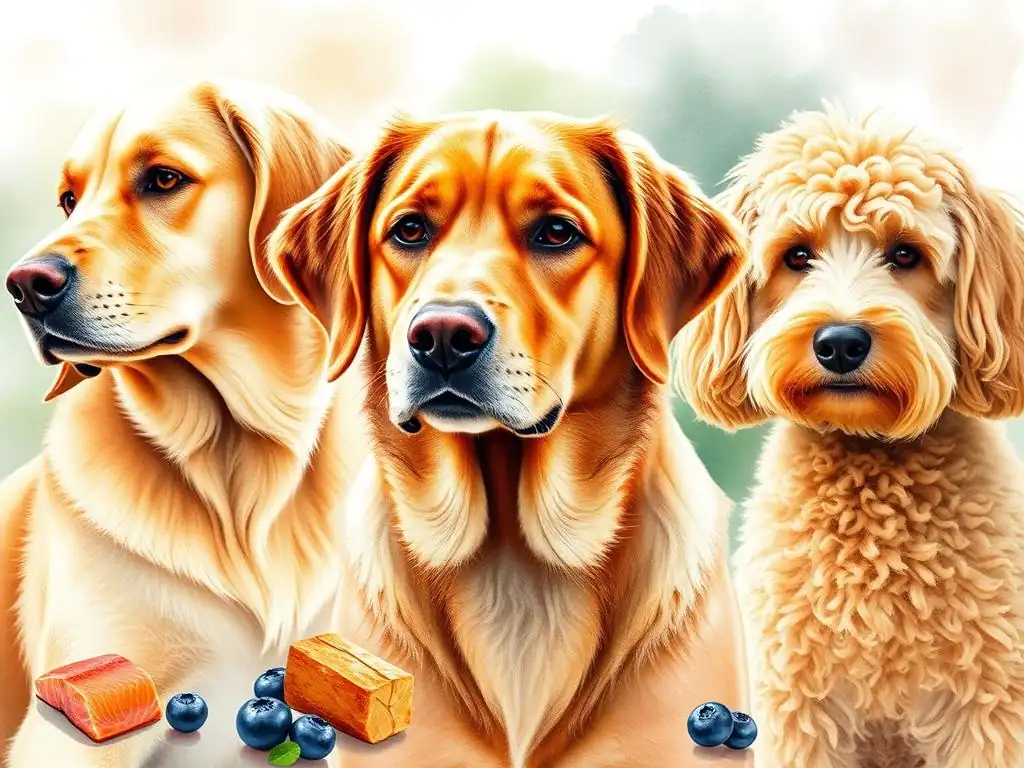
The cornerstone of a healthy dog coat is a high-quality diet rich in essential fatty acids, proteins, and vitamins. Commercial dog foods often boast labels promising shiny coats, but understanding the ingredients is key. Look for foods that list specific sources of omega-3 and omega-6 fatty acids, such as salmon oil or flaxseed oil.
These fatty acids are crucial for skin barrier function and coat health; deficiencies often manifest as dry, flaky skin and a dull coat. Protein is equally important, providing the building blocks for healthy hair follicles. Choose foods with high-quality protein sources like chicken, lamb, or fish, rather than unspecified meat by-products.
Beyond commercial kibble, consider supplementing your dog's diet with ingredients known to benefit coat health. Salmon oil capsules are a popular and effective choice, readily available at most pet stores. Other supplements, such as biotin and zinc, can also contribute to improved coat condition. However, always consult your veterinarian before introducing any supplements to your dog's diet to avoid potential interactions or adverse reactions.
They can help you determine the appropriate dosage based on your dog's breed, size, and overall health. For example, a large breed dog will require a different dosage than a small breed. Over-supplementation can be just as detrimental as under-supplementation.
Remember, a balanced diet is key. Don't rely solely on supplements to correct dietary deficiencies. A holistic approach, combining a high-quality commercial food with carefully considered supplements under veterinary guidance, provides the best chance for a truly healthy and radiant coat.
Hydration and its Impact on Coat Health
Often overlooked, proper hydration is just as crucial as diet for a healthy dog coat. Dehydration can lead to dry, brittle hair, making it prone to breakage and dullness. Ensure your dog has access to fresh, clean water at all times, particularly during hot weather or after strenuous exercise. The amount of water your dog needs varies depending on factors like size, activity level, and climate. A dehydrated dog may exhibit symptoms such as lethargy, sunken eyes, and dry gums – all indicators that require immediate attention and increased water intake.
Monitoring your dog's water consumption is essential. You can gauge hydration levels by checking the elasticity of their skin. Gently pinch the skin on the back of their neck; if the skin snaps back immediately, they are likely well-hydrated. If the skin remains tented for a few seconds, it's a sign of dehydration.
If you notice any signs of dehydration, increase water access and consult your veterinarian. In some cases, underlying medical conditions may be contributing to dehydration, requiring professional intervention. Providing your dog with a consistently hydrated body will support a healthier, shinier coat. Maintaining optimal hydration is a simple yet often overlooked aspect of "healthy dog coat grooming tips."
Recognizing Problems and Seeking Professional Help
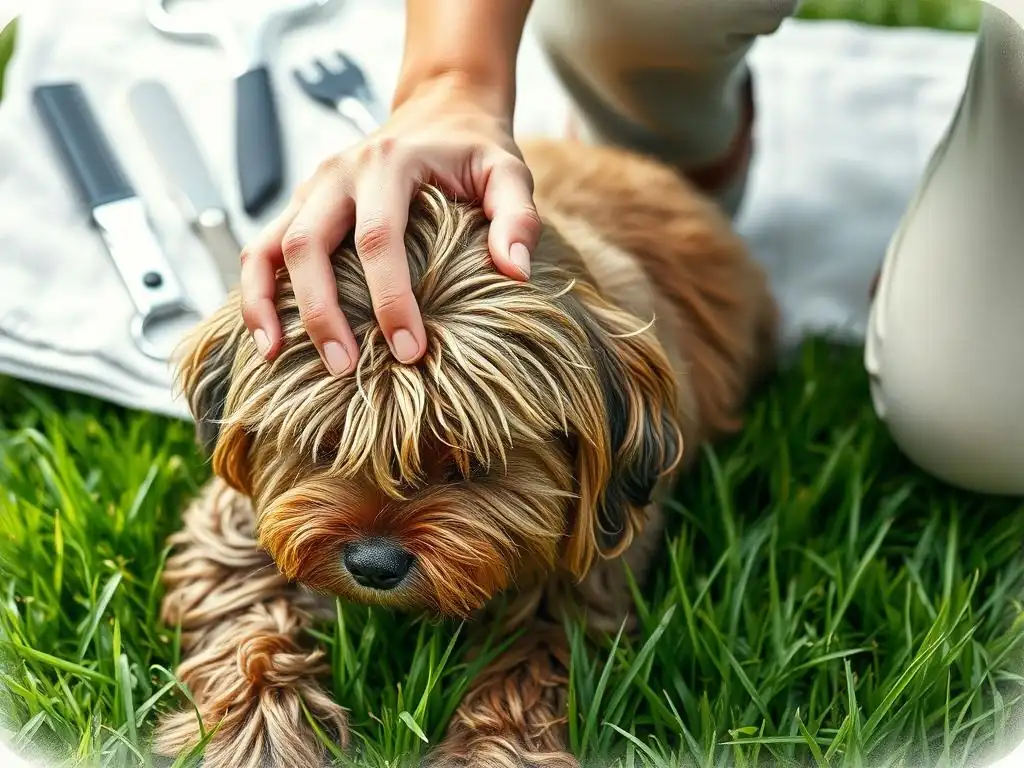
Maintaining a healthy dog coat involves more than just regular brushing. Knowing when to seek professional help is crucial for preventing minor issues from escalating into major health problems. Early detection is key to effective treatment and minimizing discomfort for your canine companion. This section focuses on identifying potential coat problems and understanding when veterinary or professional grooming intervention is necessary.
When to Consult a Veterinarian or Groomer
A seemingly simple issue like excessive shedding might actually indicate an underlying health problem. Don't dismiss changes in your dog's coat as trivial. Here's a checklist of symptoms warranting immediate professional attention:
- Excessive Shedding: While some shedding is normal, a sudden and significant increase, particularly accompanied by patchy hair loss, could signal allergies, hormonal imbalances (like hypothyroidism), parasitic infestations (fleas, mites), or even more serious conditions. Keep a record of the shedding intensity – a daily log might be helpful – to show your vet.
- Dull, Brittle Coat: A healthy dog coat has a natural shine and resilience. A dull, dry, and brittle coat can be a sign of malnutrition, skin infections, or a lack of essential fatty acids in their diet. Consider your dog's diet and supplement regimen. Is it providing adequate nutrients for a healthy coat?
- Skin Irritation: Redness, itching, scaling, or lesions on the skin are clear indicators of a problem. These could stem from allergies (environmental or food-related), bacterial or fungal infections, or even autoimmune diseases. Accurate diagnosis is essential to guide appropriate treatment.
- Unusual Odor: A persistently unpleasant odor emanating from your dog's coat, beyond the usual "doggy smell," could suggest a skin infection or poor hygiene. Regular bathing and thorough drying are important preventative measures, but persistent odor warrants a vet check.
- Lumps or Bumps: Any unusual lumps or bumps on your dog's skin should be examined by a veterinarian. While some might be benign, others could be cancerous or indicate other serious conditions. Early detection is vital for successful treatment.
Remember, proactive care is paramount. Regular veterinary check-ups, even for seemingly healthy dogs, are an invaluable part of preventative health care. Don't hesitate to seek professional advice if you notice any concerning changes in your dog's coat or skin. Early intervention can often make a significant difference in the outcome.
Choosing a Reputable Dog Groomer
Finding a qualified and trustworthy dog groomer is essential for maintaining your dog's coat health. Not all groomers are created equal; some prioritize speed over care, potentially causing injury or stress to your pet. Here's how to find a groomer who prioritizes your dog's well-being:
- Ask for Recommendations: Start by asking your veterinarian, friends, or other dog owners for recommendations. Word-of-mouth referrals are often the best way to find a reliable groomer.
- Check Certifications and Qualifications: A reputable groomer will likely hold certifications from recognized professional grooming organizations. Inquire about their experience and training.
- Visit the Grooming Facility: Before booking an appointment, visit the grooming salon to assess its cleanliness, hygiene, and overall atmosphere. Observe how the groomers interact with the dogs. A calm and reassuring environment is crucial for a positive grooming experience.
- Read Online Reviews: Check online reviews on platforms like Yelp or Google My Business to gauge the experiences of other dog owners. Pay attention to both positive and negative feedback.
- Inquire About Their Practices: Ask about their grooming techniques, the products they use, and their approach to handling anxious or fearful dogs. A good groomer will be patient, understanding, and prioritize your dog's comfort.
Choosing the right groomer is an investment in your dog's health and happiness. A skilled and caring groomer can help maintain a healthy coat, identify potential problems early, and make the grooming experience a positive one for both you and your furry friend. Don't underestimate the importance of finding a groomer who aligns with your values and prioritizes your dog's well-being above all else.
Maintaining a Healthy Dog Coat: Long-Term Strategies
Maintaining a healthy dog coat is a journey, not a destination. It requires consistent effort and a proactive approach to prevent problems before they arise. This section delves into long-term strategies that, when implemented correctly, will significantly improve your dog's coat health and overall well-being, contributing to a happier and healthier canine companion. Remember, a healthy dog coat is a reflection of a healthy dog.
Creating a Consistent Grooming Routine
A consistent grooming routine is the cornerstone of a healthy dog coat. This doesn't necessarily mean daily brushing for every breed; the frequency depends on your dog's coat type and length. However, regularity is key. For example, a short-haired dog might only need brushing once or twice a week, while a long-haired breed might require daily brushing to prevent matting and tangles. This routine should include:
- Brushing: This removes dead hair, dirt, and debris, stimulating the skin and distributing natural oils for a shiny coat. Choose a brush appropriate for your dog's coat type – a slicker brush for short coats, a pin brush for medium coats, and a wide-tooth comb for long coats.
- Bathing: Over-bathing can strip the coat of its natural oils, leading to dryness and irritation. Aim for bathing every 4-8 weeks, or as needed, using a dog-specific shampoo and conditioner.
- Nail Trimming: Regular nail trims prevent overgrowth, which can cause discomfort and even lameness. Learn the proper technique or consult a groomer if unsure.
- Ear Cleaning: Check your dog's ears regularly for dirt, wax buildup, or infection. Clean them gently with a veterinarian-recommended ear cleaner as needed.
- Dental Care: Good dental hygiene contributes to overall health, including coat health. Regular brushing with a dog-specific toothpaste helps prevent periodontal disease.
Consider keeping a grooming log to track your dog's grooming sessions. This will help ensure consistency and allow you to notice any changes in their coat condition early on. This proactive approach is crucial for early detection of potential issues. 📅
Preventing Common Coat Problems
Proactive measures are far more effective than reactive treatments when it comes to maintaining a healthy dog coat. Understanding and preventing common coat problems is crucial. Some prevalent issues include:
- Matting: Regular brushing, especially for long-haired breeds, is essential to prevent matting. Untangling mats can be painful for your dog and may require professional grooming.
- Dry Skin and Dandruff: Dry skin can lead to dandruff and itching. Ensure your dog is properly hydrated and use a moisturizing shampoo and conditioner. Dietary supplements rich in Omega-3 fatty acids can also help.
- Allergies: Allergies to food, environmental allergens, or even flea bites can manifest as skin irritation, itching, and a dull coat. Identify and address the allergen to alleviate symptoms.
- Parasites: Fleas, ticks, and mites can cause significant skin problems. Regular parasite prevention is vital. Consult your veterinarian for the best prevention strategy for your area and your dog's breed.
Addressing these issues promptly can significantly improve your dog's coat health and comfort. Remember, a healthy dog coat is a sign of overall wellness. ✨
Seasonal Grooming Adjustments
Your dog's grooming needs may change with the seasons. Summer heat can lead to overheating, while winter cold can cause dryness. Adjustments to your grooming routine should reflect these seasonal variations:
- Summer: Consider shorter haircuts for dogs with thick coats to help them stay cool. Increased bathing frequency might be necessary, but avoid over-bathing. Pay close attention to parasites, as they are more prevalent in warmer weather. ☀️
- Winter: Use a moisturizing shampoo and conditioner to combat dryness caused by cold, dry air. Consider a dog coat or sweater for breeds with thin coats to protect them from the cold. Pay close attention to paw pads, as they can become cracked and dry in winter. ❄️
By adapting your grooming routine to the seasons, you can ensure your dog's coat remains healthy and comfortable year-round. This proactive approach reflects responsible pet ownership and contributes to your dog's overall well-being. Remember, a healthy dog coat is a happy dog!🐕
Frequently Asked Questions
How often should I brush my dog's coat?
This depends on your dog's breed and coat type. Generally, daily brushing is recommended for long-haired breeds, while shorter-haired dogs may only need brushing a few times a week. Always check for mats and tangles.
What's the best way to bathe my dog?
Use a dog-specific shampoo and lukewarm water. Avoid getting water in your dog's ears and eyes. Thoroughly rinse all shampoo to prevent skin irritation.
My dog has dry skin. What can I do?
Try using a moisturizing shampoo and conditioner formulated for dogs with dry skin. Omega-3 fatty acid supplements can also help improve skin and coat health. Consult your vet if the dryness persists.
How can I prevent mats and tangles in my dog's fur?
Regular brushing is key! Pay special attention to areas prone to matting, such as behind the ears and under the legs. Consider using a detangling spray to help loosen mats.
What are the signs of an unhealthy dog coat?
Look for dullness, excessive shedding, dryness, flakiness, or patches of hair loss. These could indicate underlying health problems, so consult your veterinarian immediately.
Final Reflection: Nurturing the Bond Through Healthy Grooming
The health of a dog's coat is far more than just aesthetics; it's a direct reflection of their overall well-being. A shiny, vibrant coat speaks volumes about a dog's internal health, proper nutrition, and the loving care they receive. Ignoring proper grooming practices can lead to a cascade of problems, from skin irritations to more serious health concerns.
The journey of understanding canine coat care has been a deeply rewarding one for me, highlighting the profound connection between a pet's physical health and the emotional bond we share. A dog is the only thing on earth that loves you more than he loves himself.
This quote perfectly encapsulates the responsibility we have to ensure our canine companions thrive, and proper grooming plays a vital role in that. From learning about the different coat types and their unique needs to mastering the art of brushing and bathing, the process has been one of continuous learning and appreciation for the intricate details of canine health.
Now, I invite you to reflect on your own dog's grooming routine. Are you providing them with the best possible care, considering their breed, age, and individual needs? Take the time to examine their coat closely, and don't hesitate to consult with a professional groomer if you have any concerns. By embracing the principles outlined in this article, you'll not only enhance your dog's physical well-being but also deepen the bond you share, creating a healthier, happier life for both of you.
Unlock Your Dog's Radiant Coat: Take Action Today!
Thank you for learning about the best dog grooming practices! We hope you found valuable information to help your furry friend look and feel their best. Now, let's put that knowledge to work.
- Schedule your dog's next grooming appointment – Whether you choose a professional groomer or dedicate time at home, regular grooming is key to maintaining a healthy, shiny coat and preventing matting.
- Refine your grooming routine – Experiment with different brushing techniques or try a natural conditioner to discover what best suits your dog's unique coat.
- Share your experiences – Join our community and share your grooming successes (or challenges!) in the comments below. Let's build a supportive network of pet parents dedicated to their dogs' well-being!
What's one simple grooming adjustment you'll make this week to improve your dog's coat health?