
Chameleon Humidity Needs: How to Keep Your Enclosure Properly Moist

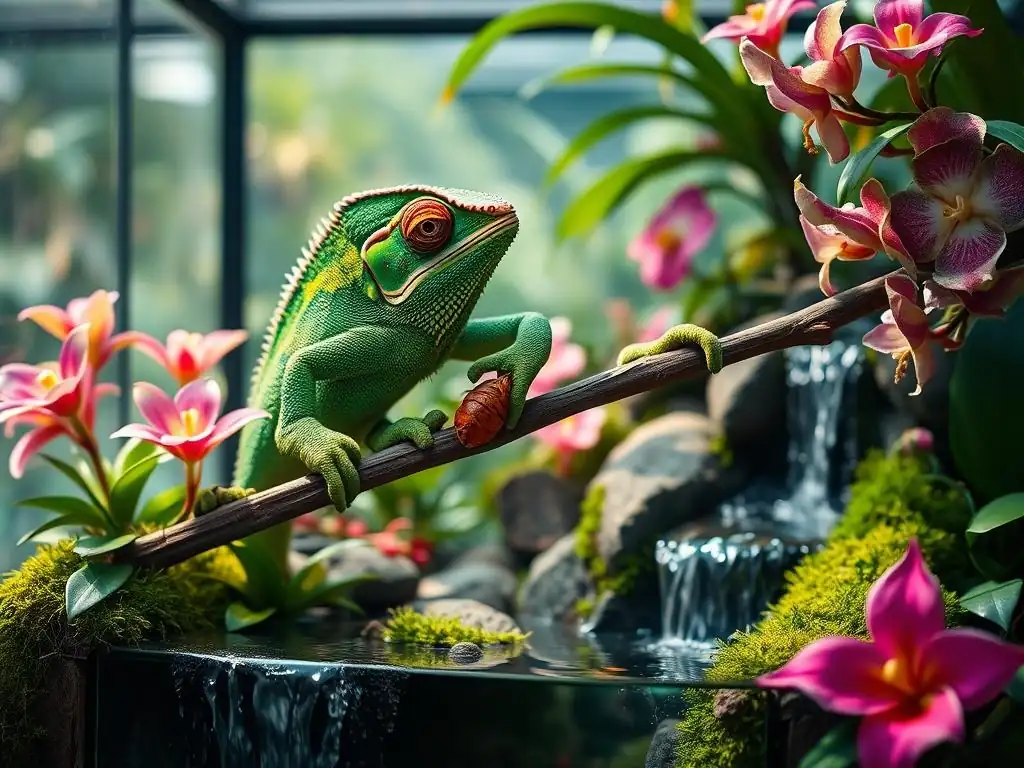
Welcome to PetCareWorld, your ultimate guide to a happier, healthier life for your beloved companions! Are you ready to unlock the secrets to thriving reptile care? Then delve into our expert Chameleon enclosure humidity guide, where we reveal the crucial role humidity plays in the well-being of your vibrant chameleon. Discover the precise techniques and essential equipment needed to create the perfect, thriving environment – and learn why maintaining the right moisture levels is far more critical than you might think. Let's embark on this journey together!
- Understanding Chameleon Humidity Requirements
- Achieving Optimal Humidity Levels in Your Chameleon Enclosure
- Maintaining Consistent Humidity Levels
- Specific Humidity Needs for Different Chameleon Species
- Common Mistakes to Avoid When Maintaining Chameleon Humidity
- Frequently Asked Questions about Chameleon Humidity
-
Frequently Asked Questions
- What is the ideal humidity level for a chameleon enclosure?
- How do I measure humidity in my chameleon's enclosure?
- What are the signs of improper humidity in a chameleon enclosure?
- How can I increase the humidity in my chameleon's enclosure?
- What are the risks of too much or too little humidity for my chameleon?
- Final Reflection: The Delicate Balance of Life: Understanding Chameleon Humidity
- Unlock Your Chameleon's Potential: Mastering Humidity
Understanding Chameleon Humidity Requirements
Maintaining the correct humidity levels within your chameleon's enclosure is crucial for its health and well-being. These fascinating reptiles are highly sensitive to their environment, and improper humidity can lead to a range of health problems, impacting everything from their skin and respiratory system to their overall vitality. This comprehensive guide will delve into the specific humidity needs of chameleons, exploring regional variations, the importance of proper moisture levels, and the telltale signs of an incorrectly humidified enclosure.
Understanding and addressing your chameleon's humidity requirements is paramount to ensuring a long, healthy, and vibrant life for your scaly companion. This guide serves as your essential resource for creating the perfect, humid haven for your chameleon, helping you navigate the intricacies of chameleon care and achieve optimal enclosure conditions. We'll explore how to monitor, adjust, and maintain the ideal humidity levels, providing practical solutions and expert advice to empower you as a responsible chameleon owner.
This guide is designed to answer all your questions about chameleon enclosure humidity, providing the information you need to make informed decisions that directly impact your pet's health and happiness. Consider this your definitive "Chameleon enclosure humidity guide."
Regional Variations in Chameleon Humidity Needs
Chameleons inhabit diverse regions across the globe, each with unique climatic conditions. Consequently, humidity requirements vary significantly depending on the chameleon species and its natural habitat. For example, a veiled chameleon originating from the drier regions of Yemen and Saudi Arabia will have different humidity needs compared to a panther chameleon from the rainforests of Madagascar. Understanding the specific origin of your chameleon is paramount in determining the ideal humidity range for its enclosure.
While precise humidity percentages can vary based on species and age, generally speaking, most chameleons thrive in a humidity range between 50% and 80%, with some requiring higher humidity during certain periods, such as shedding. However, consistently high humidity can also be detrimental, leading to fungal or bacterial infections. Therefore, maintaining a consistent, yet appropriately moderate humidity level is key. Specific humidity requirements for different species should be researched carefully before acquiring a chameleon. [Specific humidity ranges for various chameleon species pending]
The Importance of Humidity for Chameleon Health
Proper humidity is essential for several key aspects of chameleon health:
- Shedding: Sufficient humidity is crucial for successful shedding. A dry environment can lead to difficulty shedding, resulting in retained scales that can cause discomfort, infections, and even limb deformities. Adequate humidity ensures smooth and healthy shedding.
- Respiratory Health: Dry air can irritate a chameleon's delicate respiratory system, increasing the risk of respiratory infections. Maintaining appropriate humidity helps to keep the mucous membranes moist and healthy, preventing respiratory problems.
- Hydration: Chameleons absorb moisture through their skin, making humidity a vital component of their hydration. Insufficient humidity can lead to dehydration, which can have severe consequences for their overall health.
- Skin Health: Proper humidity keeps a chameleon's skin supple and healthy, preventing dryness, cracking, and potential infections. This is particularly important for preventing problems during and after shedding.
- Overall Well-being: Maintaining the correct humidity contributes to the overall well-being and vitality of your chameleon. A comfortable and appropriately humid environment allows your chameleon to thrive and display natural behaviors.
Signs of Improper Humidity in Your Chameleon's Enclosure
Several signs can indicate that the humidity in your chameleon's enclosure is incorrect:
- Difficulty Shedding: If your chameleon struggles to shed its skin, or if pieces of skin remain stuck, it's a strong indicator of low humidity. This can lead to retained scales, infections, and other health problems.
- Lethargy and Weakness: Dehydration due to low humidity can manifest as lethargy, weakness, and a loss of appetite. Your chameleon may appear less active and less responsive than usual.
- Respiratory Issues: Wheezing, gasping for air, or other respiratory symptoms may indicate both high and low humidity issues. High humidity increases the risk of respiratory infections, while low humidity irritates the mucous membranes.
- Dry, Cracked Skin: Dry, cracked, or flaky skin is a clear sign of insufficient humidity. This can make your chameleon vulnerable to infections and other health complications.
- Mouth Breathing: Chameleons typically don't breathe through their mouths. If your chameleon starts mouth-breathing, it could indicate respiratory problems often linked to improper humidity levels.
Monitoring humidity levels regularly with a reliable hygrometer is essential for preventing these problems. Remember, proactive care is crucial for maintaining your chameleon's health and happiness. 🦎
Measuring Humidity in Your Chameleon Habitat
Accurately measuring humidity is crucial for maintaining a healthy chameleon enclosure. A simple hygrometer is your best friend in this process. These inexpensive devices, readily available at most pet stores and online, come in analog and digital varieties. Analog hygrometers use a hair or membrane to measure humidity, while digital hygrometers use electronic sensors and often provide more precise readings. Regardless of the type, it's vital to place the hygrometer inside the chameleon's enclosure, not just near it, to get an accurate reading of the microclimate your chameleon experiences.
Multiple readings throughout the day are recommended, especially during periods of significant temperature fluctuation. Morning and evening readings can highlight potential issues, such as excessive nighttime humidity drops or insufficient daytime humidity levels. Keep a log of your readings to track trends and identify any patterns that may indicate a problem with your humidity control system. This detailed record can be invaluable when troubleshooting humidity issues or consulting with a veterinarian.
Remember that the placement of the hygrometer within the enclosure matters significantly. Avoid placing it directly under a misting system or heat source, as this can skew the readings. Ideally, position it in a location representative of the chameleon's typical resting spots, giving you a more accurate reflection of the humidity levels your reptile actually experiences.
Consider placing multiple hygrometers in different parts of the enclosure for a more comprehensive picture of the humidity distribution. This is particularly helpful in larger enclosures where humidity levels may vary significantly. Inconsistent readings across different areas of the enclosure may suggest inadequate ventilation or the need for a more sophisticated humidity control system.
Achieving Optimal Humidity Levels in Your Chameleon Enclosure
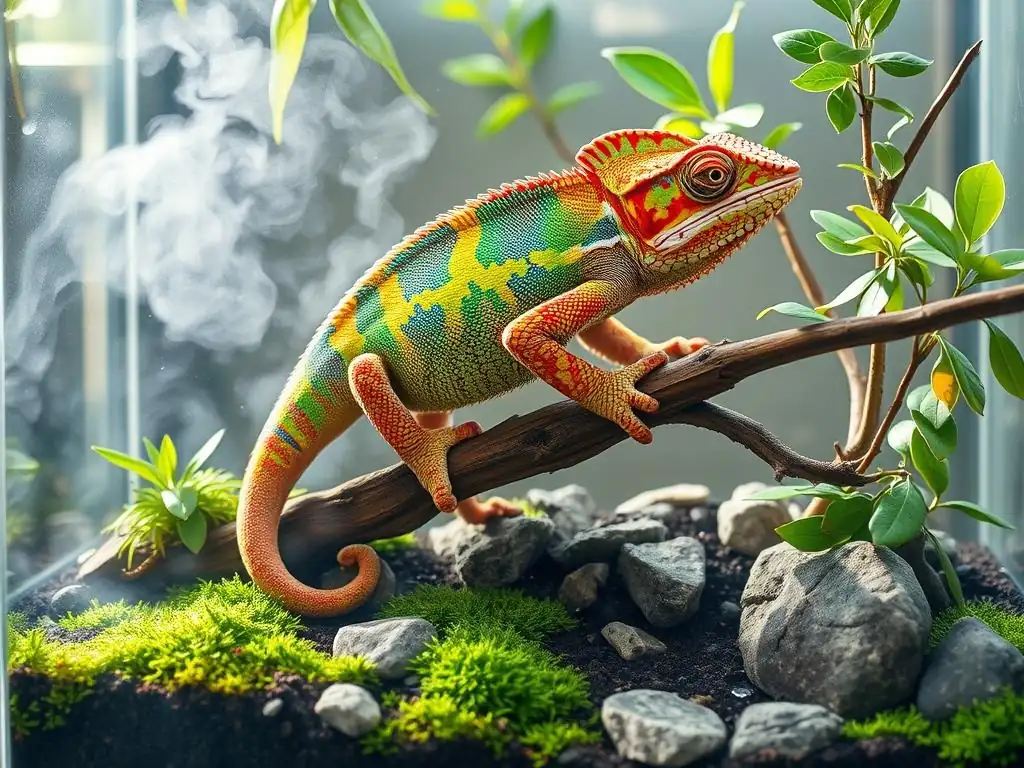
Maintaining the correct humidity levels within your chameleon enclosure is crucial for their health and well-being. Chameleons, native to diverse environments, have specific humidity requirements depending on their species. Failure to provide adequate moisture can lead to several health problems, including dehydration, respiratory infections, and shedding difficulties.
This section will delve into the specifics of achieving and maintaining optimal humidity for your chameleon companion, focusing on practical strategies and essential considerations for a thriving chameleon habitat. Understanding your chameleon's species-specific needs is paramount; some species thrive in higher humidity levels than others. Always research the specific humidity requirements for your chameleon species before implementing any humidity control measures.
This ensures you provide the most appropriate environment for your pet's health and longevity. A properly humidified enclosure contributes significantly to a chameleon's overall well-being, preventing various health complications and promoting vibrant coloration. Remember, consistent monitoring and adjustment are key to successful humidity management.
Choosing the Right Enclosure for Humidity Control
The type of enclosure you choose significantly impacts your ability to maintain appropriate humidity. Glass terrariums, while aesthetically pleasing, can be challenging to regulate humidity levels effectively, particularly in larger enclosures. The glass can trap heat and moisture, leading to inconsistent humidity levels throughout the enclosure. Smaller glass enclosures might be more manageable, but careful monitoring and frequent misting are crucial.
Alternatively, screen enclosures offer superior ventilation, which can make humidity control more difficult. However, they allow for better airflow, reducing the risk of mold and bacterial growth, which are common concerns in humid environments. To manage humidity in screen enclosures, you’ll likely need to employ more frequent misting or utilize specialized humidification systems.
The ideal enclosure will depend on your chameleon's species and your ability to maintain consistent humidity levels. Consider the size of your chameleon, its humidity preferences, and your experience with reptile husbandry when making your decision. For beginners, a smaller, well-sealed terrarium might be easier to manage initially.
Utilizing Different Humidity Control Methods
Several methods exist for controlling humidity within your chameleon enclosure. These range from simple techniques like misting to more sophisticated systems involving humidifiers and hygrometers. A hygrometer, a crucial tool, accurately measures the humidity levels, allowing you to monitor and adjust as needed. This helps prevent both excessively high and low humidity levels, both of which are detrimental to your chameleon's health.
The most common method, misting, involves spraying water into the enclosure several times daily. The frequency depends on the enclosure type, ambient temperature, and the desired humidity level. However, misting alone might not be sufficient for maintaining consistent humidity, especially in larger or well-ventilated enclosures. More advanced methods include using a humidifier, which provides a more consistent level of moisture. Ultrasonic humidifiers are popular choices, but ensure it's placed safely away from any electrical components within the enclosure.
Additionally, consider using a substrate that retains moisture, such as coco coir or cypress mulch. This helps to create a more humid microclimate within the enclosure. Remember, the key is to find a method that allows you to maintain consistent humidity levels within the ideal range for your specific chameleon species. Regular monitoring with a hygrometer is essential to ensure the effectiveness of your chosen method.
Misting Your Chameleon's Enclosure: A Comprehensive Guide
Misting is a fundamental aspect of chameleon care, crucial for hydration and maintaining optimal humidity. However, the process requires a nuanced approach to avoid issues. The water used should be clean, preferably filtered or distilled water, to prevent mineral buildup and potential health problems. Tap water, containing chlorine and minerals, is not recommended.
The frequency of misting varies considerably depending on several factors. The ambient temperature, enclosure size and type (glass vs. screen), and the substrate all play a significant role. In hotter environments, or with a highly porous substrate, more frequent misting is necessary. Conversely, cooler temperatures or a substrate that retains moisture might require less frequent misting. Observe your chameleon's behavior; if it seems dehydrated or its skin appears dry, increase the frequency of misting.
The technique itself is important. Avoid directly spraying your chameleon; aim to mist the foliage and substrate, creating a humid microclimate. Use a fine mist spray bottle to avoid saturating the enclosure, which can lead to mold growth. Consistent monitoring of humidity levels using a hygrometer is vital to ensure the effectiveness of your misting regimen.
A properly executed misting schedule, combined with other humidity control methods, contributes significantly to the overall health and well-being of your chameleon. Remember, the goal is to mimic the natural humidity levels of your chameleon's native habitat. Regular observation and adjustment are key to success. This detailed approach ensures your chameleon thrives in a properly humidified environment.
Using Automatic Misting Systems for Consistent Humidity
Maintaining the correct humidity levels in a chameleon enclosure can be challenging, especially for busy pet owners. Fluctuations in humidity can severely impact your chameleon's health, leading to dehydration or respiratory issues. Automatic misting systems offer a solution to this problem by providing consistent and controlled hydration. These systems typically consist of a timer, a pump, and a nozzle system that delivers a fine mist of water at pre-programmed intervals throughout the day.
The frequency and duration of misting can be adjusted to suit the specific needs of your chameleon species and the environmental conditions of your home. For example, a species thriving in a high humidity environment might require misting several times a day, while a species from a drier region might only need misting once or twice. The advantage of automatic misting systems is their reliability; they eliminate the need for manual misting, ensuring consistent humidity levels even when you're away from home. However, it's crucial to choose a system appropriate for the size of your enclosure and to regularly clean the system to prevent the buildup of algae or bacteria.
Furthermore, monitoring humidity levels with a reliable hygrometer remains essential, even with an automatic misting system in place, to ensure the system is functioning correctly and providing the desired humidity range. Consider factors such as the size of your enclosure and the species of chameleon when selecting a misting system; larger enclosures will require more powerful systems. Regular maintenance, including cleaning the nozzles and checking the water reservoir, is crucial for optimal performance and longevity.
Incorporating Live Plants to Increase Humidity
Live plants are not just aesthetically pleasing additions to a chameleon enclosure; they also play a crucial role in humidity regulation. Many plants, through the process of transpiration, release water vapor into the air, effectively increasing the humidity within the enclosure. This natural humidification method is gentler and more consistent than artificial methods, creating a more natural and stable environment for your chameleon. The choice of plants is vital, however.
Select plants that thrive in humid conditions and are non-toxic to chameleons. Popular choices include bromeliads, orchids, and pothos, all known for their ability to tolerate varying levels of humidity and their relatively low maintenance requirements. The density of the plants also matters; a denser arrangement of plants will contribute to higher humidity levels. However, avoid overcrowding the enclosure, as this can hinder air circulation and lead to other problems.
Remember that plants, like your chameleon, need proper care. Provide adequate lighting and watering to ensure the plants remain healthy and continue to contribute to humidity regulation. Regularly check the plants for pests and diseases to prevent any negative impact on your chameleon's health. The integration of live plants offers a holistic approach to humidity management, mimicking the natural habitat of many chameleon species and contributing to a more enriching and healthy environment.
Substrate Selection for Humidity Regulation
The substrate, or bottom material, you choose for your chameleon's enclosure can significantly impact humidity levels. Certain substrates retain moisture better than others, contributing to a more humid environment. Paper towels, while easy to clean, offer minimal humidity retention. On the other hand, substrates like cypress mulch or coconut fiber retain moisture much better, helping to maintain consistent humidity levels.
However, it's crucial to avoid substrates that retain too much moisture, as this can lead to the growth of mold and bacteria, posing a health risk to your chameleon. The ideal substrate will strike a balance between moisture retention and air permeability. Proper drainage is also crucial to prevent waterlogging, which can be detrimental to your chameleon's health and the overall environment of the enclosure. When selecting a substrate, consider the species of chameleon you own, as their specific humidity requirements might influence your choice.
For example, chameleons from drier regions may not require a substrate that retains as much moisture as those from rainforests. Regularly monitor the moisture level of the substrate and adjust the watering accordingly to prevent both dryness and excessive moisture. Always prioritize a substrate that is safe, non-toxic, and easy to clean to maintain a healthy and hygienic environment for your chameleon. The right substrate choice contributes significantly to a well-regulated and healthy humidity level within the chameleon enclosure, supporting the overall well-being of your reptile companion.
Maintaining Consistent Humidity Levels
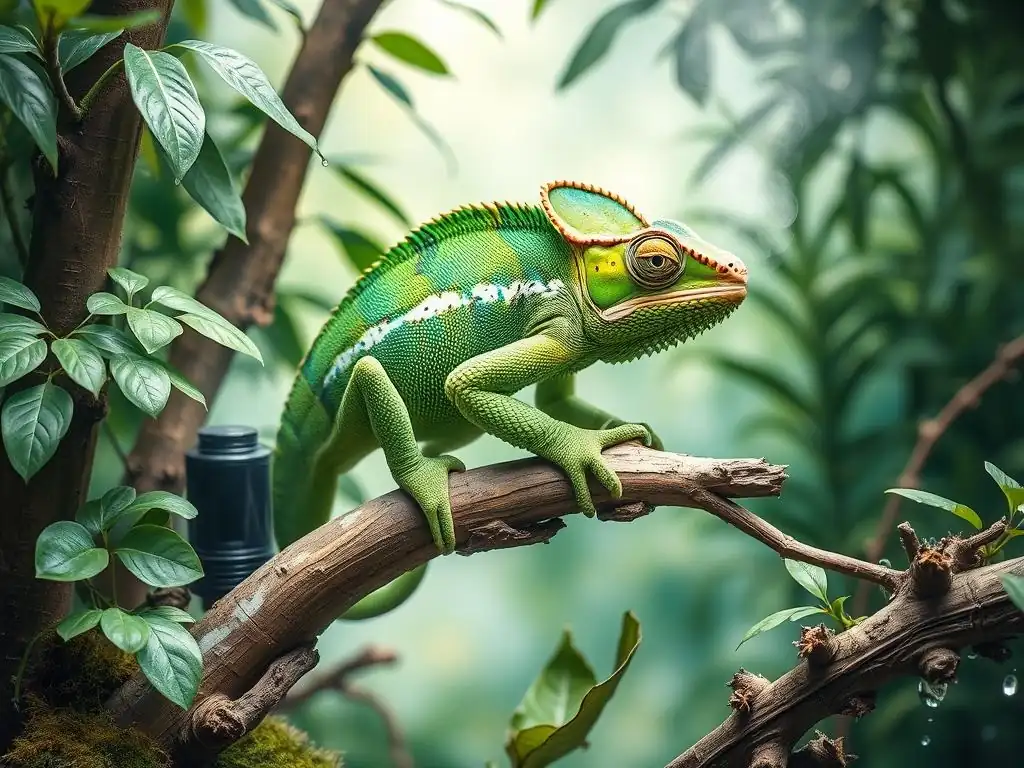
Maintaining the correct humidity levels within your chameleon enclosure is crucial for its health and well-being. A chameleon's skin is highly permeable, making it susceptible to dehydration in dry environments and prone to respiratory infections in excessively humid conditions. Successfully navigating chameleon enclosure humidity requires a multi-pronged approach encompassing accurate monitoring, species-specific adjustments, and proactive troubleshooting.
This section delves into the practical aspects of achieving and maintaining optimal humidity for your chameleon companion. Understanding these factors is essential for providing the best possible care and preventing common health problems associated with improper humidity levels. Consider this your comprehensive chameleon enclosure humidity guide.
Monitoring Humidity Levels Regularly
Regular monitoring of humidity is paramount. Think of it as taking your chameleon's temperature daily; humidity is just as important. You should aim to check the humidity at least twice a day, ideally once in the morning and once in the evening, to account for daily fluctuations. Using a reliable digital hygrometer is essential. Don't rely on visual cues or guesswork; a precise measurement is crucial. Place the hygrometer at various points within the enclosure, as humidity can vary depending on the location (e.g., closer to the misting system versus a drier area).
Record your readings in a logbook or a simple spreadsheet. This will help you track trends, identify potential problems early, and fine-tune your humidity control strategies. Consistency in monitoring provides valuable insights into the effectiveness of your humidity management techniques. For example, if you consistently observe low humidity readings in the morning, you might need to adjust your misting schedule or consider adding a humidifier.
Conversely, consistently high readings might indicate a need for better ventilation. Accurate and regular monitoring is the cornerstone of effective humidity control in a chameleon enclosure. Remember, even minor fluctuations can impact your chameleon's health. 📈
Adjusting Humidity Based on Chameleon Species and Life Stage
Humidity requirements vary significantly depending on the chameleon species and its life stage. For instance, veiled chameleons generally prefer a slightly drier environment compared to panther chameleons, which thrive in higher humidity. Juvenile chameleons, due to their smaller size and higher metabolic rate, often require slightly higher humidity levels than adults. Therefore, a "one-size-fits-all" approach is ineffective and potentially harmful.
| Chameleon Species | Ideal Humidity Range (%) | Notes |
|---|---|---|
| Veiled Chameleon | 40-60 | Requires good ventilation to prevent respiratory issues in higher humidity. |
| Panther Chameleon | 60-80 | Needs consistent misting and potentially a humidifier. |
| Jackson's Chameleon | 50-70 | Requires a well-ventilated enclosure. |
| Yemen Chameleon | 50-70 | Similar to Jackson's Chameleon in humidity needs. |
Failing to tailor humidity levels to the specific needs of your chameleon can lead to serious health problems. Always research the specific humidity requirements of your chameleon species and adjust your strategies accordingly. Consult reputable herpetological resources and experienced breeders for species-specific guidance. Remember, providing the correct humidity is a key factor in ensuring the longevity and overall well-being of your pet.
Troubleshooting Low or High Humidity Issues
Maintaining optimal humidity is an ongoing process, and you will likely encounter situations where humidity levels are too low or too high. Understanding how to troubleshoot these issues is crucial.
- Low Humidity: If your hygrometer consistently reads low humidity, consider increasing the frequency of misting, adding a humidifier, or improving the water retention capabilities of your substrate. You might also need to evaluate your enclosure's ventilation – excessive ventilation can lead to dryness. Consider using a larger water dish or adding live plants to increase evaporative moisture. Remember to monitor the temperature alongside humidity; some humidity-increasing methods can also increase temperature, creating a potentially dangerous environment.
- High Humidity: Conversely, excessively high humidity can lead to respiratory issues and fungal infections. If your humidity levels are consistently too high, improve ventilation by adding more vents or using a fan (ensure it doesn't directly blow on your chameleon). Reduce the frequency of misting or the amount of water used. Ensure the substrate doesn't retain too much moisture. Overwatering plants can also contribute to high humidity, so monitor the watering of any live plants within the enclosure carefully. Regularly inspect the enclosure for any signs of mold or mildew, which thrive in excessively humid conditions. Addressing high humidity promptly is vital for your chameleon's respiratory health. 💦
Remember, consistent monitoring and proactive adjustments are key to maintaining the ideal humidity levels for your chameleon. By understanding the specific needs of your chameleon species and implementing effective troubleshooting techniques, you can create a healthy and thriving environment for your scaly friend.
Preventing Mold and Mildew in a Humid Environment
Maintaining the correct humidity levels for your chameleon is crucial for their health, but high humidity also creates an ideal breeding ground for mold and mildew. These fungi can be extremely harmful to your chameleon, causing respiratory problems and other serious illnesses. Therefore, preventing their growth is paramount in responsible chameleon care. This requires a multi-pronged approach focusing on hygiene and ventilation.
Firstly, proper ventilation is key. A well-ventilated enclosure allows for air circulation, preventing stagnant air that fosters mold growth. Ensure your enclosure has adequate vents, strategically placed to allow for airflow without creating drafts that could chill your chameleon. The size and number of vents will depend on the enclosure size and type, so research the specific needs of your setup. Insufficient ventilation is a common oversight leading to humidity-related problems.
Secondly, substrate selection plays a vital role. Avoid substrates that retain excessive moisture, such as peat moss or cypress mulch, in humid environments. Opt instead for substrates that drain well and dry quickly, such as paper towels, reptile carpet, or specific bioactive substrates designed for humidity control. These options minimize the chance of moisture accumulating and encouraging mold growth. Remember to regularly check the substrate for any signs of moisture buildup or discoloration, indicating potential mold growth.
Thirdly, regular cleaning is essential. This doesn't just mean spot cleaning; thorough cleaning and disinfection of the entire enclosure should be performed at least once a month, or more frequently if you notice any signs of mold or mildew. Use a reptile-safe disinfectant, following the manufacturer's instructions carefully. Avoid harsh chemicals that could harm your chameleon. Thoroughly rinse the enclosure after disinfection to remove any residual cleaning solution. Paying close attention to corners and crevices where moisture tends to accumulate is crucial.
Finally, monitoring humidity levels consistently is crucial. Using a reliable hygrometer will help you maintain optimal humidity without exceeding levels that promote mold and mildew growth. Regularly checking the humidity levels allows for proactive adjustments to ventilation or substrate to prevent problematic moisture buildup.
Regularly Cleaning and Maintaining Your Chameleon Enclosure
Regular cleaning and maintenance are not just about aesthetics; they are crucial for the health and well-being of your chameleon. A clean enclosure helps prevent the spread of bacteria, viruses, and parasites, reducing the risk of illness. A neglected enclosure, on the other hand, can quickly become a breeding ground for pathogens, leading to serious health issues for your reptile. This section outlines a practical cleaning schedule and essential maintenance tasks.
A weekly spot cleaning is essential. This involves removing any uneaten food, fecal matter, and shed skin. Spot cleaning helps prevent the accumulation of waste, reducing odors and minimizing the risk of bacterial growth. Use paper towels to wipe down surfaces and remove any visible debris.
A monthly deep cleaning is recommended. This involves completely removing all substrate, branches, and decorations from the enclosure. Thoroughly clean all surfaces with a reptile-safe disinfectant, paying close attention to corners and crevices. Rinse thoroughly and allow the enclosure to dry completely before replacing the substrate and decorations. This thorough cleaning helps to eliminate any lingering bacteria or parasites.
Beyond cleaning, regular maintenance is also crucial. This includes checking for any signs of damage to the enclosure, such as cracks or holes, which could compromise humidity control or create escape routes. Inspect all plants and decorations regularly for any signs of decay or mold. Replace any damaged or decaying items promptly to maintain a healthy environment for your chameleon.
Remember to always disconnect any heating or lighting equipment before cleaning the enclosure to prevent electrical hazards. Also, ensure that all cleaning solutions used are reptile-safe and thoroughly rinsed before returning your chameleon to its enclosure. Consistent cleaning and maintenance routines are a cornerstone of responsible chameleon ownership, contributing significantly to your pet's long-term health and happiness. The effort invested in maintaining a clean and healthy enclosure is a worthwhile investment in your chameleon's well-being.
Specific Humidity Needs for Different Chameleon Species
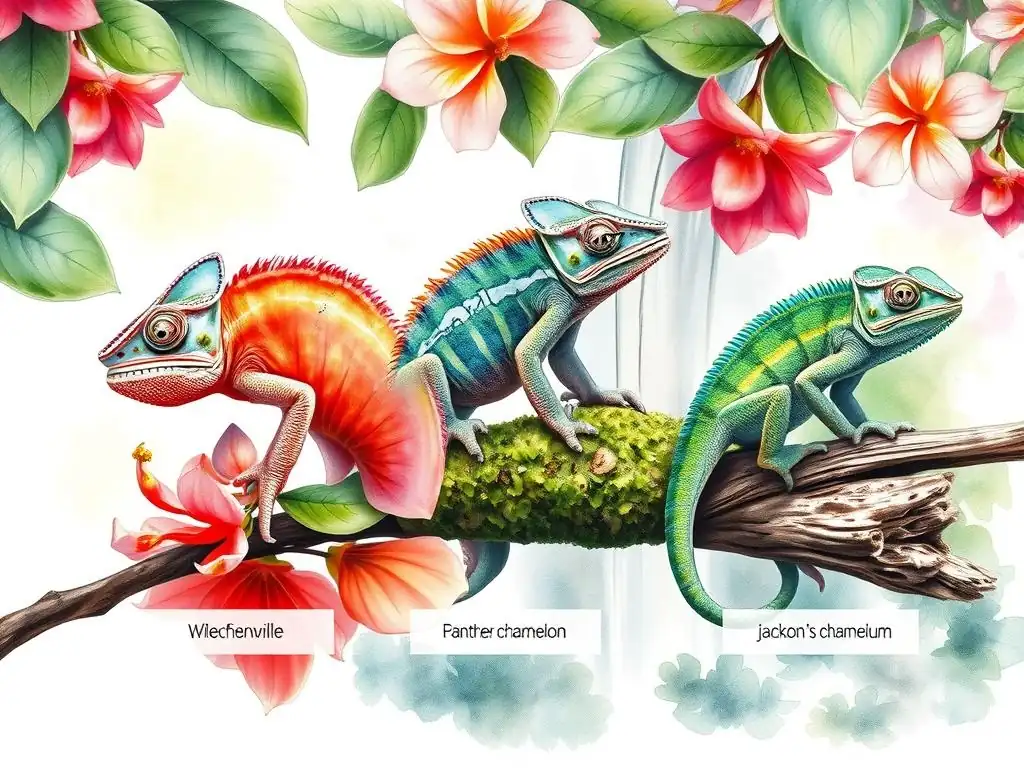
Maintaining the correct humidity levels within a chameleon enclosure is crucial for their health and well-being. However, the ideal humidity range varies significantly depending on the chameleon species. Failing to provide species-specific humidity can lead to severe health problems, including respiratory infections, dehydration, and shedding difficulties. This section will delve into the specific humidity requirements and suitable enclosure setups for three popular chameleon species: Veiled, Panther, and Jackson's chameleons.
Understanding these nuances is vital for responsible chameleon ownership and contributes to a thriving, healthy pet. This guide will help you master the art of chameleon enclosure humidity management, ensuring your reptile companion thrives. Remember, consistent monitoring and adjustments are key to maintaining optimal conditions for your chameleon.
Veiled Chameleon Humidity Requirements and Enclosure Setup
Veiled chameleons ( Chamaeleo calyptratus) originate from drier regions, therefore, they require lower humidity compared to other species. The ideal humidity range for a veiled chameleon is between 40-60%, with slightly higher humidity (up to 70%) being acceptable for juveniles or during shedding. Maintaining this range is crucial for preventing respiratory issues and ensuring proper hydration.
Maintaining these humidity levels requires a well-ventilated enclosure to prevent stagnant air and mold growth. Over-humidification can be just as detrimental as under-humidification. Here's a suggested setup:
- Enclosure: A large screen enclosure is recommended for optimal ventilation. Avoid using completely enclosed terrariums.
- Substrate: Paper towels or reptile carpet are ideal; avoid substrates that retain excessive moisture.
- Misting: Misting 1-2 times daily, depending on ambient humidity, is usually sufficient. A simple spray bottle will suffice. Avoid over-misting, which can lead to mold and respiratory problems. Monitor humidity levels regularly.
- Humidity Gauge: A digital hygrometer is essential for accurate monitoring. Place it within the enclosure, away from direct misting, to obtain reliable readings.
- Plants: Live plants help maintain humidity and provide enrichment. Choose plants that tolerate lower humidity and good ventilation, such as pothos or schefflera.
Panther Chameleon Humidity Requirements and Enclosure Setup
Panther chameleons ( Furcifer pardalis) require a slightly higher humidity level than veiled chameleons, especially during the shedding period. The optimal humidity range for panther chameleons generally falls between 50-70%. Maintaining consistent humidity is vital for their skin health and overall well-being. This species is particularly sensitive to fluctuations in humidity and temperature.
Setting up a suitable enclosure for panther chameleons requires careful attention to detail:
- Enclosure: A spacious, well-ventilated screen enclosure is crucial. The larger the enclosure, the easier it is to maintain stable humidity levels.
- Substrate: Similar to veiled chameleons, paper towels or reptile carpet are preferable. Avoid substrates that retain moisture.
- Misting: Misting may need to be more frequent than with veiled chameleons, possibly 2-3 times a day, especially in drier climates or during shedding. Observe your chameleon's behavior; if it appears dehydrated, increase misting frequency.
- Drip System: A low-flow drip system can supplement misting, providing a consistent source of moisture. This is especially beneficial for larger enclosures.
- Humidity Gauge: A digital hygrometer is crucial for precise monitoring. Regular checks are essential to ensure the humidity remains within the optimal range. Record your readings to track humidity levels over time.
Jackson's Chameleon Humidity Requirements and Enclosure Setup
Jackson's chameleons ( Trioceros jacksonii) are known for their adaptability but still require a specific humidity range. While they tolerate slightly lower humidity than panther chameleons, maintaining a consistent level is crucial for their health. The ideal humidity range for Jackson's chameleons is generally between 60-80%, with higher humidity being preferred during shedding.
Creating the right environment for a Jackson's chameleon necessitates a balanced approach:
- Enclosure: A well-ventilated, spacious screen enclosure is recommended. Good air circulation prevents the build-up of moisture and fungal growth.
- Substrate: Similar to other species, paper towels or reptile carpet are ideal choices. Avoid using substrates that retain excessive moisture.
- Misting: Regular misting, possibly 2-3 times daily, is necessary to maintain humidity. The frequency may vary depending on the ambient humidity and the chameleon's activity level.
- Waterfall or Dripper: A small waterfall or dripper system can help maintain humidity and provide a drinking source.
- Humidity Gauge: A digital hygrometer is essential for accurate monitoring of humidity levels. Regularly check and record the humidity levels to ensure they stay within the optimal range. This consistent monitoring is key to ensuring the health and well-being of your Jackson's chameleon.
Remember, these are guidelines. Always monitor your chameleon's behavior and adjust humidity levels accordingly. Observe for signs of dehydration (sunken eyes, lethargy) or respiratory problems (wheezing, labored breathing) and adjust the humidity as needed. Consult with a reptile veterinarian if you have any concerns about your chameleon's health.
Common Mistakes to Avoid When Maintaining Chameleon Humidity
Maintaining the correct humidity levels in a chameleon enclosure is crucial for their health and well-being. Many well-meaning owners, however, make mistakes that can negatively impact their chameleon's life. This section will highlight some common pitfalls and offer solutions to help you create and maintain the ideal environment for your scaly friend.
Understanding these common errors is key to becoming a successful chameleon caretaker and ensuring your pet thrives. This guide will help you avoid the most frequent problems related to chameleon enclosure humidity, allowing you to provide optimal care. Remember, a chameleon's survival depends heavily on a precisely regulated environment.
Over-Misting and its Consequences
Over-misting is a surprisingly common mistake among chameleon keepers. While misting is essential for maintaining humidity, excessive misting can lead to several problems. The most immediate consequence is the risk of respiratory infections. Constantly damp conditions create a breeding ground for bacteria and fungi, increasing the chances of your chameleon contracting pneumonia or other respiratory illnesses. Symptoms can include lethargy, labored breathing, and nasal discharge. Furthermore, excessive moisture can lead to fungal or bacterial skin infections, manifesting as sores or discoloration on the skin.
Beyond respiratory and skin issues, over-misting can also negatively impact the substrate. A constantly saturated substrate can become anaerobic, leading to the build-up of harmful gases and potentially impacting the chameleon's health. Finally, over-misting can simply be unpleasant for your chameleon. While chameleons need moisture, they also need periods of dryness to prevent stress and maintain healthy skin.
Consider this example: A keeper, enthusiastic about maintaining humidity, mists their enclosure multiple times a day, even when the humidity is already within the ideal range. This leads to mold growth in the substrate, causing respiratory problems for their chameleon. The solution? Invest in a reliable hygrometer to monitor humidity levels accurately and adjust misting accordingly. Regularly check the substrate for signs of mold or excessive moisture.
Under-Misting and its Effects on Chameleon Health
Conversely, under-misting can be just as detrimental as over-misting. Insufficient humidity can lead to dehydration, resulting in lethargy, loss of appetite, and ultimately, death. Chameleons obtain a significant portion of their hydration from the moisture in their environment, and inadequate humidity deprives them of this crucial water source. This is particularly critical for young chameleons and those recovering from illness.
Under-misting also contributes to skin problems. Dry skin can become brittle and prone to cracking, leading to infections. Shedding can become difficult and painful, resulting in stuck shed and potential injury. Furthermore, low humidity can affect the respiratory system, although in a different way than over-misting. Dry air can irritate the delicate mucous membranes of the respiratory tract, leading to respiratory stress.
For instance, a keeper neglecting to mist their enclosure regularly might observe their chameleon becoming lethargic and refusing food. Their skin may appear dry and dull. The solution is to establish a consistent misting schedule, using a hygrometer to guide the frequency and duration of misting sessions. Consider supplemental hydration methods like drip systems or water bowls, but remember these are additions to, not replacements for, proper misting.
Ignoring Humidity Fluctuations
Maintaining consistent humidity is paramount. Even small and seemingly insignificant fluctuations can stress your chameleon and weaken its immune system, making it more susceptible to disease. Large swings in humidity are especially harmful and can lead to a range of health issues. A hygrometer is essential for monitoring humidity levels and identifying fluctuations.
Think of it like this: Imagine a chameleon living in a habitat where humidity jumps from 60% to 90% and back down several times a day. This instability creates immense stress. The chameleon's body constantly works to regulate its internal temperature and hydration in response to these changes, weakening its overall health. The solution involves using a combination of misting, a quality humidifier, and perhaps even a fogger to maintain a stable humidity level within the chameleon's ideal range.
Regular monitoring with a hygrometer is essential for early detection and prompt corrective action. Remember, consistent humidity is a cornerstone of successful chameleon keeping. A stable environment minimizes stress and promotes optimal health.
Frequently Asked Questions about Chameleon Humidity
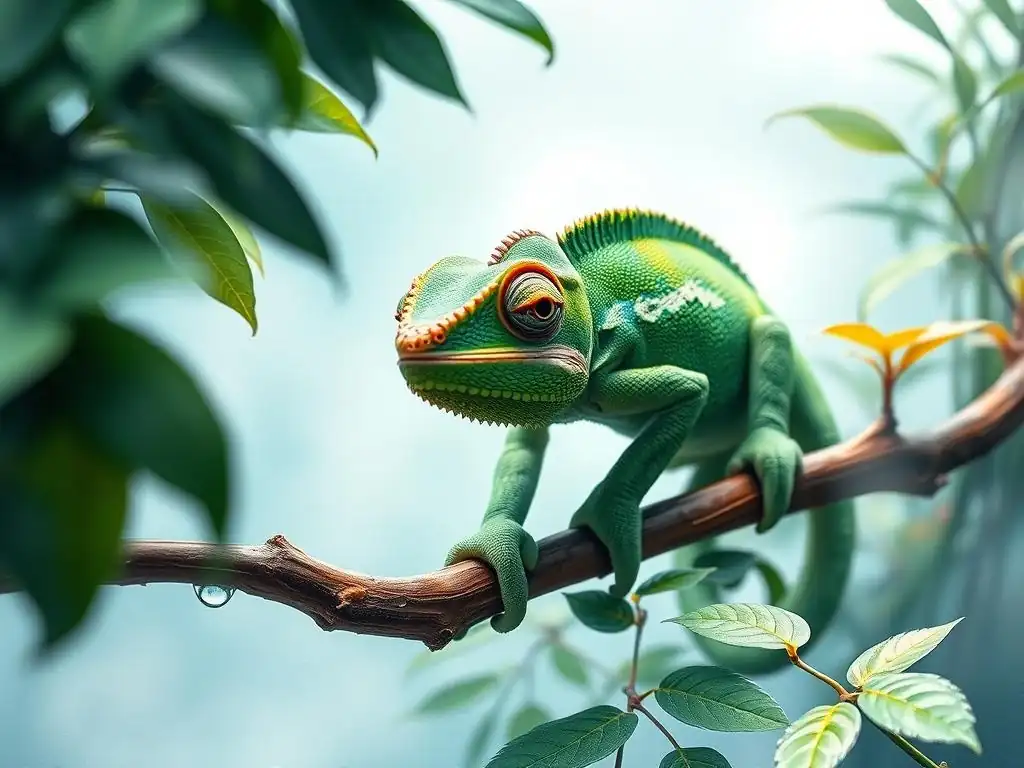
This section addresses common concerns regarding maintaining the correct humidity levels within your chameleon enclosure. Understanding and managing humidity is crucial for your chameleon's health and well-being, impacting everything from shedding to respiratory function. This "Chameleon enclosure humidity guide" will equip you with the knowledge to create a thriving environment.
What is the ideal humidity range for my chameleon?
The ideal humidity range for your chameleon depends heavily on its species and age. There's no one-size-fits-all answer; generalizing can be detrimental to your pet's health. For example, a veiled chameleon might thrive in a slightly lower humidity range than a panther chameleon. Juvenile chameleons often require higher humidity levels than adults to support proper shedding.
Always research the specific needs of your chameleon species. Reputable herpetological websites and books offer species-specific care guides. Failing to do so could lead to serious health problems for your pet. A good starting point is to aim for a range between 50-70% humidity for many common species, but always verify this with species-specific information. Using a reliable hygrometer is essential for monitoring and maintaining these levels accurately. Consistent monitoring is key to successful chameleon keeping.
How often should I mist my chameleon's enclosure?
Misting frequency is directly tied to the humidity level within the enclosure and the ambient temperature. Higher temperatures lead to faster evaporation, requiring more frequent misting. Conversely, lower temperatures mean moisture persists longer. Instead of adhering to a strict schedule, focus on maintaining the ideal humidity range.
Several factors influence misting frequency:
- Enclosure Size: Larger enclosures require more frequent misting to maintain humidity levels.
- Ventilation: Good ventilation is crucial, but excessive ventilation can quickly dry out the enclosure, necessitating more frequent misting.
- Substrate: Different substrates retain moisture differently. For example, paper towels will dry out faster than a well-draining soil mix.
- Season: Humidity levels naturally fluctuate with seasonal changes, requiring adjustments to your misting routine.
Instead of a fixed schedule, monitor your hygrometer regularly. Mist when the humidity drops below the recommended range for your species. Aim for a gentle misting that doesn't soak the substrate excessively, preventing mold growth. You can also use a humidifier to maintain consistently optimal humidity levels, especially in drier climates.
What are the signs of dehydration in a chameleon?
Recognizing the signs of dehydration is crucial for preventing serious health complications in your chameleon. Early detection allows for prompt intervention and can often reverse the effects of dehydration. Here are some key indicators to watch for:
| Sign of Dehydration | Description |
|---|---|
| Sunken Eyes | Eyes appear recessed into their sockets. |
| Lethargy | Reduced activity levels and overall sluggishness. |
| Dry Skin and Mouth | Skin appears dry and wrinkled; the mouth may appear dry and sticky. |
| Difficulty Shedding | Dehydrated chameleons may struggle to shed their skin properly. |
| Loss of Appetite | Reduced or complete loss of interest in food. |
| Slow or Weak Movement | Noticeably slower and weaker movements compared to their usual energy levels. |
If you observe any of these symptoms, immediately increase the humidity in the enclosure and offer your chameleon fresh, clean water. If the dehydration is severe, consult a veterinarian specializing in reptiles as soon as possible. Prevention is key; maintaining proper humidity is crucial to avoid dehydration and its associated health problems. Remember, a proactive approach to chameleon care is vital for their long-term health and happiness. 🦎
What type of hygrometer is best for monitoring chameleon enclosure humidity?
Choosing the right hygrometer is crucial for accurately monitoring your chameleon's enclosure humidity. Analog hygrometers, while often less expensive, can be less precise and prone to drift over time. Their readings might not be as reliable as digital counterparts. Digital hygrometers, on the other hand, generally offer greater accuracy and often include features like temperature readings and data logging capabilities.
This allows for a more comprehensive understanding of your chameleon's environment. For best results, look for a digital hygrometer with a probe that can be placed inside the enclosure, providing a more accurate reading than one placed outside. This internal placement gives you a true representation of the humidity your chameleon experiences. Consider hygrometers with a large, easy-to-read display, especially if you have vision difficulties.
Some advanced models even offer wireless connectivity, allowing you to monitor the enclosure's humidity remotely via a smartphone app – a convenient feature for busy owners. Remember, regular calibration is key for any hygrometer to maintain accuracy. Following the manufacturer’s instructions for calibration will ensure your readings are reliable and help you maintain the ideal humidity levels for your chameleon. Investing in a high-quality digital hygrometer with an internal probe will significantly improve your ability to provide optimal care for your reptile companion.
What should I do if my chameleon's enclosure is too humid or too dry?
Maintaining the correct humidity is vital for your chameleon's health. If your hygrometer indicates that your chameleon's enclosure is too humid (above 80% for most species), you need to take immediate action to prevent respiratory infections and other health problems. This might involve increasing ventilation by slightly opening windows or adjusting the airflow from a fan (avoid direct drafts).
You should also reduce misting frequency or duration, and consider using a dehumidifier designed for small spaces, ensuring it's safely placed away from the enclosure and doesn't directly impact the chameleon. Regularly check the substrate for excessive moisture and replace it if necessary.
Conversely, if your enclosure is too dry (below 60% for most species), your chameleon will struggle to shed properly and may experience dehydration. You'll need to increase the humidity levels gradually. Increase the frequency of misting, ensuring you're thoroughly wetting the foliage and substrate. Consider adding a humidifying system, such as a fogger or ultrasonic humidifier, carefully placed to avoid direct contact with your chameleon.
Remember to monitor the humidity levels closely after making adjustments to avoid overcompensation. You might also want to investigate the type of substrate you're using, as some substrates retain moisture better than others. Switching to a more moisture-retentive substrate could be beneficial. A combination of misting and a humidifying system often provides the best results, offering a more stable humidity level.
💧 Always prioritize gradual adjustments to prevent sudden shocks to your chameleon's environment. Remember, consistent monitoring is key to maintaining a healthy and comfortable environment for your chameleon.
Frequently Asked Questions
What is the ideal humidity level for a chameleon enclosure?
The ideal humidity level depends on the specific chameleon species, but generally ranges from 50% to 70%. Maintaining consistent humidity is crucial for their health.
How do I measure humidity in my chameleon's enclosure?
Use a reliable digital hygrometer to accurately monitor the humidity levels. Place it inside the enclosure, away from direct heat or mist.
What are the signs of improper humidity in a chameleon enclosure?
Signs include lethargy, skin problems, and respiratory issues. Shedding difficulties are also a common indicator.
How can I increase the humidity in my chameleon's enclosure?
You can increase humidity by misting the enclosure regularly, using a humidifier, or adding a water feature. Choose methods appropriate for your chameleon's species.
What are the risks of too much or too little humidity for my chameleon?
Too little humidity can lead to dehydration and respiratory problems. Too much humidity can promote the growth of harmful bacteria and mold. Maintaining the correct balance is key.
Final Reflection: The Delicate Balance of Life: Understanding Chameleon Humidity
Maintaining the correct humidity in a chameleon enclosure isn't just about numbers; it's about fostering life itself. A seemingly small detail like humidity levels can mean the difference between a thriving reptile and a struggling one, highlighting the crucial role we play in the well-being of these fascinating creatures. The health and happiness of your chameleon are directly tied to your understanding and diligent management of its environment.
The journey of learning about chameleon humidity has been a profound one for me, revealing the intricate interconnectedness of seemingly simple elements. It's a constant reminder of the responsibility we bear as keepers. The care of a living creature is a privilege, not a right.
This quote, though not specifically about chameleons, perfectly encapsulates the respect and dedication required to provide a suitable habitat. Understanding the nuances of humidity, from misting schedules to substrate choices, allows us to create a miniature ecosystem that mirrors their natural environment, contributing to their overall health and longevity.
Now, I invite you to reflect on your own relationship with your chameleon, or with any creature under your care. Consider the unseen details that contribute to their well-being. Are you providing the optimal environment? Are you actively learning and adapting your approach based on your chameleon's needs? Take this knowledge and use it to create a thriving habitat, not just a cage. Your dedication will be rewarded with a vibrant, healthy chameleon, a testament to the power of understanding and responsible care.
Unlock Your Chameleon's Potential: Mastering Humidity
Congratulations on taking the first steps towards providing expert care for your chameleon! You've gained valuable knowledge to create a thriving environment for your scaled companion. Ready to put your new skills into practice?
- Prioritize misting: Maintaining the correct humidity is crucial for your chameleon's health. Establish a regular misting schedule tailored to your chameleon's specific needs, and monitor humidity levels closely. This is a critical step in ensuring your pet's well-being.
- Explore various humidification options: Consider adding a fogger or automatic mister to supplement your current setup to find the most effective method for maintaining optimal humidity levels.
- Share your expertise: Join our PetCareWorld community and share your successful humidity management techniques! Let's learn from each other's experiences.
What humidity levels are you targeting, and which methods have you found most effective? Let's discuss!