
Understanding Ferret Respiratory Issues: Symptoms and Treatment


Welcome to PetCareWorld, your ultimate guide to a happier, healthier life for your beloved companion! Are you concerned about your ferret's well-being? We understand that ferret respiratory infections can be alarming, and that's why we've created this comprehensive resource. Discover expert advice and practical solutions to help you navigate the complexities of ferret respiratory illness, from identifying early symptoms to understanding effective treatment options. Dive in and learn how to give your ferret the best possible care.
-
Recognizing Ferret Respiratory Infections: Common Symptoms
- Identifying Early Signs of Ferret Respiratory Disease
- Sneezing, Coughing, and Nasal Discharge in Ferrets
- Difficulty Breathing and Wheezing in Ferrets
- Lethargy and Loss of Appetite: Respiratory Distress Indicators
- Sneezing and Nasal Discharge: Clues to Infection
- Difficulty Breathing and Respiratory Sounds: Signs of Severe Illness
- Coughing and Wheezing: Further Respiratory Indicators
- Diagnosing Ferret Respiratory Problems: Vet Visit Essentials
- Ferret Respiratory Infection Treatment Options: Medication and Care
- Preventing Ferret Respiratory Diseases: Proactive Measures
- Long-Term Management of Chronic Ferret Respiratory Conditions
- When to Seek Emergency Veterinary Care for Ferret Respiratory Distress
- Frequently Asked Questions
- Final Reflection: Breathing Easier: A Future for Ferret Respiratory Health
- Unlock Your Ferret's Breathing Ease: Take Action Now!
Recognizing Ferret Respiratory Infections: Common Symptoms
Ferrets, with their playful personalities and inquisitive nature, make wonderful companions. However, like all animals, they are susceptible to illness, and respiratory infections are a common concern among ferret owners. Understanding the signs and symptoms of ferret respiratory disease is crucial for early intervention and successful treatment.
Early detection significantly improves the chances of a positive outcome, minimizing discomfort for your furry friend and potentially preventing more serious complications. This comprehensive guide will equip you with the knowledge to recognize the early warning signs of ferret respiratory infections, allowing you to seek veterinary care promptly. We'll explore common symptoms, providing you with a clear understanding of what to look for and when to contact a veterinarian specializing in ferret care.
This guide focuses specifically on helping you identify and understand ferret respiratory infection treatment options, empowering you to become a more informed and proactive pet owner. Remember, timely intervention is key when dealing with ferret respiratory issues.
Identifying Early Signs of Ferret Respiratory Disease
Early detection is paramount in effectively managing ferret respiratory infections. Often, the initial symptoms are subtle and easily overlooked. Therefore, attentive observation of your ferret's behavior and physical condition is vital. Changes in appetite, lethargy, and a general malaise can precede more obvious respiratory symptoms.
A seemingly minor alteration in your ferret's usual playful demeanor should prompt closer examination. For example, a usually active ferret becoming unusually sleepy or withdrawn could be an early indicator of an underlying health problem. Regularly checking your ferret's body temperature (a normal ferret temperature is between 101-103°F) can also provide valuable insights. Even a slight elevation can be indicative of an infection.
Keep a close eye on your ferret's overall well-being; any deviation from its normal behavior or physical state warrants attention. Remember, early detection is key to successful treatment of ferret respiratory infections. Don't hesitate to consult your veterinarian if you notice any concerning changes.
Sneezing, Coughing, and Nasal Discharge in Ferrets
As the respiratory infection progresses, more noticeable symptoms usually appear. Sneezing is a common sign, often accompanied by a characteristic rattling cough. The frequency and intensity of these symptoms can vary. Some ferrets may exhibit only occasional sneezing, while others experience frequent, forceful bouts.
Similarly, the cough can range from a mild, occasional hack to a severe, persistent cough that may be accompanied by labored breathing. Nasal discharge is another frequent symptom. This discharge can vary in color and consistency, ranging from clear and watery to thick and mucoid, and sometimes even yellowish or greenish, indicating a potential bacterial infection. The presence of nasal discharge often suggests a more advanced stage of the infection.
The severity of these symptoms can be an indication of the severity of the infection and the need for veterinary intervention. Regularly monitoring these symptoms and their progression is crucial for effective management. Accurate descriptions of the symptoms to your veterinarian will greatly aid in diagnosis and treatment.
Difficulty Breathing and Wheezing in Ferrets
In more severe cases of ferret respiratory infection, difficulty breathing and wheezing can occur. These symptoms indicate a significant compromise in respiratory function and require immediate veterinary attention. Difficulty breathing may manifest as labored breathing, rapid shallow breaths (tachypnea), or open-mouth breathing. Wheezing, a whistling or rattling sound during breathing, is another critical sign indicating airway obstruction. These advanced symptoms can be distressing for your ferret and can quickly lead to serious complications if left untreated.
The ferret might exhibit a hunched posture, indicating respiratory distress. If you observe any of these severe symptoms—difficulty breathing, wheezing, or open-mouth breathing—you should contact your veterinarian immediately. Prompt veterinary care is crucial in these situations to provide supportive care and prevent further complications. Remember, your quick action can make all the difference in your ferret's recovery.
Lethargy and Loss of Appetite: Respiratory Distress Indicators
Lethargy and loss of appetite are significant indicators of respiratory distress in ferrets. A healthy ferret is typically playful and energetic, exhibiting a keen interest in food. A noticeable decline in these behaviors warrants immediate attention. This isn't simply a matter of a ferret being a bit less active than usual; we're talking about a significant and persistent change.
A ferret suffering from a respiratory infection might sleep excessively, exhibiting little to no interest in its surroundings. This prolonged inactivity is a clear sign that something is amiss. The decreased energy levels are directly linked to the body's struggle to breathe efficiently, diverting energy away from playful activities.
Furthermore, the loss of appetite is often a direct consequence of the discomfort associated with breathing difficulties. The effort required to inhale and exhale can be exhausting, making eating a challenging task. The ferret might struggle to take in sufficient oxygen to support normal bodily functions, including digestion. This can lead to weight loss over time, further exacerbating the already weakened condition.
Observe the ferret's eating habits closely; even a slight decrease in food consumption, especially when coupled with lethargy, should prompt a visit to the veterinarian. Don't underestimate the importance of appetite changes; it's a crucial early warning sign in ferret respiratory infections. A quick veterinary assessment can be the difference between managing a minor infection and facing a life-threatening situation. Remember, early detection and intervention are key to successful ferret respiratory infection treatment.
Sneezing and Nasal Discharge: Clues to Infection

Frequent sneezing is a common symptom of ferret respiratory infections. While an occasional sneeze might be normal, excessive sneezing, especially when accompanied by other symptoms, indicates a potential problem. The frequency and intensity of sneezing can vary depending on the severity of the infection. Some ferrets may exhibit only a few sneezes throughout the day, while others may sneeze constantly, leading to exhaustion and further respiratory distress. The sound of the sneeze can also provide clues; a forceful, rattling sneeze often suggests a more serious infection.
Nasal discharge is another telltale sign. This discharge can vary in color and consistency, ranging from clear and watery to thick and mucoid, or even yellowish or greenish, indicating the presence of pus and a possible bacterial infection. The presence of blood in the nasal discharge is a particularly serious symptom and requires immediate veterinary attention.
The location of the discharge also matters; discharge from one nostril might suggest a localized infection, while bilateral discharge often indicates a more widespread problem. Careful observation of the sneezing and nasal discharge, noting the frequency, intensity, color, and consistency, is crucial for accurate diagnosis and effective ferret respiratory infection treatment. Don't hesitate to consult a veterinarian if you notice any abnormalities.
Difficulty Breathing and Respiratory Sounds: Signs of Severe Illness
Difficulty breathing, or dyspnea, is a serious symptom of ferret respiratory infections and often indicates a more advanced stage of the illness. You might observe rapid, shallow breathing (tachypnea), labored breathing (with visible effort), or audible wheezing, gasping, or crackling sounds. These sounds, often heard during inhalation or exhalation, are indicative of airway inflammation or fluid buildup in the lungs. The ferret might also exhibit open-mouth breathing, a sign that it is struggling to obtain sufficient oxygen. This is a critical situation requiring immediate veterinary intervention.
The severity of breathing difficulties can vary greatly. Some ferrets may only exhibit mild dyspnea during periods of exertion, while others may experience severe respiratory distress even at rest. Observe your ferret carefully for any changes in breathing patterns, paying close attention to the rate, rhythm, and effort involved in each breath.
The presence of abnormal respiratory sounds is a clear indication of a compromised respiratory system and requires prompt veterinary examination. Early detection and treatment of these severe symptoms are crucial for improving the chances of a successful outcome in ferret respiratory infection treatment. Remember, prompt action can save your ferret's life.
Coughing and Wheezing: Further Respiratory Indicators
A persistent cough is another common symptom of ferret respiratory infections. This cough can range from a dry, hacking cough to a wet, productive cough, possibly bringing up mucus. The frequency and intensity of the cough can vary depending on the severity of the infection. A dry cough might indicate early stages of infection, while a wet cough suggests the presence of mucus or fluid in the airways. Listen carefully to the sound of the cough; a harsh, rattling cough often indicates a more severe infection.
Wheezing is a high-pitched whistling sound that can be heard during breathing, often due to narrowed airways. It's a crucial indicator of airway obstruction and inflammation, often associated with more serious respiratory issues. The wheezing sound is a result of air passing through constricted airways, producing a characteristic whistling or hissing noise.
The presence of both coughing and wheezing, particularly if persistent or worsening, is a strong indication of a significant respiratory infection that requires immediate veterinary attention. These symptoms, in combination with other respiratory signs, provide crucial information for accurate diagnosis and effective ferret respiratory infection treatment. Don't delay seeking veterinary care if you observe these symptoms in your ferret.
Diagnosing Ferret Respiratory Problems: Vet Visit Essentials
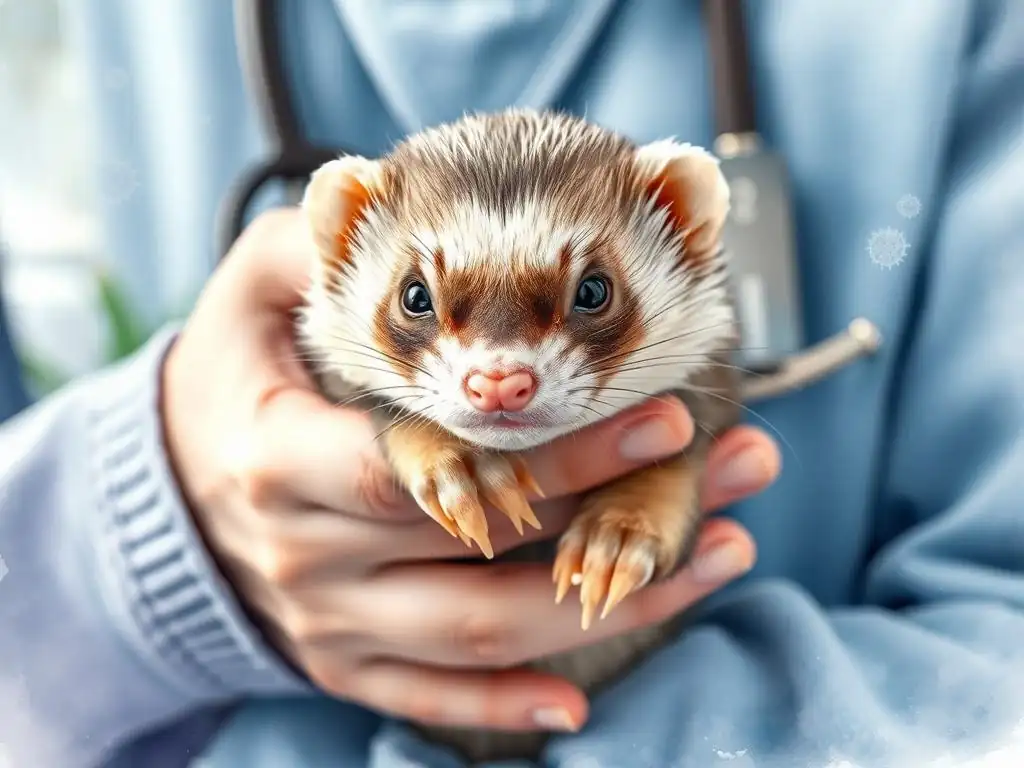
Early and accurate diagnosis is crucial for effective ferret respiratory infection treatment. While observing your ferret at home can provide clues, a veterinary professional is essential for confirming the diagnosis and developing a tailored treatment plan. Ignoring symptoms can lead to severe complications and potentially life-threatening consequences. This section focuses on what to expect during a vet visit specifically regarding ferret respiratory issues.
Importance of Early Veterinary Intervention for Ferret Respiratory Issues
Ferrets, with their unique respiratory systems, are susceptible to various infections and conditions. Delaying veterinary intervention for even seemingly minor respiratory symptoms can lead to rapid deterioration. Early treatment significantly improves the chances of a full recovery and minimizes the risk of long-term complications. Signs like sneezing, nasal discharge, and labored breathing shouldn't be dismissed. These seemingly minor symptoms can quickly escalate into pneumonia or other severe illnesses.
A prompt vet visit allows for early diagnosis and treatment, preventing the infection from spreading and causing irreversible damage. The quicker the intervention, the better the prognosis for your furry friend. Remember, even subtle changes in your ferret's breathing or behavior could signal a serious underlying respiratory problem. Don't hesitate to seek professional help. Proactive care is key to ensuring your ferret's respiratory health and overall well-being.
Diagnostic Tests for Ferret Respiratory Infections: X-rays, Bloodwork
Your veterinarian will likely conduct several tests to accurately diagnose your ferret's respiratory infection. These tests help determine the severity of the infection, identify the underlying cause (bacterial, viral, or otherwise), and guide treatment decisions. Common diagnostic tools include:
- Physical Examination: A thorough physical exam is the first step. The vet will assess your ferret's breathing, listen to its lungs, and check for other symptoms.
- X-rays: Chest X-rays provide detailed images of your ferret's lungs and airways, revealing the extent of any inflammation, fluid buildup, or other abnormalities. This helps determine the severity of the infection and identify any complications like pneumonia.
- Bloodwork: A complete blood count (CBC) and blood chemistry panel can reveal important information about your ferret's overall health, identifying any underlying conditions that might be contributing to the respiratory problem or impacting its ability to fight off infection. Blood tests can also help assess the effectiveness of treatment.
- Other Tests: Depending on the suspected cause and severity, additional tests like nasal and throat swabs for bacterial or viral cultures might be necessary. These tests help identify the specific pathogen causing the infection, enabling targeted treatment.
Understanding Your Vet's Diagnosis and Treatment Plan
Once your veterinarian has completed the diagnostic tests, they will explain their findings and propose a treatment plan. This plan will be tailored to your ferret's specific condition and may involve:
- Medication: This might include antibiotics for bacterial infections, antiviral medications for viral infections, or other drugs to manage symptoms like coughing or congestion. The dosage and duration of treatment will be carefully determined by the vet.
- Supportive Care: This can involve measures to improve your ferret's comfort and support their recovery, such as providing humidified air, ensuring adequate hydration, and offering a comfortable and stress-free environment.
- Monitoring: Regular follow-up visits are crucial to monitor your ferret's progress, assess the effectiveness of the treatment, and make any necessary adjustments to the plan. Close monitoring allows for early detection of any complications and ensures the best possible outcome.
Understanding the diagnosis and treatment plan is essential for effective ferret respiratory infection treatment. Don't hesitate to ask your vet any questions you may have. Active participation in your ferret's care greatly improves its chances of a full and speedy recovery. Remember, prompt veterinary care is paramount in managing ferret respiratory issues.
Ferret Respiratory Infection Treatment Options: Medication and Care
Ferret respiratory infections, a significant concern for ferret owners, necessitate prompt and appropriate treatment to prevent complications and improve the pet's quality of life. The approach to treatment depends heavily on the underlying cause of the infection – bacterial or viral. Effective ferret respiratory infection treatment requires a multifaceted strategy combining medication, supportive care, and careful monitoring. Early intervention is crucial for optimal outcomes. Ignoring symptoms can lead to severe complications and even death. Therefore, seeking veterinary attention at the first sign of respiratory distress is paramount.
Antibiotics for Bacterial Ferret Respiratory Infections
Bacterial infections are a common cause of ferret respiratory illness. These infections often manifest as pneumonia or other serious lung conditions. Veterinarians typically prescribe antibiotics to combat bacterial growth and clear the infection. The choice of antibiotic depends on several factors, including the specific bacteria identified (if possible through culture and sensitivity testing), the severity of the infection, and the ferret's overall health. Commonly used antibiotics in ferret respiratory infection treatment include enrofloxacin (Baytril) and doxycycline.
The duration of antibiotic treatment varies depending on the individual case. It's crucial to complete the entire course of antibiotics, even if your ferret seems to have recovered. Stopping treatment prematurely can lead to the resurgence of the infection and the development of antibiotic-resistant bacteria. During antibiotic treatment, regular monitoring for side effects such as vomiting, diarrhea, or loss of appetite is important. Report any unusual symptoms to your veterinarian immediately. Furthermore, proper administration of the medication, as directed by the veterinarian, is essential to ensure efficacy. This might involve oral administration, injections, or other methods.
Treatment success is often monitored through clinical signs, such as improved respiratory rate and effort, decreased nasal discharge, and increased activity levels. Follow-up veterinary examinations are essential to assess the effectiveness of the treatment and to ensure the infection has been fully eradicated.
Unlike bacterial infections, viral ferret respiratory infections, such as canine influenza, typically don't respond to antibiotics. The focus of treatment for viral infections shifts towards supportive care, aimed at managing symptoms and bolstering the ferret's immune system to fight off the virus. This supportive care approach plays a vital role in ferret respiratory infection treatment, especially in cases where the underlying cause is viral.
Supportive care strategies include providing a warm, comfortable environment to reduce respiratory stress, maintaining hydration through subcutaneous fluids (administered by a veterinarian), and offering a high-calorie, easily digestible diet to support the ferret's energy levels. Monitoring the ferret's respiratory rate, temperature, and overall behavior is crucial. Any signs of worsening respiratory distress should prompt immediate veterinary attention. Additionally, isolating infected ferrets from other animals can help prevent the spread of the virus.
While there's no specific antiviral medication for all ferret respiratory viruses, some veterinary treatments may aim to alleviate specific symptoms. For instance, medications might be used to reduce fever or control secondary bacterial infections that may arise due to a weakened immune system. The overall goal is to provide comfort and support, allowing the ferret's immune system to effectively clear the virus.
Managing Symptoms: Providing Comfort and Support for Your Ferret
Regardless of whether the underlying cause is bacterial or viral, managing symptoms is a key aspect of ferret respiratory infection treatment. Providing a comfortable and supportive environment can significantly impact your ferret's recovery. This is crucial for improving the ferret's overall well-being and facilitating a faster recovery. Comfort measures are often integrated with medication and other treatments, forming a holistic approach.
Symptom management involves several strategies:
- Warmth: Maintain a warm, draft-free environment. A slightly elevated temperature can help ease respiratory discomfort.
- Humidity: Increased humidity can help thin nasal secretions, making them easier to clear. A humidifier in the room can be beneficial, but avoid excessive humidity.
- Hydration: Ensure your ferret stays well-hydrated. Offer fresh water frequently and consider offering electrolyte solutions as directed by your veterinarian.
- Nutrition: Provide a high-calorie, easily digestible diet to support energy levels. Small, frequent meals may be better tolerated than large ones.
- Rest: Provide a quiet, stress-free environment to allow your ferret to rest and recover.
Regular monitoring of your ferret's condition is vital. Note any changes in respiratory rate, breathing effort, appetite, activity level, and overall demeanor. Any significant worsening of symptoms warrants immediate veterinary attention. Early detection of complications can significantly improve the chances of successful ferret respiratory infection treatment and a positive outcome. Remember, prompt veterinary care is crucial for the best possible outcome.
Environmental Modifications to Aid Respiratory Health
Maintaining a clean and healthy environment is crucial in managing ferret respiratory infections and preventing future occurrences. Air quality plays a significant role; even seemingly minor irritants can exacerbate existing respiratory problems. Dust, mold spores, strong smells from cleaning products, and even cigarette smoke (even secondhand smoke) can trigger or worsen respiratory issues in ferrets. Therefore, regular and thorough cleaning of the ferret's living space is paramount.
This includes cleaning their cage, bedding, toys, and food and water bowls frequently. Opt for pet-safe cleaning products with minimal or no fragrances to avoid irritating your ferret's sensitive respiratory system. Consider using HEPA filters in your home, particularly in the rooms where your ferret spends the most time, to remove airborne particles and allergens. Regular vacuuming and dusting are also essential to minimize the accumulation of dust and allergens.
Beyond cleanliness, temperature and humidity control are also vital aspects of environmental management for ferrets with respiratory problems. Ferrets are sensitive to temperature fluctuations, and extreme temperatures can stress their respiratory systems. Maintain a consistent room temperature, ideally between 65°F and 75°F (18°C and 24°C).
Additionally, monitoring humidity levels is important; excessively dry air can irritate the respiratory tract, while excessively humid air can promote mold growth. A humidifier may be beneficial in dry climates, but ensure it's cleaned regularly to prevent the growth of bacteria or mold. Proper ventilation is also crucial to prevent the buildup of moisture and contaminants in the air.
Finally, minimizing stress is a key component of environmental management for ferrets struggling with respiratory infections. Stress can weaken their immune systems, making them more susceptible to infections and hindering their recovery. Ensure your ferret has a safe, comfortable, and enriching environment with plenty of space to play and explore.
Provide adequate hiding places and minimize noise and disturbances to create a calm and relaxing atmosphere. A stressed ferret is more likely to experience a relapse or worsening of their respiratory condition, highlighting the importance of a peaceful and secure living space. Remember, a healthy environment contributes significantly to a ferret's overall well-being and ability to fight off infections, making environmental modifications a vital part of ferret respiratory infection treatment.
Preventing Ferret Respiratory Diseases: Proactive Measures

Ferret respiratory infections, while treatable, can significantly impact your pet's quality of life. Proactive measures are crucial in minimizing the risk of these illnesses and ensuring your ferret remains healthy and happy. A multi-pronged approach focusing on hygiene, vaccination, and social interaction is key to effective ferret respiratory infection prevention. Investing time and effort in these preventative strategies is far more beneficial than dealing with the consequences of a full-blown infection. This section details essential steps to safeguard your ferret's respiratory health.
Maintaining a Clean and Hygienic Environment for Your Ferret
A clean environment is the cornerstone of preventing ferret respiratory diseases. Ferrets are susceptible to airborne pathogens, and maintaining a hygienic living space significantly reduces their exposure. This involves several key practices:
- Regular Cage Cleaning: Thorough cage cleaning should be performed at least once a week. This includes removing all soiled bedding, scrubbing the cage thoroughly with a pet-safe disinfectant, and replacing the bedding with fresh, clean material. Avoid using harsh chemicals that could irritate your ferret's respiratory system. Opt for enzymatic cleaners specifically designed for pet environments.
- Air Quality: Good ventilation is critical. Ensure your ferret's living space is well-ventilated to prevent the buildup of ammonia and other harmful airborne particles. Avoid using strong air fresheners or scented cleaning products, as these can irritate your ferret's sensitive respiratory system.
- Bedding Selection: Choose bedding materials that are absorbent, easily washable, and non-irritating. Avoid materials that produce excessive dust, as this can exacerbate respiratory problems. Paper-based bedding is generally a good choice.
- Litter Box Maintenance: Daily cleaning of the litter box is essential. Ammonia buildup from urine can irritate the respiratory tract. Regularly replace the litter to maintain a clean and odor-free environment.
- Toy Hygiene: Regularly disinfect or replace ferret toys to prevent the buildup of bacteria and viruses.
Proper Vaccination Protocols for Ferret Respiratory Health
Vaccination is a crucial preventative measure against several ferret respiratory diseases. Consult your veterinarian to determine the appropriate vaccination schedule for your ferret. While not all respiratory infections are preventable through vaccination, key vaccines can significantly reduce the risk of serious illness.
The most common vaccine protects against Canine Distemper Virus (CDV), which can cause severe respiratory symptoms in ferrets. Your veterinarian can advise on other potential vaccines based on your ferret's individual needs and the prevalence of specific diseases in your region. Remember, vaccinations are not a guarantee against infection, but they significantly reduce the severity and likelihood of illness. Regular vet check-ups are essential for monitoring your ferret's overall health and ensuring their vaccination status is up-to-date. This proactive approach is a vital component of comprehensive ferret respiratory infection treatment prevention.
Avoiding Contact with Sick Animals to Prevent Infection
Preventing exposure to sick animals is paramount in minimizing the risk of ferret respiratory infections. Ferrets are highly susceptible to catching illnesses from other animals, including other ferrets. Therefore, avoiding contact with sick animals is a crucial preventative measure.
- Quarantine: If introducing a new ferret to your home, quarantine them for several weeks to ensure they are healthy before integrating them with your existing pets. This period allows for observation and minimizes the risk of spreading infection.
- Socialization: While ferrets are social animals, carefully manage their interactions with other animals, especially if you are unsure of their health status. Avoid contact with stray or unknown animals.
- Veterinary Visits: If your ferret shows any signs of respiratory illness, such as sneezing, coughing, or labored breathing, immediately isolate them from other animals and consult your veterinarian. Prompt veterinary attention is crucial in managing and treating ferret respiratory infections. Early intervention can significantly improve the outcome. Remember, preventing exposure is a significant step in effective ferret respiratory infection treatment.
This proactive approach, combining hygiene, vaccination, and careful social management, forms a strong defense against ferret respiratory diseases, minimizing the need for ferret respiratory infection treatment. Regular veterinary checkups remain crucial for early detection and management of any health concerns.
Nutritional Support for a Strong Immune System in Ferrets
A ferret's diet plays a crucial role in its overall health, significantly impacting its resistance to respiratory infections. Providing a high-quality, balanced diet is paramount in preventing ferret respiratory diseases. A diet lacking essential nutrients weakens the immune system, making ferrets more susceptible to illness. This is especially true for young ferrets and senior ferrets, whose immune systems are naturally weaker.
Commercial ferret foods are generally formulated to meet the specific nutritional requirements of ferrets, providing the necessary proteins, fats, and vitamins. However, not all commercial foods are created equal. Look for foods with high-quality animal protein as the primary ingredient, avoiding those with excessive fillers or artificial additives. Check the ingredient list carefully; the higher the percentage of meat-based protein, the better. A balanced diet should also include essential fatty acids, which are vital for maintaining healthy skin and coat, and contributing to a robust immune system. Deficiencies in these fatty acids can leave ferrets more vulnerable to infections.
Beyond commercial food, occasional healthy treats can supplement your ferret's diet. Small amounts of cooked meat (chicken, turkey), or high-quality commercial ferret treats can be given as rewards or occasional additions. However, remember that treats should only constitute a small percentage of their overall daily caloric intake. Avoid giving ferrets human food, which often lacks the necessary nutrients and can be harmful.
Always consult with your veterinarian before making significant changes to your ferret's diet, especially if they have pre-existing health conditions. They can help you determine the best diet to support your ferret's individual needs and strengthen their immune system. Remember, a well-nourished ferret is a healthier ferret, significantly reducing the risk of developing respiratory infections. Providing the proper nutritional support is a cornerstone of proactive ferret respiratory disease prevention.
Consider adding supplements under veterinary guidance. Some supplements, such as probiotics, can contribute to a healthier gut microbiome, which is linked to a stronger immune system. However, only use supplements recommended by your veterinarian, as improper supplementation can have negative consequences. Always prioritize a balanced diet as the primary method of immune support. The synergistic approach of a quality diet and possibly appropriate supplements under professional guidance provides the best chance at a healthy, infection-resistant ferret.
Long-Term Management of Chronic Ferret Respiratory Conditions

Chronic ferret respiratory conditions, like Inspiratory Dyspnea, often require ongoing management to maintain your ferret's quality of life. Successful long-term care hinges on a proactive approach involving close monitoring, tailored care adjustments, and swift veterinary intervention at the first sign of recurrence. This section details strategies for managing these persistent challenges, focusing on improving your ferret's comfort and extending their lifespan. Remember, consistent veterinary care is crucial; this information should supplement, not replace, professional advice.
Monitoring Your Ferret's Respiratory Health
Regular monitoring is paramount in managing chronic ferret respiratory issues. This involves vigilant observation of your ferret's breathing pattern, activity levels, and overall demeanor. Look for subtle changes that might indicate a worsening condition. Keep a detailed record – a simple notebook or a dedicated app can be invaluable. Note the frequency and severity of coughing, sneezing, and any audible respiratory sounds (wheezing, crackling). Changes in appetite, weight, and energy levels should also be meticulously documented.
Here's a sample monitoring chart you can adapt:
| Date | Time | Respiratory Sounds | Cough Frequency | Sneezing Frequency | Appetite | Activity Level | Weight (grams) | Notes |
|---|---|---|---|---|---|---|---|---|
| 2024-10-27 | 8:00 AM | Wheezing | 3-4 per minute | 1-2 per hour | Normal | Slightly reduced | 1800 | Increased nasal discharge observed. |
| 2024-10-27 | 6:00 PM | Wheezing, Crackles | 5-6 per minute | 3-4 per hour | Decreased | Reduced | 1795 | Seems less interested in playing. |
| 2024-10-28 | 8:00 AM | Minimal Wheezing | 2 per minute | 1 per hour | Normal | Slightly improved | 1790 | Seems slightly more active today. |
Regular weighing is especially important. Even a small weight loss can signal a problem. Consider using a digital scale for greater accuracy. Remember that environmental factors, such as temperature and humidity, can also impact your ferret's respiratory health. Maintaining a comfortable environment is essential.
Adjusting Care Based on Individual Needs
Treatment plans for chronic ferret respiratory diseases are highly individualized. Your veterinarian will develop a strategy tailored to your ferret's specific condition, age, and overall health. This might involve medication adjustments, changes in diet, or environmental modifications.
For example, a ferret with chronic bronchitis might benefit from a humidifier to increase environmental humidity and help loosen respiratory secretions. Another ferret might require a change in diet to reduce inflammation, potentially switching to a higher-quality food with fewer allergens. Some ferrets may need supplemental oxygen therapy during exacerbations. Always follow your vet's instructions precisely regarding medication dosages and administration schedules. Never alter the prescribed treatment without consulting your veterinarian. Closely observe your ferret for any adverse reactions to medication. Document any changes in behavior or symptoms and report them to your veterinarian immediately.
Recognizing Recurrence and Seeking Prompt Veterinary Attention
Even with diligent management, ferret respiratory conditions can recur. Early recognition of recurrence is critical for effective intervention. Pay close attention to any changes in your ferret's respiratory function, behavior, or overall well-being. The early warning signs might be subtle, such as a slightly increased cough frequency, a change in the character of respiratory sounds, or a decrease in activity.
Don't hesitate to contact your veterinarian at the first sign of a relapse. Prompt veterinary attention can help prevent the condition from worsening and significantly improve your ferret's prognosis. Remember, proactive care is key to managing chronic ferret respiratory issues and ensuring your ferret enjoys a long and healthy life. Early detection and intervention are paramount in ferret respiratory infection treatment.
When to Seek Emergency Veterinary Care for Ferret Respiratory Distress
Ferret respiratory infections, while common, can rapidly deteriorate into life-threatening situations. Understanding when to seek immediate veterinary attention is crucial for your ferret's survival. Delaying treatment can lead to irreversible damage or even death. This section focuses on identifying critical signs requiring immediate veterinary intervention. Time is of the essence in these cases, and prompt action significantly increases the chances of a positive outcome. Don't hesitate to contact your veterinarian or an emergency animal hospital if you observe any of the following. Early detection and swift action are paramount in managing ferret respiratory infection treatment effectively.
Recognizing Life-Threatening Respiratory Symptoms in Ferrets
Recognizing the subtle yet critical signs of severe respiratory distress in ferrets is vital. These symptoms often escalate quickly, demanding immediate veterinary care. While sneezing and mild coughing might warrant a vet visit, the symptoms listed below signal an emergency:
- Extreme respiratory distress: This includes labored breathing, open-mouth breathing (often with a bluish tint to the gums – cyanosis), and an increased respiratory rate (rapid and shallow breaths). Observe your ferret carefully; any significant change in their breathing pattern warrants immediate action. A ferret struggling to breathe is a critical situation.
- Inability to eat or drink: A loss of appetite, coupled with respiratory distress, indicates a severe problem. Dehydration rapidly sets in, worsening the already critical condition. This symptom is a strong indicator of the need for immediate veterinary intervention.
- Lethargy and collapse: If your ferret is excessively lethargic, unresponsive, or collapses, this signals a critical emergency. These are indicators of severe oxygen deprivation and require immediate professional medical attention.
- High fever: A significantly elevated body temperature, combined with respiratory symptoms, indicates a severe infection that needs urgent medical attention. [Specific temperature thresholds pending] Use a rectal thermometer to accurately measure your ferret's temperature.
Emergency Treatment Options for Severe Respiratory Issues
Emergency treatment for severe ferret respiratory issues focuses on stabilizing the ferret's respiratory function and addressing the underlying infection. Veterinarians might employ several strategies, depending on the severity of the condition and the ferret's overall health:
- Oxygen therapy: Supplying supplemental oxygen is often the first step in stabilizing a ferret experiencing severe respiratory distress. This helps to alleviate oxygen deprivation and improve the ferret's overall condition.
- Fluid therapy: Intravenous fluids are crucial to combat dehydration, a common complication of severe respiratory infections. Dehydration weakens the body's ability to fight infection.
- Medication: Antibiotics are usually administered to combat bacterial infections, while bronchodilators may be used to open the airways and improve breathing. Specific medication choices depend on the identified pathogen and the ferret's individual needs. The veterinarian will determine the appropriate medication and dosage.
- Supportive care: This may involve measures such as keeping the ferret warm, providing a quiet and stress-free environment, and monitoring vital signs closely. Supportive care is essential for the ferret's recovery and overall well-being.
The information provided here is for educational purposes only and does not constitute medical advice. Always consult with a qualified veterinarian for any health concerns regarding your ferret. Early intervention and prompt veterinary care are essential for successful ferret respiratory infection treatment and improving the chances of a full recovery. Remember, a prompt response can make all the difference in a life-threatening situation.
Frequently Asked Questions
What are the common symptoms of a ferret respiratory infection?
Ferrets with respiratory infections often show symptoms like sneezing, runny nose, coughing, and lethargy. Eye discharge is also common. Seek veterinary attention immediately if you observe these signs.
How is a ferret respiratory infection diagnosed?
Diagnosis usually involves a physical examination by a veterinarian. They may also perform radiographs (X-rays) or other tests to rule out other conditions and confirm the diagnosis of a respiratory infection.
What are the treatment options for ferret respiratory infections?
Treatment depends on the severity and underlying cause. It may involve antibiotics, supportive care (like fluids), and environmental modifications to improve air quality. Veterinary guidance is crucial.
Can ferret respiratory infections be prevented?
While not always preventable, you can minimize risk by ensuring a clean environment, avoiding contact with sick animals, and providing proper nutrition and stress reduction. Regular veterinary check-ups are also important.
What is the prognosis for ferrets with respiratory infections?
The prognosis varies greatly depending on the severity and the ferret's overall health. Early diagnosis and treatment significantly improve the chances of a full recovery. Always follow your veterinarian's instructions closely.
Final Reflection: Breathing Easier: A Future for Ferret Respiratory Health
Understanding ferret respiratory issues is not just about treating infections; it's about safeguarding the lives of these beloved companions. The prevalence of respiratory diseases in ferrets underscores the urgent need for responsible ownership and proactive veterinary care. Ignoring early symptoms can lead to irreversible damage, highlighting the critical importance of swift diagnosis and treatment.
The emotional toll of witnessing a ferret struggle to breathe is immense, a stark reminder of our responsibility as caregivers. The bond with a pet is as powerful as any human relationship, and their well-being is inextricably linked to our own happiness.
This quote resonates deeply, as the journey through ferret respiratory illness often tests the limits of our patience and resources. Yet, the unwavering loyalty and affection of these animals make the effort worthwhile, pushing us to learn more and advocate for better preventative measures and improved treatment options. The ongoing research and development in ferret medicine offer a beacon of hope for the future.
Now, consider your own ferret. Have you learned something new that can help you better understand their respiratory health? Are you prepared to recognize the subtle signs of illness and seek immediate veterinary attention? Take the time to learn more about preventative care, from proper hygiene to vaccination schedules. Empower yourself with knowledge, and you will empower your ferret to live a longer, healthier, and happier life. Let's work together to ensure a brighter future for these charismatic creatures.
Unlock Your Ferret's Breathing Ease: Take Action Now!
Thank you for learning about ferret respiratory health! We hope this article provided valuable insights into recognizing and addressing potential breathing problems in your pet. Now, let's put that knowledge into action.
- Schedule a veterinary checkup immediately if you notice any respiratory issues. Even subtle changes in breathing can be significant, and prompt veterinary attention is crucial. This is the most important step you can take.
- Share this article with other ferret owners to help them better understand and address respiratory problems. A well-informed community is a healthier community for our beloved ferrets.
- Consider keeping a detailed record of your ferret's breathing patterns, noting any changes in behavior or sounds. This information can be invaluable to your veterinarian in diagnosing and treating any respiratory problems.
Ready to give your ferret the best possible care? What steps will you take today to ensure their respiratory health?