
Scent Work Training for Rescue Dogs: Helping Them Adapt and Thrive

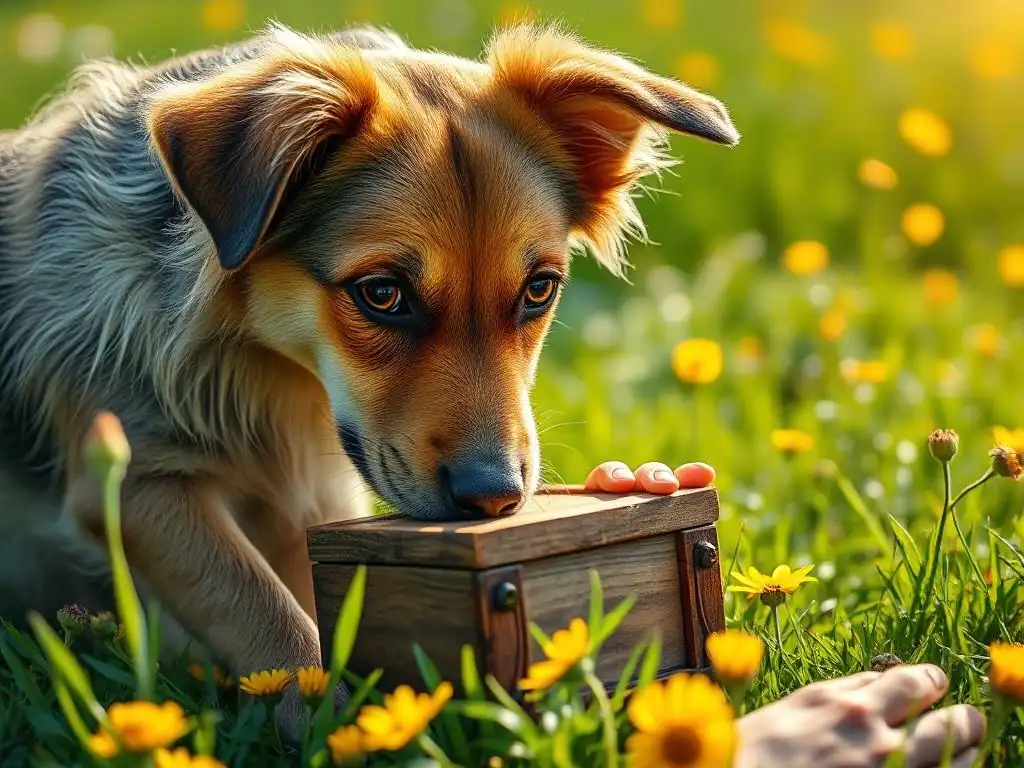
Welcome to PetCareWorld, your ultimate guide to happy and healthy pets! Are you ready to unlock your rescue dog's hidden potential? Discover the transformative power of Scent Work training and witness firsthand how this engaging activity can help your adopted companion overcome past trauma and thrive in their new home. Learn how scent work builds confidence, provides mental stimulation, and strengthens the incredible bond you share. Dive into our expert guide on "Rescue Dog Scent Work Training" and embark on this rewarding journey together.
- Understanding the Benefits of Scent Work for Rescue Dogs
- Choosing the Right Scent Work Activities for Your Rescue Dog
-
Step-by-Step Guide to Scent Work Training for Rescue Dogs
- Setting Up a Safe and Engaging Training Environment
- Introducing Your Rescue Dog to the Concept of Scent Detection
- Teaching Basic Scent Discrimination and Following a Scent Trail
- Gradually Increasing the Difficulty of Scent Work Training Exercises
- Troubleshooting Common Challenges in Rescue Dog Scent Work Training
- Advanced Scent Work Techniques for Rescue Dogs
- The Importance of Patience and Positive Reinforcement
-
Long-Term Benefits and Continued Success with Scent Work
- Maintaining Scent Work Engagement After Initial Training
- Integrating Scent Work into Daily Life for Enrichment
- Advanced Scent Work Competitions for Rescue Dogs
- The Ongoing Role of Scent Work in Your Rescue Dog's Well-being
- Building a Lasting Bond Through Shared Activities
- Maintaining Mental and Physical Stimulation Through Continued Training
- Resources and Further Reading on Rescue Dog Scent Work Training
- Frequently Asked Questions
- Final Reflection: Unlocking Potential Through Scent: A Transformative Journey for Rescue Dogs
- Unleash Your Rescue Dog's Potential: Start Scent Work Today!
Understanding the Benefits of Scent Work for Rescue Dogs
Rescue dogs, often carrying emotional baggage from their past experiences, can greatly benefit from scent work training. This enriching activity offers a unique pathway to rehabilitation and improved well-being, transforming a dog's life in profound ways. Scent work provides a structured, engaging outlet for their natural instincts, helping them overcome anxieties, build confidence, and forge a stronger bond with their new human companions.
This article delves into the specific advantages of scent work training for rescue dogs, exploring how it can address common behavioral challenges and promote a more fulfilling life for both the dog and owner. We will examine how scent work helps build focus, encourages positive reinforcement, and ultimately leads to a happier, healthier, and more well-adjusted canine companion.
The power of scent work lies in its ability to tap into a dog's innate abilities, transforming potentially problematic behaviors into positive, rewarding interactions. This method is particularly effective for rescue dogs because it often allows them to bypass trauma-related triggers and build self-esteem through successful problem-solving.
Improved Confidence and Self-Esteem Through Scent Work
Many rescue dogs enter their new homes with low self-esteem stemming from past neglect, abuse, or abandonment. Scent work provides a structured environment where they can experience success and build confidence. The process of successfully locating a hidden scent offers a tangible sense of accomplishment, boosting their self-worth.
This positive reinforcement, coupled with praise and rewards, helps them associate themselves with positive feelings, gradually building their self-esteem. For example, a shy, withdrawn rescue dog might initially struggle with the tasks, but with consistent training and encouragement, they can learn to focus, solve problems, and eventually excel at scent work. This newfound competence translates into increased confidence in other areas of their life, leading to improved overall behavior and a more positive outlook.
The rewarding nature of scent work also helps to build a stronger sense of self-efficacy in the dog, helping them believe in their own abilities to overcome challenges. This is particularly crucial for dogs with a history of trauma, as it helps them replace negative experiences with positive associations.
Reducing Anxiety and Stress in Rescue Dogs with Scent Training
Rescue dogs often suffer from anxiety and stress due to past traumas or unstable living conditions. Scent work can be a powerful tool for managing these conditions. The focused nature of the activity helps to distract them from anxious thoughts and triggers.
The process of searching for a scent requires concentration, effectively diverting their attention from potential stressors. The repetitive nature of training can also create a sense of routine and predictability, which is highly beneficial for anxious dogs. This predictability reduces uncertainty and provides a sense of security.
Furthermore, the positive reinforcement associated with scent work releases endorphins, naturally reducing stress and promoting relaxation. Studies have shown that scent work can significantly lower cortisol levels (the stress hormone) in dogs, indicating its effectiveness in managing anxiety. For instance, a rescue dog with separation anxiety might find comfort in scent work, as it provides a mentally stimulating activity to occupy their time and reduce their reliance on destructive behaviors.
Building a Positive Bond with Your Rescue Dog Using Scent Work Games
Scent work offers a unique opportunity to strengthen the bond between a rescue dog and their new owner. The shared experience of working together towards a common goal fosters trust and mutual respect. The positive reinforcement involved, such as praise, petting, and treats, enhances the positive associations between the dog and owner.
The process of scent work encourages collaboration and communication, creating a more cohesive relationship. Through scent work games, owners can learn their dog's individual preferences and learn how to best motivate and encourage them. This shared activity becomes a source of enjoyment and bonding, strengthening the emotional connection significantly.
For instance, incorporating playful elements into the training sessions, such as using toys as rewards, can further enhance the positive interaction between owner and dog, leading to a stronger and more resilient bond. The shared success in completing scent work tasks can significantly improve communication and understanding, leading to a more harmonious and loving relationship.
Scent Work as a Tool for Overcoming Trauma in Rescue Dogs
Many rescue dogs arrive with a history of neglect, abuse, or abandonment, leading to various behavioral and emotional challenges. These can manifest as anxiety, fear, aggression, or even depression. Traditional training methods might not be sufficient to address these underlying trauma responses. Scent work, however, offers a unique approach.
The focus on engaging the dog's natural olfactory senses creates a positive and stimulating experience, diverting their attention away from anxieties and promoting a sense of calm and focus. The rewarding nature of successful scent detection reinforces positive associations and builds confidence. Unlike confrontational training techniques that might trigger fear responses in a traumatized dog, scent work provides a gentle, pressure-free environment where the dog can learn at their own pace and feel a sense of accomplishment.
This builds trust and strengthens the human-animal bond, crucial for a dog recovering from trauma. The predictable and controlled nature of scent work exercises provides a sense of security and routine, which is particularly beneficial for anxious dogs. The success experienced in scent work translates to increased self-esteem and a more positive outlook on life, helping the dog overcome past trauma and develop resilience.
The process is gradual. Initially, sessions should be short and focused on building positive associations with the scent work. Rewards should be high-value and delivered frequently. The environment should be calm and quiet, free from distractions that could exacerbate anxiety.
As the dog's confidence grows, the complexity of the exercises can be gradually increased, introducing new scents and more challenging tasks. Importantly, the handler's patience and understanding are paramount. A sensitive and supportive approach is critical for building the dog's trust and allowing them to heal at their own pace.
Regular veterinary checkups are also advisable to rule out any underlying physical conditions that could be contributing to the dog's behavioral challenges. Many rescue organizations and veterinary behaviorists actively promote scent work as a therapeutic tool for dogs with trauma-related issues, highlighting its effectiveness in fostering emotional well-being and building a strong bond between the dog and its human companion. The transformation witnessed in rescue dogs successfully completing scent work training is often remarkable, demonstrating the profound impact of this positive reinforcement-based approach.
Choosing the Right Scent Work Activities for Your Rescue Dog

Rescue dogs, with their varied backgrounds and potential anxieties, require a tailored approach to scent work training. The key is to start slowly and build confidence, selecting activities that are engaging yet not overwhelming. Avoid high-pressure scenarios or overly complex exercises initially. Focus on positive reinforcement and building a strong bond with your dog. The goal is to make scent work a fun and rewarding experience, not a stressful one. This will help to foster trust and improve their overall well-being.
Introducing Basic Scent Detection Games for Beginners
Begin with simple hide-and-seek games using high-value treats or toys. Start with just one hiding spot, making it easily accessible. Gradually increase the difficulty by adding more hiding spots or using more challenging hiding locations. Use clear verbal cues like "Find it!" and reward your dog enthusiastically when they locate the scent.
A positive and encouraging tone is crucial, especially for rescue dogs who may have experienced negative training in the past. Remember to keep the sessions short and sweet, especially at the beginning. A 5-10 minute session is ideal, preventing burnout and maintaining a positive association with the training. Positive reinforcement techniques, such as rewarding your dog with praise and tasty treats immediately after successful scent detection, are paramount.
Progressive Scent Work Exercises for Building Skills
Once your rescue dog masters basic scent detection, you can introduce more challenging exercises. This might involve hiding the scent in more complex locations, using different containers, or increasing the distance between the dog and the scent source. Consider using different scent types, such as essential oils (diluted appropriately for canine safety) or specific toys associated with positive experiences. You can also introduce scent trails, starting with short, easy-to-follow paths and gradually increasing the length and complexity. Always ensure that the exercises remain engaging and avoid pushing your dog beyond their comfort level.
Monitor your dog closely for signs of stress or frustration. If they seem overwhelmed, take a break and return to an easier exercise. Consistent, positive reinforcement remains key throughout this progressive training phase. Data suggests that gradual progression significantly improves success rates and reduces stress in rescue dogs undergoing scent work training.
Adapting Scent Work to Your Dog's Unique Needs and Abilities
Every rescue dog is unique, possessing individual strengths, weaknesses, and past experiences that influence their learning abilities. Some may have a natural aptitude for scent work, while others may require more patience and understanding. For example, a dog with a history of trauma might benefit from a slower, more gentle approach, with a strong emphasis on positive reinforcement and building trust. Dogs with sensory sensitivities might require quieter environments and less intense scents.
Observe your dog's behavior and adjust the training accordingly. Pay close attention to their body language; signs of stress might include excessive panting, yawning, lip licking, or tucked tail. If you observe any of these signs, reduce the intensity of the training or take a break.
If your rescue dog struggles with a particular aspect of scent work, don't hesitate to consult a certified professional dog trainer specializing in scent work and rescue dog rehabilitation. Remember, the goal is to build confidence and create a positive association with scent work, ultimately enhancing your dog's overall well-being and helping them to thrive. Tailoring the training to their specific needs is crucial for successful and enjoyable scent work training for your rescue dog.
Selecting Appropriate Scents and Rewards for Scent Training
Choosing the right scents and rewards is crucial for successful scent work training, especially with rescue dogs who may have had negative past experiences. The scents you introduce should be appealing and easily detectable, avoiding anything that might trigger anxiety or fear. For example, strongly perfumed scents like lavender or citrus might be overwhelming for a sensitive dog, while a more subtle scent like chamomile or even a familiar pet toy might be more appropriate. Start with simple, easily identifiable scents like kibble or a small amount of their favorite food.
Gradually introduce more complex scents as your dog progresses. Remember to always introduce new scents slowly and monitor your dog's reaction closely. If they show any signs of stress or discomfort, immediately cease the training session and try again another day with a different, less intense scent.
The rewards you offer should be highly motivating for your dog, considering their individual preferences. While many dogs are motivated by food, some may prefer toys or praise. Experiment with different reward types to determine what works best for your rescue dog. For highly motivated dogs, small, high-value treats work well.
For less motivated dogs, you might need to break down the training into smaller sessions with frequent rewards to maintain their engagement. Remember, consistency is key. Always use the same reward system throughout the training process to avoid confusing your dog. The reward should be given immediately after the dog successfully identifies the scent, reinforcing the desired behavior.
Consider the dog's individual history when selecting scents and rewards. A dog who has experienced food insecurity might be highly motivated by food rewards, but a dog with a history of trauma might find the intense focus on food stressful. In such cases, pairing scent work with a preferred toy or a different type of reward might be more effective. Always prioritize your dog's comfort and well-being throughout the training process.
The goal is not just to train your dog, but to build trust and a positive association with scent work. This positive experience will contribute to their overall well-being and help them overcome any anxieties related to their past. Remember to celebrate even the smallest successes to build their confidence and motivation. 🎉
Step-by-Step Guide to Scent Work Training for Rescue Dogs
This section provides a detailed, step-by-step guide to successfully implement scent work training for rescue dogs. We'll cover setting up the training environment, introducing your dog to scent work, and teaching basic scent discrimination and trail following. Remember, patience and positive reinforcement are key to success with rescue dogs, many of whom may have experienced trauma or inconsistent training in their past. This method focuses on building confidence and trust while developing their natural scenting abilities.
Setting Up a Safe and Engaging Training Environment
Creating the right training environment is crucial for successful rescue dog scent work training. The space should be safe, distraction-free, and stimulating enough to keep your dog engaged but not overwhelmed.
Consider these factors:
- Location: A quiet, enclosed area like a spare room or a securely fenced yard is ideal. Avoid areas with high traffic or numerous distractions like other pets or loud noises. A smaller, contained area initially can reduce stress and anxiety for a newly rescued dog.
- Surface: Use a surface that's easy to clean and doesn't present hazards. Grass or a smooth, clean floor work well. Avoid surfaces that might be slippery or difficult for your dog to navigate.
- Scent Hiding: You'll need containers to hide scents. Start with simple containers like empty food tins or small boxes. Ensure the containers are safe and non-toxic. Avoid anything that could be easily broken or ingested by your dog.
- Rewards: Use high-value rewards your dog loves. This could be small pieces of their favorite food, a favorite toy, or even verbal praise and petting. The reward should be directly tied to successful scent detection.
- Safety: Double-check the area for any potential hazards, such as sharp objects or toxic substances. Ensure that the environment is secure, preventing the dog from escaping or injuring itself during training sessions.
Remember, the goal is to create a positive and predictable environment where your dog feels safe and confident to explore and learn. A consistently positive experience will foster a love for scent work.
Introducing Your Rescue Dog to the Concept of Scent Detection
Introducing scent detection to a rescue dog requires a gentle and gradual approach. Avoid overwhelming them with complex tasks at the beginning. Focus on building a positive association with the activity.
- Start with Easy Scents: Begin with strongly scented treats, such as cheese or cooked chicken. Hide a small piece under a container in front of your dog. Let them sniff and encourage them to find it with verbal cues like "Find it!" or "Go sniff!"
- Positive Reinforcement: When your dog finds the treat, immediately reward them with enthusiastic praise and a small piece of their regular food. This positive reinforcement is crucial for creating a positive association with scent work.
- Gradual Progression: Once your dog consistently finds the treat under the container, start to increase the difficulty. Try hiding the treat under slightly larger containers or in different locations.
- Short Sessions: Keep initial training sessions short, around 5-10 minutes, to avoid overwhelming your dog. Frequent, shorter sessions are more effective than infrequent, longer ones.
- Body Language: Pay close attention to your dog's body language. If they seem stressed or anxious, take a break and return to the session later. Observe signs of stress such as yawning, lip licking, whale eye, or tucked tail.
- Patience and Understanding: Rescue dogs may have had negative experiences in the past, impacting their ability to trust and learn. Be patient and understanding, and celebrate even the smallest successes. Every step forward is a victory.
Teaching Basic Scent Discrimination and Following a Scent Trail
Once your rescue dog understands the basic concept of scent detection, you can introduce scent discrimination and trail following.
- Introducing Multiple Scents: Start by using two different scents, such as chicken and cheese. Hide one scent under one container and the other under a different container. Give your dog a verbal cue, such as "Find the chicken," and reward them when they locate the correct scent.
- Increasing Difficulty: Gradually increase the difficulty by using more containers, more scents, or more challenging hiding places. You can also introduce distractions such as other toys or objects.
- Scent Trails: Once your dog is proficient at scent discrimination, you can introduce scent trails. Place small pieces of a high-value treat along a simple trail, and guide your dog to follow the scent to the final reward.
- Varying Scents and Locations: To keep your dog engaged and challenged, regularly vary the scents you use and the locations where you hide them. This prevents boredom and ensures continuous learning and skill development.
- Positive Reinforcement Remains Key: Remember to use consistent positive reinforcement throughout the training process. Positive reinforcement is the cornerstone of successful scent work training for rescue dogs. Celebrate every success, no matter how small.
- Professional Guidance: If you are facing significant challenges, consider seeking guidance from a certified professional dog trainer specializing in scent work and rescue dogs. A professional can offer personalized advice and support.
By following these steps and remembering the importance of patience and positive reinforcement, you can successfully train your rescue dog to enjoy scent work, building confidence and strengthening your bond. Remember to adapt the training to your dog's individual needs and learning style. The journey is as important as the destination!
Gradually Increasing the Difficulty of Scent Work Training Exercises
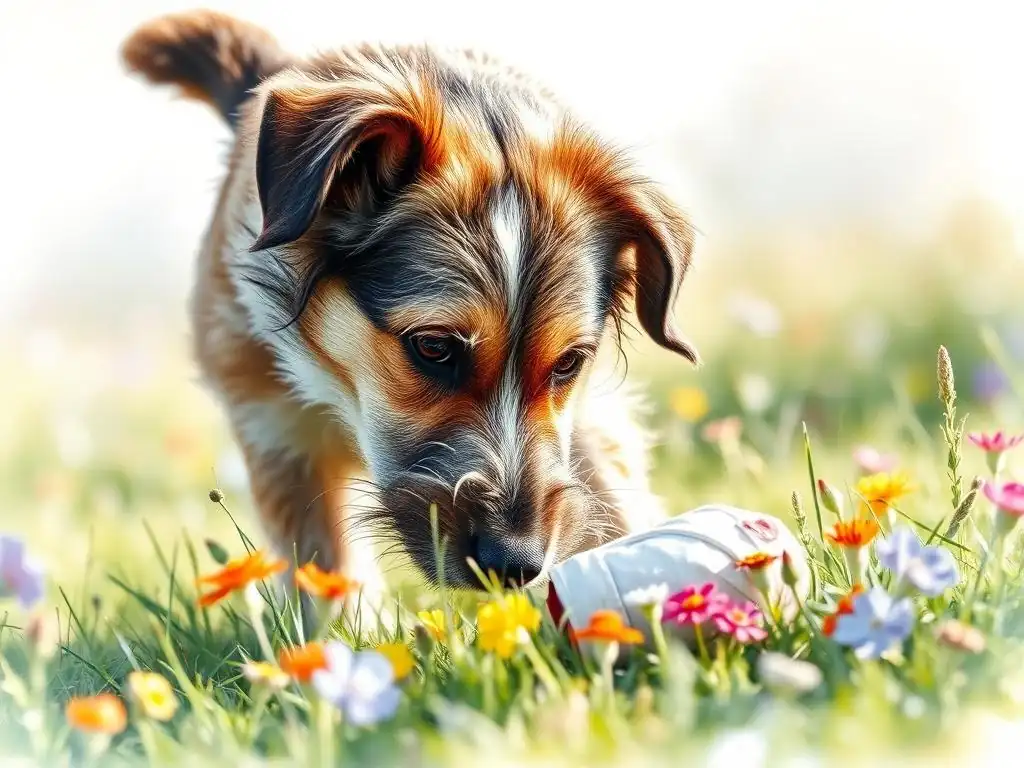
Introducing scent work to a rescue dog requires a gradual and patient approach. Starting with incredibly simple exercises is crucial, especially for dogs with potential anxieties or trauma stemming from their past. Begin with highly concentrated scents, like a small amount of their favorite treat hidden in plain sight. The goal is to build confidence and positive associations with the activity. Once the dog consistently finds the treat in these easy scenarios, you can subtly increase the difficulty. This might involve:
- Increasing the search area: Start with a small, confined space, gradually expanding the area to a larger room, then to the yard, and eventually to more complex outdoor environments. Always ensure the dog's success rate remains high to maintain motivation and prevent frustration.
- Decreasing the scent concentration: As the dog masters finding highly concentrated scents, begin to dilute the scent trail. This challenges their olfactory skills and encourages more focused searching. You can achieve this by using fewer treats or spreading the scent over a larger area.
- Introducing distractions: Start with minimal distractions, slowly introducing more challenging elements like other people, dogs, or noises. This helps the dog learn to focus on the scent even amidst potential interruptions. Always monitor your dog's reaction closely and adjust accordingly.
- Changing the hiding places: Initially, hide the treats in obvious locations. As the dog progresses, make the hiding spots progressively more challenging. This could involve hiding treats under objects, inside containers, or in more concealed areas. Remember to always maintain a balance between challenge and success. A frustrated dog is a dog less likely to engage positively in scent work.
A good example of a gradual progression might be: Day 1 - one treat under a cup; Day 3 - two treats under two cups in a small area; Day 5 - three treats hidden in different locations in a larger room; Day 7 - introducing a slight scent dilution and a minor distraction like a quiet radio playing in the background. This measured approach builds confidence and ensures the dog remains engaged and enthusiastic throughout the training. Remember to celebrate every success, no matter how small, with enthusiastic praise and rewards.
Troubleshooting Common Challenges in Rescue Dog Scent Work Training
Rescue dogs often come with unique challenges that can impact their scent work training. Understanding and addressing these issues is crucial for success. Some common problems include:
- Fear and anxiety: Some rescue dogs may exhibit fear or anxiety related to new environments or unfamiliar objects. If this occurs, you need to adapt your training to address these underlying issues. Start in a safe and comfortable space, using high-value rewards and positive reinforcement to build confidence. Avoid pushing the dog beyond their comfort zone, and always end the session on a positive note.
- Lack of focus: Distraction can be a significant hurdle for rescue dogs, especially those with a history of neglect or trauma. To improve focus, start with shorter training sessions in quiet environments. Gradually introduce distractions, rewarding the dog for maintaining focus on the scent despite the interruptions. Consider using a long line to keep the dog within a safe and controlled area while building their focus.
- Past trauma: Trauma can manifest in various ways, including fear of confinement or aversion to touch. If your dog displays signs of trauma, it's crucial to work with a qualified professional who can help you understand and address these issues. Patience and a trauma-informed approach are essential. Scent work can be a therapeutic tool, but it's vital to proceed cautiously and respect the dog's boundaries.
- Lack of motivation: If your dog seems uninterested in scent work, try different reward systems. Explore various treats, toys, or even praise to find what motivates them most. Also, ensure the training sessions are engaging and not overly repetitive. Varying the locations, scents, and difficulty levels can help maintain their interest and prevent boredom.
Remember, consistency is key. Regular, short training sessions are far more effective than infrequent, long ones. Always end each session on a positive note, reinforcing the positive associations with scent work. Celebrate even the smallest successes, and don't hesitate to seek professional help if you encounter significant challenges. With patience, understanding, and a positive approach, you can help your rescue dog thrive through the rewarding experience of scent work training.
Advanced Scent Work Techniques for Rescue Dogs
This section delves into more advanced scent work techniques specifically tailored to rescue dogs, building upon foundational skills and addressing the unique challenges these dogs often present. Remember, patience and positive reinforcement are paramount throughout the process. Success with rescue dog scent work training hinges on understanding their individual needs and building trust.
Building Focus and Concentration During Scent Work Sessions
Rescue dogs often exhibit varying degrees of anxiety, fear, or lack of focus due to their past experiences. Building concentration is crucial for success in advanced scent work. We can achieve this through several strategies:
- Controlled Environments: Initially, practice in quiet, low-stimuli environments to minimize distractions. A small, enclosed area like a spare bedroom or a sectioned-off part of a yard is ideal. Gradually introduce more distractions as your dog's focus improves.
- Short, Frequent Sessions: Avoid overwhelming your dog with lengthy training sessions. Start with short, 5-10 minute sessions, increasing duration as their attention span improves. Multiple short sessions throughout the day are more effective than one long, tiring session.
- High-Value Rewards: Utilize highly motivating rewards, such as small pieces of their favorite treats or a beloved toy, to reinforce focused behavior. The reward should be immediate and directly linked to successful scent detection.
- Positive Interruptions: If your dog becomes distracted, gently redirect their attention back to the scent work using a verbal cue like "Find it!" or a light touch. Never punish distractions; instead, use positive reinforcement to guide them back on track.
- Progressive Desensitization: For dogs with significant anxiety or fear, gradually introduce distractions, starting with minimal stimuli and slowly increasing the intensity over time. This process, known as desensitization, helps them build confidence and manage their reactions. This could involve gradually introducing sounds, sights, and smells, always rewarding calm behavior.
Introducing More Complex Scent Trails and Scenarios
Once your rescue dog masters basic scent detection, you can introduce more challenging scenarios to maintain engagement and further develop their skills. This might involve:
- Longer Trails: Gradually increase the length and complexity of the scent trails. You can start with simple linear trails and progress to more intricate, winding paths. Consider varying the terrain to add another layer of challenge.
- Multiple Scents: Introduce multiple scents into the training area, requiring your dog to discriminate between different odors and locate a specific target scent. This enhances their ability to focus and filter out irrelevant stimuli.
- Hidden Containers: Instead of simply laying a scent trail, hide the target scent in various containers, such as boxes, tubes, or even buried in the ground (ensure safety). This adds an element of problem-solving and enhances their search skills.
- Environmental Challenges: Introduce more challenging environments, such as areas with more distractions like other dogs, people, or noisy surroundings. Remember to always prioritize your dog's comfort and safety. Gradually increase the complexity of the environment, always rewarding calm and focused behavior.
- Scent Blending: This advanced technique involves mixing different scents to create a more challenging olfactory puzzle. This can improve your dog's ability to distinguish between similar scents and improve their overall discriminatory skills.
Integrating Scent Work with Other Training Methods
Scent work can be a powerful tool to enhance other aspects of your rescue dog's training, addressing behavioral issues and fostering a stronger bond. Consider these integration strategies:
| Training Method | Integration Strategy | Benefits |
|---|---|---|
| Basic Obedience | Incorporate scent work into obedience training sessions as a reward or break. | Builds focus, improves recall, and makes training more engaging. |
| Confidence Building | Use scent work to build confidence in anxious dogs by providing a mentally stimulating activity. | Boosts self-esteem, reduces anxiety, and promotes a sense of accomplishment. |
| Socialization | Gradually introduce other dogs or people during scent work sessions in a controlled manner. | Improves socialization skills in a positive, rewarding context. |
| Impulse Control | Use scent work to teach impulse control by rewarding the dog only after they have resisted distractions. | Reinforces self-control and reduces reactivity. |
Integrating scent work into a holistic training plan provides a multifaceted approach to rehabilitation and enrichment for rescue dogs, fostering their physical and mental well-being while strengthening the human-animal bond. Remember to always prioritize your dog's individual needs and adjust the training plan accordingly. The journey of rescue dog scent work training is a testament to the resilience and adaptability of these amazing animals.
Maintaining Motivation and Engagement in Scent Work Training
Maintaining a rescue dog's motivation and engagement throughout scent work training is crucial for success. Rescue dogs often come with complex histories, potentially including trauma or inconsistent past experiences that can impact their willingness to participate in training. Therefore, a positive reinforcement approach is paramount. Avoid harsh corrections or pressure; instead, focus on rewarding even the smallest successes with enthusiastic praise, high-value treats, and engaging play.
One effective strategy is to vary the training environment and the types of scents used. Monotony can quickly lead to boredom. Introduce new scents regularly, perhaps using different materials like cotton swabs, fabric scraps, or even natural scents found outdoors. Change the training location, moving from a controlled indoor space to an outdoor park or even a different room in your house. This variety keeps the dog mentally stimulated and prevents the work from becoming predictable and unchallenging.
The duration and intensity of training sessions are also key factors. Keep sessions relatively short, especially in the beginning, to avoid overwhelming the dog. Shorter, more frequent sessions are generally more effective than long, infrequent ones. Observe your dog's body language closely. Signs of fatigue, such as yawning, lip licking, or avoiding eye contact, indicate it's time to end the session. Always finish on a positive note, with a successful find and a rewarding treat.
Another crucial aspect is building a strong bond with your rescue dog. Scent work is a collaborative activity that thrives on trust and mutual understanding. Spend quality time with your dog outside of training, engaging in activities they enjoy. This strengthens your relationship and makes them more likely to cooperate during training sessions. Consider incorporating scent work into your daily routine, using it as a fun activity rather than a strict chore.
Finally, remember to celebrate successes, no matter how small. Acknowledge and reward every effort, even if the dog doesn't find the scent immediately. Positive reinforcement builds confidence and encourages persistence. By focusing on building a positive association with scent work, you can help your rescue dog overcome any anxieties or hesitations, transforming training into a rewarding and enjoyable experience for both of you. Remember, patience and understanding are key when working with rescue dogs. Their progress may be slower than that of a dog with a more stable background, but the rewards are immense.
The Importance of Patience and Positive Reinforcement
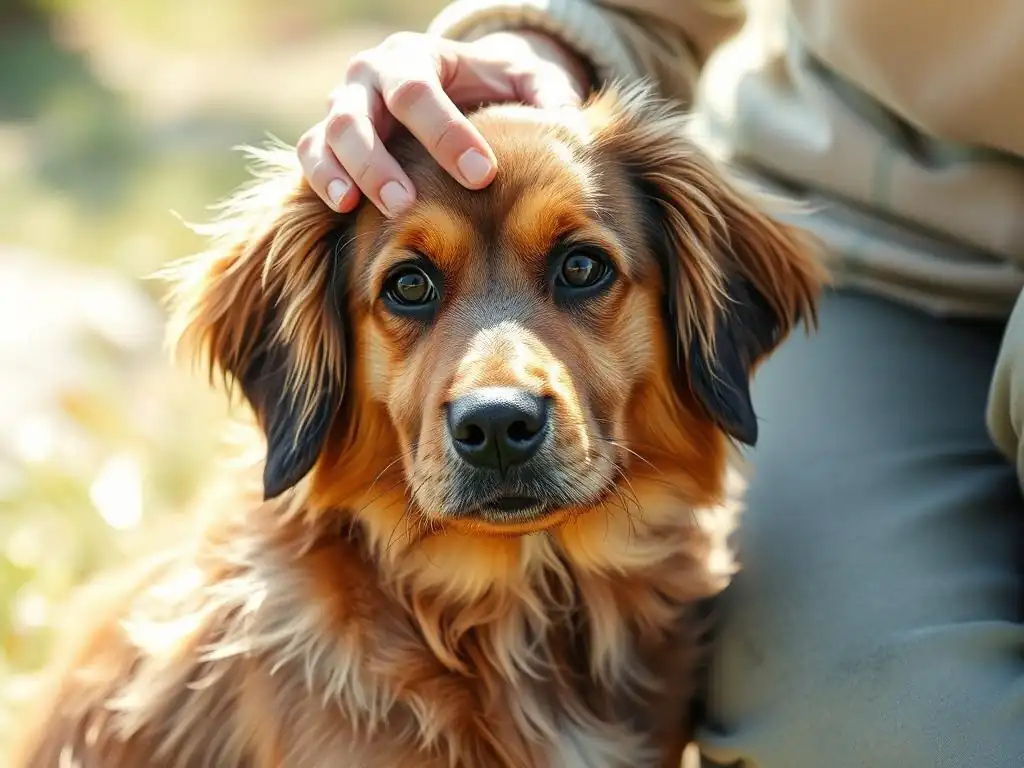
Rescue dog scent work training requires a significant investment of patience and a consistent application of positive reinforcement. Unlike dogs raised in controlled environments, rescue dogs often arrive with varying levels of socialization, trauma, and prior training experiences. This can significantly impact their learning pace and receptiveness to training.
Forcing a rescue dog into scent work before establishing trust and a positive association with the process can create fear, anxiety, and ultimately hinder progress. Instead, building a strong foundation of trust and positive reinforcement is paramount. This means celebrating even the smallest successes, using high-value rewards tailored to your dog's preferences (e.g., specific treats, toys, praise), and avoiding any form of punishment or harsh correction.
Remember, scent work should be a fun and engaging experience, not a stressful ordeal. The goal is to help your rescue dog build confidence and a positive association with scent work, transforming it from a potentially daunting task into a rewarding activity.
Understanding Your Rescue Dog's Learning Style and Pace
Every rescue dog is an individual with unique learning preferences and a distinct pace. Some dogs are quick learners, readily picking up new skills, while others may require more time and repetition. Observing your dog's behavior during training sessions is critical to understanding their learning style. Do they respond better to visual cues, verbal commands, or a combination of both?
Do they get easily overwhelmed or frustrated? Adjusting your training approach to match your dog's individual needs is essential. For instance, a dog who demonstrates signs of stress might benefit from shorter, more frequent training sessions, focusing on one or two specific scent targets at a time. Conversely, a highly motivated dog might be ready to tackle more complex tasks.
Documenting your dog's progress, noting successes and areas needing improvement, will help you track their learning curve and tailor your training accordingly. Remember, consistency and patience are key to navigating this process successfully. The key is to avoid pushing your dog beyond their comfort zone; a relaxed and confident dog is a successful learning dog.
Using Positive Reinforcement Techniques Effectively
Positive reinforcement is the cornerstone of successful rescue dog scent work training. This approach focuses on rewarding desired behaviors, making them more likely to occur again. It avoids the use of punishment, which can damage your relationship with your dog and hinder their progress. Effective positive reinforcement involves:
- High-value rewards: Identify what motivates your dog – is it a specific type of treat, a favorite toy, or enthusiastic praise? Use these rewards consistently to reinforce desired behaviors.
- Timing: Rewards should be given immediately after the desired behavior, creating a clear association between the action and the reward. Delayed rewards are less effective.
- Consistency: Maintain consistency in your commands, hand signals, and reward system. Inconsistency can confuse your dog and impede learning.
- Clear communication: Use clear, concise commands and hand signals that your dog can easily understand. Avoid using multiple commands simultaneously.
- Individualized approach: Adapt your training techniques to your dog's learning style and pace. What works for one dog may not work for another.
Using a clicker can further enhance the effectiveness of positive reinforcement. The clicker provides a consistent and immediate marker of desired behavior, making it easier for your dog to understand what they're being rewarded for. Remember, the goal is to create a positive and enjoyable experience for your dog, fostering a strong bond and building confidence in their abilities.
Addressing Setbacks and Maintaining a Positive Training Environment
Even with the best training techniques, setbacks can occur in rescue dog scent work training. These setbacks might be due to stress, anxiety, past trauma, or simply a lack of motivation on a particular day. It's crucial to address these setbacks with patience and understanding. If your dog exhibits signs of stress or frustration, take a break from training and try again later.
Consider reducing the difficulty of the task or changing your training environment. A change of scenery can sometimes revitalize a dog's interest. If a particular scent is proving challenging, try using a different scent or a less concentrated version. Remember, every dog learns at their own pace, and setbacks are a normal part of the process.
The key is to maintain a positive and encouraging environment, ensuring that scent work remains a fun and rewarding experience. Celebrating small victories and acknowledging your dog's efforts, even when progress is slow, will help build their confidence and reinforce their positive association with scent work. Remember that consistency, patience, and a positive attitude are essential ingredients for success in rescue dog scent work training.
Recognizing Signs of Stress and Adjusting Training Accordingly
Rescue dogs often arrive with a complex history, potentially involving neglect, abuse, or trauma. This past can significantly impact their response to training, making it crucial to recognize signs of stress and adapt your approach accordingly. A stressed dog may exhibit various behavioral cues, and understanding these is paramount to successful scent work training. Ignoring these signs can not only hinder progress but also potentially worsen the dog's anxiety and overall well-being. The goal isn't simply to complete the training exercises but to build a positive and trusting relationship with your canine companion.
One common sign of stress in dogs is increased panting. While panting is a normal physiological response, excessive or unusual panting during training, especially when there's no obvious physical exertion, can indicate stress or anxiety. Other subtle signs might include yawning, even when the dog isn't tired, or lip licking, which is often a displacement behavior indicating discomfort or uncertainty. Body language also provides valuable clues.
A whale eye, where the whites of the eyes are visible, is a strong indicator of fear or anxiety. Similarly, a tense body posture, tucked tail, or flattened ears can signal stress. Pay close attention to your dog's overall demeanor; even subtle shifts in behavior can indicate they're overwhelmed.
When you notice these signs of stress during scent work training, it's crucial to adjust your approach immediately. Don't push your dog. Instead, take a break and allow the dog to relax in a calm and safe environment. Offering a calming treat or toy can help reduce anxiety. You might consider shortening the training session or simplifying the exercises to reduce the level of challenge. Remember, consistency is key, but pushing a stressed dog will only make matters worse and potentially damage your bond. Focus on building confidence through positive reinforcement.
Consider modifying the training environment. If the dog is struggling in a busy or stimulating area, try moving to a quieter location with fewer distractions. Gradually reintroduce the challenging aspects of the training once the dog shows signs of relaxation and improved comfort. Remember, scent work should be enjoyable, not a source of fear or stress.
A relaxed and confident dog will learn much faster and more effectively. Patience and understanding are essential components of successful scent work training for any dog, but especially for those with a challenging past. By carefully monitoring your rescue dog’s responses and adjusting your training methods accordingly, you can create a positive and enriching experience for both of you. This fosters a strong bond and helps your rescue dog thrive.
Long-Term Benefits and Continued Success with Scent Work
Scent work training offers rescue dogs far more than just a fun activity; it provides a pathway to long-term physical and mental well-being, significantly impacting their adaptability and overall quality of life. The positive effects extend beyond the immediate training sessions, contributing to a happier, healthier companion for years to come.
This section will delve into the lasting advantages of scent work for rescue dogs and how to ensure its continued success. We'll explore how scent work can address common behavioral issues in rescue dogs, foster a stronger bond between dog and owner, and contribute to a more confident and well-adjusted canine companion.
Maintaining Scent Work Engagement After Initial Training
Once the initial excitement of scent work training subsides, maintaining your rescue dog's engagement is key to long-term success. Monotony can quickly lead to disinterest, so it's crucial to introduce variety and challenge. This can be achieved by:
- Varying the hiding locations: Instead of always using the same hiding spots, experiment with different environments, heights, and levels of difficulty. Gradually increase the complexity by using more challenging containers or hiding scents in more difficult-to-access areas.
- Introducing new scents: While starting with a single, easily identifiable scent is recommended, gradually introduce a wider variety of scents to keep your dog stimulated and prevent boredom. This can be achieved through the use of commercially available scent work kits or by using everyday household items with distinct smells.
- Altering the search methods: Instead of always using the same search method, introduce variations like blind searches (where the dog doesn't see where the scent is hidden) or searches with distractions.
- Positive reinforcement: Continue to use positive reinforcement methods such as treats, praise, and toys to reward your dog's efforts and maintain their enthusiasm. Never punish your dog for not finding a scent; instead, guide them towards success with gentle encouragement.
Remember, consistency is paramount. Even short, regular scent work sessions are more effective than infrequent, lengthy ones. A consistent routine helps maintain your dog's interest and reinforces the learned behaviors. Consider incorporating scent work into your daily routine, even if it's just for a few minutes.
Integrating Scent Work into Daily Life for Enrichment
Scent work doesn't need to be confined to formal training sessions. Integrating scent work into your daily life provides additional enrichment and strengthens the bond between you and your rescue dog. Think of it as a form of puzzle-solving for your canine companion – a mentally stimulating activity that prevents boredom and destructive behaviors. For example:
- Hide treats around the house: While you're preparing dinner, scatter a few treats around the kitchen for your dog to find. This simple act transforms a mundane task into an engaging game.
- Incorporate scent work into walks: During your daily walks, let your dog sniff out hidden treats or toys in different locations along the route. This adds an element of excitement and exploration to your walks.
- Use scent work to teach new commands: Use scent work as a positive reinforcement tool to teach new commands or reinforce existing ones. For instance, you could reward your dog with a scented treat when they successfully perform a command.
Integrating scent work into daily life not only keeps your dog mentally stimulated but also strengthens your bond through shared activities. This enrichment significantly contributes to a happier, more well-adjusted rescue dog. The key is to be creative and incorporate scent work into your routines in a way that works for both you and your dog.
Advanced Scent Work Competitions for Rescue Dogs
For rescue dogs who excel in scent work, advanced training and competition offer a fantastic opportunity to further develop their skills and build confidence. Many scent work organizations offer competitions tailored to different skill levels, providing a structured and rewarding environment for both dog and handler. Participating in competitions provides:
- Increased mental stimulation: Advanced scent work challenges push dogs to use their problem-solving abilities, keeping them engaged and preventing boredom.
- Improved focus and concentration: The competitive environment requires intense focus and concentration, further honing your dog's skills.
- A sense of accomplishment: Successfully navigating challenging scent trails builds your dog's confidence and provides a significant sense of accomplishment.
- Strengthened bond: Working as a team in a competitive setting further strengthens the bond between you and your dog.
While not all rescue dogs will be suited to competition, for those that are, it offers an enriching and rewarding experience. Remember to choose competitions that are appropriate for your dog's skill level and temperament. Prioritize positive reinforcement and focus on having fun, rather than solely on winning. The journey itself is often more rewarding than the destination. Participation in these events is a testament to the remarkable adaptability and potential of rescue dogs.
The Ongoing Role of Scent Work in Your Rescue Dog's Well-being
Scent work isn't just a training method; it's a holistic approach to improving your rescue dog's overall well-being. The consistent mental stimulation provided by scent work exercises helps prevent boredom and destructive behaviors often seen in rescue dogs adjusting to new environments. Many rescue dogs arrive with anxieties stemming from past trauma or neglect. Scent work provides a positive outlet for this pent-up energy, transforming anxious pacing or barking into focused engagement.
The rewarding nature of successful scent detection builds confidence and self-esteem, fostering a more secure and balanced dog. This positive reinforcement is crucial for dogs who may have had negative experiences with previous handlers. Furthermore, the focus required during scent work sessions promotes calmness and relaxation, significantly reducing stress levels. The improved mood and reduced anxiety translate into a happier, healthier companion, strengthening the bond between you and your rescue dog.
This positive feedback loop contributes to a more harmonious home environment for both of you, greatly enhancing the overall quality of life for your canine friend. The ongoing engagement with scent work provides a predictable, positive routine that can be particularly beneficial for dogs with separation anxiety or other behavioral challenges. It's a powerful tool for building resilience and promoting a sense of purpose in your rescue dog.
Scent work provides a unique opportunity to foster a strong and lasting bond with your rescue dog. The shared experience of working together towards a common goal—finding the hidden scent—creates a powerful connection. This collaborative effort fosters trust and mutual respect.
Instead of simply being a passive recipient of commands, your dog actively participates in a challenging and rewarding activity. This shared focus helps build confidence in both you and your dog, reinforcing the positive relationship. The rewarding moments during scent work, when your dog successfully locates the target scent, strengthen the positive associations your dog has with you.
This positive reinforcement is crucial for building a resilient and loving bond, especially with dogs who may have experienced trauma or neglect in their past. Participating in scent work competitions or informal scent games with other dogs can also help socialize your rescue dog and further strengthen the bond you share through shared experience and mutual support. The positive interactions and successful teamwork build a strong foundation for a lasting and enriching companionship.
Maintaining Mental and Physical Stimulation Through Continued Training
The ongoing nature of scent work training is key to maintaining both the mental and physical health of your rescue dog. Just as physical exercise is crucial, regular mental stimulation prevents boredom and the subsequent behavioral problems that can arise. Scent work offers a perfect blend of both physical activity and mental challenge. The search for scents involves movement and exploration, providing valuable physical exercise.
However, the cognitive aspect of scent work is equally vital. Dogs use their incredible sense of smell to analyze, interpret, and locate scents, demanding significant mental engagement. This combination of physical and mental stimulation keeps your dog alert, happy, and well-adjusted. Continued training also helps prevent the regression of learned skills.
Regular practice reinforces the commands and techniques, maintaining your dog's proficiency and confidence. Furthermore, regularly introducing new scents and variations in the training environment keeps the activity engaging and prevents boredom. By maintaining a regular scent work routine, you actively contribute to your rescue dog’s long-term physical and mental well-being, ensuring a happy and fulfilled life. This ongoing commitment to mental and physical enrichment is a cornerstone of responsible pet ownership and ensures a strong, healthy bond with your canine companion.
Resources and Further Reading on Rescue Dog Scent Work Training
This section provides valuable resources to deepen your understanding of scent work training for rescue dogs and to help you on your journey. Remember, consistent effort and patience are key to success. The rewards of a confident, stimulated rescue dog engaged in scent work are immeasurable.
Recommended Books and Online Resources for Scent Work Training
Finding reliable information on scent work training, especially tailored for rescue dogs, can be challenging. Here's a curated list to get you started:
- Books: While dedicated books specifically focusing on scent work for rescue dogs are limited, several excellent resources cover the fundamentals of scent work applicable to all dogs, including rescues. Look for titles emphasizing positive reinforcement methods and addressing potential anxieties common in rescue animals. Search for keywords like "positive reinforcement dog training," "dog scent work," and "canine nose work." [Specific book titles and authors pending – further research required].
- Online Resources: The internet offers a wealth of information, but careful discernment is crucial. Prioritize websites and blogs from certified professional dog trainers and veterinary behaviorists. Look for sites with detailed explanations of training techniques, emphasizing positive reinforcement and addressing potential challenges specific to rescue dogs. Many reputable trainers offer online courses or webinars on scent work. [Specific website and blog recommendations pending – further research required].
- Articles and Journals: Academic journals and reputable canine behavior websites may contain research articles on scent work and its benefits for dogs, including those with behavioral issues commonly found in rescue dogs. Searching for terms such as "canine olfactory enrichment," "stress reduction in rescue dogs," and "positive reinforcement in canine rehabilitation" will yield relevant results. [Specific journal articles and website links pending – further research required].
Finding Qualified Scent Work Instructors for Rescue Dogs
Choosing the right instructor is paramount for a successful and positive scent work experience for your rescue dog. Not all trainers are created equal, and finding one experienced with rescue dogs and their unique needs is crucial.
- Look for Certifications: Seek out instructors certified by reputable organizations specializing in dog training and behavior. Certifications demonstrate a commitment to professional standards and continuing education. [Specific certification organizations pending – further research required].
- Observe Training Sessions: If possible, observe a training session before committing. This allows you to assess the instructor's methods, their interaction with the dogs, and the overall training environment. Look for positive reinforcement techniques, clear communication, and a calm, patient approach.
- Ask Questions: Don't hesitate to ask potential instructors about their experience with rescue dogs, their approach to handling anxieties and fear, and their strategies for addressing specific behavioral challenges. A good instructor will be happy to answer your questions thoroughly.
- Consider Individual Needs: Your dog's specific needs and personality should guide your choice of instructor. If your dog has significant anxiety or trauma, you may need an instructor specialized in working with fearful or reactive dogs.
Connecting with Other Rescue Dog Owners and Scent Work Enthusiasts
Building a supportive network of other rescue dog owners and scent work enthusiasts can provide invaluable support, encouragement, and shared experiences.
- Online Communities: Numerous online forums, social media groups, and online communities are dedicated to rescue dog owners and scent work enthusiasts. These platforms offer opportunities to connect with others, share experiences, ask questions, and receive advice. [Specific online community names pending – further research required].
- Local Dog Training Clubs: Many local dog training clubs and organizations offer scent work classes and opportunities to socialize with other dog owners. These clubs can be an excellent resource for finding qualified instructors and connecting with like-minded individuals.
- Scent Work Competitions: Participating in scent work competitions, even at a beginner level, is a great way to meet other enthusiasts, learn from experienced handlers, and gain valuable experience. [Specific examples of scent work competitions pending – further research required].
Remember that building a strong bond with your rescue dog through scent work requires patience, understanding, and a positive approach. By utilizing these resources and connecting with others, you can successfully navigate the journey and reap the immense rewards of this enriching activity. Enjoy the adventure! 🎉
Frequently Asked Questions
What is scent work training?
Scent work training is a form of positive reinforcement training that uses a dog's natural sense of smell to engage them in mentally stimulating activities. It involves teaching your dog to locate specific scents, building confidence and problem-solving skills.
Why is scent work beneficial for rescue dogs?
Scent work provides mental enrichment, helping rescue dogs overcome anxiety and trauma by providing a positive outlet for their energy. The focus on scent helps build confidence and a sense of accomplishment.
What scents are typically used in scent work training?
Common scents used include essential oils, food items, or even specific toys. The key is to choose scents that are safe and interesting to your dog, gradually increasing the difficulty.
How do I start scent work training with my rescue dog?
Begin with easy hide-and-seek games using familiar scents, rewarding your dog's success with positive reinforcement (praise, treats, toys). Gradually increase the difficulty of the searches and the distractions.
Can any rescue dog participate in scent work training?
Most dogs can benefit from scent work, but it's crucial to assess your dog's individual needs and limitations. Start slowly, and consult with a veterinarian or professional dog trainer if you have concerns about your dog's physical or emotional state.
Final Reflection: Unlocking Potential Through Scent: A Transformative Journey for Rescue Dogs
Scent work training isn't just a hobby for rescue dogs; it's a powerful tool for rehabilitation and a pathway to a brighter future. The remarkable ability of scent work to address trauma, build confidence, and foster a deeper bond between dog and handler is undeniable, offering a lifeline for dogs navigating the complexities of their pasts.
The impact of scent work extends far beyond individual dogs; it's reshaping our understanding of canine rehabilitation and the human-animal bond. It's a testament to the resilience of these animals and the transformative power of positive reinforcement. The dog is the most remarkable creature; he will love you unconditionally, even if you don't deserve it.
This quote speaks volumes about the unwavering spirit of rescue dogs, a spirit that scent work helps to nurture and celebrate. Witnessing their progress, seeing their anxieties melt away as they engage their natural instincts, is profoundly moving and underscores the importance of this training method.
You, the reader, now hold the key to unlocking a world of possibilities for rescue dogs. Consider how you can contribute, whether through volunteering at a rescue organization, supporting scent work programs, or simply spreading awareness about the incredible benefits of this training. Let's work together to ensure that every rescue dog has the chance to thrive, to find their purpose, and to experience the joy of a fulfilling life. Embrace the power of scent, and let's transform the lives of these deserving animals, one sniff at a time.
Unleash Your Rescue Dog's Potential: Start Scent Work Today!
Thank you for exploring the incredible benefits of scent work for rescue dogs! You've discovered a powerful tool to boost their confidence and help them thrive. Let's put this knowledge into action.
Here's how to get started:
- Begin with simple hide-and-seek: Start by hiding treats around the house and letting your dog use their nose to find them. This builds essential scent-detection skills and strengthens your bond.
- Join a local scent work class or club: Connecting with other dog owners and trainers provides support and expert guidance.
- Share your progress and inspire others: Tell us about your scent work journey on PetCareWorld's forums – your experience could help other rescue dog owners!
Ready to watch your rescue dog flourish through the power of scent? What will be the first scent you and your dog explore together?