
Safe Handling Techniques for Owners with Limited Mobility


Welcome to PetCareWorld, your ultimate guide to a happier, healthier life for your beloved pets! Are you a reptile enthusiast facing challenges in handling your scaly companion due to limited mobility? Discover practical and safe pet handling techniques specifically designed to ensure both your comfort and your pet's well-being. Explore our expert advice and learn how to navigate pet care with ease, regardless of physical limitations. Let's embark on this journey together – read on to find out more!
- Understanding the Challenges of Reptile Handling with Limited Mobility
- Safe Reptile Handling Strategies for Owners with Limited Mobility
- Specific Techniques for Handling Different Reptile Types
- Minimizing Stress for Both You and Your Reptile
- Preventing Bites and Injuries During Handling
- Maintaining a Safe and Accessible Reptile Habitat
- Seeking Professional Assistance for Reptile Care
- Resources for Safe Reptile Handling and Mobility Aids
-
Frequently Asked Questions
- What if I have limited mobility and my dog is large and strong?
- How can I safely groom my pet with limited mobility?
- Are there any specific harnesses or leads designed for people with limited mobility?
- My mobility is severely limited; can I still safely care for my pet?
- What resources are available to help pet owners with limited mobility?
- Final Reflection: Empowering Independence Through Safe Pet Handling
- Unlock Easier Pet Handling: Start Caring Smarter Today!
Understanding the Challenges of Reptile Handling with Limited Mobility
Caring for reptiles can be a rewarding experience, enriching your life with unique companionship. However, for pet owners with limited mobility, handling these fascinating creatures presents unique challenges. This article addresses the specific concerns of safely handling reptiles when physical capabilities are restricted, providing practical advice and adapted techniques to ensure both your safety and the well-being of your scaled companions.
We'll explore how to assess your physical limitations, identify potential risks, and modify handling methods to suit various reptile species and your individual needs, ultimately enabling you to enjoy a safe and fulfilling relationship with your reptile pet. This guide focuses on the keyword "Safe pet handling limited mobility" and offers solutions tailored to those facing mobility challenges, emphasizing responsible reptile ownership for everyone. Remember, responsible pet ownership is paramount, regardless of physical ability.
Assessing Your Physical Capabilities and Limitations
Before handling any reptile, a thorough self-assessment of your physical capabilities is crucial. This involves honestly evaluating your strength, flexibility, range of motion, and stamina. Consider the following:
- Upper body strength: Can you comfortably lift and support the weight of your reptile for a reasonable duration? Reptiles, even smaller ones, can unexpectedly struggle, requiring a firm but gentle grip.
- Grip strength: Do you have the necessary grip strength to maintain a secure hold on your reptile without causing it stress or injury? Weak grip can lead to accidental drops or escapes.
- Balance and stability: Can you maintain your balance while holding your reptile? A sudden movement by the reptile could destabilize you, leading to a fall.
- Range of motion: Are you able to reach and maneuver your reptile safely without straining or overextending yourself? Awkward movements can increase the risk of injury to both you and your pet.
- Endurance: Can you handle your reptile for the required duration without experiencing fatigue or pain? Extended handling sessions can be strenuous, especially for those with mobility limitations.
It's essential to be realistic about your limitations. If you struggle with any of these aspects, consider seeking assistance from a friend, family member, or a professional reptile handler. Remember, prioritizing your safety is paramount. A detailed log of your physical capabilities can be invaluable in planning safe handling sessions.
Identifying Potential Risks in Reptile Handling
Reptile handling, even for able-bodied individuals, carries inherent risks. For individuals with limited mobility, these risks are amplified. Potential hazards include:
- Falls: Loss of balance while handling a reptile can result in falls, potentially leading to serious injuries.
- Animal bites or scratches: Reptiles, especially larger or more defensive species, can inflict bites or scratches. Those with limited mobility might have difficulty reacting quickly to avoid these incidents.
- Strains and sprains: Overexertion while handling a reptile can easily lead to strains and sprains, particularly in already compromised joints or muscles.
- Back injuries: Lifting and carrying reptiles, especially heavier ones, can place significant strain on the back, potentially causing or exacerbating back problems.
- Stress and anxiety: The fear of dropping or losing control of a reptile can increase stress and anxiety levels, which can be especially challenging for those with pre-existing health conditions.
Understanding these potential risks allows you to implement preventative measures and adapt your handling techniques to mitigate them. A proactive approach is key to ensuring a safe handling experience. Using appropriate assistive devices and planning handling sessions carefully can significantly reduce these risks.
Adapting Handling Techniques for Specific Reptile Species
Handling techniques need to be tailored to the specific species of reptile. For example, handling a docile leopard gecko differs significantly from handling a potentially aggressive bearded dragon. Consider the following adaptations:
| Reptile Species | Handling Considerations | Adapted Techniques | Safety Precautions |
|---|---|---|---|
| Leopard Gecko | Relatively docile, small size. | Use a gentle, supported grip. Avoid sudden movements. | Use a soft, padded surface. Have assistance readily available if needed. |
| Bearded Dragon | Can be more assertive. May bite if stressed. | Use a calm and controlled approach. Support the body fully. Avoid handling near the head. | Use thick gloves if necessary. Ensure adequate space to prevent accidental falls. |
| Corn Snake | Generally docile, but may constrict if frightened. | Support the body along its length. Use slow, deliberate movements. | Avoid startling the snake. Use a secure container for safe transfer. |
| Larger Lizards/Snakes | Require more strength and support. | Use assistive devices (e.g., lifting straps, padded surfaces) to minimize strain. | Always have assistance. Plan handling sessions carefully to avoid overexertion. |
Remember to always prioritize safety. If you're unsure about any aspect of handling your reptile, consult with a veterinarian or experienced reptile handler. With careful planning and adapted techniques, you can continue to enjoy the rewarding experience of reptile ownership.
Safe Reptile Handling Strategies for Owners with Limited Mobility
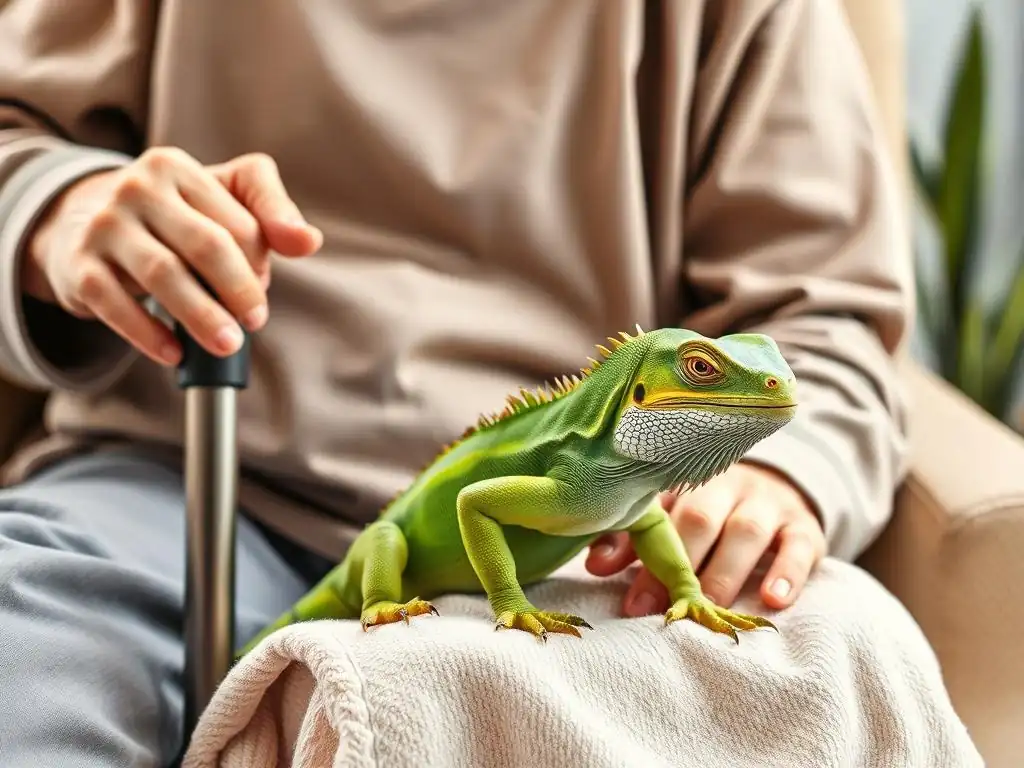
This section focuses on adapting reptile handling techniques to accommodate owners with limited mobility, ensuring both the safety of the reptile and the owner. We'll explore practical strategies and modifications to make reptile care more accessible and less physically demanding. Remember, always prioritize safety; if a task is too strenuous, don't attempt it alone.
Utilizing Assistive Devices for Secure Reptile Handling
Many assistive devices can significantly improve the safety and ease of handling reptiles for individuals with limited mobility. Careful selection and proper usage are key.
For example, consider using:
- Reaching tools: Long-handled tongs or grabber tools can allow you to safely handle smaller reptiles or retrieve items from enclosures without excessive bending or stretching. This minimizes strain on your back and joints. The length and grip strength of the tool should be tailored to your specific needs and the size of your reptile. Experiment with different tools to find what works best for you.
- Elevated work surfaces: Raising your reptile enclosure to a comfortable working height can eliminate the need for excessive bending or kneeling. A sturdy table or adjustable stand can be invaluable. Ensure the surface is stable and large enough to accommodate the enclosure and any necessary handling equipment.
- Wheelchair-accessible enclosures: Consider the design of your reptile enclosure. Front-opening enclosures might be easier to access than top-opening ones, particularly for wheelchair users. If possible, opt for enclosures with sliding doors or easily accessible latches.
- Adaptive harnesses and slings: For larger reptiles, using a properly fitted harness and sling can distribute the weight more evenly, reducing strain on your body. However, ensure you are properly trained in the safe use of such equipment before attempting it. Improper use could harm both you and your reptile.
- Power lift systems: For extremely heavy reptiles, consider using a powered lift system to assist in lifting and moving the enclosure or the reptile itself. This is a significant investment but can be a game-changer for individuals with severe mobility limitations. Professional consultation is essential to ensure the system is appropriate and safely installed.
Modifying Your Handling Environment for Improved Safety and Accessibility
Adapting your reptile handling environment can significantly improve safety and accessibility. Simple modifications can make a big difference.
Consider these adjustments:
- Clear and organized workspace: Keep your reptile handling area clutter-free to prevent accidental trips or falls. Ensure good lighting to improve visibility and reduce eye strain.
- Non-slip surfaces: Use non-slip mats or rugs to provide better traction and reduce the risk of slipping, especially in areas where water might be present. This is crucial for preventing falls.
- Proper lighting: Adequate lighting is essential for both your safety and the well-being of your reptile. Ensure the area is well-lit to avoid straining your eyes and to observe your reptile clearly during handling.
- Comfortable seating: Provide a comfortable chair or stool that allows you to maintain a good posture while handling your reptile. This will help to minimize strain and fatigue.
- Easy access to supplies: Keep all necessary handling equipment, such as towels, gloves, and cleaning supplies, within easy reach to avoid unnecessary stretching or reaching.
Seeking Assistance from Family, Friends, or Professionals
Don't hesitate to ask for help! Handling reptiles, even with modifications, can be physically demanding.
- Family and friends: Enlist the help of family members or friends who are comfortable assisting you with reptile handling. Clearly communicate your needs and limitations to ensure their assistance is safe and effective.
- Professional reptile handlers: Consider hiring a professional reptile handler to assist with tasks that are too physically challenging for you. This is especially important for larger or more difficult-to-handle reptiles. They possess the expertise and equipment to safely manage your reptile.
- Occupational therapist: An occupational therapist can assess your specific needs and recommend appropriate assistive devices and adaptive strategies to improve your reptile handling capabilities. They can also provide training on the safe and efficient use of these devices.
Remember, responsible reptile ownership involves prioritizing the well-being of both the reptile and the owner. By implementing these strategies and seeking assistance when needed, you can enjoy a safe and fulfilling relationship with your reptile companion, regardless of your physical limitations. Prioritize your safety and well-being above all else.
Specific Techniques for Handling Different Reptile Types
This section details safe reptile handling techniques specifically adapted for owners with limited mobility. Remember, always prioritize your safety and well-being. If a technique feels unsafe or too strenuous, do not attempt it. Seek assistance from a friend, family member, or a professional reptile handler. Safe pet handling for individuals with limited mobility requires careful planning and consideration.
Safe Handling Techniques for Snakes with Limited Mobility
Handling snakes requires a degree of dexterity and strength that might be challenging for individuals with limited mobility. Therefore, adapting techniques is crucial. For smaller snakes, consider using a snake hook with a comfortable, ergonomic handle. This tool allows for controlled movement without direct physical contact, minimizing strain.
For larger snakes, a wider, more stable hook might be necessary. Ensure the hook is appropriately sized for the snake to prevent injury. Always support the snake's body weight to avoid stressing its spine. Consider using a padded surface or a soft, stable container to rest the snake during handling. A low, sturdy table can also be helpful for positioning the snake at a comfortable height.
Remember to always approach a snake calmly and avoid sudden movements. These actions can startle the reptile and increase the risk of injury to both the owner and the pet. If you have difficulty maintaining a steady grip, consider using a second person to assist in supporting the snake's weight. Regularly assess your physical capacity and stop if you feel any discomfort or pain.
The use of appropriate equipment, like appropriately sized and designed reptile handling hooks, is paramount for safe snake handling for those with limited mobility. This reduces physical strain significantly.
Safe Handling Techniques for Lizards with Limited Mobility
Handling lizards presents unique challenges, especially for larger or more active species. For smaller lizards, consider using a shallow, wide container with smooth sides to gently guide the lizard. Avoid using containers with rough surfaces or sharp edges that could injure the reptile or cause it to become stressed. This process minimizes the need for direct physical contact.
Larger lizards may require a specialized handling glove or a sturdy, lightweight net. Choose a net with a fine mesh to prevent the lizard from escaping or becoming entangled. Always support the lizard's body weight and avoid squeezing or applying excessive pressure. A stable, elevated surface is recommended for handling larger lizards, allowing the owner to work at a comfortable height and minimize bending or reaching.
For those with limited mobility in their hands or arms, consider using assistive devices like grab bars or specialized tools to aid in controlling the lizard's movement. Remember to always prioritize a calm and controlled approach to avoid stressing the lizard and increasing the risk of bites or scratches. If the lizard displays signs of aggression or stress, immediately cease handling and return it to its enclosure. Regular breaks are crucial to prevent fatigue and potential injury.
Safe Handling Techniques for Turtles and Tortoises with Limited Mobility
Handling turtles and tortoises requires a gentle touch and careful support. Because of their shells, lifting them incorrectly can cause injury. For smaller turtles, gently scoop them up with both hands, supporting their entire body weight. Avoid lifting them by their limbs or shell.
Larger tortoises can be more challenging. For these, consider using a sturdy, wide sling or a specially designed turtle carrier. This provides even weight distribution and support, reducing strain on the owner. Always place the tortoise on a stable, flat surface during handling and avoid sudden movements. If you have difficulty bending or lifting, consider using a low, stable table or a chair to minimize strain.
Remember that tortoises and turtles can be surprisingly strong, especially larger species. Never attempt to handle a turtle or tortoise if you feel uncomfortable or unable to safely support its weight. If you need assistance, do not hesitate to ask a friend or family member for help. Proper handling techniques for turtles and tortoises with limited mobility emphasize minimizing physical exertion and maximizing support. Prioritize your well-being and the safety of your pet.
Minimizing Stress for Both You and Your Reptile
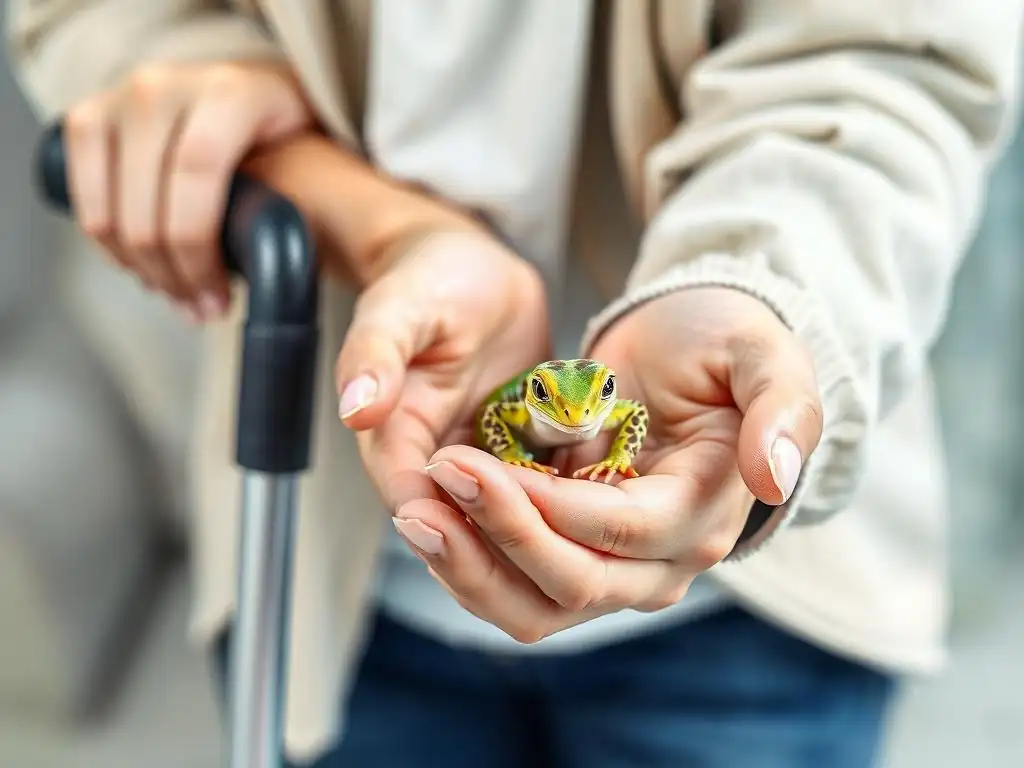
Safe pet handling for individuals with limited mobility requires careful planning and a proactive approach to minimize stress for both the owner and the reptile. The key is to anticipate potential challenges and implement strategies that ensure a smooth and safe handling experience. This involves understanding your physical limitations, adapting your handling techniques, and creating an environment conducive to a calm interaction.
Remember, a stressed reptile is more likely to bite or struggle, increasing the risk of injury for both parties. The goal is to make the handling experience as positive and stress-free as possible for everyone involved. This section will explore specific methods to achieve this.
Creating a Calm and Controlled Handling Environment
Creating a calm and controlled environment is paramount for safe reptile handling, especially for owners with limited mobility. A cluttered space can increase the risk of accidents. Before handling, ensure your workspace is clear of obstacles that could cause you to trip or fall. Consider using a sturdy, low-to-the-ground table or surface to minimize strain on your back and joints. Adequate lighting is crucial; poor visibility can lead to accidental drops or injuries.
Use a bright, diffused light source to avoid startling the reptile. Finally, minimize distractions – turn off the television or radio, and ensure pets or children are kept away from the handling area. This controlled environment reduces stress for both you and your reptile, fostering a more positive interaction. Consider using a soft, non-slip mat on your work surface to provide extra stability and prevent accidental slips.
Recognizing Signs of Reptile Stress and Adjusting Your Approach
Recognizing signs of stress in your reptile is crucial for safe handling. A stressed reptile might exhibit behaviors like:
- Rapid breathing or gaping mouth
- Dilated pupils
- Excessive hissing or other vocalizations
- Attempting to escape or bite
- Muscle tension or rigidity
Understanding these signs allows you to adjust your approach. If you notice your reptile exhibiting these signs, immediately cease handling and return the reptile to its enclosure. Give it time to calm down before attempting to handle it again. Consider adjusting your handling technique. If lifting is proving difficult, try using assistive devices or modifying the enclosure to facilitate easier access. Remember, patience is key. Forcing a stressed reptile can lead to injury for both you and the reptile. Prioritizing your reptile's comfort and safety ensures a more positive and less stressful experience for everyone involved.
Prioritizing the Reptile's Safety and Well-being During Handling
Prioritizing your reptile's safety and well-being is paramount. This involves careful consideration of every aspect of the handling process. Before handling, wash your hands thoroughly to remove any scents or chemicals that could irritate your reptile. Use appropriate handling equipment such as sturdy gloves and hooks, especially for larger or potentially aggressive species. Always support your reptile's entire body to prevent falls or injuries.
Avoid sudden movements or loud noises that could startle the reptile. If you experience any difficulty during handling, immediately seek assistance from another person. Remember, it is acceptable to ask for help; prioritizing your safety and the safety of your reptile is crucial. After handling, carefully return your reptile to its enclosure, ensuring a smooth transition.
Regularly review and update your handling techniques as needed to ensure both your safety and your reptile's well-being. Documenting handling sessions, noting any observed stress responses, can help you refine your approach over time. This proactive approach to safe handling promotes a positive relationship between you and your reptile. Remember, a safe and comfortable environment contributes significantly to a successful handling experience.
Preventing Bites and Injuries During Handling

Safe pet handling for individuals with limited mobility requires careful planning and adaptation. Successfully managing reptiles while minimizing risk of injury, for both the owner and the reptile, hinges on understanding reptile behavior and employing appropriate handling techniques. This section focuses on proactive strategies to prevent bites and injuries during handling, a crucial aspect of safe reptile ownership for everyone, especially those with mobility challenges. The keyword "safe pet handling limited mobility" is paramount here.
Understanding Reptile Body Language and Defensive Behaviors
Reptiles, unlike mammals, communicate differently. Recognizing their subtle cues is crucial to preventing defensive behaviors that could lead to bites. Understanding their body language is the first step towards safe handling. For example, a puffed-up cobra signifies aggression, while a lizard's flattened body might indicate fear or readiness to flee. Each species displays unique warning signs.
Many reptiles exhibit subtle signs of stress before resorting to biting. These can include:
- Rapid tongue flicking: This is a common way reptiles assess their environment and detect potential threats. Increased frequency can signal anxiety.
- Dilated pupils: Wide pupils can indicate fear or stress.
- Hissing or other vocalizations: While not all reptiles hiss, many make sounds to warn of impending aggression.
- Tail whipping: This is a common defensive mechanism, particularly in lizards and some snakes.
- Muscle tension: A rigid posture and tense muscles often precede a bite.
Observing these signs allows you to adjust your approach and avoid provoking a defensive response. For owners with limited mobility, this early detection is even more critical as reacting to a sudden attack may be more challenging. Understanding species-specific behaviors is key; for example, a bearded dragon displaying dark coloration might be stressed, while a chameleon changing color could be reacting to a change in temperature or light.
Implementing Safe Restraint Techniques for Different Reptile Species
Restraining a reptile safely requires different techniques depending on the species and size. For owners with limited mobility, modifications are essential. Using assistive devices like specialized reptile handling gloves or hooks can significantly reduce strain and the risk of injury.
Here's a breakdown of safe restraint techniques, adapted for individuals with limited mobility:
| Reptile Type | Restraint Technique (Adapted for Limited Mobility) | Considerations |
|---|---|---|
| Snakes | Use a snake hook or long tongs to gently guide the snake into a secure container. Avoid direct handling if possible. | Use a sturdy, appropriately sized container to prevent escape. |
| Lizards (small) | Use a soft towel or glove to gently scoop up the lizard. Avoid squeezing too tightly. | Support the lizard's body to prevent injury; consider using a lightweight, supportive surface. |
| Lizards (large) | Use a larger towel or specialized handling equipment. Two people might be needed for larger species. | Ensure adequate support for both the lizard and the handler. |
| Turtles & Tortoises | Carefully lift by supporting the plastron (bottom shell). Avoid lifting by the legs or tail. | Use a sturdy surface to place the reptile on during handling. |
Remember, even with adapted techniques, always prioritize safety. If a maneuver feels too strenuous or unsafe, seek assistance. [Specific information pending] on assistive devices designed for reptile handling by individuals with limited mobility.
Responding to Bites and Injuries: First Aid and Emergency Procedures
Despite preventative measures, accidents can happen. Having a plan for responding to bites and injuries is crucial. For owners with limited mobility, quick access to first aid supplies and emergency contacts is essential.
Immediate actions following a reptile bite include:
- Wash the wound thoroughly: Use soap and water to clean the bite area.
- Apply antiseptic: Apply an antiseptic solution to prevent infection.
- Seek medical attention: Even minor bites can become infected. Consult a doctor, especially if the reptile is venomous or if the wound shows signs of infection (redness, swelling, pus).
- Monitor for allergic reactions: Be aware of potential allergic reactions and seek immediate medical help if any occur.
For individuals with limited mobility, having readily accessible first aid kits and emergency contact information is paramount. Pre-planning is key: Consider keeping a list of emergency contacts and relevant medical information in an easily accessible location. This proactive approach can significantly improve the outcome in case of an accident. Remember, swift and appropriate action is vital for minimizing complications. [Specific information pending] on reptile-specific antivenom availability and access for different regions. The safety of both the reptile and the handler should always be paramount.
Maintaining a Safe and Accessible Reptile Habitat
Maintaining a safe and accessible reptile habitat is crucial for both the well-being of your reptile and your own safety, especially when dealing with limited mobility. This section focuses on strategies to minimize physical strain and maximize accessibility during daily reptile care. We'll explore enclosure design, adaptive equipment, and security measures tailored to owners with mobility challenges. Remember, adapting your reptile keeping practices doesn't diminish your ability to provide excellent care; it simply optimizes it. Safe pet handling for those with limited mobility is achievable with careful planning and the right tools.
Designing an Accessible Reptile Enclosure for Easy Maintenance and Handling
Designing an accessible reptile enclosure involves thoughtful consideration of height, reach, and ease of access. Avoid tall, narrow enclosures that require excessive bending or stretching. Opt for wider, shorter enclosures placed at a comfortable working height, ideally between waist and chest level. This reduces the need for excessive bending or reaching, lessening strain on your back and joints.
Consider the weight of the enclosure itself. A heavier enclosure might require assistance to move for cleaning or maintenance. Lightweight materials such as glass or acrylic, if feasible for your reptile's needs, can be beneficial. Furthermore, consider the substrate. Easy-to-clean substrates like paper towels or reptile carpet minimize the effort required for spot cleaning and full enclosure changes. Avoid deep substrates that require significant bending or scooping.
Choosing the right location is also paramount. Place the enclosure in an area with ample space for maneuvering around it, preventing any accidental bumps or knocks. Good lighting is essential, both for your reptile and for you to clearly see inside the enclosure. Ensure adequate illumination to avoid eye strain during handling and maintenance.
Utilizing Adaptive Equipment for Easier Enclosure Cleaning and Maintenance
Several adaptive tools can significantly ease the physical demands of reptile enclosure maintenance. Long-handled cleaning tools, such as scrub brushes and scoops, extend your reach, minimizing bending. Lightweight, ergonomic spray bottles reduce wrist strain during cleaning. Consider using a small, lightweight vacuum cleaner with attachments to efficiently remove loose substrate and debris.
Automatic water dispensers can eliminate the need for daily manual filling. Similarly, automated feeding systems can reduce the frequency of handling your reptile for feeding, especially beneficial for larger or more challenging species. Investing in these tools can drastically reduce physical effort and promote safer handling practices.
For those with limited dexterity, consider tools with larger, easier-to-grip handles. These adaptations ensure a secure and comfortable grip, minimizing the risk of dropping or mishandling cleaning supplies. Remember to always prioritize safety when using any tool or equipment.
Ensuring a Secure and Escape-Proof Environment for Your Reptile
A secure enclosure is essential for both your reptile's safety and your peace of mind. Escape-proofing is especially critical when dealing with limited mobility, as retrieving an escaped reptile could present significant challenges. Ensure all enclosure components, such as lids, doors, and screens, are securely fastened. Check regularly for any gaps or weaknesses that a reptile might exploit.
Use appropriate locking mechanisms on doors and lids, ensuring they are easy for you to operate but secure enough to prevent accidental opening. Consider using specialized reptile-proof sealant to further reinforce any potential escape routes. Regularly inspect the enclosure for any signs of wear and tear, replacing any damaged components promptly.
Monitoring your reptile's behavior is also important. Observe for any signs of stress or unusual attempts to escape, which could indicate a weakness in the enclosure's security. Addressing these issues immediately can prevent a potentially stressful situation for both you and your reptile. A well-secured enclosure promotes a safe environment for everyone.
Seeking Professional Assistance for Reptile Care
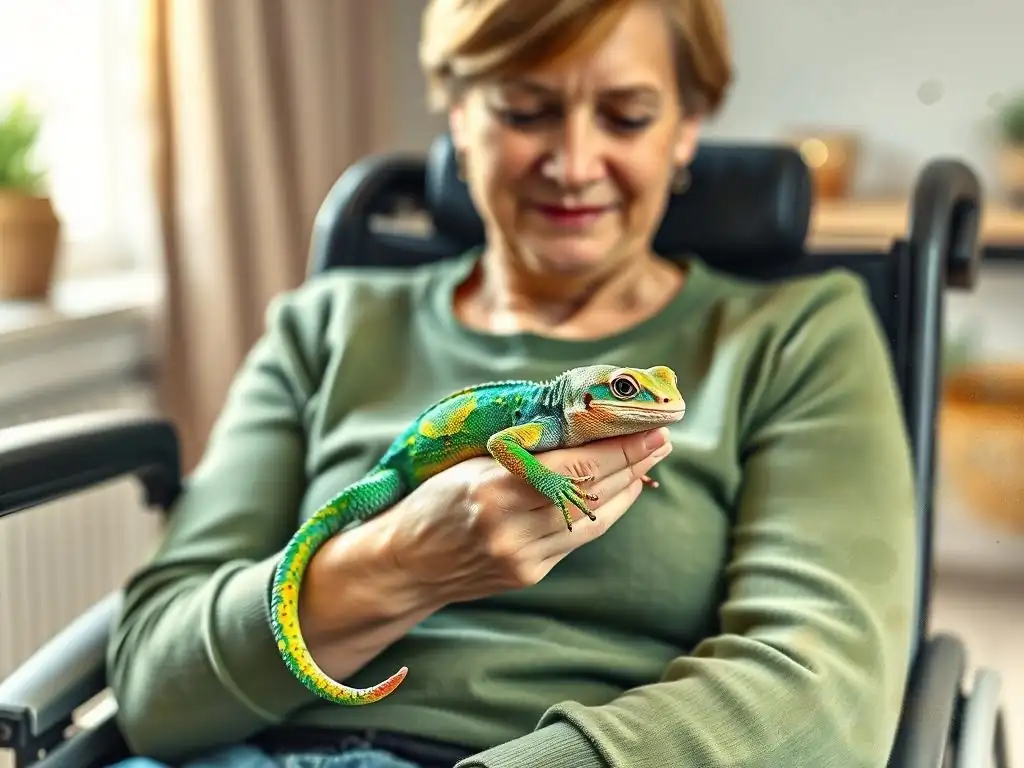
Reptile ownership, while rewarding, presents unique challenges, especially for owners with limited mobility. Understanding when and how to seek professional assistance is crucial for both your safety and the well-being of your reptile. This isn't about admitting defeat; it's about proactive pet care and recognizing your physical limitations. Smart reptile owners prioritize their health and the health of their scaled companions. This section focuses on identifying and utilizing resources that can significantly improve your reptile care experience.
Finding Qualified Veterinarians and Reptile Specialists
Locating a veterinarian experienced with reptiles is paramount. Not all vets are equally equipped to handle the specific needs of reptiles; some may lack the necessary knowledge or equipment for proper diagnosis and treatment. A reptile specialist possesses in-depth knowledge of reptile anatomy, physiology, and common ailments. They can provide accurate diagnoses, prescribe appropriate medications, and offer expert advice on preventative care. To find a qualified veterinarian, consider:
- Online searches: Use specific search terms like "reptile veterinarian near me" or "herpetologist [your city/state]".
- Recommendations: Ask other reptile owners in your area for recommendations. Online reptile communities and forums can also be valuable resources.
- Your primary care physician: Your doctor may have suggestions or know of specialists in your region.
- Local animal shelters and rescue organizations: They often have relationships with veterinarians experienced in reptile care.
Remember to ask potential veterinarians about their experience with your specific reptile species before scheduling an appointment. This ensures you're selecting a vet well-versed in the unique needs of your pet. Don't hesitate to ask about their facilities and equipment – crucial for the safe and effective handling of potentially fragile reptiles. A good reptile vet will be patient, understanding, and willing to answer your questions thoroughly.
Identifying Local Reptile Handling Services for Assistance
Even with careful planning, tasks like cleaning enclosures, moving heavy terrariums, or administering medication can be challenging with limited mobility. Specialized reptile handling services can provide invaluable assistance. These services offer a range of support, from routine enclosure maintenance to emergency handling situations. While the availability of such services varies geographically, investigating options is crucial for ensuring the ongoing well-being of your reptile.
This assistance can alleviate the physical strain of reptile care, preventing injury and ensuring your pet receives the necessary attention. Consider what aspects of reptile care you find most difficult and seek services that cater to those needs. Clear communication with the service provider is vital—detail your physical limitations and preferences to ensure a safe and effective experience for both you and your reptile. The cost of these services will vary, so budgeting is essential.
Joining Support Groups for Reptile Owners with Disabilities
Connecting with others facing similar challenges can provide invaluable emotional and practical support. Online forums, social media groups, and local support organizations dedicated to pet ownership and disabilities can offer a sense of community and shared experience. These groups provide a safe space to share experiences, ask questions, and learn from others' successes and challenges in managing reptile care with limited mobility.
The collective knowledge within these communities can be a powerful resource. You can discover adaptive equipment, innovative handling techniques, and valuable tips that make reptile care more manageable. The emotional support provided by connecting with like-minded individuals is equally important, combating feelings of isolation and providing encouragement during challenging times. Seeking out these support networks is a proactive step towards responsible and fulfilling reptile ownership, regardless of physical limitations. Remember, you're not alone! 🤝
Resources for Safe Reptile Handling and Mobility Aids
This section focuses on practical resources to aid reptile owners with limited mobility in safely handling their pets. We understand that managing reptiles, even smaller ones, can present challenges, and we aim to provide solutions that promote both pet and owner well-being. Safe pet handling for individuals with limited mobility requires careful planning and the utilization of appropriate tools and support systems. This section will delve into specific resources to help you achieve this.
Recommended Assistive Devices and Adaptive Equipment
Many assistive devices can significantly improve the safety and ease of reptile handling for individuals with limited mobility. These tools can reduce strain, prevent accidental drops, and enhance control during handling. Consider these options:
- Lightweight Reptile Handling Tools: Instead of directly handling larger reptiles, consider using lightweight, long-handled tongs or hooks designed specifically for reptiles. These tools provide distance and leverage, minimizing the physical strain on your body. Look for tools with a secure grip to prevent accidental escapes.
- Adjustable Height Reptile Enclosures: Elevated enclosures can reduce the need for excessive bending or reaching. Consider using stands or adjustable-height racks to position enclosures at a comfortable working height. This reduces strain on your back, neck, and shoulders.
- Rolling Reptile Stands: These mobile stands allow you to easily move heavy reptile enclosures without excessive lifting or straining. Look for stands with sturdy wheels and brakes for added safety.
- Ergonomic Reptile Cleaning Supplies: Cleaning reptile enclosures can be physically demanding. Using ergonomic cleaning tools, such as long-handled brushes and spray bottles, can significantly reduce strain. Consider using lightweight, easy-to-grip tools.
- Automated Feeding Systems: For some reptiles, automated feeding systems can minimize the need for frequent manual handling. These systems can dispense food at pre-set intervals, reducing the physical demands on the owner. Research systems suitable for your specific reptile species.
The selection of appropriate assistive devices will depend on the size and species of your reptile, as well as your specific mobility limitations. Consult with an occupational therapist or a veterinarian specializing in exotic animals for personalized recommendations. Remember to prioritize safety and choose equipment that is both durable and easy to use.
Online Resources and Informational Websites for Reptile Care
Finding reliable information on reptile care is crucial for responsible pet ownership, especially when physical limitations are involved. Numerous online resources provide comprehensive guides and support:
- Specialized Reptile Care Forums: Online forums dedicated to reptile care often have active communities of experienced keepers who can offer advice and support. These forums can be invaluable resources for finding solutions to specific challenges related to handling and care. Engage with the community responsibly and always verify information from multiple sources.
- Veterinary Websites and Blogs: Many veterinary practices and individual veterinarians maintain websites or blogs with informative articles on reptile care. These resources often provide up-to-date information on best practices and disease prevention.
- Reptile-Specific Educational Websites: Numerous websites offer in-depth information on various aspects of reptile care, including handling techniques, enclosure setup, and dietary requirements. Look for websites with detailed information and credible sources.
Remember to critically evaluate online information. Prioritize websites and resources maintained by qualified professionals, such as veterinarians or experienced reptile keepers. Always consult with your veterinarian before making any significant changes to your reptile's care routine.
Organizations Providing Support for Pet Owners with Disabilities
Several organizations offer support and resources for pet owners with disabilities:
- [Specific Organization Name Pending]: [Description of services and support pending]
- [Specific Organization Name Pending]: [Description of services and support pending]
- [Specific Organization Name Pending]: [Description of services and support pending]
Finding the right support network can significantly enhance your ability to provide safe and enriching care for your reptile. These organizations often provide information on assistive devices, financial aid, and emotional support. Reaching out to these groups can provide valuable connections and guidance during your pet ownership journey. Remember to research organizations in your local area for the most relevant support.
Frequently Asked Questions
What if I have limited mobility and my dog is large and strong?
If you have limited mobility and a large, strong dog, consider using assistive devices like harnesses with handles or specialized lifting equipment. Professional training for your dog on calm behavior is also crucial.
How can I safely groom my pet with limited mobility?
Adapt your grooming routine. Use portable grooming tables at a comfortable height, or groom your pet on the floor using non-slip mats. Break grooming sessions into shorter, more manageable periods.
Are there any specific harnesses or leads designed for people with limited mobility?
Yes, many companies offer harnesses with comfortable handles and leads with extra padding to reduce strain. Look for ergonomic designs that minimize stress on your joints.
My mobility is severely limited; can I still safely care for my pet?
Absolutely. Consider adaptive equipment like ramps and elevated food and water bowls. You may also need to enlist the help of family, friends, or professional pet sitters for certain tasks.
What resources are available to help pet owners with limited mobility?
Many organizations offer support. Search online for local pet care assistance programs or consult with your veterinarian who can offer tailored advice and recommendations for your specific needs and your pet's needs.
Final Reflection: Empowering Independence Through Safe Pet Handling
The ability to safely handle a beloved pet is crucial for well-being, regardless of physical limitations. This remains a critical issue for many pet owners facing mobility challenges, highlighting the urgent need for accessible and adaptable handling techniques. Ignoring this need risks compromising both the owner's safety and the pet's welfare.
The impact of safe pet handling extends far beyond the immediate interaction; it influences the overall quality of life for both owner and animal. Maintaining a strong bond with a pet offers immeasurable emotional support, particularly for individuals with limited mobility who may experience social isolation. The human-animal bond has been shown to reduce stress, improve cardiovascular health, and even increase longevity.
This underscores the importance of equipping pet owners with the knowledge and skills to navigate the challenges of pet care safely and confidently, fostering a continued, enriching relationship.
Consider the techniques discussed within this article. Reflect on how you can adapt these methods to your own circumstances, or perhaps share this information with someone you know who could benefit. You have the power to make a difference, not only in your own life but also in the lives of those around you who share the joy and responsibility of pet ownership. Let's work together to ensure that the bond between humans and animals remains strong, safe, and fulfilling for everyone.
Unlock Easier Pet Handling: Start Caring Smarter Today!
Thank you for learning about safe pet handling techniques designed for owners with limited mobility! We hope you found practical tips to make caring for your furry friend easier and more enjoyable. Now, let's put that knowledge into action.
- Prioritize your comfort: Start by making one small change today to improve your pet handling. This could be anything from using a different leash, improving your posture, or asking for help with heavier lifts. Even a small adjustment can make a big difference!
- Share this article with a friend or family member who might find these techniques helpful. Help spread the word and empower others to care for their pets safely and comfortably.
- Consider joining our online community forum to connect with other pet owners and share your experiences. Let's build a supportive network for responsible pet care!
What simple change will you make this week to improve your pet handling routine?