
The Pellet Advantage: Why Your Bird Might Thrive on a Balanced Formula

Welcome to PetCareWorld, your ultimate guide to a happier, healthier life for your beloved animal companions! Are you seeking the secret to vibrant feather and boundless energy in your feathered friend? Then delve into our expert insights on choosing the best bird pellet food brands. Discover why a balanced pellet diet might be the key to unlocking your bird's full potential and learn what sets superior brands apart in our comprehensive guide, "The Pellet Advantage: Why Your Bird Might Thrive on a Balanced Formula." Let's embark on this journey together toward a world of healthier, happier pets!
- Understanding Bird Nutritional Needs: Why Pellets Matter
- The Benefits of a Pellet-Based Diet for Birds
- Choosing the Best Bird Pellet Food Brands: A Comprehensive Guide
- Addressing Common Concerns about Bird Pellets
- Long-Term Health and Longevity with Balanced Bird Nutrition
- Frequently Asked Questions
- Final Reflection: The Enduring Power of a Balanced Diet
- Unlock Your Bird's Full Potential: A Flight Plan to Healthier Living
Understanding Bird Nutritional Needs: Why Pellets Matter
Choosing the right diet for your feathered friend is crucial for their health and longevity. While many bird owners are familiar with seed mixes, a growing body of evidence points to the significant advantages of a balanced pellet-based diet. This article delves into the reasons why pellets often represent a superior nutritional choice for birds, comparing them to traditional seed-only diets and highlighting the potential dangers of nutritional imbalances.
We'll also explore what makes a high-quality pellet formula, helping you make informed decisions to ensure your bird receives the best possible nutrition and thrives under your care. This guide will help you navigate the complexities of avian nutrition and contribute to your understanding of which factors contribute to finding the best bird pellet food brands for your pet.
Ultimately, providing your bird with a complete and balanced diet is an investment in their health, happiness, and long life. Understanding the nuances of bird nutrition empowers responsible pet ownership and helps ensure your avian companion enjoys a vibrant and fulfilling life.
Essential Nutrients for Avian Health: Vitamins, Minerals, and More
Avian species have unique nutritional requirements. Unlike humans, their bodies process certain nutrients differently, necessitating a carefully balanced diet. Pellets, formulated by veterinary nutritionists, are designed to provide a comprehensive blend of essential nutrients vital for your bird's overall health. These include:
- Vitamins: A diverse range of vitamins, such as Vitamins A, D3, E, and K, are crucial for various bodily functions, including vision, bone health, immune function, and blood clotting. Seed-only diets often lack sufficient amounts of these essential vitamins.
- Minerals: Minerals like calcium, phosphorus, and zinc play critical roles in bone development, feather growth, and overall metabolic processes. Imbalances in mineral intake can lead to serious health problems.
- Amino Acids: These are the building blocks of proteins, essential for muscle growth, feather production, and immune function. Pellets offer a complete profile of amino acids, often lacking in seed mixes.
- Fatty Acids: Essential fatty acids, like omega-3 and omega-6, contribute to healthy skin, feathers, and overall bodily functions. The balance of these fatty acids is crucial, and pellets usually provide this balance.
The precise amounts of each nutrient vary depending on the species of bird and their life stage (e.g., young birds require different nutritional profiles than adults). Therefore, choosing a pellet formula specifically formulated for your bird's type and age is vital.
Comparing Seed-Based Diets vs. Pellet Diets for Birds
Many bird owners traditionally feed their birds seed mixes. While seeds offer some nutritional value, they often lack the balanced profile of nutrients found in high-quality pellets. Here's a comparison:
| Feature | Seed-Based Diet | Pellet-Based Diet |
|---|---|---|
| Nutritional Balance | Often lacks essential vitamins, minerals, and amino acids | Provides a complete and balanced nutritional profile |
| Caloric Density | Can lead to obesity if not carefully monitored | Allows for better caloric control |
| Digestibility | Lower digestibility, leading to waste and nutrient loss | Higher digestibility, maximizing nutrient absorption |
| Variety of Nutrients | Limited nutritional variety | Wide range of essential nutrients |
| Convenience | Easier to source and store | May require more research to find suitable brands |
The table clearly demonstrates the superior nutritional profile offered by pellet-based diets. While seed mixes can offer a palatable treat in moderation, they should never form the cornerstone of a bird's diet.
The Dangers of an Imbalanced Seed-Only Diet for Birds
Relying solely on seeds can lead to several health problems in birds. The lack of essential nutrients can manifest in various ways:
- Nutritional Deficiencies: This can lead to weakened immune systems, making birds more susceptible to illnesses. Symptoms can include lethargy, feather loss, and poor growth.
- Obesity: Seeds are high in fat and calories. Selective feeding (birds choosing only the highest-calorie seeds) can lead to rapid weight gain and obesity.
- Metabolic Bone Disease (MBD): An imbalance of calcium and phosphorus can cause MBD, resulting in weakened bones, deformities, and fractures.
- Feather Problems: A lack of essential amino acids and fatty acids can result in dull, brittle feathers and impaired feather growth.
An imbalanced diet can significantly shorten a bird's lifespan and diminish its overall quality of life. Choosing a high-quality pellet food is a proactive step towards ensuring your bird's health and well-being. Remember to consult with an avian veterinarian to determine the best diet for your specific bird.
The Benefits of a Pellet-Based Diet for Birds
Choosing the right food for your feathered friend is crucial for their health and longevity. While seed mixes might seem appealing, a pellet-based diet offers significant advantages, often leading to a happier, healthier bird. This section will explore the key benefits of transitioning your bird to a high-quality pellet diet, helping you understand why it's often considered the best approach to avian nutrition.
We'll focus on how pellets contribute to better digestion, prevent nutritional deficiencies, and improve overall plumage and well-being. Finding the best bird pellet food brands is a crucial step in this process, ensuring your bird receives a complete and balanced diet.
Improved Digestive Health with Bird Pellets
Many seed mixes lack the necessary fiber and nutrients for optimal digestion in birds. This can lead to digestive issues such as crop stasis, impaction, and poor nutrient absorption. In contrast, high-quality bird pellets are formulated with precisely balanced ingredients designed to promote efficient digestion. The consistent texture and size of pellets aid in the grinding process within the bird's gizzard, leading to better nutrient breakdown and assimilation. This is particularly important for smaller bird species with more delicate digestive systems.
The improved digestibility of pellets also translates to less waste. You'll likely observe less uneaten food and smaller, firmer droppings, indicating better absorption of nutrients. This is a clear sign that your bird's body is efficiently processing its food, leading to a healthier gut microbiome and overall improved digestive health. This improved digestive efficiency is a key factor in why many avian veterinarians recommend pellet-based diets as a cornerstone of avian nutrition.
Preventing Nutritional Deficiencies with Complete Pellet Formulas
Seed mixes, while visually appealing to birds, often lead to nutritional imbalances. Birds selectively choose their favorite seeds, resulting in a diet deficient in essential vitamins, minerals, and amino acids. This selective feeding can cause serious health problems, including weakened immune systems, bone deformities, and feather problems.
Pellets, however, offer a complete and balanced nutritional profile. Reputable best bird pellet food brands meticulously formulate their products to meet the specific nutritional requirements of various bird species. These formulas contain a precise blend of proteins, fats, carbohydrates, vitamins (such as Vitamin A, D3, and E), and minerals (like calcium and phosphorus) essential for optimal health.
The consistent nutrient profile in each pellet eliminates the risk of nutritional deficiencies caused by selective feeding. This ensures your bird receives all the necessary building blocks for growth, development, and maintaining a robust immune system. A balanced diet is crucial for preventing illness and promoting longevity.
Enhanced Feather Quality and Overall Bird Health through Balanced Nutrition
The visible impact of a balanced pellet diet is often seen in the bird's plumage. A diet deficient in essential nutrients can lead to dull, brittle feathers, and even feather loss. Conversely, a diet rich in proteins, amino acids, and essential fatty acids, as found in high-quality pellets, results in vibrant, glossy feathers. This is because feathers are primarily composed of proteins, and their health directly reflects the bird's overall nutritional status.
Beyond feather quality, a complete pellet diet contributes to overall improved bird health. A well-nourished bird is more active, energetic, and less susceptible to illness. They exhibit improved breeding success, stronger bones, and a more robust immune system. By choosing a reputable best bird pellet food brands, you are investing in your bird's overall well-being, ensuring a long, healthy, and vibrant life. The difference between a bird fed a balanced pellet diet and one fed solely seeds is often dramatically apparent in their overall health and appearance. Remember, a healthy bird is a happy bird! 🐦
Weight Management and Obesity Prevention in Birds with Pellets
Obesity is a significant health concern for many companion birds. A diet primarily consisting of seeds, often favored by birds due to their high fat and calorie content, can easily lead to weight gain and related health problems like fatty liver disease, heart disease, and diabetes. These conditions dramatically reduce a bird's lifespan and quality of life. Conversely, a well-formulated pellet diet plays a crucial role in weight management. Pellets offer a balanced nutritional profile, providing the necessary vitamins, minerals, and proteins without the excessive calories found in many seed mixes.
The controlled portion sizes inherent in pellet feeding further assist in preventing overeating and maintaining a healthy weight. This is particularly important for birds prone to obesity, such as cockatoos and macaws. By selecting a pellet specifically formulated for your bird's species and life stage, you can provide a consistent and controlled caloric intake, helping to maintain a healthy weight and reducing the risk of obesity-related illnesses. Regular weighing of your bird and monitoring their body condition score are essential to ensure the pellet diet is effectively managing their weight. If you notice any significant weight changes, consult an avian veterinarian immediately.
They can help determine the cause and adjust the diet or recommend other interventions as needed. Remember, preventing obesity is far easier than treating it, and a pellet-based diet is a cornerstone of preventative care. Choosing the best bird pellet food brands that prioritize a balanced formulation is key to success. A balanced nutritional approach, carefully monitored, significantly improves the chances of maintaining your feathered friend at a healthy weight throughout their life.
Choosing the Best Bird Pellet Food Brands: A Comprehensive Guide
Finding the best bird pellet food brands can feel overwhelming. The market is flooded with options, each promising optimal nutrition for your feathered friend. This guide helps you navigate this landscape, focusing on key factors to ensure your bird receives the balanced diet it needs for a long and healthy life. Choosing the right pellets is crucial for preventing nutritional deficiencies and promoting vibrant plumage, strong bones, and a robust immune system. Remember, a well-nourished bird is a happy bird!
Top-Rated Pellet Brands for Different Bird Species
Different bird species have varying dietary needs. What constitutes a "best" pellet for a cockatoo will differ significantly from what's ideal for a finch. Consider these examples of popular brands often recommended, noting that individual bird needs may necessitate tailored selections:
| Bird Species | Recommended Pellet Brands (Examples) | Key Nutritional Considerations |
|---|---|---|
| Cockatoos | [Brand Name A], [Brand Name B], [Brand Name C] | High in calcium, low in fat, formulated for large parrots |
| Conures | [Brand Name D], [Brand Name E] | Balanced protein and fat ratio, formulated for medium-sized parrots |
| Finches | [Brand Name F], [Brand Name G] (often smaller pellet size available) | Smaller pellet size, high in seeds, formulated for small birds |
| Canaries | [Brand Name H], [Brand Name I] | Specific blends for canaries, often containing added carotenoids |
| Amazon Parrots | [Brand Name J], [Brand Name K] | High in Vitamin A, formulated for large parrots |
It's crucial to remember that this is not an exhaustive list, and many other excellent brands exist. Always consult with an avian veterinarian to determine the best pellet brand for your bird's specific needs, breed, age, and health status. They can provide personalized recommendations based on individual factors. 🐦
Factors to Consider When Selecting Bird Pellets: Size, Ingredients, and More
Beyond brand name, several critical factors influence pellet quality and suitability for your bird. These factors work together to determine if a given brand provides the complete and balanced nutrition your bird requires. Neglecting these aspects could lead to health problems.
- Pellet Size: The pellet size must be appropriate for your bird's beak size and feeding habits. Larger birds need larger pellets, while smaller birds require smaller ones to avoid choking hazards. Consider pellet shape and texture too – some birds prefer crumbles or different textures.
- Ingredients: Examine the ingredient list carefully. Look for high-quality, whole-grain ingredients like oats, barley, and millet, and avoid fillers like artificial colors, flavors, and preservatives. The ingredient list should be clear and easy to understand, with whole food sources listed prominently. A balanced ratio of protein, fats, and carbohydrates is essential.
- Added Vitamins and Minerals: Check for added vitamins and minerals, especially Vitamin A, Vitamin D3, and calcium. These are crucial for maintaining bone health, immune function, and overall well-being. However, be mindful of excessive levels, as this can also be detrimental.
- Freshness: Buy pellets from reputable sources and check the expiration date before purchasing. Store pellets in a cool, dry place to maintain freshness and prevent spoilage. Stale pellets can lose their nutritional value and become less palatable to your bird.
Reading Bird Food Labels: Deciphering Ingredients and Nutritional Information
Understanding bird food labels is paramount in choosing a high-quality diet. Manufacturers are required to list ingredients in descending order of weight. This means the ingredient listed first is the most prevalent in the mix. Here's how to decipher the information:
- Guaranteed Analysis: This section provides the minimum percentage of crude protein, crude fat, crude fiber, and moisture. While useful, remember that this is a minimum guarantee; the actual values could be higher.
- Ingredient List: Pay close attention to the order of ingredients. The first few ingredients should be whole grains and other nutritious components. Avoid pellets with long lists of artificial ingredients or preservatives.
- Nutritional Information: Some labels also provide detailed nutritional information, including vitamins and minerals. Compare the nutritional content of different brands to find one that meets your bird's specific needs.
Remember, selecting the best bird pellet food involves a combination of factors. Using this guide as a starting point, coupled with consultations with your avian vet, ensures you provide the most suitable and nutritious diet for your beloved companion. A healthy diet is the cornerstone of a long, happy life for your feathered friend!
Transitioning Your Bird to a Pellet Diet: A Step-by-Step Approach
Switching your bird to a pellet diet can be a rewarding experience, leading to improved health and a more balanced nutritional intake. However, a sudden change can cause stress and digestive upset. A gradual transition is crucial for a smooth and successful switch. Here's a step-by-step approach:
Phase 1: Introduction (Days 1-7): Begin by sprinkling a small amount of pellets—approximately 10-15%—over your bird's usual food. This allows your feathered friend to become familiar with the new food's smell, texture, and taste without feeling overwhelmed. Observe your bird's reaction closely. Some birds might initially ignore the pellets, while others might peck at them curiously. Patience is key during this phase.
Phase 2: Gradual Increase (Days 8-14): Gradually increase the proportion of pellets in your bird's diet. Each day, increase the pellet amount by 5-10%, while correspondingly decreasing the amount of its usual food. This slow and steady approach minimizes the risk of digestive upset. Monitor your bird's droppings for consistency and color; any significant changes might indicate a need to slow down the transition. Remember to always provide fresh water.
Phase 3: The Transition (Days 15-21): By day 15, aim to have the pellets make up approximately 50% of your bird's diet. Continue to monitor your bird's behavior and droppings. If your bird seems hesitant, don't force it. Reduce the pellet percentage slightly and continue the gradual increase over a longer period. Every bird is different, and some may require a more extended transition period.
Phase 4: Full Conversion (Days 22+): Once your bird readily consumes the pellets and shows no signs of digestive distress, you can fully transition to a 100% pellet diet. However, it is important to always offer a variety of fresh fruits and vegetables as supplemental foods to ensure a well-rounded diet.
This provides crucial vitamins, minerals, and antioxidants that may not be fully present in pellets alone. Remember that even with a complete transition, a small amount of seed or other treats can be offered occasionally as a reward or special snack, but it should never replace the core pellet diet.
Addressing Potential Challenges:
- Pickiness: Some birds are notoriously picky eaters. If your bird refuses the pellets completely, try different pellet brands or flavors. Experimenting with different textures and shapes might also encourage consumption.
- Digestive Issues: If your bird experiences diarrhea or vomiting, immediately slow down the transition or consult an avian veterinarian. A sudden dietary change can stress their digestive system.
- Monitoring: Consistent monitoring is crucial throughout the entire process. Observe your bird's appetite, droppings, and overall behavior. Any unusual changes should be addressed promptly.
By following this carefully planned approach, you can successfully transition your bird to a healthy and balanced pellet diet, paving the way for better health and a longer, happier life for your beloved companion. 🐦 Remember to consult with an avian veterinarian for personalized advice, especially if your bird has any pre-existing health conditions.
Addressing Common Concerns about Bird Pellets
Many bird owners, especially those transitioning from seed-based diets, harbor concerns about incorporating pellets into their feathered friend's nutrition plan. Understanding these concerns and addressing them with factual information is crucial for promoting the adoption of a healthier, more balanced diet for your bird. This section aims to alleviate anxieties surrounding pellet adoption and highlight the significant benefits of a pellet-based diet. Choosing the best bird pellet food brands requires careful consideration, but the rewards for your bird's health are undeniable.
Myths and Realities about Bird Pellets: Debunking Common Misconceptions
One common misconception is that birds dislike the taste of pellets. While some birds may initially show resistance to a new food, this is often due to their established preference for seeds, not an inherent dislike of pellets. Many best bird pellet food brands are formulated with appealing flavors and textures to encourage acceptance. Persistent offering, alongside gradual transitioning techniques (mixing small amounts of pellets with seeds), often leads to successful adoption.
Another myth is that pellets lack nutritional variety. High-quality pellet formulas are meticulously crafted to provide a complete and balanced diet, containing a broad spectrum of essential nutrients, vitamins, and minerals that seeds often lack. In reality, a well-formulated pellet diet surpasses the nutritional value of a seed-only diet.
Finally, some owners fear that pellets are "processed" and therefore less healthy. While the manufacturing process involves formulation and extrusion, the resulting product offers a precisely balanced nutritional profile, unlike the unpredictable nutritional content of seeds. The key is choosing reputable and trusted best bird pellet food brands known for their high-quality ingredients and manufacturing processes.
Troubleshooting Common Issues: Picky Eaters and Palatability Concerns
Even with the best efforts, some birds remain picky eaters. If your bird is reluctant to accept pellets, try these strategies:
- Gradual Transition: Slowly introduce pellets by mixing them with the bird's current food, gradually increasing the pellet proportion over several weeks.
- Variety of Brands: Different best bird pellet food brands offer varying flavors and textures. Experiment to find one your bird prefers. Consider trying different pellet sizes and shapes as well.
- Presentation: Offer pellets in different bowls or feeders. Some birds prefer to forage for their food.
- Temperature: Some birds may find warm pellets more appealing. Try gently warming the pellets before serving.
- Adding Appealing Toppings: A small amount of fresh fruit or vegetables can make pellets more enticing, but avoid overdoing it to maintain a balanced diet. Remember, these are supplements, not replacements.
Remember, patience is key. It may take time for your bird to adjust to a new diet. Consult an avian veterinarian if you continue to encounter significant difficulties.
Supplementing a Pellet Diet: When and How to Add Extras
While a high-quality pellet diet provides the majority of necessary nutrients, occasional supplementation can be beneficial. This should be done sparingly and only after consulting with an avian veterinarian. Over-supplementation can lead to nutritional imbalances. Suitable supplements might include:
- Fresh Fruits and Vegetables: Offer a small variety daily, ensuring they are washed thoroughly.
- Sprouts: These are excellent sources of vitamins and minerals.
- Cooked, Plain Grains: Small amounts of cooked brown rice or quinoa can be added occasionally.
It's crucial to avoid giving avocados, chocolate, caffeine, alcohol, and other toxic substances. Always research the safety of any food before offering it to your bird. A well-balanced pellet diet forms the cornerstone of a healthy avian diet; supplementation should only complement, not replace, its nutritional benefits. Choosing from the best bird pellet food brands will provide a solid foundation for your bird's nutritional needs. Remember to always monitor your bird's weight and overall health and adjust the diet as needed under veterinary guidance.
Long-Term Health and Longevity with Balanced Bird Nutrition
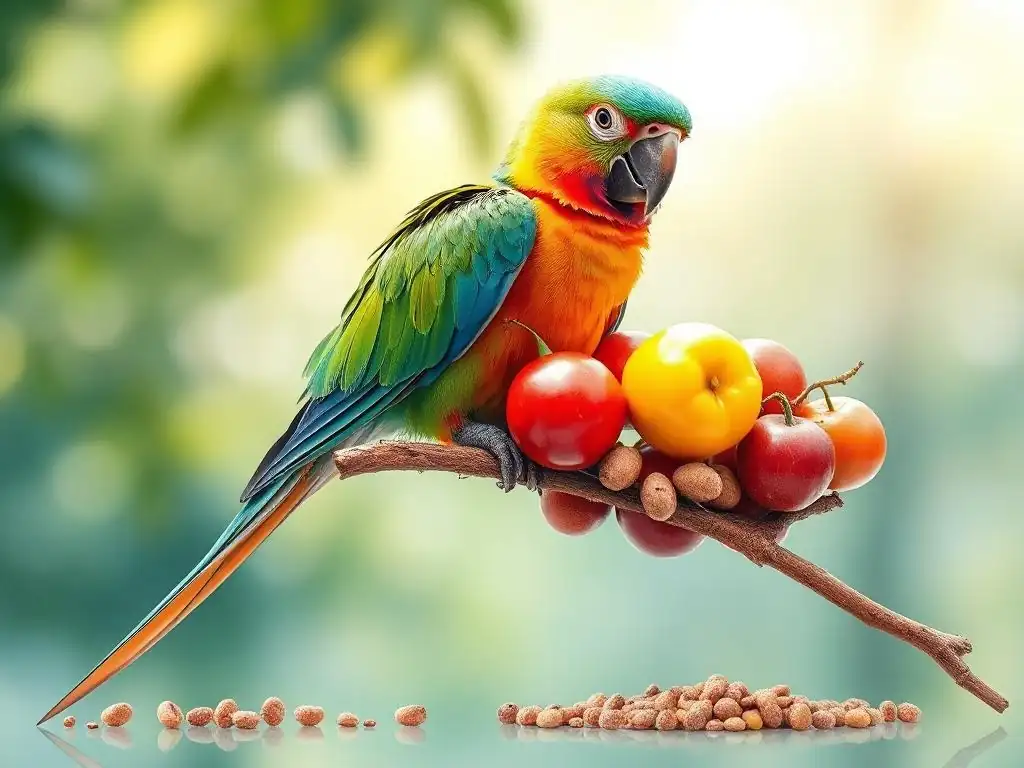
The Impact of Proper Nutrition on Avian Lifespan
Avian lifespan varies dramatically depending on the species. However, a consistently well-balanced diet plays a crucial role in maximizing those years. Nutritional deficiencies can lead to a cascade of health problems, shortening a bird's life significantly. Conversely, providing a diet rich in essential vitamins, minerals, and amino acids supports optimal organ function, strengthens the immune system, and contributes to a longer, healthier life. Studies have shown that birds fed complete and balanced commercial pellet diets tend to live longer and exhibit fewer age-related health issues compared to those primarily fed seed-based diets. 1 This isn't to say that seeds have no place in a bird's diet – they can be offered as treats – but relying solely on seeds often results in nutritional imbalances. For example, a sunflower seed-heavy diet can lead to obesity and vitamin A deficiency, both detrimental to longevity. Choosing the best bird pellet food brands ensures a consistent supply of essential nutrients crucial for a long and fulfilling life for your feathered friend.
Preventing Common Bird Illnesses through Optimal Nutrition
Many common avian illnesses are directly linked to poor nutrition. A balanced pellet diet significantly reduces the risk of developing these conditions. For instance, calcium deficiency, a prevalent problem in birds fed unbalanced diets, can lead to weak bones, egg-binding in female birds, and other skeletal issues. A good quality pellet provides sufficient calcium and other minerals to prevent such problems.
Similarly, vitamin A deficiency is common in birds fed seed-only diets and can result in weakened immunity, respiratory infections, and eye problems. Balanced pellet food formulations contain the necessary vitamins and antioxidants to strengthen the immune system and bolster a bird's natural defenses against illness. Providing your bird with the right nutrition acts as a proactive approach to disease prevention, ultimately leading to a healthier and happier pet. The selection of the best bird pellet food brands is critical in this preventative approach.
Examples of Nutritional Deficiencies and Their Consequences
Here's a table summarizing some common nutritional deficiencies and their associated health problems in birds:
| Nutrient Deficiency | Consequences |
|---|---|
| Vitamin A | Weakened immunity, respiratory infections, eye problems |
| Calcium | Weak bones, egg-binding, skeletal deformities |
| Vitamin D | Metabolic bone disease, weakened bones |
| Protein | Poor feather growth, muscle weakness |
Maintaining a Healthy Weight and Preventing Obesity in Birds
Obesity is a significant health concern in pet birds, often stemming from an inappropriate diet. Seed-based diets are particularly high in fat and low in fiber, contributing to weight gain. In contrast, high-quality bird pellets provide a more balanced caloric intake and higher fiber content, helping to promote satiety and prevent overeating.
Moreover, many best bird pellet food brands offer formulations specifically designed for weight management. These formulas typically contain lower fat content and increased fiber to support healthy weight loss or maintenance. Regular monitoring of your bird's weight, along with a consistent diet of balanced pellets, is essential for preventing obesity and its associated health risks, such as heart disease, liver problems, and diabetes.
Remember to always consult with an avian veterinarian to determine the appropriate calorie intake for your specific bird. Providing a balanced diet using the best bird pellet food brands is a crucial part of this process.
1 [Specific study data pending]
Frequently Asked Questions
What are the benefits of feeding my bird pellets?
Pellets offer a complete and balanced diet, providing all the necessary nutrients your bird needs. This reduces the risk of nutritional deficiencies often associated with seed-only diets. They also help prevent selective feeding of preferred seeds.
Why are some pellet brands better than others?
Different brands vary significantly in ingredient quality, nutritional content, and manufacturing processes. Look for brands with high-quality ingredients, clearly listed nutritional information, and positive customer reviews.
How do I transition my bird to a pellet diet?
Introduce pellets gradually over 7-10 days, mixing them with your bird's current food. Slowly increase the pellet proportion while decreasing the other food until your bird is eating primarily pellets. Monitor your bird closely during this transition.
What are some of the best bird pellet food brands? (This question targets the keyword phrase)
PetCareWorld recommends researching brands like Harrison's, Roudybush, and Zupreem, known for their high-quality ingredients and balanced formulations. Always check reviews and consider your bird's specific dietary needs.
My bird is picky; how can I encourage pellet consumption?
Try different pellet brands and flavors to find one your bird prefers. You can also sprinkle pellets with fruits or vegetables to make them more appealing. Patience and consistency are key to success.
Final Reflection: The Enduring Power of a Balanced Diet
The health and happiness of our feathered friends hinge on the quality of their nutrition, and choosing the right pellet food is a crucial step in ensuring their well-being. A balanced diet isn't just about survival; it's about vibrant plumage, energetic chirps, and a longer, healthier life for your beloved companion. The right pellet food can be the cornerstone of a thriving avian life.
The impact of proper nutrition on companion birds is often underestimated. We strive to provide the best possible care, but sometimes overlook the fundamental role of a complete and balanced diet. A bird in the hand is worth two in the bush,
but a healthy bird, well-fed and cared for, is worth a thousand fleeting moments. The joy they bring us is directly tied to their health, and that begins with the food we provide. This understanding is shifting the landscape of bird ownership, moving beyond simple seed mixes to a more informed and responsible approach.
Consider the implications of this knowledge. Are you providing your bird with the best possible start to each day? Take a moment to examine your bird's diet. Is it truly meeting their nutritional needs? Don't just settle for "good enough"—strive for exceptional. Invest in a high-quality pellet food, and witness the transformative power of a balanced diet firsthand. Your bird will thank you for it, in chirps, in song, and in the vibrant years you share together.
Unlock Your Bird's Full Potential: A Flight Plan to Healthier Living
Thank you for learning about the amazing benefits of a balanced pellet diet for your feathered friend! You've discovered how nutritious pellets contribute to a longer, happier life for your beloved bird. Ready to take the next step?
- Gradually transition your bird to a high-quality pellet-based diet. This is crucial for meeting your bird's nutritional needs and preventing digestive upset.
- Share your experience: Tell us about your transition to a pellet diet – what challenges did you face? What successes have you seen? We'd love to hear from you!
- Supplement your bird's diet with fresh fruits and vegetables. This adds variety and enrichment, enhancing their diet and overall health.
What small change will you make today to improve your bird's nutrition and well-being?