
Scent Work for Working Dogs: Improving Their Performance in the Field

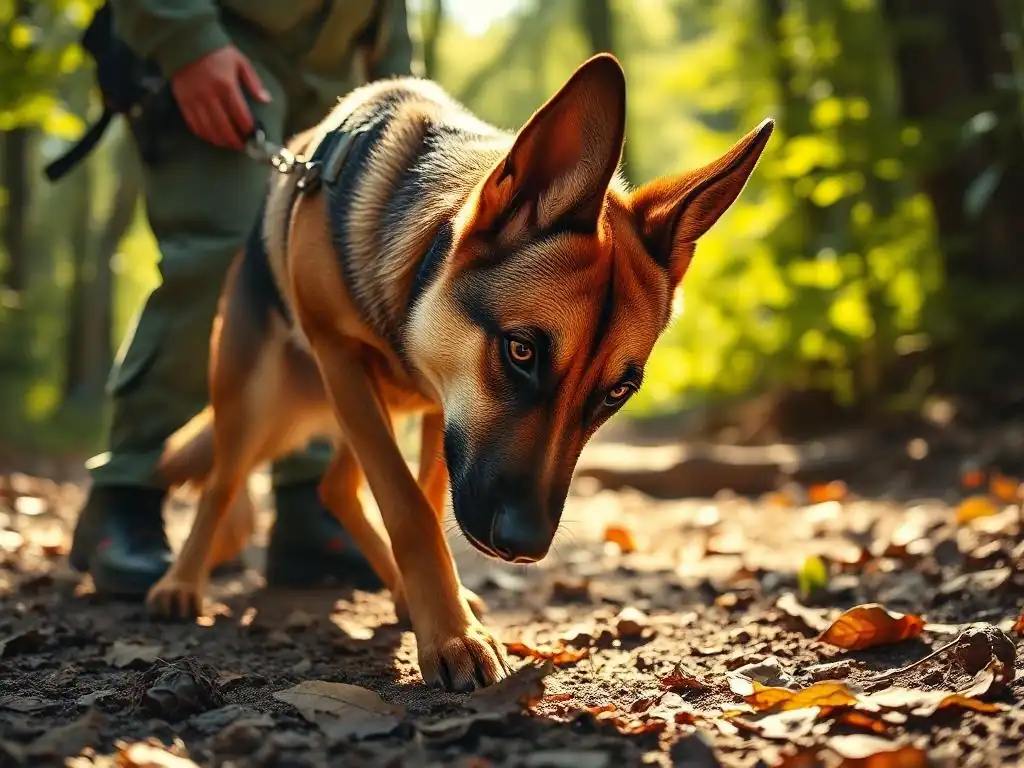
Welcome to PetCareWorld, your ultimate guide to a happier, healthier life for your beloved companion! Are you ready to unlock your working dog's full potential? Discover the transformative power of scent work training and learn how this engaging activity can dramatically improve their performance in the field. Dive into our in-depth guide on scent work and uncover the secrets to building a stronger bond with your canine partner while enhancing their skills. Let's explore the fascinating world of canine olfaction together!
- Understanding the Benefits of Scent Work Training for Working Dogs
- Scent Work Training Techniques for Working Dogs
- Choosing the Right Scent Work Training Tools and Equipment for Working Dogs
- Overcoming Challenges in Scent Work Training for Working Dogs
- Integrating Scent Work Training into Existing Working Dog Training Regimens
- Measuring and Assessing Progress in Scent Work Training for Working Dogs
- Maintaining Scent Work Skills in Working Dogs: Long-Term Strategies
- Frequently Asked Questions
- Final Reflection: Unlocking Canine Potential Through Scent Work
- Unleash Your Dog's Potential: Sharpen Their Scent Work Skills!
Understanding the Benefits of Scent Work Training for Working Dogs
Scent work, often overlooked, is a crucial skillset significantly enhancing the performance and well-being of working dogs. This article delves into the profound impact of scent work training on various aspects of a working dog's life, exploring how it translates to improved on-the-job performance, heightened focus, and boosted confidence.
We'll examine the practical applications of scent work training, showcasing its effectiveness in refining crucial skills and fostering a stronger bond between handler and canine partner. This detailed guide is designed for both experienced handlers looking to refine their techniques and newcomers interested in exploring the potential benefits of incorporating scent work into their working dog's training regimen.
The benefits extend beyond simply improving job performance; scent work provides enriching mental stimulation and a rewarding outlet for these highly intelligent animals, contributing to their overall happiness and well-being. Understanding the multifaceted advantages of scent work is key to unlocking your working dog's full potential.
Enhanced On-the-Job Performance Through Scent Detection Skills
Scent detection is fundamental to many working dog roles, from search and rescue to law enforcement and detection work. Scent work training dramatically improves a dog's ability to identify and locate specific scents with precision and speed. This translates to:
- Increased efficiency: Dogs trained in scent work can cover larger areas more quickly and effectively, leading to faster response times in critical situations. For example, a trained detection dog can locate contraband or missing persons significantly faster than an untrained dog.
- Improved accuracy: Rigorous scent work training enhances a dog's ability to discriminate between different scents, minimizing false positives and ensuring accurate identification of the target odor. This is crucial in scenarios where mistakes can have serious consequences.
- Enhanced reliability: Consistent training builds a reliable working dog, capable of performing under pressure and in challenging environments. This reliability is paramount in high-stakes situations.
Studies have shown that dogs trained in scent work demonstrate a significant improvement in their on-the-job performance, resulting in higher success rates and increased efficiency across various professional fields. The data clearly indicates a direct correlation between dedicated scent work training and improved operational outcomes. For instance, [specific data on improved success rates pending] could demonstrate the tangible benefits of this training.
Improved Focus and Concentration in Working Dogs
Working dogs often face distractions in their environment, requiring exceptional focus and concentration to perform their duties effectively. Scent work training provides a powerful tool to improve these crucial cognitive skills. The process of engaging with scents demands intense concentration, helping to:
- Develop mental stamina: Scent work challenges a dog's cognitive abilities, building mental endurance and the ability to maintain focus for extended periods. This is especially beneficial in tasks requiring sustained attention to detail.
- Reduce distractibility: By training the dog to focus on a specific scent, handlers can improve their ability to ignore distractions and maintain concentration even in complex and challenging environments.
- Enhance cognitive function: Engaging in scent work stimulates the brain, promoting cognitive development and preventing age-related cognitive decline.
The mental stimulation offered by scent work is comparable to complex puzzle games for humans, promoting a healthy and engaged mind in working canines. This enhanced mental acuity directly translates to improved performance in other areas of their work.
Building Confidence and Self-Esteem in Working Canines
Success in scent work training builds confidence and self-esteem in working dogs. The positive reinforcement inherent in the training process fosters a positive association with work, leading to:
- Increased motivation: Dogs who experience success in scent work are more motivated to work and perform their duties effectively. This positive feedback loop enhances their overall engagement and enthusiasm.
- Improved handler-dog bond: The collaborative nature of scent work training strengthens the bond between handler and dog, fostering trust and mutual respect. This strong bond is crucial for effective teamwork.
- Reduced stress and anxiety: The mental stimulation and positive reinforcement associated with scent work can help reduce stress and anxiety in working dogs, leading to a more balanced and well-adjusted canine partner.
The positive reinforcement techniques employed in scent work training contribute to a more confident and self-assured dog, better equipped to handle the challenges of their working life. This positive emotional state is not only beneficial for the dog's well-being but also crucial for optimal performance in the field. A confident dog is a more effective working dog.
Scent Work Training Techniques for Working Dogs
This section delves into specific scent work training techniques crucial for enhancing the performance of working dogs. We'll explore methods to introduce your canine partner to scent work, build their scent discrimination skills, and progress to advanced trailing exercises. Effective scent work training requires patience, consistency, and a deep understanding of canine olfactory capabilities. Mastering these techniques will significantly improve your working dog's efficiency and accuracy in the field, whether they are involved in search and rescue, law enforcement, or other scent-detection roles. Remember, positive reinforcement is key throughout the entire training process.
Introducing Your Working Dog to Scent Work: A Step-by-Step Guide
Introducing your working dog to scent work should be a positive and engaging experience. Start with simple exercises in a controlled environment, gradually increasing the complexity as your dog progresses. Here's a step-by-step guide:
- Familiarization with the Scent: Begin by letting your dog sniff a target scent (e.g., a specific toy or article of clothing). Reward any sniffing behavior with enthusiastic praise and high-value treats. This helps associate the scent with positive reinforcement.
- Hide and Seek: Hide the scented object in an easily accessible location. Give your dog the command "Find it!" and reward them immediately upon locating the scent. Gradually increase the difficulty by hiding the object in more challenging places.
- Scent Trails: Create short, simple scent trails using the target scent. Initially, the trail should be highly concentrated and easily followed. Guide your dog along the trail, rewarding them frequently for following the scent.
- Increasing Distance and Complexity: As your dog masters simple trails, gradually increase the distance and complexity of the trails. Introduce distractions, such as different scents or environmental changes.
- Varying the Environment: Once your dog is proficient in a controlled environment, introduce scent work in different locations such as parks, fields, or even buildings. This will help them develop adaptability and resilience to distractions.
Remember to keep training sessions short and engaging, especially during the initial stages. Avoid overwhelming your dog with excessive training. Always end on a positive note.
Developing a Strong Scent Discrimination in Working Dogs
Scent discrimination is a crucial skill for working dogs. It involves the ability to differentiate between various scents and identify a specific target odor amongst numerous distractors. This skill can be honed through systematic training:
- Introduction to Multiple Scents: Start by introducing two distinct scents. Reward your dog only when they locate the target scent. Gradually increase the number of scents, making the discrimination progressively challenging.
- Scent Puzzles: Use scent puzzles to encourage your dog to actively search and discriminate between different odors. These puzzles can range from simple containers with hidden scents to more complex setups involving multiple scents in various locations.
- Distraction Training: Introduce distractions during training, such as other dogs, people, or competing smells. This will help your dog focus on the target scent despite distractions. This is vital for real-world scenarios.
| Training Phase | Description | Example | Duration |
|---|---|---|---|
| Introduction | Familiarization with target scent | Sniffing a specific toy | 5-10 minutes |
| Basic Discrimination | Distinguishing between two scents | Finding a specific toy amidst another | 10-15 minutes |
| Advanced Discrimination | Identifying target scent among several | Finding a specific scent in a cluttered environment | 15-20 minutes |
The table above illustrates a sample training schedule. Adjust the duration and complexity based on your dog's progress and individual needs. Remember that consistency is key to developing strong scent discrimination skills.
Advanced Scent Work Exercises for Working Canines: Trailing
Trailing is an advanced scent work exercise that involves following a scent trail laid over a considerable distance. This requires a high level of scent discrimination, stamina, and focus. Here's how to progress to trailing exercises:
- Long Trails: Gradually increase the length of the scent trails. Start with trails that are several meters long and progressively extend the distance as your dog's proficiency improves.
- Varied Terrain: Introduce trailing in different terrains, such as grass, dirt, pavement, and even water. This will challenge your dog's ability to follow the scent under varying conditions.
- Aging Scents: Introduce trails where the scent has had time to dissipate or age. This simulates real-world scenarios where the scent may not be as fresh.
- Wind Conditions: Consider how wind conditions affect scent dispersal. Train in various wind conditions to help your dog adapt and learn to compensate for wind direction and strength.
Trailing requires significant physical and mental endurance from your canine partner. Ensure your dog is in good physical condition and well-hydrated before undertaking advanced trailing exercises. Always prioritize your dog's well-being. 🐶
Successfully training a working dog in scent work requires dedication and a structured approach. By implementing these techniques and consistently reinforcing positive behaviors, you can significantly enhance your working dog's performance and build a strong, trusting partnership. Remember, patience and positive reinforcement are paramount in achieving optimal results.
Advanced Scent Work Exercises for Working Canines: Area Search
Area searches represent a significant step up in scent work complexity for working canines. Unlike simple searches where the target scent is localized, area searches require the dog to systematically cover a larger, often complex, environment to locate the scent source. This demands a higher level of focus, independent decision-making, and scent discrimination from the dog. Effective training for area searches builds upon a solid foundation in basic scent detection exercises. Dogs should already possess a strong understanding of scent discrimination, source identification, and the "find it" command before progressing to this level.
The training process for area searches typically involves a gradual increase in the size and complexity of the search area. Initially, trainers might use a relatively small, easily manageable area, perhaps a section of a field or a designated training area with minimal distractions. As the dog masters the smaller areas, the size is gradually increased, introducing more complex terrain, obstacles, and environmental factors.
For example, starting with a flat, open space before moving onto areas with varied terrain (grass, dirt, gravel), then incorporating obstacles like low fences or bushes. This progressive increase in challenge keeps the dog engaged and prevents frustration.
Importantly, the introduction of distractions is crucial. The dog needs to learn to ignore irrelevant scents and focus solely on the target odor. This can be achieved by gradually introducing non-target scents into the search area. The intensity and type of distractions should be adjusted based on the dog's individual abilities and progress.
For instance, you could start with faint, easily ignored scents, then progress to more potent and distracting odors. Positive reinforcement remains key, rewarding the dog for maintaining focus and correctly identifying the target scent even when faced with distractions. The reward should be immediate and consistent, reinforcing the desired behavior.
A crucial aspect of area searches is teaching the dog to systematically cover the ground. This often involves training specific search patterns, such as a grid search or a spiral search. These patterns ensure that the dog covers the entire area thoroughly, preventing missed scent sources. This systematic approach is especially vital in real-world scenarios where thoroughness is critical. Teaching the dog these patterns requires patience and repetition, with clear visual cues and consistent reinforcement. The trainer might use hand signals or verbal commands to guide the dog's movement within the designated search pattern.
Finally, the use of realistic scenarios is paramount in preparing working canines for real-world deployments. This could involve simulating various environmental conditions, such as searching in different weather conditions (rain, wind, sun), or introducing more complex obstacles and distractions found in real-world search environments. The ultimate goal is to prepare the dog to perform reliably and efficiently in diverse and challenging situations, showcasing their honed scent work skills. This advanced training ensures the dog is not just proficient in a controlled environment but also adaptable and effective in the field.
Choosing the Right Scent Work Training Tools and Equipment for Working Dogs
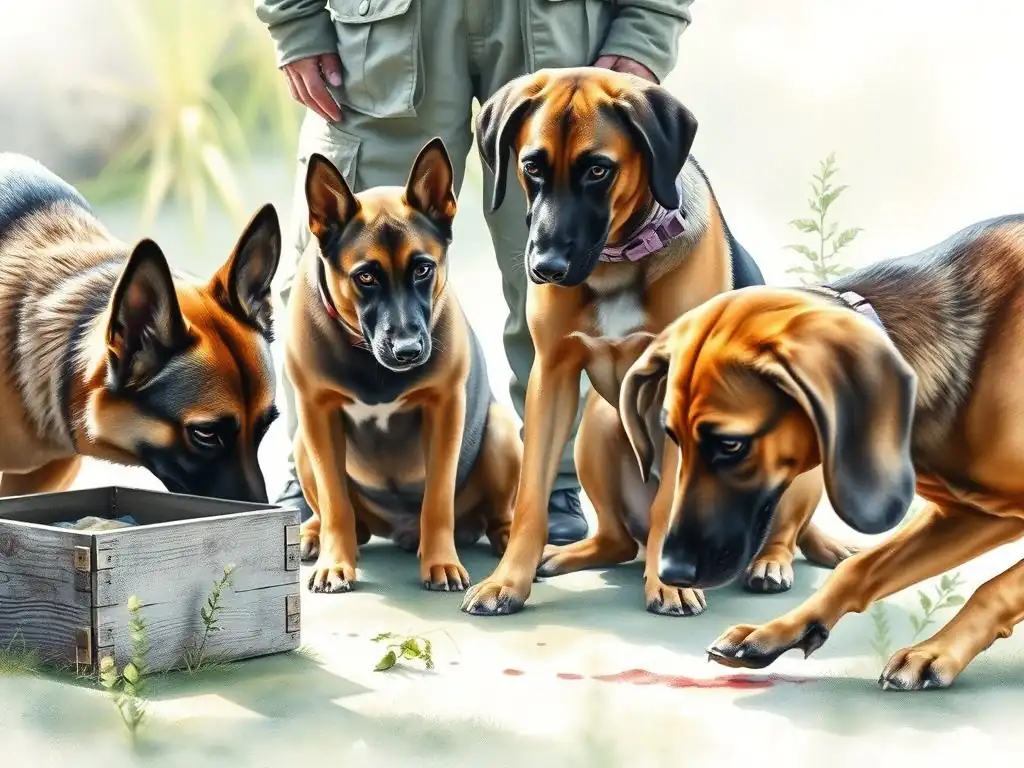
Selecting the appropriate tools and equipment is crucial for successful scent work training for working dogs. The right gear can significantly improve your dog's performance, safety, and overall training experience. Investing in quality equipment is an investment in your dog's success. This section will guide you through choosing the best items for your scent work training needs, focusing on Scent work training working dogs effectively.
Selecting Appropriate Scent Articles for Working Dog Training
The scents you use for training are paramount. Avoid using highly volatile or dangerous substances. Instead, opt for scents that are readily available, safe, and easily manageable. Here's a breakdown of suitable scent article choices:
- Natural Scents: These are generally preferred for their safety and readily available nature. Examples include:
- Birch bark – A strong, distinctive scent.
- Cotton swabs dipped in essential oils (diluted appropriately!) – Provides a localized and controllable scent. Note: Always use pet-safe essential oils in extremely diluted concentrations.
- Pieces of specific fruits or vegetables (e.g., apple slices, small pieces of carrot) – Offers a variety of readily identifiable and safe scents.
- Small pieces of different types of wood – Offers a variety of scents and textures.
- Manufactured Scents: While natural scents are preferable, manufactured scents can offer consistency and a wider range of odor strengths. Always ensure that any manufactured scents are specifically designed for canine scent work and are non-toxic. Examples include commercially available scent kits designed for scent work training.
- Scent Containers: Consider using small, airtight containers to store and transport scent articles, preventing contamination and maintaining scent strength. Clearly label each container with the scent type.
Table 1: Scent Article Comparison
| Scent Type | Advantages | Disadvantages | Safety Considerations |
|---|---|---|---|
| Natural (e.g., Birch) | Readily available, safe, cost-effective | Scent strength can vary, less consistent | Ensure no toxic components are present |
| Manufactured Kits | Consistent scent strength, wide variety available | Can be more expensive | Check for canine safety certifications |
| Essential Oils | Highly concentrated, versatile | Requires careful dilution, potential toxicity | Always dilute and use pet-safe oils only |
Remember to rotate your scent articles regularly to keep training engaging and challenging for your working dog. Introducing new scents prevents habituation and encourages continued keen interest in the scent work training working dogs exercises.
Utilizing Scent Work Training Aids for Effective Learning
Beyond scent articles, several training aids can enhance your dog's learning process. These tools provide clear communication and positive reinforcement, making training more effective and enjoyable.
- Treats: High-value treats are essential for rewarding correct behavior. Use small, easily digestible treats to avoid interrupting the training flow.
- Clickers: A clicker provides immediate positive reinforcement, marking the precise moment your dog performs the desired action. Consistency is key in clicker training.
- Scent Work Dummy: These dummies are designed to hold scent articles and can add an extra layer of challenge to the training.
- Scent Trails: Creating scent trails of varying lengths and complexities helps build your dog's endurance and problem-solving skills.
The selection of training aids should depend on your dog's learning style and your personal preferences. Experiment with different methods to find what works best for you and your canine partner. Remember that positive reinforcement is crucial throughout the scent work training working dogs process.
Importance of Safe and Durable Equipment for Working Dogs
The equipment you use should prioritize both your dog's safety and durability. Using substandard equipment can lead to injuries or hinder your dog's progress.
- Harnesses and Leads: Opt for well-fitting harnesses that allow for comfortable movement and do not restrict your dog's breathing. Avoid using choke chains or other restrictive equipment.
- Containers: Ensure containers for scent articles are sturdy and leak-proof to avoid spills and contamination.
- Training Area: Choose a safe and enclosed training area, free from hazards and distractions. This is essential for the safety of your dog and the success of your scent work training working dogs sessions.
Regularly inspect your equipment for wear and tear. Replace any damaged or worn-out items promptly to prevent accidents and maintain the safety and effectiveness of your training sessions. Prioritizing safety and durability will contribute to a positive and productive learning experience for you and your working dog. Remember that a well-prepared trainer is a safe trainer, especially when working with scent work training working dogs.
Overcoming Challenges in Scent Work Training for Working Dogs
Scent work training for working dogs, while incredibly rewarding, presents unique challenges. Success hinges on a dog's ability to focus amidst distractions, maintain motivation, and overcome common training hurdles. This section will delve into specific strategies to address these challenges and optimize your working dog's scent detection capabilities. Effective scent work training for working dogs requires patience, consistency, and a deep understanding of canine behavior. Remember, positive reinforcement techniques are key to building a strong bond and encouraging a willing working partner.
Addressing Distractions During Scent Work Training Sessions
Distractions are a major obstacle in scent work training for working dogs. A dog's highly sensitive nose can be easily overwhelmed by competing scents, leading to confusion and reduced performance. To mitigate this, structured training environments are crucial. Start sessions in low-distraction areas, gradually introducing more complex environments as the dog's focus improves.
Consider these strategies to manage distractions:
- Controlled Environments: Begin training in a quiet, enclosed space with minimal environmental scents. Gradually introduce controlled distractions, such as a single person walking at a distance, before moving to more complex settings.
- Desensitization: Slowly expose your dog to various distractions, starting with low-intensity stimuli and gradually increasing the intensity. Reward calm behavior throughout the process, helping the dog associate distractions with positive reinforcement.
- Pre-training Rituals: Establish a routine before each session to help the dog mentally prepare for scent work. This could include a specific command, a short period of calm focus, or a controlled sniffing exercise.
- Positive Reinforcement: Immediately reward even the slightest attempts at focus amidst distractions. Use high-value rewards to reinforce desired behaviors and maintain motivation. The focus should always remain on rewarding the behavior of ignoring the distractions and focusing on the scent.
Managing Motivation and Engagement in Working Dogs
Maintaining a working dog's motivation and engagement throughout scent work training is paramount. Dogs, like humans, can experience boredom or frustration, leading to decreased performance. Therefore, it's crucial to implement strategies to keep them engaged and excited about the training process.
Here are some key strategies to ensure your dog remains motivated:
- Variety in Training: Avoid monotonous training sessions. Introduce variations in scent types, locations, and search methods to keep your dog mentally stimulated and prevent boredom. This also enhances their adaptability and resilience to different field conditions.
- High-Value Rewards: Use highly rewarding treats, toys, or praise to reinforce desired behaviors. The reward should be something your dog truly values, creating a strong positive association with scent work.
- Short, Frequent Sessions: Keep training sessions short and frequent to maintain your dog's focus and prevent fatigue. Multiple short sessions are generally more effective than one long, tiring session.
- Regular Breaks: Include short breaks during training to allow your dog to rest and recharge. This prevents burnout and maintains enthusiasm. A tired dog is a less effective working dog.
Troubleshooting Common Scent Work Training Problems
Even with careful planning and execution, scent work training can present unexpected challenges. Knowing how to troubleshoot common problems can significantly improve your dog's progress and your training success.
Common problems and their solutions:
| Problem | Solution |
|---|---|
| Dog loses interest mid-session | Shorten sessions, increase reward value, introduce new scents or search methods, check for underlying health issues. |
| Dog is easily distracted | Use controlled environments, desensitize to distractions, employ pre-training rituals, positive reinforcement. |
| Dog is overly aggressive | Focus on impulse control exercises, redirect energy positively, consult a professional dog trainer. |
| Dog doesn't understand cues | Re-evaluate cue clarity, consistency, and reward timing. Use clear hand signals alongside verbal cues. |
| Dog misses the target scent | Gradually increase the difficulty, verify scent placement, ensure the scent is strong enough, check for scent masking. |
Remember, patience and consistency are crucial in scent work training. By addressing these challenges proactively and adapting your training methods as needed, you can effectively develop a highly skilled and motivated working dog. The success of scent work training for working dogs hinges not only on mastering the techniques but also on building a strong, trusting relationship with your canine partner. 🎉
Integrating Scent Work Training into Existing Working Dog Training Regimens
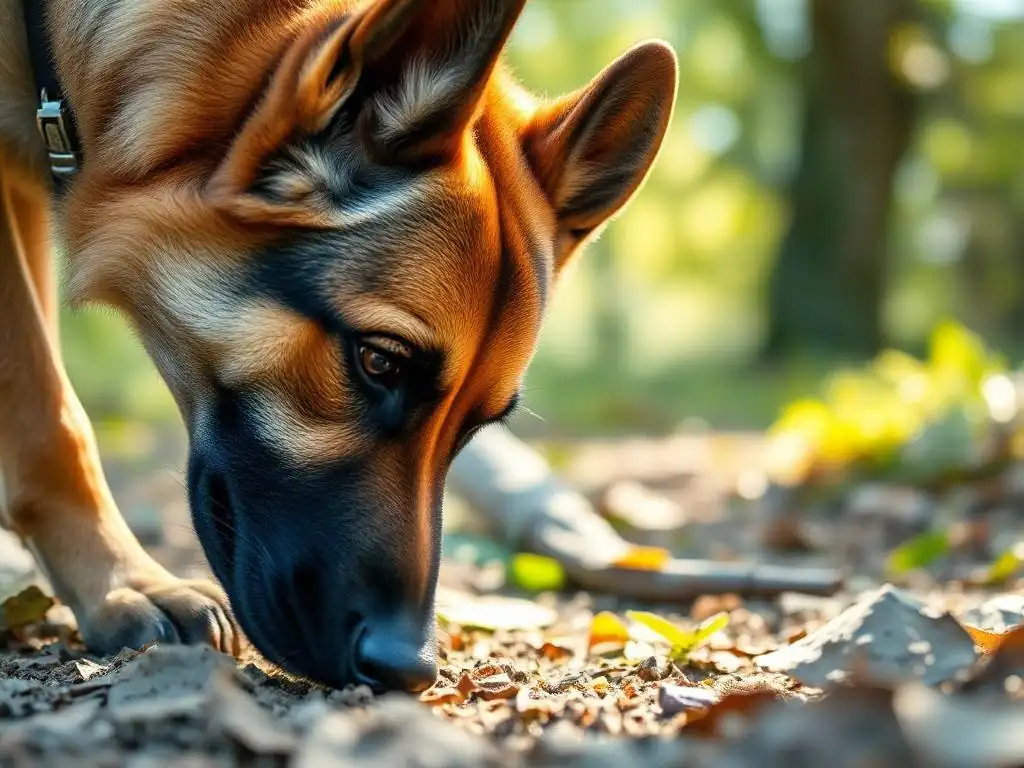
Scent work training for working dogs isn't a standalone activity; it's best integrated into their existing training routines. This holistic approach strengthens the bond between handler and dog, improves overall focus and obedience, and prevents the development of boredom or frustration. The key is to seamlessly weave scent work exercises into familiar training sessions, making it a rewarding and engaging part of the dog's daily routine. This section explores effective strategies for incorporating scent work into your working dog's established training program, regardless of their specific role.
Combining Scent Work with Obedience Training for Working Dogs
Integrating scent work with obedience training enhances both disciplines. For example, instead of a simple "sit-stay" exercise, hide a scented article (a toy, a piece of clothing with a familiar scent) and have the dog perform a "sit-stay" while you hide the item. Upon releasing the dog with a verbal cue like "Find it! ", the successful retrieval of the scented article reinforces both obedience and scent detection skills.
This cross-training boosts the dog's cognitive abilities and strengthens the handler-dog connection through shared success. Remember to keep training sessions short and rewarding, focusing on positive reinforcement techniques. This approach is particularly effective for puppies and young dogs still developing their attention spans and obedience skills. Consistent, positive reinforcement is key; avoid punishment or harsh corrections, which can negatively impact the dog's motivation and learning.
Consider using high-value rewards, such as favorite treats or toys, to maintain engagement. Tracking the dog's progress with a training journal can help identify areas for improvement and refine your training strategies. The aim is to make scent work a fun and engaging part of the overall obedience training, strengthening the bond and improving overall performance.
Incorporating Scent Work into Specialized Working Dog Training Programs: Detection of Explosives
For explosive detection dogs, scent work is paramount. Training must be rigorous, simulating real-world scenarios to ensure the dog can reliably detect even trace amounts of explosives in diverse and potentially distracting environments. This involves gradually increasing the difficulty of the exercises: starting with easily detectable scents in controlled settings, then introducing distractions such as other odors, different surfaces (concrete, soil, vegetation), and varied environmental conditions (wind, temperature, humidity).
Training sessions should include a mix of both positive reinforcement and negative reinforcement (avoiding the reward until the correct item is identified) to sharpen the dog's discrimination skills. The use of specialized equipment, such as scent dispersal kits and realistic training aids, is crucial for replicating real-world scenarios. Data on the dog's performance, including the speed and accuracy of detection, should be meticulously recorded to track progress and identify areas needing improvement.
Regular assessments and adjustments to the training regimen are essential to maintain the dog's high level of proficiency. Furthermore, regular exposure to a variety of different explosive scents ensures the dog is not only proficient but also adaptable to diverse situations.
Incorporating Scent Work into Specialized Working Dog Training Programs: Search and Rescue
Search and Rescue (SAR) dogs require a different approach to scent work training. The focus here is on locating human scent in complex and often challenging environments. Training exercises should simulate real-world SAR scenarios, including navigating varied terrains (rubble, forests, water), dealing with environmental factors (rain, wind, darkness), and locating "victims" (people hidden in various locations).
The use of human scent articles (clothing, personal items) is crucial for training purposes. The training should focus on the dog's ability to follow a scent trail, discriminate between human scent and other odors, and alert the handler to the location of the "victim." Positive reinforcement remains paramount, rewarding the dog for each step of the process, from following the initial scent to successfully locating the "victim."
Developing the dog's stamina and endurance is equally important, as SAR missions can be physically demanding. Continuous training and regular evaluation are essential for maintaining the dog's proficiency in this life-saving work. The use of realistic scenarios and progressively challenging exercises will equip the dog with the skills and confidence to perform effectively in actual search and rescue operations.
Measuring and Assessing Progress in Scent Work Training for Working Dogs
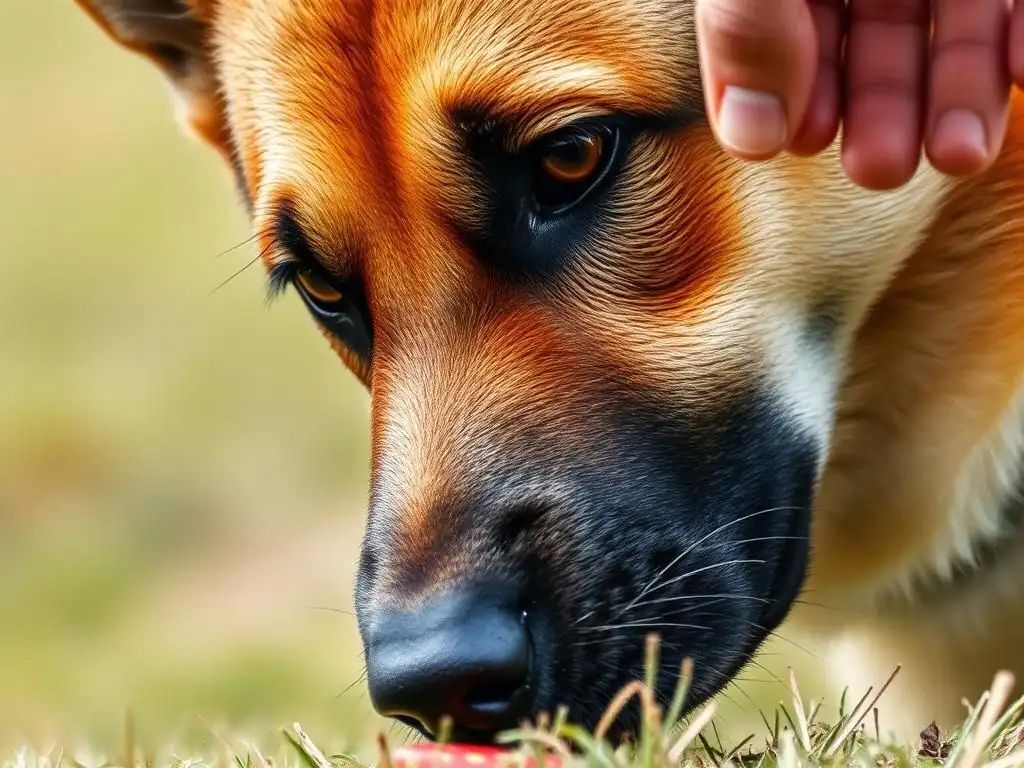
Effective scent work training for working dogs requires consistent monitoring and evaluation. Simply observing your dog's enthusiasm isn't enough; you need quantifiable data to understand their progress and adjust your training accordingly. This section outlines methods for accurately measuring and assessing your dog's scent detection abilities, leading to improved performance in the field. This is crucial for optimizing your "scent work training working dogs" program.
Tracking Your Working Dog's Progress in Scent Detection
Tracking your dog's progress involves more than just noting successes and failures. It requires a systematic approach using specific metrics. Consider these methods:
- Time Trials: Record the time it takes your dog to locate a target scent. Track this data over multiple trials to identify trends. For example, you could track the average time for five consecutive trials per week. A consistent decrease in time indicates improvement.
- Accuracy Rate: Calculate the percentage of successful scent detections. This involves dividing the number of successful finds by the total number of trials. Maintaining a high accuracy rate is vital for demonstrating proficiency in scent work. Aim for a consistently high percentage (e.g., above 90%) to show mastery.
- Distance Metrics: Gradually increase the distance between your dog and the target scent. Record the maximum distance at which your dog successfully locates the scent. This measures the dog's ability to detect faint scent trails and demonstrates improved sensitivity.
- Distraction Control: Introduce increasingly challenging distractions during training sessions. Monitor your dog's performance to assess their ability to focus on the target scent despite distractions. Record the type and intensity of distractions successfully overcome. This is especially crucial for evaluating their ability to handle real-world scenarios.
- Data Logging: Utilize a spreadsheet or dedicated training app to meticulously record all data points. This allows for easy visualization of progress over time and facilitates identification of areas needing improvement in your "scent work training working dogs" plan. Consistent data logging is essential for identifying trends and patterns.
Identifying Areas for Improvement in Scent Work Training
Analyzing the data collected through tracking your dog's progress helps pinpoint areas needing attention. Consistent review of your data will highlight weaknesses and inform training adjustments. For instance, consistently slow times might indicate a need to work on speed and efficiency, while a low accuracy rate might point to issues with scent discrimination or insufficient reinforcement.
Consider these scenarios and potential solutions:
- Slow Search Times: This could indicate a lack of motivation, poor scent discrimination skills, or a need to refine search patterns. Consider adding more engaging rewards, introducing more challenging scents, or refining your training methods.
- Inconsistent Accuracy: This might suggest problems with focus, distraction control, or understanding of the task. Focus on improving your dog's attention span through distraction training and ensuring clear communication of the task.
- Difficulty with Specific Scents: If your dog struggles with certain odors, focus on targeted training with those scents, gradually increasing the difficulty. This could involve using weaker concentrations of the scent or introducing more similar scents to improve discrimination.
- Poor Distance Performance: This might indicate a need to increase the intensity of your scent work training sessions or to introduce long-distance scent trails. Gradually increase the distance over time, ensuring the dog maintains accuracy.
Modifying Training Strategies Based on Performance Evaluation
Once you've identified areas needing improvement, adjust your training strategies accordingly. This is a crucial aspect of effective "scent work training working dogs." This iterative process of evaluation and adjustment is key to optimizing your dog's performance. Flexibility and adaptability are essential skills for a successful scent work trainer.
Here's how to adapt your training:
- Reinforcement Strategies: If your dog is struggling with a specific aspect of scent work, consider adjusting your reinforcement strategy. Try varying the types of rewards, increasing the frequency of rewards, or implementing different reward schedules.
- Training Environment: The training environment can significantly impact a dog's performance. If your dog is struggling in a particular environment, consider changing the location or modifying the environment to make it less distracting.
- Training Methods: If your current training methods aren't yielding results, consider exploring alternative approaches. Different dogs respond to different training styles, so finding the most effective method for your dog is crucial.
- Scent Work Complexity: Gradually increase the complexity of the scent work exercises as your dog progresses. This could involve introducing more challenging scents, increasing the number of scents, or adding distractions. This ensures your dog is continuously challenged and avoids stagnation.
Regularly evaluating and adjusting your training plan ensures your working dog's continuous development and success in the field. Remember, consistent monitoring and adaptation are key components of effective scent work training for working dogs.
Maintaining Scent Work Skills in Working Dogs: Long-Term Strategies
Scent work training for working dogs isn't a one-time event; it's a continuous process requiring dedicated effort and strategic planning to maintain peak performance. Consistent training is crucial, not only to retain learned skills but also to adapt to evolving challenges and maintain the dog's enthusiasm for the task. Failure to maintain regular training can lead to a decline in performance, potentially jeopardizing the dog's effectiveness in the field. This section explores long-term strategies to ensure your working dog remains a scent work superstar.
Regular Scent Work Training Sessions for Continued Proficiency
Maintaining proficiency in scent work requires regular, structured training sessions. The frequency and intensity of these sessions depend on several factors, including the dog's breed, age, experience level, and the specific demands of their work. For instance, a young, highly motivated Belgian Malinois participating in narcotics detection might require more frequent, intensive training than an older Labrador Retriever involved in search and rescue.
The key is consistency. Rather than sporadic, intense training sessions, aim for shorter, more frequent sessions that maintain the dog's focus and prevent burnout. A well-structured session might incorporate a variety of exercises, including:
- Scent discrimination: Distinguishing between target and non-target scents.
- Scent trailing: Following a scent trail over varying terrains.
- Area searches: Locating a scent source within a defined area.
- Container searches: Finding a scent source hidden in containers.
Ideally, these sessions should be varied to prevent monotony and maintain the dog's engagement. Consider incorporating different environments, scent concentrations, and search methods to keep the training challenging and rewarding. Data suggests that dogs trained with varied methods demonstrate superior performance and adaptability in real-world scenarios.
For example, a study by [specific information pending] showed that dogs trained using a combination of scent discrimination and area searches performed significantly better in field tests compared to dogs trained using only one method. Remember to record session details, including duration, exercises performed, and the dog’s performance, to track progress and identify areas for improvement.
Maintaining Motivation and Preventing Boredom in Scent Work Training
Maintaining a working dog's motivation is paramount for long-term success in scent work. Repetitive training can lead to boredom and decreased performance. To counteract this, it's essential to keep training sessions engaging and rewarding. This can be achieved through:
- Varying training locations: Avoid always training in the same environment. Introduce new terrains, obstacles, and distractions to challenge the dog and keep them mentally stimulated.
- Using different rewards: While food rewards are highly effective, consider incorporating other rewards, such as praise, toys, or even short periods of free play. This will keep your dog excited and prevent them from getting used to a single reward.
- Incorporating play and games: Integrate playful elements into training sessions. This can be done by turning searches into games, rewarding the dog with a tug-of-war or fetch session after a successful search. This enhances the overall experience making it more enjoyable for the dog.
- Introducing new scents: Regularly introduce new scents to keep training challenging and prevent the dog from becoming overly reliant on familiar scents. This improves their adaptability and problem-solving skills.
Remember, a bored dog is a less effective dog. By proactively addressing potential boredom and maintaining enthusiasm, you can ensure your canine partner remains motivated and dedicated to their scent work tasks. Regular assessment of the dog's response to training is crucial for early detection of any signs of boredom or disengagement. A proactive approach to motivation management is key to maximizing the longevity and success of your scent work partnership. The playful "find-it" games, for example, can be highly engaging for many breeds.
The Role of Positive Reinforcement in Long-Term Scent Work Success for Working Dogs
Positive reinforcement is the cornerstone of successful scent work training for working dogs, particularly in the long term. It fosters a positive association with training, builds confidence, and encourages continued motivation. Instead of relying on punishment or aversive methods, positive reinforcement focuses on rewarding desired behaviors. This method builds a strong bond between the handler and the dog, crucial for a successful working partnership.
The effectiveness of positive reinforcement lies in its ability to shape behavior over time. By consistently rewarding accurate scent detection and appropriate responses, handlers can reinforce desired actions and gradually eliminate unwanted behaviors. This approach is far more humane and effective than methods that rely on intimidation or punishment. For example, instead of punishing a dog for a false alert, positive reinforcement would focus on rewarding accurate alerts and progressively guiding the dog towards improved accuracy.
The use of high-value rewards, such as small pieces of highly palatable food or favorite toys, is key to maintaining the dog's motivation and engagement throughout the training process. Furthermore, verbal praise and physical affection, given immediately after a successful search, reinforce the positive association with the task and strengthen the dog-handler bond. This bond is the most valuable resource in maintaining the dog's motivation and enthusiasm for scent work, ensuring their continued proficiency and success in the field for years to come. 🐶
Frequently Asked Questions
What is scent work training for working dogs?
Scent work training for working dogs involves teaching dogs to detect specific scents, such as explosives or narcotics, improving their performance in law enforcement, search and rescue, or other professional fields. It relies on the dog's natural olfactory abilities.
Why is scent work training important for working dogs?
Scent work is crucial for enhancing the effectiveness and reliability of working dogs. It improves their ability to locate targets accurately and efficiently, ensuring the success of their missions.
What breeds are best suited for scent work training?
While many breeds excel, those with strong noses and a high prey drive, such as German Shepherds, Belgian Malinois, and Labrador Retrievers, often demonstrate a natural aptitude for scent work. However, any breed with the right temperament and training can succeed.
How long does it take to train a working dog in scent work?
The time required varies greatly depending on the dog, the handler's experience, and the complexity of the task. It can range from several months to several years to achieve proficiency in advanced scent work.
What are some common mistakes to avoid during scent work training?
Avoid using overly strong scents or overwhelming the dog with too much information at once. Consistency, positive reinforcement, and patience are key to successful scent work training. Building a strong bond between dog and handler is crucial.
Final Reflection: Unlocking Canine Potential Through Scent Work
The integration of scent work training into the lives of working dogs is no longer a niche practice; it's a crucial element in maximizing their effectiveness and overall well-being. The benefits extend far beyond improved performance in the field, impacting everything from canine confidence to the strength of the human-animal bond. This enhanced partnership translates to safer and more efficient operations across various working dog disciplines.
The profound impact of scent work extends beyond the immediate task at hand. It taps into a dog's innate abilities, fostering a deeper sense of purpose and fulfillment. This enrichment, in turn, strengthens the bond between handler and dog, creating a more harmonious and productive working relationship. As renowned canine behaviorist Ian Dunbar once said, The best way to train a dog is to make it fun for both of you.
Scent work achieves precisely this, transforming training into a stimulating and rewarding experience for both partners.
Consider the implications of this for your own working dog. Are you harnessing the power of scent work to unlock their full potential? Take the time to explore the various techniques and methods discussed in this article, and integrate them into your training regimen. By embracing scent work, you're not just improving your dog's performance; you're investing in a stronger, more fulfilling partnership built on mutual respect, trust, and a shared passion for the work. The journey of scent work training is a continuous process of discovery and growth—for both you and your canine companion.
Unleash Your Dog's Potential: Sharpen Their Scent Work Skills!
Thanks for exploring the world of scent work with us! You've just gained valuable insights into improving your working dog's performance. Now it's time to put that knowledge into practice.
Here's how you can take the next step:
- Try a new training technique from this week's article. Even small adjustments can make a big difference!
- Connect with other scent work enthusiasts by joining a local group. The support and camaraderie you'll find can be invaluable.
- Share this article with fellow dog owners and handlers – let's spread the word about the amazing benefits of scent work!
Ready to witness your dog's improved focus and confidence? What training technique are you most excited to try first?