
Clicker Training for Problem Behaviors: Addressing Unwanted Actions in Birds

Welcome to PetCareWorld, your ultimate guide to a happier, healthier life for your beloved companions! Are you struggling with unwanted behaviors in your feathered friend? Discover how clicker training can transform your bird's behavior and strengthen your bond. Dive into our expert guide on "Clicker Training for Problem Behaviors: Addressing Unwanted Actions in Birds" and unlock the secrets to a more harmonious relationship with your avian companion. Let's embark on this journey towards a better understanding of your bird's needs together!
- Understanding Your Bird's Problem Behaviors
- Introducing Clicker Training for Birds
- Implementing Clicker Training to Modify Problem Behaviors
- Shaping Desired Behaviors Through Positive Reinforcement: A Detailed Explanation
- Advanced Clicker Training Techniques for Birds
- Troubleshooting Common Clicker Training Challenges
- Maintaining Positive Bird Behavior After Training
-
Frequently Asked Questions
- What is clicker training, and how does it work for birds?
- Is clicker training suitable for all types of birds?
- What are some common problem behaviors in birds that can be addressed with clicker training?
- How long does it typically take to see results from clicker training a bird?
- What are some essential supplies needed for clicker training my bird?
- Final Reflection: Unlocking Avian Potential Through Clicker Training
- Unlock Your Bird's Potential: Start Clicker Training Today!
Understanding Your Bird's Problem Behaviors
Clicker training offers a humane and effective method for addressing unwanted behaviors in birds. This comprehensive guide will explore how to identify, understand, and ultimately modify problem behaviors in your feathered friend using positive reinforcement techniques. We'll delve into common issues, explore potential root causes, and equip you with the knowledge to implement a successful clicker training program. Mastering clicker training for problem bird behavior requires patience, consistency, and a deep understanding of avian psychology.
This article will serve as your roadmap to navigating these challenges and fostering a stronger, more harmonious bond with your pet bird. Remember, addressing problematic behaviors isn't just about correcting the unwanted action; it's about understanding the underlying reasons and providing your bird with the tools and environment they need to thrive. This approach ensures a happier, healthier bird and a more enriching experience for both you and your avian companion.
Identifying Unwanted Behaviors in Birds: A Comprehensive Guide
Before you can begin clicker training to address problem behaviors, you need a clear understanding of what those behaviors actually are. This involves careful observation and detailed record-keeping. What might seem like a minor annoyance could be a symptom of a larger issue. For example, excessive preening might indicate feather plucking, a serious behavioral problem. Similarly, frequent biting, while seemingly aggressive, could stem from fear or lack of socialization.
To effectively identify unwanted behaviors, consider the following steps:
- Detailed Observation: Keep a detailed journal noting the frequency, duration, and context of each unwanted behavior. Note the time of day, what your bird was doing before the behavior occurred, and what triggered it (if applicable). For example: "10:00 AM - Coco (bird's name) began screaming loudly after I left the room for 5 minutes."
- Frequency and Intensity: How often does the behavior occur? Is it a daily occurrence, or only occasional? Is the behavior mild or severe? This helps determine the urgency of intervention.
- Environmental Factors: Are there specific environmental triggers? Loud noises, changes in routine, or interactions with other pets can all influence behavior.
- Physical Examination: Rule out any underlying medical issues that could be contributing to the problem behavior. A veterinary check-up is crucial.
Common Problem Behaviors in Pet Birds: Feather Plucking, Biting, Screaming
Several common problem behaviors plague pet birds. Understanding these behaviors is the first step towards addressing them effectively through clicker training. Here are some of the most frequently encountered challenges:
| Behavior | Description | Potential Causes |
|---|---|---|
| Feather Plucking | Self-mutilation involving the plucking or chewing of feathers. | Stress, boredom, hormonal imbalances, medical conditions, nutritional deficiencies |
| Biting | Aggressive or defensive biting. | Fear, lack of socialization, territoriality, hormonal changes |
| Screaming | Excessive or inappropriate vocalizations. | Attention-seeking, fear, frustration, pain |
| Aggression | Physical attacks towards humans or other pets. | Fear, territoriality, hormonal imbalances, lack of trust |
| Destructive Chewing | Chewing on furniture, cages, or other household items. | Boredom, lack of enrichment, teething (in younger birds) |
Understanding the nuances of each behavior is crucial for tailoring your clicker training approach. For example, feather plucking might require addressing underlying stress through environmental enrichment, while screaming could benefit from establishing clear communication boundaries.
Determining the Root Cause of Problem Behaviors: Underlying Medical or Psychological Issues
Before implementing any clicker training program, it's essential to rule out any underlying medical or psychological issues that could be contributing to the problem behavior. Many behavioral problems stem from underlying health concerns or unmet psychological needs.
- Veterinary Check-up: A thorough veterinary examination is crucial to identify and treat any medical conditions that might be causing or exacerbating the behavior. This could include hormonal imbalances, infections, nutritional deficiencies, or pain.
- Psychological Assessment: Consider factors like stress, boredom, lack of socialization, or inadequate environmental enrichment. A lack of appropriate toys, insufficient interaction, or a stressful living environment can all contribute to problem behaviors. A qualified avian veterinarian or avian behaviorist can provide a more comprehensive assessment.
- Environmental Factors: Evaluate the bird's cage size, location, and enrichment. A cramped cage, lack of toys, or exposure to stressful stimuli can all trigger behavioral problems.
Addressing the root cause is paramount for long-term success in modifying problem behaviors. Clicker training is most effective when used in conjunction with a holistic approach that considers both the physical and psychological well-being of your bird.
Introducing Clicker Training for Birds
This section delves into the specifics of applying clicker training to address problem behaviors in birds. We'll move beyond the general principles and focus on the nuances of training avian companions, considering their unique cognitive abilities and communication styles. Remember, patience and consistency are key to success in clicker training, regardless of the species. This method offers a humane and effective approach to modifying unwanted behaviors in your feathered friend. Understanding your bird's body language and individual personality will significantly improve your training outcomes. We will explore practical techniques and strategies tailored to the specific challenges you might encounter.
What is Clicker Training? A Beginner's Guide
Clicker training uses a simple, positive reinforcement method. The core components are a clicker (a small handheld device that makes a sharp, distinct clicking sound), and a high-value reward. The clicker acts as a marker, signaling the exact moment your bird performs the desired behavior. Immediately following the click, you provide the reward, creating a positive association between the action and the reward. This precise timing is crucial for effective learning.
For birds, suitable rewards might include small pieces of their favorite fruits (e.g., berries, apple slices), vegetables (e.g., cooked sweet potato, broccoli florets), or even a small amount of their formulated pellet food. It's essential to use rewards that are highly motivating for your individual bird. Experiment to determine what your bird finds most rewarding. Avoid using treats that are messy or could be a choking hazard.
The training process begins with associating the clicker sound with the reward. Click the clicker, and immediately give the reward. Repeat this several times until your bird anticipates the reward after hearing the click. This process establishes the clicker as a positive predictor of a reward. Once this association is made, you can begin shaping desired behaviors.
The Benefits of Clicker Training for Problem Bird Behaviors
Clicker training offers several advantages over traditional punishment-based methods for addressing problem behaviors in birds. Firstly, it's incredibly humane. It focuses on rewarding desired behaviors rather than punishing unwanted ones, fostering a stronger bond between you and your bird. This positive approach reduces stress and anxiety, leading to a happier, more well-adjusted bird.
Secondly, it's highly effective for a wide range of problem behaviors. Whether you're dealing with excessive biting, feather plucking, screaming, or destructive chewing, clicker training can provide a structured approach to modifying these behaviors. By breaking down complex behaviors into smaller, manageable steps, you can gradually shape your bird's actions towards more desirable alternatives.
Thirdly, it's incredibly versatile and adaptable. You can use clicker training to teach your bird a variety of tricks and commands, further strengthening your bond and providing mental enrichment. This enrichment can be particularly beneficial in preventing boredom-related problem behaviors. Studies have shown a correlation between enriched environments and reduced instances of self-destructive behaviors in captive birds. For example, a bird prone to feather plucking might find its behavior reduced through the engagement and positive reinforcement provided by clicker training.
Choosing the Right Clicker and Rewards for Your Bird
Selecting the appropriate clicker and rewards is crucial for successful clicker training. The clicker itself should be lightweight, easy to handle, and produce a clear, distinct click. Avoid clickers that are too loud or have a muffled sound, as these may startle your bird. Many pet supply stores offer a variety of clickers designed specifically for animal training.
Regarding rewards, the key is to find something your bird absolutely loves. This will vary greatly depending on the individual bird. Experiment with different options to determine what motivates your bird the most. Consider offering a small variety of treats to keep your bird engaged and prevent them from becoming bored with a single reward. Remember to monitor your bird's weight and adjust the amount of treats accordingly to avoid obesity. Maintain a balanced diet for your bird, incorporating the training treats as a supplement, not a replacement, for their regular food.
Below is a sample table to help you organize your reward options:
| Reward Type | Example | Considerations |
|---|---|---|
| Fruits | Berries, apple slices | Small pieces, avoid seeds and pits |
| Vegetables | Cooked sweet potato | Ensure they are cooked and soft enough |
| Pellets | Formulated bird food | Only a small amount as part of the reward |
| Sprinkles | Millet spray | Use sparingly due to high fat content |
Remember that consistency is key. Use the same clicker and a limited selection of highly valued rewards consistently throughout your training sessions. This will help your bird understand the association and make the learning process smoother and more effective. 🎉
Implementing Clicker Training to Modify Problem Behaviors
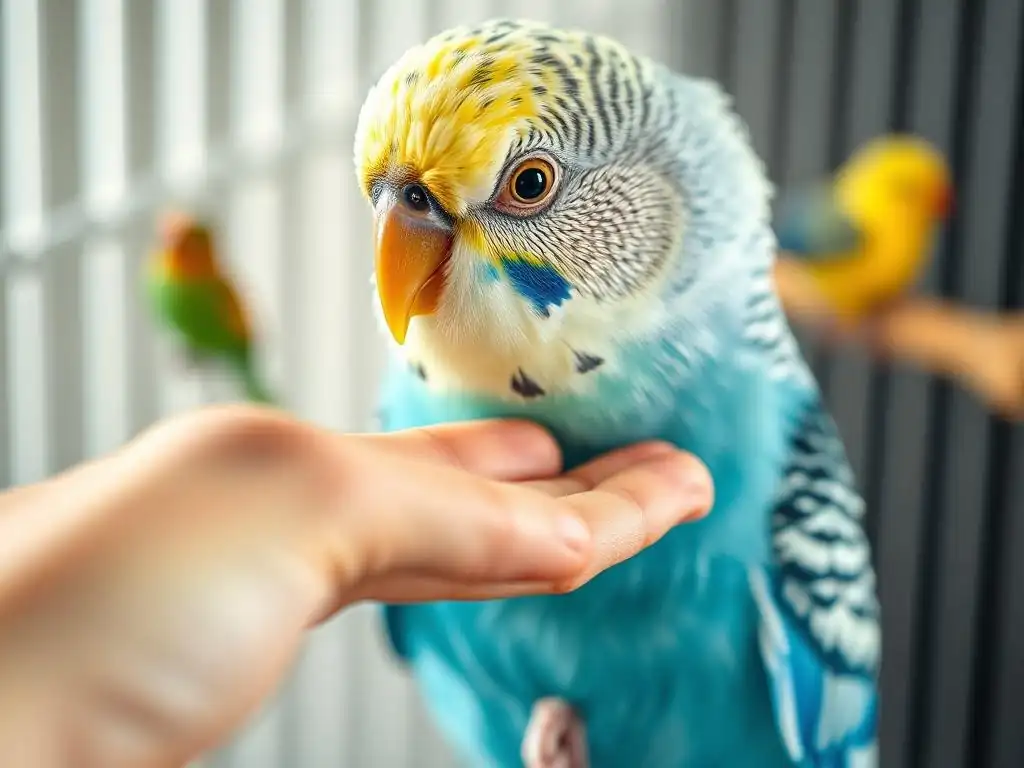
Clicker training offers a humane and effective method for modifying unwanted behaviors in birds. Unlike punishment-based approaches, which can create fear and anxiety, clicker training relies on positive reinforcement, rewarding desired behaviors to encourage their repetition. This method is particularly beneficial for birds, known for their intelligence and sensitivity, as it fosters a strong bond between owner and pet while addressing problem behaviors constructively.
The core principle involves associating a clicking sound (from a clicker) with immediate positive reinforcement (a treat). The click marks the exact moment the bird performs the desired behavior, followed swiftly by the reward. This creates a clear and consistent association, making the training process efficient and rewarding for both bird and owner.
Successfully implementing clicker training requires patience, consistency, and a deep understanding of avian learning processes. It’s crucial to remember that each bird is an individual, and the training process needs to be adapted to their specific personality and learning style. For example, a highly motivated bird might learn quickly, whereas a more cautious bird requires a slower, more patient approach.
Step-by-Step Guide to Clicker Training for Birds: A Practical Approach
This section provides a practical, step-by-step guide to implementing clicker training for birds. Before you begin, gather your materials: a clicker, high-value treats (small pieces of fruit, vegetables, or bird-specific treats), and a quiet, distraction-free environment.
- Clicker Introduction: Start by letting your bird get accustomed to the clicker. Click it randomly while offering a treat. This helps associate the click with something positive. Repeat this process several times over a few days.
- Target Training: Introduce a target, such as a finger or a small stick. Click and reward your bird when it touches the target. Gradually increase the duration of the contact.
- Shaping Behaviors: Break down complex behaviors into smaller, manageable steps. For instance, if you want your bird to step up onto your hand, start by rewarding it for approaching your hand, then for touching it, and finally for stepping up.
- Extinction of Unwanted Behaviors: Ignore unwanted behaviors. Do not reward or punish them; simply withhold attention. Focus instead on rewarding the desired alternative behaviors.
- Consistency is Key: Short, frequent training sessions (5-10 minutes) are more effective than long, infrequent ones. Consistency is crucial for success. Train several times a day, maintaining a positive and encouraging tone.
- Troubleshooting: If your bird isn't responding, analyze the training process. Are the treats rewarding enough? Is the environment too distracting? Are you being consistent? Adjust your approach as needed. Remember, patience is key.
Shaping Desired Behaviors Through Positive Reinforcement: A Detailed Explanation
Positive reinforcement is the cornerstone of clicker training. It involves rewarding desired behaviors immediately after they occur, increasing the likelihood of their repetition. This differs significantly from punishment, which focuses on suppressing unwanted behaviors. Punishment can be stressful and ineffective, potentially leading to fear, aggression, or other negative consequences. Positive reinforcement, on the other hand, builds a positive association between the bird and the owner, creating a trusting and cooperative relationship.
The effectiveness of positive reinforcement lies in its immediacy. The reward must be delivered instantly after the desired behavior, creating a strong association between the action and the reward. This is why the clicker is crucial: it acts as a precise marker, indicating the exact moment the bird performed the correct behavior. The reward, whether it's a favorite treat or verbal praise, follows immediately, solidifying the connection. The timing is critical; any delay reduces the effectiveness of the reinforcement.
Consider the following example: If you want to teach your bird to step up onto your finger, you would click the moment its foot touches your finger and immediately give it a treat. This creates a strong positive association with stepping up. By consistently repeating this process, your bird will learn to associate the behavior with the positive reward, leading to its increased frequency. The use of positive reinforcement in clicker training facilitates a more harmonious relationship with your feathered friend, creating a positive learning environment and promoting a stronger bond.
Addressing Specific Problem Behaviors with Clicker Training: Case Studies
Let’s examine how clicker training can address specific problem behaviors often encountered in birds.
- Feather plucking: Instead of focusing on stopping the plucking, redirect your bird's attention to more desirable behaviors. Reward it for preening properly or engaging in other positive activities, such as playing with toys or interacting socially. This positive reinforcement makes these alternative behaviors more appealing, reducing the likelihood of feather plucking.
- Biting: If your bird bites, calmly remove your hand and ignore the behavior. Reward the bird only when it's calm and not biting. Teach alternative behaviors such as gentle petting or target training to redirect its energy.
- Screaming: Reward your bird for quiet periods. This may involve rewarding it for quiet moments during the day or even for short periods of silence. Avoid rewarding screaming or other vocalizations you want to discourage.
- Destructive chewing: Provide appropriate chewing toys and reward your bird for using them. This positive reinforcement encourages the use of these toys, reducing the likelihood of it chewing on inappropriate items. Remember to remove any unsafe or potentially harmful items from your bird's reach.
The success of clicker training depends on understanding your bird's individual needs and adapting the training process accordingly. Patience, consistency, and positive reinforcement are key to addressing problem behaviors and creating a stronger bond with your pet. Remember to celebrate even the smallest successes, acknowledging the progress made along the way. This positive reinforcement extends to your relationship with your bird, creating a positive feedback loop of learning and trust.
Advanced Clicker Training Techniques for Birds
This section delves into more complex applications of clicker training for birds, addressing challenging behaviors and expanding the technique to multiple avian companions. Remember, patience and consistency are key to success in any clicker training program. The core principles remain the same, but the execution requires a more nuanced approach.
Handling Challenging Behaviors: Aggressive Biting and Feather Destructive Behaviors
Aggressive biting and feather plucking are common problem behaviors in birds, often stemming from underlying stress, boredom, or medical issues. Clicker training can be a powerful tool to address these issues, but it requires careful planning and a systematic approach. It's crucial to rule out any underlying medical conditions before initiating training. A veterinarian's checkup is always recommended before starting any behavioral modification program.
Addressing aggressive biting requires focusing on rewarding calm behavior. Instead of punishing the bird for biting, which can exacerbate the problem, we focus on positive reinforcement. For example, if your bird is showing signs of agitation, immediately offer a high-value treat and praise. This associates calm behavior with positive reinforcement. Gradually increase the time between the agitation and the reward, slowly shaping the bird towards remaining calm even when initially agitated.
Feather destructive behaviors often require a multi-pronged approach. Enrichment is crucial; providing a stimulating environment with plenty of toys, perches, and foraging opportunities can significantly reduce the urge to pluck. Alongside enrichment, clicker training helps to redirect the bird's attention. We can reward the bird for preening normally, for example, using the clicker to mark the desired behavior and immediately following with a favorite treat. A detailed behavioral assessment by an avian veterinarian or certified avian behaviorist is highly recommended for persistent feather plucking.
Clicker Training for Multiple Birds: Managing Interactions and Competition
Training multiple birds simultaneously presents unique challenges. Competition for resources, attention, and even the clicker itself can become a significant obstacle. The key is to manage these interactions effectively and to ensure each bird receives individual attention and reinforcement.
One effective strategy is to train each bird separately initially. This establishes individual associations between the clicker, the desired behavior, and the reward. Once individual training is established, you can gradually introduce them to training sessions together. It's crucial to use distinct cues and rewards for each bird to avoid confusion and competition. For instance, use a different verbal cue ("Good bird, Coco!" vs "Good bird, Kiwi!") and potentially slightly different treats.
Observe the birds' interactions closely. If competition arises, separate them and return to individual training until they are more comfortable. The training sessions should be short, frequent, and positive. Maintaining a calm and consistent environment is essential to successful training. Remember to always supervise interactions, especially between birds of different sizes or temperaments. Competition for food or space can often lead to aggression or unwanted behaviors.
Maintaining Consistency and Long-Term Success with Clicker Training
Consistency is paramount for long-term success in clicker training. Regular, short training sessions are far more effective than infrequent, long ones. Aim for several short sessions daily, lasting only a few minutes each. This keeps the bird engaged and prevents it from becoming overwhelmed or bored.
To maintain consistency, establish a routine. Train at the same time each day, in the same location, using the same clicker and rewards. This predictability helps the bird understand the expectations and strengthens the association between the clicker and the reward.
Furthermore, adjust the training plan as needed. If a particular behavior isn't progressing, revisit the basics and ensure the training is appropriately challenging. Don't hesitate to seek advice from an avian veterinarian or certified avian behaviorist if you encounter difficulties. They can provide personalized guidance and help troubleshoot any challenges you may face. Remember, celebrating even small successes strengthens the bond between you and your feathered friend and reinforces positive behavior. This makes the whole process more rewarding for both of you!
Troubleshooting Common Clicker Training Challenges
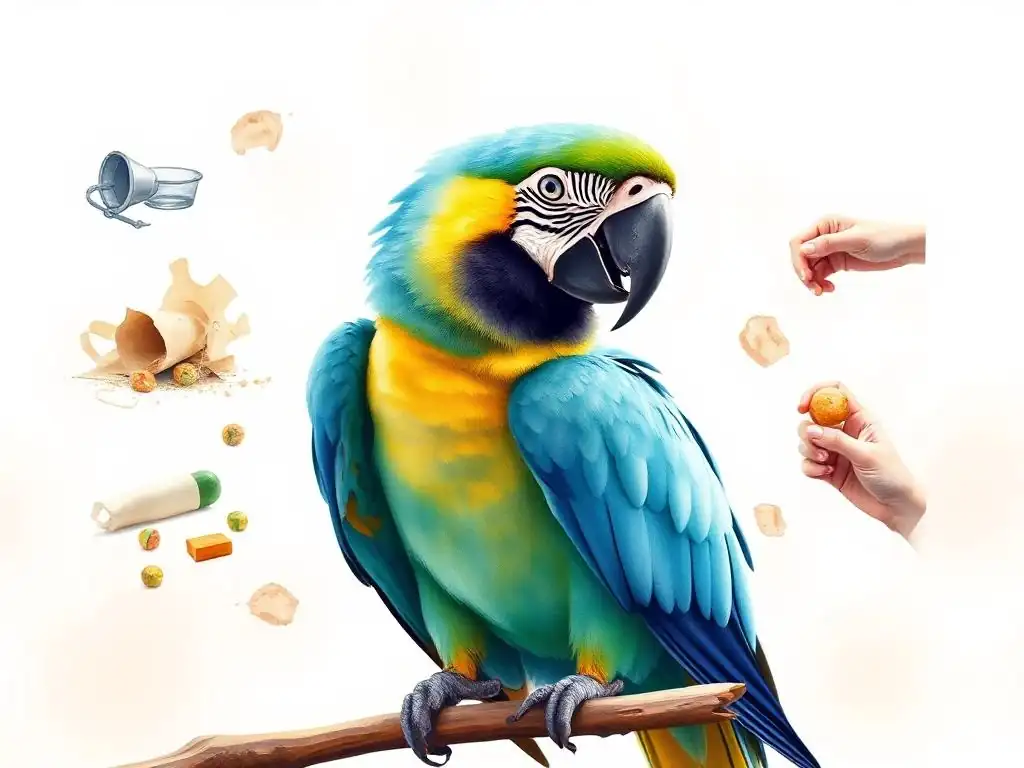
Clicker training, while incredibly effective for shaping positive bird behavior, isn't always a smooth journey. Many bird owners encounter hurdles along the way. Understanding these common challenges and employing effective troubleshooting strategies is key to success. This section focuses on identifying and resolving issues that frequently arise during clicker training for problem bird behaviors, ultimately helping you achieve your training goals and foster a stronger bond with your feathered friend. Remember, patience and consistency are paramount. Even small, incremental improvements are a step towards success in modifying unwanted actions.
Common Mistakes to Avoid When Clicker Training Your Bird
Several common mistakes can hinder progress in clicker training. Avoiding these pitfalls significantly increases your chances of success. One frequent error is inconsistent timing of the clicker. The click must immediately follow the desired behavior; even a slight delay can confuse your bird. Imagine trying to associate a reward with an action that happened moments ago – it's confusing!
Another frequent mistake is using rewards inconsistently. Birds, like all animals, learn through association. If you sometimes reward a behavior and sometimes don't, your bird won't understand what's expected. Maintaining a consistent reward schedule—offering a high-value treat every time the desired behavior is performed—is crucial. This consistency builds a strong association between the behavior and the reward.
Finally, many owners make the mistake of expecting too much too soon. Clicker training is a gradual process. Start with small, easily achievable behaviors and gradually increase the complexity of the tasks. Breaking down complex behaviors into smaller, manageable steps makes the learning process less overwhelming for your bird. Remember to celebrate every small victory! 🎉
Addressing Resistance and Lack of Progress in Clicker Training
Sometimes, despite your best efforts, your bird may show resistance or fail to make progress. This doesn't necessarily mean the training is failing; it may simply indicate a need for adjustment. One possible reason for lack of progress is the use of low-value rewards. If your bird isn't motivated by the treats you're offering, they won't be enthusiastic about participating in the training. Experiment with different types of treats to find something your bird truly enjoys.
Another factor could be the training environment. A noisy or distracting environment can make it difficult for your bird to focus on the task at hand. Find a quiet, calm space where your bird can concentrate without distractions. Similarly, session length matters. Keep training sessions short and sweet, especially in the beginning. Overly long sessions can lead to frustration and decreased engagement from your bird. Think shorter, more frequent sessions rather than fewer, longer ones.
Finally, consider the bird's overall well-being. Is your bird feeling unwell or stressed? Illness or stress can significantly impact a bird's ability to learn and participate in training. Ensure your bird is healthy and comfortable before attempting training sessions. A happy, healthy bird is a more receptive learner.
When to Seek Professional Help for Bird Behavior Problems
Despite your best efforts, some bird behavior problems may require the expertise of a professional avian veterinarian or certified avian behaviorist. This is particularly true for severe or persistent problems, such as feather plucking, aggression, or self-mutilation. These behaviors often have underlying medical or psychological causes that require specialized attention.
A professional can conduct a thorough assessment of your bird's behavior, identify potential underlying issues, and recommend appropriate interventions. They can also provide personalized guidance and support to help you address the problem effectively. Don't hesitate to seek professional help if you're struggling to manage your bird's behavior on your own. Early intervention can often make a significant difference in the outcome. Remember, seeking professional help is not a sign of failure; it's a sign that you're committed to your bird's well-being.
Maintaining Positive Bird Behavior After Training
Successfully clicker training your bird to address problem behaviors is a significant achievement, but it's crucial to understand that training is an ongoing process, not a one-time fix. Maintaining the positive changes requires consistent effort and a proactive approach to reinforce learned behaviors and prevent regression. Ignoring the maintenance phase can lead to a relapse into unwanted behaviors, negating the time and effort invested in the initial training. This section focuses on strategies to ensure long-term success in managing your bird's behavior.
Reinforcing Learned Behaviors and Preventing Regression
The key to preventing regression is consistent reinforcement. Even after your bird has mastered a desired behavior, continue to use positive reinforcement techniques. This means regularly rewarding your bird for exhibiting the desired behavior, even if it seems they've fully grasped the concept. Think of it like this: you wouldn't stop rewarding a dog for sitting after they've learned the command; you'd continue to occasionally reinforce it. The same principle applies to birds.
Here's a practical approach:
- Random Reinforcement: Don't reinforce desired behaviors only when you are actively training. Instead, randomly reward your bird throughout the day for exhibiting the desired behavior. This helps to solidify the association between the behavior and the reward. For example, if you've trained your bird not to bite, reward them with a small treat or praise whenever you see them interacting gently.
- Varying Rewards: Birds, like all animals, can get bored with repetitive rewards. Mix up the rewards you use. This could involve different types of treats, verbal praise, head scratches, or even a favorite toy.
- Gradual Reduction of Reinforcement: Once your bird consistently performs the desired behavior, you can gradually reduce the frequency of reinforcement. However, never completely eliminate it. Occasional reinforcement is crucial for long-term maintenance.
- Addressing Setbacks: Even with consistent reinforcement, occasional setbacks are possible. If your bird reverts to an unwanted behavior, don't get discouraged. Simply return to the training methods you used initially, focusing on positive reinforcement and gradually increasing the difficulty of the tasks. Patience is key. Remember that consistency is the cornerstone of successful clicker training.
Creating a Stimulating and Enriching Environment for Your Bird
A stimulating environment plays a vital role in preventing problem behaviors. Boredom, frustration, and lack of mental stimulation can trigger unwanted actions in birds. Providing a rich and engaging environment can significantly reduce the likelihood of regression and promote positive behaviors.
Consider these enrichment strategies:
- Variety of Toys: Offer a diverse range of toys to keep your bird mentally and physically engaged. Rotate toys regularly to prevent boredom. Include toys that challenge your bird's problem-solving skills, such as puzzles or foraging toys.
- Environmental Enrichment: Provide opportunities for exploration and interaction within their cage and beyond. This could involve rearranging perches, adding new branches, or allowing supervised out-of-cage time in a bird-safe environment.
- Social Interaction: Birds are social creatures and require interaction. Spend quality time with your bird daily, engaging in activities they enjoy. This could include talking, singing, playing games, or simply sitting quietly near them.
- Proper Diet and Exercise: A balanced diet and sufficient exercise are essential for a bird's overall well-being and can contribute to better behavior. Consult with an avian veterinarian to ensure your bird is receiving the proper nutrition and exercise. This helps minimize stress and frustration that could trigger unwanted behaviors.
Ongoing Bird Behavior Monitoring and Maintenance
Monitoring your bird's behavior is a crucial aspect of long-term success. Regular observation allows you to identify potential problems early on, before they escalate into significant issues. This proactive approach is far more effective than reacting to problems after they've become ingrained.
Here's how to effectively monitor your bird's behavior:
- Daily Observation: Spend time each day observing your bird's behavior, noting any changes in their activity levels, interactions, or overall mood. Keep a journal to record these observations, noting any patterns or trends. This detailed record can help you identify potential triggers for problem behaviors.
- Identifying Triggers: Pay close attention to the circumstances surrounding any unwanted behaviors. What situations or events seem to trigger these behaviors? Identifying these triggers is the first step towards addressing them effectively.
- Adjusting Training: If you notice a resurgence of problem behaviors, don't hesitate to adjust your training approach. You may need to revisit earlier training steps or incorporate new techniques to address the specific challenges you're facing. Flexibility and adaptability are key to long-term success in clicker training.
- Seeking Professional Help: Don't hesitate to seek professional help from an avian veterinarian or a certified avian behaviorist if you are struggling to manage your bird's behavior. They can provide expert guidance and support, helping you develop a customized plan to address your bird's specific needs. Remember that seeking help is a sign of responsible pet ownership, not a sign of failure. 🐦
Frequently Asked Questions
What is clicker training, and how does it work for birds?
Clicker training uses a clicker to mark the exact moment a bird performs a desired behavior. This is followed by a reward, creating a positive association. Consistency is key to success.
Is clicker training suitable for all types of birds?
Yes, clicker training can be adapted for most bird species, from small parakeets to large parrots. However, the approach and training duration may vary depending on the bird's species, age, and personality.
What are some common problem behaviors in birds that can be addressed with clicker training?
Clicker training can help address issues like feather plucking, biting, screaming, and destructive chewing. It focuses on replacing unwanted behaviors with desired alternatives.
How long does it typically take to see results from clicker training a bird?
The timeframe varies greatly depending on the bird, the complexity of the behavior, and the consistency of training. Some progress may be seen within a few sessions, while others might require more time and patience.
What are some essential supplies needed for clicker training my bird?
You'll need a clicker, high-value treats your bird loves (small pieces!), and a quiet, distraction-free training area. Patience and positive reinforcement are also crucial supplies!
Final Reflection: Unlocking Avian Potential Through Clicker Training
The gentle art of clicker training offers a powerful, humane, and effective alternative to punitive methods for addressing problem behaviors in birds. This approach, far from being a mere training technique, represents a paradigm shift in how we understand and interact with our avian companions, fostering a bond built on mutual respect and understanding.
The impact of clicker training extends far beyond the immediate resolution of unwanted behaviors. It fundamentally reshapes our relationship with our birds, moving away from a model of dominance and control towards one of collaboration and positive reinforcement. The best way to find yourself is to lose yourself in the service of others.
– Mahatma Gandhi. This quote, while not directly about birds, perfectly encapsulates the spirit of clicker training: by focusing on rewarding desired behaviors, we build trust and deepen the connection with our feathered friends, enriching their lives and our own. The positive reinforcement inherent in the method fosters a more harmonious co-existence, reducing stress for both bird and owner, and ultimately leading to a more fulfilling partnership.
Now, consider your own bird. What small step can you take today to incorporate positive reinforcement into your daily interactions? Perhaps it's starting with a single click and treat for a desired behavior, or dedicating just five minutes to a focused training session. Remember, the journey towards a better relationship with your bird begins with a single click, a single reward, a single act of understanding. Embrace the power of positive reinforcement, and unlock the incredible potential that lies within your avian companion.
Unlock Your Bird's Potential: Start Clicker Training Today!
Thank you for joining us on this journey into clicker training! We hope you feel confident in addressing your bird's unwanted behaviors. Ready to put your new knowledge into practice?
- Start your bird's clicker training journey today! Begin with short, positive training sessions, focusing on one behavior at a time. Remember, patience and consistency are crucial for success.
- Share your progress and any questions in the comments below. Let's build a supportive community of bird lovers!
- Consider exploring additional resources on positive reinforcement techniques—you might be amazed by what you discover!
What's one small behavior you're excited to teach your bird today?