
The Impact of Diet on Bird Health: What to Feed and What to Avoid

Welcome to PetCareWorld, your ultimate guide to a happier, healthier life for your beloved pets! Are you ready to unlock the secrets to vibrant bird health? We delve into the crucial role of nutrition with our comprehensive guide on the Best bird diet for health, exploring what foods promote thriving plumage and longevity, and which ones to steer clear of. Discover the impact of diet on your feathered friend's well-being – begin your journey towards a healthier, happier bird today!
- Understanding the Best Bird Diet for Health
- Choosing the Right Bird Food: Seeds, Pellets, and Fresh Foods
- Avoiding Harmful Foods and Ingredients: Toxic Threats to Bird Health
- Recognizing Signs of Nutritional Deficiencies and Illnesses in Birds
- Creating a Customized Bird Diet Plan: Tailoring Nutrition to Species and Age
- Maintaining a Healthy Bird Diet: Practical Tips and Strategies
- Supplementing Your Bird's Diet: When and How
- Frequently Asked Questions
- Final Reflection: Nurturing Avian Well-being Through Conscious Choices
- Unlock Your Bird's Healthiest Life: Simple Steps to a Better Diet
Understanding the Best Bird Diet for Health
Avian health is intrinsically linked to nutrition. Providing your feathered friend with the best bird diet for health is crucial for their longevity, vibrant plumage, and overall well-being. This comprehensive guide delves into the essential components of a balanced diet for birds, exploring the vital nutrients, appropriate food choices, and potential hazards to avoid. We'll examine the impact of various food groups, emphasizing the importance of a carefully planned diet tailored to your specific bird species.
Understanding the nutritional needs of your bird is paramount to preventing illness and ensuring a long, happy life together. Choosing the right diet isn't just about feeding your bird; it's about investing in their health and happiness. This article will serve as your roadmap to providing optimal nutrition for your avian companion, helping you navigate the complexities of avian dietary requirements and make informed choices that directly impact their health and vitality.
Essential Nutrients for Avian Health: Vitamins, Minerals, and Proteins
Birds require a diverse range of nutrients to thrive. A balanced diet should include a good mix of vitamins, minerals, and proteins. Vitamins, such as Vitamin A, D, E, and K, are essential for various bodily functions, including vision, bone health, and immune function. Deficiencies can lead to a range of health problems, from weakened immune systems to skeletal deformities.
Minerals, including calcium, phosphorus, and zinc, are equally crucial for bone development, feather growth, and overall metabolic processes. Protein is the building block of tissues and muscles, vital for growth, repair, and maintaining a healthy immune system. The specific requirements vary depending on the bird species, age, and activity level. For instance, young, growing birds require a higher protein intake than adult birds.
It's crucial to consult a veterinarian or avian specialist to determine the precise nutritional needs of your bird and select a commercial diet or formulate a homemade diet that meets those requirements. Failing to provide sufficient amounts of these essential nutrients can lead to serious health issues and reduce your bird's lifespan. Remember, a balanced and varied diet is key to preventing nutritional deficiencies.
The Role of Fats and Carbohydrates in a Balanced Bird Diet
While proteins, vitamins, and minerals are crucial, fats and carbohydrates also play significant roles in a bird's diet. Fats provide a concentrated source of energy and are essential for hormone production and cell function. However, the type of fat is crucial; unhealthy fats, such as saturated and trans fats, should be avoided. Instead, opt for healthy fats found in sources like nuts and seeds (in moderation), ensuring they are not the primary component of the diet.
Carbohydrates provide another energy source, but should be provided in moderation. Excessive carbohydrates can lead to obesity and other health problems. The ideal balance of fats and carbohydrates will vary greatly depending on the species and individual bird's needs.
Overfeeding carbohydrates can negatively impact digestion and lead to weight issues, while insufficient fat intake can hinder hormone production and overall health. Therefore, a balanced approach is crucial, carefully considering the specific needs of your pet bird. Always consult an avian veterinarian for tailored dietary recommendations.
Hydration: Importance of Clean Water for Bird Health
Access to clean, fresh water is paramount for a bird's health. Water is essential for digestion, nutrient absorption, and regulating body temperature. Dehydration can quickly lead to serious health problems, even death. Always ensure your bird has access to a clean water source, changing the water daily to prevent bacterial growth. The type of water dispenser can also impact water cleanliness.
Some birds prefer specific types of water dispensers, so observation is key to understanding your bird's preferences and ensuring they drink enough water. Signs of dehydration include lethargy, sunken eyes, and dry droppings. If you notice any of these symptoms, contact your veterinarian immediately. Providing adequate water is a simple yet critical aspect of overall bird health that shouldn't be overlooked. Remember, clean water is as important as a balanced diet in maintaining your bird's well-being.
Choosing the Right Bird Food: Seeds, Pellets, and Fresh Foods
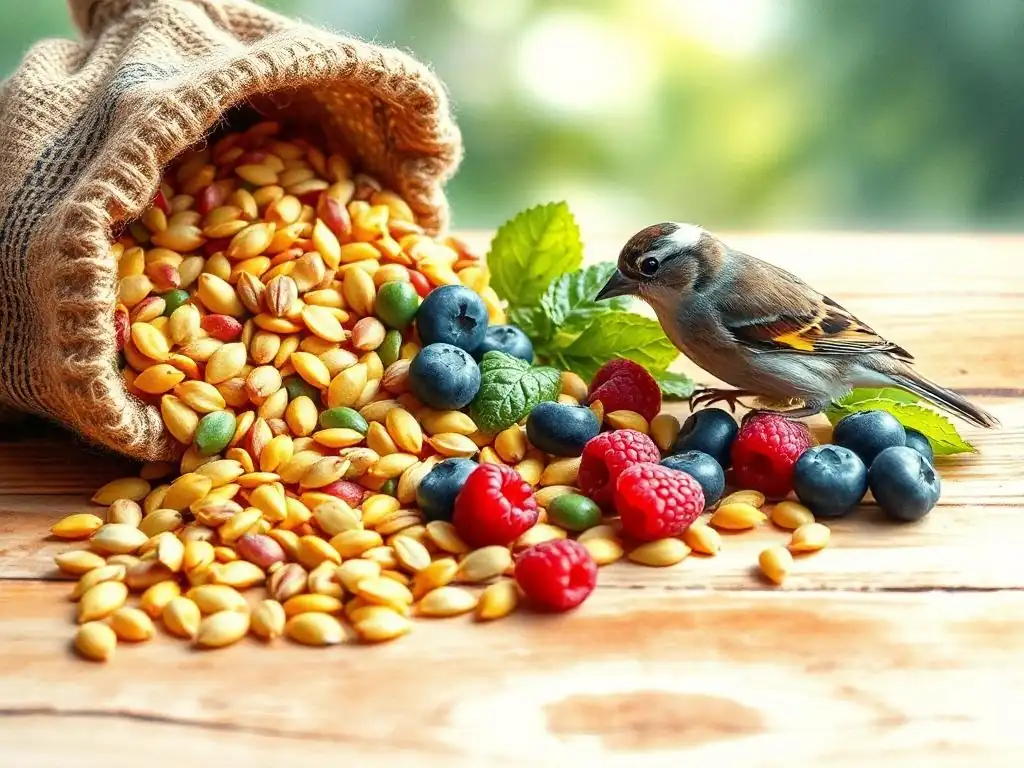
Choosing the best bird diet for health involves understanding the nutritional needs of your specific bird species and providing a varied and balanced diet. Many pet owners mistakenly believe that a diet solely consisting of seeds is sufficient, but this can lead to serious health problems. A balanced approach incorporates a variety of food types to ensure your feathered friend receives all the necessary nutrients. Failing to provide a complete and balanced diet can significantly impact your bird's overall well-being, leading to deficiencies and a weakened immune system. Let's explore the key components of a healthy bird diet.
High-Quality Birdseed Mixes: A Balanced Approach
While birdseed mixes should not form the sole component of your bird's diet, a high-quality mix can be a valuable part of a balanced approach. The key is to choose a mix that's specifically formulated for your bird's species and age. Avoid mixes that contain mostly filler ingredients like low-quality seeds or excessive amounts of sunflower seeds. Sunflower seeds are high in fat and can contribute to obesity if consumed in large quantities. A good mix should include a variety of seeds, such as:
- Nyjer seeds
- Safflower seeds
- Milo
- Oats
- Small amounts of sunflower seeds
Look for mixes with a variety of colors and seed types, indicating a greater diversity of nutrients. Always check the ingredient list to ensure it doesn't contain harmful additives or preservatives. A good rule of thumb is to offer a small portion of the seed mix daily, making up no more than 20-30% of their total daily intake. Over-reliance on seeds can lead to nutritional imbalances and health issues.
The Benefits of Pellets: Complete and Balanced Nutrition
Bird pellets are specifically formulated to provide complete and balanced nutrition. They are a crucial element of the best bird diet for health. Unlike seed mixes, pellets contain a precisely measured blend of vitamins, minerals, proteins, and fats essential for your bird's growth and overall well-being. They are designed to address the nutritional deficiencies often found in seed-only diets. The benefits of incorporating pellets into your bird's diet include:
- Reduced risk of nutritional deficiencies: Pellets provide a wider range of essential nutrients than seeds alone.
- Improved feather condition: Proper nutrition directly impacts feather quality and health.
- Enhanced immune system: A balanced diet strengthens your bird's ability to fight off illness.
- Easier digestion: Pellets are generally easier for birds to digest compared to large quantities of seeds.
- Weight management: Pellets can help maintain a healthy weight, reducing the risk of obesity-related diseases.
Pellets should make up the majority (approximately 70-80%) of your bird's daily diet. Offer a variety of pellet brands and flavors to ensure your bird remains interested in eating them. Always check the expiration date and store pellets in a cool, dry place.
Incorporating Fresh Fruits and Vegetables into Your Bird's Diet
Fresh fruits and vegetables are an essential part of a healthy and varied diet for your bird. They provide essential vitamins, minerals, and antioxidants, complementing the nutrition provided by seeds and pellets. Offering a variety of fresh produce ensures your bird receives a wide range of nutrients. However, it's crucial to choose appropriate options and introduce them gradually to avoid digestive upset. Here are some examples of bird-safe fruits and vegetables:
| Fruit | Vegetable | Notes |
|---|---|---|
| Apples (cored) | Broccoli | Remove seeds and cores from apples. Offer in small quantities. |
| Bananas | Carrots (shredded) | Offer bananas in moderation due to their sugar content. |
| Berries (small) | Green beans | Avoid avocado, as it's toxic to birds. |
| Grapes (small) | Spinach (small) | Always supervise your bird when eating grapes, as they can be choking hazards. |
| Mangoes | Sweet potato | Cut fruits and vegetables into small, manageable pieces. |
Remember to always wash fruits and vegetables thoroughly before offering them to your bird. Introduce new foods gradually to monitor for any adverse reactions. Fresh produce should comprise approximately 10-20% of their daily food intake. A diverse and balanced diet, incorporating seeds, pellets, and fresh produce, is key to maintaining your bird's health and ensuring a long and happy life. This is crucial for achieving the best bird diet for health. 🐦
Safe and Unsafe Foods for Birds: A Comprehensive Guide
Choosing the right diet for your feathered friend is crucial for their health and longevity. A balanced diet contributes significantly to a bird's vibrant plumage, strong bones, and robust immune system. Understanding what constitutes a safe and healthy diet, and equally importantly, what to avoid, is paramount for responsible bird ownership. This guide will delve into the specifics, helping you create a "best bird diet for health" tailored to your bird's species and individual needs.
The cornerstone of a good bird diet is variety. While seed mixes might seem appealing, they often lack essential nutrients and can lead to nutritional imbalances. Over-reliance on seeds can result in obesity, feather plucking, and other health issues. A balanced diet should incorporate a variety of foods, including:
- Pellets: High-quality bird pellets are formulated to provide a complete and balanced nutritional profile. They contain the necessary vitamins, minerals, and proteins for optimal health. Look for pellets specifically formulated for your bird's species, as nutritional requirements vary widely. Always check the ingredient list to ensure high-quality ingredients are used and that there are no added fillers or artificial colors.
- Fresh Fruits and Vegetables: These provide essential vitamins, minerals, and antioxidants. Offer a colorful array of options, such as berries, apples, carrots, broccoli, and leafy greens. Introduce new foods gradually to observe any allergic reactions. Remember to always wash produce thoroughly before serving.
- Cooked Grains: Cooked brown rice, quinoa, and oats can be valuable additions to a bird's diet, offering fiber and carbohydrates. However, these should be offered in moderation as part of a balanced diet, not as the primary food source.
Now, let's address the crucial aspect of unsafe foods. Many common household items are toxic to birds, even in small amounts. These include:
- Avocado: Contains persin, a toxin that can cause vomiting, diarrhea, and respiratory problems.
- Chocolate: Contains theobromine, a stimulant that is highly toxic to birds. Even small amounts can be fatal.
- Alcohol: Extremely toxic and should never be given to birds under any circumstances.
- Caffeine: Found in coffee, tea, and soda, caffeine is a stimulant that can have serious consequences for birds.
- Salt: Excessive salt intake can lead to dehydration and electrolyte imbalances. Avoid salty snacks and processed foods.
- Dairy Products: Birds lack the necessary enzymes to digest dairy, leading to digestive upset.
- Onions and Garlic: These contain compounds that can damage a bird's red blood cells.
- Uncooked beans: Contain toxins that can cause digestive issues. Always cook beans thoroughly before feeding them to your bird.
This list is not exhaustive, and it's crucial to research the specific needs and dietary restrictions of your bird species. Always consult with an avian veterinarian before making significant changes to your bird's diet, especially if you suspect any nutritional deficiencies or health problems. Remember, providing your bird with the "best bird diet for health" is a commitment to their well-being and happiness.
By understanding what to feed and what to avoid, you can ensure your feathered companion thrives for many years to come. Providing a varied and balanced diet is key to preventing illness and promoting a long, healthy life for your bird. Always prioritize high-quality food sources and monitor your bird's eating habits and overall health closely.
Avoiding Harmful Foods and Ingredients: Toxic Threats to Bird Health
This section focuses on identifying and avoiding foods and ingredients that can be detrimental, even lethal, to your bird's health. A balanced and safe diet is paramount for achieving the best bird diet for health. Understanding what to avoid is just as crucial as knowing what to feed. Many common household items pose significant risks. Neglecting this aspect of bird care can lead to serious illness and premature death. Let's delve into the specifics.
Common Toxic Foods for Birds: Chocolate, Avocado, and More
Many foods humans enjoy are highly toxic to birds. Even small amounts can have devastating consequences. Here's a list of common culprits:
- Chocolate: Contains theobromine, a methylxanthine compound toxic to birds. Even dark chocolate, often considered healthier for humans, is extremely dangerous for avian companions. Symptoms of chocolate poisoning include vomiting, diarrhea, restlessness, and tremors.
- Avocado: Contains persin, a toxin that can cause vomiting, diarrhea, and respiratory distress in birds. All parts of the avocado plant, including the pit, skin, and flesh, should be kept away from your feathered friends.
- Onions and Garlic: These contain compounds that can damage red blood cells, leading to anemia. Even small amounts can be harmful.
- Alcohol: Needless to say, alcohol is incredibly toxic and should never be given to birds.
- Caffeine: Found in coffee, tea, and soda, caffeine is a stimulant that can cause heart problems and other serious complications in birds.
- Salt: Excessive salt intake can lead to dehydration, sodium ion poisoning, and kidney problems. Avoid salty snacks and processed foods.
- Dairy Products: Most birds are lactose intolerant and cannot properly digest dairy. This can lead to digestive upset and diarrhea.
- Uncooked Beans: Contain toxins that can cause digestive problems and other health issues. Always ensure beans are thoroughly cooked before even considering offering them (and even then, only in moderation and as part of a balanced diet).
This list is not exhaustive. Always research the safety of any food before offering it to your bird. When in doubt, err on the side of caution and avoid it. Remember, a commitment to providing the best bird diet for health requires vigilance and careful consideration of potential hazards.
The Dangers of Processed Foods and Sugary Treats
Processed foods, sugary treats, and fast food are detrimental to a bird's health. These items often lack essential nutrients and are high in unhealthy fats, sugars, and sodium. Overconsumption can lead to:
- Obesity: Leading to a range of health problems, including heart disease, liver disease, and diabetes. Obesity significantly reduces a bird's lifespan and overall quality of life.
- Nutritional Deficiencies: Processed foods often lack the essential vitamins, minerals, and amino acids birds need to thrive.
- Digestive Issues: The high sugar and fat content can disrupt the delicate balance of gut bacteria, leading to digestive upset, diarrhea, and other gastrointestinal problems.
Instead of processed foods, opt for a diet rich in fresh fruits, vegetables, and high-quality birdseed mixes. Remember, a balanced diet is crucial for achieving the best bird diet for health. Avoid giving your bird anything you wouldn't eat yourself – and that excludes anything processed or excessively sugary.
Preventing Nutritional Deficiencies and Excesses in Bird Diets
Maintaining a balanced diet is crucial for preventing both deficiencies and excesses of essential nutrients. A diet lacking in crucial vitamins and minerals can weaken your bird's immune system, making it more susceptible to illness. Conversely, an excess of certain nutrients can also be harmful.
Here’s how to achieve nutritional balance:
- Variety is Key: Offer a diverse range of fruits, vegetables, and seeds. This ensures your bird receives a broad spectrum of nutrients.
- High-Quality Birdseed Mix: Choose a mix specifically formulated for your bird's species. These are typically formulated to meet the specific nutritional needs of different bird types.
- Fresh Produce: Incorporate a variety of fresh fruits and vegetables daily. Remember to wash all produce thoroughly.
- Supplements (with Veterinary Guidance): In some cases, your veterinarian may recommend supplements to address specific nutritional needs. Never administer supplements without consulting your vet.
Regular veterinary check-ups are essential for monitoring your bird's health and ensuring their diet is meeting their nutritional requirements. A proactive approach to nutrition is paramount in achieving the best bird diet for health and ensuring your beloved bird enjoys a long and healthy life. Remember, knowledge is power when it comes to avian care. By understanding what to avoid and how to create a balanced diet, you contribute significantly to your bird's overall well-being.
Recognizing Signs of Nutritional Deficiencies and Illnesses in Birds
Understanding the link between a bird's diet and its overall health is crucial for responsible pet ownership. A balanced, species-specific diet is the cornerstone of a healthy avian companion. However, recognizing the subtle (and sometimes not-so-subtle) signs of nutritional deficiencies and illnesses stemming from poor diet is equally important. Early detection significantly improves the chances of successful intervention and a positive outcome.
Ignoring these warning signs can lead to serious health complications and potentially even death. This section focuses on identifying key indicators that your bird's diet may be inadequate or detrimental to its well-being. We'll explore both the visible and behavioral changes that often accompany malnutrition and dietary imbalances. Remember, prompt action is key when it comes to your feathered friend's health.
Identifying Symptoms of Malnutrition in Birds
Malnutrition in birds manifests in various ways, often subtly at first. Early symptoms might include a decrease in energy levels, noticeable lethargy, and a decline in the bird's usual playful behavior. Weight loss, even if slight, is a significant red flag. You should carefully monitor your bird's weight using a gram scale, tracking it regularly to detect any significant changes. A dramatic decrease in weight paired with lethargy strongly suggests a nutritional problem.
Furthermore, changes in plumage are often telltale signs. Feathers may become dull, brittle, or lose their vibrant color. This is because feather health is directly tied to nutrient availability. Specifically, deficiencies in protein, essential fatty acids, and certain vitamins (like Vitamin A) can severely impact feather quality. Additionally, observe your bird's droppings. Changes in the consistency, color, and frequency of droppings can indicate digestive issues linked to poor diet. For example, consistently watery droppings could suggest an imbalance of gut flora, possibly due to an insufficient amount of beneficial fiber in the diet.
Finally, consider behavioral changes. A bird that is usually vocal and active may become quiet and withdrawn if suffering from malnutrition. Loss of appetite, or changes in eating habits (e.g., picking at food but not consuming it), are also clear indicators. Remember, even small deviations from the bird's normal behavior warrant attention. It's always better to err on the side of caution and seek professional veterinary advice.
A suboptimal diet can contribute to or exacerbate various health problems in birds. One common issue is feather plucking, which can be linked to nutritional deficiencies, particularly protein and essential fatty acids. Poor diet can also weaken the bird's immune system, making it more susceptible to infections. This increased vulnerability highlights the importance of a diet rich in antioxidants and immune-boosting nutrients.
Digestive problems, ranging from mild diarrhea to severe gastrointestinal distress, are frequently linked to dietary imbalances. For example, a diet lacking in fiber can lead to constipation, while a diet overly rich in certain fruits or sugars can cause diarrhea. Additionally, certain seeds and nuts, if consumed in excess, can also lead to digestive upset. Liver disease is another potential consequence of a poor diet, particularly one high in fat or lacking in essential nutrients. The liver plays a vital role in detoxification and nutrient metabolism, and a compromised liver can negatively impact overall health.
Finally, bone and joint problems can develop due to calcium deficiencies or imbalances in the calcium-phosphorus ratio. These deficiencies can manifest as weakened bones, making birds more prone to fractures. This underscores the need for a diet that provides the correct balance of essential minerals for optimal bone health. Early detection is key in all these cases, as early treatment can improve the prognosis significantly.
Importance of Regular Veterinary Check-ups for Birds
Regular veterinary check-ups are paramount for maintaining your bird's health and preventing diet-related issues. During these check-ups, a veterinarian can assess your bird's overall health, weight, and plumage. They can also perform blood tests to identify any nutritional deficiencies or underlying health problems. Furthermore, they can offer personalized dietary advice tailored to your bird's specific needs and species.
A vet can help you create a balanced diet plan, ensuring your bird receives all the necessary nutrients. They can also address any concerns you have about your bird's diet and eating habits. Remember, preventing health issues is far easier, and more cost-effective, than treating them. Regular veterinary visits, combined with a commitment to providing a species-appropriate diet, are essential components of responsible bird ownership.
These proactive measures significantly contribute to the longevity and well-being of your avian companion. Don't underestimate the power of preventative care in ensuring a long and healthy life for your bird. Early intervention is key to addressing potential problems related to the "best bird diet for health".
Creating a Customized Bird Diet Plan: Tailoring Nutrition to Species and Age
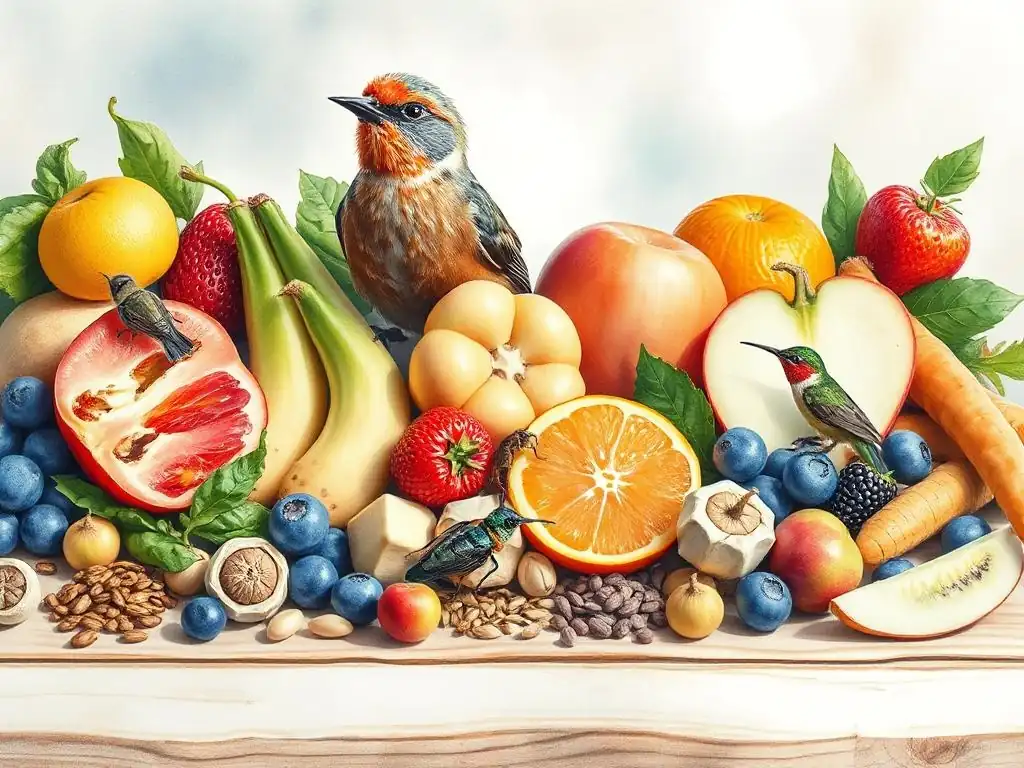
Finding the best bird diet for health involves more than just buying a bag of seed mix. A truly healthy diet is meticulously tailored to the specific needs of your feathered friend, considering both their species and life stage. Ignoring these crucial factors can lead to nutritional deficiencies, impacting their overall well-being and increasing their susceptibility to illness. This section explores how to create a customized diet plan that promotes optimal health and longevity for your bird.
Dietary Needs of Different Bird Species
Different bird species have vastly different nutritional requirements. What constitutes a "best bird diet for health" for a cockatoo is drastically different from that of a finch. For example:
- Large parrots (e.g., macaws, cockatoos): These birds require a diet rich in fruits, vegetables, nuts, and seeds, with a focus on high-quality pellets formulated specifically for their size and species. Their high metabolic rate demands a varied diet to ensure they receive all necessary vitamins and minerals. A diet lacking in essential nutrients can lead to serious health issues like feather plucking and hormonal imbalances. 🐔
- Small parrots (e.g., budgies, lovebirds): While they also benefit from a diverse diet, small parrots often require a higher proportion of seeds compared to larger parrots. However, it’s crucial to supplement seeds with fresh fruits, vegetables, and pellets to prevent obesity and nutritional deficiencies. 🐦
- Canaries and finches: These smaller birds thrive on a diet primarily consisting of high-quality seed mixes, supplemented with small amounts of fruits and vegetables. Overfeeding can lead to obesity, which can drastically reduce their lifespan. A balanced seed mix and fresh greens are key. 🎶
- Softbill birds (e.g., toucans, hornbills): These birds have unique dietary needs, requiring a diet primarily consisting of insects, fruits, and nectar. Replicating their natural diet in captivity is crucial for their survival and health. Providing a diverse range of insects and soft fruits is paramount. 🥭
Failing to provide species-specific nutrition can lead to a range of health problems, including metabolic bone disease, feather problems, and weakened immune systems. Researching your specific bird's nutritional needs is paramount to ensure they receive the best possible care.
Adjusting Bird Diets Based on Age and Life Stage
Just as species-specific needs vary, so do dietary requirements throughout a bird's life. A diet suitable for a young, growing bird will differ significantly from that of a senior bird.
- Baby birds: Young birds require a diet high in protein and calcium to support their rapid growth and development. Specialized formulas or hand-feeding diets are often necessary. This stage is particularly crucial for bone development and overall health. 🐣
- Adult birds: Once fully grown, birds need a balanced diet that maintains their energy levels and supports their overall health. This typically involves a mix of pellets, seeds, fruits, and vegetables, tailored to their species. Maintaining a healthy weight is vital. 🦜
- Senior birds: As birds age, their metabolic rate slows down, and they may require adjustments to their diet. This might include reducing the amount of high-fat foods and increasing the proportion of easily digestible foods. Supplements may also be necessary to address age-related issues. Careful monitoring is key. 👴
The optimal “best bird diet for health” changes dramatically with age. Regular veterinary check-ups allow for early detection of any nutritional deficiencies and help you adjust your bird's diet accordingly.
Consulting an Avian Veterinarian for Personalized Dietary Advice
While general guidelines exist, the best approach to ensuring your bird receives optimal nutrition is to consult with an avian veterinarian. They can assess your bird's individual needs, taking into account factors such as species, age, health status, and any pre-existing conditions. An avian vet can provide personalized recommendations, helping you create a tailored diet plan that promotes optimal health and longevity.
They can also diagnose and treat any nutritional deficiencies or imbalances promptly. This proactive approach is crucial for preventing serious health problems and ensuring your bird thrives. 🩺 Don't hesitate to seek professional guidance; it's an investment in your bird's well-being.
Maintaining a Healthy Bird Diet: Practical Tips and Strategies
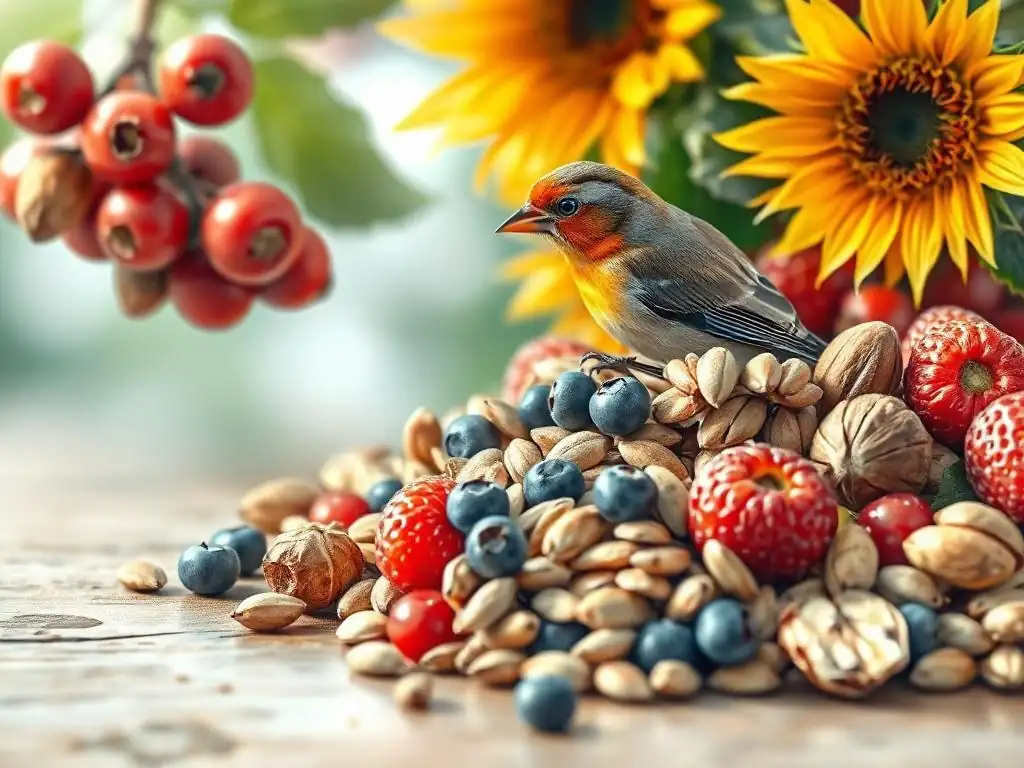
This section delves into the practical aspects of maintaining a healthy and balanced diet for your feathered friend. A well-structured feeding plan is crucial for achieving the best bird diet for health and preventing various health issues. Remember, even the best bird food loses its nutritional value if not handled and stored correctly.
Proper Food Storage and Handling to Maintain Freshness
Maintaining the freshness of your bird's food is paramount for optimal nutrition and preventing the growth of harmful bacteria or mold. Spoiled food can lead to digestive problems, impacting your bird's overall health and potentially causing illness. Here's how to ensure your bird enjoys the best quality food:
- Airtight Containers: Store all birdseed mixes, pellets, and fruits/vegetables in airtight containers. This prevents moisture absorption, which can lead to spoilage and the loss of essential nutrients. Consider using glass or high-quality plastic containers.
- Cool, Dry Place: Keep food stored in a cool, dry, and dark place. Avoid areas with high humidity or temperature fluctuations, as these can accelerate spoilage. A pantry or cupboard away from direct sunlight is ideal.
- FIFO Method: Employ the "First In, First Out" (FIFO) method. Use older food supplies before opening newer ones to minimize waste and ensure freshness. Rotate your stock regularly.
- Regular Cleaning: Clean food containers thoroughly and regularly with warm, soapy water. This prevents the build-up of residue and the potential for contamination.
- Fresh Produce Handling: Wash all fresh fruits and vegetables thoroughly before offering them to your bird. Remove any damaged or spoiled portions. Offer only small quantities of fresh produce at a time to prevent spoilage in the cage.
Proper storage and handling are integral components of providing a best bird diet for health. Neglecting these steps can significantly impact your bird's well-being.
Monitoring Your Bird's Food Intake and Weight
Regularly monitoring your bird's food intake and weight is crucial for early detection of potential health problems. Changes in appetite or weight can be early indicators of illness or nutritional deficiencies.
- Daily Observation: Observe your bird's eating habits daily. Note any changes in appetite, such as decreased food consumption or refusal of certain foods. A sudden drop in food intake could signal illness.
- Weighing Your Bird: Invest in a small animal scale and weigh your bird weekly or bi-weekly. This allows you to track weight changes and identify any significant weight loss or gain, which might require veterinary attention. Keep a record of your bird's weight to establish a baseline and easily detect deviations.
- Identifying Signs of Illness: Beyond weight changes, observe your bird for other signs of illness, such as lethargy, ruffled feathers, changes in droppings, or respiratory distress. These symptoms, coupled with changes in appetite or weight, should prompt a visit to an avian veterinarian.
- Data Tracking: Consider using a journal or a digital spreadsheet to track your bird's weight, food consumption, and any observed behavioral changes. This detailed record will be invaluable in communicating with your veterinarian if needed. This consistent monitoring is key to providing the best bird diet for health.
Making Gradual Dietary Changes to Avoid Digestive Upsets
Sudden changes in your bird's diet can lead to digestive upsets, including diarrhea, vomiting, and loss of appetite. Introducing new foods or making significant dietary shifts should always be done gradually.
- Slow Introduction: When introducing a new food, start by offering a small amount mixed with your bird's current food. Gradually increase the proportion of the new food over several days or weeks, allowing your bird's digestive system to adapt.
- Observe for Reactions: Closely monitor your bird for any adverse reactions after introducing a new food, such as digestive issues or changes in behavior. If any negative symptoms appear, discontinue the new food immediately and consult an avian veterinarian.
- Dietary Variety: While gradual changes are important, maintaining a varied diet is also crucial. Offer a range of fresh fruits, vegetables, and high-quality pellets to ensure your bird receives a complete and balanced nutritional profile. This variety is vital to achieving the best bird diet for health.
- Consult a Vet: If you are unsure about making any significant dietary changes, it's always best to consult with an avian veterinarian. They can provide personalized recommendations based on your bird's species, age, and health condition. They can help ensure you are providing the optimal diet for your specific bird.
Supplementing Your Bird's Diet: When and How
Providing your feathered friend with the best bird diet for health isn't always as simple as offering a seed mix. While a balanced seed mix forms the foundation of a good diet, many birds require supplemental nutrition to thrive. Understanding when and how to supplement your bird's diet is crucial for maintaining their optimal health and well-being. This section focuses on identifying situations where supplementation is necessary and explores safe and effective administration methods. Remember, always consult with an avian veterinarian before making significant changes to your bird's diet, especially if they are showing signs of illness.
Understanding the Need for Supplements
Many factors can influence a bird's nutritional needs and necessitate supplementation. Avian veterinarians often recommend supplements in these key situations:
- Specific Dietary Deficiencies: Certain seed mixes lack essential vitamins, minerals, and amino acids vital for a bird's health. A blood test can identify these deficiencies, guiding your veterinarian in recommending appropriate supplements. For example, a deficiency in Vitamin D3 can lead to metabolic bone disease, a serious condition in birds.
- Illness or Convalescence: Birds recovering from illness or surgery often have increased nutritional requirements to aid their recovery. Supplements can help bolster their immune system and promote faster healing. This is particularly crucial for birds suffering from conditions like feather plucking, which can indicate underlying nutritional problems. A balanced diet is essential for healthy feather growth and preventing further plucking.
- Breeding or Laying: Female birds laying eggs require significantly more calcium and other nutrients. Supplementation during breeding and laying seasons helps ensure the health of both the mother and her offspring. Calcium deficiency can lead to egg-binding, a life-threatening condition.
- Selective Eating: Some birds are notoriously picky eaters. Even with a variety of foods offered, they may consistently neglect certain nutrient-rich options. Supplementation can help bridge this nutritional gap and prevent deficiencies.
- Age-Related Changes: Senior birds may have difficulty processing nutrients as efficiently. Supplements can help them maintain optimal health and vitality in their later years. This often includes increased levels of antioxidants to combat age-related cell damage.
Understanding the underlying cause of a nutritional deficiency is paramount before starting supplementation. Simply adding supplements without addressing the root cause may not be effective and could potentially lead to further health complications. A holistic approach that considers the overall diet and lifestyle of your bird is essential.
Choosing High-Quality Bird Supplements
Not all bird supplements are created equal. Choosing high-quality supplements is essential to ensure your bird receives the nutrients they need without harmful additives. Look for supplements that:
- Are specifically formulated for birds: Avoid human or other animal supplements, as they may contain ingredients toxic to birds.
- Are manufactured by reputable companies: Research the brand's reputation and look for certifications ensuring quality control.
- List all ingredients clearly: Avoid supplements with vague or unclear ingredient lists. Transparency is key to ensuring the safety and effectiveness of the product.
- Are appropriately dosed: Follow the manufacturer's instructions carefully. Over-supplementation can be just as harmful as under-supplementation.
- Contain a balanced blend of nutrients: Look for a comprehensive supplement that addresses potential deficiencies in vitamins, minerals, and amino acids. A supplement with a broad spectrum of nutrients is generally preferable to single-nutrient supplements unless specifically recommended by a veterinarian.
Consider the specific needs of your bird species when choosing a supplement. Different species have different nutritional requirements. For example, larger parrots have different nutritional needs than smaller finches.
Administering Supplements Safely and Effectively
Once you've selected a high-quality bird supplement, it's crucial to administer it safely and effectively. Here are some tips:
- Follow the manufacturer's instructions: The dosage and administration method will vary depending on the supplement. Always adhere to the recommended guidelines.
- Start with a low dose: If you are unsure about the appropriate dosage, start with a lower dose and gradually increase it as needed. Closely monitor your bird for any adverse reactions.
- Mix supplements with food: Many birds will readily accept supplements mixed into their favorite foods, such as fruits, vegetables, or soft foods. This makes administration much easier and less stressful for both you and your bird.
- Be patient and persistent: It may take time for your bird to adjust to the new supplement. Don't give up if they initially refuse to eat it. Try mixing it with different foods or offering it in smaller quantities.
- Monitor your bird closely: Observe your bird for any changes in behavior, appetite, or droppings after starting a new supplement. If you notice any adverse reactions, stop administering the supplement immediately and consult with an avian veterinarian.
Remember, supplementing your bird’s diet should be a carefully considered decision made in consultation with an avian veterinarian. A well-planned, balanced diet, coupled with appropriate supplementation when needed, is the key to ensuring your bird enjoys a long and healthy life. This contributes significantly to achieving the “best bird diet for health”.
Frequently Asked Questions
What is the best diet for a healthy bird?
The best diet is a balanced diet that mimics a bird's natural foraging habits. This typically includes a high-quality seed mix, pellets, fresh fruits, and vegetables. Avoid giving too many seeds alone, as this can lead to nutritional imbalances.
How much should I feed my bird?
The amount depends on the bird's species, size, and activity level. Generally, offer a quantity that your bird readily consumes within a few hours, removing any uneaten food. Consult your avian veterinarian for specific recommendations.
What human foods are safe for birds?
Some safe options include cooked sweet potatoes, cooked carrots, berries, and small pieces of cooked chicken (in moderation). Always introduce new foods gradually and monitor for any negative reactions. Never give avocado, chocolate, or caffeine.
What are some common signs of poor bird diet?
Signs include weight loss, dull feathers, lethargy, digestive issues, and behavioral changes. If you notice these, consult an avian veterinarian immediately to rule out other medical causes and adjust the diet accordingly.
Where can I find high-quality bird food?
High-quality bird food can be found at specialized pet stores, online retailers, and through avian veterinarians. Look for brands that list specific nutritional information and are formulated for your bird's specific needs. Avoid generic or low-quality mixes.
Final Reflection: Nurturing Avian Well-being Through Conscious Choices
The health of our feathered friends is inextricably linked to the food we provide them; a balanced diet is not merely a matter of survival, but the cornerstone of vibrant, thriving birdlife. This understanding, crucial for responsible bird ownership and conservation efforts, remains increasingly vital in a world facing environmental challenges and habitat loss. The choices we make today directly impact the health and longevity of birds, both wild and captive.
The impact of our dietary choices extends far beyond the individual bird; it ripples outwards, affecting entire ecosystems and the delicate balance of nature. A bird doesn't sing because it has an answer, it sings because it has a song.
This simple truth highlights the inherent beauty and intrinsic value of birds, a value we must protect through mindful actions. Understanding the nutritional needs of different species and avoiding harmful foods is not just a responsibility, but a privilege that allows us to participate in their well-being.
Now, consider your own role in this vital equation. What steps can you take, however small, to ensure the birds in your life – whether backyard visitors or cherished companions – receive the nourishment they deserve? Perhaps it's researching species-specific dietary needs, choosing high-quality birdseed, or advocating for responsible environmental practices. Let the knowledge gained from this article inspire you to make a difference, one seed, one action, one bird at a time. Your contribution, no matter how seemingly insignificant, can contribute to a healthier, happier future for birds everywhere.
Unlock Your Bird's Healthiest Life: Simple Steps to a Better Diet
Thank you for learning about the impact of diet on your feathered friend's well-being! You've gained valuable insights into creating a healthier and happier life for your bird. Now let's put that knowledge into action.
- Prioritize your bird's nutritional needs: Begin by reviewing your bird's current diet. Make one small change today, focusing on replacing less-healthy treats with more nutritious options. For example, try substituting seeds with a small amount of fresh fruit or vegetables.
- Share your bird's favorite healthy recipe: Do you have a go-to recipe for a healthy bird treat? Share it with the PetCareWorld community! Let's inspire each other to create the best possible diets for our birds.
- Explore our Bird Care Resources: Deepen your understanding of bird nutrition by exploring the other insightful articles on PetCareWorld.org. We have many resources available to help you provide the best possible care.
Ready to see a visible difference in your bird's health and happiness? What's one small dietary change you'll make for your bird today?