
Bird Body Language in Different Species: Variations and Common Traits

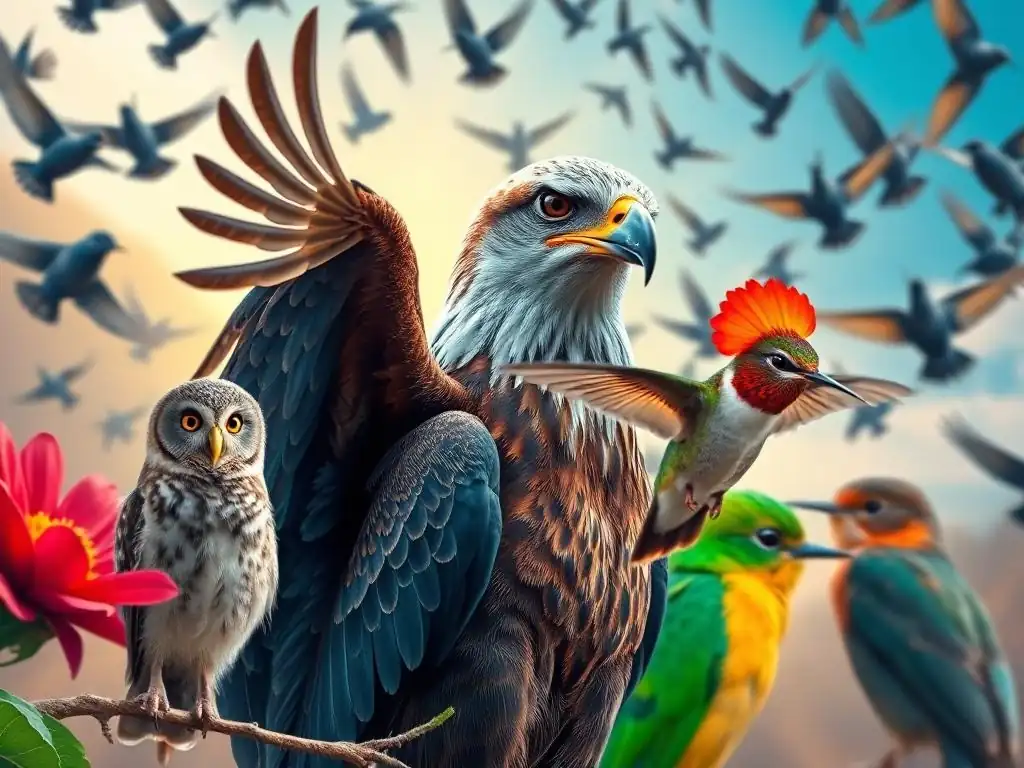
Welcome to PetCareWorld, your ultimate guide to a happier, healthier life for your beloved companion! Are you ready to unlock the secrets hidden within the flutter of a wing and the subtle shift of a head? Our comprehensive Bird Body Language Guide will help you decipher the fascinating communication of your feathered friend, revealing the nuances of their behavior and strengthening your bond. Dive in and discover how understanding bird body language can transform your relationship with your avian companion!
- Understanding Bird Body Language: A Comprehensive Guide
- Common Bird Body Language Signals: A Bird Body Language Guide
- Bird Body Language Variations Across Species
- Advanced Bird Body Language Interpretation Techniques
- Using a Bird Body Language Guide for Better Pet Care
- Frequently Asked Questions
- Final Reflection: Understanding Avian Communication – A Window to the Wild
- Unlock the Secrets of Avian Communication!
Understanding Bird Body Language: A Comprehensive Guide
Owning a bird is a rewarding experience, filled with joy, companionship, and the unique pleasure of interacting with a creature of such intelligence and individuality. However, effective communication is crucial for a harmonious relationship with your feathered friend. Unlike humans who rely heavily on verbal communication, birds primarily communicate through a complex interplay of vocalizations and subtle body language.
This comprehensive guide will delve into the fascinating world of avian communication, exploring the variations in body language across different bird species while highlighting common traits that can help you better understand your bird's needs and emotions. Mastering bird body language is key to recognizing signs of illness, stress, happiness, and even potential aggression, ultimately leading to a stronger bond and a healthier, happier life for your avian companion. This guide serves as your essential "Bird body language guide" for navigating the nuances of avian communication.
Deciphering Bird Communication: Vocalizations and Body Language
Understanding bird communication requires observing both vocalizations and body language. While chirps, whistles, and songs provide valuable information, the subtle shifts in posture, feather position, and eye movements often reveal the true emotional state of your bird. For example, a puffed-up posture with fluffed feathers might indicate fear or cold, while a relaxed posture with smooth feathers suggests contentment. Similarly, a bird rapidly blinking its eyes might be a sign of affection, while wide, staring eyes could signal fear or aggression.
Different species exhibit unique variations in these cues. For instance, the head bobbing of a cockatoo has a different meaning than the head bobbing of a finch. Detailed observation and careful study of your specific bird species are crucial for accurate interpretation. The table below provides some examples of common bird behaviors and their potential interpretations, though it's important to remember that context is key:
| Behavior | Possible Interpretation(s) | Species Examples |
|---|---|---|
| Puffed-up feathers | Fear, cold, illness, stress, display of dominance | Parrots, Cockatoos, Canaries |
| Smooth feathers | Contentment, relaxation, feeling safe | Most species |
| Rapid eye blinking | Affection, submission | Parrots, Lovebirds |
| Wide, staring eyes | Fear, aggression, alertness | Most species |
| Head bobbing | Courtship, greeting, or threat (context-dependent) | Varies greatly by species; research your bird's species |
| Tail wagging | Excitement, happiness (in some species), nervousness | Varies greatly by species; research your bird's species |
The Importance of Context in Bird Body Language Interpretation
Interpreting bird body language is not a simple matter of matching a single behavior to a single meaning. The context in which a behavior occurs is paramount. A bird exhibiting aggressive behaviors such as hissing or lunging might be reacting to a perceived threat, such as a sudden movement or a loud noise.
The same behavior might also be a display of dominance within a flock. Similarly, a bird that is normally active and playful might become lethargic and withdrawn if it is ill or stressed. Therefore, it is essential to consider the bird's environment, its recent experiences, and its overall health when interpreting its body language.
Paying attention to subtle changes in behavior over time is crucial for recognizing early warning signs of illness or distress. This holistic approach to observation is key to becoming a truly effective communicator with your avian companion. Careful observation, coupled with an understanding of your bird's specific species and individual personality, will significantly improve your ability to understand and respond to its needs.
Common Bird Body Language Signals: A Bird Body Language Guide
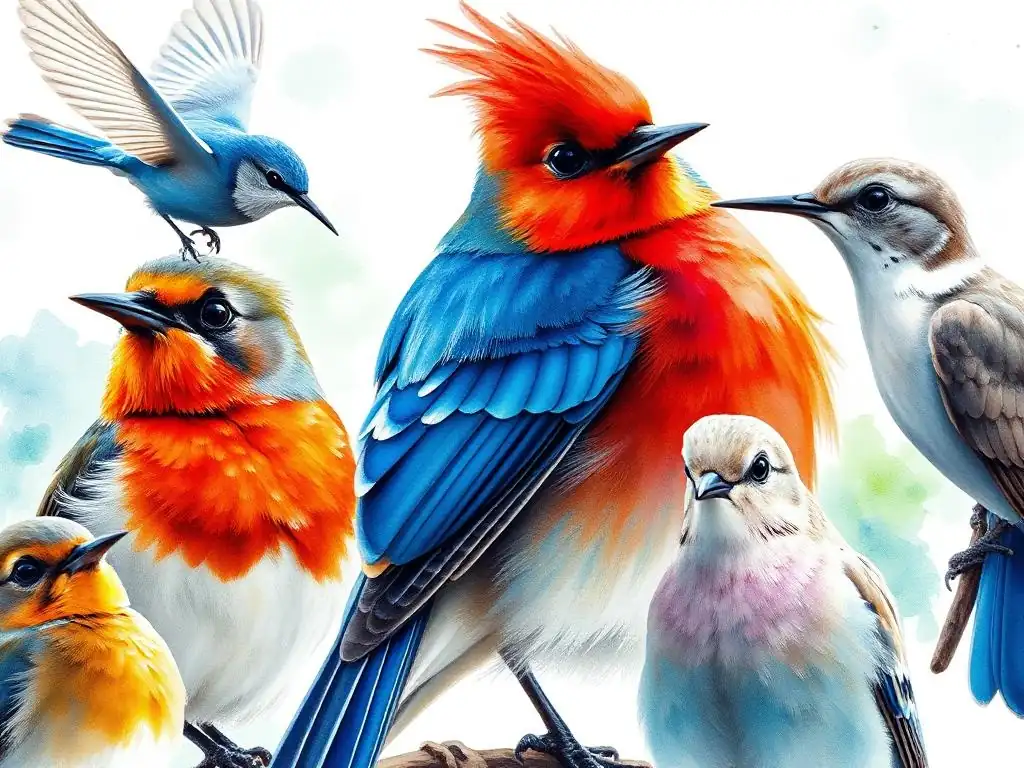
This section delves into the nuanced world of avian communication, offering a detailed "Bird body language guide" to help you better understand your feathered friend. Bird body language is a complex system of visual cues, subtle shifts in posture, and vocalizations that collectively convey a bird's emotional state and intentions. Mastering the art of interpreting these signals is crucial for building a strong bond with your bird and ensuring its well-being. Remember, each species exhibits unique variations, but many common threads unite avian communication across the board.
Identifying Relaxed Behavior in Birds: Posture and Movement
A relaxed bird typically displays a calm and open posture. Observe these key indicators:
- Soft, rounded plumage: Feathers lie smoothly against the body, lacking the ruffled appearance associated with stress or fear. Think of a well-groomed, content parrot preening its feathers meticulously.
- Upright posture: The bird stands tall and balanced, with a relaxed neck and head. There's a natural fluidity to its movements, not tense or jerky.
- Slow, deliberate movements: Gentle preening, slow head turns, and soft, controlled wing movements suggest contentment. Rapid, erratic movements often signify distress.
- Soft vocalizations (if any): Content birds may softly chirp or whistle, their calls lacking the sharp, high-pitched quality of alarmed vocalizations.
- Closed eyes (brief periods): Short periods of eye closure can indicate contentment and relaxation, especially after a period of activity or interaction. However, prolonged eye closure could warrant further investigation.
For example, a relaxed cockatoo might gently bob its head, softly preen its crest feathers, and emit low, rumbling vocalizations. Conversely, a stressed cockatoo would display a raised crest, ruffled feathers, and potentially aggressive vocalizations. Understanding these subtle differences is key to accurate interpretation.
Recognizing Signs of Fear and Anxiety in Birds: A Bird Body Language Guide
Fear and anxiety manifest in various ways in birds. Recognizing these signals early is vital for preventing escalation and ensuring your bird's safety and comfort. Look for these signs:
- Rapid breathing: Observe the bird's chest and flanks for rapid, shallow breaths, potentially accompanied by open-mouthed breathing. This is a clear indication of elevated stress levels.
- Dilated pupils: Enlarged pupils indicate heightened alertness and potential fear. This is often coupled with other visual cues.
- Ruffled feathers: Feathers appear puffed up and disheveled, making the bird appear larger. This is a defensive posture designed to appear more intimidating.
- Tucked head and tail: The bird may pull its head and tail close to its body, attempting to minimize its profile and appear less threatening.
- Avoidance behaviors: The bird may actively avoid eye contact, hide, or attempt to escape from perceived threats.
- High-pitched vocalizations: Sharp, shrill chirps, whistles, or screams indicate alarm and fear. The tone and pitch are often significantly different from their relaxed vocalizations.
Consider a small finch. A relaxed finch will perch calmly, preening its feathers. A frightened finch, however, will exhibit rapid breathing, ruffled feathers, and may try to hide or flee. The difference is significant and easily observable with practice.
Interpreting Aggressive Bird Body Language: Warning Signals and Attacks
Aggressive bird body language is often a culmination of escalating fear or territoriality. Understanding these warning signs can help you prevent attacks and maintain a safe environment. Key indicators include:
- Direct stare: Intense, unwavering eye contact is a clear sign of aggression. This is often accompanied by other threatening behaviors.
- Raised crest (if applicable): Many bird species raise their crests to appear larger and more threatening.
- Flattened feathers: The feathers lie flat against the body, giving the bird a streamlined, more aggressive appearance.
- Open beak and hissing: An open beak, sometimes accompanied by hissing sounds, is a clear warning sign.
- Lunging and biting: This is the final stage of aggression, indicating the bird is ready to attack. It's crucial to understand and avoid triggering this behavior.
- Tail-wagging: A rapid wagging of the tail can be a sign of aggression or agitation, particularly in certain species.
For example, a parrot displaying aggression might exhibit a direct stare, flattened feathers, an open beak, and potentially lunging behavior. Early recognition of these warning signs allows you to take appropriate steps, such as removing yourself from the situation or providing the bird with a safe space to de-escalate. Understanding these signals is crucial for both your safety and the well-being of your avian companion. This detailed "Bird body language guide" aims to equip you with the knowledge to interpret these signals effectively.
Understanding Playful Bird Behavior: Recognizing Playful Interactions
Birds, despite their often-serious demeanor, engage in playful behavior that reveals much about their personalities and well-being. Recognizing these playful interactions is crucial for building a strong bond with your feathered friend and ensuring their happiness. Playful behavior can vary significantly between species, but some common indicators include:
- Bowing and bobbing: A bird bowing its head and bobbing its body is often a sign of playful invitation. This behavior is particularly common in smaller species like budgies and cockatiels. They might bow towards their favorite toy, a human companion, or another bird, inviting interaction. The intensity of the bowing and bobbing can indicate the level of their enthusiasm; a more vigorous display suggests a higher level of playful energy.
- Chasing and pouncing: Many bird species, especially those that are naturally more active, engage in playful chasing and pouncing. This can involve chasing each other, toys, or even their human companions around the cage or aviary. This activity demonstrates their physical agility and their enjoyment of the interaction. Observe the context – if the chasing is accompanied by soft chirps and relaxed body posture, it's likely playful. Aggressive chasing, however, is a different matter entirely.
- Wing flapping and fluttering: Playful wing flapping is often accompanied by other playful behaviors, such as bowing and bobbing. It's usually a less intense form of flapping than that seen during alarm or excitement. The bird may gently flap its wings while hopping around, suggesting a carefree and playful mood. The frequency and amplitude of the wing flaps can provide clues to the bird's energy level.
- Preening and mutual grooming: While preening can be a social bonding behavior, it can also be a form of playful interaction, especially between bonded pairs or flock mates. Gentle preening, accompanied by soft chirps or cooing, is a strong indicator of playfulness. This interaction reinforces their bond and allows for mutual comfort and enjoyment.
- Vocalizations: Playful birds often emit soft chirps, whistles, or other vocalizations that are different from their alarm calls or mating calls. These sounds are typically higher-pitched and more melodic, reflecting their happy and playful state. Pay attention to the tone and pitch of the vocalizations – a cheerful, upbeat sound usually signifies play.
It's important to remember that context is key when interpreting bird body language. A behavior that might seem playful in one situation could indicate something else entirely in a different context. Observing the bird's overall posture, vocalizations, and the surrounding environment is crucial for accurate interpretation.
For example, a bird that is normally playful might exhibit subdued behavior if it's feeling unwell or stressed. Understanding the nuances of your bird's individual personality and behavior patterns is essential for recognizing its playful interactions. Regular interaction and careful observation will help you decipher the subtle signals and better understand your bird's playful nature.
Bird Body Language Variations Across Species
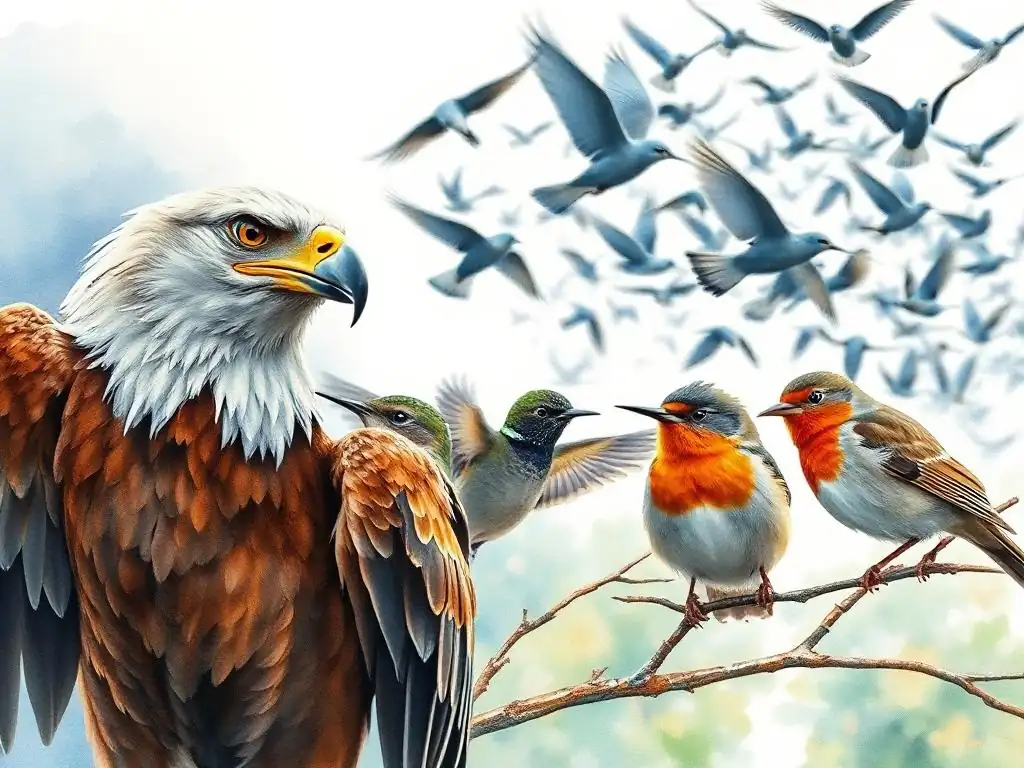
This section delves into the fascinating world of avian communication, exploring how body language differs across various bird species. While some common threads exist, understanding the nuances specific to each species is crucial for responsible pet ownership and ensuring the well-being of your feathered friend. This bird body language guide will help you decipher the subtle cues and overt signals your bird may be exhibiting. We will examine three distinct species: parrots, finches, and canaries, highlighting their unique communicative styles. Remember, accurate interpretation requires careful observation and a holistic understanding of your bird's behavior within its environment.
Parrot Body Language: Unique Signals and Interpretations
Parrots, known for their intelligence and complex social structures, exhibit a wide range of body language signals. Their communication is far from simplistic; it's a sophisticated blend of postures, vocalizations, and even subtle feather movements. Understanding these signals is key to building a strong bond with your parrot and ensuring its happiness.
Parrot body language can be quite expressive. For example, a puffed-up chest and slightly raised wings often indicate excitement or aggression, depending on the context. A relaxed posture with soft, slow movements usually signals contentment and a feeling of safety. Conversely, a hunched posture with tucked-in wings and a closed beak often denotes fear or stress. It's vital to pay attention to the entire picture; one single signal may not tell the whole story.
Consider these specific examples:
- Dilated pupils: Often indicate excitement, fear, or aggression. The context is essential for correct interpretation.
- Rapid blinking: Can signify appeasement or a sign of trust, particularly if directed towards another bird or a trusted human.
- Head bobbing: This can mean a variety of things, from courtship displays to a simple greeting. The frequency and intensity of the bobbing provide crucial clues.
- Feather ruffling: This can indicate either excitement or discomfort, depending on the surrounding circumstances. Observe other accompanying behaviors for a clearer understanding.
A detailed understanding of your specific parrot species is also crucial. For instance, the body language of an Amazon parrot might differ slightly from that of an African Grey, although many commonalities exist. Consistent observation and learning your individual bird's unique quirks is essential for accurate interpretation. Consider keeping a journal to track your bird's behavior and correlate it with specific situations. This will gradually improve your ability to understand your parrot's communication.
Finches, often kept in flocks, communicate primarily through subtle body language cues and vocalizations. Unlike the more expressive parrots, finches rely on a more nuanced system of communication. Their signals are often quick and subtle, requiring careful observation to interpret correctly.
Understanding finch body language is particularly crucial for maintaining a harmonious flock. Aggression, for instance, might manifest as subtle posturing, such as a slight raising of the head or a puffed-up chest. Conversely, submissive behavior could involve lowering the head or crouching.
Here are some key signals to look out for in finches:
- Tail movements: Slight flicks or rapid movements of the tail can often indicate excitement or alertness.
- Wing position: Slightly drooping wings might suggest illness or stress, while raised wings could be a sign of aggression or territorial behavior.
- Beak movements: Rapid beak movements can often indicate excitement or nervousness.
- Preening: While seemingly mundane, preening can also be a social behavior, reinforcing bonds within the flock.
The social dynamics within your finch flock significantly influence their body language. Dominant birds will often exhibit more assertive postures, while subordinate birds will tend to adopt more submissive positions. Observing these interactions provides valuable insights into the social hierarchy and overall well-being of your flock. Maintaining a balanced environment and providing ample space are crucial for minimizing stress and aggression.
Canary Body Language: Vocalizations and Physical Expressions
Canaries, while renowned for their beautiful songs, also communicate through a range of body language cues. While less overtly expressive than parrots, their signals, combined with their vocalizations, offer a wealth of information about their emotional state and well-being.
Unlike parrots or finches, canaries rely more heavily on vocalizations to communicate, but body language plays a crucial supporting role. A healthy and happy canary will typically exhibit a relaxed posture with smooth, even breathing. Conversely, ruffled feathers, hunched posture, and rapid breathing can all point to illness or stress.
Key aspects of canary body language include:
- Posture: A relaxed, upright posture generally indicates a content bird. A hunched or lethargic posture, on the other hand, can indicate illness or discomfort.
- Feather condition: Smooth, glossy feathers are a sign of good health. Ruffled or dull feathers can suggest illness, stress, or poor nutrition.
- Eye brightness: Bright, clear eyes usually indicate a healthy bird. Dull or sunken eyes might signal illness or dehydration.
- Activity levels: A healthy canary will be active and alert. Lethargy or inactivity can be a symptom of various health problems.
Regular observation of your canary's overall condition and behavior is crucial for early detection of any potential problems. A sudden change in posture, activity levels, or vocalizations should prompt a thorough examination. Understanding your canary's normal behavior is the first step in recognizing deviations that might indicate a health concern. Maintaining a clean, stimulating environment and providing a balanced diet are key to keeping your canary happy and healthy.
Hawk Body Language: Predatory Behavior and Communication
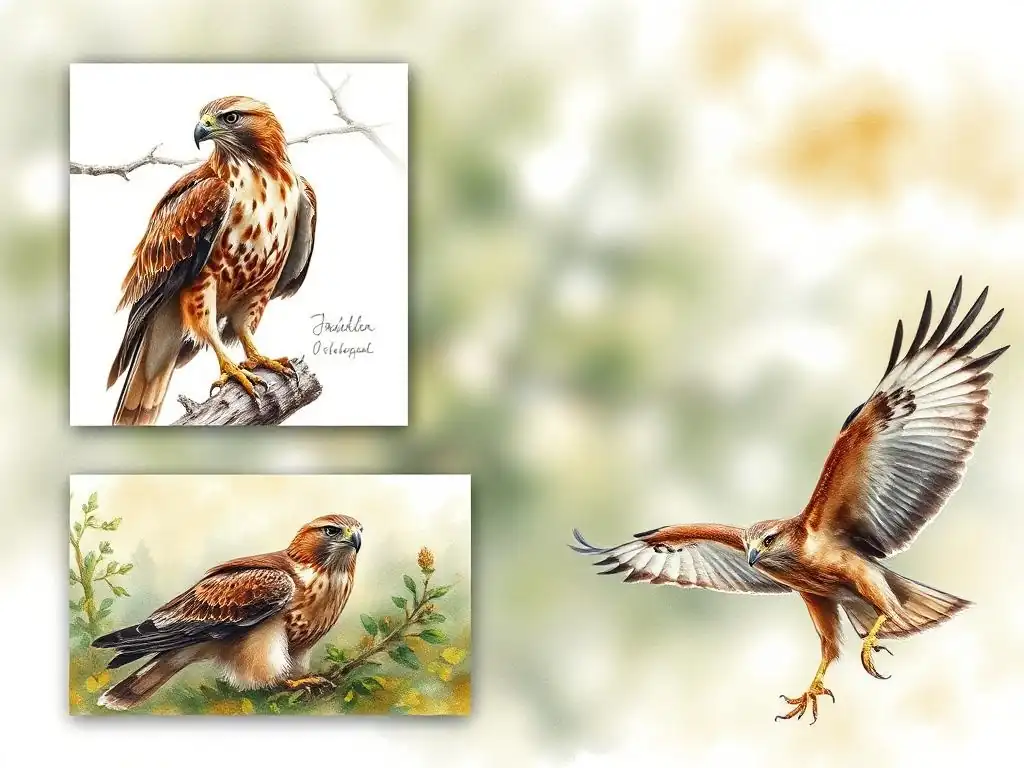
Hawks, renowned for their aerial prowess and predatory instincts, exhibit a body language intricately linked to hunting and social interactions. Understanding hawk body language requires observing subtle shifts in posture, wing position, and eye movements. A hawk poised to strike will display a tense, low-to-the-ground posture, its body compressed and wings held slightly back. The head will be held low, eyes intensely focused on its prey.
This "hunting stance" is a clear indicator of imminent attack. Conversely, a relaxed hawk will often perch with its wings loosely folded, head held high, and gaze scanning its surroundings. This relaxed posture signals a lack of immediate threat or predatory intent.
Furthermore, hawks communicate through various subtle body language cues. For instance, a hawk displaying aggressive behavior towards another hawk might puff up its feathers, making itself appear larger and more intimidating. This aggressive posturing often includes spreading its tail feathers and making sharp, direct eye contact, a clear warning signal.
Conversely, submissive hawks may crouch low to the ground, avoiding eye contact and keeping their wings close to their body. These submissive displays are vital in avoiding conflicts within hawk communities. Different hawk species may exhibit slightly different nuances in these displays, but the underlying principles of threat assessment and communication remain consistent across the species.
Detailed observation of individual hawk behavior is key to accurate interpretation of their body language. For example, the Red-tailed Hawk's aggressive display might involve a more pronounced wing-raising compared to a Cooper's Hawk. These subtle differences highlight the importance of species-specific knowledge in understanding avian body language.
Owl Body Language: Nocturnal Habits and Communication Styles
Owls, masters of the night, possess unique body language adaptations reflecting their nocturnal lifestyle and hunting strategies. Unlike diurnal birds, owls rely heavily on subtle movements and auditory cues for communication. Their large, forward-facing eyes are crucial for depth perception, and their head rotation allows for a wide field of vision.
An owl actively hunting will often sit motionless for extended periods, perfectly camouflaged against its surroundings. This stillness itself is a form of body language, a testament to its patience and hunting strategy. A slight shift in head position, a twitch of an ear, or a subtle change in the angle of its gaze are all potential indicators of prey detection.
Owl communication involves a range of subtle body language signals. A hissing sound accompanied by a flattened posture and wide-eyed stare indicates aggression, a warning to potential threats. Conversely, a relaxed owl might sit with its feathers smoothly arranged, head held upright, and eyes gently blinking.
This relaxed posture is a clear indication of contentment and a lack of immediate danger. The position of their ears can also be informative. Erect ears often signal alertness, while flattened ears might suggest fear or submission.
Different owl species, from the Great Horned Owl to the Barn Owl, may exhibit slight variations in these displays, reflecting their respective habitats and hunting styles. For example, the Great Horned Owl’s aggressive display might involve more pronounced hissing and a greater degree of feather ruffling than a smaller owl species. Understanding these nuances is crucial for accurate interpretation of owl body language, allowing us to better appreciate these fascinating nocturnal hunters.
Advanced Bird Body Language Interpretation Techniques
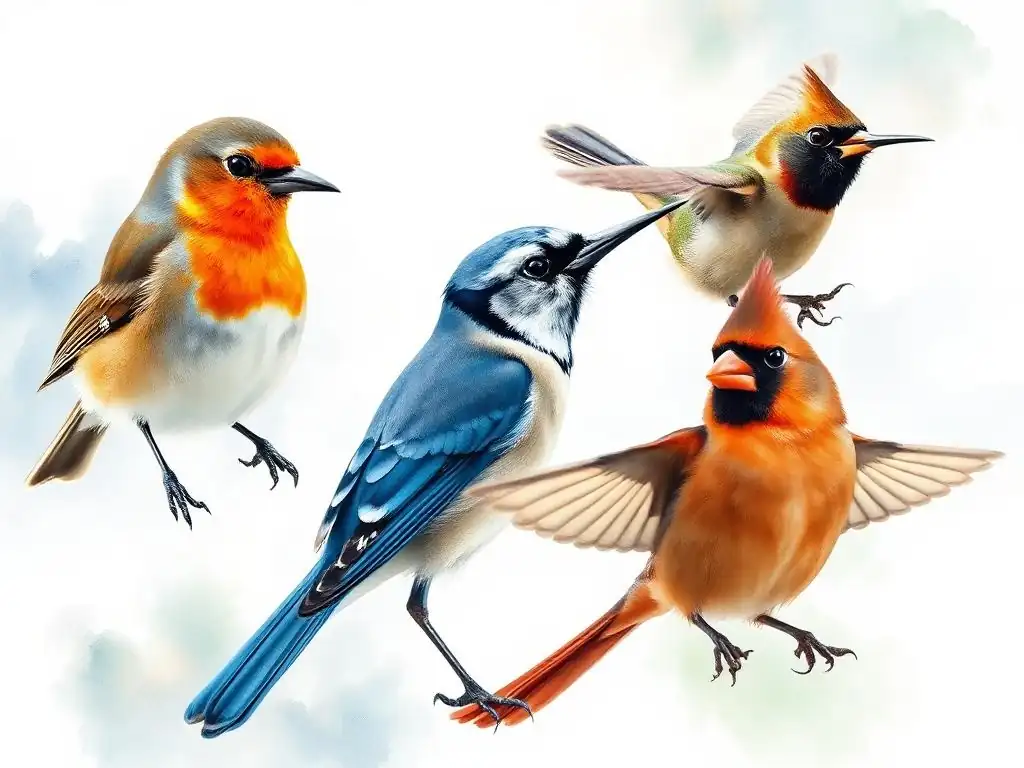
This section delves into more nuanced aspects of understanding avian communication, moving beyond basic signals to encompass subtle cues and contextual understanding crucial for truly effective interaction with your feathered friends. A comprehensive bird body language guide requires attention to detail and an understanding of the subtle variations between species and environments.
Observing Bird Behavior in Different Contexts: Natural Habitats vs. Captivity
Interpreting bird body language requires considering the context. A bird's behavior in its natural habitat will differ significantly from that of a captive bird. For example, a puffed-up chest in a wild parrot might signal territorial dominance or a readiness to mate. The same posture in a captive parrot could indicate fear, stress, or even illness, particularly if accompanied by other signs like ruffled feathers or decreased appetite. Understanding these contextual differences is paramount for accurate interpretation.
Wild birds often display a wider range of behaviors due to the need for survival and competition for resources. They might exhibit more pronounced displays of aggression or fear, utilizing a larger repertoire of vocalizations and postures. Captive birds, on the other hand, may exhibit more subtle behavioral changes as a response to their environment. For instance, a slight change in posture, such as a lowered head or a tucked tail, could indicate stress or discomfort in a captive bird, while in the wild, it might be a less significant signal.
The availability of resources also plays a significant role. A wild bird frantically searching for food will display different body language than a well-fed captive bird. Similarly, the presence of predators or rivals will elicit different responses compared to a safe and secure captive environment.
Careful observation and a deep understanding of the bird's living conditions are essential for accurate interpretation of its body language. Keep a detailed record of your bird's daily routines and any changes in its behavior to help you identify patterns and potential problems. This detailed approach will significantly enhance your ability to understand your bird's needs and ensure its well-being.
Identifying Subtle Cues: Micro-expressions and Fine Movements
Beyond the obvious postures, paying close attention to micro-expressions and fine movements can dramatically improve your understanding of a bird’s emotional state. These subtle cues often reveal a bird's true feelings more accurately than broader displays. For instance, a slight twitch of the eye, a barely perceptible change in breathing rate, or a subtle shift in weight can all indicate underlying anxieties or discomfort.
Consider the following examples: A rapid blinking of the eyes might signify stress or fear, while slow, deliberate blinks can indicate comfort and trust. Similarly, subtle changes in pupil dilation can reflect a bird's level of alertness or excitement. The position and movement of the bird's head and beak can also provide valuable insights. A slightly tilted head might suggest curiosity, while a rapidly moving beak could indicate nervousness or agitation.
A comprehensive bird body language guide emphasizes the importance of sustained observation. Spend time simply watching your bird, paying attention to the smallest details. Video recording can be incredibly helpful in reviewing subtle behaviors that might be easily missed during live observation. By carefully analyzing these subtle cues, you can develop a much deeper understanding of your bird's emotional landscape and respond to its needs more effectively. This detailed attention to detail is crucial for building a strong bond and ensuring a healthy and happy life for your avian companion.
Using Bird Body Language to Enhance Bonding and Training
Understanding bird body language is not just about recognizing distress signals; it's a key component of building a strong bond and facilitating effective training. By recognizing your bird's cues, you can tailor your interactions to its comfort level, fostering trust and cooperation. For instance, if your bird displays signs of stress during training, such as ruffled feathers or rapid breathing, it's crucial to back off and try a different approach. Conversely, recognizing signs of contentment and engagement, like relaxed posture and bright eyes, allows you to reinforce positive behaviors and further strengthen your bond.
Positive reinforcement training relies heavily on understanding a bird's responses. Recognizing subtle signs of understanding or frustration enables you to adjust your training methods accordingly. This approach ensures a more rewarding experience for both you and your bird, ultimately leading to a stronger relationship. For example, if your bird consistently avoids a particular task, it may be due to fear or confusion. Observing its body language during the task will help you identify the source of the problem and adjust your training techniques.
By incorporating an understanding of bird body language into your daily interactions and training sessions, you can create a more harmonious and enriching relationship with your avian companion. This attentive approach demonstrates respect for your bird's individuality and fosters a deeper understanding of its needs, leading to a more fulfilling partnership.
Using a Bird Body Language Guide for Better Pet Care
This section focuses on the practical application of understanding avian body language in daily pet care. A comprehensive bird body language guide isn't just an interesting read; it's a vital tool for responsible bird ownership. Proficiently interpreting your bird's signals translates directly into improved care, stronger bonding, and a happier, healthier feathered friend. Ignoring these subtle cues can lead to misunderstandings, stress for your bird, and potentially even health problems.
Improving Communication with Your Avian Companion
Effective communication with your bird goes far beyond simply talking to it. It involves actively observing and interpreting its body language. For instance, a puffed-up chest often signifies aggression or fear, while fluffed feathers might indicate cold or illness. A bird rapidly blinking its eyes could be a sign of affection, a form of greeting, or even submission, depending on the context. Understanding these nuances is crucial. Consider the following examples:
- Head bobbing: While sometimes a sign of excitement, rapid head bobbing can also indicate aggression, especially when combined with other signs like dilated pupils. The context is key. A slow, gentle bob might be a friendly greeting.
- Tail position: A clamped-down tail can signify fear or stress, while a slightly raised tail might indicate alertness or curiosity. A fully spread tail, however, is often a sign of aggression or territoriality.
- Vocalizations: Pay attention not just to the type of vocalization but also the tone and frequency. A high-pitched chirp might be a sign of contentment, while a harsh squawk could indicate distress or anger.
By carefully observing these subtle cues and learning to interpret them correctly, you can foster a stronger bond with your bird and create a more harmonious living environment. This proactive approach to communication enhances the overall quality of your relationship.
Addressing Behavioral Problems through Body Language Understanding
Many behavioral problems in birds stem from a lack of understanding on the owner's part. By recognizing the subtle signs of stress, fear, or discomfort expressed through body language, you can often address the root cause of the problem before it escalates. For example, if your bird is constantly exhibiting signs of fear (fluffed feathers, tucked tail, rapid breathing), it's crucial to identify and eliminate the source of that fear. This might involve changes to the environment, a new training approach, or even a veterinary checkup to rule out any underlying medical conditions.
Here's a table summarizing common behavioral problems and their associated body language indicators:
| Behavioral Problem | Body Language Indicators | Potential Solutions |
|---|---|---|
| Feather plucking | Bare patches, constant preening, restlessness | Veterinary checkup, environmental enrichment, stress reduction |
| Aggression | Dilated pupils, puffed feathers, snapping beak, lunging | Training, environmental adjustments, veterinary consultation |
| Fear/Anxiety | Fluffed feathers, tucked tail, rapid breathing, hiding | Identifying and removing stressors, behavior modification |
| Boredom | Listless behavior, repetitive movements, self-mutilation | Providing more toys, enrichment activities, social interaction |
Regular observation and careful interpretation of your bird's body language are essential for preventative care and early intervention in behavioral issues. Early recognition is key to successful resolution.
Ensuring Your Bird's Well-being Through Observational Skills
A keen eye for detail is the cornerstone of responsible bird ownership. Regular observation of your bird's body language allows you to monitor its overall health and well-being. Changes in posture, activity levels, or vocalizations can be early indicators of illness or discomfort. For example, a lethargic bird with ruffled feathers might be unwell, while a bird constantly preening excessively could be experiencing stress or an underlying medical condition.
Developing strong observational skills requires patience and practice. Take time each day to simply observe your bird, noting any changes in its behavior or appearance. Keep a detailed record of these observations – this can be invaluable in identifying patterns and pinpointing potential health problems early. This proactive approach to monitoring your bird's well-being can make a significant difference in its overall health and longevity. Remember, a healthy bird is a happy bird, and regular observation is a vital component of ensuring its well-being.
Frequently Asked Questions
How can I tell if my bird is happy?
Happy birds often exhibit relaxed posture, with soft, slightly ruffled feathers. They might also sing frequently, readily accept treats, and engage in playful behaviors like preening or playing with toys.
What does it mean when my bird fluffs its feathers?
Feather fluffing can indicate several things, including cold, stress, or illness. Observe your bird's overall behavior to determine the cause. If it continues, consult an avian vet.
My bird is bobbing its head. What does this mean?
Head bobbing can be a sign of courtship, excitement, or even aggression depending on the context. Consider the bird's other behaviors and overall body language.
What are some signs of aggression in birds?
Aggressive birds may display dilated pupils, flattened feathers, and an erect posture. They might also hiss, bite, or lunge. Providing enough space and enrichment can often help reduce aggression.
How does bird body language differ across species?
While some signals are universal, many subtle variations exist. For example, a puffed-up chest might mean aggression in one species but contentment in another. Species-specific guides are crucial for accurate interpretation.
Final Reflection: Understanding Avian Communication – A Window to the Wild
Understanding bird body language is not merely an academic pursuit; it's a key to unlocking a deeper connection with the natural world. The subtle shifts in posture, the flick of a wing, the tilt of a head – these are not random movements, but intricate signals woven into the very fabric of avian life. Mastering the art of interpreting these signals allows us to appreciate the complexity and richness of bird behavior, moving beyond simple observation to genuine understanding.
The impact of this knowledge extends far beyond simple birdwatching. Learning to "speak bird" fosters a profound respect for these creatures and their intricate social structures. It allows us to appreciate the diversity of communication strategies across different species, highlighting the remarkable adaptability of life. The more we learn about birds, the more we realize how much we still have to learn.
This quote encapsulates the ongoing journey of discovery that awaits us as we continue to unravel the mysteries of avian communication. My own fascination with bird behavior has deepened considerably through this research, and I hope it has done the same for you.
Now, I invite you to take what you've learned and apply it to your own observations. The next time you see a bird, don't just look at it – observe it. Pay attention to its posture, its movements, its interactions with others. Try to decipher the silent language it speaks, and you'll find yourself drawn into a world of fascinating complexity and beauty. Let this guide be your starting point on a journey of discovery, a journey that will enrich your understanding of the natural world and your place within it.
Unlock the Secrets of Avian Communication!
Thank you for exploring the fascinating world of bird body language! We hope you've gained a deeper understanding of the subtle cues birds use to communicate. Now let's put your new knowledge to the test!
- Observe local birds: Carefully watch their posture, wing position, and calls. Try to identify the species and interpret their messages. This is a fun and rewarding activity!
- Share your findings: Post a photo of a bird displaying interesting body language on PetCareWorld's social media and share your interpretation! Let's build a community of bird language enthusiasts.
- Continue learning: Research different bird species and their unique communication styles. You might discover fascinating relationships between their behavior and their environment.
What interesting bird behaviors have you observed recently? Let's discuss!