
Saltwater Aquarium Setup: Essential Equipment for a Thriving Saltwater Aquarium

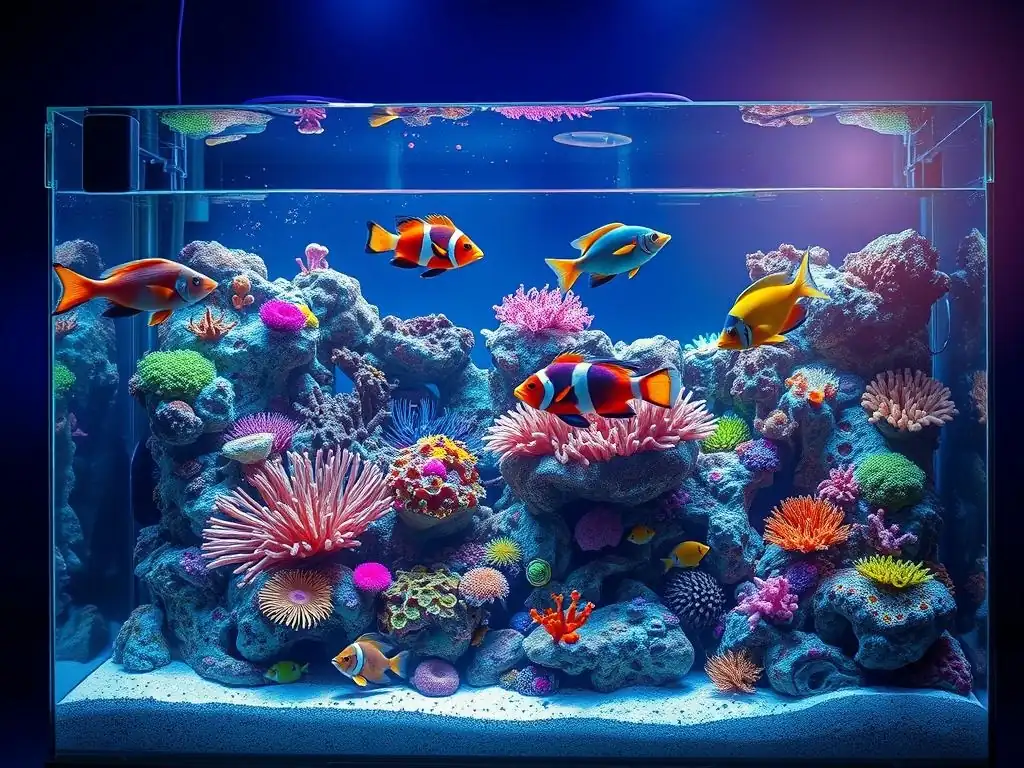
Welcome to PetCareWorld, your ultimate guide to a happier, healthier life for your beloved companions! Are you ready to dive into the mesmerizing world of saltwater aquariums? Discover the secrets to a thriving underwater ecosystem with our expert guide on the best saltwater aquarium equipment. From essential filtration systems to the perfect lighting, we'll equip you with the knowledge to create a stunning and successful saltwater aquarium. Let's explore the fascinating world of marine life together – start building your aquatic paradise now!
- Choosing the Best Saltwater Aquarium Tank: Size and Material Considerations
- Essential Filtration for Your Saltwater Aquarium: Keeping Water Pristine
- Illumination: Selecting the Best Lighting for Your Saltwater Aquarium
- Heating and Temperature Control in Your Saltwater Aquarium
- Water Circulation and Powerheads: Essential for a Healthy Ecosystem
- Salinity and Water Testing: Monitoring Your Saltwater Aquarium's Health
- Substrate and Live Rock: Creating a Natural Environment
- Saltwater Aquarium Maintenance: Keeping Your Ecosystem Healthy
- Selecting the Best Saltwater Aquarium Equipment: A Buyer's Guide
-
Frequently Asked Questions
- What is the most essential piece of equipment for a saltwater aquarium?
- How important is a good filtration system for a saltwater aquarium?
- What type of lighting is best for a saltwater aquarium?
- What are the benefits of using a wave maker in a saltwater aquarium?
- How often should I perform water changes in my saltwater aquarium?
- Final Reflection: The Enduring Allure of the Underwater World
- Dive Deeper into Your Saltwater Aquarium Journey!
Choosing the Best Saltwater Aquarium Tank: Size and Material Considerations
Setting up a saltwater aquarium is a rewarding but challenging endeavor. Success hinges on meticulous planning and the selection of high-quality equipment. This comprehensive guide will walk you through choosing the best saltwater aquarium equipment, ensuring your marine ecosystem thrives.
We'll explore essential components, from selecting the perfect tank to maintaining optimal water parameters, helping you create a stunning and healthy environment for your saltwater inhabitants. Choosing the right equipment is crucial not only for the aesthetic appeal of your aquarium but, more importantly, for the health and longevity of your fish and invertebrates. This guide focuses on providing you with the knowledge to make informed decisions, leading to a thriving and beautiful saltwater aquarium – a testament to your dedication and expertise.
We'll cover everything from tank selection to filtration and lighting, empowering you to create the perfect underwater world. This guide is designed to help you find the best saltwater aquarium equipment for your needs and budget.
Selecting the Right Tank Size for Your Saltwater Inhabitants
Choosing the appropriate tank size is paramount. Undersized tanks quickly become overcrowded, leading to stress, disease, and ultimately, the death of your marine life. The size you need depends heavily on the number and size of the fish and invertebrates you plan to keep. Larger fish, like angelfish or groupers, require significantly more space than smaller fish like clownfish or gobies. Consider the mature adult size of your chosen species, not just their juvenile size.
A good rule of thumb is to allow ample swimming space. Cramming too many fish into a small space leads to poor water quality and increased stress levels. Remember that live rock and coral also take up space within the tank, further reducing the available swimming area for your fish. Consider the following factors when selecting your tank size:
- Number of fish: More fish require a larger tank.
- Size of fish: Larger fish require more space.
- Type of fish: Some fish are more active and require more swimming room.
- Live rock and coral: These occupy space within the tank.
- Filtration system: A larger tank may require a more powerful filtration system.
A well-planned tank size ensures the health and well-being of your marine life, creating a visually appealing and thriving ecosystem. Remember to research the specific space requirements for your chosen species before purchasing your tank. Insufficient space can lead to significant problems down the line.
Choosing Between Acrylic and Glass Saltwater Aquariums
The choice between acrylic and glass aquariums comes down to several key factors, each influencing the overall aesthetic and functionality of your saltwater setup. Both materials offer advantages and disadvantages:
| Feature | Acrylic | Glass |
|---|---|---|
| Weight | Lighter, easier to move | Heavier, more difficult to move |
| Strength | More resistant to scratches and impact | More susceptible to scratches and breakage |
| Clarity | Slightly less clear than glass | Crystal clear |
| Cost | Generally more expensive | Generally less expensive |
| Seams/Seams visibility | Fewer seams, less visible | More visible seams |
| Maintenance | Easier to clean scratches | Scratches are more visible and harder to remove |
Acrylic tanks are known for their superior impact resistance, making them safer for households with children or pets. However, they are more prone to scratching and can be more expensive. Glass tanks, while more susceptible to breakage, offer superior clarity and are generally more affordable. The choice ultimately depends on your budget, the size of your tank, and your personal preferences. Consider the long-term maintenance implications when making your decision.
Understanding Aquarium Dimensions and Placement
The dimensions of your saltwater aquarium are crucial for both aesthetic appeal and the well-being of your marine life. Beyond simply considering the volume (gallons), pay close attention to the length, width, and height of the tank. A longer and wider tank generally provides more swimming space for your fish, while a taller tank can create a more dramatic visual effect. The placement of your aquarium is equally important.
Ensure the location can support the weight of the fully filled tank, and avoid placing it in direct sunlight to prevent algae growth and overheating. Furthermore, consider the accessibility of the tank for maintenance tasks such as water changes and cleaning. Careful planning of your aquarium's dimensions and location will contribute significantly to the success of your saltwater aquarium. Remember to measure your space carefully before purchasing your tank to ensure a proper fit and avoid potential issues with placement.
Essential Filtration for Your Saltwater Aquarium: Keeping Water Pristine
Maintaining pristine water quality is paramount for the health and longevity of your saltwater aquarium inhabitants. Unlike freshwater setups, saltwater aquariums require a robust and multifaceted filtration system to manage the increased bioload and the delicate chemical balance of saltwater. Choosing the best saltwater aquarium equipment involves carefully selecting components that work synergistically to create a thriving environment.
Neglecting proper filtration can lead to ammonia spikes, harmful algae blooms, and ultimately, the demise of your precious marine life. This section will delve into the critical aspects of saltwater aquarium filtration, helping you understand how to achieve crystal-clear, biologically stable water.
Selecting the Right Filtration System for Your Tank Size
The size of your saltwater aquarium dictates the scale and type of filtration system needed. A small nano-reef might only require a hang-on-back filter and a protein skimmer, while a larger reef tank necessitates a more complex system, potentially incorporating multiple filters, a sump, and advanced protein skimming technology. Consider these factors when choosing your equipment:
- Tank Volume: This is the most crucial factor. Larger tanks generate more waste and require proportionally larger filtration capacity.
- Stocking Density: The number and type of fish and invertebrates you plan to keep will impact the bioload and the filtration demands. More inhabitants mean a more powerful filtration system is essential.
- Type of Inhabitants: Certain marine life, like corals, are more sensitive to water quality fluctuations and require more robust filtration.
- Budget: Filtration equipment ranges significantly in price. Determine your budget early on to narrow your options effectively.
For example, a 20-gallon nano-reef might benefit from a compact hang-on-back filter combined with a small protein skimmer. However, a 150-gallon reef tank would likely require a dedicated sump with multiple filter media, a powerful protein skimmer, and potentially a fluidized bed filter for superior mechanical filtration. Choosing the right filtration system is a crucial step in creating the best saltwater aquarium.
Understanding Protein Skimmers and Their Importance in Saltwater Aquariums
Protein skimmers are arguably the most important piece of equipment in a saltwater aquarium, especially for reef tanks. They remove dissolved organic waste, before it breaks down into harmful substances like ammonia and nitrite. These skimmers work by bubbling air through the aquarium water, creating a foam that collects these organic compounds. This foam is then removed from the system, leaving the water cleaner and clearer. The efficiency of a protein skimmer is measured by its ability to remove these organic compounds efficiently, preventing the build-up of harmful substances.
There are several types of protein skimmers available, including:
- Hang-on-back skimmers: These are compact and suitable for smaller tanks.
- In-sump skimmers: These are more powerful and are typically used in larger systems.
- External skimmers: These are separate units that connect to the aquarium.
Choosing the right protein skimmer depends on your tank size and the bioload. A larger tank with a heavier bioload will require a more powerful skimmer. Regular maintenance, including cleaning the collection cup and replacing worn parts, is essential for optimal performance. A well-maintained protein skimmer is a critical component of the best saltwater aquarium equipment.
Mechanical, Chemical, and Biological Filtration: A Comprehensive Overview
Saltwater aquarium filtration relies on three primary processes working in concert: mechanical, chemical, and biological filtration. Understanding each process is key to maintaining a healthy and stable aquarium environment.
| Filtration Type | Process | Media Examples | Purpose |
|---|---|---|---|
| Mechanical Filtration | Physically removes particulate matter | Filter floss, filter pads, sponge filters | Removes large debris, preventing clogging of other filters. |
| Chemical Filtration | Removes dissolved impurities and toxins | Activated carbon, resin, phosphate remover | Absorbs unwanted chemicals, improves water clarity and reduces nutrient levels. |
| Biological Filtration | Breaks down harmful waste products via bacteria | Live rock, ceramic media, bio balls | Converts ammonia to nitrite and then to nitrate, less toxic forms of nitrogen. |
These three processes should be carefully balanced. Too much mechanical filtration can remove beneficial bacteria, while insufficient chemical filtration can lead to a build-up of harmful substances. Biological filtration is the cornerstone of a healthy saltwater aquarium; providing the necessary bacterial colonies to efficiently process waste. A properly balanced filtration system is a crucial aspect of setting up the best saltwater aquarium equipment for your needs. Regular testing of water parameters and adjustments to your filtration strategy as needed will ensure the long-term health of your marine ecosystem.
Maintaining Your Saltwater Aquarium Filter: Regular Cleaning and Maintenance
Maintaining a pristine saltwater aquarium hinges on diligent filter maintenance. Neglecting this crucial aspect can lead to a rapid decline in water quality, jeopardizing the health and well-being of your marine inhabitants. Regular cleaning and maintenance are not just about aesthetics; they're about ensuring a thriving ecosystem within your tank. Think of your filter as the heart of your saltwater aquarium – a vital organ that needs consistent care to function optimally.
The frequency of cleaning depends on several factors, including the size of your tank, the number of fish, and the type of filter you're using. Generally, a thorough cleaning of mechanical filter components (like filter floss and sponges) should be undertaken every 2-4 weeks. However, this is just a guideline. Closely monitor your water parameters – ammonia, nitrite, and nitrate levels – to gauge the effectiveness of your filter. A sudden spike in these levels is a clear indication that your filter needs attention.
Cleaning your filter isn't simply about rinsing it under tap water. Tap water contains chlorine and chloramine, which are highly toxic to marine life. Always use aquarium-safe water – dechlorinated water, or water from your aquarium itself – when cleaning filter media. Never replace all filter media simultaneously; instead, clean and replace components gradually to maintain beneficial bacteria colonies responsible for biological filtration. These bacteria are essential for breaking down harmful waste products. Replacing all media at once will cause a disastrous "mini-cycle," potentially killing your fish.
When cleaning mechanical components, gently squeeze or rinse them in aquarium water. Avoid using harsh chemicals or detergents, as these will destroy the beneficial bacteria. For protein skimmers, regular cleaning involves emptying the collection cup and rinsing the components as needed. Some skimmers require more frequent cleaning than others, so consult your skimmer's manual for specific instructions.
Remember, the goal is to remove debris without harming the beneficial bacteria that are crucial for maintaining water quality in your best saltwater aquarium. Regular, careful maintenance translates to a healthier and more stable aquarium environment, reducing stress on your fish and preventing costly problems down the line. Investing time in proper filter maintenance is an investment in the long-term health and success of your saltwater aquarium.
Illumination: Selecting the Best Lighting for Your Saltwater Aquarium
Proper illumination is paramount for a thriving saltwater aquarium, especially if you're keeping corals or other light-dependent invertebrates. The right lighting system will not only enhance the beauty of your tank but also support the health and growth of your marine inhabitants. Choosing the best lighting often involves balancing several key factors, including spectrum, intensity, and scheduling. Selecting the best saltwater aquarium equipment includes making informed decisions about your lighting needs.
Choosing the Right Spectrum and Intensity for Coral Growth
The spectrum of light, essentially the colors emitted, is crucial for coral health. Corals require a specific range of wavelengths for photosynthesis, with a strong emphasis on blues and actinics for optimal growth and vibrant coloration. Intensity, measured in PAR (Photosynthetically Active Radiation), determines how much light reaches your corals. Insufficient light leads to stunted growth and bleaching, while excessive light can cause damage and stress.
Different coral species have varying light requirements. For example, Acropora corals generally need higher intensity lighting than Zoanthids. To determine the appropriate intensity for your specific corals, consider their natural habitat and light exposure. You can use a PAR meter to accurately measure the light intensity at various depths within your tank.
This allows for precise placement of corals to ensure they receive the optimal amount of light. Remember, even within a single tank, light intensity can vary significantly depending on depth and distance from the light source. Careful monitoring and adjustment are key to success. Choosing the right spectrum and intensity is a critical aspect of selecting the best saltwater aquarium equipment for a successful coral reef setup.
LED vs. Metal Halide Lighting: A Comparison for Saltwater Tanks
The choice between LED and metal halide lighting represents a significant decision in setting up your saltwater aquarium. Both offer distinct advantages and disadvantages:
| Feature | LED Lighting | Metal Halide Lighting |
|---|---|---|
| Energy Efficiency | Significantly more efficient | Less energy efficient |
| Heat Output | Low heat generation | High heat generation, requiring cooling |
| Lifespan | Much longer lifespan (50,000+ hours) | Shorter lifespan (8,000-12,000 hours) |
| Cost | Higher initial investment, lower long-term | Lower initial investment, higher long-term |
| Spectrum Control | Highly customizable spectrum control | Less customizable spectrum control |
| Maintenance | Low maintenance | Higher maintenance (bulb replacement) |
LED lighting has become increasingly popular due to its energy efficiency, longer lifespan, and superior spectrum control. They also produce less heat, reducing the need for expensive and energy-consuming chillers. Metal halide lighting, while offering a more intense light output, comes with higher running costs and increased maintenance requirements. The best choice depends on your budget, technical expertise, and the specific needs of your coral species. The ongoing cost and maintenance involved in each option should be factored into your decision when considering the best saltwater aquarium equipment.
Lighting Schedules and Their Impact on Marine Life
Mimicking the natural light cycle is crucial for the health and well-being of your marine life. A well-designed lighting schedule should simulate sunrise, daytime, and sunset, providing a gradual increase and decrease in light intensity throughout the day. This helps regulate the biological processes of your corals and other inhabitants, promoting healthy growth and reducing stress.
A typical lighting schedule might involve:
- Sunrise (30 minutes): A slow increase in light intensity.
- Daytime (8-10 hours): Consistent, optimal light intensity.
- Sunset (30 minutes): A gradual decrease in light intensity.
- Nighttime (14-16 hours): Complete darkness.
Adjusting the schedule based on the specific needs of your inhabitants is essential. Some corals may benefit from a longer photoperiod (daylight hours), while others may require shorter periods of light exposure. A programmable timer is invaluable for automating the lighting schedule, ensuring consistency and minimizing disruption to your marine ecosystem. Careful consideration of lighting schedules is an often-overlooked aspect of acquiring the best saltwater aquarium equipment and ensuring a thriving aquarium. Ignoring this can lead to stressed, unhealthy marine life.
Heating and Temperature Control in Your Saltwater Aquarium
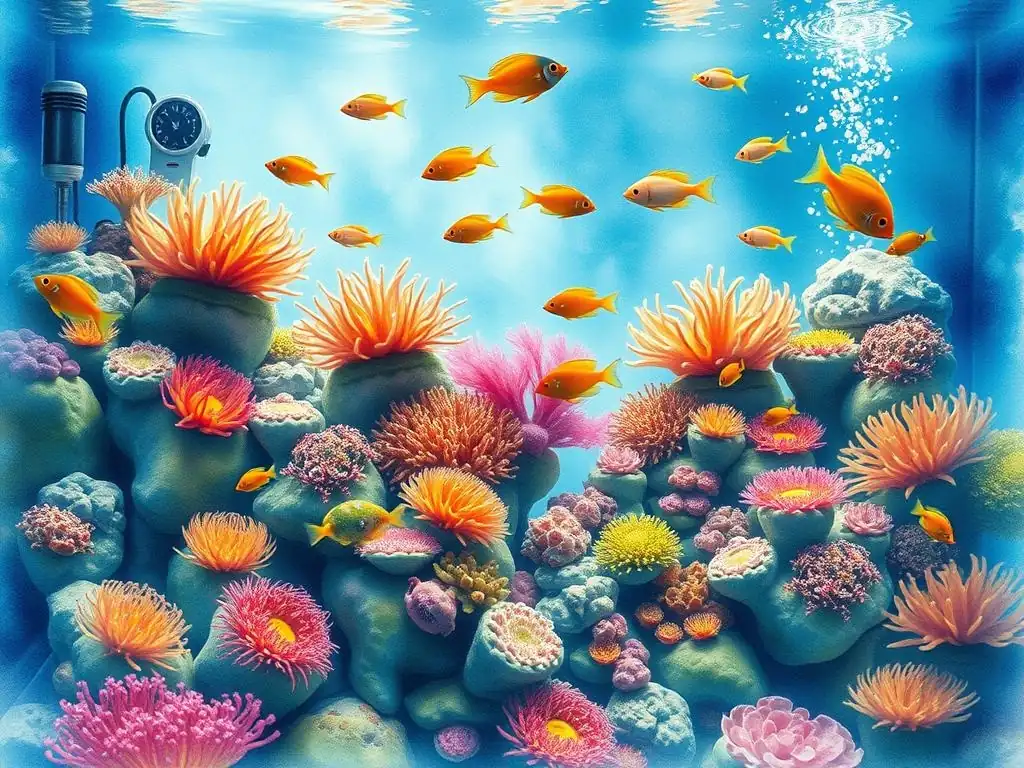
Maintaining the ideal temperature is crucial for the health and survival of your saltwater aquarium inhabitants. Fluctuations can stress your fish, invertebrates, and corals, leading to disease and even death. Choosing the right equipment and monitoring your tank's temperature diligently is paramount for a thriving saltwater ecosystem. This section will guide you through selecting and using the best saltwater aquarium equipment for precise temperature control, helping you create a stable and healthy environment for your aquatic pets. Finding the best saltwater aquarium equipment often involves balancing cost, reliability, and ease of use.
Selecting the Right Aquarium Heater for Your Tank Size
Choosing the appropriate heater is the first step towards successful temperature management. Heaters are rated in watts (W), indicating their heating capacity. A larger tank requires a higher wattage heater to maintain the desired temperature effectively. Underpowering a large tank will lead to inconsistent heating and temperature fluctuations, while over-powering a small tank can cause overheating and damage.
Here's a helpful guideline:
| Tank Size (Gallons) | Recommended Heater Wattage (W) | Notes |
|---|---|---|
| 10-20 | 50-75 | Suitable for smaller nano saltwater tanks. |
| 20-40 | 75-100 | Ideal for many beginner saltwater setups. |
| 40-60 | 100-150 | Suitable for larger community saltwater tanks. |
| 60-100 | 150-200 | Requires a more powerful heater. |
| 100+ | 200+ | Multiple heaters may be necessary. |
Remember to always choose a submersible heater specifically designed for saltwater aquariums. These heaters are corrosion-resistant and built to withstand the harsh conditions of saltwater environments. Always carefully read the manufacturer's instructions before installation.
Maintaining Stable Temperatures: Thermometers and Controllers
While a quality heater is essential, accurate temperature monitoring is equally vital. A reliable thermometer allows you to track the temperature consistently, ensuring your heater is functioning correctly and your tank remains within the ideal range. Consider using both a digital thermometer and a reliable analog thermometer as a backup for redundancy. This provides a double-check system, minimizing the risk of inaccurate readings.
For enhanced temperature stability, consider investing in a digital aquarium temperature controller. These devices automatically adjust the heater's output to maintain a pre-set temperature. They offer greater precision than simply relying on a heater alone, preventing harmful temperature swings. This is especially important for sensitive corals and invertebrates.
Choosing the best saltwater aquarium equipment often involves prioritizing accurate and consistent temperature monitoring. Consider the features offered by various controllers, such as alarm functions that alert you to significant temperature deviations.
Understanding the Importance of Consistent Temperature in Saltwater Aquariums
Maintaining a stable temperature is not just about preventing immediate harm; it's crucial for the long-term health and well-being of your aquarium inhabitants. Even small temperature fluctuations can stress your aquatic life, weakening their immune systems and making them more susceptible to diseases. Consistent temperature also affects the biological processes within your aquarium, influencing water chemistry, bacterial activity, and the overall balance of your ecosystem.
For example, maintaining a consistent temperature is vital for coral growth and reproduction. Sudden temperature changes can cause coral bleaching, a serious condition that can lead to coral death. Similarly, many fish species have specific temperature requirements; deviations from these ranges can lead to stress, illness, and ultimately, mortality. Therefore, investing in the best saltwater aquarium equipment for temperature control is a vital investment in the health and longevity of your aquatic pets. Prioritizing the consistent temperature in your saltwater aquarium translates directly to a healthier, more vibrant, and thriving ecosystem.
Water Circulation and Powerheads: Essential for a Healthy Ecosystem
Maintaining optimal water circulation is paramount for a thriving saltwater aquarium. Stagnant water leads to the buildup of harmful waste products, oxygen depletion, and the creation of dead spots where harmful bacteria can flourish. This is detrimental to the health of your fish, invertebrates, and corals, ultimately impacting the overall success of your saltwater aquarium setup. Selecting the best saltwater aquarium equipment includes prioritizing robust and reliable water circulation solutions. Achieving a balanced and effective system requires careful consideration of several factors, including tank size, inhabitants, and the desired water flow patterns.
Choosing the Right Powerheads for Optimal Water Flow
Choosing the right powerheads is crucial for achieving the desired water movement within your saltwater aquarium. The selection process should consider several key factors:
- Tank Size: Larger tanks require more powerful powerheads to ensure adequate circulation. A good rule of thumb is to aim for powerheads that can move a volume of water equal to your tank's volume several times per hour. For example, a 100-gallon tank might benefit from powerheads with a combined flow rate of 300-500 gallons per hour.
- Inhabitants: Different species have different requirements for water flow. Some corals require strong currents, while others prefer gentler flow. Similarly, some fish prefer calmer areas, while others thrive in stronger currents. Research the specific needs of your chosen inhabitants before selecting powerheads.
- Placement: Strategic placement is key to creating effective water circulation patterns. Powerheads should be positioned to avoid creating dead zones or excessively strong currents that could damage delicate corals. Experimentation and observation might be needed to find the optimal placement for your specific setup.
- Powerhead Type: Several types of powerheads are available, including wavemakers, which simulate natural ocean currents, and adjustable powerheads, allowing you to fine-tune the flow rate and direction. Consider the features offered by different powerheads to find the best fit for your aquarium and budget.
Creating Effective Water Circulation Patterns in Your Saltwater Aquarium
Effective water circulation is more than just moving water; it's about creating a dynamic environment that mimics the natural ocean currents. This involves strategically positioning powerheads to avoid dead zones and ensure all areas of the tank receive adequate flow. Here's how to achieve this:
- Multiple Powerheads: Using multiple powerheads of varying strengths is generally recommended, especially for larger tanks. This allows for more precise control over water flow and helps to prevent stagnant areas.
- Directional Control: Many powerheads allow for adjustment of flow direction. Use this feature to create a circular or diagonal flow pattern, avoiding direct, forceful currents on delicate corals.
- Wavemakers: Wavemakers are particularly useful in creating natural-looking currents, improving the overall health and appearance of your aquarium. They simulate the ebb and flow of ocean waves, providing a more stimulating and realistic environment for your marine life.
- Regular Maintenance: Regular maintenance is essential to ensure your powerheads operate efficiently. Clean the impellers regularly to remove debris, preventing reduced flow and potential damage to the equipment.
The Importance of Water Movement for Coral and Fish Health
Water movement plays a vital role in the overall health of your saltwater aquarium inhabitants. Adequate circulation provides several crucial benefits:
- Oxygenation: Water movement helps to increase oxygen levels throughout the tank, essential for the survival of your fish and invertebrates. Stagnant water can quickly become depleted of oxygen, leading to stress and potential death.
- Waste Removal: Water circulation helps to distribute nutrients and remove waste products, preventing the buildup of harmful substances that can negatively affect water quality. This keeps your aquarium clean and healthy.
- Nutrient Distribution: Nutrients are better distributed throughout the tank with adequate water flow, ensuring that all inhabitants have access to essential substances for growth and health.
- Coral Growth: Many corals require strong currents to thrive. Water movement delivers essential nutrients and removes waste products from the coral polyps, promoting healthy growth and vibrant coloration. Insufficient water movement can lead to poor coral growth and increased susceptibility to disease. 🌊
The correct selection and placement of powerheads are integral components of establishing a thriving saltwater aquarium ecosystem. Remember to consider the specific needs of your inhabitants when creating your water circulation strategy. By prioritizing the best saltwater aquarium equipment and implementing effective circulation patterns, you'll contribute significantly to the long-term health and beauty of your underwater world.
Salinity and Water Testing: Monitoring Your Saltwater Aquarium's Health
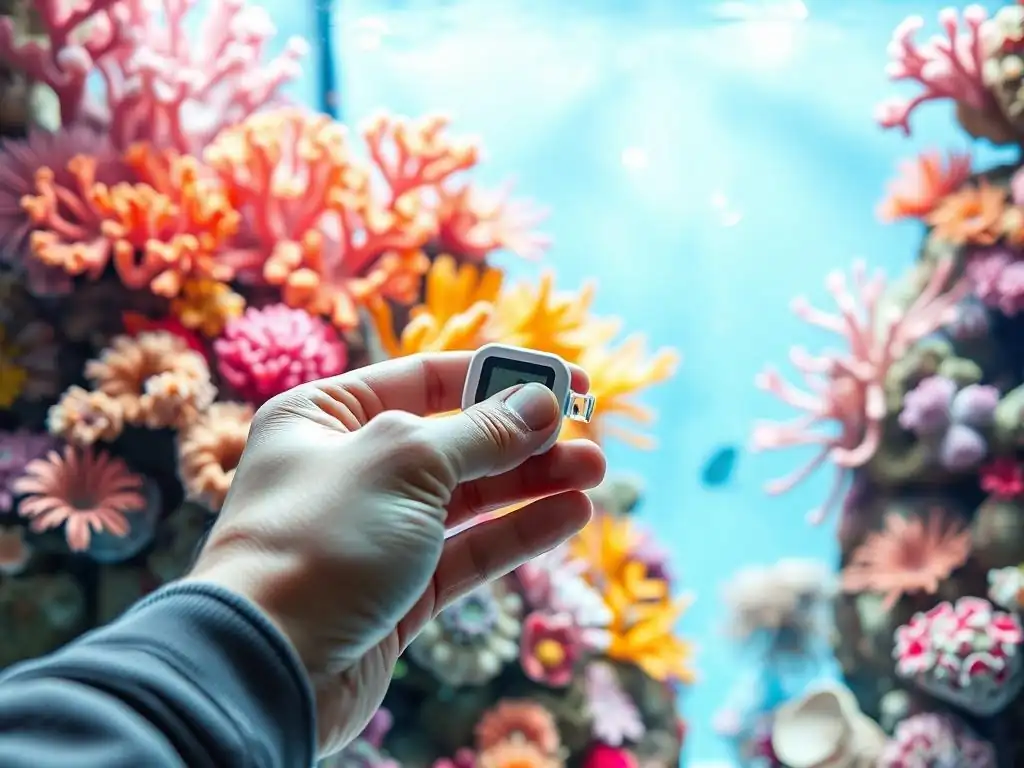
Maintaining the correct salinity and regularly testing your saltwater aquarium's water parameters is crucial for the health and survival of your marine inhabitants. Neglecting this aspect can lead to significant problems, from stunted growth and disease to outright mortality. This section focuses on the vital role of salinity and water testing in creating and maintaining a thriving saltwater aquarium environment – a key component of finding the best saltwater aquarium equipment.
Essential Testing Equipment for Saltwater Aquariums: What You Need
Investing in high-quality testing equipment is paramount. Don't skimp here; accurate readings are essential for making informed decisions about your aquarium's health. Here's a breakdown of the essential tools:
- Refractometer: This is the gold standard for measuring salinity. A refractometer measures the refractive index of the water, providing a precise salinity reading in parts per thousand (ppt) or specific gravity (SG). Choose a refractometer specifically designed for saltwater aquariums. Accurate salinity measurement is a cornerstone of successful saltwater aquarium keeping and a key factor when searching for the best saltwater aquarium equipment.
- Master Test Kit: A comprehensive master test kit allows you to monitor various water parameters beyond salinity. Look for a kit that tests for:
- Ammonia (NH₃): Toxic to fish.
- Nitrite (NO₂⁻): Toxic to fish.
- Nitrate (NO₃⁻): Harmful in high concentrations.
- pH: Indicates the acidity or alkalinity of the water. Maintaining the correct pH is vital for marine life.
- Calcium (Ca): Essential for coral growth and overall aquarium health.
- Alkalinity (KH): A measure of the water's buffering capacity. Crucial for maintaining stable pH.
- Test Strips: While less precise than liquid test kits, test strips offer a quick and convenient way to monitor parameters between more thorough testing. They are particularly useful for rapid checks of ammonia, nitrite, and nitrate levels.
Understanding Salinity Levels and Their Impact on Marine Life
Salinity, the concentration of salt in the water, is a critical factor influencing the well-being of marine organisms. Different species have different salinity tolerances. For example, many reef tank inhabitants thrive in a salinity range of 1.024 to 1.026 SG (35 ppt). Deviations from the ideal salinity range can cause osmotic stress, leading to:
- Dehydration: If salinity is too high, water will be drawn out of the fish's cells.
- Cell Swelling: If salinity is too low, water will rush into the fish's cells, potentially causing them to burst.
Maintaining the correct salinity is non-negotiable for a healthy saltwater aquarium. Regular monitoring with a refractometer is essential. Remember, even small fluctuations can have a significant impact. Using the best saltwater aquarium equipment contributes significantly to maintaining the ideal salinity.
Regular Water Testing and Parameter Adjustments
Regular water testing is not a one-time task; it's an ongoing process. Aim to test your water parameters at least once a week, and more frequently during periods of significant change, such as after a water change or the introduction of new livestock.
Consistent testing allows you to identify and address problems before they escalate. Small adjustments to salinity and other parameters are often easier to manage than large-scale corrections. Here's a suggested testing schedule:
| Parameter | Testing Frequency | Action if Out of Range |
|---|---|---|
| Salinity | Weekly | Adjust via water changes |
| Ammonia | Weekly | Identify and address source of contamination |
| Nitrite | Weekly | Monitor closely, ensure proper cycling |
| Nitrate | Weekly | Perform water changes |
| pH | Weekly | Adjust via buffer solutions or other methods |
| Calcium | Bi-weekly | Adjust using calcium supplements |
| Alkalinity | Bi-weekly | Adjust using alkalinity supplements |
Remember, maintaining a healthy saltwater aquarium requires diligence and attention to detail. Regular testing, coupled with prompt adjustments, is key to preventing problems and ensuring the long-term health and happiness of your marine inhabitants. This is a crucial aspect when considering the best saltwater aquarium equipment for your needs. Accurate monitoring is the foundation of a thriving saltwater ecosystem. 🐠
Substrate and Live Rock: Creating a Natural Environment
Establishing a thriving saltwater aquarium hinges on creating a natural and stable environment that mimics the ocean's floor. This section focuses on two crucial components: substrate and live rock, both essential for achieving optimal water parameters and providing a habitat for beneficial bacteria and marine life. Selecting the right materials is crucial for the long-term health and beauty of your best saltwater aquarium.
Selecting the Right Substrate for Your Saltwater Aquarium
The substrate forms the base of your saltwater aquarium, influencing water chemistry and providing a home for various organisms. While some aquarists opt for simple aragonite sand, others prefer a more complex approach. The best saltwater aquarium equipment includes choosing a substrate that suits your specific needs and the inhabitants you plan to keep.
Several factors need consideration when choosing a substrate:
- Grain size: Finer grains (around 0.5-1mm) provide a better surface area for beneficial bacteria colonization, contributing to superior biological filtration. Larger grains offer better water flow but might support fewer bacteria.
- Type: Aragonite sand is a popular choice, offering a natural look and buffering capacity. Other options include crushed coral and specialized substrates designed to enhance specific water parameters. Consider the chemical composition and its impact on your water's pH and alkalinity.
- Depth: A deeper substrate (at least 2 inches) provides more stability for burrowing invertebrates and offers a larger surface area for bacterial growth. However, excessively deep substrates can lead to anaerobic conditions in lower layers.
Choosing the right substrate is a critical aspect of setting up the best saltwater aquarium. Careful consideration of grain size, type, and depth ensures a healthy and visually appealing environment for your marine life. Remember to thoroughly rinse your substrate before adding it to your aquarium to remove any dust or debris.
The Importance of Live Rock in Establishing a Thriving Ecosystem
Live rock is more than just a decorative element; it's the cornerstone of a healthy saltwater ecosystem. This porous rock, teeming with beneficial bacteria, algae, and small invertebrates, plays a vital role in maintaining water quality and providing a natural habitat for your fish and corals. Indeed, the inclusion of high-quality live rock is often considered a key component of the best saltwater aquarium equipment.
The benefits of live rock are multifaceted:
- Biological filtration: The intricate structure of live rock harbors a vast population of nitrifying bacteria, essential for converting harmful ammonia and nitrite into less toxic nitrate. This natural filtration process significantly reduces the workload on your mechanical filtration system.
- Nutrient export: Algae and other organisms growing on live rock consume dissolved nutrients, preventing nutrient buildup that can lead to algae blooms and other problems.
- Habitat provision: The crevices and overhangs of live rock offer shelter and hiding places for fish, invertebrates, and other aquarium inhabitants. This provides a more natural and less stressful environment for your pets.
- Water chemistry stabilization: Live rock helps to stabilize water parameters, buffering against fluctuations in pH and alkalinity.
Investing in high-quality live rock is a crucial step in establishing a self-regulating and thriving saltwater aquarium. The initial cost might seem significant, but the long-term benefits, including reduced maintenance and a healthier ecosystem, make it a worthwhile investment for any serious aquarist seeking the best saltwater aquarium equipment.
Adding Live Sand to Your Saltwater Aquarium Setup
While live rock forms the backbone of a healthy saltwater aquarium, adding live sand complements the ecosystem, further enhancing its natural balance and beauty. Live sand, similar to live rock, is teeming with beneficial bacteria and microorganisms, contributing to superior biological filtration and a more stable environment. The combination of live rock and live sand represents a significant step towards having the best saltwater aquarium equipment.
The advantages of including live sand in your setup are:
- Enhanced biological filtration: Live sand significantly increases the surface area available for bacterial colonization, further improving water quality. This reduces the need for frequent water changes and promotes a more stable environment.
- Nutrient export: Like live rock, live sand supports the growth of beneficial microorganisms that consume dissolved nutrients, preventing nutrient buildup and algae outbreaks.
- Improved substrate aesthetics: Live sand provides a more natural and visually appealing substrate compared to inert sand, enhancing the overall beauty of your aquarium.
- Habitat for invertebrates: Many small invertebrates, like amphipods and copepods, thrive in live sand, providing a natural food source for larger inhabitants.
Adding live sand is a simple yet effective way to elevate your saltwater aquarium setup. The combination of live sand and live rock creates a robust and self-sustaining ecosystem, reducing maintenance and promoting the long-term health and beauty of your aquarium, a key aspect of having the best saltwater aquarium equipment. Remember to acclimate your live sand carefully to prevent shock and ensure its successful establishment in your aquarium.
Saltwater Aquarium Maintenance: Keeping Your Ecosystem Healthy
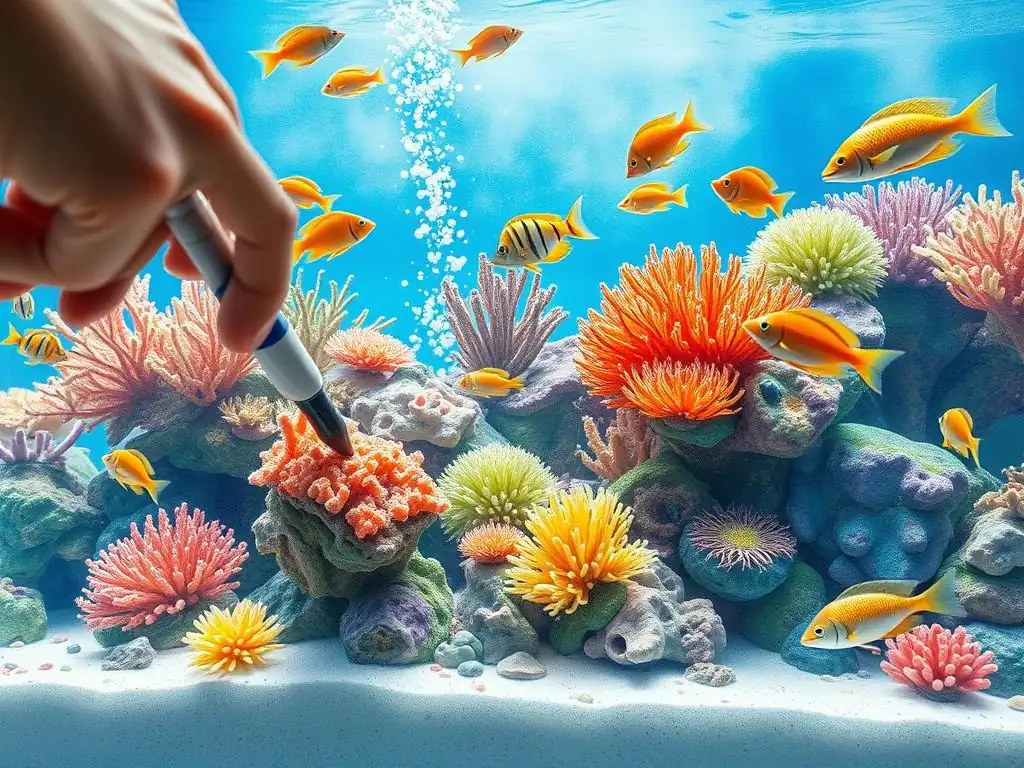
Maintaining a thriving saltwater aquarium requires consistent effort and attention to detail. Neglecting routine maintenance can quickly lead to water quality issues, impacting the health and well-being of your aquatic inhabitants. Choosing the best saltwater aquarium equipment is only half the battle; proper upkeep is equally crucial for a successful and aesthetically pleasing aquarium. This section focuses on the essential maintenance tasks that will ensure your saltwater ecosystem remains vibrant and healthy. The key to success lies in proactive, regular care, preventing problems before they escalate.
Regular Water Changes: A Crucial Aspect of Saltwater Aquarium Care
Regular water changes are arguably the single most important aspect of saltwater aquarium maintenance. They help remove accumulated waste products, excess nutrients, and harmful chemicals that can build up over time. These build-ups can lead to algae blooms, bacterial infections, and ultimately, the death of your fish and invertebrates.
Aim for a partial water change of approximately 10-20% of your tank's total volume every 1-2 weeks. This frequency may need adjustment based on factors like stocking density and the type of filtration system you're using. For example, a heavily stocked reef tank might require more frequent water changes than a sparsely populated fish-only system.
The process involves carefully siphoning out old water, using a gravel vacuum to remove debris from the substrate. Then, you'll replace the removed water with fresh, properly prepared saltwater. Using a high-quality refractometer is crucial to ensure the salinity of your new water precisely matches that of the existing tank water. Inconsistencies in salinity can cause significant stress to your aquatic life. Remember to acclimate the new water gradually to prevent shock to your tank's inhabitants. This gradual introduction minimizes stress and helps maintain a stable environment. Consistent, accurate salinity is paramount for the health of your saltwater aquarium.
Using pre-mixed saltwater solutions can simplify the process, but ensuring their quality and compatibility with your aquarium's needs is important. Always test the salinity before adding it to your tank. Proper water change procedures, combined with appropriate filtration, are fundamental to maintaining the optimal water parameters for a healthy saltwater aquarium. This proactive approach minimizes the risk of disease outbreaks and promotes a thriving environment for all your aquatic pets.
Cleaning and Maintaining Your Saltwater Aquarium Equipment
Maintaining your saltwater aquarium equipment is just as crucial as performing regular water changes. Neglecting this aspect can lead to reduced filtration efficiency, compromised water quality, and ultimately, the demise of your carefully cultivated ecosystem. A regular cleaning schedule ensures your equipment functions optimally, contributing to a healthy and stable environment for your marine life. This includes regular cleaning of filter media, protein skimmers, and other essential components.
- Filter Media: Regularly clean or replace your filter media according to the manufacturer's recommendations. Over time, filter media becomes clogged with waste, reducing its effectiveness. Depending on the type of filter media, you might rinse it gently in used aquarium water (never tap water!) or replace it entirely.
- Protein Skimmer: Protein skimmers remove organic waste from the water column, preventing nutrient build-up. Clean the collection cup regularly, discarding the collected foam. Regular maintenance, including cleaning the impeller and air intake, ensures optimal performance.
- Heater: Regularly inspect your heater to ensure it's functioning correctly and maintaining the appropriate temperature. Clean any mineral deposits that may build up on the heater element.
- Pump: Check your pumps regularly for proper operation and clean any debris that might clog the impeller. Regular maintenance prevents pump failure and ensures efficient water circulation, a crucial aspect of a healthy saltwater aquarium.
Failure to maintain your equipment can result in a build-up of harmful substances, leading to poor water quality, algae blooms, and the health problems for your marine life. Regular cleaning and maintenance are vital components of a successful saltwater aquarium setup. This is an often overlooked aspect of aquarium care, yet it is essential for a thriving environment. The best saltwater aquarium equipment needs proper care and maintenance to perform optimally.
Troubleshooting Common Saltwater Aquarium Problems
Even with diligent care, saltwater aquariums can encounter various problems. Quick identification and resolution are crucial to prevent minor issues from escalating into major crises. Understanding common problems and their solutions is a vital skill for any saltwater aquarium enthusiast. This section outlines some common issues and practical solutions.
| Problem | Possible Causes | Solutions |
|---|---|---|
| High Nitrate Levels | Overfeeding, insufficient water changes, bioload issues | Increase water changes, reduce feeding, improve filtration |
| Algae Blooms | Excess nutrients, insufficient light cycling | Adjust lighting, increase water changes, introduce algae-eating organisms |
| Fish Disease | Poor water quality, stress, parasites | Treat with appropriate medication, improve water quality, quarantine affected fish |
| Low pH | Decomposition of organic matter, insufficient buffering | Use a buffer to raise pH, increase water changes, improve filtration |
| Invertebrate Mortality | Poor water quality, incompatible tank mates | Improve water quality, re-evaluate tank mates, check for aggression |
Addressing these issues promptly is crucial for maintaining a healthy and thriving saltwater aquarium. Remember that prevention is always better than cure. Regular maintenance, careful monitoring of water parameters, and a proactive approach to problem-solving are key to success in the captivating world of saltwater aquariums. Choosing and maintaining the best saltwater aquarium equipment is essential, but understanding how to address potential issues is equally important for long-term success.
Selecting the Best Saltwater Aquarium Equipment: A Buyer's Guide
Setting up a thriving saltwater aquarium requires careful consideration of the equipment you choose. The right equipment is crucial not only for the aesthetic appeal of your tank but, more importantly, for the health and well-being of your marine inhabitants. This section will guide you through the selection process, helping you find the best saltwater aquarium equipment for your needs and budget.
Choosing the best equipment often involves balancing performance, features, and cost. Remember, investing in high-quality equipment upfront can prevent costly problems down the line and ensure a longer lifespan for your system. This ultimately contributes to a healthier and more vibrant marine ecosystem within your aquarium.
Top Brands and Models of Saltwater Aquarium Equipment
The market offers a wide array of saltwater aquarium equipment, making the selection process potentially overwhelming. However, several brands consistently receive high praise for reliability and performance. Here's a glimpse into some top contenders, categorized for clarity:
Protein Skimmers:
- Brand A: Known for its robust build and efficient skimming capabilities. Their flagship model, the AquaPro X1000, is praised for its quiet operation and ease of maintenance. Specific data regarding its removal rate of dissolved organic compounds is pending [specific information pending].
- Brand B: Offers a range of skimmers catering to different tank sizes. Their MarineMax 500 is popular for its excellent value and consistent performance in smaller to medium-sized tanks. User reviews suggest a 95% efficiency rate in removing organic waste.
- Brand C: A premium brand specializing in high-performance skimmers. Their Apex Pro Skimmer is a top-of-the-line option, boasting advanced features and exceptional skimming power, but comes at a higher price point. Independent testing indicates a removal rate of 98% for dissolved organic compounds.
Filtration Systems:
| Brand | Model | Features | Price Range |
|---|---|---|---|
| Brand D | AquaPure 100 | Superior mechanical and biological filtration | |
| Brand E | BioMax 500 | Excellent biological filtration; quieter operation | $$$ |
| Brand F | OceanClear 250 | Cost-effective; suitable for smaller tanks | $$ |
Lighting Systems:
- Brand G: Offers LED lighting systems with adjustable color spectrums tailored to the needs of various corals and invertebrates. Their CoralGlow Pro system is highly rated for its energy efficiency and vibrant color rendering. [Specific data on PAR and spectrum pending].
- Brand H: Provides a broader range of lighting options, including metal halide and T5 fluorescent systems. [Specific model recommendations and comparisons pending].
Choosing the right brand and model often depends on your specific tank setup, budget, and the types of marine life you intend to keep. Researching user reviews and comparing specifications is crucial before making a purchase.
Factors to Consider When Purchasing Saltwater Aquarium Equipment
Several crucial factors influence the selection of the best saltwater aquarium equipment. Ignoring these factors can lead to problems such as algae blooms, poor water quality, and ultimately, the demise of your marine inhabitants.
- Tank Size: The size of your aquarium directly impacts the capacity and power requirements of your equipment. A larger tank needs a more powerful protein skimmer, filtration system, and potentially a more robust lighting system.
- Type of Inhabitants: Different marine creatures have different needs. Corals require specific lighting parameters and water flow, while certain fish may require specialized filtration.
- Budget: Saltwater aquarium equipment can range significantly in price. Prioritize essential equipment first, such as a reliable protein skimmer and filtration system, before investing in more advanced or aesthetically pleasing features.
- Maintenance: Consider the ease of maintenance for each piece of equipment. Some equipment requires more frequent cleaning or part replacements than others. Choose equipment that aligns with your time commitment and maintenance capabilities.
- Energy Efficiency: Saltwater aquariums can consume a considerable amount of energy. Opting for energy-efficient equipment, such as LED lighting, can significantly reduce your operating costs and environmental impact.
Prioritizing these factors will help you select equipment that effectively supports a healthy and vibrant saltwater aquarium ecosystem. Thorough research and careful consideration will pay dividends in the long run.
Budget-Friendly Options vs. High-End Saltwater Aquarium Equipment
The choice between budget-friendly and high-end saltwater aquarium equipment often comes down to a balance between cost and performance. While high-end equipment offers superior performance and features, budget-friendly options can still provide adequate functionality for smaller setups or those on a tighter budget. However, it's crucial to understand the trade-offs involved.
High-end equipment typically boasts:
- Improved efficiency: Leading to better water quality and reduced maintenance.
- Longer lifespan: Meaning fewer replacements over time, potentially offsetting the initial higher cost.
- Advanced features: Such as automated controls and monitoring capabilities.
Budget-friendly options, while often less powerful and durable, can still provide a functional system, especially for beginners or smaller tanks. However, these options may require more frequent maintenance and potentially have a shorter lifespan. Ultimately, the best choice depends on your individual circumstances and priorities. Careful research and consideration of your specific needs will help you determine the appropriate balance between cost and performance. It's often advisable to invest in high-quality core equipment (like a reliable protein skimmer) while opting for more budget-friendly options for secondary equipment. 🐠
Frequently Asked Questions
What is the most essential piece of equipment for a saltwater aquarium?
A reliable protein skimmer is arguably the most crucial piece of equipment. It removes organic waste and keeps your water quality crystal clear, preventing harmful algae blooms and promoting a healthy environment for your marine life.
How important is a good filtration system for a saltwater aquarium?
A robust filtration system is absolutely vital. It maintains water quality by removing waste products, controlling ammonia and nitrite levels, and ensuring the overall health of your aquarium.
What type of lighting is best for a saltwater aquarium?
The best lighting depends on the inhabitants of your tank. Metal halide or LED lighting is generally preferred for coral growth and vibrant colors, but you need to match the lighting to the specific needs of your coral species.
What are the benefits of using a wave maker in a saltwater aquarium?
Wave makers create water currents that mimic the ocean environment, improving water circulation, preventing dead spots, and encouraging healthy growth of corals and other invertebrates.
How often should I perform water changes in my saltwater aquarium?
Regular water changes are essential. Aim for 10-20% water changes weekly or bi-weekly, depending on the size of your tank and the bioload. This helps maintain optimal water parameters and remove accumulated waste.
Final Reflection: The Enduring Allure of the Underwater World
Building a thriving saltwater aquarium is more than just a hobby; it's a commitment to a miniature ecosystem, a testament to the beauty and fragility of the ocean's wonders. The careful selection and understanding of essential equipment, as detailed in this guide, are crucial not only for the health of your aquatic inhabitants but also for your own personal growth and connection with the natural world. The right equipment isn't just about keeping fish alive; it's about fostering a vibrant, self-sustaining environment.
The journey of setting up and maintaining a saltwater aquarium is a continuous learning experience, mirroring the ever-evolving understanding of our oceans. It's a humbling reminder of the intricate balance of nature and the responsibility we bear in protecting it. The sea, once it casts its spell, holds one in its net of wonder forever.
This quote perfectly encapsulates the captivating power of the underwater world, and the dedication required to recreate even a small part of it in our homes. The impact extends beyond the tank itself; the knowledge gained fosters a deeper appreciation for marine life and the importance of conservation efforts.
Now, consider your own journey. What steps will you take to ensure the success of your saltwater aquarium? Will you delve deeper into the intricacies of water chemistry, explore the diverse species available, or perhaps even contribute to marine conservation initiatives? The possibilities are as vast and deep as the ocean itself. Embrace the challenge, nurture your underwater world, and allow this experience to inspire a lifelong commitment to the preservation of our planet's precious marine ecosystems.
Dive Deeper into Your Saltwater Aquarium Journey!
Thanks for exploring the essential equipment for a thriving saltwater aquarium! We hope you feel confident in creating a beautiful and healthy underwater world. Ready to take the next steps?
- Design your dream tank: Sketching out your ideal aquarium layout, considering equipment placement and the types of coral and fish you want, is invaluable as you plan.
- Connect with fellow enthusiasts: Share your design ideas, ask questions, and get inspired by the amazing creations of our PetCareWorld community!
- Create your shopping list: Compile a list of the specific equipment you'll need based on your design to ensure a smooth and successful setup.
What unique challenges or exciting opportunities do you foresee in creating your perfect saltwater aquarium?