
Recall Training for Birds: The Benefits of Regular Practice

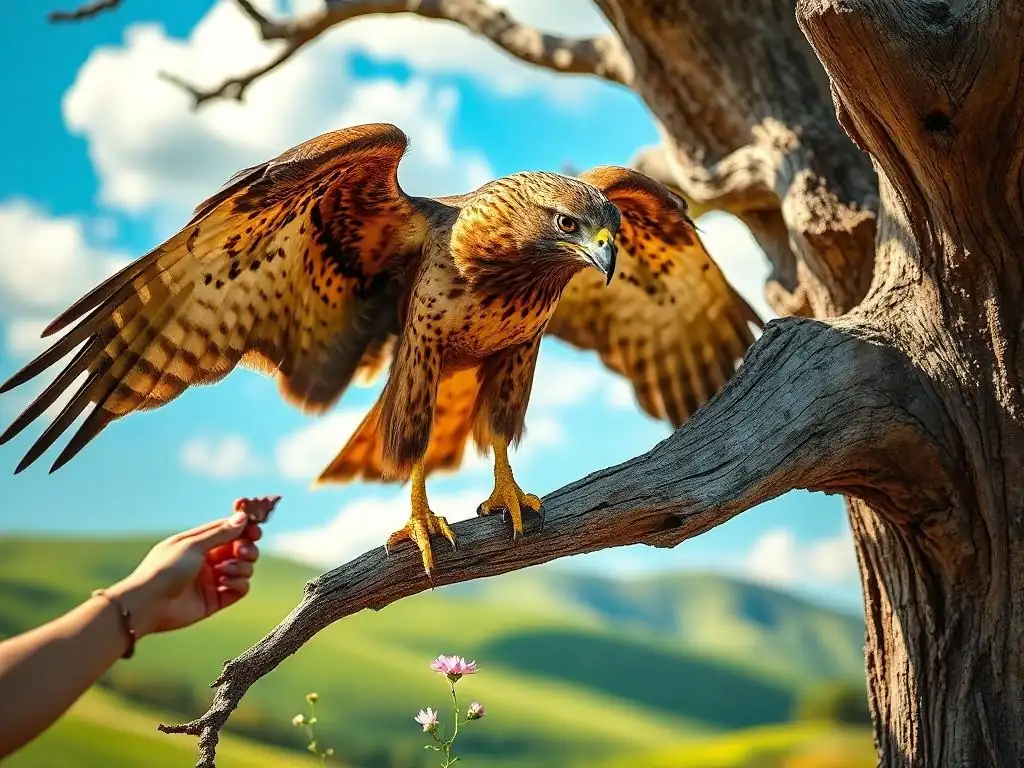
Welcome to PetCareWorld, your ultimate guide to a happier, healthier life for your beloved companions! Are you ready to unlock a deeper connection with your feathered friend? Discover the remarkable benefits of bird recall training and learn how this simple yet powerful technique can transform your relationship with your bird. Dive in and uncover the secrets to successful training, ensuring a safer and more enriching life together.
- Understanding Bird Recall Training and its Importance
-
Benefits of Consistent Bird Recall Training
- Enhanced Bird Safety: Preventing Escapes and Accidents
- Improved Bird-Owner Relationship: Strengthening Trust and Connection
- Reducing Stress and Anxiety in Birds Through Predictability
- Easier Veterinary Care: Simplifying Checkups and Treatments
- Enhanced Bird-Owner Bond: Building Trust and Communication
- Preventing Escapes and Ensuring Safety: Peace of Mind for Owners
-
Effective Techniques for Bird Recall Training
- Establishing a Reliable Recall Cue: Choosing and Utilizing a Command
- Implementing Positive Reinforcement: Rewards and Motivators for Success
- Gradual Desensitization: Introducing Distractions and Challenges
- Practicing Recall in Different Environments: Expanding Training Locations
- Addressing Challenges and Troubleshooting Common Issues
-
Maintaining Consistent Recall Training: Long-Term Strategies
- Incorporating Recall into Daily Routines: Making it Habitual
- Adjusting Training Based on Bird's Progress: Adapting to Individual Needs
- Maintaining Motivation and Engagement: Keeping Training Fun and Rewarding
- Recognizing Signs of Overtraining: Preventing Burnout and Frustration
- The Importance of Patience and Consistency in Bird Training
- Advanced Recall Training for Birds
- Troubleshooting Common Recall Training Challenges
- Resources for Further Learning and Support
- Frequently Asked Questions
- Final Reflection: The Enduring Power of Connection Through Recall
- Unlock Your Bird's Potential: Start Training Today!
Understanding Bird Recall Training and its Importance
Owning a bird is a rewarding experience, filled with joy, companionship, and the unique pleasure of interacting with these intelligent creatures. However, ensuring their safety and well-being requires proactive measures, and a crucial aspect of responsible bird ownership is mastering recall training. This comprehensive guide will explore the numerous benefits of bird recall training, focusing on the importance of regular practice and the positive impact it has on both the bird and the owner's relationship.
We'll delve into the techniques involved, emphasizing the crucial role of positive reinforcement and the establishment of a strong bond as the cornerstone of successful recall. Learning to reliably recall your bird is not just about convenience; it's about safeguarding your feathered friend from potential dangers and fostering a deeper, more trusting relationship.
This article will equip you with the knowledge and understanding needed to successfully implement bird recall training, leading to a happier, safer, and more fulfilling life for both you and your avian companion. Understanding the benefits of bird recall training, specifically targeting the keyword "Bird recall training benefits," will empower you to make informed decisions and create a positive learning environment for your bird.
Defining Bird Recall: What it Means and Why it Matters
Bird recall training involves teaching your bird to return to you reliably when called. This isn't just about having your bird come when you whistle; it's about building a conditioned response where your bird associates your verbal cue (your chosen "recall" word or sound) with a positive experience, prompting them to willingly return to your side. Why is this so important? The benefits are multifaceted:
- Safety: A well-trained bird is less likely to escape or fly into hazardous situations. An escaped bird faces numerous threats, from predators to traffic accidents, and a reliable recall drastically reduces these risks.
- Health: If your bird needs veterinary attention or medication, a strong recall makes the process significantly easier and less stressful for both you and your bird.
- Bonding: The process of recall training strengthens the bond between you and your bird. Consistent positive reinforcement builds trust and mutual understanding.
- Enrichment: Recall training offers mental stimulation for your bird, keeping them engaged and preventing boredom. This is crucial for their overall well-being.
- Control: In unexpected situations, a reliable recall offers a degree of control, preventing potential accidents or escapes.
Regular practice is key to success. Even short, frequent training sessions are more effective than infrequent, longer ones. Remember, consistency is crucial in establishing a reliable recall.
The Crucial Role of Positive Reinforcement in Bird Training
Positive reinforcement is the cornerstone of successful bird recall training. This method focuses on rewarding desired behaviors, such as returning to your hand or perch when called, rather than punishing unwanted behaviors. Punishment can create fear and anxiety, damaging the bond between you and your bird and hindering the learning process.
Here's how positive reinforcement works:
- Identify a reward: Determine what motivates your bird. This could be a favorite treat, a special toy, or even verbal praise.
- Use consistent cues: Choose a clear and consistent verbal cue (e.g., "Come here," "Step up") and use it every time you want your bird to return.
- Reward immediately: Reward your bird immediately after they respond to your cue. The quicker the reward, the stronger the association.
- Keep sessions short and fun: Birds have short attention spans, so keep training sessions brief and engaging. End on a positive note.
- Be patient and persistent: Recall training takes time and patience. Don't get discouraged if your bird doesn't master it immediately. Consistent effort will eventually pay off.
Building a Strong Bond: The Foundation of Successful Recall
A strong bond between you and your bird is essential for successful recall training. This bond is built on trust, mutual respect, and consistent positive interactions. Before beginning formal recall training, focus on building a strong foundation by:
- Spending quality time: Interact with your bird regularly, talking to them, playing with them, and offering them attention.
- Handling gently: Handle your bird gently and respectfully. Avoid sudden movements or loud noises that might frighten them.
- Providing a safe and enriching environment: Ensure your bird has a safe and stimulating environment with plenty of toys, perches, and opportunities for exploration.
- Understanding your bird's body language: Learn to recognize your bird's cues and respond appropriately. This will help you build a better understanding of their needs and preferences.
By fostering a strong bond, you create a foundation of trust that will significantly enhance your bird's willingness to participate in recall training and increase the likelihood of success. Remember, a happy, well-cared-for bird is a bird that will readily respond to your cues. The benefits of a strong bond extend far beyond recall training, contributing to a healthier and more harmonious relationship with your feathered friend.
Benefits of Consistent Bird Recall Training
Consistent bird recall training offers a multitude of advantages, extending far beyond simply bringing your feathered friend back to their perch. It's an investment in your bird's safety, your bond, and their overall well-being. This section delves into the key benefits you can expect from regular, positive reinforcement-based recall training. Remember, patience and consistency are key to success!
Enhanced Bird Safety: Preventing Escapes and Accidents
A well-trained recall is paramount to your bird's safety. Birds, especially those with inquisitive natures, can be prone to sudden flights of fancy, leading to potentially dangerous situations. An escape from an open window or door can expose your bird to predators, traffic, or harsh weather conditions. Even within the home, accidents can happen – a quick flight to investigate a tempting object could result in injury.
A reliable recall isn't just about convenience; it's a crucial safety net.
Implementing a solid recall command significantly reduces the risk of these scenarios. Imagine the peace of mind knowing that with a simple word or whistle, your bird will return to you, even in a potentially hazardous environment. This is the power of consistent recall training. The more you practice, the stronger the response and the safer your bird becomes. This also applies to situations where your bird might be in a dangerous area within the home – near an open stove, for instance, or a precarious perch.
Furthermore, reliable recall can be a lifesaver during emergencies. A quick, reliable response could be the difference between a minor incident and a significant loss. Consider the statistics on lost pets – a strong recall can drastically reduce these risks for your avian companion.
Improved Bird-Owner Relationship: Strengthening Trust and Connection
Beyond safety, consistent recall training fosters a stronger bond between you and your bird. The process inherently involves positive reinforcement, rewarding your bird for their cooperation and building trust. Each successful recall strengthens the connection, reinforcing the understanding that you are a source of safety, comfort, and positive experiences.
This positive interaction goes beyond the simple act of recall. It builds a foundation of mutual understanding and respect. Your bird learns to associate your voice and commands with positive experiences, leading to increased confidence and a more relaxed demeanor. This translates into a happier, more well-adjusted bird that actively seeks your company and interacts more readily.
| Training Method | Positive Reinforcement Examples | Frequency of Training |
|---|---|---|
| Clicker Training | Click followed by a favorite treat | Daily, short sessions |
| Verbal Command Training | "Come" followed by praise and a reward | Several times a day |
| Whistle Training | A specific whistle followed by a reward | As needed, interspersed with other methods |
This improved relationship manifests in various ways. You may notice increased willingness to interact, more affectionate behaviors, and a generally more contented bird. This enhanced connection is a significant reward in itself, enriching the overall experience of bird ownership.
Reducing Stress and Anxiety in Birds Through Predictability
Birds thrive on routine and predictability. Consistent recall training contributes to this by establishing clear expectations and predictable interactions. Knowing what to expect reduces anxiety and promotes a sense of security in your bird. The consistent positive reinforcement associated with successful recalls further contributes to a calmer, more relaxed bird.
The predictability extends beyond the training sessions themselves. A well-trained recall provides a sense of control and security for your bird, particularly in unfamiliar or potentially stressful situations. For example, if your bird is startled by a loud noise, a reliable recall can offer a safe haven and a sense of comfort. This reduced stress translates to better overall health and well-being.
Recall training isn't just about obedience; it's about building a secure and predictable environment for your bird.
Moreover, the routine nature of regular training sessions can help establish a calming rhythm in your bird's day. These structured interactions can help regulate their internal clock and contribute to a more balanced and peaceful existence. This is especially beneficial for birds prone to anxiety or behavioral issues. The consistent positive interactions during training can significantly improve their emotional well-being. The benefits are multifaceted, resulting in a happier, healthier, and more secure companion.
Easier Veterinary Care: Simplifying Checkups and Treatments
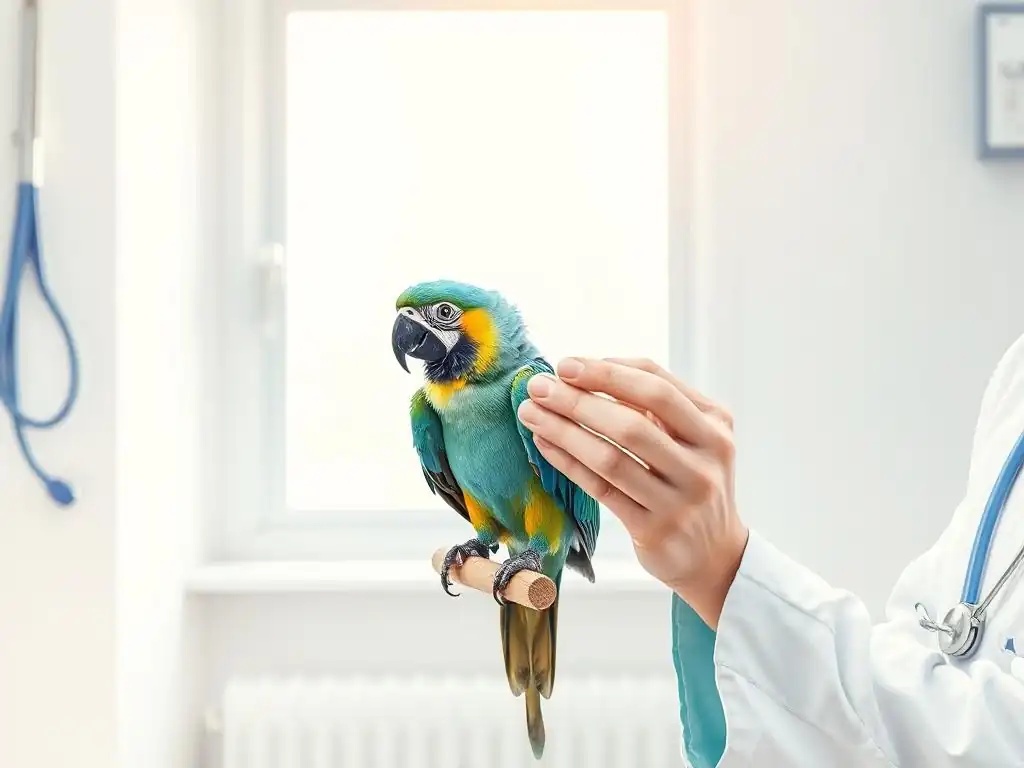
Regular recall training significantly simplifies veterinary visits for your feathered friend. A bird that readily returns to its perch or carrier upon command minimizes stress during checkups and treatments. Imagine the difference between struggling to catch a frightened, panicked bird versus calmly calling your bird to you, securing it gently, and transporting it to the vet’s office.
This ease of handling translates to less stress for both you and your bird, resulting in a smoother, more efficient veterinary experience. The reduced stress can even contribute to more accurate diagnoses, as a calm bird is less likely to exhibit atypical behaviors that could mask underlying health issues. Moreover, the cooperation demonstrated during a vet visit thanks to strong recall training can foster a positive relationship between your bird and the veterinary staff, further improving future visits.
This is especially beneficial for birds requiring ongoing treatment or frequent monitoring, where minimizing stress is crucial for their well-being and recovery. For example, a bird undergoing medication could experience less anxiety and better absorb the treatment if its handling during administration is calm and gentle, which is much more easily achieved with a well-trained bird.
Enhanced Bird-Owner Bond: Building Trust and Communication
Successful recall training isn't just about control; it's about building a stronger bond between you and your bird. The consistent positive reinforcement involved in the training process strengthens the relationship, fostering trust and mutual understanding. Each successful recall reinforces the positive association your bird develops with you, making it more likely to approach and interact willingly in the future.
This improved communication transcends simple commands; it creates a deeper connection based on mutual respect and cooperation. Think of the joy of sharing a quiet moment with your bird, knowing that it willingly comes to you, not out of obligation, but out of a genuine desire for interaction and companionship.
This enhanced bond contributes to a richer, more fulfilling experience for both of you, making the daily care and interaction with your bird more enjoyable and rewarding. This is particularly important for birds who may be prone to anxiety or fear, as consistent positive interactions through recall training helps build their confidence and reduces their stress levels.
Preventing Escapes and Ensuring Safety: Peace of Mind for Owners
Perhaps the most obvious benefit of reliable recall training is the prevention of escapes. A bird that readily returns to its owner when called is significantly less likely to stray or fly away, offering invaluable peace of mind, especially in situations like open windows or doors. The potential consequences of a lost bird can be devastating, ranging from injury to predation to the emotional distress of separation.
Recall training provides a proactive safety net, mitigating these risks and ensuring the safety and well-being of your beloved companion. This security extends beyond immediate threats; it also enhances your ability to safely manage your bird in various environments, whether it's a home visit from a friend or a trip to a bird-friendly park.
The ability to confidently call your bird back to you in any situation significantly reduces the chances of an accident or escape, providing a much-needed sense of security for both you and your avian friend. Consider the peace of mind knowing that even if your bird gets momentarily distracted, you have a reliable tool to bring it back to safety.
Effective Techniques for Bird Recall Training
This section delves into the practical application of recall training for your feathered friend, focusing on techniques proven to yield positive results. Remember, consistency and patience are key to success in bird recall training. The benefits of a well-trained bird extend far beyond simple convenience; it enhances their safety and strengthens your bond.
Establishing a Reliable Recall Cue: Choosing and Utilizing a Command
Choosing the right recall cue is paramount. Avoid words already frequently used in your daily interactions with your bird, as this can lead to confusion. Short, clear, and easily pronounceable commands are ideal. "Come," "Here," or even a unique whistle are all viable options. Consistency in using your chosen command is crucial. Always use the same word or sound to signal recall.
The initial training should take place in a quiet, distraction-free environment. Hold a highly valued treat (a favorite seed, a small piece of fruit, or a special toy) near your bird's cage. Say your chosen command clearly and enthusiastically – "Come!" – and wait for your bird to respond. If your bird steps closer or shows any indication of approaching, immediately praise them and reward them with the treat. Repeat this process several times throughout the day, gradually increasing the distance between you and the bird.
Implementing Positive Reinforcement: Rewards and Motivators for Success
Positive reinforcement is the cornerstone of successful bird recall training. This means rewarding desired behaviors, rather than punishing unwanted ones. This approach fosters a positive learning experience for your bird and strengthens your bond. The key is to find the right rewards. What motivates one bird might not work for another.
| Reward Type | Examples | Effectiveness Notes |
|---|---|---|
| Food | Favorite seeds, fruits, vegetables, pellets | Highly effective, but use in moderation to avoid obesity. |
| Toys | New toys, favorite toys, foraging toys | Particularly motivating for playful birds. |
| Verbal Praise | Enthusiastic "Good bird! ", "Yes!" | Combine with other rewards for maximum impact. |
| Physical Affection | Gentle head scratches, brief petting | Use cautiously, as some birds dislike physical touch. |
It's crucial to time your reward perfectly. The reward should immediately follow the desired behavior (the bird coming to you when called). Delayed rewards can be less effective. Also, vary your rewards to keep your bird engaged and prevent them from becoming bored with the training process.
Gradual Desensitization: Introducing Distractions and Challenges
Once your bird reliably responds to your recall cue in a quiet environment, it's time to gradually introduce distractions. Start with minimal distractions, such as a slightly different room or the presence of another person. As your bird continues to succeed, gradually increase the level of distraction – adding more people, more noise, or moving to a more stimulating environment.
This process requires patience and understanding. There will be setbacks. If your bird fails to respond, simply repeat the command calmly and try again. Never punish your bird for not coming when called. Instead, analyze the situation. Was the distraction too great? Was the reward not enticing enough? Adjust your approach accordingly. Remember that consistent, positive reinforcement is the key to success in bird recall training. By gradually increasing the difficulty and rewarding successes, you can build a strong and reliable recall response in your bird, leading to a safer, more enjoyable experience for both of you.
Practicing Recall in Different Environments: Expanding Training Locations
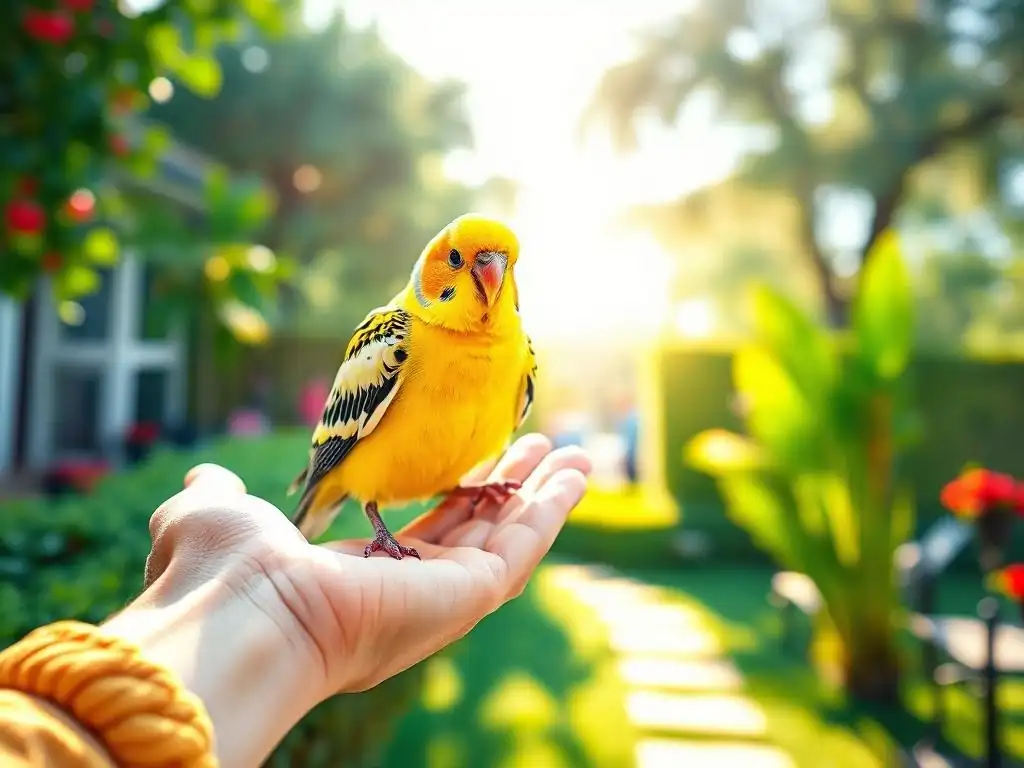
Initially, bird recall training should occur in a quiet, controlled environment, such as a single room. This minimizes distractions and allows your bird to focus on learning the recall cue. However, relying solely on this controlled setting limits the effectiveness of the training. To ensure your bird reliably responds to the recall cue in various situations, gradually introduce new environments.
Start by moving the training sessions to different rooms within your home. Each new room presents new sights, sounds, and smells, testing your bird's ability to maintain focus on you amidst increasing distractions. Observe your bird's responses closely. If they struggle, return to the previous environment for a few more sessions before progressing. Positive reinforcement remains crucial throughout this phase. Consider using a higher-value reward in more distracting environments to maintain motivation.
The next step involves moving the training outdoors. Start in a small, enclosed area like a patio or balcony, gradually expanding to larger spaces as your bird demonstrates proficiency. Be mindful of potential hazards, such as other animals or unsecured areas. Always keep your bird's safety as the top priority. Remember to use a consistent cue, such as a specific whistle or word, and pair it with a positive reward.
The key is to create positive associations with the recall cue, even in more challenging environments. Regular, consistent training sessions in varied locations will significantly improve your bird's recall reliability. This process helps your bird generalize the learned behavior across different contexts, making the recall command effective in a wider range of situations. Remember to be patient and celebrate even small successes!
Addressing Challenges and Troubleshooting Common Issues
Even with consistent training, you might encounter challenges during bird recall training. One common issue is inconsistent responses. Your bird may respond perfectly one day and ignore the cue the next. This inconsistency often stems from inconsistent training methods or a lack of sufficient positive reinforcement. Ensure you're using the same cue consistently and rewarding every successful recall. Also, consider if your reward is motivating enough. Sometimes, a bird might be distracted by something more enticing than the usual treat.
Another challenge is distance. As you increase the distance between you and your bird, the likelihood of distractions increases. If your bird struggles with recall from a distance, gradually increase the distance incrementally. Start with short distances and slowly increase them as your bird's responsiveness improves. Using a longer leash initially can help you maintain control while gradually increasing the distance. Always prioritize safety and never let your bird out of your sight, especially in unfamiliar environments.
Ignoring the recall cue is another common problem. This often indicates a lack of positive reinforcement or perhaps an association of the cue with something unpleasant. Review your training methods to ensure you're using positive reinforcement consistently. If you suspect a negative association, try changing your training approach or the reward you're using. Sometimes, a change in environment or a break from training can help alleviate this issue.
Remember, patience is key. Consistency and positive reinforcement are crucial for overcoming these challenges and building a reliable recall response in your bird. If problems persist, consider seeking guidance from an avian veterinarian or a certified avian behaviorist. They can provide personalized advice based on your bird's specific needs and behaviors.
Maintaining Consistent Recall Training: Long-Term Strategies
Consistent recall training is crucial for building a strong bond with your bird and ensuring its safety. It's not a one-time task but an ongoing process that requires dedication and patience. Think of it like building muscle – you need regular exercise to see results, and the same applies to your bird's recall skills.
The benefits of consistent training extend far beyond simply having a bird that comes when called; it fosters trust, strengthens your relationship, and provides valuable opportunities for positive reinforcement. Neglecting consistent practice can lead to a decline in your bird's response, potentially resulting in stressful situations and increased risk of escape.
Incorporating Recall into Daily Routines: Making it Habitual
Integrating recall training into your bird's daily routine is key to making it second nature. This doesn't require hours of dedicated training sessions; short, frequent interactions are more effective. For example, before releasing your bird from its cage, say your recall cue ("Come!" or "Here, birdie!") and reward it immediately upon landing on your finger or shoulder.
Similarly, incorporate the cue during playtime, offering treats or praise when it responds promptly. This consistent reinforcement strengthens the association between the cue and the positive reward, making your bird more likely to respond reliably. Think of it as "sprinkling" training throughout the day, rather than one large session. This approach makes training less of a chore and more of a natural part of your bird's daily interaction with you.
Consider creating a schedule:
| Time of Day | Activity | Recall Cue Used? | Reward Used |
|---|---|---|---|
| Morning (7:00 AM) | Cage opening | Yes | Favorite treat |
| Mid-morning (10:00 AM) | Playtime in a safe area | Yes (multiple times) | Praise and small treat |
| Afternoon (2:00 PM) | Short training session | Yes (multiple times) | Variety of treats |
| Evening (6:00 PM) | Cage closing | Yes | Quiet petting |
This simple schedule shows how easily recall can be integrated. Remember to adjust based on your bird's individual needs and energy levels. The goal isn't perfection, but consistency.
Adjusting Training Based on Bird's Progress: Adapting to Individual Needs
Every bird learns at its own pace. What works for one might not work for another. Therefore, it's crucial to adapt your training approach based on your bird's individual progress and personality. If your bird is consistently responding well, you can gradually increase the distance, distractions, and duration of training sessions. Introduce more challenging scenarios, such as calling your bird from across a room with other distractions present. However, if your bird is struggling, don't push it. Go back to easier steps, use more frequent positive reinforcement, and shorten the training sessions. Consider using different types of rewards, such as praise, petting, or a favorite toy, to maintain your bird's motivation. Patience and understanding are paramount. Observe your bird's body language; signs of stress or frustration indicate a need to adjust your approach. Remember, the goal is to build a positive association with the recall cue, not to create anxiety.
Maintaining Motivation and Engagement: Keeping Training Fun and Rewarding
Maintaining your bird's motivation is key to successful recall training. Keep training sessions short, fun, and engaging. Vary your training methods and rewards to prevent boredom. Introduce new challenges and games to keep your bird stimulated and interested. Use positive reinforcement consistently; praise, petting, and delicious treats are all excellent motivators. Avoid punishment; it can damage your bond with your bird and make training more difficult.
If your bird seems uninterested or frustrated, take a break and try again later. Remember that a stressed bird won't learn effectively. Make training a positive experience for both you and your feathered friend. Consider incorporating interactive toys or puzzles into your training sessions to maintain engagement. The key is to create a positive and rewarding experience for your bird, strengthening the bond between you while improving recall. A happy bird is a responsive bird!
Recognizing Signs of Overtraining: Preventing Burnout and Frustration
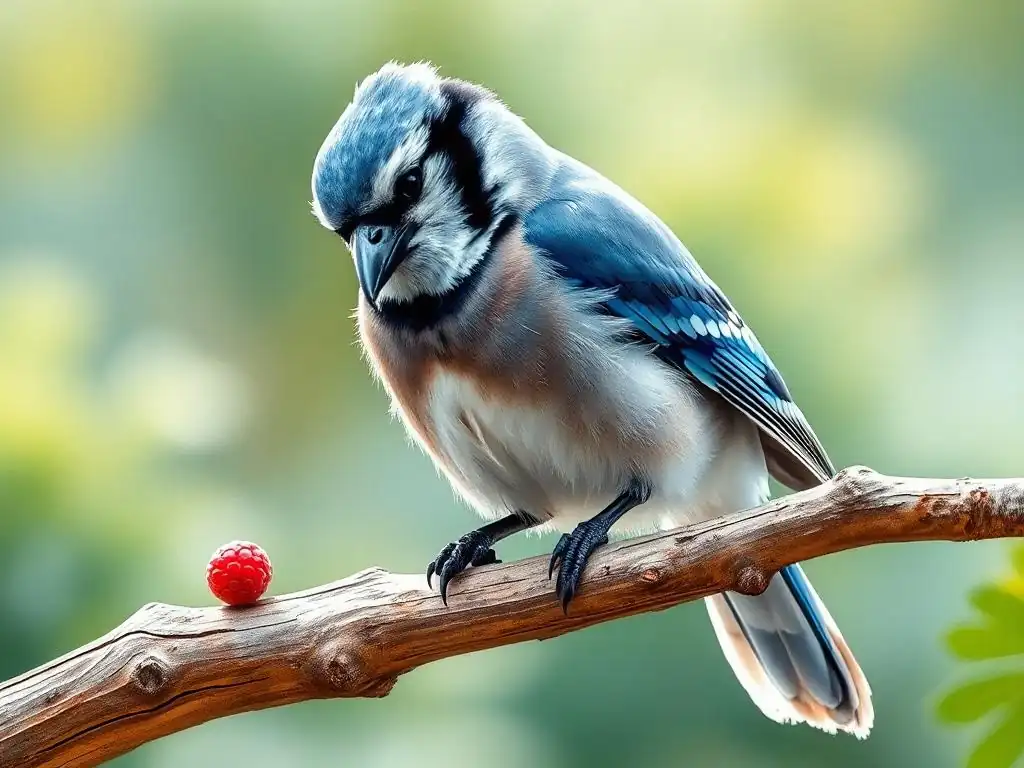
Overtraining your bird can lead to frustration for both you and your feathered friend, potentially hindering progress and damaging your bond. It's crucial to recognize the signs of overtraining to prevent burnout. A bird showing signs of stress might exhibit increased aggression, feather plucking, or changes in their eating habits. They might become less responsive to commands or show signs of anxiety, such as excessive preening or hiding. Their usual playful demeanor might give way to lethargy and a general lack of interest in interaction. Remember, training sessions should always be positive and enjoyable experiences.
Short, frequent training sessions are far more effective than long, infrequent ones. Aim for several short sessions throughout the day, rather than one long, exhausting session. Observe your bird closely during training. If you notice any of the stress signals mentioned above, immediately end the session and allow your bird ample time to rest and relax. Consider incorporating more enrichment activities into their day to alleviate any built-up stress.
Providing a variety of toys and opportunities for exploration can greatly improve their overall well-being and make them more receptive to training in the future. Remember, a well-rested and happy bird is a more cooperative bird. Don't push your bird beyond its limits; a gradual and patient approach will yield the best results in the long run. Positive reinforcement, such as treats and praise, is key to maintaining a positive training experience.
The Importance of Patience and Consistency in Bird Training
Patience and consistency are the cornerstones of successful bird recall training. Birds learn at their own pace, and some may require more time and repetition than others to master a new skill. Consistency is key because it helps your bird understand what is expected of them. If you inconsistently reward or punish certain behaviors, your bird will become confused and less likely to respond reliably to your commands.
This inconsistency can severely hinder the recall training progress. Imagine trying to teach a child a new skill—if the instructions and rewards are inconsistent, the child will struggle to learn. The same principle applies to bird training.
Establishing a regular training schedule is beneficial. Even short, daily sessions can significantly improve your bird’s responsiveness. Consistency doesn't just apply to training sessions; it also extends to your bird's daily routine and interactions. Maintaining a predictable environment helps reduce stress and encourages a sense of security, making your bird more receptive to learning.
Remember to use positive reinforcement methods. Positive reinforcement focuses on rewarding desired behaviors, making the learning process more enjoyable and effective for your bird. Avoid harsh punishments, as they can create fear and anxiety, hindering your bird's progress and potentially damaging your relationship.
Celebrate small victories along the way and remember that setbacks are a normal part of the learning process. With patience, consistency, and positive reinforcement, you can build a strong bond with your bird and successfully achieve reliable recall. Patience is not just about waiting; it's about understanding your bird's learning process and adapting your approach accordingly.
Advanced Recall Training for Birds
This section delves into more complex scenarios and strategies for enhancing your bird's recall training, building upon the foundational techniques. Consistent practice is key to success, and mastering these advanced techniques will significantly improve your bond with your feathered friend and ensure their safety. Remember, patience and positive reinforcement are paramount throughout the process. The benefits of robust bird recall training extend far beyond simple obedience; it's about building trust and a strong, reliable relationship.
Recall Training with Multiple Birds: Managing Group Dynamics
Training multiple birds simultaneously presents unique challenges. Each bird has its own personality and learning pace, requiring a tailored approach. Here's how to manage group dynamics effectively during recall training:
- Individual Sessions: Begin by training each bird individually. This allows you to focus on their specific responses and adjust your training methods accordingly. Once each bird reliably responds to its name and recall cue individually, you can move to group training.
- Distinctive Cues: Use distinct verbal cues for each bird, such as "Coco, come!" and "Sunny, come!". This prevents confusion and ensures each bird understands it's being addressed directly. Visual cues, like a specific hand gesture combined with the verbal cue, can also be helpful.
- Controlled Environment: Start group recall training in a confined, safe space. This minimizes distractions and allows you to manage the birds more easily. Gradually introduce more distractions as they master the recall in the controlled environment.
- Positive Reinforcement: Reward each bird immediately and individually upon successful recall. This reinforces the desired behavior and prevents competition among the birds. Using different types of treats or rewards for different birds can also be helpful, especially if they have distinct preferences.
- Addressing Competition: If one bird consistently dominates or interferes with the others, separate it for individual practice until it demonstrates improved recall and less disruptive behavior. This ensures fair training and prevents frustration for all the birds.
- Gradual Progression: Slowly increase the number of birds involved and the complexity of the environment. Never rush the process; celebrate small victories and maintain a positive and patient approach.
Recall Training in Public Spaces: Mastering Distracting Environments
Taking recall training outside presents numerous distractions. Birds are naturally curious and easily diverted by sights, sounds, and smells. Here's how to navigate these challenges:
- Controlled Introductions: Start with quiet, less stimulating public spaces, gradually introducing more distractions as your bird's recall improves. A quiet park on a weekday morning might be a good starting point, before moving to busier areas.
- High-Value Rewards: Use exceptionally enticing treats or rewards during outdoor training sessions. The increased stimulation necessitates a higher reward to counter the distractions.
- Proofing: Proofing your bird's recall involves gradually introducing distractions in a controlled manner. This might include introducing other birds (at a safe distance), people, and other environmental stimuli.
- Safety First: Always use a harness and leash in public spaces, especially during the initial stages of outdoor recall training. This safeguards your bird and allows you to maintain control if recall is unsuccessful.
- Short Sessions: Keep outdoor training sessions short and frequent. This prevents your bird from becoming overwhelmed and maintains focus. Multiple short sessions are more effective than one long, tiring session.
- Patience and Persistence: Outdoor recall training requires patience and persistence. Your bird will likely experience setbacks; maintain a positive attitude and continue practicing regularly.
Integrating Recall with Other Training Elements: Building a Comprehensive Skillset
Recall is a fundamental skill that seamlessly integrates with other training elements, creating a well-rounded, obedient bird.
- Target Training: Combining recall with target training enhances focus and control. You can use a target stick to guide your bird towards you, reinforcing the recall cue.
- Step-Up/Step-Down Training: Incorporate recall into step-up/step-down training. Calling your bird to step up onto your hand reinforces the recall command and develops a strong bond.
- Trick Training: Integrating recall into trick training makes it more engaging and fun. For example, you can call your bird to perform a trick, rewarding both the recall and the trick itself.
- Positive Reinforcement Consistency: The key to integrating recall effectively is consistent use of positive reinforcement across all training elements. This creates a positive association with your commands and strengthens the desired behaviors.
- Building Trust and Confidence: The integration of recall with other training elements builds trust and confidence in your bird. As your bird masters various skills, it becomes more confident and responsive to your cues, improving overall obedience and your relationship. This creates a more enriching and enjoyable experience for both you and your bird, maximizing the benefits of bird recall training.
Troubleshooting Common Recall Training Challenges
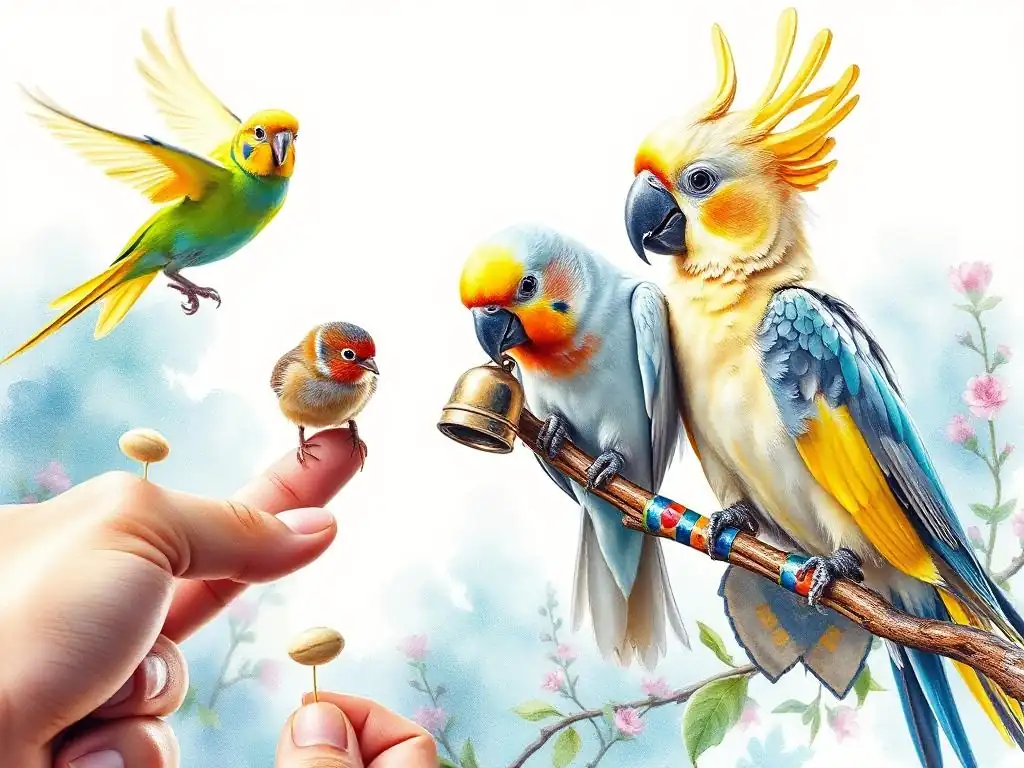
Effective bird recall training requires patience and consistency. While many birds respond well to positive reinforcement techniques, some challenges inevitably arise. Understanding these hurdles and implementing effective strategies is crucial for success. The benefits of a reliable recall – ensuring your bird's safety and strengthening your bond – are well worth the effort. This section will address some common problems and offer practical solutions to overcome them.
Addressing Reluctance or Lack of Response: Identifying and Overcoming Obstacles
Many bird owners encounter initial reluctance from their feathered friends during recall training. This can stem from various factors, including a lack of understanding, insufficient motivation, or even past negative experiences. The key is to identify the root cause and adjust your approach accordingly.
A common issue is a lack of clear communication. Your bird might not understand what "come" means. Start with short, simple sessions, associating the verbal cue ("come," "here," or a chosen whistle) with a highly rewarding treat. Ensure the treat is something your bird truly loves – a favorite seed, a small piece of fruit, or a special toy. Keep training sessions short (5-10 minutes) and end on a positive note, even if your bird doesn't immediately respond.
Another factor is insufficient motivation. If the reward isn't enticing enough, your bird won't be incentivized to come. Experiment with different treats and reward types to find what works best. Some birds respond better to praise and physical affection alongside treats. Positive reinforcement, focusing on rewarding desired behaviors rather than punishing unwanted ones, is essential for building a positive association with the recall cue.
Past negative experiences can also hinder recall training. If your bird has had a frightening experience while being approached or handled, it might be hesitant to come when called. In such cases, rebuilding trust is paramount. Start by simply associating your presence with positive experiences – offering treats without demanding a response. Gradually increase the distance and introduce the verbal cue only when your bird shows signs of comfort and willingness to approach.
Handling Distractions and Interruptions: Building Resistance to Environmental Stimuli
The real-world application of recall training involves navigating distractions. A bird's natural curiosity and the exciting environment can easily overshadow the learned response. Building resistance to these stimuli is key to achieving a reliable recall in various settings.
To improve your bird's ability to focus, start training in a quiet, distraction-free environment. Once your bird reliably responds to the recall cue in this setting, gradually introduce more distractions. This could involve adding other people or pets to the room, playing soft background music, or opening a window to introduce external sounds. Remember to maintain a high reward value to keep your bird engaged and motivated despite the increasing distractions.
Another effective technique is to use a "lure" – a highly desirable treat or toy – to guide your bird towards you. This can be particularly helpful in the presence of distractions. Use the lure strategically, ensuring the bird sees it and is drawn toward you before introducing the verbal cue.
Over time, reduce your reliance on the lure and emphasize the verbal cue alone. This process helps your bird generalize the response, performing the recall even when the lure is not present. Consistency is crucial; regular practice in diverse environments will significantly enhance your bird's ability to come when called, even amidst competing stimuli.
Dealing with Fear or Anxiety During Training: Creating a Safe and Positive Learning Environment
Fear and anxiety can significantly impede recall training. If your bird feels threatened or unsafe, it's unlikely to approach you, regardless of the reward. Creating a safe and positive learning environment is crucial to overcome this hurdle.
Observe your bird's body language. Signs of fear or anxiety include ruffled feathers, flattened body posture, rapid breathing, and avoidance behaviors. If you notice these signs, immediately cease training and reassess your approach. Ensure your bird feels secure and comfortable in its environment. A calm and predictable routine, a comfortable perch, and a consistent training schedule can help alleviate anxiety.
Positive reinforcement is paramount. Avoid any forceful or harsh methods that could exacerbate your bird's fear. Focus on creating positive associations with your presence and the recall cue. Use a soft, gentle tone of voice and approach your bird slowly and calmly. Patience and understanding are key. If your bird continues to display signs of fear or anxiety, consider consulting an avian veterinarian or a certified avian behaviorist who can provide personalized guidance and address any underlying medical or behavioral issues. Remember that building trust takes time, and a patient, positive approach is essential for successful recall training.
Resources for Further Learning and Support
This section provides valuable resources to help you enhance your bird's recall training and overall well-being. Consistent effort and a commitment to learning are key components of successful bird training, and these resources will support you in that journey. Remember, patience and positive reinforcement are crucial throughout the process. The benefits of consistent bird recall training extend far beyond simple obedience; it strengthens your bond and ensures your feathered friend's safety.
Recommended Books and Online Resources for Bird Owners
Investing in reputable books and online resources can significantly improve your understanding of avian behavior and training techniques. Many excellent resources cater specifically to bird owners, offering detailed guides and practical advice on various aspects of bird care, including recall training. Choosing high-quality resources ensures you're implementing safe and effective methods. Here are some categories to consider when searching for helpful materials:
- Books on Avian Behavior: These books delve into the psychology of birds, explaining their motivations and communication styles. Understanding your bird's perspective is critical for effective training. Look for books that emphasize positive reinforcement methods.
- Bird Training Manuals: These manuals provide step-by-step instructions and practical exercises for various training techniques, including recall. Choose manuals that align with positive reinforcement philosophies and avoid those promoting harsh or aversive methods.
- Online Forums and Communities: Engaging with online communities dedicated to bird ownership allows you to connect with experienced bird owners and trainers. Sharing experiences and learning from others' successes and challenges can be invaluable. Look for forums that promote responsible and ethical bird care practices.
- Veterinary Resources: Your avian veterinarian is a crucial resource. They can provide guidance on your bird’s specific needs and ensure that training doesn’t negatively impact their physical or mental health.
Finding Qualified Bird Trainers and Behaviorists
While DIY bird recall training is possible, seeking professional guidance can significantly accelerate your progress and ensure you are using safe and effective techniques. A qualified avian trainer or behaviorist can assess your bird's individual personality and needs, tailoring a training plan specifically for them. Here's how to find a qualified professional:
- Ask your Avian Veterinarian: Your vet likely has recommendations for qualified trainers in your area. They can vouch for professionals who prioritize the bird's well-being.
- Search Online Directories: Several online directories list certified avian trainers and behaviorists. Ensure the professionals you consider have relevant qualifications and experience.
- Check Credentials: Look for trainers certified by reputable organizations. Certification demonstrates a commitment to professional standards and ethical practices.
- Observe Training Sessions: If possible, observe a training session before committing to a trainer. This will allow you to assess their methods and approach.
Joining Bird Owner Communities and Support Groups
Connecting with other bird owners offers invaluable support and shared learning opportunities. These communities provide a space to ask questions, share experiences, and learn from others' successes and challenges in bird recall training and overall bird care. Consider joining:
- Local Bird Clubs: These clubs often offer workshops, seminars, and networking opportunities with experienced bird owners and trainers.
- Online Forums and Groups: Numerous online platforms cater to bird enthusiasts, providing a space for discussion, advice, and support.
- Social Media Groups: Facebook and other social media platforms host groups dedicated to specific bird species or general bird ownership.
- Bird Sanctuaries and Rescues: These organizations often have volunteer programs that can provide hands-on experience and valuable insights into bird behavior and care.
Remember, building a strong bond with your bird is paramount. Consistent, positive interaction, coupled with effective training techniques, will foster a happy and well-adjusted companion. The benefits of bird recall training are numerous, enhancing both your bird's safety and the quality of your relationship. 🐦
Frequently Asked Questions
What are the key benefits of bird recall training?
Recall training offers numerous benefits, including enhanced safety, preventing escapes and ensuring your bird's well-being. It also strengthens the bond between you and your feathered friend through positive interactions and builds trust and confidence.
Is recall training difficult for birds?
No, recall training can be surprisingly straightforward with consistent effort and positive reinforcement. Start with short sessions and gradually increase the difficulty. Patience is key!
What rewards should I use for bird recall training?
Use high-value rewards your bird loves, such as favorite treats, toys, or praise. Vary the rewards to keep your bird engaged and motivated. Consistency in reward delivery is crucial.
How long does it take to train a bird to recall?
The time it takes varies depending on the bird's personality and learning style. Some birds learn quickly, while others may require more time and patience. Consistency is the most important factor.
What should I do if my bird doesn't respond to recall?
If your bird doesn't respond, re-evaluate your training methods. Ensure you're using positive reinforcement and high-value rewards. Consider consulting a professional avian trainer for personalized guidance.
Final Reflection: The Enduring Power of Connection Through Recall
The ability to reliably recall your bird is not merely a trick; it's a cornerstone of a strong, trusting bond and a crucial safety net. A well-trained bird is a happy bird, less prone to stressful escapes and more confident in its relationship with its human companion. This translates to a richer, more fulfilling life for both bird and owner.
The impact of consistent recall training extends far beyond simple obedience. It fosters a deeper understanding between bird and owner, built on mutual respect and reliable communication. This connection is invaluable, enriching the daily interactions and strengthening the bond that lies at the heart of responsible avian companionship. The best things in life are not things; they are people, and animals, and experiences.
This quote, while not specifically about birds, perfectly encapsulates the profound emotional reward of a strong bond built through consistent training and interaction.
Now, consider your own bird. What steps can you take today to strengthen your recall training? Perhaps it's dedicating just five minutes to practice a specific cue, or rewarding your feathered friend with extra affection for successful responses. Remember, every interaction, every training session, is an opportunity to deepen your connection and build a relationship based on trust and mutual understanding. Embrace the journey, celebrate the small victories, and watch your bond with your bird flourish.
Unlock Your Bird's Potential: Start Training Today!
Thank you for learning about the amazing benefits of regular training for your feathered friend! You've discovered how enriching and rewarding this journey can be for both you and your bird. Ready to begin?
- Start with a short training session today. Even five minutes of focused practice will make a difference. Choose one simple trick, like stepping up onto your finger, and celebrate each success with praise and a small treat.
- Share your bird's progress with our community! We'd love to hear about your experiences and celebrate your achievements together. Post photos or videos of your training sessions on our forum!
- Explore different training methods. There are many creative approaches that can make learning fun for both you and your bird. Positive reinforcement, using treats and praise, is key.
What small step will you take today to strengthen your bond with your bird?