
Window Woes: Preventing Bird Collisions in Your Home

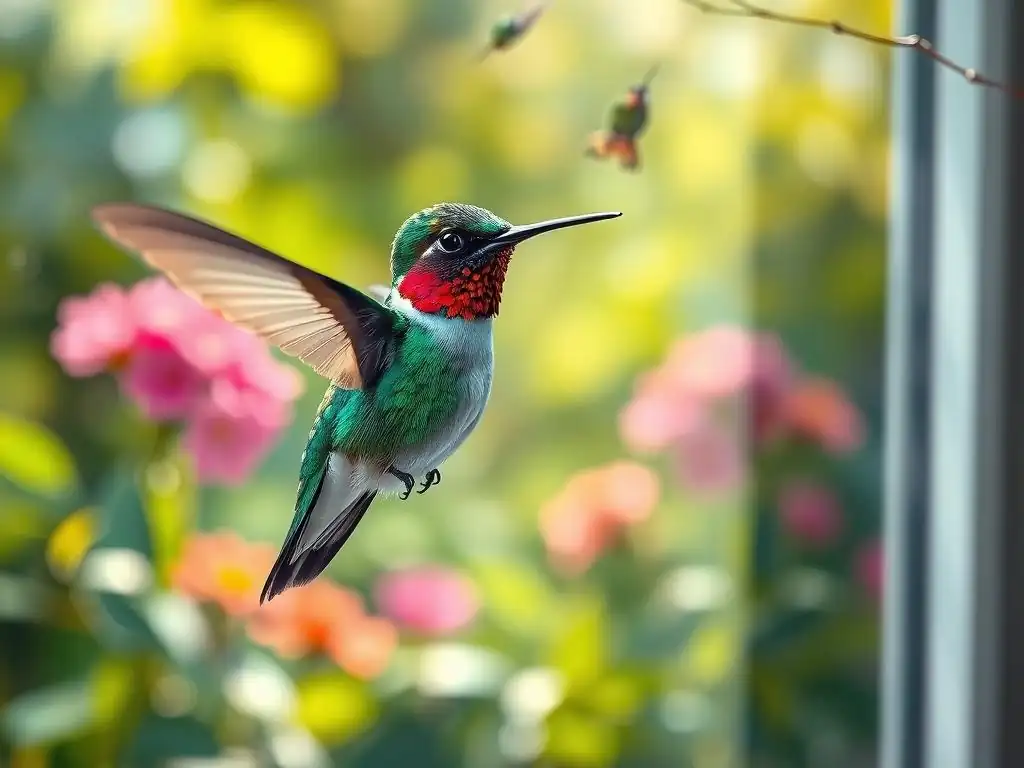
Welcome to PetCareWorld, your ultimate guide to a happier, healthier life for your beloved companion animals! Are you concerned about the dangers lurking in your own home for your feathered friends? We delve into the critical issue of preventing bird window collisions in our latest article, "Window Woes: Preventing Bird Collisions in Your Home," offering practical solutions to safeguard your birds and keep them soaring safely. Discover expert advice and simple steps to transform your home into a bird-friendly haven – explore now and ensure your winged wonders stay safe and sound.
- Understanding Bird Window Collisions: A Growing Concern
- Preventing Bird Window Collisions: Practical Solutions
- Beyond the Window: Additional Bird Safety Measures at Home
- Creating a Bird-Safe Home Environment: A Holistic Approach
- Frequently Asked Questions
- Final Reflection: A Clear View, a Safe Flight
- Protect Our Feathered Friends: Take Action Today!
Understanding Bird Window Collisions: A Growing Concern
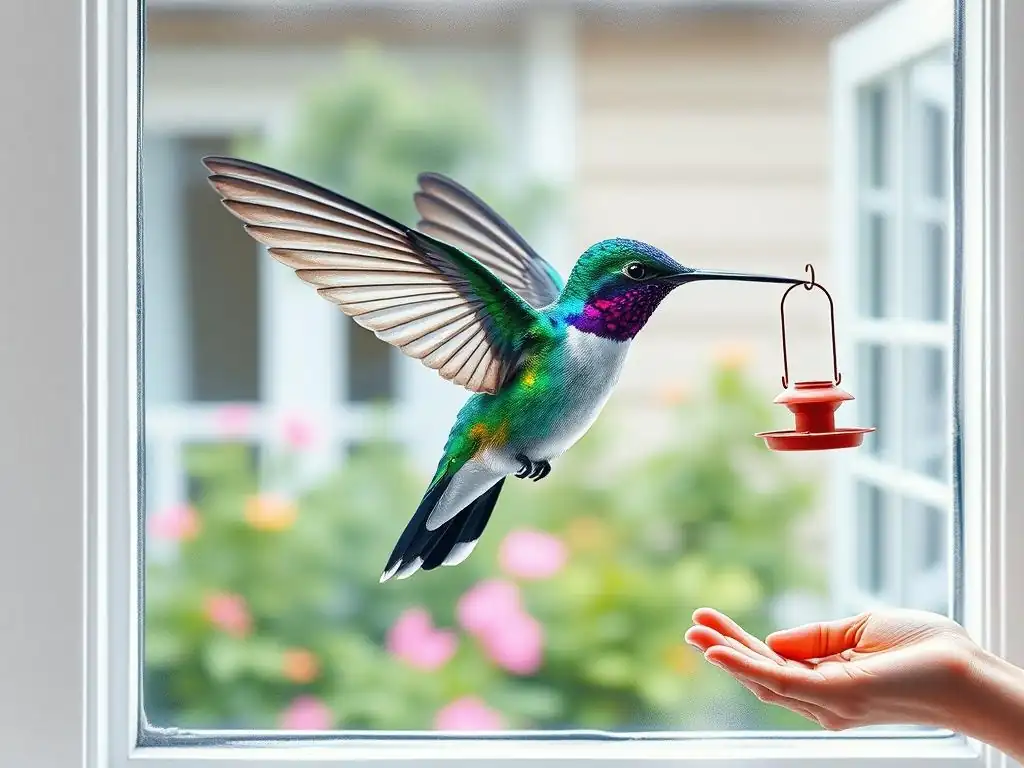
Window collisions represent a significant, often overlooked, threat to bird populations. Millions of birds perish annually due to impacts with glass windows, a largely preventable tragedy stemming from birds' inability to perceive transparent surfaces, especially when reflections obscure the view beyond. This article will delve into the dangers of window strikes, explore common causes, and provide practical solutions to help you prevent these devastating accidents in your home, thereby contributing to bird conservation efforts and ensuring the safety of our feathered friends.
Preventing bird window collisions is not just about protecting individual birds; it's about safeguarding biodiversity and creating a safer environment for wildlife. We'll explore practical, effective strategies to make your home a haven, not a hazard, for birds. The problem is widespread, affecting both domestic and wild birds, and understanding the causes and implementing preventative measures is crucial for responsible pet ownership and environmental stewardship.
The Dangers of Window Strikes for Birds
Window strikes can result in a range of injuries and fatalities for birds, depending on the severity of the impact and the bird's size and species. Smaller birds are particularly vulnerable, often suffering fatal injuries such as head trauma, broken bones, internal bleeding, and concussions. Even seemingly minor collisions can lead to long-term health problems, including debilitating injuries that hinder their ability to forage, fly, and evade predators.
The immediate impact can be fatal, but even if a bird survives the initial collision, the trauma can weaken its immune system, making it more susceptible to disease and reducing its chances of survival in the wild. The consequences extend beyond the individual bird; collisions can significantly impact bird populations, especially those already facing threats from habitat loss and other environmental challenges.
💔 Consider the devastating impact on a bird's family and the wider ecosystem. Preventing these collisions is therefore a vital step in bird conservation.
Common Causes of Bird-Window Collisions
Several factors contribute to bird-window collisions. The most significant is the invisibility of glass to birds. Birds rely heavily on visual cues to navigate, and clear glass often appears as an unobstructed path. Reflections of trees, skies, or other vegetation further compound the problem, creating an illusion of open space that lures birds into fatal impacts. The following points detail common causes:
- Reflective glass: Highly reflective windows mimic natural environments, confusing birds and leading them to fly directly into the glass.
- Large expanses of glass: Uninterrupted glass surfaces, like large picture windows or sliding glass doors, pose a greater risk than smaller, framed windows.
- Bright sunlight: Sunlight reflecting off glass can increase the reflectivity and make the glass even more difficult for birds to see.
- Landscaping: Placement of feeders, birdbaths, or attractive plants near windows can draw birds closer to the danger zone.
- Lack of visual cues: The absence of patterns, decals, or other visual markers on windows can make them harder for birds to detect.
Identifying High-Risk Windows in Your Home
Identifying high-risk windows in your home is the first step in preventing bird collisions. Pay close attention to areas where birds frequently perch or fly near windows. Consider the following factors:
- Window location: Windows facing areas with dense vegetation or bird feeders are particularly hazardous.
- Window size and type: Large, reflective windows pose the greatest risk.
- Reflection patterns: Observe the reflections on your windows, especially during different times of day and weather conditions. Look for reflections that mimic natural environments.
- Bird activity: Monitor bird activity around your windows. If you frequently observe birds flying into or near your windows, those windows are high-risk areas requiring immediate attention. Careful observation is key. 📝
Preventing Bird Window Collisions: Practical Solutions
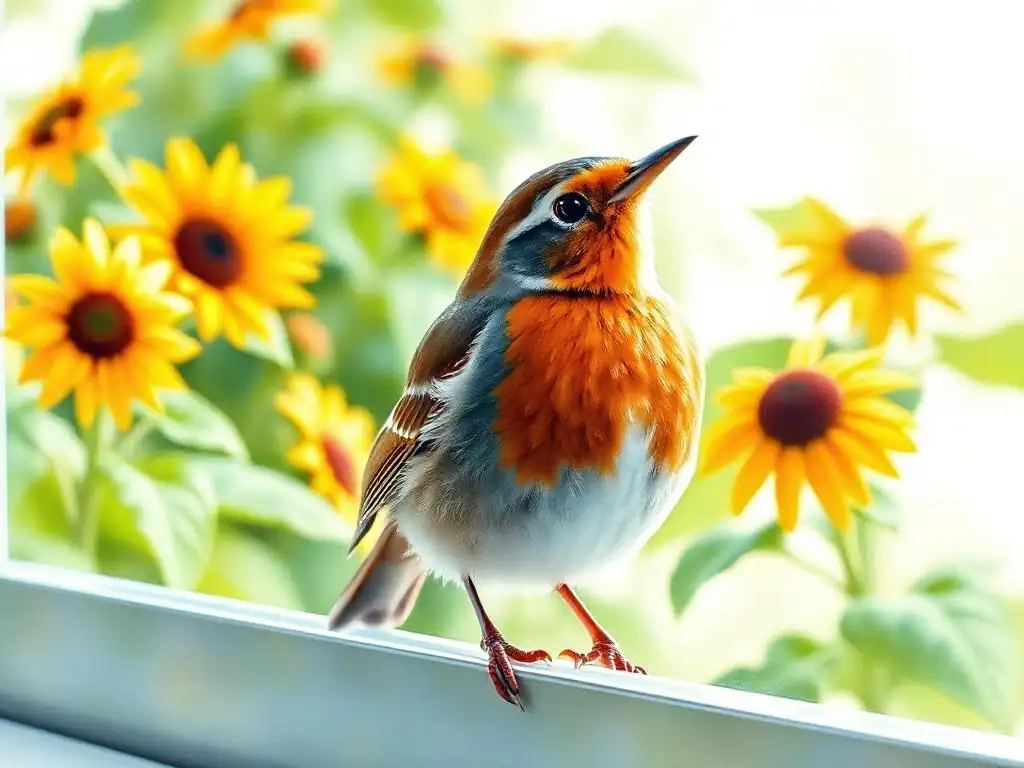
This section focuses on practical, actionable steps you can take to significantly reduce the risk of your feathered friends colliding with your windows. Window collisions are a serious threat to birds, often resulting in injury or death. By implementing these preventative measures, you can create a safer environment for birds and enjoy the beauty of your home without compromising their well-being. Let's explore effective strategies to prevent bird window collisions and create a bird-friendly home.
Choosing Bird-Friendly Window Treatments
Window treatments play a crucial role in preventing bird window collisions. Birds often perceive reflections and transparent surfaces as open spaces, leading to devastating impacts. Selecting the right window coverings can drastically minimize this risk.
Using Window Films and Decals to Deter Bird Collisions
Window films and decals are readily available and offer a simple yet effective solution. These products create visual patterns on the glass, making the windows more visible to birds. Look for films and decals with strong, noticeable patterns, avoiding those with subtle designs which may not be effective enough.
Consider the placement of the decals; a more dispersed pattern is generally better than concentrated patterns. Some studies suggest that patterns with ultraviolet (UV) reflective properties are particularly effective, as birds can see UV light, making the glass more apparent to them. Remember to clean the window thoroughly before application to ensure optimal adhesion and effectiveness.
Installing Window Screens for Bird Safety
Installing window screens is another excellent strategy to prevent bird window collisions. Screens provide a physical barrier, preventing birds from hitting the glass altogether. Ensure the screens are securely fastened and have a fine mesh to prevent birds from getting their beaks or claws caught. Consider using sturdy, pet-safe materials, especially if you have other pets that might interact with the screens. While screens are highly effective, remember to regularly inspect them for any damage or deterioration to maintain their protective function. Regular maintenance will extend the lifespan of your screens and ensure continued bird safety.
Strategic Placement of Plants and Bird Feeders
The positioning of plants and bird feeders near windows can indirectly contribute to collision prevention. By strategically placing plants or feeders away from windows, you create a natural deterrent. Birds are less likely to fly directly toward a window if there are obstacles or alternative landing points nearby. However, simply placing plants near the window doesn't guarantee prevention. Consider the placement in relation to the bird's flight path and the reflective qualities of the window. Dense, leafy plants are more effective than sparse or small ones.
Altering Window Appearance: Making Windows Visible to Birds
Even with window treatments, some birds might still be at risk. Therefore, actively altering the window's appearance to make it more visible to birds is crucial. This involves making the window less transparent and reflective, thus reducing the likelihood of birds mistaking it for open space.
Using External Bird Deterrents
External bird deterrents, such as strategically placed stickers, bird silhouettes, or even simple tape patterns applied to the outside of the window, can make the glass more visible to birds. These deterrents act as visual cues, warning birds of the presence of an obstacle. The effectiveness of these deterrents varies depending on the design, placement, and the species of bird. Experiment with different types of deterrents to find what works best in your environment. Remember that these need to be placed on the outside of the glass to be effective.
Creating Visual Patterns to Prevent Collisions
Creating visual patterns on the window is a key method to prevent bird window collisions. These patterns disrupt the reflection and transparency, making the window more visible to birds. You can achieve this using various methods, including applying decals, window films, or even painting simple patterns directly onto the glass. Simple patterns, like dots or stripes, are often very effective.
The key is to create a pattern that is visible to birds from a distance, interrupting the reflection and making the glass appear less like an open space. Avoid using highly reflective or glossy paints. Consider using non-toxic, bird-safe materials for any DIY solutions.
This detailed guide provides numerous ways to prevent bird window collisions. Remember, consistent effort and careful observation will ensure your home is a safe haven for your local avian population. Remember to always prioritize bird safety and create a bird-friendly environment.
Modifying Bird Behavior to Reduce Window Impacts
Understanding and modifying your bird's behavior can significantly reduce the likelihood of window collisions. Birds, especially those kept indoors, may repeatedly fly towards windows due to a variety of factors, including instinct, reflection, and the perception of an open space. Addressing these underlying causes is crucial for preventing accidents. This involves a multifaceted approach that combines environmental changes with training techniques. For instance, a bird repeatedly flying towards a window might be reacting to the reflection of trees or sky it sees. This could be addressed by covering or obscuring that particular reflective area.
Providing Alternative Perching Spots
One effective method is to provide alternative perching spots that are more appealing to your bird than the window. This could involve adding more branches, toys, or perches strategically placed around the cage or aviary. The goal is to create a stimulating environment that diverts the bird's attention away from the window.
Think about the natural environment your bird would inhabit; mimicking that with varied textures, heights, and visual interest can greatly reduce window-focused behavior. For example, if you have a small parrot, providing a variety of climbing toys and perches at different heights will keep it occupied and less likely to focus on the window. Regularly rotating these perches and toys adds novelty and further discourages window-oriented behavior.
Educating Yourself About Bird Flight Patterns
Understanding your bird's flight patterns is essential in preventing window collisions. Observe your bird's behavior carefully. Note the times of day when they are most active and the routes they frequently take when flying. This information will help you identify high-risk areas near windows and take appropriate preventative measures.
For example, if your bird consistently flies from its perch to the window at sunrise, consider placing a temporary barrier or covering during this specific time. By carefully studying your bird's behavior, you can anticipate potential collisions and implement targeted solutions. This proactive approach is more effective than simply reacting to collisions after they occur. Keeping detailed records of your observations—a simple notebook or a digital log—can be invaluable in identifying patterns and refining your preventative strategies.
Beyond the Window: Additional Bird Safety Measures at Home
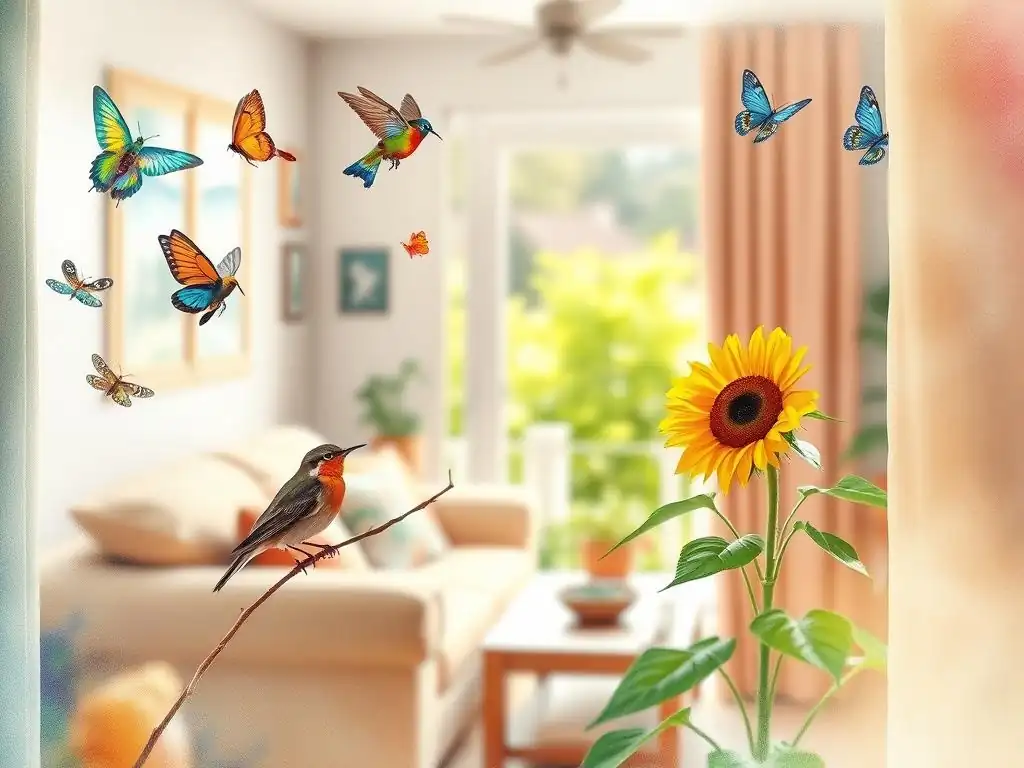
Preventing bird window collisions is a crucial step in ensuring your feathered friend's safety, but it's only one piece of the puzzle. A bird-safe home requires a holistic approach, addressing potential hazards beyond just windows. This section will delve into additional safety measures to create a truly secure and enriching environment for your avian companion. Remember, proactive measures are key to prevent bird window collisions and other accidents.
Securing Hazardous Household Items
Many common household items pose significant dangers to birds. Their small size and inquisitive nature make them vulnerable to ingestion or entanglement. Thorough home assessment is paramount to prevent bird window collisions and other preventable accidents.
Here's a checklist of potentially hazardous items and how to secure them:
- Cleaning Supplies: Keep all cleaning products, including sprays, liquids, and powders, securely locked away in cabinets with childproof latches. The fumes alone can be toxic to birds. Even seemingly harmless products can be deadly if ingested.
- Toxic Plants: Numerous common houseplants are toxic to birds. Lilies, azaleas, and tulips, for example, can cause severe illness or even death. Research thoroughly to identify and remove any potentially toxic plants from your home. A comprehensive list of toxic plants for birds is readily available online. 1
- Small Objects: Buttons, beads, coins, and other small objects represent a choking hazard. Keep these items out of reach, especially in areas frequented by your bird. Regular sweeping and vacuuming can help to minimize this risk.
- Electrical Cords: Birds are naturally curious and may chew on electrical cords, leading to electrocution or injury. Use cord covers or secure cords out of reach to mitigate this risk.
- Sharp Objects: Scissors, knives, and other sharp objects should be stored safely away from your bird's reach to prevent bird window collisions and other injuries.
| Hazardous Item | Safety Measure | Additional Notes |
|---|---|---|
| Cleaning Supplies | Securely locked cabinets with childproof latches | Avoid using strong-smelling cleaning products near birds. |
| Toxic Plants | Remove from the home or place out of reach | Research plants thoroughly before bringing them home. |
| Small Objects | Keep out of reach, regular cleaning | Consider using childproof latches on cabinets. |
| Electrical Cords | Use cord covers or secure cords out of reach | Regularly inspect cords for damage. |
| Sharp Objects | Store safely and out of reach | Keep children's craft supplies stored safely. |
Further Considerations for Securing Hazardous Items
Regularly inspect your home for potential hazards. Birds are surprisingly resourceful and may find new ways to access dangerous items. Involving the whole family in maintaining a safe environment is crucial for the well-being of your pet bird. Consider using bird-safe cleaning products and opting for non-toxic alternatives whenever possible.
Preventing Bird Escapes
Escapes can be incredibly stressful for both you and your bird. A lost bird is vulnerable to predators, starvation, and injury. Implementing preventative measures is critical to avoid this scenario. These precautions are equally important as measures to prevent bird window collisions.
- Secure Cages: Ensure your bird's cage is securely fastened and that the door latches properly. Regularly check for any signs of wear and tear that could compromise its security.
- Supervised Out-of-Cage Time: Always supervise your bird when it's outside its cage. Even the most well-trained birds can be startled and fly away unexpectedly.
- Window Screens: Ensure all windows are fitted with strong screens to prevent escapes. Repair any damage promptly to prevent bird window collisions and escapes.
- Open Doors and Windows: Exercise extreme caution when opening doors and windows, especially during periods of high activity. A quick movement or gust of wind can startle your bird and cause it to flee.
- Identification: Consider microchipping or attaching an identification tag to your bird's collar. This will increase the chances of its safe return if it does manage to escape.
1 [Specific information pending: Link to a reliable resource listing toxic plants for birds]
Creating a Bird-Safe Home Environment: A Holistic Approach
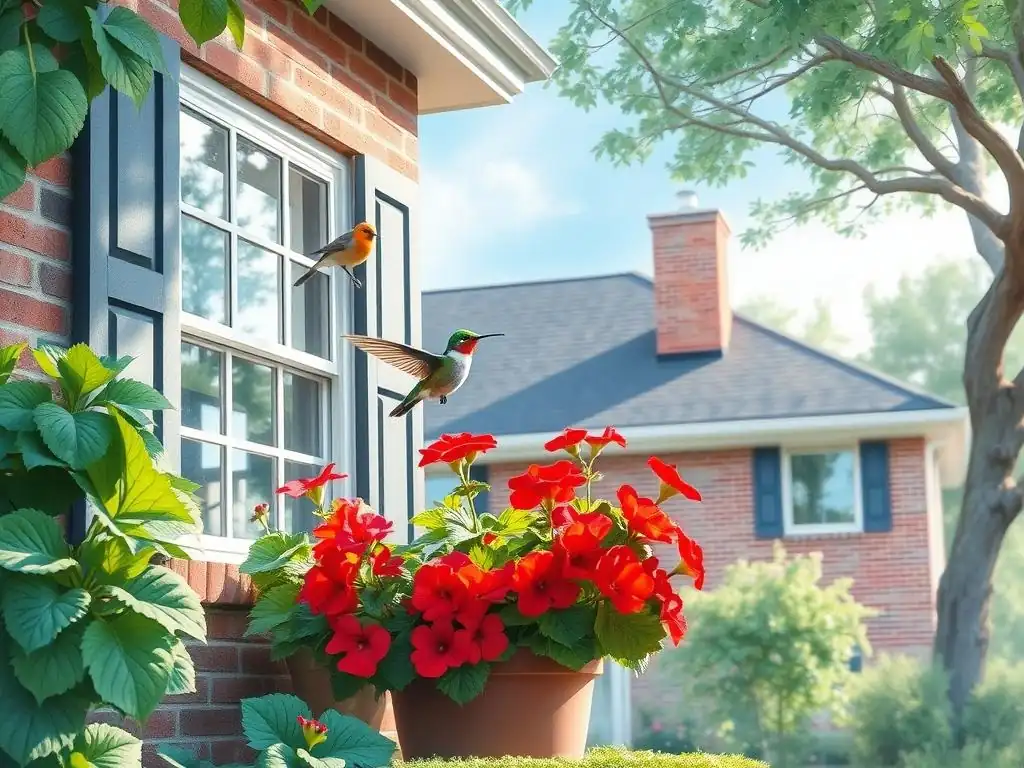
This section focuses on proactively designing your home to minimize the risk of bird window collisions. A holistic approach considers not just window treatments, but the overall layout and attractiveness of your home to birds. Remember, preventing bird window collisions is about understanding avian behavior and adapting your environment accordingly. We'll explore long-term strategies that go beyond simply applying decals to your windows.
Long-Term Strategies for Bird Safety
Preventing bird window collisions requires a multifaceted strategy. Simply applying decals isn't always sufficient; birds, particularly those accustomed to a certain area, may still collide. A more effective approach involves a combination of techniques aimed at reducing the attractiveness of your windows as flight paths and increasing bird awareness of the glass.
Consider these long-term strategies:
- Strategic Landscaping: Planting dense shrubs and trees near windows can act as natural deterrents. Birds are less likely to fly directly into glass if they have alternative routes and visual barriers. Consider native plants that attract beneficial insects and provide natural food sources, further discouraging birds from venturing close to your windows. Strategic placement of feeders away from windows is also crucial.
- Window Placement and Design: During construction or renovation, consider the placement of windows. Windows facing areas with high bird traffic should be minimized or designed with features that increase visibility, such as textured glass or patterned films.
- Exterior Lighting: Bright lights at night can disorient birds, increasing the risk of collisions. Use low-level, directional lighting to minimize glare and confusion. Consider motion-sensor lights to only illuminate when necessary.
- Regular Assessment and Adaptation: Bird activity patterns can change seasonally. Regularly assess your home’s attractiveness to birds and adjust your preventative measures as needed. Observe where birds tend to congregate and adapt your landscaping or window treatments accordingly. This proactive monitoring is key to long-term bird safety.
For example, a homeowner noticed a high number of collisions near their kitchen window, which overlooked a bird feeder. By moving the feeder further away and planting a dense climbing rose bush next to the window, they significantly reduced the number of collisions within a month. This demonstrates the effectiveness of combining multiple preventative measures.
Resources for Further Information on Bird Safety
Beyond the strategies outlined above, numerous resources offer comprehensive information on bird safety and preventing window collisions. While specific organizations and websites may vary by region, the information generally focuses on similar themes. Look for resources that provide detailed guidance on:
- Decal effectiveness and placement: Learn about the types of decals most effective for different bird species and how to properly space them for optimal visibility. Research suggests that certain patterns and spacing are more effective than others.
- Window film options: Explore various types of window films, their effectiveness, and their impact on light transmission and energy efficiency. Some films offer better visibility for birds than others.
- Community initiatives: Many communities have initiatives focused on bird conservation and awareness, offering additional resources and support for homeowners.
- Scientific studies on bird collisions: Researching scientific studies provides valuable insight into bird behavior near windows and the effectiveness of different preventative strategies. This evidence-based approach ensures you're implementing the most effective measures.
Remember, preventing bird window collisions is an ongoing process requiring vigilance and adaptation. By combining these strategies and utilizing available resources, you can create a bird-safe home environment while appreciating the beauty of avian life.
Frequently Asked Questions
What are the biggest dangers of window collisions for birds?
Birds often see windows as clear pathways, leading to fatal collisions. Injuries can range from concussions to broken bones and internal bleeding, often resulting in death. Prevention is crucial.
How can I make my windows visible to birds?
Use bird-friendly window decals, stickers, or films. These create patterns that birds can easily see and avoid. Consider applying them to the exterior of your windows for maximum effectiveness.
What other methods can I use besides decals to prevent collisions?
You can hang brightly colored ribbons, streamers, or other visually striking objects near your windows. These act as deterrents by breaking up the reflection and making windows more visible.
Are there any specific patterns or colors that are most effective?
While bright colors and patterns work well, there's no single "best" solution. Experiment with different options to see what works best in your specific environment and for the birds in your area.
What should I do if I find an injured bird?
Immediately contact a local wildlife rehabilitator or veterinarian specializing in avian care. Do not attempt to handle the bird yourself, as this could cause further injury.
Final Reflection: A Clear View, a Safe Flight
The silent, tragic toll of bird-window collisions continues to impact avian populations, demanding our urgent attention and proactive solutions. These seemingly insignificant impacts, often unseen, cumulatively represent a significant threat to biodiversity and the delicate balance of our ecosystems. We must move beyond passive observation and actively participate in creating safer spaces for our feathered friends.
The pervasive nature of this problem, deeply rooted in our built environment, underscores the importance of individual responsibility. We've explored practical, readily-implementable strategies, from simple decals to more complex window treatments, but the true impact lies in collective action. The greatest glory in living lies not in never falling, but in rising every time we fall.
– Nelson Mandela. This quote resonates deeply, reminding us that even small, consistent efforts to protect birds from window collisions can make a significant difference. Our collective "rising" will create a safer world for birds.
Consider the birds you see outside your window. Imagine the vibrant life they bring to your surroundings. Now, imagine a future where those vibrant lives are threatened less by the glass barriers we create. You have the power to make a difference. Start small: research bird-friendly window treatments, apply decals to existing windows, and share this information with your friends and family. Let's work together to create a world where windows offer a clear view, not a deadly obstacle, for our avian neighbors.
Protect Our Feathered Friends: Take Action Today!
Thank you for learning about preventing bird collisions. You've gained valuable insights into protecting these amazing creatures. Now let's put that knowledge to work.
Here's how you can make a real difference:
- Prioritize bird-safe windows: Assess your windows for bird collision risks and install solutions like decals, netting, or films. This is the single most effective action you can take.
- Spread the word: Share this information with your friends, family, and neighbors on social media. Let's create a safer environment for birds together!
- Explore more solutions: Research additional bird-friendly window treatments and share your findings in the comments below. What innovative ideas have you discovered?
What small step can you take today to protect birds in your community?