
Cat Behavior Myths: Debunking Misconceptions About Feline Mental Health


Welcome to PetCareWorld, your ultimate guide to a happier, healthier life for your beloved pets! Are you ready to unravel the mysteries surrounding your feline friend? We delve into the fascinating world of cat behavior, debunking common myths that often cloud our understanding of their unique personalities and needs. Discover the truth behind popular misconceptions in our insightful article, "Cat Behavior Myths: Debunking Misconceptions About Feline Mental Health," and unlock the key to a stronger bond with your cat. Explore now and empower yourself with the knowledge to provide the best possible care!
- Understanding Common Misconceptions About Cat Behavior
- Deconstructing Myths Surrounding Cat Anxiety and Stress
- Addressing Myths Related to Cat Play and Enrichment
- Separating Fact from Fiction: Feline Communication and Behavior
- Supporting Your Cat's Mental Well-being: Practical Tips and Advice
- When to Seek Professional Help for Your Cat's Behavior
- Frequently Asked Questions
- Final Reflection: Unraveling the Mysteries of Feline Minds
- Unlock Your Cat's Happy Purrs: Understanding Feline Wellbeing
Understanding Common Misconceptions About Cat Behavior
Cat owners often rely on anecdotal evidence and outdated beliefs when interpreting their feline companions' actions, leading to misunderstandings that can negatively impact both the cat's well-being and the human-animal bond. This article aims to debunk common myths surrounding cat behavior, focusing on the crucial link between understanding feline communication and ensuring their mental health.
We'll explore prevalent misconceptions, providing evidence-based explanations to help you better understand your cat and address any potential behavioral issues proactively. By dispelling these myths, we aim to empower cat owners to provide the best possible care for their beloved pets, fostering a strong and enriching relationship built on mutual respect and understanding.
Understanding your cat's behavior is key to ensuring their happiness and overall mental health, and this guide will provide the tools and knowledge necessary to achieve that goal. Let's dive into some of the most pervasive myths surrounding cat behavior and uncover the truth behind these often-misinterpreted feline actions.
Myth 1: Cats are Independent and Don't Need Much Attention
The notion that cats are entirely self-sufficient and require minimal human interaction is a widespread misconception. While cats are indeed more independent than some other pets, like dogs, they still crave attention, affection, and social interaction. The level of attention a cat needs varies greatly depending on its personality, breed, and past experiences.
Many cats actively seek out human companionship, expressing their desire through purring, rubbing against legs, or bringing "gifts" like toys or dead prey. Neglecting a cat's social needs can lead to behavioral problems such as excessive vocalization, destructive scratching, or even aggression. Studies have shown that cats deprived of sufficient social interaction can exhibit signs of stress and anxiety, ultimately impacting their mental health.
Providing regular playtime, gentle petting, and engaging in interactive activities can significantly improve a cat's emotional well-being. Remember, even the most seemingly independent cat benefits from a loving and attentive human companion. A well-adjusted cat will exhibit positive behaviors like playful interactions, contented purring, and a general sense of calm, indicating their needs are being met.
Myth 2: Cats Only Show Affection When They Want Food
While cats may associate food with positive reinforcement, their displays of affection extend far beyond mere mealtimes. Many cats express love and attachment through a variety of behaviors: slow blinks, gentle head-butting, purring, kneading, and rubbing against their owners. These actions are not solely driven by the anticipation of food but rather represent a complex form of communication that reinforces the bond between cat and human. A cat that rubs against your leg isn’t simply hoping for a treat; it's marking you with its scent, claiming you as part of its social group.
Similarly, slow blinks are a clear sign of trust and affection, a feline way of saying "I love you." Observing these subtle cues is crucial for understanding the depth and complexity of a cat's emotional expression. To ignore these signs is to miss out on a rich and rewarding relationship with your pet.
Myth 3: A Cat's Sleeping Habits Indicate Boredom or Depression
While excessive sleeping can be a symptom of underlying health issues or depression in cats, it's not always indicative of boredom or unhappiness. Cats are crepuscular animals, meaning they are most active during dawn and dusk. A significant portion of their day is naturally spent sleeping, often for 12-16 hours or more.
Their sleep patterns are influenced by a variety of factors, including age, health, and environment. A senior cat, for example, will sleep more than a kitten. Before concluding that a cat's sleeping habits reflect boredom or depression, it's essential to consider other factors like their overall activity level, appetite, litter box habits, and interaction with their environment.
If you're concerned about your cat's sleeping habits, consult with a veterinarian to rule out any underlying medical conditions. A comprehensive assessment can help determine if behavioral changes are necessary to improve your cat's well-being. Remember, a cat sleeping soundly doesn't always equate to a cat that's unhappy; it might simply be a cat that's perfectly content and well-rested.
Deconstructing Myths Surrounding Cat Anxiety and Stress

This section delves into common misconceptions surrounding feline anxiety and stress, providing evidence-based explanations to help cat owners better understand their companions' behavior. Understanding these myths is crucial for providing appropriate care and addressing underlying issues effectively. Misinterpreting feline behavior can lead to ineffective solutions and potentially exacerbate existing anxieties.
This section focuses on debunking specific myths related to cat behavior, contributing to a more informed and empathetic approach to cat ownership. We'll explore how these myths perpetuate misunderstandings and hinder the development of positive relationships between cats and their human companions. The goal is to equip readers with the knowledge to accurately interpret their cat's behavior and address any underlying issues responsibly.
Myth 4: Spraying is Always a Sign of Territory Marking
While territorial marking is a common reason for cats to spray urine, it's not the only one. Spraying, unlike urination in a litter box, involves a different posture – the cat will often back up to a vertical surface, arch its back, and spray a small amount of urine. This behavior is often accompanied by a visible twitching of the tail. However, many cat owners mistakenly attribute all spraying to territorial issues.
In reality, stress, anxiety, and even medical problems can trigger spraying. For example, a change in the household, the introduction of a new pet, or even a change in litter can cause a cat to spray due to increased stress levels. Furthermore, urinary tract infections (UTIs) or other medical conditions can also lead to inappropriate urination, mimicking spraying behavior. Therefore, if your cat starts spraying, it's crucial to rule out medical causes first through a visit to the veterinarian.
Don't jump to conclusions; a thorough veterinary examination is essential before implementing behavioral modifications. Failing to address underlying medical issues can worsen the problem and potentially harm your cat's health. A holistic approach, incorporating both veterinary assessment and behavioral consultations, is paramount for effectively managing spraying behavior.
Myth 5: All Cats Hate Water
The idea that all cats despise water is a pervasive myth. While some cats exhibit a strong aversion to water, many others tolerate or even enjoy it. The dislike of water is not an inherent feline trait but rather a learned behavior, often stemming from negative experiences. A cat's negative association with water could be due to a forceful bath, a frightening experience near water, or simply a lack of positive exposure.
Breed also plays a role; certain breeds, like the Bengal or Turkish Van, are known for their affinity for water. Many cats will tolerate being groomed with a damp cloth and some even enjoy playing with dripping faucets or shallow water dishes. It's important to approach water introduction gradually and positively. Instead of forcing a bath, try offering interactive play with water toys or gradually introducing your cat to shallow water sources.
Positive reinforcement techniques, such as rewarding calm behavior near water, can help overcome any negative associations. Remember, your cat's reaction to water is highly individual, and a negative experience in the past doesn't necessarily dictate future behavior. With patience and positive reinforcement, you can help your cat overcome its fear of water or, at the very least, increase its tolerance.
Myth 6: Aggression in Cats is Always Unprovoked
Aggression in cats is rarely unprovoked. While it may seem sudden or inexplicable to the human observer, underlying causes often exist. Cats communicate through subtle cues, which are easily missed by humans. A cat displaying aggression might be feeling threatened, stressed, anxious, or experiencing pain. Common triggers include resource guarding (food, water, territory), fear of unfamiliar people or animals, or underlying medical conditions causing discomfort.
For example, a seemingly "unprovoked" attack could be a response to a perceived threat, such as someone approaching its sleeping area or food bowl. Similarly, arthritis or other painful conditions can make a cat more irritable and prone to aggression. Therefore, it's crucial to observe your cat's behavior carefully, looking for potential triggers. This includes paying attention to body language (ears flattened, tail puffed, hissing) and environmental factors.
A veterinary examination can help rule out any underlying medical issues. Addressing the underlying cause is essential for resolving aggression. This might involve providing more resources, creating a safer environment, or implementing behavior modification techniques with the guidance of a veterinary behaviorist. Understanding the root cause of feline aggression is critical for managing the behavior effectively and ensuring the safety and well-being of both the cat and its owner.

Myth 7: Cats Only Play When They Are Kittens
Many believe that playful behavior is solely a kitten characteristic, fading as cats age. This is a common misconception. While the intensity and type of play may change, adult cats absolutely still need and enjoy play. The key is understanding how their play style evolves.
Kittens engage in more boisterous, high-energy play, often involving pouncing and chasing. Adult cats, however, might prefer more subtle forms of play, such as interactive puzzle feeders or slow-moving toys that mimic prey. Failing to provide appropriate play opportunities for adult cats can lead to behavioral issues such as excessive grooming, destructive scratching, or even aggression stemming from pent-up energy and boredom. Studies have shown that cats of all ages benefit from daily play sessions, promoting both physical and mental stimulation.
The duration and intensity of these sessions should be adjusted to the cat's age and energy levels, but consistent engagement is crucial for their well-being. Think of it like this: a senior cat might enjoy a gentle game of batting a feather wand for 5-10 minutes, while a younger, more energetic cat might require 20-30 minutes of playtime. Ignoring this need can contribute to significant feline behavioral problems, highlighting the importance of adapting play to suit the cat's life stage.
Myth 8: Providing Toys is Enough to Prevent Boredom in Cats
Simply leaving a basket of toys for your cat is not a substitute for active engagement and environmental enrichment. While toys are essential for stimulating a cat's natural hunting instincts, they alone cannot prevent boredom. Cats are intelligent creatures that require mental stimulation to thrive. Providing a variety of toys is important, but equally crucial is interactive playtime.
A simple mouse toy left unattended will likely gather dust, but a 15-minute session of chasing a feather wand can significantly improve your cat's mood and prevent destructive behaviors. Furthermore, environmental enrichment plays a crucial role. This includes providing vertical space (cat trees), scratching posts, window perches to observe the outside world, and puzzle feeders to challenge their problem-solving skills. Consider rotating toys regularly to maintain interest and prevent them from becoming predictable.
A lack of mental stimulation can manifest as anxiety, depression, and inappropriate behaviors such as excessive vocalization or urination outside the litter box. Therefore, a holistic approach involving interactive playtime, diverse toys, and environmental enrichment is essential for preventing boredom and promoting a happy, well-adjusted cat. Think of it like providing a human child with only coloring books - while enjoyable, it’s not enough for their overall development.
While cats are often portrayed as independent creatures, many cats crave social interaction, both with humans and other cats. The level of social interaction required varies greatly depending on the individual cat's personality and past experiences. Some cats are perfectly content with solitary lives, while others thrive in multi-cat households or with devoted human companions. Neglecting a cat's social needs can lead to loneliness, anxiety, and behavioral problems.
Providing opportunities for social interaction, whether through petting, playing, or interaction with other cats (carefully introduced and monitored), is essential for their emotional well-being. Signs of social deprivation in cats can include excessive sleeping, decreased appetite, increased vocalization (meowing or yowling), and aggression. It’s important to observe your cat's behavior and adjust your interactions accordingly.
For instance, some cats might appreciate gentle brushing, while others prefer interactive play. Ignoring this fundamental need for social connection can significantly impact a cat's mental health and overall happiness, emphasizing the importance of understanding and responding to their individual social requirements. 🐾 Remember, even solitary cats benefit from regular human interaction and attention.
Separating Fact from Fiction: Feline Communication and Behavior
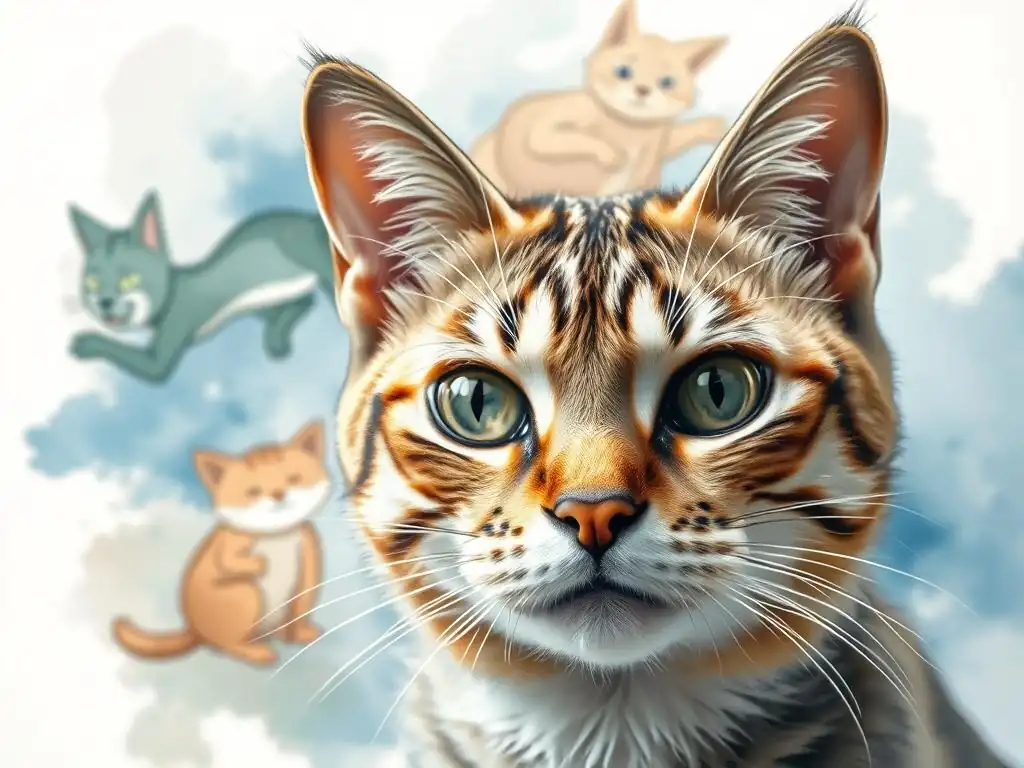
Understanding feline behavior is crucial for responsible pet ownership. Many common beliefs about cats are rooted in misunderstanding, leading to misinterpretations of their actions and potentially hindering their wellbeing. This section delves into some prevalent myths surrounding cat behavior and communication, replacing them with evidence-based understanding.
Effectively addressing "cat behavior myths debunked" requires a nuanced approach, acknowledging the complexities of feline psychology. We will explore how to accurately interpret feline signals, identify underlying health concerns that manifest as behavioral changes, and ultimately improve the human-animal bond through informed care. Misinterpreting a cat's actions can lead to unnecessary stress for both the cat and the owner, highlighting the importance of accurate knowledge.
Understanding Cat Body Language: Decoding Subtle Signals
Cats are masters of subtle communication. Their body language, often overlooked, is rich in information. A flick of the tail, the position of their ears, even the slow blink – all convey important messages. For example, a slow blink is often interpreted as a sign of trust and affection, a "cat kiss."
Conversely, flattened ears, a puffed tail, and hissing are clear indicators of fear or aggression. Understanding these nuances is critical in preventing misunderstandings and potential conflicts. Many people mistakenly believe that a cat rubbing against their legs is solely an expression of affection; while affection is often involved, it also serves as a scent-marking behavior, claiming territory and establishing their presence. Similarly, a cat's purr, often associated solely with contentment, can also be a sign of stress or pain in certain contexts.
Observing the entire context – including posture, vocalizations, and environmental cues – is crucial for accurate interpretation. Learning to read these subtle cues is key to building a stronger bond with your feline companion and addressing potential behavioral issues proactively. Ignoring these subtle signals can lead to misinterpretations, potentially escalating minor issues into larger problems.
Recognizing Signs of Stress and Anxiety in Cats
Stress and anxiety are significant concerns in feline mental health, often manifesting in subtle yet crucial behavioral changes. These can range from changes in appetite and litter box habits to increased vocalization and excessive grooming. A common misconception is that all cats are independent and solitary creatures, unaffected by their environment. This is false; cats can experience stress from changes in their routine, new pets in the home, loud noises, or even unfamiliar smells.
Some cats exhibit stress through destructive behaviors like scratching furniture excessively or spraying urine outside the litter box. Others may become withdrawn, hiding more frequently and avoiding interaction. Recognizing these signs is critical for early intervention. Providing a safe and enriching environment is paramount.
This includes providing ample vertical space (cat trees), scratching posts, hiding places, and opportunities for play and exploration. Understanding the subtle differences between a normal cat behavior and a stress-induced behavior is crucial for providing adequate care and support for your pet. Early intervention can make a significant difference in preventing long-term behavioral problems and ensuring the cat's overall well-being. Remember that a stressed cat is not necessarily a "bad" cat; it's a cat in need of a better understanding and support.
Identifying Underlying Medical Issues that Mimic Behavioral Problems
It's crucial to remember that behavioral changes in cats can often be indicative of underlying medical problems. A cat suddenly exhibiting aggression, exhibiting changes in litter box habits (e.g., increased urination or defecation outside the box), or displaying unusual lethargy might not be simply "acting out." Instead, it might be a symptom of a urinary tract infection, hyperthyroidism, cognitive dysfunction syndrome (CDS), or another medical condition. Ignoring these symptoms and focusing solely on behavioral modification can delay proper diagnosis and treatment, potentially worsening the cat's condition.
A cat experiencing pain or discomfort due to arthritis, for instance, may become irritable or withdrawn. Similarly, cognitive dysfunction in older cats can mimic anxiety or dementia in humans, leading to disorientation and inappropriate elimination. Therefore, a comprehensive veterinary examination is vital whenever behavioral changes occur. This is particularly true for sudden or drastic changes.
Relying solely on behavioral modification techniques without addressing potential underlying medical issues is ineffective and potentially harmful. A thorough veterinary checkup helps rule out medical causes and ensures a holistic approach to addressing the cat's behavioral concerns. This comprehensive approach is vital for responsible pet ownership, ensuring the cat's health and happiness.
Supporting Your Cat's Mental Well-being: Practical Tips and Advice
This section focuses on practical steps you can take to directly improve your cat's mental well-being. Understanding and addressing common misconceptions about cat behavior is crucial, but equally important is proactively supporting their emotional and psychological health. A happy cat is a healthy cat, and these tips will help you foster a thriving feline companion.
Creating a Safe and Stimulating Environment for Your Cat
A cat's environment significantly impacts its mental health. A safe, stimulating space reduces stress and encourages natural behaviors, leading to a happier, more well-adjusted cat. Consider these key elements:
- Secure Spaces: Cats are naturally predisposed to seeking high perches and hiding places. Providing multiple vertical spaces like cat trees, shelves, and window perches allows them to observe their surroundings from a safe vantage point, reducing anxiety. Think of it as their own personal "cat condos"—the more, the merrier! These safe havens are especially important for shy or anxious cats.
- Environmental Enrichment: Avoid a sterile, unchanging environment. Rotating toys, adding scratching posts in different locations, and introducing new textures (like sisal rope or cardboard) keeps things interesting and prevents boredom. A bored cat is often an unhappy cat, prone to destructive behaviors.
- Minimizing Stressors: Identify and minimize potential stressors in your cat's environment. Loud noises, sudden movements, or unfamiliar people can trigger anxiety. Create a quiet, predictable routine to help your cat feel secure. This might involve establishing consistent feeding times, playtime, and grooming sessions.
- Multi-Cat Households: If you have multiple cats, ensure each has access to resources like food bowls, water fountains, litter boxes, and resting areas. Competition for resources is a major source of stress in multi-cat households, leading to behavioral issues. A good rule of thumb is to have one more litter box than the number of cats.
Providing Appropriate Enrichment Activities for Cats
Enrichment activities are essential for stimulating a cat's mind and body, preventing boredom and promoting positive behaviors. These activities should cater to a cat's natural instincts, such as hunting, climbing, and exploring.
- Interactive Play: Daily interactive play sessions are vital. Use toys that mimic prey, such as feather wands or laser pointers (used responsibly, avoiding frustration by always providing a "catch"). These sessions help burn energy, satisfy hunting instincts, and strengthen the bond between you and your cat. Aim for at least 15-20 minutes of playtime per day.
- Puzzle Feeders: Puzzle feeders challenge your cat mentally and physically. These feeders dispense food only when the cat manipulates the puzzle, encouraging problem-solving skills and providing a rewarding experience. This is especially beneficial for cats prone to obesity, as it slows down their eating.
- Scratching Posts: Providing appropriate scratching surfaces is crucial for satisfying a cat's natural scratching instinct. Cats scratch to maintain their claws, mark their territory, and stretch their muscles. Offer a variety of scratching posts made from different materials to find what your cat prefers.
- Sensory Stimulation: Cats are highly sensitive to their environment. Introduce new textures, smells, and sounds in a controlled manner to stimulate their senses. This could involve placing catnip toys around the house or introducing a new, safe plant for them to investigate (avoiding toxic plants, of course! ).
Remember, understanding and addressing your cat's mental health needs is key to a long and happy life together. By implementing these practical tips, you'll create a supportive and enriching environment that fosters a well-adjusted, content feline companion. Early intervention and proactive care are crucial in preventing potential behavioral problems and ensuring your cat thrives. 😻
When to Seek Professional Help for Your Cat's Behavior
Understanding your cat's behavior is crucial for their overall well-being. While many minor behavioral quirks are normal and easily managed with adjustments to their environment or routine, some changes signal deeper issues requiring professional intervention. Ignoring these signs can lead to escalating problems and negatively impact your cat's quality of life.
This section will help you identify when it's time to seek expert help for your feline friend, addressing the crucial question: when does a simple behavioral adjustment become a necessity for professional veterinary or behavioral consultation? Early intervention is key to successful treatment and prevents minor issues from developing into significant challenges.
Recognizing Signs of Serious Behavioral Issues
Several behavioral changes in cats can indicate underlying medical or psychological problems. These aren't simply minor annoyances; they're warning signs that require immediate attention. Consider seeking professional help if your cat exhibits any of the following:
- Sudden and dramatic personality shifts: A previously affectionate cat becoming withdrawn and fearful, or a playful cat suddenly exhibiting aggression, warrants immediate veterinary assessment. This could indicate pain, cognitive dysfunction, or a neurological issue. 😿
- Inappropriate elimination: Urinating or defecating outside the litter box, even after ruling out medical causes like urinary tract infections, can signal stress, anxiety, or territorial issues requiring behavioral modification. The frequency and consistency of this behavior should be carefully noted.
- Excessive vocalization: Constant meowing, yowling, or other vocalizations that are out of character can indicate pain, anxiety, or a medical condition. Consider keeping a log of the frequency, timing, and context of the vocalizations.
- Self-mutilation: Excessive grooming to the point of causing hair loss or skin lesions, or other self-harming behaviors, strongly suggests underlying anxiety, stress, or a medical problem requiring professional diagnosis. This is a serious sign and requires immediate attention.
- Aggression: Unprovoked aggression towards humans or other pets, especially if it's a sudden change in behavior, is a serious concern that needs prompt professional evaluation. Detailed records of the events leading to the aggression are helpful for diagnosis.
- Appetite changes: Significant changes in eating habits, whether increased or decreased, alongside other behavioral changes, should be addressed by a veterinarian to rule out underlying medical conditions. Careful tracking of food intake can be beneficial.
Table 1: Severity of Cat Behavioral Issues
| Behavior | Mild | Moderate | Severe |
|---|---|---|---|
| Litter box issues | Occasional accidents outside box | Frequent accidents outside box | Consistent refusal to use litter box |
| Aggression | Occasional hissing or swatting | Frequent growling or swatting | Unprovoked biting or attacking |
| Vocalization | Occasional meows outside normal times | Increased meowing throughout the day | Constant yowling or screaming |
| Appetite Changes | Slight decrease or increase in food | Noticeable changes in eating habits | Significant weight loss or gain |
Remember, consistent observation and detailed record-keeping are essential when assessing your cat's behavior. This information is invaluable to a veterinarian or certified cat behaviorist in determining the underlying cause and developing an appropriate treatment plan.
Finding a Qualified Veterinarian or Certified Cat Behaviorist
Finding the right professional is crucial for addressing your cat's behavioral issues. Not all veterinarians have the same level of expertise in feline behavior. Similarly, it's vital to ensure the cat behaviorist is properly certified and experienced.
Here's how to locate qualified professionals:
- Your primary veterinarian: Start with your regular veterinarian. They can conduct a thorough physical exam to rule out any underlying medical conditions that might be contributing to the behavioral problems. They can also refer you to a specialist if needed.
- Certified Applied Animal Behaviorists (CAABs): These professionals have undergone rigorous training and certification in animal behavior. Look for a CAAB specializing in feline behavior.
- Veterinary behaviorists (DACVBs): These are veterinarians with advanced training in animal behavior. They can offer a comprehensive approach combining medical and behavioral expertise.
- Online directories: Several online resources list certified cat behaviorists and veterinary behaviorists in your area. Thoroughly research the credentials and experience of any professional before making an appointment.
Choosing the right professional is a crucial step in helping your cat overcome behavioral challenges. Don't hesitate to seek a second opinion if you're unsure about the diagnosis or treatment plan. Remember, a happy and well-adjusted cat is a testament to your dedication as a responsible pet owner.
Frequently Asked Questions
Why do cats knead? Is it just a cute habit?
No, kneading is a comforting behavior stemming from kittenhood. Cats knead to release endorphins, associating it with security and contentment. It's a sign of deep relaxation and trust.
My cat ignores me; does that mean they don't like me?
Not necessarily! Cats show affection differently than dogs. Lack of overt attention doesn't equate to dislike. Observe for subtle signs like slow blinks, gentle rubs, or purring. These are indicators of feline affection.
Is it true that cats are always aloof and independent?
This is a common misconception. While cats are more independent than dogs, many cats are highly social and crave interaction. Individual personalities vary greatly; some cats are very affectionate and playful.
My cat is spraying urine; is it always a medical problem?
While urinary tract infections can cause spraying, it's often a behavioral issue. Stress, territorial marking, or unmet needs (like lack of litter boxes) can trigger spraying. Consult a vet to rule out medical causes.
How can I tell if my cat is stressed?
Look for changes in eating habits, litter box use, grooming habits, or increased vocalization. Hiding, excessive sleeping, or aggression are also signs of stress. Addressing the underlying cause is crucial.
Final Reflection: Unraveling the Mysteries of Feline Minds
The pervasive myths surrounding cat behavior not only hinder our understanding of these complex creatures but also directly impact their well-being. Failing to recognize the nuanced emotional lives of cats leads to misinterpretations of their actions, resulting in inadequate care and potentially causing unnecessary distress. We must move beyond simplistic assumptions and embrace a more empathetic and informed approach to feline companionship.
The journey of understanding cat behavior is a continuous one, constantly evolving as new research emerges and challenges long-held beliefs. This exploration has underscored the importance of observing cats with a critical eye, questioning ingrained assumptions, and seeking evidence-based explanations for their actions. The more we learn about cats, the more we realize how much we still don't know,
a sentiment that resonates deeply as we continue to unravel the intricacies of their fascinating world. This journey has not only broadened my understanding of feline psychology but also highlighted the urgent need for continued research and education to dispel harmful misconceptions.
Now, consider your own interactions with cats. Do you find yourself making assumptions based on outdated beliefs? I challenge you to approach your feline companions with renewed curiosity and a commitment to understanding their unique perspectives. By actively seeking accurate information, engaging in mindful observation, and fostering a relationship built on respect and empathy, you can contribute to a future where feline well-being is prioritized and the mysteries of their minds are illuminated.
Unlock Your Cat's Happy Purrs: Understanding Feline Wellbeing
Thank you for exploring the world of feline mental health with us! We hope you've gained valuable insights into dispelling common myths about cat behavior. Now let's put this knowledge into practice.
- Prioritize playtime and enrichment: Engage your cat in at least 15 minutes of interactive play each day, using toys that stimulate their natural hunting instincts. This will significantly improve their mood and overall well-being. A simple wand toy or a puzzle feeder can work wonders.
- Monitor your cat's behavior: Pay close attention to any subtle changes in their routine, eating habits, and interactions. Early detection of potential problems is key. Keeping a brief daily log of your observations can be incredibly helpful.
- Share your knowledge: Help other cat owners provide the best possible care by sharing this information. You could make a real difference in a cat's life!
What small step will you take today to improve your feline companion's mental well-being?