
Dog Sports Safety: Preventing Injuries and Ensuring Safe Play

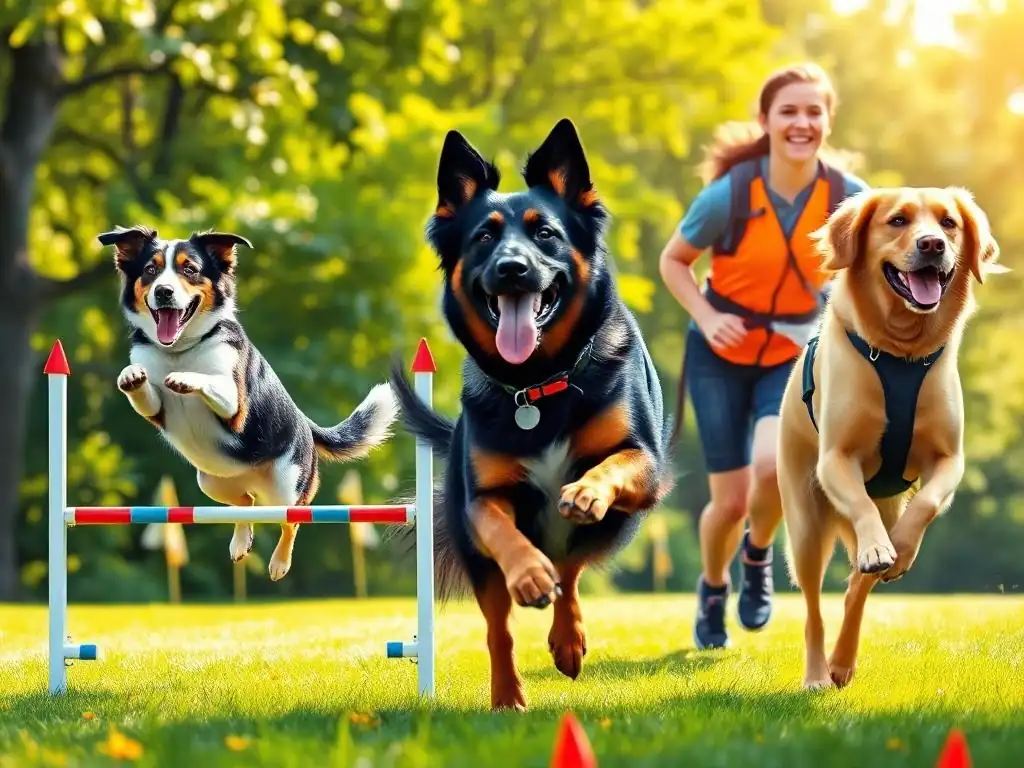
Welcome to PetCareWorld, your ultimate guide to a happier, healthier life for your beloved pets! Are you passionate about canine athleticism but concerned about potential risks? Then delve into our essential guide on Dog Sport Safety Tips, where we explore crucial strategies to prevent injuries and ensure your furry friend enjoys their activities safely and happily. Discover practical advice and expert insights that will empower you to prioritize your dog's well-being while nurturing their athletic potential. Let's get started!
- Understanding Dog Sport Risks: Common Injuries in Canine Athletes
- Essential Dog Sport Safety Equipment: Protection and Performance
- Safe Training Practices for Dog Sports: Injury Prevention Strategies
- Nutrition and Hydration for Canine Athletes: Fueling Safe Performance
- First Aid for Dog Sports Injuries: Emergency Preparedness
- Creating a Safe Competition Environment: Minimizing Risks
- Post-Competition Care for Canine Athletes: Recovery and Maintenance
- Dog Sport Safety Tips: A Comprehensive Checklist
- Frequently Asked Questions
- Final Reflection: A Pawsitive Future for Canine Athletes
- Unleash Your Dog's Potential Safely!
Understanding Dog Sport Risks: Common Injuries in Canine Athletes
Participating in dog sports is a fantastic way to bond with your canine companion and challenge them physically and mentally. However, the excitement and athleticism of these activities also carry inherent risks. This comprehensive guide delves into the crucial aspects of dog sport safety, equipping you with the knowledge and strategies to prevent injuries and ensure your furry friend enjoys these activities safely and happily. We'll explore common injuries, early warning signs, preventative measures, and the vital role of veterinary care in maintaining your dog's well-being throughout their sporting career.
Understanding these risks is the first step towards responsible and injury-free participation in dog sports. Remember, a healthy and happy dog is a winning dog! 🐶🏆
Recognizing Early Signs of Injury in Your Canine Competitor
Even the most athletic dogs can suffer injuries. Early detection is key to minimizing long-term damage. Be vigilant and learn to recognize subtle signs that your dog might be experiencing discomfort or injury. These can manifest in various ways, and often aren't immediately obvious. Common indicators include:
- Changes in gait: Limping, stiffness, or an altered stride are significant warning signs. Pay close attention to any asymmetry in their movement.
- Behavioral changes: A usually energetic dog suddenly becoming lethargic, reluctant to play, or exhibiting unusual irritability could indicate pain.
- Vocalizations: Whining, yelping, or other vocalizations during or after activity should never be ignored.
- Swelling or heat: Palpate your dog's limbs and body for any areas of swelling, heat, or tenderness.
- Reduced performance: Noticeable decrease in speed, agility, or overall performance during training or competitions.
- Lameness: This is a clear sign of pain and possible injury. It can range from mild to severe.
- Muscle soreness: While some muscle soreness is normal after exertion, excessive or persistent soreness warrants investigation.
Remember, even if the injury seems minor, it’s crucial to seek professional veterinary advice. Ignoring early warning signs can lead to more serious problems down the line. Early intervention is always the best approach.
Preventing Overexertion and Fatigue in Dog Sports
Preventing overexertion and fatigue is paramount to safeguarding your dog's health and preventing injuries. This involves careful planning, gradual progression, and attentive monitoring during training and competition. Here are some key strategies:
- Gradual increase in intensity: Avoid pushing your dog too hard, too fast. Start with shorter training sessions and gradually increase duration and intensity as their fitness improves.
- Adequate rest and recovery: Ensure your dog gets ample rest between training sessions and competitions. This allows their muscles and joints to recover and rebuild.
- Hydration and nutrition: Proper hydration and a balanced diet are essential for optimal performance and recovery. Provide fresh water throughout training and competition.
- Monitor your dog's body language: Pay close attention to their signals. Signs of fatigue include panting, lethargy, and reluctance to continue. Respect these signals and allow them to rest.
- Appropriate conditioning: A well-conditioned dog is less prone to injury. Incorporate a variety of exercises into their training regimen to build strength, endurance, and flexibility.
- Regular breaks: Incorporate regular breaks during training sessions and competitions to prevent overheating and fatigue.
- Age and breed considerations: Always consider your dog's age, breed, and overall health when planning their training and competition schedule. Some breeds are predisposed to certain types of injuries.
The Importance of Pre-Competition Veterinary Checkups
Regular veterinary checkups are not just a good idea; they're essential for ensuring your dog's safety and well-being in dog sports. A pre-competition veterinary examination allows a veterinarian to assess your dog's overall health, identify any potential problems, and provide guidance on safe participation. This proactive approach can prevent serious injuries and ensure your dog is in optimal condition for competition.
The vet will evaluate:
- Musculoskeletal system: Checking for any existing injuries, weaknesses, or predispositions.
- Cardiovascular health: Ensuring their heart and lungs are healthy enough for strenuous activity.
- Overall health: Detecting any underlying health conditions that could be exacerbated by competition.
- Body condition: Assessing their weight and body composition to ensure they are at a healthy weight for their activity level.
These pre-competition check-ups provide valuable peace of mind and help ensure your canine athlete is ready to compete safely and perform at their best. Remember, a healthy dog is a happy dog, and a happy dog is a winning dog! 🎉
Essential Dog Sport Safety Equipment: Protection and Performance
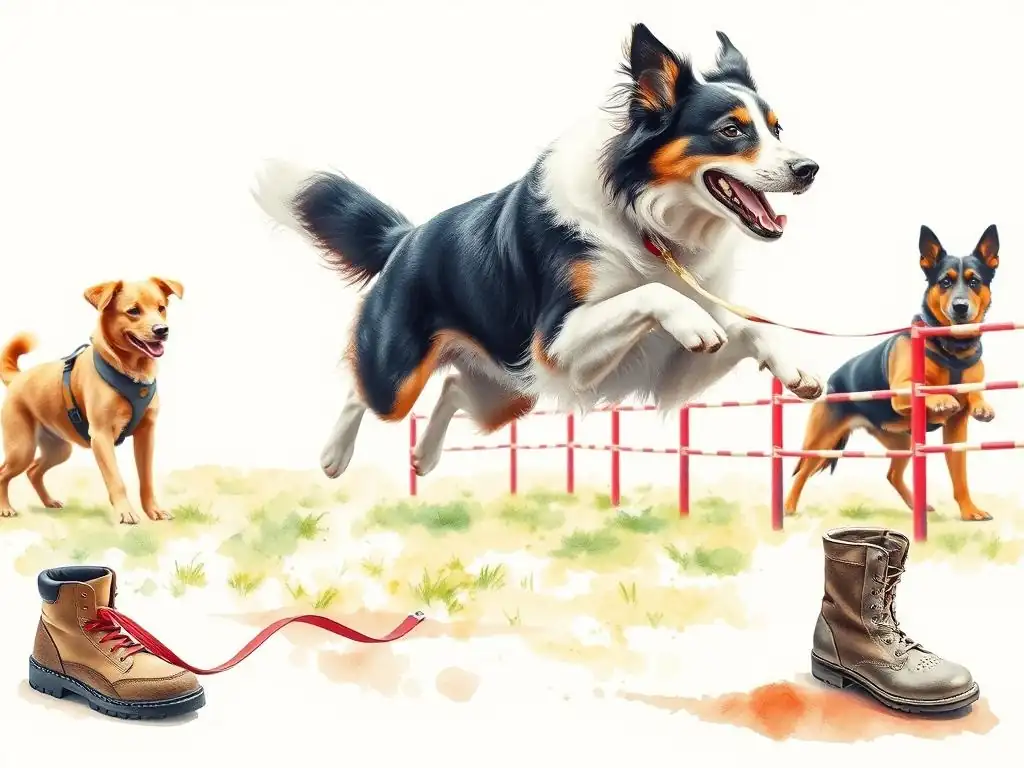
Ensuring your canine companion's safety during dog sports is paramount. Investing in the right equipment is not just about performance; it's about injury prevention and ensuring a long and happy athletic career for your furry friend. This section focuses on the crucial role of equipment in mitigating risks and maximizing your dog's safety in various canine competitions and activities. Properly fitted and high-quality gear can significantly reduce the likelihood of sprains, strains, and other common dog sport injuries.
Remember, a well-protected dog is a happy and successful dog! This section will cover essential equipment choices, focusing on the importance of fit, durability, and material selection. Ignoring these factors could compromise your dog's safety and well-being.
Choosing the Right Harness for Your Dog's Sport
The harness is a fundamental piece of equipment for many dog sports, offering superior control and comfort compared to collars, especially in high-impact activities like agility or canicross. The type of harness you choose depends heavily on the specific sport. For instance, a no-pull harness is ideal for activities requiring precise control and minimizing strain on your dog's neck, such as obedience or scent work.
These harnesses distribute pressure evenly across the chest, preventing choking or discomfort. In contrast, a padded harness with reinforced stitching is better suited for more strenuous activities like agility or flyball, where impacts are more frequent. Consider harnesses with adjustable straps for a perfect fit, preventing chafing and ensuring optimal movement.
Always prioritize comfort and proper fit; a poorly fitting harness can cause rubbing, discomfort, and potentially hinder your dog's performance. Remember to regularly inspect your harness for wear and tear, replacing it immediately if you notice any damage to prevent unexpected failures during competition. The safety of your dog should always be the top priority.
Protective Gear for Different Dog Sports
Different dog sports demand different safety equipment. Here's a brief overview:
| Dog Sport | Essential Protective Gear | Additional Considerations |
|---|---|---|
| Agility | Well-fitting harness, padded boots (optional) | Consider a lightweight, breathable harness for warmer climates. |
| Flyball | Well-fitting harness, potentially padded boots | Ensure the harness allows for full range of motion. |
| Canicross | Running harness, waist belt, bungee line | Choose a harness with good shock absorption. |
| Dock Diving | None specifically required, but consider a life vest | The life vest is crucial for safety in this water sport. |
| Obedience | Flat collar or well-fitting harness (avoid prong collars) | Focus on comfort and control. |
| Scent Work | None specifically required | Ensure your dog's comfort during extended periods of work. |
Remember, even in seemingly low-impact sports, unexpected incidents can occur. Always err on the side of caution and provide your dog with the best possible protection. Regularly inspect all equipment for wear and tear.
Importance of High-Quality, Durable Equipment
Investing in high-quality, durable equipment is a crucial aspect of dog sport safety. Cheap, poorly made harnesses or other gear can easily break or malfunction during competition, potentially leading to injury. Look for equipment made from strong, durable materials like nylon or ballistic nylon, capable of withstanding the rigors of training and competition. Reinforced stitching is also vital, preventing seams from ripping under stress. Consider the climate and conditions in which you'll be using the equipment; choosing breathable materials for warmer climates or waterproof materials for wet conditions enhances both performance and safety.
Regularly checking for wear and tear, and replacing damaged equipment promptly, is essential. This proactive approach to equipment maintenance is a crucial element in preventing accidents and ensuring your dog's safety and well-being during any dog sport. Remember, a small investment in quality equipment can prevent significant veterinary bills and emotional distress down the line. 🐶
Safe Training Practices for Dog Sports: Injury Prevention Strategies
Participating in dog sports is a fantastic way to bond with your canine companion and challenge them physically and mentally. However, the pursuit of athletic excellence must always prioritize the safety and well-being of your dog. Ignoring safety protocols can lead to serious injuries, hindering your dog's performance and potentially impacting their long-term health.
This section focuses on implementing safe training practices to minimize the risk of injury and ensure a positive experience for both you and your dog. We'll explore key strategies that emphasize gradual progression, attentive observation, and prompt responses to potential problems. Remember, responsible dog sport participation is about building a strong, healthy, and happy partnership.
Proper Warm-up and Cool-down Routines for Dogs
A crucial aspect of injury prevention in dog sports is establishing a consistent warm-up and cool-down routine. Just like human athletes, dogs need to prepare their bodies for strenuous activity and allow their systems to gradually return to a resting state afterward.
A proper warm-up should consist of low-impact exercises that gradually increase heart rate and blood flow to the muscles. This could include a brisk 5-10 minute walk, followed by gentle stretches such as extending their legs and gently rotating their joints. Avoid high-intensity activities during the warm-up phase. The goal is preparation, not exhaustion. Examples of suitable warm-up exercises include:
- Loose-leash walking: Focus on a relaxed pace, allowing your dog to move freely.
- Gentle trotting: Short bursts of trotting interspersed with walking.
- Stretching exercises: Gently extend your dog's legs and rotate their joints. Consult with a canine professional for appropriate stretching techniques.
The cool-down phase is equally important. After intense activity, a gradual decrease in intensity helps prevent muscle soreness and stiffness. This could involve a slow walk, gentle stretching, and allowing your dog to rest quietly for several minutes. Observe your dog closely for any signs of discomfort or lameness. Ignoring this crucial step can significantly increase the risk of injury. Proper hydration during and after training is also critical for optimal recovery.
Gradual Progression of Training Intensity and Difficulty
Pushing your dog too hard, too fast, is a recipe for injury. Gradual progression of training intensity and difficulty is paramount. Start with short, manageable sessions and gradually increase the duration and intensity as your dog's fitness improves. Always prioritize your dog's comfort and well-being over pushing them to their limits. Listen to your dog's body; signs of fatigue, such as panting heavily, reluctance to participate, or limping, are clear signals to stop training.
Consider this example: If you're training for agility, don't start with the full course immediately. Begin with simple obstacles, gradually introducing more challenging elements as your dog masters each step. Similarly, if working on fetch, start with short throws and progressively increase the distance only after your dog demonstrates consistent retrieval with minimal strain. This measured approach minimizes the risk of muscle strains, sprains, or other overuse injuries. Remember, consistency and patience are key to successful and injury-free training. Avoid sudden increases in training volume or intensity.
Recognizing and Responding to Canine Distress Signals
Learning to recognize and respond to canine distress signals is a crucial skill for any dog sport participant. Dogs often communicate discomfort or pain subtly, and ignoring these signals can lead to serious injuries. Pay close attention to your dog's body language and behavior. Some common signs of distress include:
- Excessive panting or drooling: While panting is normal during exercise, excessive panting or drooling can indicate overheating or fatigue.
- Whining or whimpering: These vocalizations often signify pain or discomfort.
- Lip licking or yawning: These can be subtle signs of anxiety or stress.
- Avoiding eye contact: A dog that avoids eye contact might be feeling anxious or uncomfortable.
- Tucked tail or lowered posture: These postures often indicate fear or submission.
- Stiffness or lameness: Limping or stiffness are clear indicators of injury.
If you observe any of these signs, immediately stop the activity and assess your dog's condition. Provide rest, water, and seek veterinary attention if necessary. Remember, preventing injuries is far easier than treating them. A proactive approach to recognizing and responding to distress signals is essential for ensuring your dog's safety and well-being in dog sports. Prioritize your dog's comfort and health above all else. A happy, healthy dog is a successful dog!
Nutrition and Hydration for Canine Athletes: Fueling Safe Performance
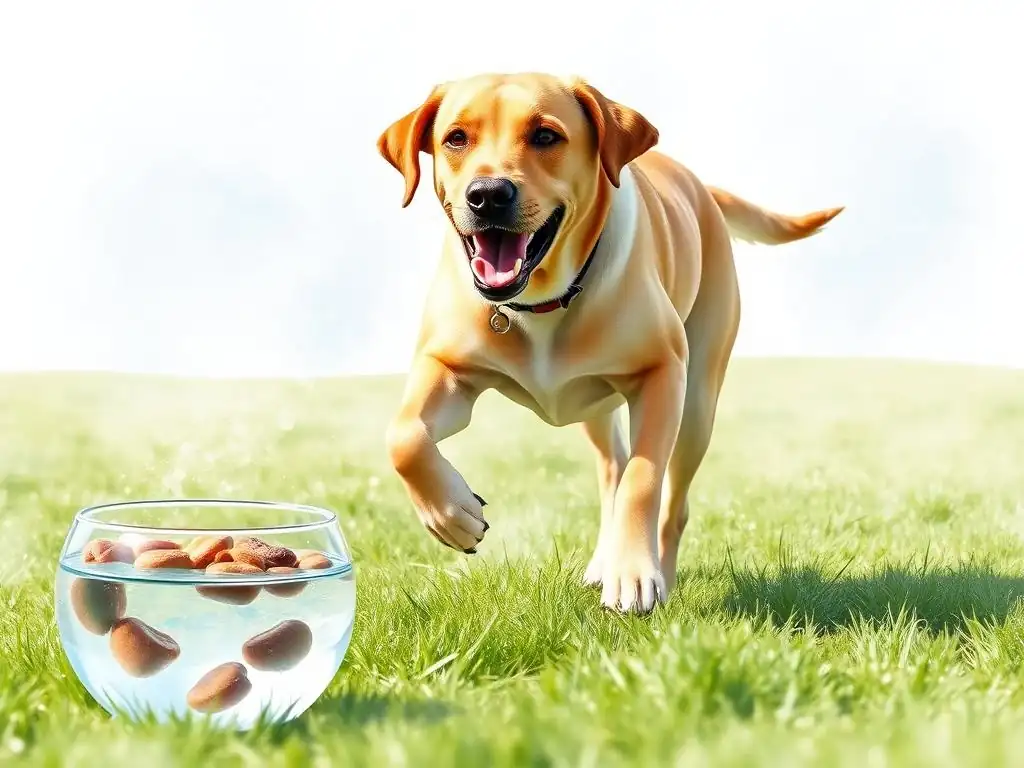
Maintaining peak physical condition is crucial for dogs participating in sports, and proper nutrition and hydration play a pivotal role in preventing injuries and ensuring safe performance. A well-nourished dog is better equipped to handle the physical demands of training and competition, reducing the risk of muscle strains, fatigue, and other performance-limiting issues. This section will delve into the specific nutritional and hydration requirements for canine athletes, providing practical strategies for optimizing their health and well-being.
Ignoring these aspects can significantly impact a dog's ability to perform and increase the likelihood of injury. Therefore, understanding these needs is paramount for responsible dog sport participation.
Dietary Needs for Dogs Participating in Different Sports
The dietary needs of a canine athlete vary considerably depending on the specific sport and the dog's individual characteristics, such as breed, age, size, and activity level. For instance, a high-energy dog competing in agility requires a different nutritional profile compared to a dog participating in less strenuous activities like dock diving.
- Agility: Agility dogs need a diet high in protein to support muscle growth and repair, along with carbohydrates for sustained energy. Fat is also essential, providing a concentrated energy source. A balanced ratio of these macronutrients is vital. The specific ratio may need adjustment based on the intensity and duration of training and competition.
- Flyball: Similar to agility, flyball demands explosive bursts of energy and requires a diet rich in high-quality protein and carbohydrates. Proper fat intake is crucial for maintaining energy levels throughout the competition.
- Canicross: Canicross involves running alongside a human, demanding endurance and stamina. The diet should emphasize sustained energy release, focusing on carbohydrates with moderate protein and fat content.
- Obedience: While less physically demanding than agility or flyball, obedience training still requires a balanced diet to maintain energy levels and cognitive function. A diet with a focus on lean protein and complex carbohydrates is generally recommended.
A balanced diet should also include essential vitamins and minerals to support overall health and immune function. Consult with a veterinary nutritionist for a tailored dietary plan that considers the specific needs of your dog and their chosen sport. Remember, a poorly balanced diet can lead to deficiencies, increasing the susceptibility to injuries and reducing athletic performance. 🐕
Hydration Strategies for Optimal Performance and Injury Prevention
Dehydration is a significant risk for dogs participating in strenuous activities. Maintaining proper hydration is critical for optimal performance and injury prevention. Water is essential for regulating body temperature, transporting nutrients, and lubricating joints. Dehydration can lead to decreased performance, muscle cramps, heatstroke, and other serious health problems.
Several strategies can help ensure adequate hydration:
- Access to Fresh Water: Always provide access to fresh, clean water, both before, during, and after training and competition.
- Electrolyte Replacement: During prolonged exercise, dogs can lose electrolytes through sweat. Electrolyte supplements can help replenish these essential minerals and prevent imbalances. However, it's crucial to consult a veterinarian before introducing any supplements.
- Monitoring Water Intake: Pay close attention to your dog's water intake. If they are drinking significantly less than usual, it could be a sign of dehydration or illness.
- Adjusting Water Intake Based on Weather: In hot and humid conditions, dogs need more water than in cooler temperatures. Increase water intake accordingly.
- Avoid Overhydration: While crucial, overhydration can also be harmful. Ensure your dog drinks appropriately but avoid forcing excessive water consumption.
Regularly monitoring your dog's hydration status is essential, paying attention to their urine color and energy levels. Dark-colored urine is a clear indication of dehydration. Consult your veterinarian for guidance on appropriate hydration strategies for your dog.💧
Supplements and Nutritional Considerations for Canine Athletes
While a balanced diet forms the cornerstone of canine athletic performance, targeted supplementation can sometimes be beneficial. However, it's crucial to remember that supplements should complement, not replace, a healthy diet. Improper supplementation can lead to health problems. Always consult a veterinarian or veterinary nutritionist before introducing any supplements to your dog's diet.
Some supplements commonly considered for canine athletes include:
- Glucosamine and Chondroitin: These are often used to support joint health and may be beneficial for dogs participating in high-impact sports.
- Omega-3 Fatty Acids: These essential fatty acids have anti-inflammatory properties and can aid in joint health and overall well-being.
- Antioxidants: Antioxidants help protect cells from damage caused by free radicals, which are produced during strenuous exercise.
- Creatine: While controversial, some studies suggest creatine can improve muscle performance and strength in dogs.
It’s vital to choose high-quality supplements from reputable sources and follow the recommended dosage carefully. Excessive supplementation can be detrimental, so moderation is key. Remember, the foundation of canine athletic performance lies in a carefully balanced, species-appropriate diet, with supplements playing only a supporting role. Prioritize a comprehensive approach to nutrition and hydration to ensure your canine athlete's health and safety. 🏆
First Aid for Dog Sports Injuries: Emergency Preparedness
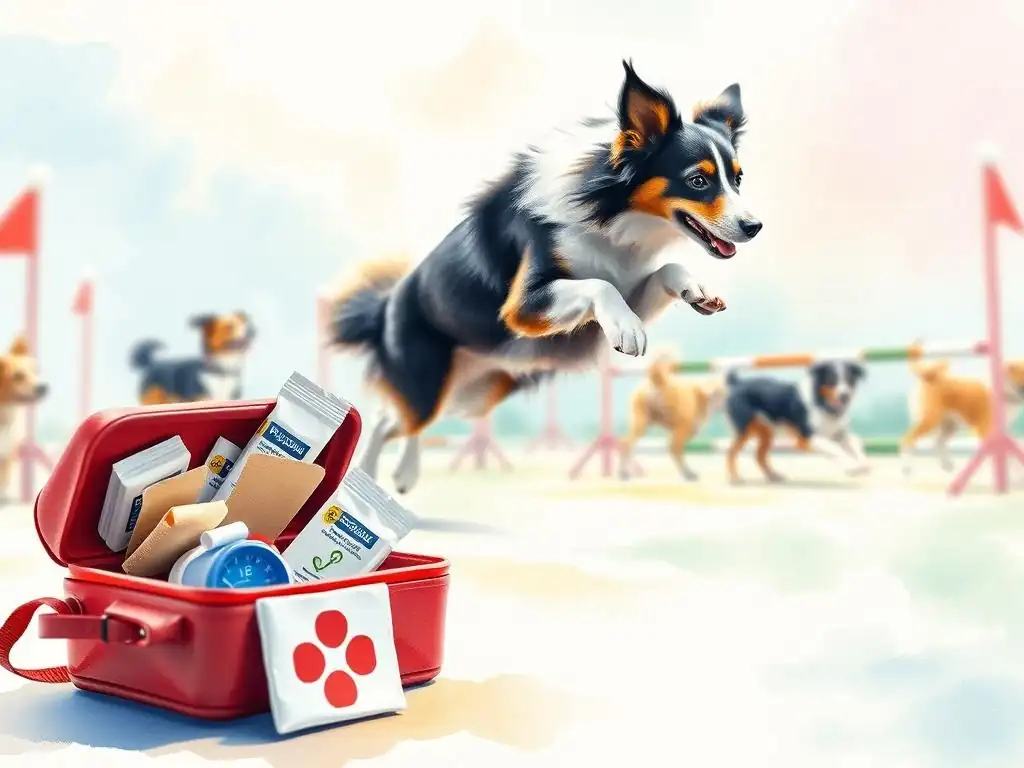
Participating in dog sports is a fantastic way to bond with your canine companion and challenge their physical and mental abilities. However, the energetic nature of these activities also carries a risk of injury. Being prepared for such eventualities is paramount. Proactive measures, such as comprehensive first-aid knowledge and readily available supplies, can significantly reduce the severity of injuries and improve your dog's recovery time.
This section focuses on equipping you with the necessary skills and resources to handle common dog sport injuries effectively. Remember, even minor injuries can escalate if not addressed promptly. Prioritizing your dog's safety is key to ensuring a positive and injury-free experience in dog sports.
Building a Canine First-Aid Kit for Competitions
A well-stocked canine first-aid kit is your first line of defense against minor injuries sustained during dog sports. It should be lightweight and easily transportable, ideally kept in a sturdy, waterproof bag. Your kit should include the following essential items:
- Wound Care: Sterile gauze pads (various sizes), antiseptic wipes (alcohol-free is recommended), non-stick wound dressing, bandage rolls (different widths), vet wrap, scissors, tweezers.
- Pain Relief & Inflammation: (Consult your veterinarian before using any medication on your dog). You might consider including items like a cold pack (for immediate swelling) and possibly pain relief medication (only if prescribed by your vet).
- Other Essentials: Thermometer (rectal), disposable gloves, a small flashlight, a copy of your dog's vaccination records, a list of emergency veterinary contacts, and a small notebook to record observations.
- Optional: Muzzle (to safely manage your dog if injured), pet carrier (for transporting injured animals), oral rehydration solution.
Remember to regularly check the expiration dates of all items and replenish as needed. This proactive approach to emergency preparedness is an essential aspect of responsible dog sport participation. Failing to prepare adequately could have serious consequences for your dog's well-being.
Basic First Aid Techniques for Common Dog Sport Injuries
Knowing basic first aid techniques is crucial for effectively managing common injuries. While this section provides guidance, it's essential to remember that this is not a substitute for professional veterinary care. Always seek veterinary attention for any significant or concerning injuries.
Here are some basic techniques for common dog sport injuries:
- Minor Cuts and Scrapes: Clean the wound gently with antiseptic wipes, remove any debris with tweezers, and apply a thin layer of antibiotic ointment (if your vet approves). Cover with a sterile bandage.
- Muscle Strains or Sprains: Apply a cold compress (ice wrapped in a cloth) for 15-20 minutes at a time, several times a day, to reduce swelling. Rest is crucial; avoid strenuous activity.
- Lacerations: Control bleeding by applying direct pressure with a clean gauze pad. Do not remove any embedded objects; seek immediate veterinary attention.
- Paw Injuries: Clean and bandage any cuts or abrasions on the paws. If there is significant swelling or lameness, seek veterinary care.
Remember to always keep your dog calm and comfortable during any first-aid procedures. Your calm demeanor will help to soothe your dog and make the process easier for both of you. Always monitor your dog closely after any injury for signs of worsening symptoms.
When to Seek Veterinary Attention for Dog Sport Injuries
While you can manage some minor injuries with basic first aid, certain situations necessitate immediate veterinary attention. Don't hesitate to contact a veterinarian if:
- Severe Bleeding: If the bleeding is profuse, uncontrolled, or spurting, it requires immediate professional medical care.
- Deep Wounds: Deep wounds, penetrating injuries, or wounds that expose bone or muscle need professional cleaning and stitching.
- Fractures or Dislocations: Any suspicion of a broken bone or dislocated joint necessitates immediate veterinary attention.
- Neurological Signs: Signs such as weakness, paralysis, or changes in behavior require urgent veterinary assessment.
- Persistent Lameness or Swelling: If your dog is limping significantly or shows persistent swelling despite first aid, consult a vet.
- Any signs of shock: Pale gums, rapid breathing, weakness, and collapse are all signs of shock and require immediate veterinary attention.
Your proactive approach to dog sport safety, including first aid preparedness, will contribute to a positive and enjoyable experience for both you and your canine companion. Remember, prevention is always better than cure, and regular veterinary checkups are an essential part of maintaining your dog's health and well-being. Prioritizing your dog's safety ensures you can enjoy the excitement of dog sports without unnecessary risks.
Creating a Safe Competition Environment: Minimizing Risks
This section focuses on proactive measures to mitigate risks in dog sports competitions, ensuring the well-being of both canine athletes and their handlers. Proactive safety is paramount in dog sports; it's not just about reacting to incidents, but preventing them altogether. A well-planned and executed competition minimizes the chance of injuries and ensures a positive experience for everyone involved. Careful consideration of various factors contributes significantly to a safe competition environment, enhancing the overall quality of the event. Let's delve into specific strategies for minimizing risks.
Choosing Appropriate Competition Venues and Surfaces
The venue significantly impacts dog sport safety. A poorly chosen location can increase the risk of injury. Ideal venues should offer a level, well-drained surface, minimizing the risk of slips, trips, and falls for both dogs and handlers. Consider the following:
- Surface Type: Grass is generally preferred for its natural cushioning effect, reducing impact forces. Hard surfaces like concrete or asphalt should be avoided, especially for high-impact sports like agility. Even artificial turf needs careful consideration; its composition and drainage should be assessed. Poorly maintained turf can become uneven and pose a tripping hazard.
- Size and Layout: The venue should be large enough to accommodate all participants without overcrowding. A clear and well-defined course layout is crucial for agility and other sports, minimizing the chances of collisions between dogs or between dogs and handlers.
- Obstacles and Surroundings: For agility competitions, obstacles should be sturdy, securely fixed, and appropriately spaced to prevent accidents. The surrounding area should be free from hazards like sharp objects, holes, or loose debris. Regular inspections of the venue before and during the competition are crucial. A checklist should be used to ensure all safety standards are met.
- Weather Conditions: Extreme heat or cold can negatively impact a dog's performance and increase the risk of injury. The organizers should have a contingency plan for inclement weather, including the ability to postpone or cancel events if necessary. Shade should be provided for dogs and handlers during hot weather.
Safe Handling and Interaction with Other Dogs and Handlers
Responsible handling and interaction are key elements of dog sport safety. Dogs, even well-trained ones, can react unpredictably, especially in the competitive environment. Careful management of interactions between dogs and handlers minimizes the risk of conflict and injury.
- Controlled Introductions: Dogs should be introduced calmly and carefully, especially if they are unfamiliar with each other. Avoid sudden movements or confrontations. Allow dogs to sniff each other before engaging in any playful interactions. Handlers should be mindful of body language and react appropriately to any signs of aggression.
- Appropriate Leash Handling: Using appropriate leashes and harnesses is essential. Avoid retractable leashes, which can create unpredictable tension and increase the risk of entanglement or injury. Leashes should be strong enough to restrain the dog securely but not restrictive.
- Space and Distance: Maintain adequate space between dogs, especially during high-energy activities. Overcrowding can lead to collisions and increase the risk of conflict. Handlers should be aware of their surroundings and avoid obstructing the paths of other competitors.
- Respecting Personal Space: Handlers should respect the personal space of other competitors and their dogs. Avoid encroaching on other handlers' areas or making sudden movements that could startle a dog. This is especially important in close-quarters activities.
Following Competition Rules and Regulations for Safety
Adherence to competition rules and regulations is crucial for ensuring a safe environment. These rules are designed to protect both dogs and handlers, minimizing the risk of injury and ensuring fair play. Organizers should clearly communicate these rules and ensure that all participants understand and follow them.
- Pre-Competition Vet Checks: Many competitions require pre-competition veterinary checks to ensure that dogs are fit to compete. This helps to identify any potential health issues that could increase the risk of injury. This is a crucial preventative measure for dog sport safety.
- Emergency Procedures: Clear emergency procedures should be in place, including protocols for handling injuries, accessing veterinary care, and managing any unforeseen circumstances. First-aid kits should be readily available. Designated personnel should be trained to handle emergencies.
- Equipment Inspection: Regular inspections of competition equipment are essential to ensure that it is safe and in good working order. Damaged or malfunctioning equipment should be repaired or replaced immediately. This is particularly important for agility equipment.
- Enforcing Rules: Organizers should actively enforce competition rules and regulations. Any violations that could compromise safety should be addressed promptly and consistently. This ensures a fair and safe competition for everyone involved. Consistent enforcement fosters a culture of safety.
Following these guidelines significantly enhances the safety and enjoyment of dog sports, contributing to a positive experience for all participants. Remember, responsible participation and proactive safety measures are essential for preventing injuries and ensuring safe play.
Post-Competition Care for Canine Athletes: Recovery and Maintenance

Participating in dog sports is incredibly rewarding, but it's crucial to prioritize your canine athlete's well-being. Post-competition care is just as important, if not more so, than the competition itself. Neglecting this critical phase can lead to injuries, burnout, and diminished performance in future events. Proper recovery and maintenance are key to ensuring a long and healthy athletic career for your furry friend. This section details essential strategies for ensuring your dog's continued health and happiness after a competition.
Proper Cool-down and Recovery Strategies After Competition
Immediately after a competition, avoid abrupt cessation of activity. A gradual cool-down period is essential. This involves a slow walk, allowing your dog to gradually decrease their heart rate and body temperature. Think of it as a gentle wind-down, not a sudden stop. The duration of this cool-down should be at least 15-20 minutes, and can be longer depending on the intensity and duration of the competition. Observe your dog closely; if they show signs of fatigue, extend the cool-down period. Providing fresh water throughout this process is vital for hydration.
Furthermore, consider incorporating gentle stretching exercises post-competition. These should be simple, low-impact stretches focusing on major muscle groups used during the sport. Consult with a veterinary professional or a canine rehabilitation specialist to learn appropriate stretches for your dog's breed and the specific demands of their sport. Improper stretching can be counterproductive, so professional guidance is crucial. Think of it like a human athlete stretching after a marathon; it aids in muscle recovery and reduces stiffness.
Finally, ensuring adequate rest is paramount. Avoid strenuous activities for at least 24 hours following the competition, allowing your dog's body to fully recover. This rest period is critical for muscle repair and overall recuperation. A comfortable, quiet space will help facilitate optimal rest and recovery.
Monitoring Your Dog for Injury After Competition
Post-competition monitoring is crucial for early injury detection. Pay close attention to your dog's behavior and physical condition. Look for signs of lameness, stiffness, swelling, or unusual reluctance to move. Any changes in gait, such as limping or favoring a particular leg, should be immediately addressed. Similarly, observe their appetite and bowel movements; changes in these could also indicate an underlying problem.
Detailed observations are key. Keep a record of your dog's activity levels, any observed changes in behavior, and any signs of pain or discomfort. This detailed record will be invaluable for your veterinarian in diagnosing any potential issues. Don't hesitate to contact your vet if you notice anything unusual; early intervention is crucial in preventing minor issues from escalating into more significant problems. Remember, early detection is key to successful treatment, minimizing recovery time and potential long-term consequences.
Maintaining a Healthy Training Schedule to Prevent Overuse Injuries
Preventing overuse injuries requires a well-structured training plan that balances intensity and rest. Avoid sudden increases in training volume or intensity. Gradual progression is key to building your dog's fitness and endurance without risking injury. The principle of progressive overload, gradually increasing the demands placed on the body, should be applied cautiously and thoughtfully.
A balanced training schedule incorporates rest days and active recovery. Rest days allow the body to repair and rebuild, while active recovery, such as a gentle walk or swim, promotes blood flow and reduces muscle soreness. Overtraining is a significant risk factor for injury, manifesting as fatigue, decreased performance, and increased susceptibility to injury. Listen to your dog’s body; signs of fatigue, such as lethargy or decreased enthusiasm for training, warrant a reduction in training intensity or an increase in rest.
Remember, a healthy dog is a happy dog, and a well-rested dog is less prone to injuries. Prioritizing rest and recovery are essential components of a successful and safe dog sports program. A carefully planned training schedule is your best defense against overuse injuries.
Dog Sport Safety Tips: A Comprehensive Checklist
This section provides a detailed checklist to ensure the safety and well-being of your canine athlete throughout their participation in dog sports. We'll cover pre-competition preparation, in-competition vigilance, and post-competition recovery, all crucial elements for maximizing performance and minimizing injury risk. Remember, responsible ownership extends to ensuring your dog's safety and enjoyment in all activities. These dog sport safety tips are designed to help you achieve this.
Pre-Competition Checklist for Safe Dog Sport Participation
Thorough preparation is paramount to prevent injuries and ensure your dog's optimal performance. Overlooking even seemingly minor details can have significant consequences. This checklist will guide you through the essential steps:
- Veterinary Check-up: A pre-competition vet visit is non-negotiable. This allows for a thorough physical examination, identifying any potential underlying health issues that could be exacerbated by strenuous activity. Discuss any concerns you have regarding your dog's fitness for competition. Your vet can also advise on appropriate warm-up routines and any necessary supplements. This is especially critical for older dogs or those with pre-existing conditions.
- Fitness Evaluation: Beyond a general health check, assess your dog's fitness level. Are they adequately conditioned for the demands of the sport? Gradually increase training intensity leading up to the competition to avoid overexertion and injury. Consider incorporating agility exercises, stamina building runs, and strength training tailored to the specific needs of the sport.
- Equipment Inspection: Carefully inspect all equipment, including harnesses, leashes, and any specialized gear required for the sport. Ensure everything is in good working order, free from damage, and properly fitted for your dog. A poorly fitted harness can cause chafing or restrict movement, increasing the risk of injury. Replace worn-out or damaged equipment promptly.
- Hydration and Nutrition: Proper hydration and nutrition are crucial for peak performance and injury prevention. Ensure your dog has access to fresh, clean water throughout the day leading up to the competition. Maintain their regular diet, avoiding sudden changes that might upset their digestive system. Consider providing easily digestible, high-energy snacks for sustained energy during the competition.
- Rest and Relaxation: Adequate rest is vital for muscle recovery and injury prevention. Avoid overtraining in the days leading up to the competition. Allow your dog plenty of time to rest and relax, ensuring they are well-rested and mentally prepared for the event. A tired dog is more prone to injury.
During-Competition Checklist for Ensuring Canine Safety
Maintaining vigilance during the competition is just as crucial as pre-competition preparation. Constant monitoring and prompt response to any signs of distress are essential.
- Environmental Monitoring: Pay close attention to the competition environment. Is the ground suitable? Are there any potential hazards, such as sharp objects or uneven terrain? Be prepared to adapt your strategy if necessary. Extreme weather conditions like heat or cold also pose risks and require careful management.
- Continuous Observation: Closely observe your dog's behavior and physical condition throughout the competition. Look for signs of fatigue, pain, or distress, such as limping, panting excessively, or changes in behavior. If you see any signs of discomfort, withdraw your dog from the competition immediately.
- Appropriate Breaks: Provide your dog with regular breaks to rest and rehydrate. Don't push them beyond their limits. The goal is participation and enjoyment, not pushing for unrealistic achievements at the cost of your dog's well-being. Short breaks can significantly reduce the risk of injury.
- Emergency Preparedness: Have a plan in place for emergencies. Know the location of the nearest veterinary clinic and have contact information readily available. Carry a first-aid kit specifically designed for dogs, including items for treating minor injuries. Knowing what to do in case of an accident can be crucial.
- Responsible Handling: Handle your dog calmly and confidently. Avoid abrupt movements or harsh corrections that could cause injury or distress. Maintain a positive and encouraging attitude to build their confidence and minimize stress.
Post-Competition Checklist for Canine Recovery and Well-being
Post-competition care is as important as pre- and during-competition preparations. Proper recovery minimizes the risk of injury and ensures your dog's long-term health.
- Cool-Down Period: Allow your dog a gradual cool-down period after the competition. This might involve a slow walk or gentle stretching exercises. Avoid sudden stops that can strain muscles. A gentle cool-down helps prevent muscle soreness and stiffness.
- Hydration and Nutrition: Continue to provide your dog with access to fresh water and a balanced diet. Consider providing electrolyte supplements to replenish any lost fluids and minerals. A balanced diet promotes muscle recovery.
- Rest and Recovery: Give your dog ample time to rest and recover. Avoid strenuous activity for at least 24 hours after the competition. Let them relax and recover from the physical demands of the event. This allows the body to repair and rebuild.
- Muscle Soreness Management: Monitor your dog for signs of muscle soreness. Gentle massage or warm compresses can help alleviate discomfort. In some cases, your vet might recommend anti-inflammatory medication. Address any issues promptly.
- Veterinary Follow-up: Schedule a follow-up veterinary appointment if you notice any lingering issues or concerning symptoms. Early detection and treatment of any potential problems are crucial for preventing long-term complications. This proactive approach ensures your dog's health.
Frequently Asked Questions
What are some common injuries in dog sports?
Common injuries in dog sports include muscle strains and sprains, ligament tears (like cruciate ligament injuries), and overuse injuries like tendonitis. Proper conditioning and gradual training intensity are crucial for prevention.
How can I prevent my dog from overheating during dog sports?
Always provide access to plenty of fresh water throughout the activity. Avoid exercising your dog during the hottest parts of the day and monitor for signs of overheating, such as excessive panting or lethargy. Consider shorter training sessions in hot weather.
What first aid should I know for dog sports injuries?
Knowing basic first aid is essential. This includes how to control bleeding, recognizing signs of shock, and applying appropriate bandages. Consider taking a pet first aid course to be fully prepared.
What is the importance of a proper warm-up and cool-down routine?
Warm-up and cool-down routines are vital for preventing injuries. A warm-up prepares muscles for activity, while a cool-down helps to reduce muscle soreness and promote recovery. Include both in every training session.
How do I choose the right equipment for my dog's sport?
Selecting appropriate and well-fitting equipment is crucial for safety. Consider your dog's breed, size, and the specific demands of the sport. Consult with a veterinarian or experienced trainer for guidance on choosing the right gear.
Final Reflection: A Pawsitive Future for Canine Athletes
The pursuit of excellence in dog sports shouldn't come at the cost of our canine companions' well-being. Ignoring the crucial aspects of safety in these demanding activities risks not only immediate injury but also long-term health complications for our beloved pets. We must prioritize their health and happiness above all else.
The impact of responsible dog sports participation extends far beyond the individual dog-handler team. It shapes the entire landscape of canine athleticism, influencing breeding practices, training methodologies, and the very definition of what constitutes ethical competition. The true measure of a society can be found in how it treats its animals.
This quote, while broad, holds true within the microcosm of dog sports. We must strive to create a community that values both performance and the welfare of our four-legged partners. The ongoing dialogue surrounding injury prevention and responsible training is vital to fostering this positive change.
Now, I invite you to reflect on your own practices. Consider the ways you can integrate these safety tips into your training routines and competition strategies. Are you prioritizing your dog's physical and mental health? Are you listening to their body language and adjusting your expectations accordingly? By making conscious choices to prioritize safety, we not only protect our dogs but also contribute to a more compassionate and sustainable future for all canine athletes. Let's work together to ensure every dog enjoys the joy of sport without compromising their well-being.
Unleash Your Dog's Potential Safely!
Thank you for learning about keeping your canine companion safe while participating in dog sports! We hope you've gained valuable insights into injury prevention and responsible training. Now, let's put that knowledge into practice.
- Prioritize your dog's well-being: Before starting any new activity, schedule a veterinary check-up to ensure your dog is healthy and fit enough for the chosen sport. This is a crucial first step.
- Share your knowledge: Spread the word! Tell your friends and fellow dog sport enthusiasts about the safety tips you've learned—let's build a community committed to responsible dog sports!
- Enhance your training: This week, try incorporating a new warm-up routine or a low-impact exercise. Even small adjustments can significantly improve injury prevention.
Ready to positively impact your dog's sports journey? What's the first safety improvement you'll make to your training routine?