
Homemade Dog Food Recipes for Shiny Coats: Diet Secrets Revealed

Welcome to PetCareWorld, your ultimate guide to a happier, healthier life for your beloved companion! Are you dreaming of a stunningly shiny coat for your furry friend? Discover the secrets to achieving that enviable gleam with our expert guide on Homemade Dog Food Recipes for Shiny Coats. Uncover the nutritional power of natural ingredients and learn how to create delicious, homemade meals that will leave your dog looking and feeling their absolute best. Dive in and unlock the recipe for a radiant, healthy pup!
- Understanding the Link Between Diet and a Shiny Dog Coat
- Recipe 1: Salmon & Sweet Potato for a Radiant Coat
- Recipe 2: Chicken & Brown Rice for a Silky Shine
- Recipe 3: Beef & Carrot for a Healthy, Vibrant Coat
- Important Considerations for Homemade Dog Food
- Troubleshooting Common Coat Issues with Diet
- Frequently Asked Questions about Homemade Dog Food for Shiny Coats
-
Frequently Asked Questions
- What ingredients contribute to a shiny dog coat in homemade food?
- Can I completely replace commercial dog food with homemade food?
- What are some easy-to-make recipes for a shiny dog coat?
- How often should I feed my dog homemade food for a shiny coat?
- My dog's coat is still dull despite homemade food. What could be wrong?
- Final Reflection: Unlocking Radiant Health Through Homemade Dog Food
- Unlock Your Dog's Inner Glow: Shine On!
Understanding the Link Between Diet and a Shiny Dog Coat
A dog's coat is more than just fur; it's a reflection of their overall health and well-being. A dull, lackluster coat can be a telltale sign of underlying nutritional deficiencies, while a shiny, vibrant coat often indicates a balanced and healthy diet. This article delves into the secrets of creating homemade dog food recipes specifically designed to promote a lustrous, healthy coat.
We'll explore the essential nutrients your canine companion needs, the crucial role of specific fatty acids, and how to identify potential dietary shortcomings that might be impacting your dog's appearance and overall health. By understanding the connection between nutrition and coat health, you can empower yourself to craft delicious and nutritious homemade meals that will leave your furry friend looking and feeling their absolute best. We'll provide practical recipes and guidance, helping you achieve that enviable "shiny dog coat" – a testament to your dedication to their well-being.
Let's unlock the power of nutrition to enhance your dog's beauty from the inside out! ✨
Essential Nutrients for a Healthy, Lustrous Coat: Proteins, Fats, and Vitamins
A shiny coat hinges on a balanced intake of several key nutrients. High-quality protein forms the building blocks of hair and skin, providing the structural components necessary for a healthy coat. Sources like chicken, fish (especially salmon! ), and lean beef are excellent choices.
Remember, the quality of the protein source matters; opt for human-grade ingredients whenever possible. Furthermore, healthy fats are crucial for maintaining the coat's suppleness and shine. These fats provide essential fatty acids that keep the skin hydrated and the fur glossy. Good sources include coconut oil, fish oil (rich in Omega-3s), and flaxseed oil.
Finally, several vitamins play a vital role. Vitamin A is essential for cell growth and skin health; Vitamin E acts as an antioxidant, protecting against damage; and Biotin (Vitamin B7) is directly linked to healthy hair and skin growth. A well-rounded diet incorporating these nutrients will contribute significantly to a shiny, healthy coat. We'll explore specific recipes incorporating these essential elements later in the article.
The Role of Omega-3 and Omega-6 Fatty Acids in Coat Health
Omega-3 and Omega-6 fatty acids are not just beneficial; they are essential for maintaining a healthy and shiny dog coat. These polyunsaturated fatty acids are crucial for regulating skin cell function and reducing inflammation. Omega-3s, particularly EPA and DHA found in fatty fish like salmon, have anti-inflammatory properties that help combat dry, itchy skin and promote a healthy coat. Omega-6s, found in sources like vegetable oils (sunflower, safflower), are also important but need to be balanced with Omega-3s for optimal results.
An imbalance can lead to skin problems. The ideal ratio of Omega-6 to Omega-3 fatty acids is a topic of ongoing research, but generally, a ratio closer to 1:1 or slightly favoring Omega-3s is considered beneficial for skin and coat health. Including sources rich in both fatty acids in your homemade dog food recipes is crucial for a truly magnificent coat.
Identifying Deficiencies: Signs Your Dog's Diet Needs Improvement
Recognizing the signs of a dietary deficiency is crucial for ensuring your dog's well-being. A dull, dry, or flaky coat is a primary indicator. Other symptoms include excessive shedding, itchy skin, and even skin infections. If you notice your dog exhibiting these issues, it's essential to review their diet. Are they receiving sufficient protein, healthy fats, and essential vitamins?
A lack of specific nutrients, such as omega-3 fatty acids or biotin, can manifest as a dull, lifeless coat. Keeping a close eye on your dog's coat condition is a proactive way to identify potential dietary needs and prevent more serious health problems. Consulting with a veterinarian is always recommended if you suspect a nutritional deficiency to rule out any underlying medical conditions. Remember, a healthy diet is the cornerstone of a healthy and happy dog, reflected beautifully in their shiny coat!
Recipe 1: Salmon & Sweet Potato for a Radiant Coat
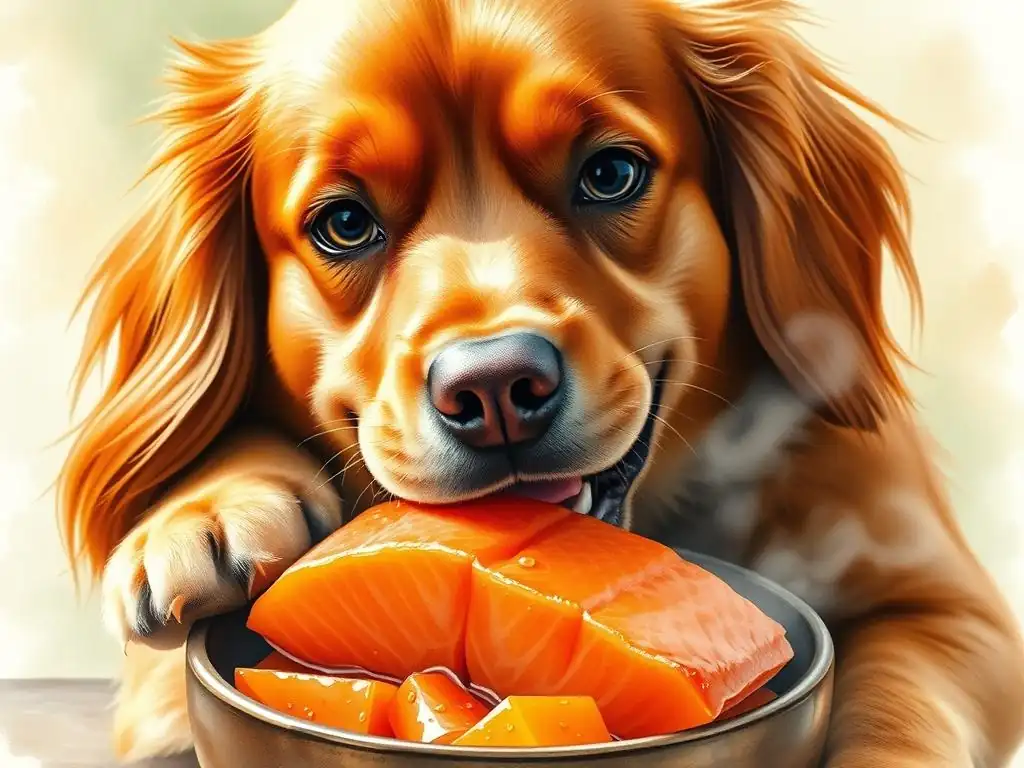
This recipe focuses on providing your canine companion with a delicious and nutritious meal designed to promote a shiny, healthy coat. Salmon, rich in Omega-3 fatty acids, is a key ingredient known for its coat-enhancing properties. Sweet potatoes contribute essential vitamins and fiber, supporting overall digestive health and skin condition. This recipe is a great example of how to create homemade dog food for a shiny coat, utilizing readily available ingredients. Remember to always consult your veterinarian before making significant changes to your dog's diet, especially if they have pre-existing health conditions.
Ingredients for the Salmon & Sweet Potato Recipe
This recipe yields approximately 4 cups of dog food, enough for several meals depending on your dog's size and caloric needs. Adjust quantities as needed.
| Ingredient | Quantity | Notes |
|---|---|---|
| Skinless Salmon Fillet | 1 lb (450g) | Choose wild-caught salmon whenever possible for optimal nutritional value. |
| Sweet Potato | 1 large (approx. 1 lb) | Peeled and cubed. |
| Brown Rice | 1 cup (200g) | Cooked. You can substitute with other grains like quinoa or oats. |
| Chicken Broth (low sodium) | ½ cup (120ml) | Adds moisture and flavor. |
| Olive Oil | 1 tablespoon | Adds healthy fats and helps with absorption of nutrients. |
| Spinach (optional) | 1 cup (packed) | Provides additional vitamins and minerals. |
Step-by-Step Instructions: Preparing the Salmon & Sweet Potato Meal
- Prepare the Sweet Potato: Preheat your oven to 400°F (200°C). Cube the peeled sweet potato and toss with a drizzle of olive oil. Roast for approximately 20-25 minutes, or until tender.
- Cook the Salmon: While the sweet potato is roasting, steam or bake the salmon fillet until cooked through. Flake the salmon into smaller pieces once cooled. Avoid using any bones or skin.
- Combine Ingredients: In a large bowl, combine the cooked sweet potato, flaked salmon, cooked brown rice, chicken broth, and spinach (if using). Mix thoroughly.
- Adjust Consistency: If the mixture is too dry, add a little more chicken broth. If it's too wet, let it simmer gently on low heat for a few minutes to reduce excess liquid.
- Cool and Serve: Let the mixture cool completely before serving to your dog. Store leftovers in an airtight container in the refrigerator for up to 3 days. You can also freeze portions for future meals. Remember to always supervise your dog while they are eating. 🐶
Nutritional Benefits of Salmon & Sweet Potato for Dogs
This recipe is packed with nutrients beneficial for a dog's coat and overall health. Let's break down the key benefits:
- Salmon: Provides high-quality protein and is an excellent source of Omega-3 fatty acids (EPA and DHA). These fatty acids are crucial for maintaining healthy skin and a shiny coat. They also have anti-inflammatory properties that can benefit dogs with skin conditions. The protein content supports muscle growth and overall health.
- Sweet Potato: A good source of Vitamin A, which is essential for healthy skin and coat. It also provides fiber, which aids in digestion and can prevent constipation. Sweet potatoes are relatively low in fat and calories, making them a healthy addition to a dog's diet.
- Brown Rice: Provides complex carbohydrates for energy, and also contains some essential minerals.
- Spinach (optional): A powerhouse of vitamins and minerals, including Vitamin K, Vitamin C, and iron. These nutrients contribute to overall health and well-being.
This "Shiny dog coat homemade food" recipe is just one example of how you can create delicious and nutritious meals for your furry friend at home. Remember to always monitor your dog's response to any dietary changes and consult with your veterinarian for personalized advice. Providing your dog with a balanced and nutritious diet is crucial for their overall health and happiness. Enjoy creating these healthy meals for your canine companion! 🎉
Recipe 2: Chicken & Brown Rice for a Silky Shine
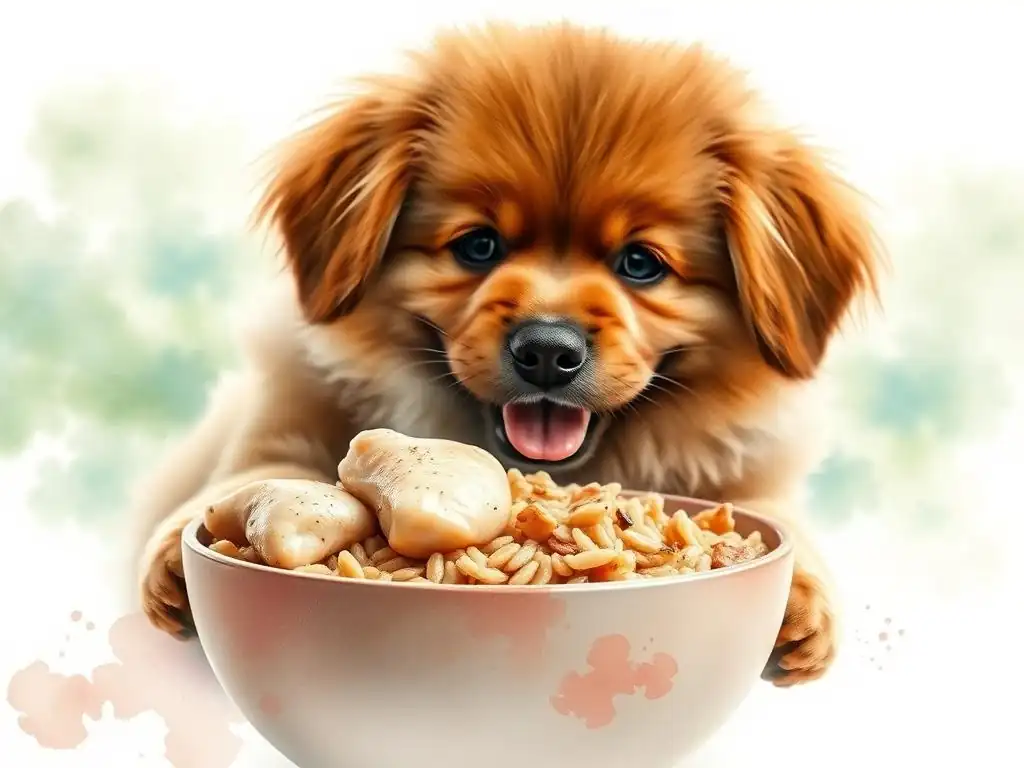
This recipe focuses on providing your canine companion with a delicious and nutritious meal designed to promote a healthy, shiny coat. Chicken, a lean protein source, is packed with essential amino acids crucial for hair growth and repair. Brown rice, a whole grain, offers complex carbohydrates for sustained energy and fiber for digestive health, contributing to overall well-being and, consequently, a radiant coat.
This recipe is easily adaptable to suit your dog's size and dietary needs. Remember to always consult your veterinarian before making significant changes to your dog's diet, especially if they have pre-existing health conditions. The key to a truly shiny dog coat homemade food lies in the quality of ingredients and careful preparation.
Ingredients for the Chicken & Brown Rice Recipe
This recipe yields approximately 4 cups of dog food, enough for a medium-sized dog for a couple of days. Adjust quantities as needed based on your dog's size and weight. Always ensure your ingredients are fresh and of high quality.
| Ingredient | Quantity | Notes |
|---|---|---|
| Boneless, Skinless Chicken Breast | 1 lb (450g) | Choose organic or free-range chicken for optimal nutritional value. |
| Brown Rice | 1 cup (200g) | Rinse thoroughly before cooking. |
| Carrots | 1 cup (100g), chopped | Provides Vitamin A, essential for skin and coat health. |
| Green Beans | 1/2 cup (50g), chopped | Another excellent source of vitamins and fiber. |
| Olive Oil | 1 tbsp (15ml) | A healthy fat source; use extra virgin olive oil. |
| Water | As needed | To achieve the desired consistency. |
Step-by-Step Instructions: Preparing the Chicken & Brown Rice Meal
Follow these steps carefully to ensure your dog receives a perfectly prepared, nutritious meal:
- Cook the Chicken: Boil or bake the chicken breast until fully cooked and shred it into small, bite-sized pieces. Avoid using seasoning or spices. Thoroughly remove any bones or cartilage.
- Prepare the Rice: Rinse the brown rice and cook according to package directions. Ensure the rice is cooked through but not mushy.
- Steam the Vegetables: Steam the carrots and green beans until tender-crisp. Overcooking will diminish their nutritional value.
- Combine Ingredients: In a large bowl, combine the cooked chicken, brown rice, steamed vegetables, and olive oil. Mix well to ensure even distribution of ingredients.
- Adjust Consistency: Add water, a tablespoon at a time, to achieve a moist but not soggy consistency. Your dog should be able to easily eat the food without it being too dry or too watery.
- Cool and Serve: Allow the mixture to cool completely before serving to your dog. Never feed your dog hot food. Store leftovers in an airtight container in the refrigerator for up to 3 days.
Nutritional Benefits of Chicken & Brown Rice for Dogs
This recipe provides a balanced mix of nutrients vital for a healthy, shiny coat. Let's break down the key benefits:
- Chicken: Provides high-quality protein, essential amino acids like methionine and cystine, crucial for keratin production – the protein that makes up a dog's coat. A deficiency can lead to a dull, lackluster coat. The lean protein also helps maintain a healthy weight, contributing to overall well-being.
- Brown Rice: Offers complex carbohydrates for sustained energy, preventing energy crashes that can negatively impact coat health. It’s a good source of fiber, promoting healthy digestion – a crucial factor in nutrient absorption and overall coat condition. The fiber also helps regulate bowel movements, preventing issues that can indirectly affect coat shine.
- Carrots & Green Beans: These vegetables are rich in vitamins and antioxidants. Carrots, in particular, are packed with beta-carotene, a precursor to Vitamin A, essential for maintaining healthy skin and a shiny coat. Green beans contribute additional vitamins and fiber, further supporting digestive health and nutrient absorption.
- Olive Oil: This healthy fat source provides essential fatty acids, like omega-3 and omega-6, crucial for skin and coat health. These fatty acids help keep the skin hydrated and the coat lustrous. A deficiency can lead to dry, flaky skin and a dull coat. The addition of olive oil contributes significantly to achieving that shiny dog coat homemade food goal.
By providing your dog with this carefully balanced recipe, you're investing in their overall health and well-being, resulting in a beautiful, shiny coat that reflects their inner radiance. Remember to monitor your dog's response to this new food and adjust as needed. Regular veterinary check-ups remain essential for maintaining your dog's optimal health.
Recipe 3: Beef & Carrot for a Healthy, Vibrant Coat
This recipe focuses on providing your canine companion with a delicious and nutritious meal designed to promote a shiny, healthy coat. Beef is an excellent source of protein, essential for strong hair follicles, while carrots offer a wealth of vitamins and antioxidants beneficial for skin and coat health. This recipe is relatively simple to prepare, making it ideal for busy pet owners seeking a homemade solution for a dazzling dog coat.
Remember to always consult your veterinarian before making significant changes to your dog's diet, especially if they have pre-existing health conditions. This recipe is best suited for adult dogs; adjust portions based on your dog's size and activity level.
Ingredients for the Beef & Carrot Recipe
This recipe yields approximately four cups of dog food, enough for a medium-sized dog for a couple of days. Adjust the quantities proportionally for smaller or larger dogs. Always ensure all ingredients are fresh and of high quality.
| Ingredient | Quantity | Notes |
|---|---|---|
| Lean Ground Beef | 1 lb | Choose lean ground beef with a low fat percentage. |
| Carrots (diced) | 2 large | Provides beta-carotene, essential for a healthy coat. |
| Brown Rice (cooked) | 1 cup | Provides complex carbohydrates for sustained energy. |
| Plain Unsweetened Yogurt | 1/4 cup | A probiotic source beneficial for gut health, indirectly impacting coat health. |
| Olive Oil | 1 tablespoon | A source of healthy fats, crucial for skin and coat condition. |
| Water | As needed | To adjust consistency to your dog's preference. |
Step-by-Step Instructions: Preparing the Beef & Carrot Meal
Follow these steps carefully to ensure a safe and palatable meal for your furry friend. Remember to thoroughly cook the beef to eliminate any potential bacteria.
- Prepare the Beef: Brown the ground beef in a large skillet over medium heat. Drain off any excess fat.
- Add the Carrots: Add the diced carrots to the skillet and cook until they are tender-crisp, approximately 5-7 minutes.
- Combine Ingredients: Stir in the cooked brown rice and plain yogurt. Add water as needed to achieve a desired consistency – neither too dry nor too soupy.
- Add Olive Oil: Stir in the olive oil. This adds essential fatty acids beneficial for your dog's coat.
- Cool and Serve: Allow the mixture to cool completely before serving to your dog. Never feed hot food to your pet.
- Storage: Store any leftovers in an airtight container in the refrigerator for up to 3 days.
Nutritional Benefits of Beef & Carrot for Dogs
This recipe provides a balanced blend of nutrients crucial for a shiny coat.
- Beef: A rich source of high-quality protein, essential for building and maintaining healthy skin and hair follicles. It also provides iron and other essential minerals. The protein in beef contributes to strong, vibrant fur.
- Carrots: Packed with beta-carotene, a precursor to vitamin A, which is vital for skin and coat health. Vitamin A deficiency can lead to dry, dull fur and skin problems. Carrots also provide fiber for healthy digestion.
- Brown Rice: A good source of complex carbohydrates, providing your dog with sustained energy throughout the day. It's also easily digestible for most dogs.
- Plain Yogurt: Introduces beneficial probiotics to support gut health. A healthy gut contributes significantly to overall health, including a shiny coat. The probiotics aid digestion and nutrient absorption.
- Olive Oil: Provides healthy fats, specifically omega-3 and omega-6 fatty acids, which are essential for healthy skin and a glossy coat. These fats help maintain the skin's barrier function, preventing dryness and flakiness.
By incorporating this Beef & Carrot recipe into your dog's diet, you're providing them with the building blocks for a truly radiant and healthy coat, contributing to their overall well-being. Remember to monitor your dog's response to this new food and consult your veterinarian if you have any concerns. A shiny dog coat is a sign of good health and a happy pet!
Important Considerations for Homemade Dog Food
Creating a homemade diet for your canine companion focused on achieving a shiny coat requires careful planning and attention to detail. Simply throwing together ingredients won't suffice; a balanced diet is crucial for your dog's overall health and well-being, directly impacting coat quality. Remember, a shiny coat is a reflection of internal health. A dull, lackluster coat can be a symptom of nutritional deficiencies.
This means understanding your dog's specific needs based on breed, age, activity level, and any pre-existing health conditions. For example, a highly active working breed will require a different caloric intake and nutrient profile than a senior dog with a sedentary lifestyle. Always consult with your veterinarian before making significant changes to your dog's diet, especially if they have allergies or sensitivities.
They can help you tailor a homemade diet to meet your dog's unique requirements and ensure it provides all the necessary nutrients. Ignoring this crucial step can lead to nutritional imbalances, impacting not only coat health but also overall health. A balanced homemade diet should include a variety of high-quality ingredients, offering a comprehensive array of nutrients.
Transitioning to Homemade Food: A Gradual Approach
Switching your dog from commercial kibble to a homemade diet should be a gradual process to avoid digestive upset. A sudden change can lead to diarrhea, vomiting, and other unpleasant symptoms. A safe and effective approach is to slowly introduce the new food over a period of 7-10 days. Start by mixing a small amount of homemade food with their regular kibble. Gradually increase the proportion of homemade food each day until your dog is completely transitioned. This allows their digestive system to adapt to the new ingredients and prevents any adverse reactions.
For example, if you're feeding your dog one cup of kibble daily, you might start by mixing in one tablespoon of homemade food on day one. On day two, increase it to two tablespoons, and so on. Monitor your dog closely for any signs of digestive distress during this transition period. If you notice any issues, slow down the transition or consult your veterinarian. Patience and careful observation are key to a successful transition. Remember, the goal is a healthy, happy dog with a radiant, shiny coat – not a stressed-out pup with an upset stomach! 🐕
Supplementing Homemade Dog Food: Essential Vitamins and Minerals
Even with meticulously planned homemade dog food recipes aiming for a shiny dog coat, supplementation might be necessary to ensure a complete nutritional profile. Certain vitamins and minerals are crucial for coat health and overall well-being, and homemade diets may not always provide sufficient quantities. Your veterinarian can perform blood tests to assess your dog's nutrient levels and recommend appropriate supplements. These supplements can address any deficiencies and support a healthy, shiny coat.
Common supplements for coat health include omega-3 fatty acids (found in fish oil), biotin, and zinc. Omega-3s are essential for healthy skin and a glossy coat. Biotin plays a vital role in keratin production, a key component of hair and nails. Zinc contributes to healthy skin cell growth and repair. However, it's crucial to consult your veterinarian before administering any supplements, as excessive amounts can be harmful. They can help you determine the appropriate dosage based on your dog's specific needs and avoid potential adverse effects. Always follow the recommended dosage instructions carefully.
Monitoring Your Dog's Response: Adjusting Recipes as Needed
After transitioning your dog to a homemade diet, it's essential to monitor their response closely. Observe their stool consistency, energy levels, and, of course, the condition of their coat. Are they producing firm, well-formed stools? Do they seem energetic and playful? Is their coat becoming shinier and healthier? These observations are crucial indicators of whether the diet is providing adequate nutrition.
If you notice any changes – such as loose stools, lethargy, or a lack of improvement in coat condition – you may need to adjust the recipe. This could involve altering the ingredient ratios, adding or removing certain components, or considering supplementation. Keep a detailed record of your dog's food intake and their response to help you identify any potential issues and make necessary adjustments.
Remember, every dog is unique, and what works for one dog may not work for another. Regular monitoring and adjustments are key to ensuring your dog receives optimal nutrition and maintains a beautiful, shiny coat. This continuous feedback loop ensures the ongoing success of your homemade dog food initiative.
Storing Homemade Dog Food: Maintaining Freshness and Safety
Proper storage is crucial for ensuring the safety and nutritional value of your homemade dog food. Spoiled food can lead to digestive upset, and potentially more serious health issues for your canine companion. Understanding the best practices for storage is paramount to providing your dog with a healthy and delicious meal, every time.
Several factors influence how long your homemade dog food will remain fresh. The ingredients themselves play a significant role; highly perishable items like raw meat and fish will spoil much faster than more stable ingredients like grains or vegetables. The preparation method also matters. Thoroughly cooked food will generally last longer than raw food. Finally, the storage method itself is key to preventing spoilage and bacterial growth.
For short-term storage (1-3 days), refrigeration is your best bet. Store your dog food in airtight containers to prevent exposure to air and minimize the risk of contamination. Always ensure the food is completely cooled before placing it in the refrigerator. Using shallow, wide containers will help the food cool more quickly and evenly.
For longer-term storage (up to 3 months), freezing is highly recommended, especially for larger batches. Portion the food into freezer-safe containers or bags, leaving some headspace to allow for expansion during freezing. Label each container clearly with the date and contents. This allows for easy identification and rotation of your frozen food supply, ensuring that older portions are used first. Remember to thaw frozen food completely and safely in the refrigerator before serving it to your dog. Never thaw food at room temperature, as this can encourage bacterial growth.
Thawing and reheating should be done carefully. The safest method is to thaw food overnight in the refrigerator. Reheating should be done thoroughly, ensuring the food is heated evenly throughout to eliminate any potential bacteria. Avoid reheating food multiple times.
Remember to always inspect your dog's food before serving. Discard any food that shows signs of spoilage, such as an unusual odor, discoloration, or mold. Your dog's health and well-being should always be your top priority when it comes to feeding them homemade food. Careful storage practices are a significant component of ensuring that their diet remains safe and nutritious. A little extra effort in storage can mean a lot for your furry friend's health. 🐶
Troubleshooting Common Coat Issues with Diet
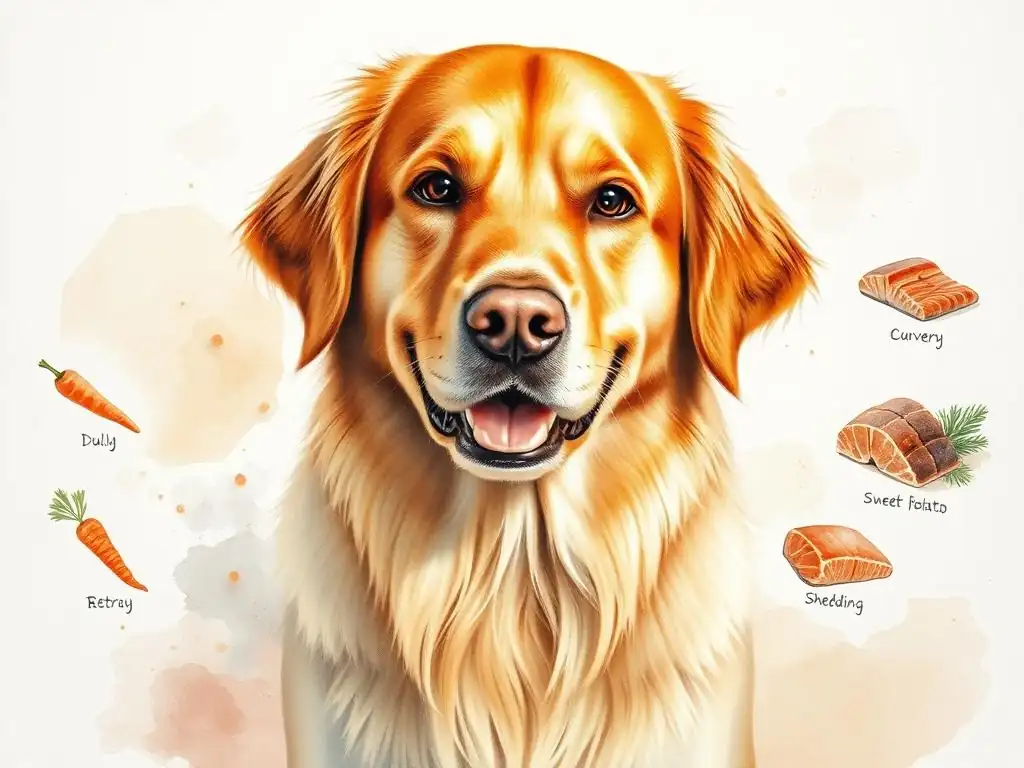
A dog's coat is a reflection of its overall health. A dull, itchy, or thinning coat can often be traced back to dietary deficiencies or imbalances. While genetics play a role, proper nutrition is crucial for achieving that enviable, shiny dog coat we all strive for with our canine companions. This section focuses on addressing common coat problems through dietary adjustments, providing solutions for achieving a healthy and radiant shine using homemade dog food.
Remember to always consult your veterinarian before making significant changes to your dog's diet, especially if they have pre-existing health conditions. They can help determine the underlying cause of any coat issues and guide you towards the best course of action. Let's explore some common problems and their dietary solutions.
Dull Coat: Identifying Underlying Causes and Dietary Solutions
A dull coat is often the first sign of a nutritional imbalance. Several factors can contribute to a lackluster appearance, including insufficient fatty acids, protein deficiencies, and a lack of essential vitamins and minerals. For example, a deficiency in omega-3 and omega-6 fatty acids can lead to dry, brittle hair, resulting in a dull appearance. Similarly, insufficient protein can hinder hair growth and overall coat health.
To address a dull coat, incorporate ingredients rich in essential fatty acids, such as salmon oil, flaxseed oil, or chia seeds, into your homemade dog food recipes. These oils provide the building blocks for a healthy coat, promoting shine and suppleness. Furthermore, ensure your recipes include high-quality protein sources like chicken, turkey, or beef, providing the amino acids necessary for hair growth and repair.
Consider adding ingredients like sweet potatoes, carrots, and spinach, which are excellent sources of beta-carotene, a precursor to vitamin A, crucial for healthy skin and coat. Remember to monitor your dog's response to these dietary changes. If you don't see improvement within a few weeks, consider consulting your veterinarian to rule out any underlying medical conditions.
Here's a sample of nutrients crucial for a shiny coat and their sources:
| Nutrient | Source in Homemade Dog Food | Benefits |
|---|---|---|
| Omega-3 Fatty Acids | Salmon oil, flaxseed oil, chia seeds | Reduces inflammation, improves coat shine |
| Omega-6 Fatty Acids | Chicken fat, sunflower oil | Supports skin barrier function, promotes growth |
| Protein | Chicken, turkey, beef, lamb, eggs | Builds and repairs hair follicles |
| Vitamin A | Sweet potatoes, carrots, spinach, liver (in moderation) | Promotes healthy skin and coat |
| Biotin | Eggs, sweet potatoes, liver (in moderation) | Strengthens hair and nails |
| Zinc | Pumpkin, beef, chicken | Supports healthy skin and coat |
Itchy Skin and Dry Coat: Nutritional Adjustments for Relief
Itchy skin and a dry coat often go hand-in-hand, frequently indicating an underlying dietary deficiency or allergy. Common culprits include food sensitivities, lack of essential fatty acids, and inadequate hydration. Symptoms can range from mild flaking to intense scratching and hair loss. Many dogs experience seasonal allergies that exacerbate these issues.
To alleviate itchy skin and dryness, focus on incorporating ingredients that promote hydration and reduce inflammation. Increase the intake of omega-3 fatty acids, known for their anti-inflammatory properties. Ensure your dog is drinking plenty of fresh water. Consider adding ingredients rich in antioxidants, such as blueberries and cranberries, which can help combat free radical damage and support skin health.
You might also consider incorporating ingredients like coconut oil, known for its moisturizing properties. Always rule out allergies by gradually introducing new ingredients and monitoring your dog’s reaction. If itching persists despite dietary changes, a veterinary check-up is essential to rule out other underlying issues such as parasites or skin infections.
Hair Loss and Thinning Coat: Dietary Strategies for Regrowth
Hair loss and a thinning coat can be alarming, often signaling more significant underlying health problems or severe nutritional deficiencies. Beyond dietary issues, this can be a symptom of hormonal imbalances, parasitic infestations, or autoimmune diseases. Therefore, veterinary consultation is crucial before attempting dietary adjustments.
Dietary strategies for hair regrowth focus on providing the building blocks for healthy hair follicles. This includes ensuring adequate protein intake, providing sufficient essential fatty acids, and including vitamins and minerals that support hair growth. High-quality protein sources, such as lean meats and eggs, are critical. Remember to also incorporate ingredients rich in biotin, zinc, and vitamin A, known for their role in hair growth and repair.
If hair loss is severe or accompanied by other symptoms, a thorough veterinary examination is crucial to rule out any underlying medical conditions. A comprehensive blood panel may be necessary to identify any nutrient deficiencies. Remember that dietary changes alone may not suffice in severe cases, and veterinary intervention might be necessary for successful treatment. Patience and consistency are key when addressing hair loss through dietary adjustments.
Frequently Asked Questions about Homemade Dog Food for Shiny Coats
This section addresses common concerns regarding homemade dog food designed to promote a shiny coat. Remember, always consult your veterinarian before making significant changes to your dog's diet, especially if they have pre-existing health conditions. A shiny coat is a great indicator of overall health, but it shouldn't be the sole focus of your pet's nutritional plan. A balanced diet is key!
Can I feed my dog homemade food exclusively?
Yes, you can feed your dog a homemade diet exclusively, provided it's carefully formulated to meet all their nutritional needs. This requires significant research and potentially consultation with a veterinary nutritionist. Simply copying recipes from the internet isn't sufficient; your dog's breed, age, activity level, and any health concerns will all influence the optimal nutrient balance. A balanced homemade diet needs to include the right proportions of protein, fats, carbohydrates, vitamins, and minerals. Deficiencies can lead to serious health problems.
Many commercially available dog foods undergo rigorous testing to ensure they meet Association of American Feed Control Officials (AAFCO) nutritional standards. Replicating this level of precision at home is challenging. Failing to meet these standards could result in nutritional deficiencies or imbalances, potentially impacting your dog's coat shine, as well as their overall health and well-being. Think of it like this: a beautiful, shiny coat is a symptom of a healthy dog, not the goal itself.
Consider using a reputable recipe source that has been reviewed by veterinary nutritionists. Even then, regular veterinary check-ups, including blood work, are crucial to monitor your dog's health and ensure their homemade diet is providing all necessary nutrients. A lack of specific nutrients could result in a dull coat, along with other, potentially more serious, health issues.
How often should I feed my dog homemade food?
The frequency of feeding homemade dog food depends on several factors, including your dog's age, breed, size, activity level, and the specific recipe. Puppies, for instance, generally need to eat more frequently than adult dogs. Highly active dogs also require more frequent meals.
A good starting point is to follow the feeding guidelines provided with your chosen recipe. However, always monitor your dog's weight and body condition. Adjust the portion sizes as needed to maintain a healthy weight. Avoid overfeeding, as this can lead to obesity, which negatively impacts coat health and overall well-being. Regular weigh-ins and visual assessments can help you gauge whether your dog is maintaining a healthy weight. A slightly overweight dog might have a less shiny coat due to the added strain on their systems.
Observe your dog's eating habits. Are they finishing their meals promptly? Do they seem hungry between feedings? These are important indicators to consider when adjusting feeding schedules. Remember, consistency is key – sticking to a regular feeding schedule helps regulate your dog’s digestion and contributes to a healthier, shinier coat.
What are the potential risks of feeding my dog homemade food?
While homemade dog food can offer benefits, it's crucial to be aware of the potential risks. The most significant risk is nutritional imbalance. Without careful planning and monitoring, your dog might not receive the necessary nutrients for optimal health, impacting their coat and overall well-being. This underscores the importance of consulting a veterinary nutritionist before transitioning to a homemade diet.
Another risk is foodborne illness. Homemade food can be more susceptible to bacterial contamination than commercially produced kibble, which undergoes rigorous processing and quality control. Proper food handling, storage, and preparation are essential to minimize this risk. Always ensure ingredients are fresh and properly cooked. Leftovers should be refrigerated promptly and discarded after a reasonable period.
Finally, there's the risk of accidental ingestion of harmful substances. Certain ingredients, such as onions, garlic, grapes, and chocolate, are toxic to dogs. Meticulous attention to detail is essential to ensure your homemade dog food is free from these dangerous ingredients. Thorough ingredient research is crucial. Even seemingly harmless ingredients can pose a risk if improperly prepared or if your dog has specific allergies or sensitivities. A dull coat can be a symptom of an underlying issue stemming from an unbalanced diet or the accidental ingestion of toxins. Always prioritize safety.
My dog is allergic to certain ingredients. How can I adapt these recipes?
Dealing with a dog allergy requires careful consideration when preparing homemade food. The recipes provided are guidelines, and adaptability is key. If your dog has known allergies, for example, to chicken, beef, or certain grains like wheat or corn, you must meticulously replace those ingredients with suitable alternatives. Always consult your veterinarian before making significant dietary changes, especially if your dog has pre-existing health conditions.
Firstly, understand the nature of the allergy. Is it a true allergy (immunological reaction), or an intolerance (digestive issue)? This distinction is crucial, as the approach to dietary modification differs. A veterinarian can perform allergy testing to confirm the allergen.
Once you know the allergen(s), the substitution process begins. For example, if your dog is allergic to chicken, you can replace it with other lean protein sources like:
- Turkey: A good alternative, offering similar nutritional benefits.
- Salmon (in moderation): Provides omega-3 fatty acids beneficial for skin and coat, but should be used sparingly due to its fat content.
- Lamb: Another excellent option, providing high-quality protein.
- Duck: A less common but suitable alternative.
Remember to introduce new ingredients gradually to monitor for any adverse reactions. Start with a small amount and increase it over several days. Watch closely for symptoms like itching, vomiting, diarrhea, or changes in energy levels.
Furthermore, consider the specific recipe. If the recipe relies heavily on a specific allergenic ingredient, you might need to find a completely different recipe that uses alternative base ingredients. Many online resources and veterinary nutritionists can provide guidance on creating balanced homemade dog food diets that avoid specific allergens.
Always ensure your dog's diet remains nutritionally complete and balanced, even with substitutions. Consider adding supplements if necessary, but only after consulting your vet. They can guide you on appropriate supplementation to address any nutritional gaps created by removing allergenic ingredients. Ignoring this crucial step could lead to nutritional deficiencies and health problems. A well-balanced diet is essential for a shiny coat and overall well-being, even for dogs with allergies.
Frequently Asked Questions
What ingredients contribute to a shiny dog coat in homemade food?
A shiny coat is often achieved through a diet rich in omega-3 and omega-6 fatty acids, biotin, and vitamin E. These nutrients support healthy skin and hair growth. Incorporate sources like salmon oil, eggs, and sweet potatoes into your homemade recipes.
Can I completely replace commercial dog food with homemade food?
While homemade food can be beneficial, it's crucial to ensure it's nutritionally balanced to avoid deficiencies. Consult your vet before making a complete switch to ensure your dog receives all necessary nutrients. Careful planning and supplementation might be necessary.
What are some easy-to-make recipes for a shiny dog coat?
Simple recipes include cooked chicken or fish with brown rice and added vegetables like carrots and spinach. Always ensure the food is cooked thoroughly and cooled before serving. Salmon oil can be added as a supplement for extra shine.
How often should I feed my dog homemade food for a shiny coat?
The frequency depends on your dog's individual needs and dietary requirements. Consult your vet to determine the appropriate feeding schedule and portion sizes for your dog's age, breed, and activity level. Consistency is key.
My dog's coat is still dull despite homemade food. What could be wrong?
Several factors can impact coat health. Underlying health issues, allergies, or parasites could be contributing factors. Consult your vet to rule out any medical conditions before making significant dietary changes. Regular grooming also plays a crucial role.
Final Reflection: Unlocking Radiant Health Through Homemade Dog Food
The quest for a shiny, healthy dog coat often begins with the food bowl, and the journey is far more rewarding than you might think. Understanding the direct link between nutrition and a dog's appearance is crucial in today's world, where pet health is increasingly prioritized. The recipes explored in this article offer a tangible path towards achieving that radiant, healthy glow, proving that sometimes the simplest solutions are the most effective.
The impact of a dog's diet on its overall well-being, and specifically its coat, is profound and often underestimated. We've explored the power of natural ingredients to nourish from the inside out, moving beyond commercial kibble to a more holistic approach. This shift reflects a broader cultural trend towards mindful pet ownership, prioritizing quality and understanding over convenience. The best things in life are simple,
and this rings true for our canine companions too. A carefully crafted homemade diet not only enhances their physical appearance but strengthens the bond we share, built on a foundation of care and understanding.
Now, it's your turn. Take the knowledge gained here and consider your own dog's dietary needs. Experiment with the recipes, adapt them to your pet's preferences, and observe the transformative effects of a nutritionally balanced, homemade diet. Don't just feed your dog; nourish their inner and outer radiance. The journey to a shiny, healthy coat is a journey to a happier, healthier companion.
Unlock Your Dog's Inner Glow: Shine On!
Thank you for exploring the world of homemade dog food! You're now on your way to a healthier, shinier coat for your furry friend. Ready to get started?
- Prepare your dog's first healthy meal: Begin with one of the recipes in this article – your pup will love it! Remember to adjust the portion size to suit their weight and activity level.
- Share your culinary creations: Post a picture of your dog enjoying their new food on social media using #PetCareWorldHomemade and #ShinyCoatSecrets. Let's inspire other pet owners!
- Discover more recipes: Visit our recipe section on PetCareWorld.org for a wide variety of healthy and delicious homemade meal options.
What exciting new ingredients will you add to your dog's next meal?