
Bar Spacing: A Crucial Factor in Bird Cage Safety

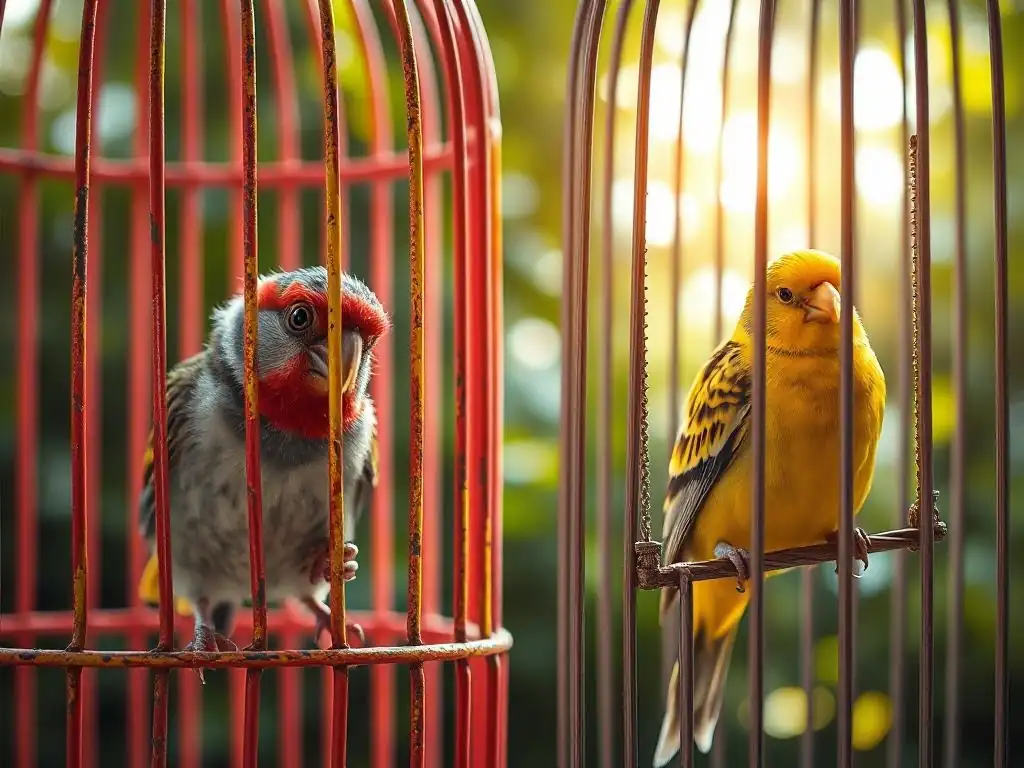
Welcome to PetCareWorld, your ultimate guide to a happier, healthier life for your beloved pets! Are you ready to unlock the secrets to providing the best possible care? We delve into every aspect of animal companionship, from playful puppies to majestic macaws. But first, let's address a critical safety concern for our feathered friends: safe bird cage bar spacing. Discover why choosing the right spacing is crucial for your bird's well-being and prevent potential injuries. Explore our in-depth guide and ensure your avian companion thrives in a secure and stimulating environment. Let's dive in!
- Understanding Safe Bird Cage Bar Spacing for Different Bird Species
- Measuring Your Bird Cage's Bar Spacing: A Step-by-Step Guide
- Safe Bird Cage Bar Spacing: Preventing Injury and Escape
- Choosing the Right Bird Cage: Considering Bar Spacing and Safety Features
- Maintaining Bird Cage Safety: Ongoing Checks and Precautions
- Frequently Asked Questions
- Final Reflection: The Silent Threat of Bar Spacing and the Promise of Safe Havens
- Unlock Safer Skies: Improve Your Bird's Home Today!
Understanding Safe Bird Cage Bar Spacing for Different Bird Species
Choosing the right bird cage is crucial for your feathered friend's safety and well-being. A significant, often overlooked, aspect of cage selection is bar spacing. Improper bar spacing can lead to serious consequences, from injury to escape, potentially resulting in the loss of your beloved pet.
This comprehensive guide will delve into the critical importance of safe bird cage bar spacing, focusing on how to determine the appropriate spacing for various bird species, preventing escapes, and addressing the specific needs of different-sized birds. We'll explore the intricacies of bar spacing to ensure you provide a secure and enriching environment for your avian companion. Understanding safe bird cage bar spacing is not merely a matter of convenience; it's a fundamental aspect of responsible bird ownership, directly impacting your bird's safety and overall quality of life.
Choosing the correct bar spacing contributes significantly to a happy and healthy pet. Let's get started! 🎉
Determining Appropriate Bar Spacing Based on Bird Size
The most significant factor determining appropriate bar spacing is the size of your bird. Smaller birds can easily squeeze through wider gaps, leading to escapes or even injuries attempting to squeeze through. Conversely, larger birds might find narrower spacing uncomfortable or even dangerous, potentially causing injuries from trying to force their way through or getting their feet stuck. A general rule of thumb is to ensure the spacing is smaller than the width of your bird's head.
For example, a small finch would require significantly narrower spacing than a large macaw. There’s no single magic number; it’s about relative proportions. Below is a table providing approximate guidelines. Remember, these are approximations, and individual bird sizes can vary within species. Always err on the side of caution and choose narrower spacing if unsure.
| Bird Type | Approximate Head Width | Recommended Bar Spacing (Max) |
|---|---|---|
| Small Finch | < 0.5 cm | 0.5 cm |
| Budgie/Parakeet | ~ 1 cm | 1 cm |
| Cockatiel | ~ 1.5 cm | 1.5 cm |
| Conure | ~ 2 cm | 2 cm |
| Large Parrot (Macaw) | > 3 cm | 2.5 - 3 cm (depending on species) |
It's vital to measure your bird's head and compare it to the cage's bar spacing before purchasing. Don't rely solely on the cage's advertised specifications; always double-check.
Preventing Escapes: The Importance of Correct Bar Spacing
Incorrect bar spacing is a primary cause of bird escapes. Even seemingly small gaps can be exploited by clever and determined birds. A bird escaping can lead to significant stress for both the bird and the owner, potentially resulting in injury or even the loss of the bird. Beyond escape, incorrect bar spacing also presents a risk of your bird getting its head or feet stuck, leading to injury.
Consider these points when assessing bar spacing for escape prevention:
- Head size: As previously discussed, this is paramount.
- Body flexibility: Some birds are more adept at squeezing through small spaces than others.
- Cage material: The material of the cage bars can affect how easily a bird can maneuver through them. Thicker bars generally offer better security.
- Cage design: The design of the cage, including the shape and arrangement of the bars, can influence the ease of escape.
Regular cage inspections are essential. Even with appropriate bar spacing, wear and tear over time can create larger gaps, increasing the risk of escape.
Bar Spacing and Species-Specific Needs: Small Birds vs. Large Birds
The bar spacing requirements differ dramatically between small and large bird species. Small birds like finches and canaries need much narrower spacing to prevent escapes and injuries. Larger birds like macaws and cockatoos, while needing less narrow spacing, still require appropriately sized bars to avoid injury or discomfort.
Small Birds: These birds are particularly vulnerable to escaping through wider gaps. Their small size and agility allow them to squeeze through openings that larger birds couldn't. Prioritize cages with closely spaced bars, always referring to the head width guideline mentioned earlier.
Large Birds: While larger birds are less likely to escape through gaps, the bar spacing still needs to be carefully considered. Too narrow spacing can be uncomfortable or even cause injury. Ensure sufficient space for the bird to comfortably move around within the cage without risk of injury. Also, consider the potential for the bird to get its feet or wings caught. Proper spacing is crucial for their physical well-being and prevents stress.
The Dangers of Improper Bar Spacing: Injury and Escape
Improper bar spacing in a bird cage presents significant risks to your feathered friend, encompassing both physical harm and the potential for escape. The consequences can range from minor injuries to severe trauma and even death. A cage with bars spaced too wide allows a bird to easily stick its head, neck, or even a wing through the gaps. This can lead to several dangerous scenarios.
One common danger is entrapment. A bird might get its head stuck, unable to pull free. This can cause panic, injury from struggling, and even strangulation if the bird cannot breathe properly. The longer the bird is trapped, the greater the risk of exhaustion, dehydration, and potential injury from struggling against the bars. Smaller birds, in particular, are extremely vulnerable to this type of accident. For example, a small parakeet attempting to squeeze through bars designed for a larger cockatoo could easily become wedged and injured.
Beyond entrapment, wide bar spacing can also lead to serious injuries. A bird might get a limb, wing, or even its beak caught between the bars, resulting in fractures, sprains, cuts, or other trauma. These injuries can be painful, require veterinary attention, and potentially lead to long-term health problems. The force required to pull a limb free can also cause damage to muscles and tendons.
Finally, and perhaps most obviously, improper bar spacing significantly increases the risk of escape. If the bars are spaced wide enough, a bird might simply be able to squeeze through. This poses a serious threat, as escaped birds can face numerous dangers, including predation, starvation, traffic accidents, and exposure to the elements. Recapturing a lost bird can be challenging and stressful, both for the bird and its owner.
The anxiety caused by an escape can also negatively impact a bird’s health and behavior. Consider the case of a cockatiel that escaped through wide bar spacing, only to be found days later, dehydrated and traumatized. Such incidents highlight the critical importance of choosing appropriately spaced bars. Ensuring your bird's safety begins with selecting a cage designed with its specific needs in mind.
Measuring Your Bird Cage's Bar Spacing: A Step-by-Step Guide
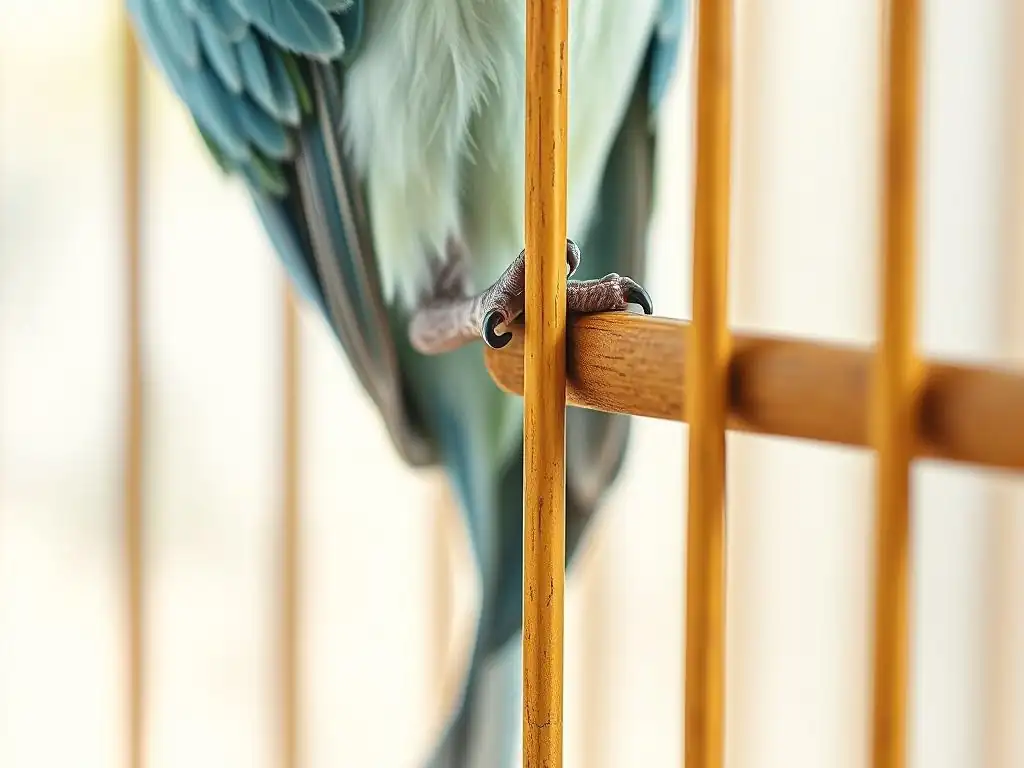
This section provides a detailed guide on how to accurately measure the bar spacing of your bird cage, a crucial step in ensuring your feathered friend's safety. Incorrect bar spacing can lead to serious injuries, including head entrapment, broken bones, and even death. Understanding how to measure and interpret these measurements is paramount for responsible bird ownership. Knowing the safe bird cage bar spacing for your specific bird species is vital for their well-being.
Tools Needed for Accurate Measurement
Before you begin measuring, gather the following tools:
- A ruler or measuring tape (preferably a metal ruler for precision).
- A pen or pencil for recording measurements.
- A calculator (optional, for easier calculations).
- A small notebook or digital document for noting your findings.
It's important to use accurate measuring tools to avoid miscalculations. A flexible measuring tape might not provide the precision needed for this task. A metal ruler, offering superior rigidity, is highly recommended for the most accurate results. Remember, even a small error in measurement can significantly impact the safety assessment of your bird cage.
How to Measure Bar Spacing Accurately
Measuring bar spacing requires attention to detail. Here's a step-by-step guide:
- Choose a representative section: Select an area of the cage where the bar spacing appears consistent. Avoid areas near doors or other cage features that might distort the spacing.
- Measure the distance between bars: Using your ruler, carefully measure the distance between two adjacent horizontal bars. Record this measurement in your notebook.
- Repeat the measurement: Repeat step 2 at least three times in different locations within the chosen section. This helps ensure accuracy and accounts for any minor variations in spacing.
- Calculate the average: Add the three (or more) measurements together and divide by the number of measurements to obtain the average bar spacing. For example, if your measurements were 1.2 cm, 1.1 cm, and 1.3 cm, the average would be (1.2 + 1.1 + 1.3) / 3 = 1.2 cm.
- Measure vertical bar spacing: Repeat steps 2-4 for the vertical bars. Note that the vertical and horizontal bar spacings might differ slightly.
- Document your findings: Clearly record the average horizontal and vertical bar spacing in your notebook. Include the date and the location of the measurements for future reference. This record will be invaluable if you need to replace or modify your bird cage in the future.
Interpreting Your Measurements: Safe vs. Unsafe Bar Spacing
Once you've obtained your measurements, you need to compare them to the recommended safe bar spacing for your bird species. This information is crucial for determining if your cage is suitable. Unfortunately, there isn't a single universal safe bar spacing, as it varies significantly depending on your bird's size and species.
| Bird Size Category | Recommended Maximum Horizontal Bar Spacing (cm) | Recommended Maximum Vertical Bar Spacing (cm) |
|---|---|---|
| Small (e.g., finches, budgies) | 1.0 - 1.2 | 1.0 - 1.2 |
| Medium (e.g., cockatiels, conures) | 1.5 - 2.0 | 1.5 - 2.0 |
| Large (e.g., macaws, African greys) | 2.5 - 3.0 | 2.5 - 3.0 |
Important Note: These are general guidelines. Always consult with an avian veterinarian or a reputable bird breeder for species-specific recommendations on safe bar spacing. Remember, it's always better to err on the side of caution when it comes to your bird's safety. A cage with smaller bar spacing is always preferable to one with wider spacing, especially for smaller birds. If your measurements exceed the recommended spacing for your bird, consider replacing your cage with one that meets the safety requirements. Your bird's safety is paramount! 🐦
Safe Bird Cage Bar Spacing: Preventing Injury and Escape
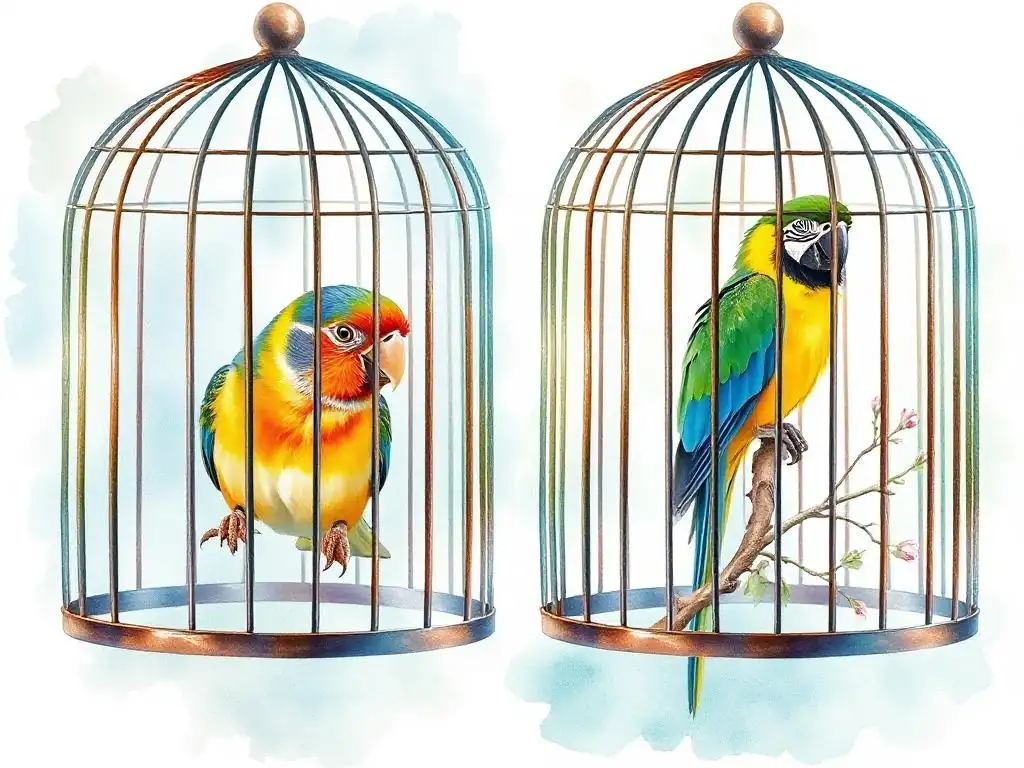
Choosing the right bird cage involves many factors, but bar spacing is paramount for your feathered friend's safety and well-being. Improper spacing can lead to serious injuries, escape attempts, and even death. This section focuses on understanding the crucial role of bar spacing in ensuring a safe and enriching environment for your bird. Selecting a cage with appropriate bar spacing is a fundamental aspect of responsible bird ownership, directly impacting your bird's physical safety and mental health. The ideal spacing prevents injuries while still allowing for comfortable perching and natural behaviors. Let's delve into the specifics.
Preventing Head and Foot Entrapment
One of the most significant risks associated with incorrect bar spacing is the potential for head and foot entrapment. Birds, especially smaller species, can easily get their heads or feet stuck between bars that are too far apart or too close together. This can lead to severe injuries, including broken bones, lacerations, and even strangulation. For example, a small parakeet attempting to squeeze through bars designed for a larger cockatoo could easily become trapped and injured. The consequences can be devastating.
The general rule of thumb is to ensure that the spacing is narrow enough to prevent the bird from sticking its head or feet through, yet wide enough to avoid causing discomfort or restricting movement. The optimal spacing varies considerably depending on the bird's size and species. Smaller birds, like finches or canaries, require much closer spacing than larger birds, such as macaws or cockatoos.
[Specific spacing recommendations for various bird species pending]. Always prioritize safety and choose a cage with bar spacing appropriate for your bird's specific size and breed. Consider the bird's head size, not just its overall body size, when evaluating spacing.
Avoiding Wing and Feather Damage with Proper Spacing
Beyond head and foot entrapment, improper bar spacing can also cause damage to your bird's wings and feathers. If the bars are too close together, the bird's wings might become trapped or compressed, potentially leading to broken feathers, injured wing joints, or even broken bones. Conversely, if the bars are too far apart, the bird might be able to push its wings through, causing them to become snagged and damaged. This can lead to stress, discomfort, and difficulty in flight.
Imagine a cockatoo attempting to maneuver within a cage with bars designed for a much smaller species. The bird's large wings could easily become tangled, causing significant feather damage and potential injury. Regularly inspecting your bird's feathers for signs of damage is essential. This includes checking for broken or missing feathers, as well as any signs of inflammation or irritation. Providing appropriate toys and perches can further reduce the risk of wing damage. Remember that a bird's wings are delicate and require careful consideration when selecting a cage. Proper bar spacing is a key preventative measure.
The Relationship Between Bar Spacing and Bird Behavior
The spacing of a bird cage's bars also plays a significant role in your bird's behavior and overall well-being. A cage with inappropriately spaced bars can lead to increased stress, anxiety, and frustration. If a bird feels trapped or unsafe, it might exhibit signs of distress, such as excessive preening, feather plucking, or aggression. Conversely, a cage with properly spaced bars can create a sense of security and allow the bird to engage in natural behaviors, such as climbing, perching, and playing.
For example, a bird constantly attempting to escape due to feeling insecure in its cage might exhibit repetitive behaviors indicative of anxiety. A well-spaced cage contributes to a calmer and more contented bird. This translates to a happier bird, less prone to self-destructive behaviors and more likely to interact positively with its owner.
This aspect of cage selection often gets overlooked, yet directly influences the bird's mental health and overall quality of life. Prioritizing safe and appropriate bar spacing is therefore a crucial factor in responsible bird ownership, impacting both the physical and psychological well-being of your avian companion. Choosing the right cage is an investment in a long, happy, and healthy life for your bird.
Choosing the Right Bird Cage: Considering Bar Spacing and Safety Features
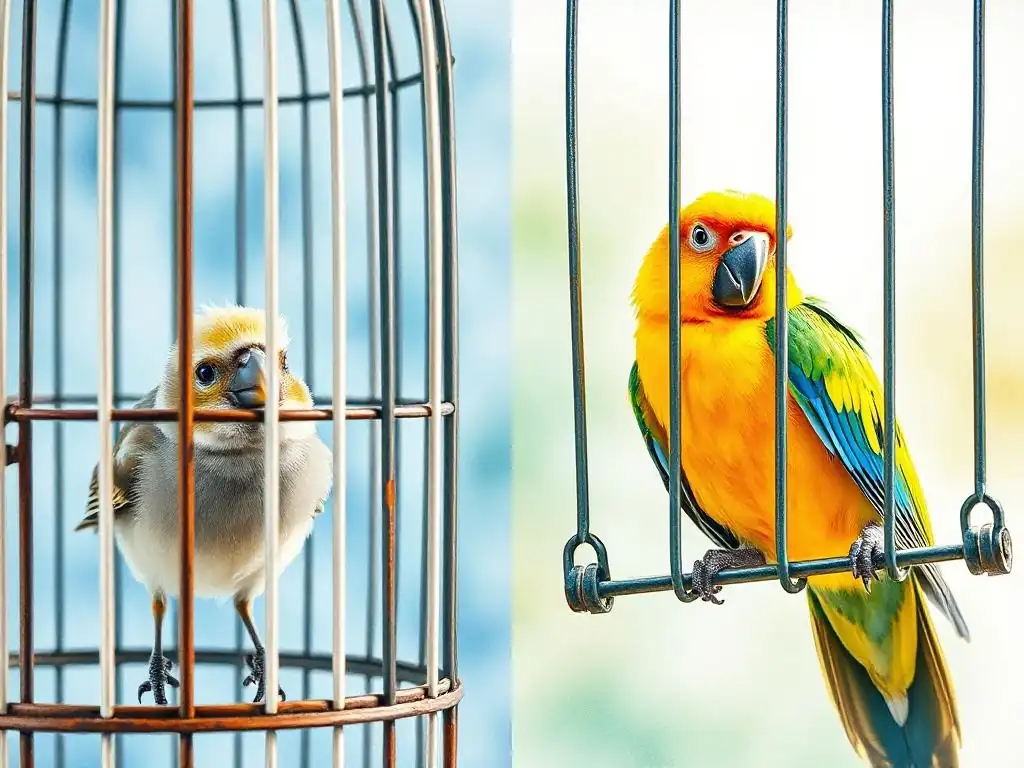
Selecting the appropriate bird cage is paramount for your feathered friend's well-being. A crucial aspect often overlooked is bar spacing, directly impacting your bird's safety and preventing escapes. This section delves into the critical considerations for safe bird cage bar spacing, ensuring your pet's secure and comfortable environment. Understanding safe bar spacing is a key element in providing optimal safe bird cage bar spacing.
Identifying Safe Bar Spacing in Different Cage Designs
The ideal bar spacing depends significantly on the size and species of your bird. Smaller birds, like finches or canaries, require narrower spacing to prevent them from squeezing through and escaping. Larger birds, such as macaws or cockatoos, need wider spacing to accommodate their size and prevent injury from bars that are too close together.
Here's a general guideline, though always consult a veterinarian or avian specialist for species-specific recommendations:
| Bird Type | Recommended Bar Spacing (inches) | Notes |
|---|---|---|
| Small Birds (Finches, Canaries) | 1/2 - 3/4 | Ensure bars are securely welded or fastened to prevent bending. |
| Medium Birds (Parakeets, Cockatiels) | 3/4 - 1 | Regularly inspect for any damage or loosening of bars. |
| Large Birds (Conures, Amazons) | 1 - 1 1/4 | Consider cages with thicker bars for added durability and safety. |
| Very Large Birds (Macaws, Cockatoos) | 1 1/4 - 1 1/2 | Larger bar spacing is needed to accommodate their larger heads and bodies. |
It's crucial to measure the head and body of your bird to determine the appropriate spacing. Remember, a bird might be able to squeeze through a space smaller than its body if it is determined enough. Avoid cages with inconsistently spaced bars, as this can create vulnerabilities. Always prioritize safety over aesthetics when selecting a cage. Using a properly sized cage with correct safe bird cage bar spacing is essential for a happy and healthy bird.
Material Considerations: Metal vs. Wood Cages
While metal cages are generally preferred due to their durability and ease of cleaning, wood cages also have their place. However, wood presents unique challenges concerning safety. The spacing between wooden bars or slats needs to be even more carefully considered, as birds can often chew and manipulate wood more easily than metal.
- Metal Cages: These offer superior strength and are easier to clean and disinfect. Look for cages made from powder-coated steel or stainless steel for rust resistance and longevity. Ensure the bars are securely welded or fastened, not simply crimped.
- Wood Cages: While aesthetically pleasing, wooden cages require more frequent inspections for damage. Birds can chew on wood, potentially creating escape routes or ingesting splinters. If you choose a wooden cage, opt for a hardwood that is treated with non-toxic finishes. The spacing between slats should be significantly narrower than in a metal cage, considering the chewing risk. Regularly inspect for signs of damage and repair or replace as needed.
Choosing the right material is a critical element of providing safe bird cage bar spacing. The strength and durability of the material directly impact the overall cage integrity and your bird's safety.
Additional Safety Features to Look For in Bird Cages
Beyond bar spacing, several other safety features should be considered when selecting a bird cage:
- Strong Locks: Ensure the cage has sturdy, secure locks that your bird cannot easily manipulate or open. Double-locking mechanisms are highly recommended.
- Rounded Edges and Corners: Sharp edges and corners can pose a risk of injury to your bird. Opt for cages with rounded or smooth edges and corners.
- Durable Tray: A sturdy, easily removable tray is essential for cleaning. The tray should be made of a material that is easy to clean and disinfect.
- Secure Perches: The perches should be securely attached and appropriately sized for your bird's feet. Avoid perches that are too thin or too slippery.
- No Gaps or Openings: Thoroughly inspect the cage for any small gaps or openings that your bird might be able to exploit to escape.
Investing in a high-quality cage with these safety features is a critical step in ensuring the well-being and safety of your avian companion. Remember, selecting the correct cage with appropriate safe bird cage bar spacing and additional safety features is an investment in your bird's long-term health and happiness. A secure and comfortable environment is crucial for a thriving bird.
Maintaining Bird Cage Safety: Ongoing Checks and Precautions
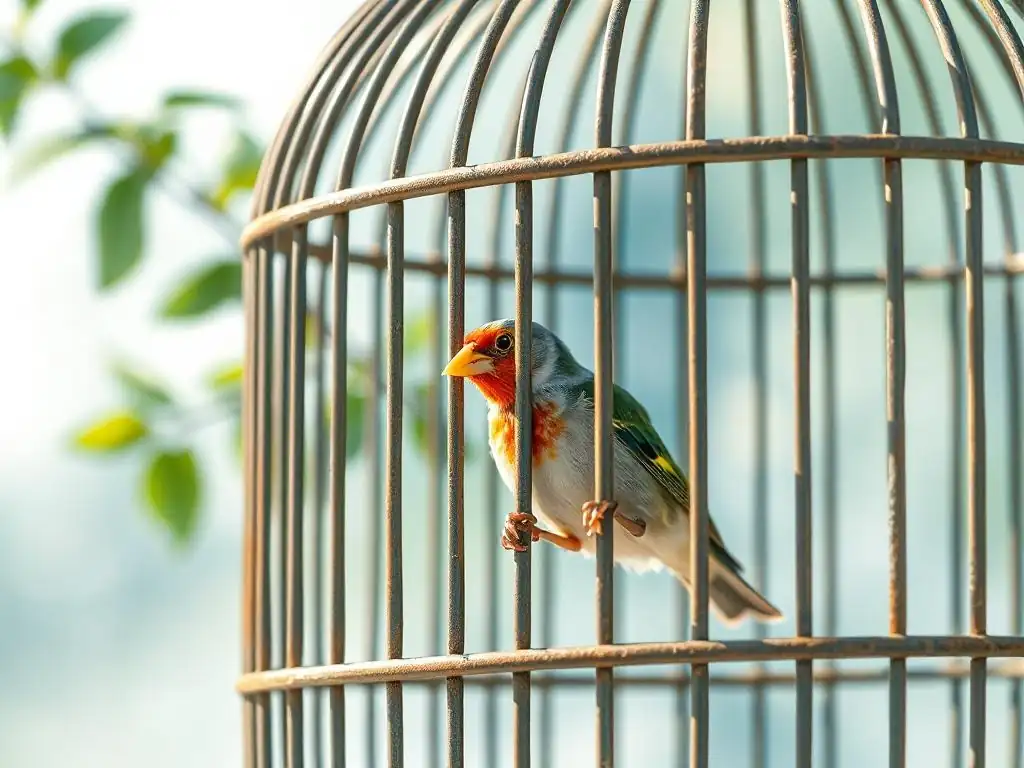
Even with careful initial setup, ensuring a safe bird cage requires consistent vigilance. Regular inspections and proactive maintenance are crucial for preventing accidents and maintaining your feathered friend's well-being. Neglecting these precautions can compromise the effectiveness of even the most meticulously chosen cage with optimal safe bird cage bar spacing. This section focuses on the ongoing steps you must take to ensure your bird's safety.
Regular Inspections for Bar Spacing Integrity
Regularly inspecting your bird's cage for any changes in bar spacing is paramount. Aim for at least a weekly, thorough check. Look for:
- Loose bars: Gently try to wiggle each bar to detect any looseness. Even slight movement can indicate a weakening structure, creating a potential escape route or injury hazard.
- Bent bars: Examine the bars closely for any bending or warping, especially near joints. Bent bars can create gaps that were not originally present, jeopardizing safe bird cage bar spacing.
- Rust or corrosion: Rust weakens the metal, compromising its structural integrity. Pay close attention to areas where moisture might accumulate.
- Damaged paint or coating: If the cage is painted, check for chips or peeling paint. Your bird might ingest flaking paint, leading to health problems.
Example Inspection Checklist
✅ Check all bars for looseness.
✅ Inspect bars for bending or warping.
✅ Look for signs of rust or corrosion.
✅ Examine paint or coating for damage.
✅ Note any changes from previous inspections.
Remember, proactive identification of these issues allows for timely repair or replacement, averting potential accidents. Early detection is key to ensuring a consistently safe environment for your bird. A damaged cage, even with initially appropriate safe bird cage bar spacing, can quickly become a dangerous one.
Addressing Damaged or Loose Bars Promptly
If you identify any damaged or loose bars, don't delay addressing the issue. Ignoring the problem can lead to serious consequences, including:
- Escape: A loose bar provides an easy escape route for your bird, potentially leading to loss or injury.
- Injury: Your bird could get its feet, wings, or beak caught in a damaged or loose bar, causing pain or even serious injury.
- Cage collapse: Severe damage can lead to the entire cage collapsing, creating a hazardous situation for your bird.
Addressing the issue depends on the extent of the damage. Minor looseness might be rectified by tightening screws or bolts. However, severely bent or broken bars require professional repair or cage replacement. Prioritize safety and don't attempt risky repairs yourself if you lack the expertise. A new cage with correctly measured safe bird cage bar spacing might be the safest and most cost-effective solution in the long run. Remember, your bird's safety is paramount.
The Role of Toys and Perches in Bird Cage Safety
While toys and perches enrich your bird's environment, they can also contribute to cage safety issues if not carefully chosen and maintained.
- Toy safety: Opt for toys made from non-toxic materials that cannot easily be broken into small pieces your bird could ingest. Regularly inspect toys for wear and tear and replace damaged ones immediately.
- Perch placement: Ensure perches are securely attached and don't create gaps or obstructions that could compromise safe bird cage bar spacing or present a hazard. Avoid perches that are too close to the bars, which could trap your bird's feet.
- Overcrowding: Avoid overcrowding the cage with too many toys or perches, which can create a cluttered and unsafe environment. Maintain sufficient space for your bird to move freely and comfortably.
Regularly assess the placement and condition of toys and perches. A proactive approach to toy and perch maintenance is an integral part of maintaining a secure and enriching environment for your beloved bird. This is as important as paying attention to the initial safe bird cage bar spacing. A well-maintained cage, with appropriate toys and perches, contributes to a happy and healthy bird.
Frequently Asked Questions
What is the ideal bar spacing for a bird cage?
The ideal bar spacing depends on the size of your bird. Smaller birds need cages with closer spacing to prevent escapes, while larger birds may need wider spacing for comfort. Consult a veterinarian or avian specialist for specific recommendations.
Why is bar spacing so important for bird safety?
Incorrect bar spacing poses significant risks. Too wide, and your bird can escape or get its head stuck. Too narrow, and it can cause injury or stress. Appropriate spacing ensures your bird's safety and well-being.
How can I measure the correct bar spacing for my bird?
Measure the distance between two adjacent bars. The spacing should be smaller than the width of your bird's head to prevent escapes. Consider using a cage appropriate for your bird's species and size.
What happens if my bird's cage has improper bar spacing?
Improper spacing can lead to escape, injury, or stress for your bird. They might get their head, wings, or feet stuck, resulting in serious harm. It's crucial to ensure correct spacing.
Where can I find more information on safe bird cage selection?
Consult reputable sources like PetCareWorld, avian veterinarians, or experienced bird breeders. Look for information on species-specific cage requirements and always prioritize your bird's safety and comfort when selecting a cage.
Final Reflection: The Silent Threat of Bar Spacing and the Promise of Safe Havens
The seemingly insignificant detail of bar spacing in a bird cage holds the power of life and death for our feathered companions. A seemingly small gap can become a fatal escape route or a cruel trap for a curious beak or claw, highlighting the critical need for responsible ownership and informed choices. This underscores the urgent need for greater awareness among bird owners about this often-overlooked safety aspect.
The impact of inadequate bar spacing extends far beyond the individual bird; it speaks to a broader societal responsibility towards animal welfare. We, as keepers of these vibrant creatures, are entrusted with their well-being. Choosing the right cage is not merely a matter of aesthetics; it's a fundamental commitment to their safety and happiness. The greatness of a nation and its moral progress can be judged by the way its animals are treated.
- Mahatma Gandhi. This quote resonates deeply, reminding us that our actions, even in seemingly small choices like cage selection, reflect our values and commitment to ethical care.
Consider the implications of this information. You now possess the knowledge to make informed decisions about bird cage safety. Take the time to measure, to research, and to choose wisely. Your commitment to providing a safe and enriching environment for your bird is not just about fulfilling a basic need; it's about building a trusting relationship based on mutual respect and understanding. Let's work together to ensure that every bird finds a truly safe and secure haven.
Unlock Safer Skies: Improve Your Bird's Home Today!
Thank you for learning about the importance of bar spacing in your bird's cage! You've gained valuable knowledge to ensure their safety and well-being. Now let's put that knowledge into action:
- Prioritize cage safety: Carefully measure your bird's cage bars and compare them to the recommended spacing for your specific bird species. If the spacing is unsafe, replace the cage with one that meets the safety guidelines.
- Share your experience: Tell us about your bird's cage and how you've ensured its safety. Share a photo on our PetCareWorld community forum!
- Learn more about bird safety: Explore additional resources on our website to discover more ways to create a happy and safe environment for your feathered friend.
Ready to create the perfect, safe haven for your bird? What simple change will you make today to enhance their safety?