
Beyond the Basics: Advanced Enrichment Techniques for Intelligent Birds

Welcome to PetCareWorld, your ultimate guide to a happier, healthier life for your beloved animal companions! Are you ready to unlock the potential of your feathered friend? Dive into our expert guide on Advanced Bird Enrichment Techniques and discover how to stimulate your bird's mind and body with engaging activities that go beyond the ordinary. Uncover the secrets to a truly enriched life for your intelligent avian companion – your journey to a more fulfilling bond begins here.
- Understanding Your Bird's Cognitive Needs: A Foundation for Advanced Enrichment
- Advanced Foraging and Puzzle Toys for Intelligent Birds
- Environmental Enrichment: Transforming Your Bird's Habitat
- Social and Mental Stimulation for Your Intelligent Bird
- Advanced Bird Enrichment: Safety Considerations and Best Practices
- Measuring the Success of Your Advanced Enrichment Strategies
-
Frequently Asked Questions
- What are some advanced bird enrichment techniques beyond basic toys?
- How can I create a more stimulating environment for my highly intelligent bird?
- My bird seems bored despite having many toys. What should I do?
- Are there any risks associated with advanced bird enrichment?
- How often should I change or add new enrichment items for my bird?
- Final Reflection: Unlocking Avian Potential Through Enrichment
- Unleash Your Bird's Inner Genius!
Understanding Your Bird's Cognitive Needs: A Foundation for Advanced Enrichment
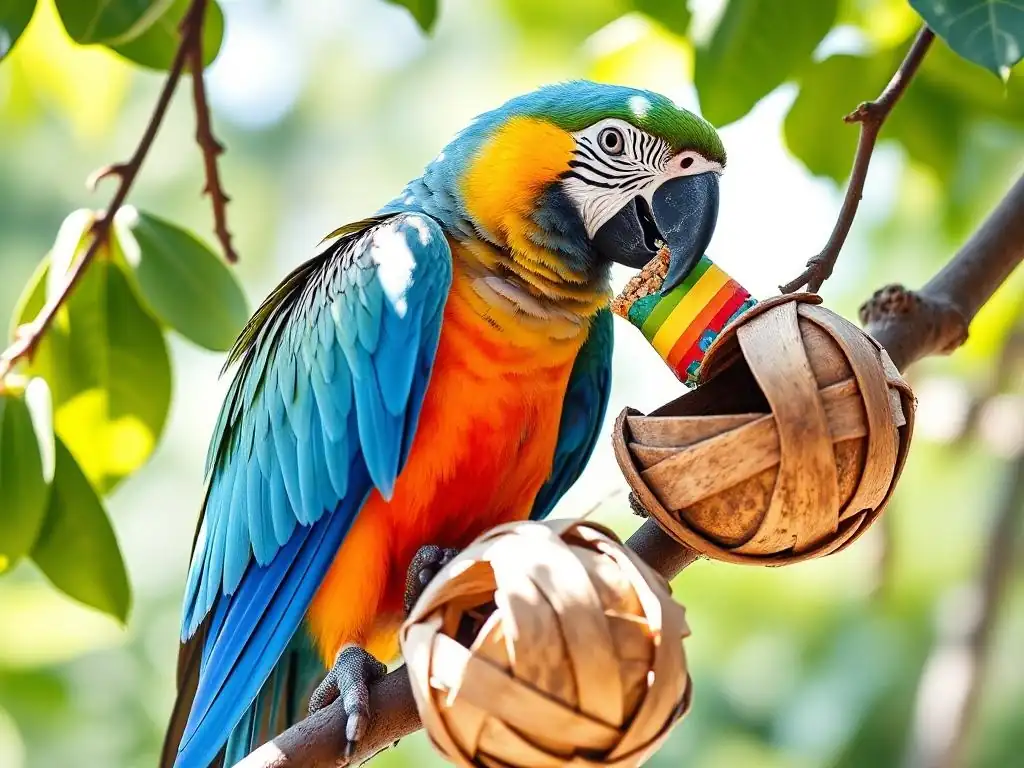
Parrots, mynas, and other intelligent birds are not simply pets; they are highly sentient beings with complex cognitive needs. Providing basic food and water is insufficient for these intellectually stimulating creatures. Ignoring their mental and emotional well-being can lead to behavioral problems, self-mutilation, and a drastically reduced quality of life.
This article delves into advanced bird enrichment techniques, moving beyond the simple toys and foraging activities often recommended for beginners. We'll explore how to assess your bird's current enrichment level, identify signs of boredom and frustration, and tailor enrichment activities to their specific species and intelligence. Successfully implementing these advanced techniques will not only prevent boredom but also enrich your bond with your feathered companion, leading to a happier, healthier, and more fulfilling life for both of you.
This guide focuses on providing a comprehensive understanding of advanced bird enrichment techniques, positioning you to become a more effective and informed bird owner. We'll cover everything from sophisticated puzzle feeders to environmental modifications designed to challenge and stimulate your bird’s mind. Let's embark on this journey to unlock the full potential of your intelligent bird.
Assessing Your Bird's Current Enrichment Level
Before implementing advanced enrichment techniques, it's crucial to evaluate your bird's current situation. Consider the following aspects:
- Cage size and design: Is the cage spacious enough to allow for flight (if applicable) and exploration? Does the cage design offer varied textures and climbing opportunities? A cramped cage severely limits enrichment possibilities.
- Toy variety and complexity: Do you provide a diverse range of toys, including those that require problem-solving skills? Are the toys regularly rotated to prevent boredom? A simple checklist can help: ✅ Foraging toys? ✅ Puzzle toys? ✅ Destructive toys?
- Daily routine and interaction: Does your bird receive sufficient daily interaction and playtime outside the cage? A monotonous routine can lead to mental stagnation. Consider the amount of time spent interacting with your bird daily. Aim for at least [specific time recommendation pending] of dedicated interaction.
- Behavioral observations: Does your bird exhibit signs of feather plucking, excessive screaming, or repetitive behaviors? These could indicate insufficient enrichment. Keep a detailed journal of your bird's behavior to identify patterns and potential problems. Note any changes in behavior after introducing new enrichment activities.
Identifying Signs of Boredom and Frustration in Intelligent Birds
Intelligent birds exhibit specific signs when they're bored or frustrated. These aren't always obvious, so keen observation is key. Recognizing these signs early allows for prompt intervention and prevents the development of serious behavioral issues. Here are some common indicators:
- Feather plucking: This is a serious sign of stress and often indicates underlying issues like boredom or lack of enrichment. It requires immediate attention and consultation with an avian veterinarian.
- Excessive screaming or vocalizations: While some vocalization is normal, excessive or unusual vocalizations can signal distress or boredom.
- Repetitive behaviors: This includes pacing, swaying, or other repetitive movements that often indicate a lack of mental stimulation.
- Aggression or biting: Frustration and boredom can manifest as increased aggression towards owners or other pets.
- Loss of appetite: A sudden or significant change in eating habits can be a sign of underlying stress or depression.
- Lethargy and lack of interest: A generally subdued and uninterested bird may be suffering from boredom and lack of stimulation.
Tailoring Enrichment to Species-Specific Needs and Intelligence Levels
Not all birds are created equal. Enrichment strategies must be tailored to the specific species and intelligence level of your bird. A simple puzzle toy suitable for a budgie may be far too easy for an African Grey parrot. Consider the following factors:
| Bird Species | Intelligence Level | Enrichment Suggestions |
|---|---|---|
| African Grey Parrot | Very High | Complex puzzles, foraging challenges, social interaction |
| Amazon Parrot | High | Variety of toys, interactive games, opportunities for exploration |
| Cockatoo | High | Destructive toys, foraging opportunities, musical enrichment |
| Budgie | Moderate | Simple puzzles, foraging toys, social interaction with other budgies |
| Myna | High | Problem-solving toys, opportunities for vocalization and mimicry |
Remember, providing advanced enrichment is an ongoing process. Regularly assess your bird's response to different activities and adjust your approach as needed. The goal is to keep your bird mentally stimulated, preventing boredom and ensuring a happy and healthy life.
Advanced Foraging and Puzzle Toys for Intelligent Birds
Intelligent birds, such as African Greys, Amazon parrots, and cockatoos, require significant mental stimulation to prevent boredom and behavioral issues. Simple food bowls are insufficient; these birds thrive on complex foraging challenges that mimic their natural search for food. Advanced foraging and puzzle toys are crucial for their well-being, providing both physical and mental exercise. This section delves into creating stimulating foraging environments that cater to the superior intelligence of these avian companions.
Creating Complex Food Puzzles: Beyond Simple Hiding Spots
Moving beyond simply hiding food in a toy, truly advanced bird enrichment involves creating puzzles that require problem-solving skills. Instead of a straightforward hiding spot, consider these strategies:
- Layered Puzzles: Create a series of increasingly difficult challenges. For instance, a small container within a larger container, requiring the bird to open both to access the food. This can be achieved using various materials like cardboard boxes, sturdy plastic containers with secure lids (ensure no small parts are a choking hazard! ), or even repurposed toilet paper rolls.
- Dispensing Mechanisms: Integrate mechanisms that require manipulation to release food. Think of small tubes with holes, requiring the bird to manipulate the tube to get the food out. You could also use small bells or levers that, when activated, release a small amount of food. Remember to supervise your bird initially to ensure they understand the mechanism and aren't frustrated.
- Puzzle Feeders: Commercially available puzzle feeders offer a wide range of complexity. Look for feeders that require twisting, turning, or manipulating different parts to access the food. Choose feeders appropriate for your bird's size and beak strength, and always supervise initial use.
- Food-Based Challenges: Think outside the box! Use a small amount of peanut butter (xylitol-free!) to smear inside a hollowed-out coconut shell. Or hide seeds inside a hollowed-out piece of wood. The possibilities are endless, but always prioritize safety and avoid toxic materials.
Utilizing Vertical Space for Foraging Challenges
Birds are naturally adept at navigating three-dimensional spaces. Capitalizing on this ability is key to creating enriching foraging experiences.
- Vertical Feeders: Instead of placing food bowls on the cage floor, use vertical feeders that suspend food at various heights. This encourages climbing, stretching, and more natural foraging behaviors. You can easily create these using string or sturdy wire and attaching small containers or toys.
- Hanging Toys: Select toys that hang from the ceiling or sides of the cage, requiring your bird to reach, climb, and maneuver to access the treats. This adds an element of physical activity to the foraging process.
- Multi-Level Perches: Provide a variety of perches at different heights. This promotes exploration and allows for varied foraging opportunities at different levels within the cage. Vary the texture and diameter of perches to add further stimulation.
- Branch Foraging: Offer fresh, untreated branches from safe tree species. Birds will naturally forage for insects and other small edibles that might cling to the bark, adding an element of surprise and exploration to their foraging routine. Thoroughly clean any branches before placing them in the cage.
Introducing Novel Foraging Materials and Textures
Variety is the spice of life, even for birds! Introduce different materials and textures to keep your bird engaged and challenged.
- Natural Materials: Use materials like pinecones, untreated wood scraps, cardboard tubes, and safe, non-toxic leaves (ensure they are free from pesticides). These provide different tactile experiences and encourage exploration.
- Textured Toys: Offer toys made from a variety of materials, such as sisal rope, woven fabrics, and even small, safe, smooth stones. The differing textures will stimulate their beaks and feet.
- Foraging Baskets: Fill a small, safe basket with a variety of treats and foraging materials. This creates a stimulating environment where the bird can explore and discover hidden treasures.
- Rotation is Key: Regularly rotate toys and foraging materials to prevent boredom. Introducing new challenges keeps your bird mentally sharp and prevents them from becoming overly familiar with a particular type of puzzle. This ensures your bird continues to be challenged and engaged. Consider a schedule to keep track of toy rotations. 📅
Remember, safety is paramount. Always supervise your bird during initial introductions to new toys and foraging materials to ensure they are not accidentally injured or ingest something harmful. By implementing these advanced bird enrichment techniques, you can significantly improve your feathered friend's quality of life and prevent behavioral problems associated with boredom. The key is to consistently provide novel and stimulating foraging opportunities that challenge their intelligence and keep them happily engaged.
The Importance of Progressive Difficulty in Foraging Toys
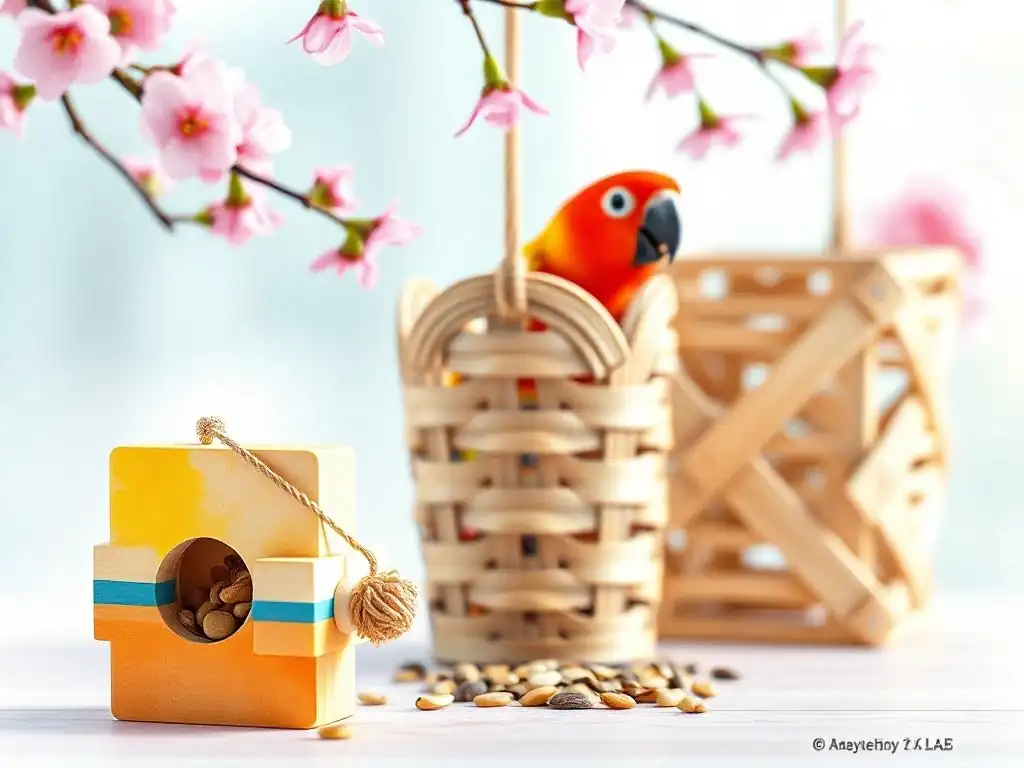
Introducing foraging toys to your intelligent bird shouldn't be a one-size-fits-all approach. The key to success lies in progressive difficulty. Starting with overly complex puzzles can be frustrating for your feathered friend, leading to disinterest and a potential aversion to foraging toys altogether. Imagine trying to solve a Rubik's Cube without knowing the basics – it's simply overwhelming! Instead, begin with simple foraging toys that allow your bird to readily access treats with minimal effort.
This builds confidence and positive associations with the activity. As your bird masters these easier puzzles, gradually introduce more challenging options. This gradual increase in complexity keeps your bird mentally stimulated and prevents boredom. Think of it like a training program for their brain – building strength and stamina through incremental challenges.
A good example of progressive difficulty might involve a series of foraging toys. You could start with a simple treat-dispensing ball where treats are easily accessible, then move to a puzzle feeder with larger openings, and finally, progress to a more intricate puzzle with smaller openings and hidden compartments requiring more manipulation to access the rewards. This approach prevents frustration and fosters a sense of accomplishment, encouraging your bird to engage with the toys consistently. This continuous learning process is crucial for maintaining their cognitive health and preventing behavioral issues often associated with boredom in highly intelligent birds.
Remember, the goal is to challenge your bird, not to discourage them. Observe their behavior closely and adjust the difficulty level accordingly. A happy, engaged bird is a sign you've found the perfect balance. 🎉
Adapting Foraging Toys to Your Bird's Species and Personality
Not all birds are created equal. Different species possess varying levels of intelligence and problem-solving skills, and even within a species, individual personalities can greatly influence how a bird interacts with foraging toys. A highly intelligent African Grey parrot will likely require far more complex puzzles than a budgie, for example. Therefore, selecting and adapting foraging toys requires careful consideration of your bird's specific needs and preferences. Observe your bird's behavior to determine their strengths and weaknesses. Does your bird prefer visual or tactile stimulation? Are they methodical problem-solvers or more impulsive?
For instance, a bird that enjoys visual challenges might thrive with puzzles that involve intricate designs or hidden compartments, while a bird that prefers tactile exploration might benefit from toys that require manipulating different textures and materials. You might need to modify existing toys to better suit your bird's abilities. This could involve enlarging openings, simplifying mechanisms, or adding visual cues to make the puzzle easier to understand. Conversely, for highly intelligent birds, you can increase the difficulty by adding more steps, smaller openings, or more complex mechanisms.
Remember, it's a process of trial and error – constantly assessing your bird's response and making adjustments to ensure they remain engaged and challenged. The ultimate goal is to create a stimulating environment that caters to your bird's unique personality and cognitive abilities. This personalized approach is crucial for maximizing the benefits of foraging enrichment.
Environmental Enrichment: Transforming Your Bird's Habitat
This section delves into advanced environmental enrichment strategies for intelligent birds, focusing on creating a stimulating and engaging habitat that goes beyond the basics. Providing a diverse and challenging environment is crucial for preventing boredom, encouraging natural behaviors, and promoting overall avian well-being. Remember, even the most intelligent bird can become despondent in a monotonous setting. The key is to create a space that mimics their natural environment as much as possible, offering opportunities for exploration, problem-solving, and self-expression. Advanced bird enrichment techniques require careful planning and execution, leading to a happier and healthier feathered friend.
Designing a Stimulating Aviary Environment: Branch Placement and Variety
Designing an aviary that promotes natural behaviors is paramount. Simply providing a few perches isn't sufficient for intelligent birds who crave variety and challenge. The placement and variety of branches are key components of advanced bird enrichment. Think about mimicking the natural foraging environment of your bird's species.
Consider these factors:
- Branch Diameter and Texture: Offer a range of branch diameters to accommodate different gripping preferences and exercises. Include branches with varying textures – smooth, rough, and even slightly splintered (ensure no splinters are sharp enough to cause injury). This variation provides tactile stimulation.
- Branch Height and Placement: Avoid placing branches at identical heights. Create a vertical landscape with branches at varying levels, encouraging climbing and aerial maneuvering. This mimics their natural environment where they would navigate trees and branches at different heights.
- Branch Arrangement: Avoid linear arrangements. Instead, create a more complex, three-dimensional structure with branches intersecting and overlapping. This encourages exploration and problem-solving as your bird navigates the space. Think of it as creating a miniature forest within the aviary.
- Branch Material: While wood is the staple, consider incorporating other safe, natural materials like sturdy vines or carefully prepared pieces of bamboo. Always ensure the materials are non-toxic and free from pesticides or harmful chemicals.
For example, a cockatoo aviary might benefit from thicker branches for strong gripping and sturdy perches for climbing, while a smaller parrot may appreciate a more intricate arrangement of thinner branches for agility exercises. Always supervise your bird during initial exposure to new branches to ensure safe interaction.
Incorporating Natural Elements: Wood, Vines, and Safe Plants
Beyond branches, incorporating natural elements significantly enhances the stimulating quality of your bird's environment. This provides opportunities for foraging, exploration, and interaction with diverse textures and scents.
- Wood: Different types of wood offer varying textures and scents. Consider including branches from fruit trees (ensure they are pesticide-free), driftwood (thoroughly cleaned and sanitized), and other safe wood types.
- Vines: Thick, sturdy vines can be woven into the aviary structure, providing climbing opportunities and a natural, textured addition. Ensure the vines are free from pesticides and thoroughly cleaned.
- Safe Plants: Introducing non-toxic plants can add visual appeal and provide opportunities for gentle interaction. Research thoroughly to identify plants that are safe for your specific bird species. Avoid plants with thorns or those known to be toxic to birds. Consider hanging plants in pots to prevent uprooting. 🌿
Creating Vertical and Horizontal Exploration Opportunities
Intelligent birds need both vertical and horizontal space to express their natural behaviors. A simple cage often fails to provide this. Advanced enrichment focuses on maximizing these opportunities.
- Vertical Exploration: This is crucial for mimicking the natural climbing and foraging behavior of birds. Provide various heights for perches, toys, and food sources, encouraging your bird to climb, stretch, and explore vertically. Consider adding climbing ropes or ladders to further enhance vertical exploration.
- Horizontal Exploration: Don't forget horizontal space! This can be achieved through the strategic placement of toys, foraging opportunities, and perches across the aviary floor. This promotes movement and exploration across the aviary's width and length. Consider creating different "zones" within the aviary, each with its own set of enrichment opportunities.
By combining these vertical and horizontal opportunities, you create a more complex and stimulating environment that caters to your bird's natural instincts and promotes a happier, healthier life. Remember, observation is key! Monitor your bird's interaction with the environment and adjust accordingly to ensure continued engagement and prevent boredom. Regularly rotate toys and introduce new elements to maintain a stimulating and enriching habitat.
Utilizing Different Textures and Materials for Perching
Providing a variety of perches is crucial for advanced bird enrichment. Going beyond simple dowels, we need to consider the texture and material of perches to stimulate your bird's feet and encourage natural foraging behaviors. Birds in the wild don't perch on uniform, smooth surfaces; their feet are constantly engaging with varied textures, promoting healthy foot muscles and preventing joint problems. Offering a diverse selection of perches mimics this natural environment and keeps your bird mentally engaged.
Consider incorporating perches made from natural materials like:
- Untreated wood: Branches from fruit trees (ensure they are pesticide-free! ), willow, and other safe hardwood varieties provide a natural, slightly rough surface. Remember to thoroughly clean and sterilize any branches before introducing them to your bird's cage.
- Rope perches: These offer a different grip and texture, stimulating your bird's feet and providing a fun, interactive element. Choose rope perches made from natural fibers like sisal or cotton, avoiding synthetic materials that could be harmful if ingested.
- Natural stone perches: These offer a cool, smooth surface, providing a contrast to rougher wood perches. However, choose only perches made from bird-safe stones and ensure they are securely mounted to prevent accidents.
- Sandpaper perches: These can help keep your bird's nails trimmed naturally, but use them sparingly, as excessive use can cause irritation.
The size and diameter of the perches are also critical. Offer a variety of sizes to accommodate your bird's different foot positions and allow for comfortable resting and climbing. Varying the perch diameter also strengthens different muscles in their feet. A single, uniform perch is simply insufficient for an intelligent bird. Remember that the goal is to replicate the varied and stimulating environment your bird would encounter in the wild.
Regularly rotate perches to maintain novelty and prevent boredom. A bird that is constantly stimulated by its environment is a happier, healthier bird. This simple change can significantly improve your feathered friend's quality of life. Observe your bird's preferences and adjust the perch selection accordingly to maximize their engagement and comfort.
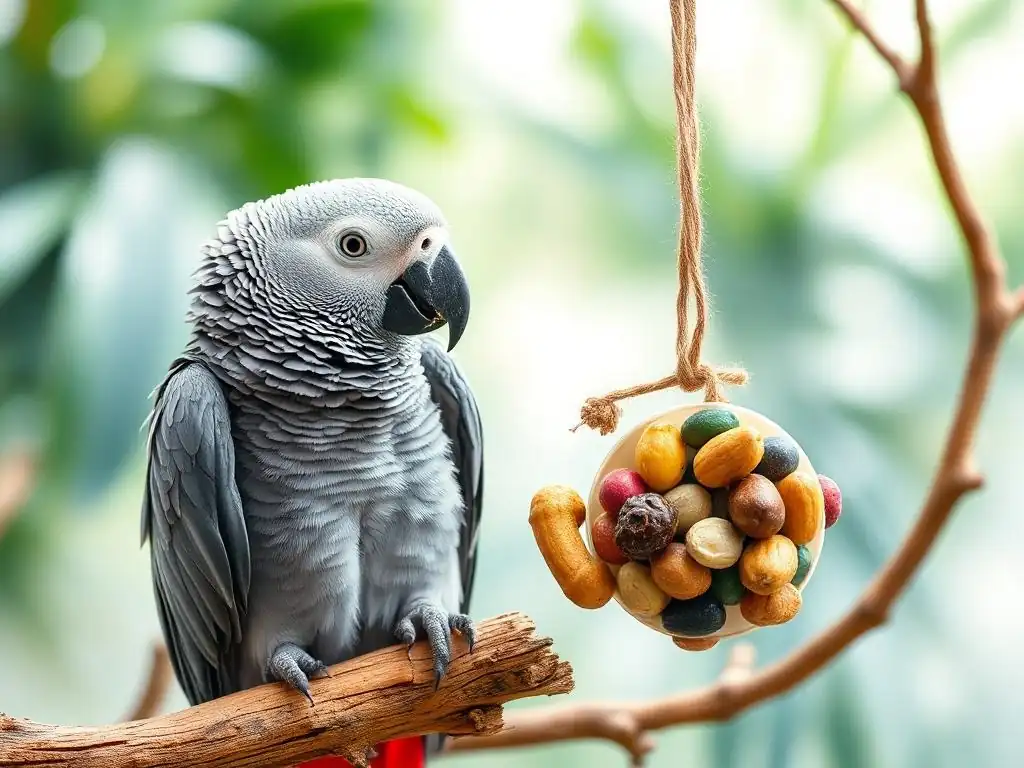
This section delves into advanced enrichment strategies designed to cater to the complex cognitive needs of intelligent bird species. We'll move beyond simple toys and explore techniques that promote problem-solving, social interaction, and a stimulating environment crucial for preventing boredom and promoting a happy, healthy bird. Ignoring these advanced needs can lead to behavioral issues such as feather plucking, excessive vocalization, or aggression. Providing robust mental and social stimulation is paramount for the well-being of your feathered friend. Remember, advanced bird enrichment techniques are not merely about entertainment; they are about fulfilling the inherent needs of highly intelligent birds.
Introducing Novel Objects and Interactions
Introducing novel objects and interactions is key to stimulating your bird's curiosity and preventing boredom. Simply rotating toys isn't enough; the novelty must be genuinely engaging. Consider introducing items with varying textures, shapes, and scents. Think beyond typical bird toys. For instance:
- Natural materials: Branches from safe trees (ensure they are pesticide-free! ), pinecones, pieces of untreated wood, and even safe, non-toxic shells.
- Foraging challenges: Hide treats within puzzle feeders, create foraging boxes with shredded paper and hidden goodies, or scatter food across the cage floor to encourage natural foraging behaviors. This taps into their inherent instinct to search for food, providing both mental and physical stimulation.
- Sensory exploration: Provide items with different textures – smooth stones, rough bark, soft fabrics (ensure they are bird-safe). This stimulates their tactile senses. Introduce new scents cautiously, using bird-safe essential oils diluted significantly in water and applied to a small, safe object.
- Rotating objects: Avoid simply swapping one toy for another. Introduce a completely new object every few days, rotating old favorites back in after a period of absence to maintain interest.
The frequency of introducing new items will depend on your bird's species and individual personality. Some birds are more easily stimulated than others. Observe your bird's reactions carefully; if it shows disinterest in a new item, try another approach or introduce it at a later date. Remember to always supervise your bird with any new object to ensure its safety.
Interactive Play with Your Bird: Training and Games
Interactive play is more than just tossing a toy; it's about engaging your bird in activities that require problem-solving and interaction with you. This strengthens your bond and provides crucial mental stimulation. Training games are excellent for this:
- Target training: Teach your bird to target a stick or other object, rewarding them with treats or praise. This builds focus and strengthens your bond.
- Trick training: Teach simple tricks like stepping up, waving, or retrieving small objects. This provides mental stimulation and a sense of accomplishment for your bird.
- Puzzle-solving games: Create simple puzzles using food, toys, and containers. Start with easy puzzles and gradually increase the difficulty as your bird progresses. This challenges their cognitive abilities and keeps them engaged.
- Hide-and-seek: Hide treats around the cage or room and let your bird find them. This encourages natural foraging behaviors and provides a rewarding experience.
Remember to keep training sessions short, positive, and rewarding. Use positive reinforcement techniques such as treats, praise, and affection. Never punish your bird for making mistakes. The goal is to create a fun and engaging experience for both you and your bird. Consistency is key to successful training and engagement.
Social interaction is vital for a bird's well-being. Many intelligent bird species are highly social creatures and thrive in the company of others. This doesn't necessarily mean introducing another bird; a strong bond with a human companion can also fulfill this social need:
- Pair bonding: If you're considering introducing another bird, do so with extreme caution and only after thorough research. Ensure compatibility and carefully monitor their interactions to prevent aggression or stress. Inappropriate pairings can significantly worsen a bird's mental state.
- Dedicated playtime: Spend quality time interacting with your bird daily. Talk to them, sing to them, and engage in interactive play. This strengthens your bond and provides crucial social interaction.
- Observing flock behaviors: Understanding your bird's species' natural social behaviors provides invaluable insights into their needs. Research the specific social dynamics of your bird's species to better understand and meet its social requirements.
- Mirror interactions: While not a replacement for real interaction, some birds enjoy interacting with their reflection. However, monitor this closely, as excessive interaction can sometimes lead to frustration or aggression.
Remember, providing advanced bird enrichment techniques is an ongoing process. Continuously observe your bird's behavior and adjust your enrichment strategies accordingly. A happy, stimulated bird is a healthy bird, and these advanced techniques are crucial for ensuring their overall well-being. The key is to provide a stimulating and engaging environment that caters to their unique intelligence and social needs.
Stimulating Cognitive Function with Mirror Play (with caveats)
Mirrors can be a fascinating and engaging tool for stimulating cognitive function in intelligent birds, particularly those known for their self-awareness, such as African Greys and cockatoos. The reflection provides a novel visual stimulus, prompting exploration and interaction. Birds might engage in various behaviors, such as preening their reflection, vocalizing, or even attempting to interact physically with their mirrored "self." This interaction can be mentally stimulating, challenging their problem-solving abilities and prompting creative responses.
Observing their interactions with their reflection can offer valuable insights into their cognitive processes and personality. For example, a bird that displays aggressive behavior towards its reflection might be exhibiting territorial behavior or frustration, indicating a need for additional environmental enrichment. Conversely, a bird that engages in playful interactions suggests a healthy level of curiosity and mental agility.
However, it's crucial to approach mirror enrichment with caution. Prolonged exposure to a mirror can, in some cases, lead to behavioral issues. Some birds may become overly fixated on their reflection, neglecting other aspects of their environment and potentially developing obsessive behaviors. This fixation can manifest as excessive preening of only the areas visible in the mirror, leading to feather damage, or even a decline in social interaction with their human companions.
Furthermore, some birds may exhibit frustration or aggression towards their reflection, leading to stress and self-injurious behaviors. Therefore, introducing mirrors should be done gradually and monitored closely. It's recommended to offer mirror play in short, supervised sessions and to observe the bird's reaction carefully. If signs of stress, frustration, or obsessive behavior appear, the mirror should be removed immediately.
The key is moderation and careful observation to ensure that mirror play remains a positive and enriching experience rather than a source of stress or anxiety. A healthy balance of mirror play alongside other enrichment activities is crucial for maintaining a well-rounded and stimulating environment for your intelligent bird. Consider rotating the mirror with other toys and activities to prevent over-reliance on this single form of enrichment. 🐦
Advanced Bird Enrichment: Safety Considerations and Best Practices
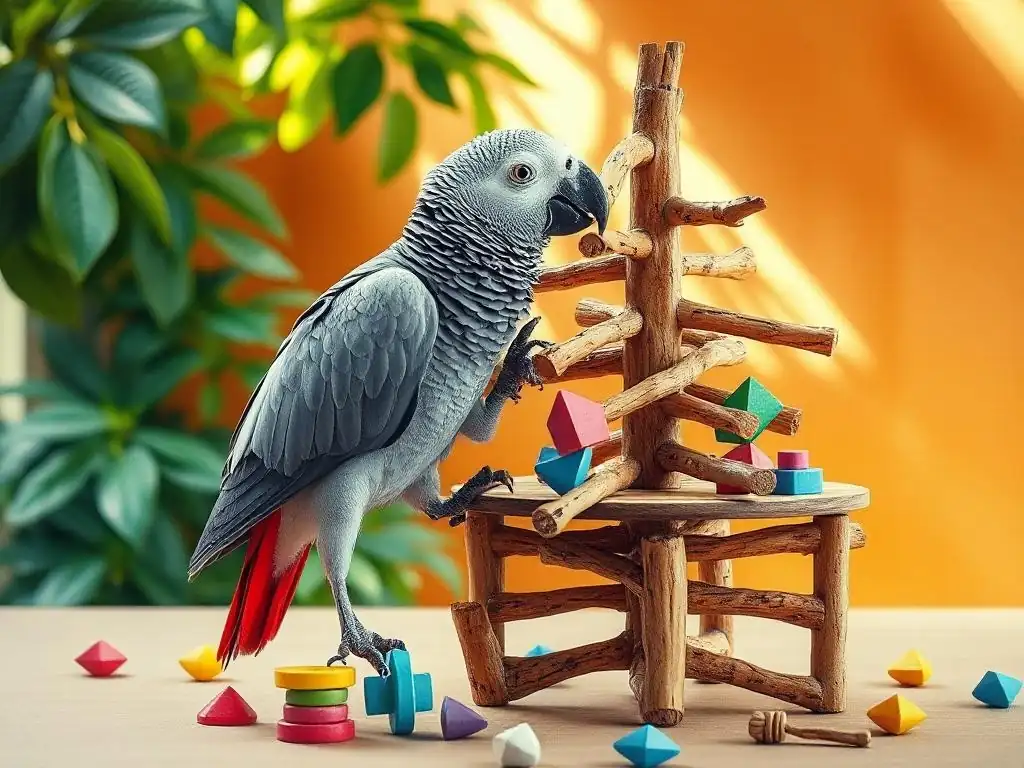
Advanced bird enrichment techniques, while stimulating and beneficial for your feathered friend's cognitive and physical well-being, require careful consideration of safety. Ignoring safety protocols can lead to injury, illness, or even death for your beloved bird. This section focuses on ensuring your bird's safety while providing enriching experiences. Remember, a stimulating environment is only valuable if it's also a safe one. The key is to strike a balance between challenging your bird mentally and physically while minimizing any potential risks.
Ensuring Toy Safety: Avoiding Toxic Materials and Hazardous Designs
Choosing safe toys is paramount. Many materials commonly used in bird toys are potentially toxic. Avoid toys made from:
- Lead-based paints: Lead poisoning is a serious and often fatal threat to birds. Always check for certifications confirming the absence of lead.
- Zinc: Galvanized metal parts can leach zinc, which is highly toxic to birds.
- Uncoated wood: Untreated wood can contain splinters or harmful chemicals. Opt for toys made from hardwoods treated with bird-safe finishes.
- Small parts: Birds are notorious for chewing and swallowing small objects. Ensure all parts are too large to be ingested. Avoid toys with loose threads, small beads, or anything that could easily break off.
- Elastic bands or rubber bands: These can cause strangulation or intestinal blockages.
Always inspect toys regularly for damage or wear and tear. Discard any toy showing signs of deterioration to prevent ingestion of harmful materials. Consider rotating toys regularly to maintain your bird’s interest and prevent them from becoming overly attached to a single item. Variety is key when it comes to advanced bird enrichment, but safety should always be the top priority. Think of it as a form of proactive bird healthcare.
Monitoring Your Bird's Interaction with Enrichment Items
Active supervision, especially during the introduction of new enrichment items, is crucial. Observe your bird's behavior closely to identify potential hazards. Some birds might be more destructive than others, and certain materials may pose more of a risk depending on your bird's species and personality. Look for signs of:
- Excessive chewing: If your bird is excessively chewing on a toy, it might be a sign that the material is too soft or that they are trying to ingest it. Remove the toy immediately.
- Ingestion of small parts: This is a serious concern. If you suspect your bird has swallowed a small piece of a toy, contact your avian veterinarian immediately.
- Tangling or entanglement: Make sure toys are securely fastened and cannot pose a strangulation risk. Avoid toys with long strings or dangling parts.
- Stress or fear: If your bird exhibits signs of stress or fear while interacting with an enrichment item, remove it. Enrichment should be positive and enjoyable, not stressful.
Regular monitoring allows you to assess the suitability of each enrichment item and make adjustments as needed. Consider keeping a log of your bird’s interactions with different toys, noting their reactions and any potential safety concerns. This proactive approach ensures that your advanced bird enrichment techniques remain safe and effective.
Adjusting Enrichment Based on Your Bird's Response
Advanced bird enrichment isn't a one-size-fits-all approach. What works for one bird may not work for another. Observe your bird's response to different enrichment items and adjust your strategy accordingly. Pay close attention to:
- Level of engagement: Is your bird actively interacting with the toy, or is it ignoring it? If a toy isn't stimulating your bird, try a different one. Consider rotating toys regularly to maintain interest.
- Destructive behavior: Some birds are more destructive than others. If your bird is consistently destroying toys, you might need to provide more durable options or adjust the type of enrichment offered.
- Signs of stress or boredom: If your bird seems stressed or bored, even with a variety of enrichment items, you may need to increase the challenge level or introduce new types of enrichment.
Remember, the goal of advanced bird enrichment is to stimulate your bird's mind and body and prevent boredom. By carefully monitoring your bird's response and making necessary adjustments, you can ensure that your enrichment techniques are both effective and safe. Continuous observation and adaptation are key to providing optimal care for your intelligent avian companion. This dynamic approach to enrichment ensures that your bird remains happy, healthy, and mentally stimulated.
The Importance of Regular Enrichment Rotation and Variety
Providing a stimulating environment for your intelligent bird isn't a one-time task; it's an ongoing process requiring consistent effort and adaptation. The key to truly effective advanced bird enrichment lies in the principle of rotation and variety. Simply put, birds, especially highly intelligent species like African Greys or Amazons, quickly become bored with repetitive stimuli. What excites them today might be ignored tomorrow. This is why regularly changing their toys, foraging opportunities, and environmental features is crucial for maintaining their cognitive engagement and preventing behavioral problems stemming from boredom.
Think of it like a human's diet – we wouldn't eat the same meal every day for years, would we? Similarly, a monotonous enrichment program will lead to decreased interest and potentially even frustration in your bird. By rotating toys, you introduce novelty and challenge, keeping your feathered friend mentally sharp and preventing them from developing destructive behaviors like feather plucking or excessive screaming, often indicators of boredom and lack of mental stimulation. A bird that is constantly challenged and engaged is a happier and healthier bird.
Variety is equally important. Offering a diverse range of enrichment activities caters to different aspects of your bird's natural behaviors. Some days, they might be engrossed in a complex foraging puzzle; other days, they might prefer exploring a new texture or engaging in social interaction with you. This variety ensures that their brains are constantly working, preventing the onset of boredom and promoting a sense of satisfaction and accomplishment.
A well-rounded enrichment program should include a mix of physical, cognitive, and social challenges, ensuring that all aspects of their intelligence are stimulated. Remember, the goal is to create a dynamic and ever-changing environment that keeps your bird engaged and intellectually fulfilled. This requires careful planning and observation to understand what your bird finds most stimulating and adjusting your approach accordingly. The reward, however, is a happy, healthy, and well-adjusted companion.
Measuring the Success of Your Advanced Enrichment Strategies
Implementing advanced bird enrichment techniques requires careful monitoring to ensure their effectiveness. Simply providing new toys isn't enough; you need to assess whether these strategies are truly enhancing your bird's quality of life. This involves a multi-faceted approach, focusing on behavioral observations, physical health indicators, and dietary habits. The goal is to identify positive changes indicative of a stimulated and content bird, allowing for adjustments to your enrichment program as needed. Ignoring this crucial step can lead to wasted effort and, potentially, a less-than-optimal environment for your feathered friend. Let's delve into the key metrics for evaluating your success.
Observing Behavioral Changes: Increased Activity and Engagement
A significant indicator of successful advanced bird enrichment is a noticeable increase in activity levels and engagement. Instead of listless perching or repetitive behaviors (like feather plucking), you should observe a more varied repertoire of actions. Look for:
- Increased exploration: Does your bird actively investigate new toys and puzzles? Do they spend more time manipulating objects and exploring different parts of their cage?
- Enhanced foraging behavior: Are they actively searching for food within puzzle feeders or foraging toys, exhibiting natural foraging instincts? This is a crucial element of successful enrichment.
- Vocalizations and play: Does your bird exhibit more varied and enthusiastic vocalizations? Do they engage in more interactive play, both independently and with you? Increased playful interactions are a strong positive sign.
- Reduced stereotypic behaviors: Has the frequency of repetitive, abnormal behaviors, such as feather plucking, decreased? This is a particularly important metric for birds exhibiting signs of boredom or stress.
For example, a cockatoo that previously spent hours preening the same feather might now show increased interest in dismantling a wooden puzzle toy, displaying a more varied and natural behavioral pattern. This transition signifies a positive response to the implemented enrichment strategies. Careful daily observation, ideally documented in a journal or log, is key to detecting these subtle yet significant shifts.
Assessing Feather Condition and Overall Well-being
Beyond behavioral changes, the physical well-being of your bird is a critical barometer of enrichment success. A thriving bird will exhibit healthy plumage and a vibrant demeanor. Examine the following:
- Feather quality: Are the feathers smooth, glossy, and free from damage? Poor feather condition can indicate stress, boredom, or underlying health issues. Observe for signs of feather plucking, which is often a behavioral problem linked to inadequate enrichment.
- Body condition: Is your bird maintaining a healthy weight? Is their body posture upright and alert? A decline in weight or a hunched posture might suggest underlying problems, including insufficient enrichment.
- Bright eyes and alertness: Do their eyes appear bright and clear? Are they attentive to their surroundings? Dull eyes and lethargy can signal stress or illness.
- Cleanliness: Is your bird maintaining good hygiene? A lack of self-grooming can be a sign of stress or illness, indirectly related to insufficient enrichment.
For instance, a consistently dull-looking parrot with ruffled feathers might benefit from a change in enrichment activities. A shift towards more stimulating puzzles and social interaction could improve their feather condition and overall appearance, indicating the positive impact of adjusted enrichment strategies.
Tracking Feeding Patterns and Appetite
Monitoring your bird's feeding patterns provides valuable insights into their well-being and response to enrichment activities. Changes in appetite can be subtle yet significant indicators of stress or boredom. Consider:
- Food consumption: Is your bird consistently eating its daily food allowance? A decrease in appetite can be a sign of stress or illness, potentially linked to inadequate enrichment.
- Variety in food choices: Does your bird show interest in a variety of foods? A lack of interest in different foods might indicate a lack of stimulation or a need for more diversified foraging opportunities.
- Foraging behaviors: Are they actively engaging in foraging behaviors, even when provided with easily accessible food? This indicates a healthy interest in obtaining food, a natural behavior often stimulated by enrichment activities.
Table 1: Example of Tracking Feeding Patterns
| Date | Food Consumed (grams) | Variety of Foods Eaten | Foraging Behavior Observed? | Notes |
|---|---|---|---|---|
| 2024-10-26 | 50 | 3 | Yes | Enthusiastically used puzzle feeder. |
| 2024-10-27 | 45 | 2 | No | Seemed less interested in foraging today. |
| 2024-10-28 | 52 | 4 | Yes | New foraging toy introduced. |
Regularly tracking these factors helps identify patterns and allows for timely adjustments to your enrichment plan, ensuring that your bird receives the optimal level of mental and physical stimulation. Remember, advanced bird enrichment is an ongoing process of observation, adjustment, and refinement.
Long-Term Monitoring and Adaptation of Enrichment Programs
Implementing advanced bird enrichment techniques isn't a one-time event; it's an ongoing process requiring consistent monitoring and adaptation. Just as your bird's needs change with age and experience, so too should your enrichment strategies. Failing to adapt can lead to a decline in engagement, indicating a need for a fresh approach. Regular observation is crucial. This isn't simply about casually glancing at your bird; it involves dedicated time spent meticulously observing their behavior, noting patterns, and identifying areas for improvement.
Do they consistently ignore certain toys? Do they engage with some for only short periods? Are they exhibiting signs of stress or boredom, such as feather plucking or excessive vocalization? These are all key indicators that your current enrichment program may need adjustments.
Consider keeping a detailed enrichment journal. Record the types of toys and activities provided, the duration of engagement, and your bird's reactions. This detailed record provides valuable data to track progress and identify trends over time. For example, you might notice that a particular foraging toy initially held your bird's attention for hours, but now only garners a few minutes of interest.
This suggests that the challenge level is no longer sufficient, and you may need to modify it or introduce a more complex foraging puzzle. Perhaps adding more challenging compartments or using smaller treats will re-ignite their interest. Alternatively, the toy might simply be losing its novelty; rotating toys regularly helps maintain engagement.
Adapting your enrichment program isn't just about replacing old toys with new ones. It's about understanding why your bird is losing interest. Is it the type of challenge, the material of the toy, the reward system, or something else entirely? Experimenting with different materials, textures, and reward types can significantly impact your bird's engagement level. Perhaps your bird prefers natural materials like wood and branches over plastic toys.
Or maybe they respond better to smaller, more frequent rewards rather than larger, less frequent ones. The key is to remain flexible and willing to experiment, constantly refining your approach based on your bird's individual preferences and responses. Remember, successful advanced bird enrichment is a dynamic, evolving process, not a static solution. By staying observant, adaptable, and committed to your bird's well-being, you can ensure they live a stimulating and fulfilling life.
Frequently Asked Questions
What are some advanced bird enrichment techniques beyond basic toys?
Many advanced techniques focus on cognitive stimulation. This includes puzzle feeders requiring problem-solving, training sessions teaching new tricks, and creating environmentally complex cages with varied textures and hiding spots.
How can I create a more stimulating environment for my highly intelligent bird?
Introduce novel objects regularly, rotate toys frequently, and provide opportunities for foraging and exploration. Consider incorporating environmental changes, like rearranging perches or adding branches of different sizes and textures.
My bird seems bored despite having many toys. What should I do?
Assess the complexity of your current toys. Are they challenging enough? Introduce interactive games, like hide-and-seek with treats, or try training exercises that engage their minds. Consider consulting an avian veterinarian or behaviorist.
Are there any risks associated with advanced bird enrichment?
While enrichment is generally beneficial, supervision is crucial. Ensure toys are safe and non-toxic, and monitor your bird for any signs of stress or frustration. Proper introduction of new items is also vital.
How often should I change or add new enrichment items for my bird?
Aim for regular rotation, replacing or adding new items at least weekly, or even more frequently for highly intelligent birds. This maintains novelty and prevents boredom. Observe your bird's reactions to gauge their engagement and adjust accordingly.
Final Reflection: Unlocking Avian Potential Through Enrichment
The sophisticated cognitive abilities of birds are increasingly recognized, demanding a shift from basic care to enriching environments that stimulate their minds and bodies. Ignoring this need not only diminishes their quality of life but also limits our understanding of these remarkable creatures. We are only beginning to scratch the surface of what truly constitutes optimal avian welfare.
The journey into advanced bird enrichment techniques reveals a profound connection between environmental stimulation and the overall well-being of our feathered companions. It's not simply about providing toys; it's about fostering a sense of agency, problem-solving skills, and a vibrant, engaging existence. As renowned avian biologist Irene Pepperberg once stated, Parrots are not just pets; they are sentient beings capable of complex thought and emotion.
This understanding underscores the ethical imperative to provide enrichment that goes beyond the rudimentary. The impact of this enriched environment extends beyond the individual bird, shaping our understanding of animal cognition and influencing future approaches to animal welfare across species.
Consider the implications of what you've learned. You now possess the knowledge to create a truly enriching environment for your bird, fostering a deeper bond and enriching their lives immeasurably. Take the time to observe your bird's interactions with new enrichment items, adapt your strategies based on their preferences, and continue to learn and grow alongside your feathered friend. The journey of providing advanced enrichment is a continuous process of discovery, revealing the incredible potential within each individual bird. Embrace this challenge, and witness the transformative power of a truly stimulating environment.
Unleash Your Bird's Inner Genius!
Thanks for exploring avian enrichment! You've learned valuable techniques to keep your feathered friend happy, stimulated, and mentally sharp. Ready to put this knowledge into practice?
- Design a challenging puzzle feeder for your bird: This is key to stimulating problem-solving skills and providing hours of engaging activity. Get creative—think outside the cage!
- Share your enrichment experiences: Join our PetCareWorld community forum and connect with other bird lovers. Let's learn from each other's successes and challenges!
- Introduce a new enrichment activity each week: Keep things exciting and prevent boredom by regularly challenging your bird with new puzzles and toys.
What enriching activities will you introduce this week to make your bird's life even more fulfilling?