
How to Encourage a Picky Reptile to Eat Insects

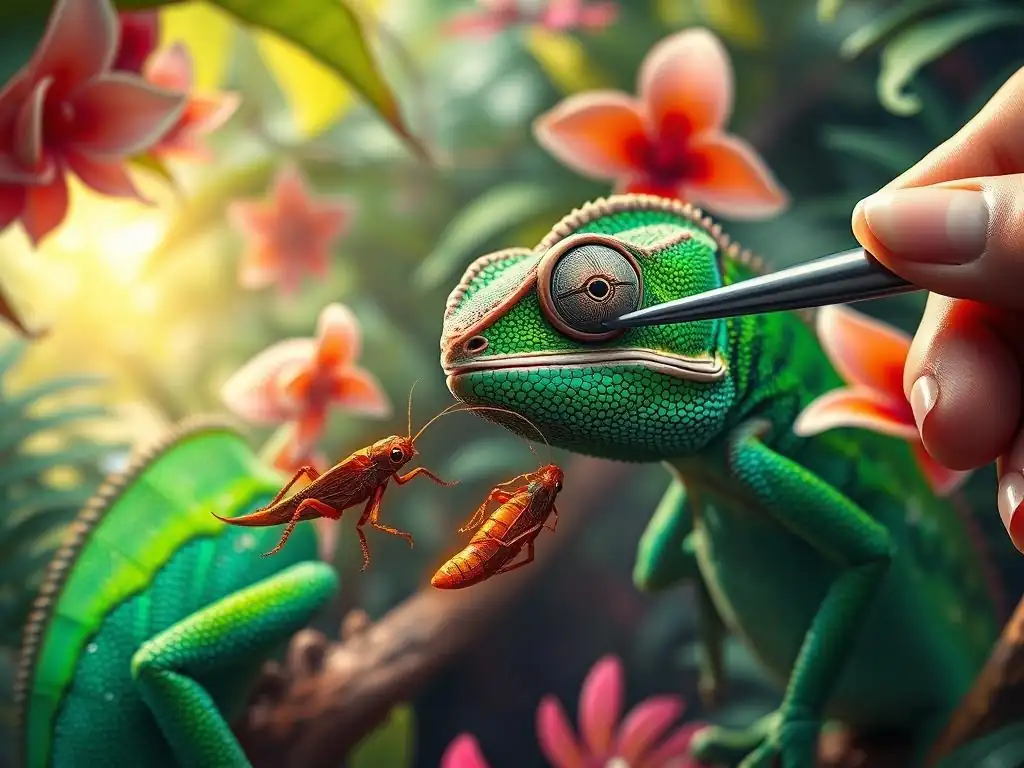
Welcome to PetCareWorld, your ultimate guide to the wonderful world of pet care! Are you facing the frustrating challenge of a picky reptile refusing its essential insect meals? We understand the worry. Discover practical solutions and expert advice on how to encourage even the most discerning reptile to eat insects in our comprehensive guide, "How to Encourage a Picky Reptile to Eat Insects," found within our Reptiles & Exotic Pets section. Uncover the secrets to a happy, healthy reptile – and start exploring now!
- Understanding Your Picky Reptile's Dietary Needs
- Troubleshooting Picky Reptile Insect Feeder Solutions
- Enhancing the Appeal of Insect Feed for Picky Reptiles
- Seeking Veterinary Assistance for Persistent Feeding Problems
- Long-Term Strategies for Maintaining a Healthy Diet in Picky Reptiles
- Frequently Asked Questions
- Final Reflection: Nourishing the Inner Beast: A Journey Beyond the Feed Bowl
- Unlock Your Reptile's Appetite: A Delicious Next Step
Understanding Your Picky Reptile's Dietary Needs
Many reptile owners face the frustrating challenge of a picky eater, especially when it comes to insects. Successfully keeping insectivorous reptiles requires a deep understanding of their specific needs, going beyond simply offering a variety of bugs. This comprehensive guide provides practical solutions to encourage reluctant reptiles to consume the crucial insects necessary for their health and well-being. We'll explore how to identify the root causes of picky eating, and implement strategies to improve your reptile's diet and overall health.
This article focuses on providing practical, evidence-based solutions to the common problem of "picky reptile insect feeder solutions," empowering you to become a more confident and capable reptile caregiver. The information provided will help you navigate the complexities of ensuring your reptile receives the proper nutrition, leading to a happier and healthier pet. Remember, a healthy diet is the cornerstone of a thriving reptile.
Identifying the Species-Specific Requirements for Insect Consumption
Understanding your reptile's specific dietary needs is paramount. Different species have vastly different insect preferences and nutritional requirements. For example, a Leopard Gecko might readily accept crickets, while a Bearded Dragon might show a preference for dubia roaches or mealworms. Failing to meet these species-specific needs can lead to nutritional deficiencies and health problems.
Before attempting any solutions, consult reliable sources like herpetological guides or veterinary professionals specializing in reptiles to determine the ideal insect diet for your specific species. Consider factors like:
- Insect Size: Insects should be appropriately sized for your reptile's mouth. Too large, and it may struggle to eat; too small, and it won't provide sufficient nutrition.
- Insect Variety: Offering a diverse range of insects ensures a balanced intake of essential nutrients. Monotonous diets can lead to deficiencies.
- Gut Loading: Gut-loading insects with nutritious foods before feeding them to your reptile significantly enhances the nutritional value of their diet. This is a crucial step often overlooked. Consider feeding the insects high-quality fruits, vegetables, and commercial gut-load diets.
- Frequency of Feeding: The frequency of feeding will also vary depending on the species, age, and size of your reptile. Young, growing reptiles will require more frequent feeding than adults.
Assessing Your Reptile's Current Health and Appetite
Before implementing any dietary changes, it's crucial to assess your reptile's overall health and appetite. A sudden decrease in appetite could indicate an underlying health issue. Observe your reptile closely for any signs of illness, including:
- Lethargy: Unusual inactivity or sluggishness.
- Weight Loss: A noticeable decrease in body weight.
- Dehydration: Sunken eyes or loose skin.
- Respiratory Issues: Wheezing, gasping, or open-mouth breathing.
- Changes in Stool: Unusual color, consistency, or frequency.
If you observe any of these signs, consult a veterinarian specializing in reptiles immediately. Treating any underlying health condition is essential before addressing picky eating habits. A vet can perform a thorough examination and recommend appropriate treatment. Ignoring health issues can exacerbate the problem and potentially lead to more serious complications. Don't hesitate to seek professional help; early intervention is key.
Recognizing Signs of Illness Affecting Feeding Habits in Reptiles
Several illnesses can directly impact a reptile's appetite and feeding habits. These illnesses often manifest through subtle changes in behavior and physical condition. Recognizing these signs early can be crucial for prompt veterinary intervention and a better prognosis. Some common illnesses that can affect appetite include:
- Metabolic Bone Disease (MBD): Often caused by improper calcium and vitamin D3 levels in the diet. Symptoms may include lethargy, weakness, and bone deformities. This can directly impact the reptile's ability and desire to eat.
- Parasite Infections: Internal parasites can lead to weight loss, lethargy, and decreased appetite. Regular fecal exams are recommended to detect and treat parasite infestations.
- Bacterial or Viral Infections: Various bacterial or viral infections can cause anorexia (loss of appetite) and other systemic symptoms.
- Stress: Environmental factors such as improper temperature, humidity, or inadequate hiding places can cause stress, which can manifest as a decreased appetite.
Remember, a healthy reptile is more likely to have a healthy appetite. Addressing any underlying health issues is the first and most important step in resolving picky eating habits. Early detection and prompt veterinary care are vital in ensuring your reptile's well-being.
Troubleshooting Picky Reptile Insect Feeder Solutions
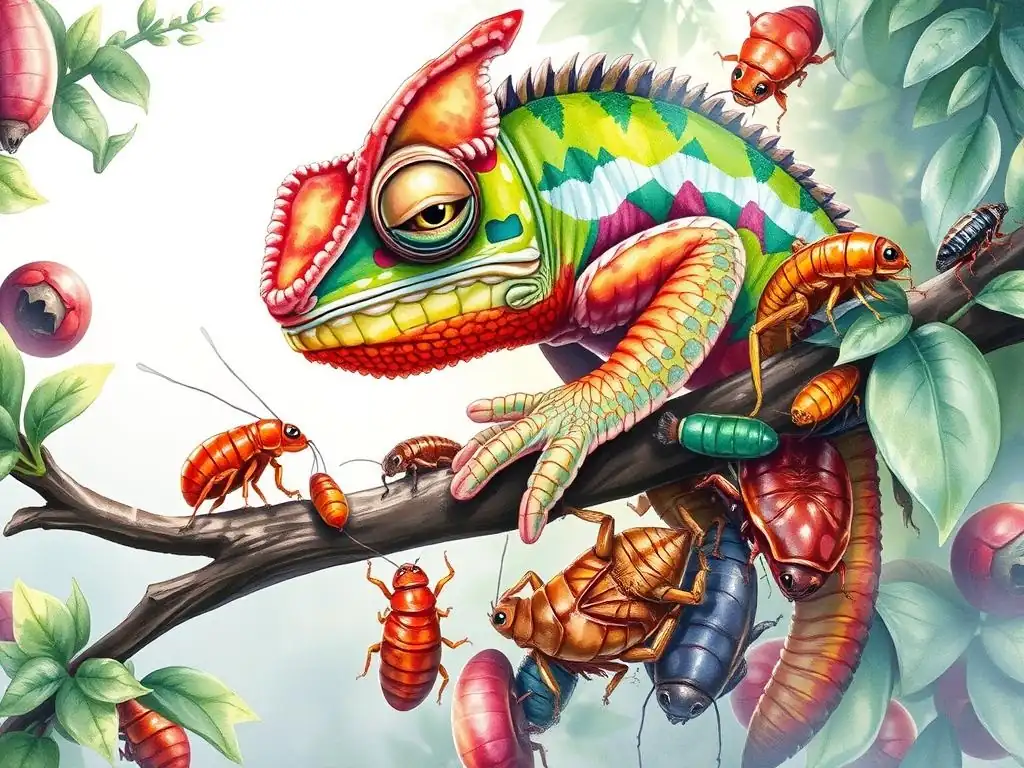
This section delves into practical solutions for reptile owners facing the common challenge of encouraging their insectivorous pets to eat. Many reptile owners encounter situations where their scaly companions display a finicky appetite, refusing previously favored insects. This can lead to nutritional deficiencies and health problems. Understanding the underlying causes and implementing effective strategies is crucial for maintaining a healthy and thriving reptile. This guide provides actionable steps to address this issue, focusing on diverse approaches to entice even the most discerning reptile eater. Remember, patience and observation are key components of successful reptile husbandry.
Analyzing Insect Variety and Presentation
A picky reptile often signals a need for dietary diversification. Monotony in insect offerings can lead to boredom and refusal to eat. Therefore, offering a rotating selection of insects is paramount. Consider the following:
- Variety is Key: Don't stick to just one type of insect. Offer a mix of crickets, mealworms, dubia roaches, waxworms (in moderation), and other appropriate insects for your specific reptile species. Each insect offers a slightly different nutritional profile.
- Presentation Matters: The way you present insects can significantly influence your reptile's willingness to eat. Try scattering insects across a wider area of the enclosure rather than placing them all in one spot. Some reptiles prefer to hunt, so mimicking this natural behavior can encourage feeding.
- Gut Loading Insects: This is crucial. Before feeding insects to your reptile, ensure they've been gut-loaded with nutritious food like high-quality commercial insect food, leafy greens, and vegetables. This enhances the nutritional value of the insects for your reptile.
- Dusting with Supplements: Regularly dusting insects with calcium and vitamin D3 powder is essential for preventing metabolic bone disease (MBD) and ensuring your reptile receives vital nutrients. Follow the recommended dosage on the supplement packaging specific to your reptile species.
| Insect Type | Nutritional Benefits | Potential Drawbacks |
|---|---|---|
| Crickets | Good source of protein and chitin | Can be less nutritious than other options |
| Mealworms | High in fat, good source of protein | Can be hard to digest in large quantities |
| Dubia Roaches | High in protein, lower in fat than mealworms | Can be more expensive than other insect choices |
| Waxworms (Limited) | High in fat, used as occasional treats only | Very high in fat; should not be a staple food |
The Importance of Live vs. Frozen Insects for Reptile Feeding
The choice between live and frozen insects is a significant factor in picky reptile feeding. While live insects are often preferred due to their movement and natural appeal, frozen insects offer convenience and a controlled diet.
- Live Insects: The movement and natural behavior of live insects are strong attractants for many reptiles. This mimics their natural hunting behavior and can stimulate their appetite. However, ensure the insects are safe and free from parasites.
- Frozen Insects: Frozen insects are a convenient option, particularly for busy owners. They offer a controlled and consistent nutritional profile, as long as they are properly thawed and dusted with supplements. However, some reptiles may be less inclined to eat them compared to live insects.
- Thawing Frozen Insects: Thaw frozen insects thoroughly and gently before feeding, using methods like placing them in a mesh bag in lukewarm water. Avoid sudden temperature changes.
The decision often depends on your reptile's individual preferences and your lifestyle. Experiment with both to see which your reptile responds to best. Some owners find success by offering a combination of live and frozen insects.
Experimenting with Different Insect Sizes and Species
Insect size is another critical factor. A reptile might refuse larger insects simply because they are too difficult to handle or swallow.
- Size Matters: Start with smaller insects and gradually increase the size as your reptile grows and becomes more confident. Always ensure the insect is appropriately sized for your reptile's mouth and body.
- Species-Specific Preferences: Different reptile species have different preferences for insect types. Research the specific dietary needs of your reptile and offer a variety of insects that are appropriate for their species. For example, a Leopard Gecko might readily consume crickets, but a Bearded Dragon may show more interest in dubia roaches.
- Observation and Adjustment: Carefully observe your reptile's feeding habits. Note which insects it prefers, the sizes it readily consumes, and any signs of reluctance or difficulty. Adjust your feeding strategy accordingly. Keep a detailed feeding log to track progress and identify patterns. This meticulous approach is key to addressing picky eating habits in your insectivorous reptile. 🐛
Addressing Potential Environmental Factors Affecting Appetite
Environmental conditions significantly impact a reptile's appetite. A reptile that's refusing insects might not be doing so out of mere pickiness, but rather because its environment isn't conducive to healthy eating. Several factors need careful consideration. Temperature gradients are crucial; reptiles are ectothermic, meaning they rely on external sources for heat regulation.
An inadequate thermal gradient, lacking both basking and cooler zones, can lead to lethargy and decreased appetite. For example, a bearded dragon kept at a consistently cool temperature might simply be too sluggish to actively hunt or consume insects. Ensuring the correct temperature range, using appropriate heating devices like heat lamps or under-tank heaters, and monitoring temperatures with accurate thermometers are vital steps. Remember that different species have different temperature requirements.
Beyond temperature, humidity plays a critical role. Many insectivorous reptiles require specific humidity levels to maintain healthy skin and overall well-being. Low humidity can lead to dehydration and lethargy, directly affecting appetite. Conversely, excessively high humidity can promote bacterial or fungal growth, making the reptile unwell and further reducing its desire to eat.
Using a hygrometer to monitor humidity levels is essential. Adjusting humidity can involve misting the enclosure, using a humidifier, or modifying substrate type to retain moisture. For instance, a leopard gecko might require a drier environment compared to a green tree frog which needs significantly higher humidity. Incorrect humidity can easily lead to a reptile refusing food, mistaking the problem for simple pickiness.
Finally, consider the enclosure itself. Is it appropriately sized for the reptile? Overcrowding or a lack of hiding places can cause stress, leading to reduced appetite. A stressed reptile will prioritize safety and survival over feeding. Providing ample space, secure hiding spots, and appropriate substrate helps create a secure and comfortable environment that encourages natural feeding behaviors.
A feeling of security is paramount for a reptile to feel comfortable enough to eat. Observe your reptile's behavior; if it constantly hides or displays signs of stress, reassess its environment. A simple change, like adding more foliage or a larger hide, can dramatically improve its well-being and appetite. Remember, a comfortable and stimulating environment is a fundamental component of successful reptile care and directly influences feeding habits.
Enhancing the Appeal of Insect Feed for Picky Reptiles
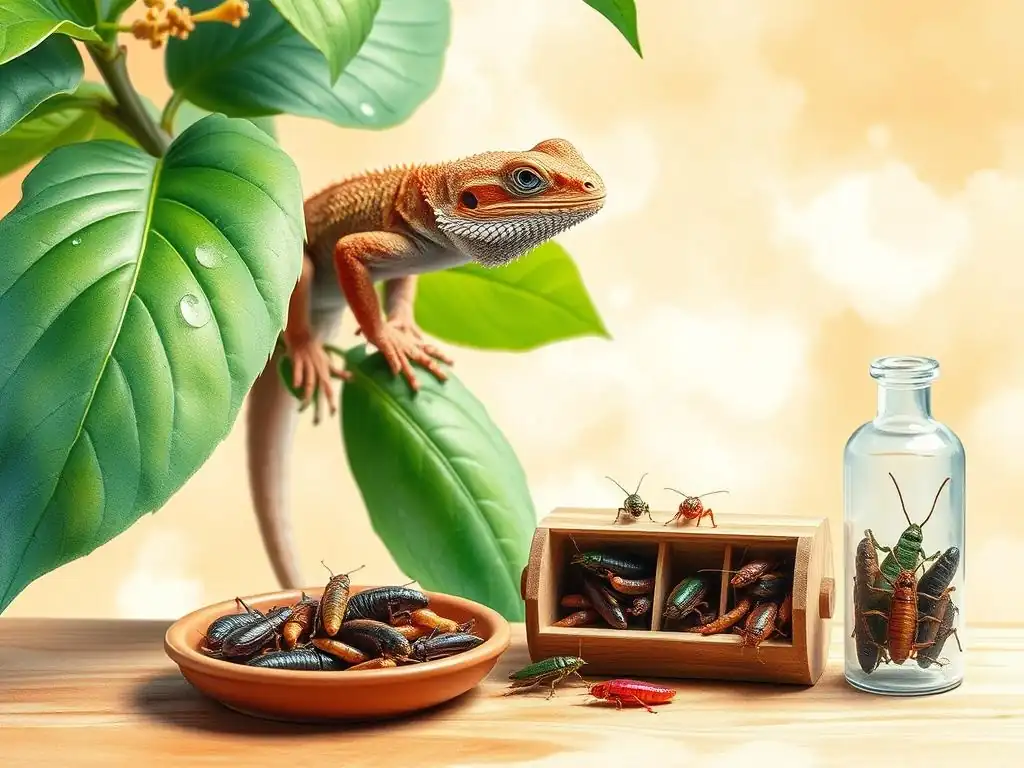
Picky eating in reptiles, particularly insectivores, is a common concern for owners. Successfully encouraging a reptile to consume a varied and sufficient insect diet requires understanding their natural foraging behaviors and adapting feeding strategies accordingly. This section focuses on practical solutions to improve the palatability and attractiveness of insect feed, ultimately addressing the challenge of "Picky reptile insect feeder solutions". We'll explore techniques to make insects more appealing, focusing on presentation, scent, visual stimuli, and environmental factors. Remember, consistency and patience are key to success in modifying a reptile's eating habits.
Improving Insect Presentation Techniques
The way you present insects significantly impacts a reptile's willingness to eat. Simply dropping insects into the enclosure might not stimulate a reptile's natural hunting instincts. Instead, consider these techniques:
- Live vs. Pre-killed: While live insects mimic natural prey, some reptiles prefer the convenience of pre-killed insects, especially those who are particularly lethargic or ill. Experiment to determine your reptile's preference. If using live insects, ensure they are appropriately sized and active to trigger a feeding response.
- Variety in Presentation: Avoid monotony. Vary the type of insects offered, their size, and the method of presentation. One day, you might use tweezers to offer a cricket; the next, you might scatter several mealworms in a specific area of the enclosure.
- Location Matters: Observe your reptile's preferred feeding locations within the enclosure. Does it prefer a specific basking spot or a hidden area? Present the insects in or near these locations.
- Using a Feeding Dish: For some reptiles, a shallow dish can be a helpful tool. This provides a designated feeding zone and makes it easier for the reptile to locate its food. However, ensure the dish is cleaned regularly to prevent bacterial growth.
Utilizing Scent and Visual Stimuli to Increase Feeding Interest
Reptiles rely heavily on their senses, particularly smell and sight, to locate prey. Enhancing these stimuli can significantly improve the appeal of insect feed:
- Scent Enhancement: Some keepers use small amounts of reptile-safe attractants to enhance the smell of insects. However, it is crucial to research thoroughly and use only products specifically designed for reptiles. Overuse or inappropriate attractants can be harmful.
- Movement and Animation: Live insects naturally move, which triggers a feeding response. If using pre-killed insects, consider gently moving them with tweezers to simulate movement.
- Color and Contrast: The color of the insects can also influence a reptile's interest. Some reptiles might be drawn to brightly colored insects, while others prefer subdued tones. Experiment to discover your reptile's preferences.
- Gut Loading Insects: Gut loading refers to feeding insects a nutritious diet before offering them to your reptile. This enhances the nutritional value of the insects, making them more appealing and beneficial to your reptile. This is a crucial aspect of providing optimal nutrition and addressing picky eating. A well-gut-loaded insect will be packed with vitamins and minerals beneficial to your reptile's health.
The Role of Temperature and Lighting in Stimulating Appetite
Environmental factors play a crucial role in a reptile's appetite and overall health. Inappropriate temperature and lighting can lead to decreased activity and appetite.
- Thermal Gradient: Ensure your reptile's enclosure maintains a proper thermal gradient, with areas offering both basking and cooler temperatures. A reptile's metabolism is directly affected by temperature; a cold reptile will be less likely to actively hunt for food.
- UVB Lighting: Adequate UVB lighting is essential for calcium absorption and overall reptile health. A deficiency can lead to various health problems, including metabolic bone disease, which can significantly impact appetite and activity levels.
- Day/Night Cycle: Maintaining a consistent day/night cycle mimics natural conditions and helps regulate a reptile's internal clock, potentially influencing feeding behavior. Inconsistent light cycles can disrupt their natural rhythms and lead to irregular feeding patterns.
Remember that addressing picky eating in reptiles requires a holistic approach. By carefully considering these factors and adjusting your feeding strategy, you can significantly improve the chances of your reptile accepting a diverse and nutritious diet. Always consult a veterinarian specializing in reptiles if you have concerns about your reptile's health or feeding habits. Consistent observation and record-keeping of feeding patterns can be invaluable in identifying and addressing any underlying issues.
Creating a Comfortable and Stress-Free Feeding Environment
Creating the right atmosphere is crucial when dealing with a picky reptile. Reptiles are sensitive creatures, and stress can significantly impact their appetite. A stressful feeding environment can lead to a complete refusal of food, exacerbating the problem. Therefore, establishing a calm and comfortable setting is paramount to successful feeding.
This starts with the location. Avoid placing the feeding enclosure in high-traffic areas of your home. Constant movement and noise can easily frighten your reptile, making it less likely to eat. Instead, opt for a quiet corner, away from loud noises and sudden movements. Consider the lighting as well; harsh, direct sunlight can be stressful. Gentle, diffused lighting is ideal, mimicking their natural habitat. Temperature is another key factor. Ensure the enclosure is within the reptile's optimal temperature range, as temperature fluctuations can also trigger stress responses.
Beyond the environment itself, consider your approach. Avoid sudden movements or loud noises when approaching the enclosure. Handle the reptile gently and respectfully, minimizing any potential for fear or anxiety. Some reptiles may respond better to a slow, gradual approach, allowing them to acclimate to your presence before you offer food. Patience is key; don't rush the process. Allow the reptile to explore its environment and approach the food at its own pace. Forcibly feeding a reptile can lead to further stress and distrust, making the situation even more challenging.
Finally, cleanliness plays a vital role. A clean enclosure reduces the risk of bacterial or parasitic infections, which can affect appetite. Regular cleaning and disinfection of the enclosure, food and water bowls, and any other surfaces within the reptile's reach, will contribute to a healthier and more comfortable environment, encouraging feeding. Remember, a clean, calm, and appropriately temperature-controlled environment can significantly improve the chances of a picky reptile accepting its insect feed.
Seeking Veterinary Assistance for Persistent Feeding Problems
When to Consult a Reptile Veterinarian
Determining when to seek professional veterinary help for a picky reptile refusing insects is crucial for their well-being. While minor feeding inconsistencies might resolve themselves, persistent anorexia warrants immediate veterinary attention. Consider scheduling an appointment if your reptile exhibits any of the following symptoms alongside a decreased appetite for insects:
- Significant weight loss: A noticeable decrease in body mass, observable by visual inspection or weighing, is a serious sign. Reptiles, especially insectivores, require consistent nutritional intake to maintain healthy body condition. A 10% or greater weight loss compared to their ideal weight warrants immediate concern.
- Lethargy and inactivity: A reptile normally active and alert becoming lethargic and unresponsive is a red flag. This could indicate underlying illness impacting their appetite and overall health.
- Dehydration: Sunken eyes, lack of skin turgor (skin elasticity), and dry mouth are signs of dehydration, often linked to poor feeding habits and underlying medical issues. Dehydration can quickly become life-threatening.
- Unusual defecation patterns: Changes in the frequency, consistency, or color of your reptile's feces can indicate digestive problems or other health concerns impacting their ability to eat. Note any changes, such as increased frequency of watery stool or complete absence of defecation.
- Mucus discharge from the nose or mouth: This can be a sign of respiratory infection, a serious condition that can significantly impact appetite and overall health.
- Behavioral changes: Aggression, unusual hiding behavior, or other marked changes in typical behavior can signal underlying stress or illness which may manifest as reduced feeding.
Remember, early intervention is key. Don't wait until your reptile's condition deteriorates significantly before seeking professional help. A reptile veterinarian possesses the expertise to diagnose and treat underlying health issues that might be contributing to your reptile's picky eating habits. Early diagnosis and treatment significantly improve the chances of a full recovery.
Diagnosing Underlying Medical Conditions Affecting Appetite
A reptile's reluctance to consume insects can stem from various underlying medical conditions. Accurate diagnosis is vital for effective treatment. A reptile veterinarian will conduct a thorough physical examination, including:
- Visual inspection: Assessing the reptile's overall body condition, looking for signs of dehydration, weight loss, parasites, or injuries.
- Palpation: Gently feeling the abdomen to check for organ abnormalities, masses, or internal parasites.
- Blood tests: Analyzing blood samples to assess organ function, detect infections, and identify metabolic disorders.
- Fecal examination: Examining fecal samples to identify parasites, assess digestive health, and rule out intestinal issues contributing to poor appetite.
- Radiographs (X-rays): Imaging the internal organs to detect abnormalities, such as impacted food, foreign bodies, or organ damage.
- Ultrasound: A non-invasive imaging technique providing detailed views of internal organs, allowing for the detection of subtle abnormalities not visible on X-rays.
Common medical conditions that can affect a reptile's appetite include:
| Condition | Symptoms | Impact on Feeding |
|---|---|---|
| Parasite infestation | Weight loss, lethargy, diarrhea, poor appetite | Reduces nutrient absorption, causing anorexia |
| Metabolic bone disease (MBD) | Weakness, bone deformities, seizures, anorexia | Affects calcium metabolism, impacting appetite |
| Respiratory infections | Mucus discharge, labored breathing, lethargy | Causes discomfort, reducing feeding motivation |
| Internal organ disease | Lethargy, weight loss, changes in defecation | Impacts overall health and appetite |
| Bacterial or fungal infections | Lethargy, skin lesions, poor appetite | Causes discomfort and systemic illness |
The specific diagnostic tests required will depend on the individual reptile and the presenting symptoms. The goal is to identify the root cause of the feeding problem, not just treat the symptom.
Exploring Medical Interventions to Improve Reptile Feeding
Once a veterinarian diagnoses an underlying medical condition contributing to your reptile's picky eating, various medical interventions might be necessary. These interventions aim to address the root cause and support the reptile's recovery. Treatment options can include:
- Medication: Antibiotics for bacterial infections, antiparasitics for parasite infestations, or other medications to address specific medical conditions.
- Supportive care: Fluid therapy for dehydration, nutritional support through injections or specialized diets, and temperature regulation to optimize metabolic function.
- Dietary adjustments: Formulating a specialized diet to address nutritional deficiencies and improve palatability. This may involve offering a variety of insect species, gut-loading insects with nutritious food, or supplementing the diet with vitamins and minerals.
- Surgical intervention: In some cases, surgery may be required to remove foreign bodies, repair injuries, or address other internal issues.
The success of medical interventions depends on several factors, including the severity of the underlying condition, the reptile's overall health, and the promptness of treatment. Close monitoring by the veterinarian and careful adherence to the prescribed treatment plan are crucial for a positive outcome. Regular veterinary check-ups are essential to ensure the reptile’s continued health and well-being, even after apparent recovery from the initial feeding problem. Remember, patience and consistent care are vital aspects of successfully managing a picky reptile's dietary needs.
Long-Term Strategies for Maintaining a Healthy Diet in Picky Reptiles
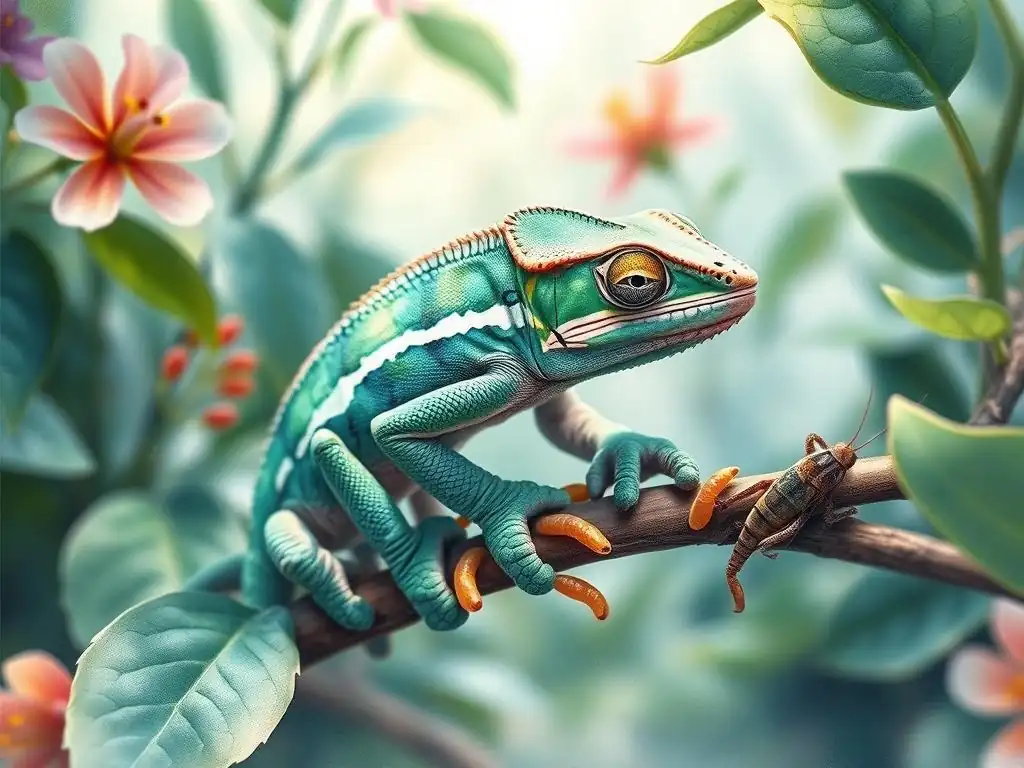
Encouraging consistent insect consumption in a picky reptile requires a multifaceted approach that extends beyond immediate solutions. Long-term success hinges on establishing healthy eating habits and proactively addressing potential underlying issues. This section focuses on strategies to cultivate a robust and sustainable feeding routine for your insectivorous reptile, ultimately preventing future picky eating episodes. Remember, patience and consistency are key in managing a picky reptile's dietary needs. Effective strategies for dealing with "Picky reptile insect feeder solutions" are often long-term commitments.
Developing a Consistent Feeding Schedule
A regular feeding schedule is crucial for establishing healthy eating patterns in reptiles. Irregular feeding can lead to unpredictable feeding behaviors and exacerbate pickiness. Instead of offering food sporadically, aim for a consistent schedule tailored to your reptile's species and age. For instance, juvenile reptiles generally require more frequent feedings than adults. Consider a schedule that balances the reptile's nutritional needs with a manageable routine for you.
For example, a young leopard gecko might benefit from daily feedings of appropriately sized insects, while an adult might thrive on feedings every other day or even twice a week. Documenting your feeding schedule—including the date, time, type and quantity of insects offered, and the amount consumed—can help you track progress and identify any potential problems early. This detailed record-keeping is vital for effective long-term management of your reptile's diet.
Keeping a consistent schedule promotes regularity and minimizes stress for both you and your pet. Don't be discouraged if adjustments are needed; flexibility is key to finding the optimal feeding schedule for your specific reptile.
Monitoring Weight and Body Condition Regularly
Regularly monitoring your reptile's weight and overall body condition is essential for detecting early signs of malnutrition or other health problems that might contribute to picky eating. Use a gram scale to weigh your reptile at least once a week, ideally at the same time of day. Record these measurements along with your feeding schedule. A gradual weight loss, even a small one, should be investigated.
Beyond weight, observe your reptile's body condition. Look for signs of emaciation, such as sunken eyes, a prominent spine, or a lack of muscle mass. These visual cues, when combined with weight data, provide a comprehensive picture of your reptile's health. If you notice any concerning changes, consult a veterinarian specializing in reptiles immediately. Early intervention is crucial for addressing underlying health issues that might be contributing to your reptile's picky eating habits. Proactive monitoring helps to prevent more serious problems down the line.
Gradual Introduction of New Insect Types
While consistency is important, a monotonous diet can also contribute to a reptile becoming a picky eater. To prevent this, gradually introduce new insect types into your reptile’s diet. Start by offering a small amount of a new insect alongside its preferred food. This slow introduction helps your reptile become accustomed to the new taste and texture without feeling overwhelmed. Over time, gradually increase the proportion of the new insect while decreasing the amount of the preferred food.
This process of gradual introduction can also help address nutritional deficiencies that might stem from a limited diet. Offering variety ensures a wider range of essential nutrients, promoting overall health and potentially improving appetite. Keep a detailed record of the insects offered and your reptile's response to each, noting any preferences or aversions.
This information is invaluable in tailoring your reptile's diet to meet its nutritional needs while managing its picky eating tendencies. Remember, the goal is a balanced diet, not just pleasing your reptile’s palate. This careful, gradual approach is essential for building a healthy and varied diet for your reptile.
Maintaining a Clean and Hygienic Feeding Environment
A clean and hygienic feeding environment is paramount when dealing with picky reptile insect feeders. Neglecting hygiene can lead to bacterial or parasitic infections, further complicating feeding issues. Reptiles, especially those with compromised immune systems due to stress from refusing food, are particularly vulnerable. Think of it like this: if your reptile's dining room is a mess, they're less likely to want to eat.
Maintaining cleanliness involves several key steps. First, thoroughly clean the enclosure after each feeding session. Remove any uneaten insects and fecal matter. Use a reptile-safe disinfectant, ensuring you rinse thoroughly to remove any residue that could be harmful to your reptile. Never use household cleaners; they contain chemicals toxic to reptiles. Dedicated reptile disinfectants are readily available at most pet stores.
Beyond the immediate feeding area, overall enclosure cleanliness is crucial. Accumulated waste and decaying substrate can harbor harmful bacteria and parasites. Regularly spot-clean the enclosure, removing waste daily. Complete substrate changes should be performed at least once a month, or more frequently depending on the size of the enclosure and the type of substrate used. A clean environment reduces stress, which directly impacts appetite in reptiles.
Finally, the insects themselves should be considered. Feeding your reptile insects that have been improperly stored or handled can introduce pathogens. Ensure that the insects you feed are sourced from a reputable supplier and are kept in clean conditions before feeding. Avoid feeding wild-caught insects, as they may carry parasites or diseases. The health of the insect directly impacts the health of your reptile, making proper insect care a crucial part of a successful feeding strategy for picky eaters. Remember, a healthy, clean environment is the foundation of a successful long-term feeding plan for your picky reptile.
Frequently Asked Questions
Why is my reptile refusing to eat insects?
Reptiles can be picky eaters due to several reasons, including stress, incorrect temperature gradients, or a lack of appealing food items. Try adjusting their environment and offering a variety of insects.
What types of insects are best for picky reptile eaters?
Offer a diverse range of insects, such as crickets, dubia roaches, mealworms, and waxworms. Vary the size and species to increase appeal and ensure nutritional balance. Gut-loading the insects is crucial for added nutrients.
How can I make insects more appealing to my reptile?
Try dusting insects with calcium and vitamin supplements. You can also lightly warm the insects before offering them. Consider using live insects as they are more enticing than dead ones.
My reptile only eats one type of insect. Is this a problem?
A monotonous diet can lead to nutritional deficiencies. Gradually introduce other insects, mixing them with the preferred type. Consult a vet if the issue persists.
What should I do if my reptile still refuses to eat after trying these solutions?
If your reptile continues refusing food, schedule a vet visit immediately. There could be an underlying health issue requiring professional attention. Early intervention is crucial for a positive outcome.
Final Reflection: Nourishing the Inner Beast: A Journey Beyond the Feed Bowl
The struggle to feed a picky reptile is far more than just a dietary challenge; it's a testament to the intricate balance of captive care and a profound understanding of our scaly companions. Successfully navigating this hurdle requires patience, observation, and a willingness to adapt, mirroring the very resilience we admire in these fascinating creatures.
The journey of coaxing a reluctant reptile to embrace a varied insect diet is a microcosm of the larger conversation surrounding responsible pet ownership. It highlights the importance of understanding individual needs, adapting to unique personalities, and fostering a healthy, enriching environment. The best moments in life are not things, but people, places, memories and feelings.
This quote, while seemingly unrelated, speaks to the heart of the matter: the true reward isn't just a full belly, but the bond forged through understanding and care.
You've learned strategies to entice even the most discerning reptile, from varying presentation to understanding underlying health concerns. Now, consider your own relationship with your reptile. Are you truly meeting their needs, not just their hunger? Take this opportunity to reflect on their environment, their behavior, and your role in ensuring their well-being. Embrace the challenge, celebrate the small victories, and remember that the journey of caring for a picky reptile is a testament to the enduring power of connection and the rewarding nature of responsible pet ownership.
Unlock Your Reptile's Appetite: A Delicious Next Step
Thank you for taking the time to learn how to help your picky reptile enjoy mealtime! We hope you found valuable insights into their unique dietary needs. Now, let's put that knowledge into practice.
- Introduce a new insect this week: Experimenting with different sizes, textures, and species of insect can significantly improve your reptile's diet. This is often the most effective approach.
- Share your experiences: Let's build a community of reptile keepers! Share your successes and challenges in the comments below—we'd love to hear your stories.
- Consider alternative feeding strategies: If initial changes don't immediately work, try varying the feeding location or technique to encourage your reptile to eat.
What exciting new insect will you offer your picky eater next?