
A Deep Dive into Bird Cage Dimensions: What You Should Consider

Welcome to PetCareWorld, your ultimate guide to a happier, healthier life for your beloved companion! Are you ready to create the perfect avian sanctuary? Then dive into our Best bird cage size guide, a comprehensive resource designed to help you select the ideal home for your feathered friend. Discover the crucial factors influencing cage dimensions and unlock the secrets to ensuring your bird thrives in a spacious, stimulating environment. Learn more and ensure your bird's happiness – explore now!
- Best Bird Cage Size Guide: Understanding Your Bird's Space Needs
- Beyond Size: Important Factors Affecting Bird Cage Selection
- Choosing the Perfect Bird Cage: Practical Tips and Considerations
- Common Mistakes to Avoid When Choosing a Bird Cage
- Resources and Further Reading: Expanding Your Knowledge on Bird Cages
-
Frequently Asked Questions
- What is the most important factor when choosing a bird cage size?
- How do I calculate the minimum cage size for my bird?
- What are some common mistakes people make when choosing a bird cage?
- What types of cages are best for different bird species?
- Where can I find more information on appropriate bird cage sizes for my specific bird?
- Final Reflection: Finding the Perfect Perch: Space, Well-being, and Avian Responsibility
- Unlock Your Bird's Potential: Design the Perfect Aviary
Best Bird Cage Size Guide: Understanding Your Bird's Space Needs
Choosing the right bird cage is crucial for your feathered friend's health, happiness, and overall well-being. A cage that's too small can lead to stress, behavioral problems, and even physical health issues. This comprehensive guide will delve into the critical factors to consider when determining the appropriate size for your bird's cage, ensuring you provide a spacious and enriching environment.
We'll explore how different bird species have varying space requirements, the impact of cage size on bird behavior, and offer a handy reference guide with minimum dimensions for common bird species. Choosing the best cage size isn't just about providing adequate space; it's about investing in your bird's long-term health and happiness, making them a thriving and joyful member of your family. This guide will help you navigate the complexities of bird cage dimensions and empower you to make an informed decision that prioritizes your bird's needs.
Remember, a happy bird is a healthy bird! 🦜
Determining the Right Cage Size Based on Bird Species
The most significant factor in determining the appropriate cage size is your bird's species. Larger birds, naturally, require significantly more space than smaller birds. A cockatoo, for example, needs a considerably larger cage than a finch. Consider not only the bird's current size but also its potential for growth.
Young birds will grow, and their cage needs to accommodate their adult size. Furthermore, the bird's natural behaviors should be considered. A highly active bird like a conure will need more horizontal space for flying and playing, while a more sedentary bird might benefit from a taller cage with multiple perches at varying heights. It's crucial to research the specific needs of your bird species to ensure you provide an appropriate environment.
Failing to do so can lead to frustration, stress, and a decline in your bird's overall health and happiness. Let's explore some specific examples to illustrate this point. For instance, a large macaw might require a cage that's at least [specific dimensions pending] while a smaller budgie might thrive in a cage that's [specific dimensions pending]. Understanding these differences is key to responsible bird ownership.
Cage Size and Bird Behavior: Ensuring Enrichment and Comfort
The size of your bird's cage directly impacts its behavior and overall well-being. A cramped cage can lead to several behavioral problems, including:
- Increased aggression: Birds confined to small spaces may exhibit aggressive behaviors towards their owners or other birds.
- Feather plucking: Stress and boredom from insufficient space can manifest as feather plucking, a serious self-mutilating behavior.
- Decreased activity levels: Lack of space can limit your bird's natural movements and lead to a sedentary lifestyle, negatively impacting their physical and mental health.
- Depression and lethargy: A consistently unhappy bird will show signs of depression and lethargy.
Conversely, a spacious cage provides opportunities for exercise, exploration, and mental stimulation. A larger cage allows for more toys, perches, and enrichment items, reducing boredom and promoting healthy behaviors. Consider providing ample space for your bird to fly short distances within the cage. This is particularly crucial for larger species.
Adequate space also facilitates easier cleaning and maintenance, creating a healthier and more hygienic environment for your bird. Remember, a well-designed and appropriately sized cage is a fundamental aspect of responsible bird ownership, contributing significantly to your feathered friend's overall happiness and longevity. Providing adequate space is an investment in their quality of life.
Minimum Cage Dimensions for Common Bird Species: A Quick Reference Guide
This table provides a rough guide to minimum cage dimensions for some common bird species. Remember, these are minimums, and providing more space is always preferable. Individual needs may vary, so always conduct further research based on your specific bird's breed and size. It is strongly advised to consult with an avian veterinarian or experienced bird breeder for more precise recommendations.
| Bird Species | Minimum Cage Dimensions (approximate) | Notes |
|---|---|---|
| Budgerigar (Budgie) | 18" x 18" x 24" | Larger is always better, especially for multiple birds. |
| Cockatiel | 24" x 24" x 36" | Requires substantial horizontal space for flight. |
| Conure | 30" x 30" x 48" | Highly active birds needing ample space for climbing and playing. |
| African Grey Parrot | 36" x 36" x 60" or larger | Needs a very large cage, possibly a custom-built one. |
| Amazon Parrot | 36" x 36" x 60" or larger | Larger cage is essential for their size and activity levels. |
| Macaw | 48" x 48" x 72" or larger | Requires a very large cage with ample space for climbing and flying. |
Remember, this is just a starting point. Consult with avian specialists for tailored advice! 🐦
Calculating Adequate Space: Wingspan, Tail Length, and Movement
Determining the appropriate bird cage size isn't simply about picking a cage that looks big enough. A truly suitable cage must accommodate your bird's natural behaviors and physical dimensions. This means carefully considering several key measurements: wingspan, tail length, and the space needed for comfortable movement. Neglecting these factors can lead to stress, feather plucking, and other behavioral issues stemming from confinement.
A common mistake is focusing solely on the bird's body length. While this is a factor, it’s crucial to prioritize the bird's wingspan. A bird needs enough horizontal space to fully extend its wings without touching the cage bars. Constantly bumping into the sides restricts natural wing flapping, a vital part of a bird's physical and mental health.
Imagine trying to live in a space too small to stretch your arms – incredibly frustrating, right? The same principle applies to our feathered friends. For example, a large macaw with a substantial wingspan requires a significantly larger cage than a small parakeet.
Tail length is another often overlooked aspect. Many bird species have long, elaborate tails that require ample space to move freely without being constantly compressed or damaged. A cage that’s too small can lead to tail feather damage, hindering the bird's ability to maintain its balance and even impacting its overall health. Consider the specific tail length of your bird's breed when choosing a cage. Species with particularly long tails need extra vertical space to accommodate their plumage.
Beyond wingspan and tail length, consider the bird's overall movement. Birds need space to climb, hop, swing, and generally move around their environment. A cramped cage restricts these natural behaviors, leading to boredom, frustration, and potential health problems. Aim for a cage that allows your bird to comfortably perform these actions without feeling restricted. Observe your bird's movements; do they frequently stretch, hop from perch to perch, or engage in acrobatic maneuvers?
The cage should easily accommodate these behaviors. The dimensions should allow for multiple perches at varying heights, toys, and feeding stations, all without overcrowding the space. Think about the bird's natural habitat and try to mimic that spaciousness as much as possible within the confines of a cage. Remember, a larger cage is always preferable to a smaller one when it comes to bird welfare.
Beyond Size: Important Factors Affecting Bird Cage Selection
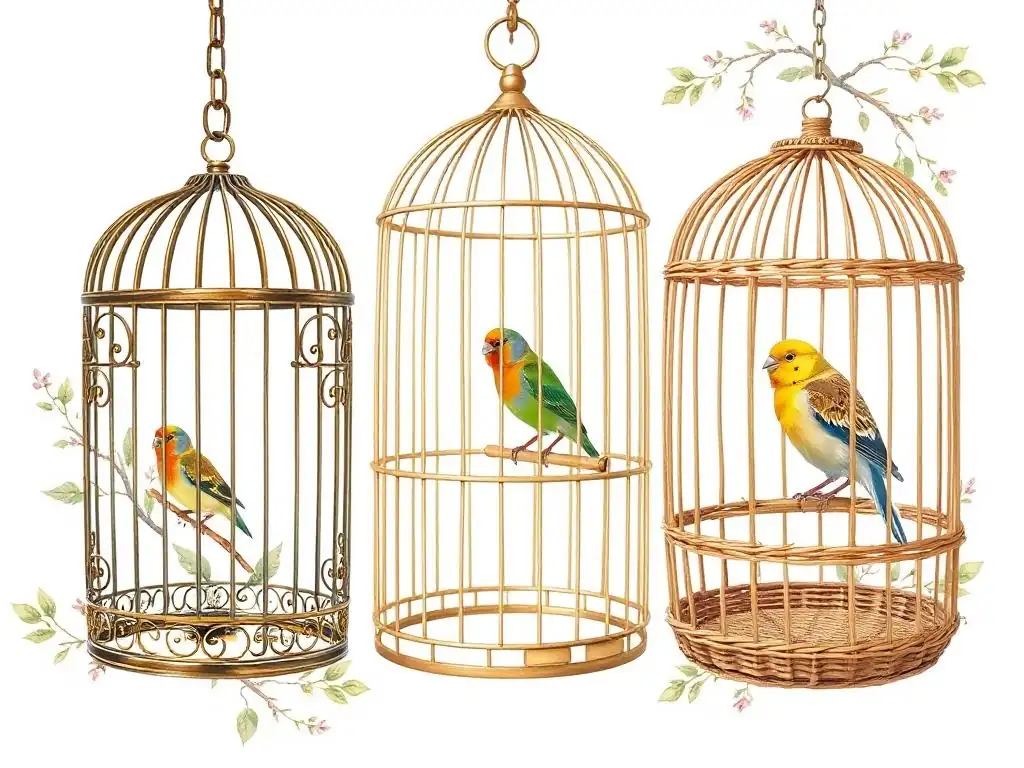
Choosing the right bird cage isn't solely about square footage; several crucial factors influence your selection beyond simple dimensions. A "best bird cage size guide" needs to consider these elements to ensure your feathered friend thrives. Ignoring these details can lead to stress, injury, and a less-than-ideal living environment for your bird.
This section delves into these vital aspects, providing you with a comprehensive understanding of what constitutes a truly suitable home for your avian companion. Remember, the goal is to create a stimulating and safe environment that replicates, as closely as possible, your bird's natural habitat. The size of the cage is just the starting point.
Bar Spacing: Preventing Escapes and Injuries
Bar spacing is critically important, especially concerning escape prevention and the safety of your bird. Too much space, and your bird might squeeze through, leading to a potentially dangerous situation. Too little space, and it can cause discomfort and even injuries. The ideal spacing depends entirely on the size of your bird. Smaller birds like finches require much tighter spacing than larger birds like macaws.
For example, a small parakeet might be safe in a cage with ½-inch spacing, while a cockatoo needs considerably wider bars to prevent injury. Failing to account for this can lead to your bird getting its head, feet, or wings stuck, causing unnecessary stress and potential harm. Always research the specific needs of your bird species before purchasing a cage.
A reputable breeder or avian veterinarian can provide valuable guidance on appropriate bar spacing. Consider the bird's size, not just its current age, as it will likely grow. Always err on the side of caution – slightly tighter spacing is preferable to one that is too wide.
Cage Material and Durability: Choosing Safe and Long-lasting Options
The material of your bird's cage is paramount to its safety and longevity. While aesthetics play a role, prioritize durability and non-toxicity. Avoid cages made from materials that contain lead or zinc, as these can be toxic if ingested by your bird. Powder-coated cages should be checked for chipping, as the powder coating can be ingested and is harmful.
Stainless steel is generally considered the best option. It's durable, easy to clean, and resistant to rust and corrosion. However, it can be more expensive than other materials. Powder-coated wire cages are a more affordable alternative, but ensure the coating is high-quality and doesn't chip easily. Wood can be used for some cage components, but ensure it's a non-toxic, bird-safe wood, such as untreated pine or aspen.
Avoid treated lumber, as the chemicals used in treatment can be harmful. Always thoroughly research the materials before purchasing a cage to guarantee your bird's safety and well-being. Regularly inspect the cage for any signs of damage or wear and tear. A damaged cage compromises your bird's safety and requires immediate replacement or repair.
Cage Design Features: Perches, Toys, and Feeding Stations
The internal design of the cage is just as important as its overall dimensions. A well-designed cage provides ample opportunities for your bird to engage in natural behaviors. This means providing a variety of perches of different sizes, textures, and materials. Different perch types cater to different foot muscles and help prevent foot problems. Natural wood perches are preferable to plastic ones.
Furthermore, consider the placement of food and water bowls. They should be easily accessible but not positioned directly under perches to prevent contamination. Multiple feeding stations can be beneficial, especially for larger flocks. Lastly, include plenty of space for toys and enrichment items. Toys provide mental stimulation and prevent boredom, which is crucial for your bird's overall health and happiness.
Remember, a stimulating environment is key to a happy and healthy bird. The design features of your chosen cage should reflect this need for variety and stimulation, contributing to a richer and more fulfilling life for your avian companion. Regularly rotate toys to maintain your bird's interest and prevent boredom. 🐦
Vertical Space vs. Horizontal Space: Optimal Cage Configurations for Different Birds
The dimensions of a bird cage are not simply about square footage; the ratio of vertical to horizontal space significantly impacts a bird's well-being and ability to express natural behaviors. A cramped cage, regardless of its total size, can lead to stress, feather plucking, and other behavioral problems. Understanding this crucial aspect is key to choosing the "best" bird cage size.
For example, larger parrots like Amazons and African Greys benefit immensely from significant vertical space. These birds are naturally arboreal, meaning they spend a considerable amount of time climbing and moving vertically in their natural habitats. A cage that is tall and allows for multiple levels of perches, toys, and feeding stations caters to this instinct.
Restricting them to a predominantly horizontal space can lead to boredom and frustration, potentially resulting in destructive behaviors. A good rule of thumb is to prioritize height over width for these species, ensuring ample space for climbing and aerial maneuvers. This allows them to exercise their muscles, maintain their physical health, and engage in natural behaviors like preening and stretching.
Smaller birds, such as finches or canaries, may thrive in a more horizontally oriented cage, though sufficient vertical space is still essential. While they don't exhibit the same climbing prowess as larger parrots, they still require space to move around and avoid feeling confined. A wider cage allows for flock dynamics (if kept in groups) and provides ample room for foraging and play. However, even with smaller birds, completely ignoring vertical space isn't ideal.
Multiple levels, even if just subtly different heights, allow for varied perspectives and opportunities for exploration. This variation is a crucial aspect of environmental enrichment, vital for their mental stimulation and overall well-being. A balanced approach, incorporating both horizontal and vertical space, is always recommended, even if the proportions differ based on the bird's species and size.
Ultimately, the ideal configuration depends heavily on the specific bird species. Researching the natural behaviors and habitat preferences of your bird is crucial before selecting a cage. Consult avian veterinary specialists or experienced bird breeders for species-specific recommendations. Remember, the goal is to provide a cage that closely mirrors the bird's natural environment, allowing for freedom of movement and the expression of natural behaviors, contributing significantly to their overall health and happiness. This is the true essence of providing the "best" bird cage size.
Choosing the Perfect Bird Cage: Practical Tips and Considerations

This section delves into the crucial factors beyond just square footage when selecting a bird cage. Finding the "best bird cage size" isn't solely about numbers; it's about ensuring your feathered friend has a safe, stimulating, and enriching environment. We'll explore practical considerations that contribute to a happy and healthy bird.
Measuring Your Available Space: Finding the Right Fit for Your Home and Bird
Before you even begin browsing cage dimensions, meticulously measure the space where the cage will reside. Consider not only the floor area but also the vertical height. A tall cage allows for more climbing and play opportunities, crucial for a bird's physical and mental well-being. Don't forget to account for the cage's footprint; you'll need sufficient space for easy access for cleaning and interaction.
Remember, a cramped cage can lead to stress, feather plucking, and other behavioral issues. The rule of thumb is “bigger is better,” but practicality is key. For example, a small parakeet doesn't require the same expansive space as a large macaw. However, even smaller birds benefit from vertical space for climbing and perching.
Consider these points when measuring:
- Floor space: How many square feet are available? Consider the cage's base and the additional space needed for accessories.
- Height: How high can the cage be without obstructing walkways or light sources? Taller cages provide more climbing opportunities.
- Accessibility: Ensure easy access from all sides for cleaning and interaction.
Budgeting for Your Bird Cage: Balancing Quality and Affordability
The cost of a bird cage varies dramatically, depending on size, material, and features. While it’s tempting to opt for the cheapest option, investing in a high-quality cage is a worthwhile expense. A durable, well-constructed cage will last longer, ensuring your bird's safety and your long-term savings. Remember, a poorly made cage can pose safety risks, such as rusting bars or weak welds.
Consider these factors when budgeting:
- Material: Stainless steel cages are generally more durable and easier to clean than powder-coated wire cages. However, they are also more expensive.
- Features: Features like multiple doors, food and water dispensers, and built-in perches can add to the cost but enhance convenience and enrichment.
- Size: Larger cages naturally command higher prices. Prioritize size based on your bird's species and size requirements. Don't compromise on space to save money.
Prioritize safety and durability over price. A slightly more expensive, well-made cage is a better investment in the long run than a cheap cage that needs replacing sooner. Consider the total cost of ownership, including potential repairs or replacements, when making your decision.
Understanding Cage Accessories: Essential Items and Potential Hazards
While the cage itself is paramount, accessories play a significant role in creating a stimulating and safe environment. However, some accessories can pose unforeseen hazards if not carefully chosen.
Essential Accessories:
- Perches: Provide a variety of perches of different diameters and materials to promote foot health. Avoid smooth perches, as they can cause sore feet.
- Food and water bowls: Choose sturdy, easy-to-clean bowls that are appropriately sized for your bird.
- Toys: Provide a range of toys to stimulate your bird mentally and physically. Rotate toys regularly to prevent boredom.
Potential Hazards:
- Small toys: Birds can swallow small parts, leading to choking hazards. Always supervise your bird with toys and ensure they are appropriately sized.
- Toxic materials: Avoid toys made from toxic materials, such as lead-based paint. Opt for toys made from natural materials or non-toxic plastics.
- Unsafe perches: Avoid perches that are too smooth or too thin, as they can cause foot problems.
Remember, selecting the best bird cage size guide isn't just about square footage; it's about creating a holistic, safe, and enriching environment that caters to your bird's specific needs and promotes its overall well-being. Careful consideration of space, budget, and accessories ensures a happy and healthy companion for years to come. 🐦
Maintaining Your Bird Cage: Cleaning and Hygiene for a Healthy Environment
Maintaining a clean bird cage is crucial for your feathered friend's health and well-being. A dirty cage can harbor bacteria, fungi, and parasites, leading to various illnesses. Regular cleaning prevents the buildup of harmful substances and contributes significantly to a healthier environment for your bird. Neglecting cage hygiene can result in respiratory problems, infections, and even more severe health complications. Think of it as preventative medicine for your pet.
The frequency of cleaning depends on several factors, including the size of the cage, the number of birds, and the type of bird. For smaller cages with a single bird, daily spot cleaning might suffice. This involves removing droppings and soiled food, and refreshing the water and food dishes. However, a thorough cleaning, including a complete cage disinfection, should be performed at least once a week, and more frequently for larger cages or multiple birds. Larger parrot cages, for instance, might benefit from a more frequent deep clean, potentially every three to four days to maintain optimal hygiene.
When cleaning, always use bird-safe cleaning products. Avoid harsh chemicals, disinfectants, and scented cleaners as these can be toxic to your bird. Opt for mild, pet-friendly detergents or specialized bird cage cleaners. Thoroughly rinse all surfaces to remove any residue of cleaning products before returning your bird to its cage. Remember, even a small amount of residual cleaner can be harmful to your pet.
Beyond cleaning the cage itself, remember to regularly clean toys, perches, and food and water dishes. These items accumulate bacteria and debris just as quickly as the cage itself. Soaking these items in a bird-safe disinfectant solution before scrubbing and rinsing will help ensure they are thoroughly sanitized. Replace worn or damaged items promptly, as these can become breeding grounds for bacteria and pose a safety hazard to your bird.
Regular maintenance and attention to detail in this area are crucial for optimal bird health. Think of it as a holistic approach to your bird's health, encompassing their environment and all its components. A clean cage is not just aesthetically pleasing; it's essential for a happy and healthy bird. Prioritizing a clean environment directly contributes to a longer, healthier life for your beloved companion.
Common Mistakes to Avoid When Choosing a Bird Cage
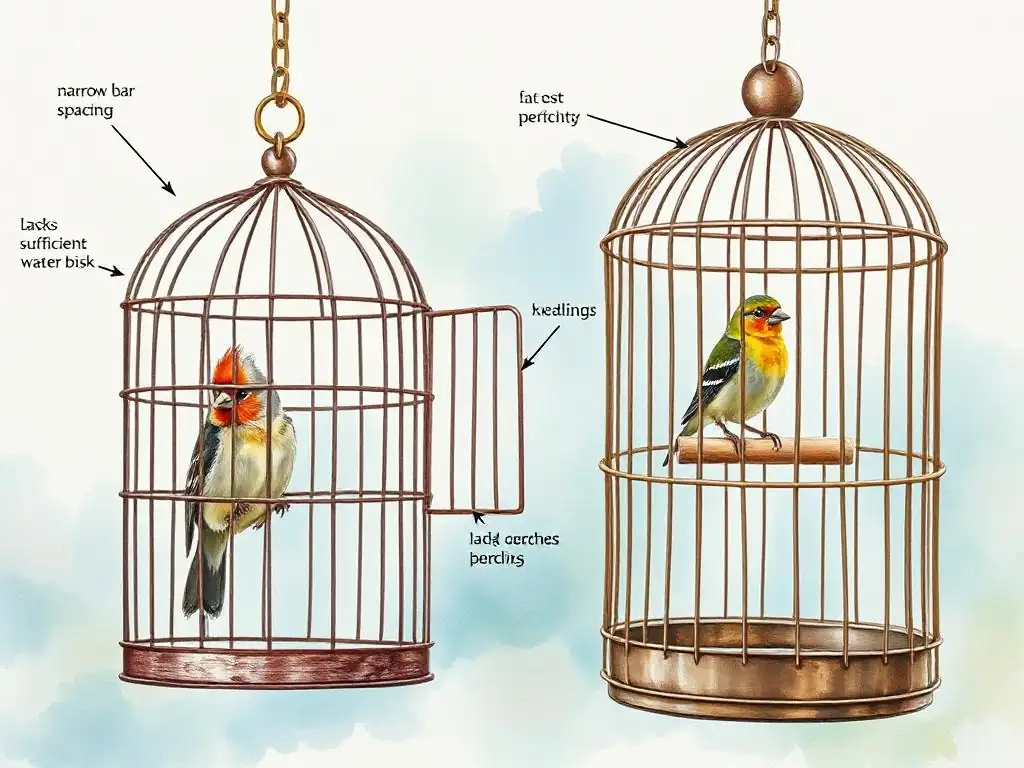
This section delves into the frequent errors pet owners make when selecting a bird cage, focusing on the crucial aspects of size, bar spacing, and material selection. Understanding these pitfalls is paramount to ensuring your feathered friend's safety, health, and overall well-being. A well-informed choice contributes significantly to a happy and thriving bird. This guide aims to be your definitive Best bird cage size guide, helping you avoid costly mistakes.
Choosing a Cage That's Too Small: The Dangers of Restricted Movement
Choosing a cage that's too small for your bird is one of the most common – and potentially harmful – mistakes. A cramped environment significantly impacts a bird's physical and mental health. Think of it like living in a tiny closet – not ideal, right? Birds need ample space to spread their wings, exercise, and engage in natural behaviors. Restricting their movement leads to several problems:
- Muscle atrophy and weakened bones: Lack of exercise weakens muscles and bones, increasing the risk of injury and impacting overall health. This is especially true for larger birds that require significant space to fly.
- Behavioral issues: Frustration and boredom from confinement can manifest as feather plucking, excessive screaming, and aggression. These are serious signs of distress and require immediate attention.
- Increased stress levels: Constricted living spaces significantly raise stress hormones, making birds more susceptible to illness. This can compromise their immune system and increase their vulnerability to diseases.
The minimum cage size recommendation varies greatly depending on the bird species. For example, a small parakeet requires considerably less space than a large macaw. Researching the specific needs of your bird species is crucial before purchasing a cage. Consider not only the bird's current size but also its potential for growth.
Remember, it's always better to err on the side of caution and provide ample space. A larger cage will allow for more enrichment and provide a more stimulating environment for your pet, enhancing their quality of life. Always prioritize a cage that allows for comfortable flight and movement.
Overlooking Bar Spacing: A Common Cause of Bird Escapes and Injuries
Bar spacing is another critical factor often overlooked when choosing a bird cage. Incorrect spacing can lead to escapes, injuries, and even death. Birds, particularly smaller species, can squeeze through gaps that seem too small to humans. Larger birds, while less likely to escape through narrow gaps, can still become trapped or injured by inappropriately spaced bars.
The ideal bar spacing depends on the size of your bird. A good rule of thumb is to ensure the spacing is less than half the width of your bird's head. This prevents the bird from getting its head stuck between the bars, which can lead to serious injury or death.
For example, a small finch needs much narrower spacing than a cockatoo. If you're unsure, consult a veterinarian or an avian specialist for guidance on the appropriate bar spacing for your specific bird species. Ignoring this vital aspect can result in significant risks and unnecessary stress for your pet.
| Bird Species | Recommended Bar Spacing (inches) |
|---|---|
| Small Parakeets | 1/2 - 3/4 |
| Cockatiels | 3/4 - 1 |
| Conures | 1 - 1 1/4 |
| Macaws | 1 1/4 - 1 1/2 |
Remember, this is a guide, and individual bird needs may vary. Consulting with an avian expert is always recommended. 🐦
Ignoring Cage Material: Potential Toxins and Safety Concerns
The material of your bird's cage is a significant factor impacting its safety and well-being. Some materials contain toxins that can be harmful to birds through inhalation or ingestion. Others may be prone to rust or damage, posing potential hazards.
- Avoid cages made of zinc or galvanized metal: These materials can release harmful zinc particles, which are highly toxic to birds.
- Choose powder-coated cages carefully: While visually appealing, some powder coatings contain toxins that can be dangerous to birds. Ensure the coating is specifically designed for use with pet birds.
- Opt for stainless steel or high-quality powder-coated wire: These materials are generally safe and durable, offering excellent protection for your bird.
- Check for sharp edges or burrs: These can cause injury to your bird’s feet or wings.
Regularly inspect your bird's cage for any signs of damage or wear. Replace any damaged parts promptly to prevent potential hazards. A safe cage is an essential component of responsible bird ownership. Prioritizing cage safety ensures a healthy and happy environment for your feathered companion. Choosing the right cage material is a crucial step in providing optimal care.
Neglecting Cage Maintenance: Impact on Bird Health and Well-being
Regular and thorough cage cleaning is paramount for maintaining a healthy environment for your feathered friend. Failing to do so can lead to a cascade of negative consequences, impacting both their physical and mental well-being. A dirty cage quickly becomes a breeding ground for bacteria, fungi, and parasites. These pathogens can cause a range of illnesses, from respiratory infections and skin problems to more severe conditions that can be fatal. For example, Salmonella bacteria, commonly found in bird droppings, can be transmitted to humans through contact with contaminated surfaces.
Furthermore, neglecting cage cleanliness can lead to a build-up of ammonia in the air. Bird droppings contain uric acid, which breaks down into ammonia. High levels of ammonia are toxic and can irritate your bird's respiratory system, leading to chronic respiratory problems. Symptoms can include sneezing, coughing, and difficulty breathing. In severe cases, ammonia poisoning can be life-threatening. The severity of the problem is directly related to the frequency of cleaning and the cage's ventilation. Poor ventilation exacerbates the problem, trapping ammonia fumes within the cage.
Beyond the physical health risks, a dirty cage also negatively affects your bird's mental health. Birds are sensitive creatures, and living in an unsanitary environment can cause stress, anxiety, and even depression. A clean cage contributes significantly to a bird's overall sense of security and well-being. A stressed bird might exhibit behavioral problems such as feather plucking, aggression, or excessive vocalization.
Therefore, maintaining a clean cage is not just about hygiene; it's crucial for your bird's overall happiness and health. A clean cage, on the other hand, promotes a calm and secure environment, encouraging your bird to thrive. Remember, a happy bird is a healthy bird!
Think of cage cleaning as an essential part of your daily or weekly routine, just like feeding and watering. This proactive approach will significantly contribute to your bird's longevity and quality of life. The time invested in cage cleaning is a small price to pay for a healthy and happy companion.
Resources and Further Reading: Expanding Your Knowledge on Bird Cages
This section provides additional resources to help you further your understanding of bird cage selection and overall avian care. Choosing the right cage is only the first step in providing a happy and healthy environment for your feathered friend. Remember, a well-informed pet owner is a better pet owner! This section focuses on finding reliable information and expert advice to support your bird's well-being.
Reputable Bird Cage Manufacturers
Finding a high-quality bird cage is crucial for your bird's safety and comfort. Not all manufacturers adhere to the same standards, so research is key. Consider factors like materials used (stainless steel is generally preferred for durability and ease of cleaning), bar spacing (appropriate for your bird's species to prevent escapes), and overall cage construction. Look for companies with a strong reputation for producing durable and safe cages.
While specific brand names cannot be mentioned here, consider researching manufacturers with a long history in the pet industry and positive customer reviews. Checking independent reviews from various sources is essential before making a purchase. Pay close attention to reviews that mention durability, ease of cleaning, and overall cage design. Remember to always prioritize safety; a cage that’s easily damaged or allows escape poses a significant risk to your bird.
A good cage should be more than just a place to sleep; it should be a stimulating environment. Consider features like multiple perches at varying heights, ample space for toys, and easy access for cleaning. A well-designed cage significantly contributes to your bird's physical and mental health.
Relevant Articles on Bird Care and Enrichment
Beyond cage size, proper bird care involves a holistic approach to their well-being. Supplementing your understanding of cage dimensions with knowledge on other crucial aspects of bird ownership is vital. Seek out articles focusing on:
- Nutrition: Understanding your bird's dietary needs is paramount. Research articles that detail proper food choices, portion sizes, and the importance of a varied diet. A balanced diet contributes significantly to your bird's overall health and longevity.
- Enrichment: A stimulating environment is crucial for preventing boredom and behavioral issues. Learn about various enrichment techniques, including toys, foraging opportunities, and social interaction. A bored bird is often an unhappy bird, and enrichment activities are crucial for their mental well-being.
- Avian Behavior: Understanding your bird's natural behaviors can help you better interpret their needs and provide appropriate care. Seek out resources that explain common avian behaviors, both positive and negative, and how to address potential problems.
- Training: Training your bird can strengthen your bond and help them learn important behaviors. Find articles on positive reinforcement training techniques and how to establish a clear communication system with your bird.
Finding reputable sources for this information is just as important as finding a good cage. Look for articles from established veterinary organizations, avian specialists, and reputable pet care websites. Remember to always cross-reference information from multiple sources to ensure accuracy.
Avian Veterinarian Resources
Regular veterinary check-ups are non-negotiable for maintaining the health of your bird. Finding an avian veterinarian experienced in caring for your specific bird species is crucial. These professionals can provide essential advice on preventative care, disease diagnosis, and treatment. They can also answer specific questions about your bird's health and well-being, providing personalized guidance based on your bird's individual needs.
Many avian veterinarians offer consultations, both in-person and remotely, providing a convenient way to access expert advice. Remember to research avian veterinarians in your area and check their qualifications and experience before making an appointment. Proactive veterinary care is a vital part of responsible bird ownership and contributes significantly to your bird's long and healthy life. Don't hesitate to seek professional help when needed; early detection and treatment are key to managing avian health issues.
Frequently Asked Questions
What is the most important factor when choosing a bird cage size?
The most important factor is the size of your bird. A larger cage is always better, allowing for adequate flight space and exercise. Consider the bird's wingspan and the need for toys and perches.
How do I calculate the minimum cage size for my bird?
There's no single formula, but a good rule of thumb is to allow your bird enough space to fully extend its wings without touching the sides. Consult resources specific to your bird's species for more precise recommendations. Larger is always better!
What are some common mistakes people make when choosing a bird cage?
Common mistakes include buying a cage that's too small, focusing solely on price rather than quality and size, and neglecting the importance of bar spacing appropriate for the bird's size (to prevent escapes).
What types of cages are best for different bird species?
Different species have different needs. Smaller birds might thrive in smaller cages, while larger parrots require significantly larger, more robust cages. Research your bird's specific needs and consider factors like climbing space and perch variety.
Where can I find more information on appropriate bird cage sizes for my specific bird?
PetCareWorld offers many resources on bird cage sizes, including species-specific guides. You can also consult with an avian veterinarian or experienced bird breeders for personalized advice based on your bird's breed and individual needs.
Final Reflection: Finding the Perfect Perch: Space, Well-being, and Avian Responsibility
The right bird cage isn't just about square footage; it's about providing a life worthy of a feathered friend. Choosing the appropriate dimensions directly impacts a bird's physical and mental health, influencing everything from feather condition to lifespan. Ignoring this crucial aspect is a disservice to these intelligent and sensitive creatures.
The impact of inadequate cage size extends far beyond the immediate confines of the bars. It shapes the bird's behavior, its ability to express natural instincts, and ultimately, its overall quality of life. A bird's cage is its world. Make it a world worth living in.
This simple statement underscores the profound responsibility we bear as bird owners. We must move beyond simply providing shelter and actively cultivate environments that foster well-being and allow for the expression of species-specific behaviors. The ongoing conversation surrounding responsible pet ownership hinges on this very principle: understanding the needs of our companions and providing accordingly.
Consider the implications of your choices. Do you provide enough space for flight, exploration, and play? Does the cage design encourage natural behaviors? This article has served as a guide, but the ultimate responsibility lies with you. Take the time to research your specific bird species' needs, consider the long-term commitment involved, and create a truly enriching environment for your feathered companion. Remember, a happy bird is a healthy bird, and a healthy bird is a testament to your compassionate care.
Unlock Your Bird's Potential: Design the Perfect Aviary
Thank you for exploring bird cage dimensions with us! We hope you gained valuable insights into creating a safe and enriching environment for your feathered friend. Now, let's put that knowledge to practical use.
- Design your dream aviary: Sketch out the perfect cage, considering your bird's size, activity level, and personality. Use pen and paper, or your favorite design app—this is your chance to create a truly personalized living space for your bird!
- Share your design: Post a picture of your aviary plans on social media using #PetCareWorldAviary and tag us! We'd love to see your creative ideas.
- Join the conversation: What other factors are crucial when choosing a bird cage, beyond its dimensions? Share your thoughts in the comments below!
Ready to transform your bird's life? We'd love to hear about it!