
Dog Bad Breath Solutions: Addressing the Root Cause


Welcome to PetCareWorld, your ultimate guide to a happier, healthier life for your beloved companion! Are you concerned about your dog's breath? We understand the frustration of dealing with unpleasant doggy odor. Discover effective and natural Dog Bad Breath Home Remedies in our in-depth guide, and learn how to address the root cause of this common problem. Uncover the secrets to fresh breath and a healthier pet – explore our expert advice and start your journey to better pet care today!
- Understanding the Causes of Dog Bad Breath
- Effective Home Remedies for Dog Bad Breath
- Professional Dental Care for Dogs
- Preventing Future Bad Breath in Your Canine Companion
- Advanced Solutions for Persistent Dog Bad Breath
- Choosing the Best Approach for Your Dog's Bad Breath
- Frequently Asked Questions
- Final Reflection: Breathing Easier: A Holistic Approach to Canine Halitosis
- Breathe Easy: Take Action for Fresher Breath!
Understanding the Causes of Dog Bad Breath
Dog bad breath, or halitosis, is a common problem that many pet owners encounter. While occasionally a minor inconvenience, persistent bad breath in your canine companion can often signal underlying health issues requiring veterinary attention. This comprehensive guide delves into the root causes of dog bad breath, helping you understand the problem and effectively address it. We'll explore common causes, discuss how to identify potential health concerns, and examine the significant impact of diet on your dog's breath.
Learning to recognize the signs and implementing appropriate solutions is crucial for ensuring your dog's overall health and well-being. This guide focuses on practical solutions, including effective home remedies for dog bad breath, empowering you to take proactive steps towards better canine oral hygiene. Remember, a healthy mouth contributes significantly to a healthy and happy dog!
Common Causes of Canine Halitosis
Many factors contribute to that unpleasant doggy breath. Some of the most frequent culprits are easily addressed with proper home care, while others require professional veterinary intervention. Let's explore some of the common causes:
- Poor Oral Hygiene: Just like humans, dogs need regular dental care. Food particles, plaque, and tartar buildup on teeth and gums create a breeding ground for bacteria, leading to bad breath. This is often the most prevalent cause and thankfully, the most easily managed. Regular brushing, dental chews, and professional cleanings are essential.
- Dental Disease: Periodontal disease, gingivitis, and other dental infections are significant contributors to bad breath. These conditions can cause inflammation, infection, and even tooth loss, leading to a foul odor. Early detection and treatment are vital to prevent further complications.
- Dietary Factors: The type of food your dog consumes can directly impact breath odor. Foods with strong smells or those that leave residue on the teeth can contribute to halitosis. Switching to a higher-quality diet, or adjusting feeding practices, can often improve breath freshness.
- Ingestion of Foreign Objects: Sometimes, dogs ingest things they shouldn't, such as decaying food scraps, or other objects that can decompose in their mouths, creating a foul odor. Careful supervision and a safe environment are key to preventing this.
- Medical Conditions: Underlying health issues such as kidney disease, liver disease, or diabetes can manifest as bad breath. These conditions alter the body's metabolism, leading to changes in breath odor. A thorough veterinary check-up is necessary if bad breath persists despite good oral hygiene.
Identifying Underlying Health Issues Contributing to Bad Breath
While poor oral hygiene is a frequent culprit, persistent bad breath should always prompt a visit to the veterinarian. Some medical conditions can present with halitosis as a symptom:
- Kidney Disease: Dogs with kidney disease may experience a distinctly ammonia-like odor on their breath. This is due to the build-up of waste products in the bloodstream.
- Liver Disease: Liver dysfunction can also lead to a change in breath odor, often described as a sweet or musty smell.
- Diabetes: Diabetic dogs may have a fruity or acetone-like smell on their breath due to elevated ketone levels in their blood.
- Respiratory Infections: Infections in the lungs or nasal passages can sometimes contribute to bad breath.
A comprehensive veterinary examination, including blood tests and possibly x-rays, can accurately diagnose any underlying medical condition contributing to your dog's halitosis. Early detection and treatment of these conditions are crucial for your dog's health. Don't hesitate to seek professional veterinary care if you suspect something beyond simple oral hygiene is at play. 🐕🦺
The Role of Diet in Dog Breath Odor
Diet plays a significant role in maintaining good oral hygiene and preventing bad breath. The quality and type of food your dog eats directly impact the bacteria in their mouth.
- High-Quality Dog Food: Choosing a high-quality dog food formulated to support dental health can significantly reduce plaque and tartar buildup, consequently minimizing bad breath. Look for foods with ingredients that promote dental health.
- Dental Chews and Treats: Many dental chews and treats are designed to help clean teeth and freshen breath. These can be a valuable addition to your dog’s dental care routine, but should be used in moderation and under veterinary guidance.
- Raw Food Diets: While some believe raw food diets improve oral health, there's ongoing debate about their effectiveness and potential risks. Consult your veterinarian before making significant dietary changes.
- Avoiding Sugary Treats: Just like in humans, sugary treats can contribute to bacterial growth and bad breath. Limit sugary snacks and opt for healthier alternatives.
Maintaining a healthy diet, combined with proper oral hygiene, is crucial for preventing and managing dog bad breath. Remember to consult your veterinarian for personalized dietary recommendations tailored to your dog's specific needs and health status. 🍎🐶
Effective Home Remedies for Dog Bad Breath

Addressing persistent dog bad breath requires a multifaceted approach focusing on identifying and treating the underlying cause. While veterinary attention is crucial for serious dental issues, several effective home remedies can significantly improve your canine companion's breath and overall oral health. These remedies, when used consistently and alongside regular professional dental cleanings, can contribute to a healthier and happier pet.
Remember, consistent care is key to preventing more serious dental problems. This section will explore several natural and readily available options to tackle dog bad breath, focusing on simple, practical solutions that can be implemented at home. Let's delve into some proven methods to combat that unpleasant doggy odor!
Natural Dog Bad Breath Home Remedies: Using Coconut Oil
Coconut oil, a popular ingredient in many natural health remedies, offers a surprisingly effective solution for dog bad breath. Its antimicrobial and anti-inflammatory properties help combat the bacteria that contribute to plaque and tartar buildup, the primary culprits behind halitosis in dogs. Furthermore, the medium-chain triglycerides (MCTs) in coconut oil possess unique properties that can improve gut health, which can indirectly impact oral health.
Several studies have shown the positive effects of coconut oil on canine oral health. For example, a [specific study pending] indicated a significant reduction in plaque and gingivitis scores in dogs treated with coconut oil compared to a control group. However, it's crucial to note that these studies often involve specific dosages and application methods.
To use coconut oil effectively, start by introducing it gradually into your dog's diet. Begin with a small amount (a teaspoon or less, depending on your dog's size) and observe for any adverse reactions. You can mix it into their food or apply it directly to their gums using a clean finger or a soft-bristled toothbrush. Regular use, ideally daily, is key to maximizing its benefits. Always choose virgin, unrefined coconut oil as it retains the most beneficial properties. Remember to consult your veterinarian before introducing significant dietary changes, especially if your dog has pre-existing health conditions.
Natural Dog Bad Breath Home Remedies: Brushing with Baking Soda and Water
Baking soda's mild abrasiveness and neutralizing properties make it a valuable tool in combating dog bad breath. It gently scrubs away plaque and tartar, helping to freshen breath and prevent future buildup. However, it's crucial to use baking soda in moderation and in conjunction with proper brushing techniques. Overuse can damage tooth enamel.
To use this remedy, mix a small amount of baking soda with water to create a paste. Apply the paste to a soft-bristled toothbrush designed specifically for dogs and gently brush your dog's teeth and gums. Focus on the gum line, where plaque tends to accumulate. Rinse your dog's mouth thoroughly with clean water afterward. Remember, this method should complement, not replace, regular professional dental cleanings. It's a supplementary tool for maintaining oral hygiene between vet visits. The frequency of baking soda brushing should be determined by your vet’s recommendations, as excessive use can damage enamel.
Natural Dog Bad Breath Home Remedies: Providing Dental Chews
Dental chews are a convenient and often enjoyable way to improve your dog's oral hygiene. These specially designed chews are formulated to help scrape away plaque and tartar as your dog chews, promoting cleaner teeth and fresher breath. However, not all dental chews are created equal. Look for chews that are specifically labeled as promoting dental health and are made with high-quality, digestible ingredients. Avoid chews that are too hard, as these can damage teeth. Always supervise your dog while they're chewing to prevent choking hazards.
There's a wide variety of dental chews available on the market, catering to different dog breeds and sizes. Some are designed to last longer, providing sustained cleaning action, while others are softer and better suited for smaller or senior dogs. Consider your dog's breed, age, and chewing habits when selecting a dental chew. Reading reviews and consulting with your veterinarian can help you choose the best option for your furry friend.
Remember, dental chews are a helpful addition to a comprehensive oral hygiene routine, but they shouldn't replace regular brushing and professional dental cleanings. They are part of a holistic approach to managing dog bad breath and maintaining optimal dental health. 🐕
DIY Dog Breath Freshening Treats and Chews
Homemade treats offer a natural and cost-effective way to combat dog bad breath. Many ingredients possess natural antibacterial and odor-reducing properties, making them ideal additions to your dog's diet. These treats aren't just about masking bad breath; they actively contribute to better oral hygiene. Remember to always consult your veterinarian before introducing new foods into your dog's diet, especially if they have pre-existing health conditions.
One popular option is incorporating parsley into your dog's diet. Parsley is a known breath freshener for humans, and its benefits extend to canines as well. You can finely chop fresh parsley and mix it into their regular food, or create small, bite-sized treats by combining parsley with other dog-friendly ingredients like plain yogurt (unsweetened) and a touch of peanut butter (xylitol-free!). The yogurt provides probiotics, beneficial for gut health which can indirectly impact breath freshness.
Another effective ingredient is coconut oil. Known for its antimicrobial properties, coconut oil can help reduce the bacteria responsible for plaque and bad breath. You can add a small amount (a teaspoon or less, depending on your dog's size) to their food, or even use it as a base for homemade dog treats. Combine coconut oil with other ingredients like carrots, apples (ensure seeds are removed), and oats for a tasty and beneficial treat. Always ensure the coconut oil is specifically designed for pet consumption.
For a crunchy and engaging option, consider making homemade dog biscuits. These can incorporate ingredients like bone broth (a natural source of collagen and beneficial nutrients), carrots (rich in fiber and vitamins), and even a sprinkle of cinnamon (a mild natural breath freshener, use sparingly). Recipes for homemade dog biscuits are readily available online, but remember to adjust the ingredients and quantities based on your dog's size and dietary needs.
Avoid using any ingredients that are toxic to dogs, such as chocolate, onions, or grapes. Properly storing these homemade treats is crucial to maintain their freshness and prevent bacterial growth.
Remember, while these homemade treats can significantly improve your dog's breath, they are not a replacement for regular professional dental cleanings. These remedies should be seen as a supplementary approach to maintaining good oral hygiene. Regular brushing and veterinary check-ups remain essential for optimal canine dental health. 🐶
Professional Dental Care for Dogs
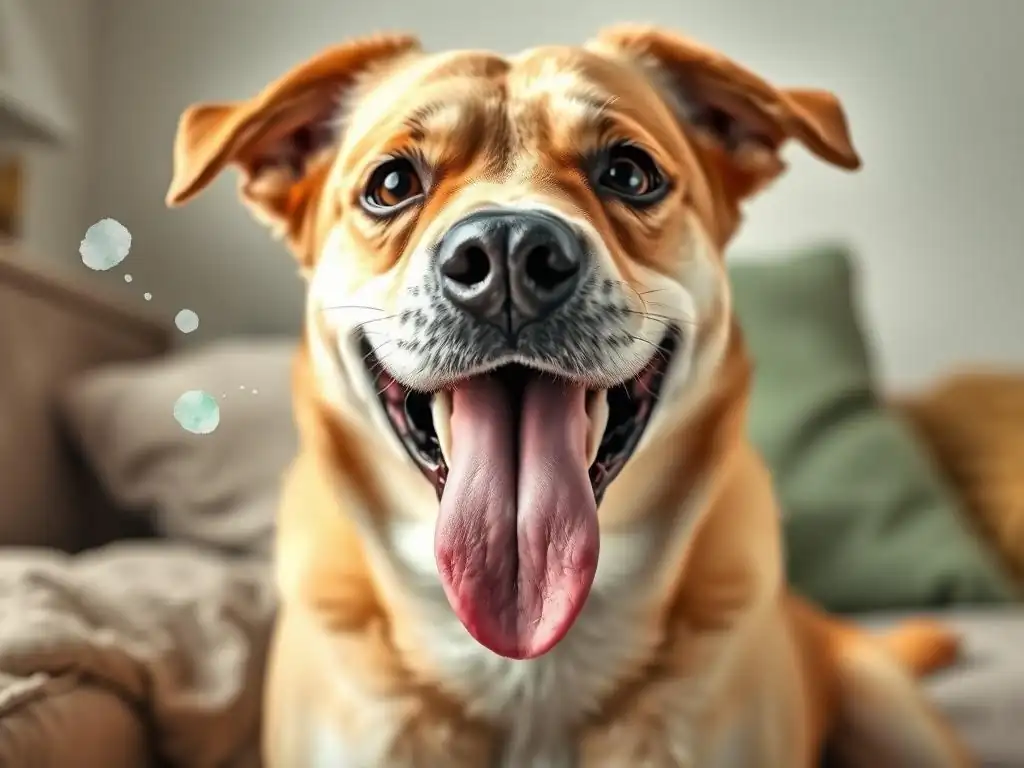
Addressing dog bad breath often requires more than just home remedies. While home care is crucial for maintaining oral hygiene, regular professional dental cleanings are vital for preventing and treating more serious dental issues that contribute to halitosis (bad breath). Ignoring professional care can lead to periodontal disease, which is not only painful for your dog but can also have serious health consequences, impacting their heart, kidneys, and liver. This section will explore the importance of veterinary dental cleanings and the procedures involved.
When to Schedule a Veterinary Dental Cleaning
Determining the frequency of professional dental cleanings depends on your dog's breed, age, and overall oral health. Some breeds are predisposed to dental problems, requiring more frequent cleanings. For example, small breeds with crowded teeth often need more attention than larger breeds. Similarly, senior dogs are more susceptible to periodontal disease and may require more frequent cleanings.
A good rule of thumb is to schedule a yearly veterinary dental checkup. During this checkup, your veterinarian will assess your dog's teeth and gums, looking for signs of plaque, tartar buildup, gingivitis, and periodontal disease. Early detection is key to preventing more severe problems. Signs that indicate a need for professional cleaning sooner than a year include:
- Visible tartar buildup: A yellowish-brown or brownish substance on the teeth.
- Red, swollen, or bleeding gums: Indicative of gingivitis.
- Bad breath: Persistent foul odor even after diligent home care.
- Loose teeth: A sign of advanced periodontal disease.
- Difficulty eating: Painful gums or teeth can make eating difficult.
- Excessive drooling: Can indicate oral pain or discomfort.
Your veterinarian will advise on the appropriate cleaning schedule based on their assessment. Don't hesitate to ask questions; proactive care is the best way to keep your canine companion healthy and happy. Remember, preventing dental problems is much easier (and cheaper!) than treating them.
Professional Dog Teeth Cleaning Procedures
Professional dog teeth cleaning is a more thorough process than what can be achieved at home. It typically involves the following steps:
- Anesthesia: Most professional cleanings require general anesthesia to ensure your dog's safety and comfort during the procedure. This allows the veterinarian to thoroughly clean the teeth without causing stress or injury.
- Scaling and Polishing: The veterinarian uses specialized dental tools to remove plaque and tartar buildup from above and below the gum line. This is crucial because tartar harbors bacteria that cause periodontal disease. Subgingival scaling, cleaning below the gum line, is essential for addressing the root cause of many dental problems.
- Root Planing: In cases of periodontal disease, root planing may be necessary. This procedure smooths the tooth roots to help reduce bacterial accumulation and promote healing.
- Dental X-rays: X-rays can help detect problems beneath the gum line, such as tooth root infections or abscesses, which are often invisible to the naked eye.
- Tooth Extraction: If a tooth is severely damaged or infected, extraction may be necessary to prevent further complications.
- Fluoride Treatment: A fluoride treatment helps strengthen the tooth enamel and reduce the risk of future cavities.
The entire process usually takes a few hours, and your veterinarian will provide post-operative instructions to ensure your dog's recovery. The cost varies depending on the extent of the cleaning and any additional procedures required.
Post-Cleaning Care and Maintenance for Optimal Breath
Following a professional cleaning, maintaining your dog's oral hygiene is crucial to prevent the recurrence of dental problems and maintain fresh breath. This includes:
- Regular brushing: Brush your dog's teeth daily or at least several times a week using a dog-specific toothbrush and toothpaste (human toothpaste is toxic to dogs! ).
- Dental chews: Offer dental chews or toys designed to help scrape plaque and tartar off your dog's teeth. Choose chews specifically formulated for dental health.
- Dental diets: Consider switching to a dental diet formulated to reduce plaque and tartar buildup. These diets often have a different texture and ingredients that help improve oral hygiene.
- Water additives: Some water additives are designed to support oral health by reducing bacteria and freshening breath.
- Regular Veterinary Checkups: Continue scheduling regular checkups to monitor your dog's oral health and catch any problems early.
By following these post-cleaning recommendations, you can significantly improve your dog's chances of maintaining fresh breath and overall oral health. Remember, consistent effort is key to preventing future dental issues and keeping your furry friend healthy and happy! 🐶
Preventing Future Bad Breath in Your Canine Companion

Addressing dog bad breath often involves tackling the underlying cause. While home remedies can provide temporary relief, preventative measures are crucial for long-term fresh breath and overall canine oral health. This section focuses on proactive strategies to minimize future bad breath issues in your furry friend. Effective prevention minimizes the need for frequent interventions and promotes a healthier mouth for your dog. Remember, consistent effort is key to success in preventing dog bad breath.
Maintaining Optimal Dog Oral Hygiene at Home
Maintaining optimal oral hygiene at home is paramount in preventing dog bad breath. This involves a multifaceted approach that goes beyond simply brushing your dog's teeth. Regular brushing, ideally daily, is the cornerstone of good dental care. However, the effectiveness of brushing depends heavily on the right technique and tools. It's not merely about scrubbing; it’s about gently removing plaque and food debris from the tooth surfaces and gum line. Using a specialized dog toothbrush designed for their smaller mouths and a vet-approved toothpaste formulated for dogs is crucial. Avoid human toothpaste, as it can be toxic to dogs.
Beyond brushing, consider incorporating dental chews and toys into your dog's routine. These products can help scrape away plaque and massage the gums, contributing to improved oral health. Many such products are available on the market, offering various textures and flavors to cater to individual canine preferences. However, always supervise your dog while they are chewing to prevent accidental choking or ingestion of large pieces.
A balanced diet also plays a role; foods specifically formulated for dental health can contribute to reducing plaque buildup. Observe your dog for any signs of dental discomfort such as excessive drooling, pawing at the mouth, or changes in eating habits. Addressing these issues promptly is vital in preventing serious dental problems.
Choosing the Right Dog Toothbrush and Toothpaste
Selecting the appropriate toothbrush and toothpaste is vital for effective canine oral hygiene. A toothbrush designed specifically for dogs is essential, as human toothbrushes are often too large and can damage your dog's sensitive gums. Look for brushes with small heads and soft bristles to ensure gentle cleaning. Finger brushes are a good option for puppies or dogs who are not used to having their teeth brushed.
When it comes to toothpaste, never use human toothpaste. Human toothpaste contains ingredients toxic to dogs, such as xylitol, which can cause liver failure. Instead, opt for pet-specific toothpaste, which is usually formulated with palatable flavors that dogs enjoy, making the brushing experience more pleasant.
Look for enzymatic toothpaste, which contains enzymes that help break down plaque and tartar. The availability of various flavors allows you to find one that your dog prefers, increasing the likelihood of successful brushing sessions. Remember, consistency is key – regular brushing, even if only for a short period, is more effective than infrequent, prolonged sessions.
Importance of Regular Veterinary Checkups for Dental Health
Regular veterinary checkups are not merely about vaccinations and preventative medications; they're also critical for maintaining your dog's dental health. During these visits, a veterinarian can perform a thorough oral examination, identifying any early signs of dental disease, such as gingivitis, periodontal disease, or tooth decay. Early detection is crucial for effective treatment and prevention of more serious issues. The vet can also provide professional cleaning, removing plaque and tartar buildup that's difficult to remove at home. This professional cleaning significantly reduces the risk of bad breath and other oral health problems.
Furthermore, your veterinarian can recommend specific home care products and techniques tailored to your dog's individual needs and breed characteristics. They can also advise you on the frequency of professional cleanings based on your dog's age, breed, and overall health. Ignoring regular veterinary dental checkups can lead to more severe dental problems, resulting in costly treatments and potential discomfort for your beloved canine companion. Regular visits are a proactive approach to maintaining optimal canine oral health and preventing future bad breath issues. Think of it as an investment in your dog's long-term well-being. 🐶
Advanced Solutions for Persistent Dog Bad Breath

Persistent dog bad breath, even after trying home remedies, often signals underlying dental or systemic issues requiring more advanced approaches. Ignoring persistent halitosis can lead to serious health problems for your canine companion. This section delves into solutions for cases that resist simpler home treatments, focusing on identifying and addressing the root cause of the bad breath.
We'll explore professional dental cleanings, treatments for periodontal disease, and when veterinary intervention becomes necessary. Remember, consistent monitoring and proactive care are key to maintaining your dog's oral health and overall well-being. Finding the right solution often involves a combination of strategies tailored to your dog's specific needs and the severity of the condition.
Addressing Severe Cases of Canine Halitosis
Severe canine halitosis, characterized by a persistently strong and foul odor, often indicates a more serious problem than simple plaque buildup. This could range from advanced periodontal disease to underlying medical conditions affecting the liver, kidneys, or other organs. Early detection and intervention are crucial. While home remedies can help manage mild cases, severe halitosis necessitates a veterinary examination.
A thorough assessment, potentially including blood work and dental X-rays, will help pinpoint the underlying cause. Treatment will then be tailored to address the specific problem, which might involve professional dental cleaning under anesthesia, antibiotic therapy, or other specialized treatments. Ignoring severe halitosis can lead to pain, infection, and even life-threatening complications for your dog. Don't delay seeking professional veterinary care if your dog's bad breath is persistent, unusually strong, or accompanied by other symptoms like lethargy, loss of appetite, or excessive drooling.
Dealing with Periodontal Disease in Dogs
Periodontal disease, the inflammation and infection of the gums and tissues surrounding the teeth, is a common cause of persistent dog bad breath. It progresses through several stages, starting with gingivitis (gum inflammation) and potentially leading to tooth loss. Early signs include red, swollen, or bleeding gums. Advanced periodontal disease can result in significant pain, loose teeth, and even infection spreading to other parts of the body.
Treatment options vary depending on the severity of the disease. Regular brushing with enzymatic toothpaste is crucial for prevention. For moderate to severe cases, professional cleaning under anesthesia is often necessary to remove plaque and tartar buildup below the gum line.
In some instances, extraction of severely affected teeth may be required to prevent further infection. Regular veterinary checkups, including dental examinations, are essential for early detection and management of periodontal disease. This proactive approach can significantly improve your dog's oral health and overall quality of life, reducing the likelihood of severe halitosis and related complications.
Veterinary Treatments for Chronic Bad Breath in Dogs
Chronic bad breath that persists despite home remedies and professional dental cleaning may indicate an underlying systemic condition. Your veterinarian may recommend further investigations, such as blood tests and urine analysis, to rule out or diagnose problems like kidney disease, liver disease, or diabetes. These conditions can manifest as bad breath due to the accumulation of waste products in the body.
Treatment will focus on addressing the underlying medical condition. This might involve medication, dietary changes, or other specialized therapies. Veterinary care is essential in these cases, as self-treatment can be ineffective and potentially harmful.
Early detection and appropriate veterinary intervention are key to managing systemic diseases and improving your dog's overall health and well-being. Remember, consistent monitoring and regular veterinary checkups are crucial for maintaining your dog's health and addressing any persistent health problems, including chronic bad breath. A holistic approach, combining appropriate home care with professional veterinary guidance, offers the best chance for success in managing chronic bad breath and ensuring your dog's long-term oral health.
Choosing the Best Approach for Your Dog's Bad Breath
Addressing your dog's bad breath requires a careful assessment of the underlying cause and your dog's individual needs. While many cases of halitosis (dog bad breath) stem from simple plaque buildup, more serious issues like periodontal disease, infections, or underlying health problems can also contribute. This necessitates a considered approach, weighing the effectiveness and practicality of different solutions.
Many pet owners search for "dog bad breath home remedies," and while these can be helpful, they are not always sufficient. A balanced strategy often combines home care with professional veterinary attention. Ignoring bad breath can lead to serious health consequences for your furry friend, so proactive management is key.
Weighing the Pros and Cons of Home Remedies vs. Professional Cleaning
The effectiveness of "dog bad breath home remedies" varies greatly depending on the severity of the issue. Simple home care, like regular brushing and dental chews, can effectively address mild cases of bad breath caused by food particles and plaque. These methods are cost-effective and convenient, offering a proactive approach to maintaining good oral hygiene. However, they are often insufficient for addressing more serious conditions.
| Approach | Pros | Cons | Suitability |
|---|---|---|---|
| Home Remedies (Brushing, Chews) | Convenient, cost-effective, preventative | Ineffective for severe periodontal disease, may not address underlying issues | Mild cases of bad breath, preventative care |
| Professional Cleaning | Thorough cleaning, addresses underlying issues, detects early problems | More expensive, requires veterinary visit, may require sedation/anesthesia | Moderate to severe bad breath, suspected periodontal disease, preventative care |
On the other hand, professional cleaning by a veterinarian offers a thorough approach. A vet can perform a complete oral exam, identify any underlying issues like periodontal disease or infections, and perform a professional cleaning under anesthesia to remove significant plaque and tartar buildup. This is crucial for addressing severe cases of bad breath and preventing more serious dental problems. While more costly, this approach provides a comprehensive solution and early detection of potential health risks. Choosing the right approach depends on your dog's specific situation and your budget.
Creating a Comprehensive Oral Hygiene Plan for Your Dog
A successful strategy for combating your canine companion's bad breath involves a multifaceted approach. This extends beyond simply addressing the immediate problem and focuses on long-term oral health maintenance. A comprehensive plan, tailored to your dog's breed, age, and dental health, will be the most effective in keeping halitosis at bay.
Here's a sample plan incorporating both "dog bad breath home remedies" and professional veterinary care:
- Daily Brushing: Aim for daily brushing using a dog-specific toothpaste. This removes food particles and plaque buildup, preventing the formation of tartar. Many dogs resist brushing initially, so start slowly and positively reinforce good behavior. 🐶
- Dental Chews and Toys: Select dental chews and toys designed to help scrape plaque from teeth. Look for those with the Veterinary Oral Health Council (VOHC) seal of approval. These can supplement brushing and provide added oral stimulation.
- Regular Veterinary Checkups: Schedule regular checkups with your veterinarian, including dental examinations. Early detection of periodontal disease or other dental issues is crucial for effective treatment. This is particularly important for older dogs or breeds prone to dental problems.
- Dietary Considerations: A balanced diet plays a role in maintaining oral health. Avoid excessive treats and sugary foods, which contribute to plaque formation. Some specialized diets are formulated to support dental health.
- Water Intake: Adequate water intake helps rinse away food particles and maintain oral hygiene. Ensure your dog always has access to fresh, clean water.
Long-Term Strategies for Maintaining Fresh Breath in Your Dog
Maintaining your dog's fresh breath is an ongoing commitment. Think of it as preventative care, similar to regular brushing for human teeth. Consistency is key to long-term success. By establishing a routine early on, you’ll minimize the risk of developing serious dental problems and your dog will benefit from improved overall health.
- Consistent Brushing: This remains the cornerstone of good oral hygiene. Make it a part of your daily routine, just like feeding and walking. Reward your dog for cooperation to make the experience positive.
- Regular Professional Cleanings: Even with diligent home care, professional cleanings are essential for thorough tartar removal and early detection of potential problems. The frequency will depend on your dog's individual needs and your vet's recommendations.
- Monitoring for Changes: Pay close attention to your dog's breath. Any sudden changes in odor, excessive drooling, or difficulty eating could indicate a problem requiring veterinary attention. Early detection is crucial for effective treatment and a better prognosis. Don't hesitate to consult your veterinarian if you notice any concerns.
- Age-Appropriate Care: As your dog ages, their dental needs may change. Older dogs are more prone to dental problems, so increased vigilance and more frequent professional cleanings may be necessary.
By implementing these long-term strategies and combining effective "dog bad breath home remedies" with professional veterinary care, you can significantly improve your dog's oral health and ensure they enjoy fresh breath for years to come. Remember, a healthy mouth contributes to overall well-being.
Frequently Asked Questions
What causes bad breath in dogs?
Bad breath, or halitosis, in dogs can stem from several sources. The most common is poor dental hygiene, leading to plaque and tartar buildup. Other causes include underlying medical conditions and diet.
Are there any home remedies for dog bad breath?
Yes! Brushing your dog's teeth regularly with dog-specific toothpaste is crucial. Giving them dental chews designed to scrape plaque can also help. Finally, providing fresh water consistently is important.
How often should I brush my dog's teeth?
Ideally, you should brush your dog's teeth daily. However, even brushing 2-3 times a week significantly improves their oral health and reduces bad breath.
When should I take my dog to the vet about bad breath?
If home remedies don't improve your dog's breath, or if you notice other symptoms like excessive drooling, difficulty eating, or swollen gums, it's time for a veterinary checkup. Underlying health issues may be present.
What are some dietary changes that might help?
A balanced diet is key. Avoid feeding your dog excessive amounts of table scraps. Some dental diets are specifically formulated to help reduce plaque and tartar buildup, improving breath.
Final Reflection: Breathing Easier: A Holistic Approach to Canine Halitosis
The pervasive problem of dog bad breath is more than just an unpleasant odor; it's a potential indicator of underlying health issues. Ignoring persistent bad breath in your canine companion can lead to serious dental problems and systemic diseases, impacting their overall well-being and quality of life. Addressing this issue proactively is crucial for responsible pet ownership.
The journey towards understanding and resolving canine halitosis has been a fascinating exploration of the intricate connection between oral hygiene and overall health. It's highlighted the importance of preventative measures, emphasizing the power of simple home remedies in maintaining a healthy mouth. A healthy dog is a happy dog,
a common adage rings especially true when considering the impact of oral health on their overall vitality. This article has hopefully shed light on the often-overlooked significance of regular dental care and the preventative power of natural solutions, shifting the conversation from simply masking bad breath to addressing its root causes.
Now, consider your own furry friend. Are you actively incorporating regular teeth brushing, dental chews, and a balanced diet into their routine? Take the time today to assess your dog's oral health and implement the strategies discussed. By proactively addressing potential issues, you're not just improving their breath; you're investing in their long-term health and happiness, strengthening the bond you share. Remember, a little preventative care goes a long way in ensuring a lifetime of happy, healthy licks and tail wags.
Breathe Easy: Take Action for Fresher Breath!
Thank you for learning how to address your dog's bad breath! You now understand how to tackle the underlying causes, not just the symptoms. Ready to put this knowledge into practice?
- Prioritize a dental checkup: Schedule your dog's next dental appointment immediately to address any underlying issues. This is crucial for long-term fresh breath.
- Improve your brushing technique: Experiment with different toothbrushes and dog-friendly toothpaste to find what works best for you and your dog. Even small improvements can make a big difference!
- Share your experience: Tell us in the comments below about your success (or challenges!) in tackling your dog's bad breath. What worked well? What didn't? Let's build a supportive community of pet owners!
What small step will you take today to improve your dog's oral health?