
Using Fans in Reptile Enclosures: Pros, Cons, and Best Practices

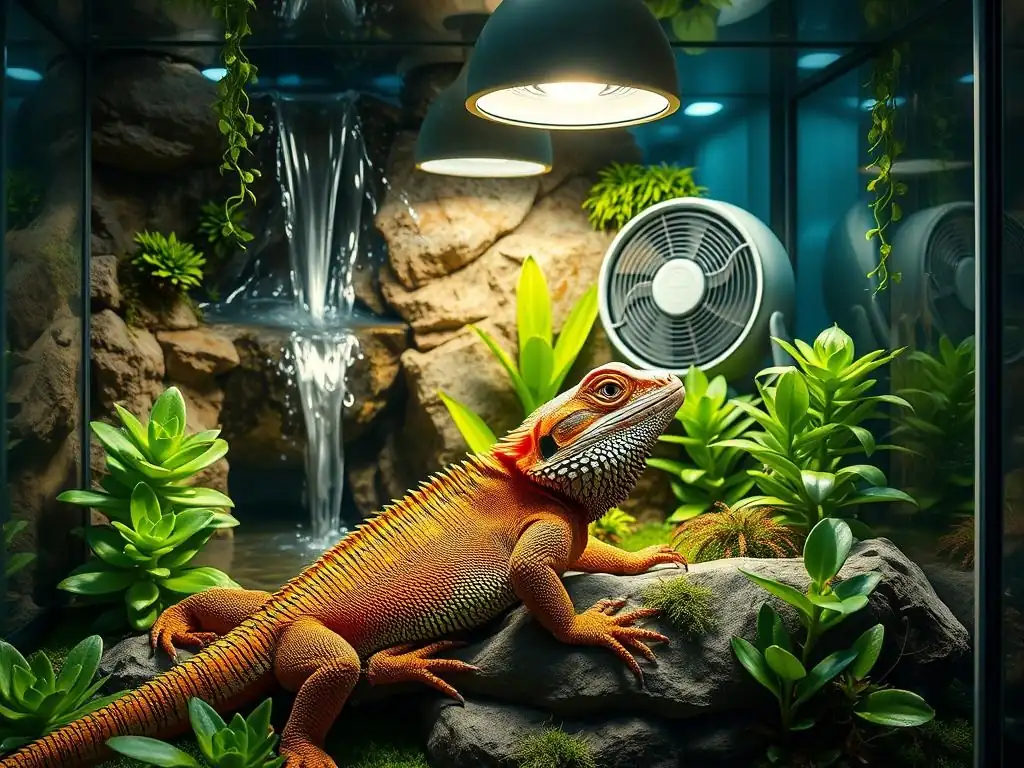
Welcome to PetCareWorld, your ultimate guide to a happier, healthier life for your beloved pets! Are you ready to unlock the secrets to creating the perfect environment for your scaly companions? Learn about the critical role of proper ventilation and discover best practices for using reptile enclosure fans in our in-depth guide. Dive in and explore the pros, cons, and essential tips to ensure your reptiles thrive!
- Understanding Reptile Enclosure Ventilation: The Importance of Air Circulation
-
Frequently Asked Questions
- What are the benefits of using a fan in a reptile enclosure?
- What are the potential drawbacks of using a fan in a reptile enclosure?
- How do I choose the right fan for my reptile enclosure?
- How can I prevent my reptile from being directly exposed to the fan's airflow?
- What are some essential safety precautions when using a fan in a reptile enclosure?
- Final Reflection: The Vital Breath of a Healthy Habitat
- Unlock Your Reptile's Comfort: Take Action Now!
Understanding Reptile Enclosure Ventilation: The Importance of Air Circulation
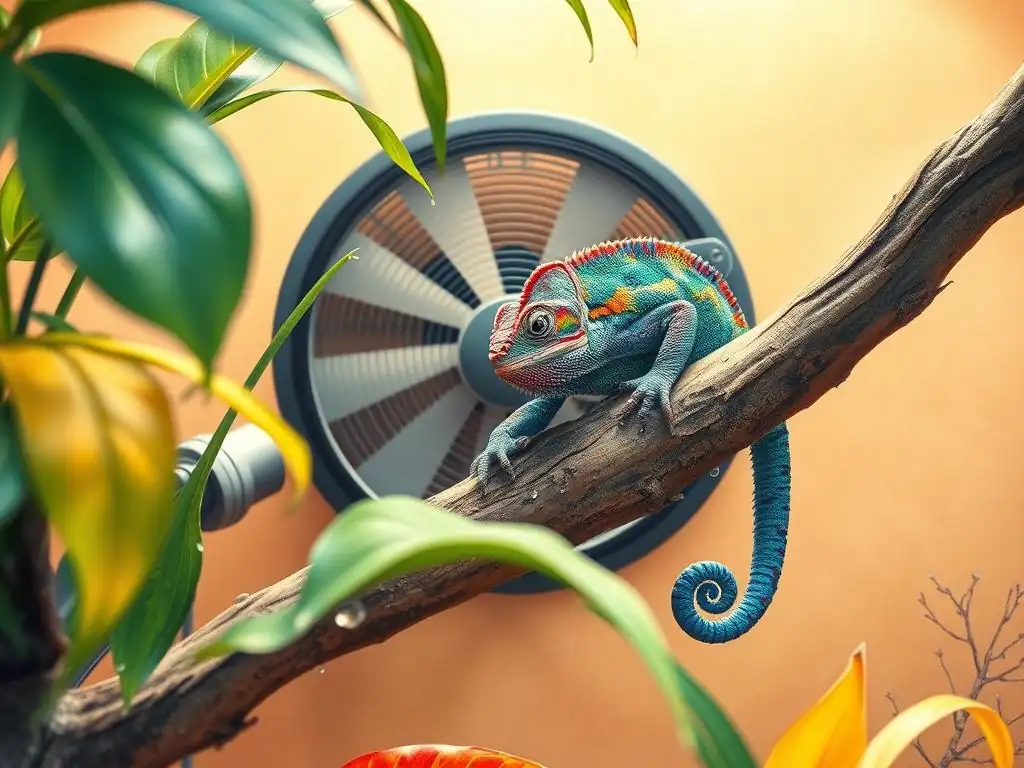
Maintaining a healthy and thriving environment for your reptile requires careful attention to various factors, and among them, proper ventilation stands out as crucial. This article delves into the specifics of using fans in reptile enclosures, exploring the benefits, drawbacks, and essential best practices to ensure your reptile's well-being. We'll examine how air circulation impacts humidity levels, prevents the buildup of harmful gases, and contributes to overall enclosure hygiene, ultimately impacting your reptile's health and longevity. Understanding and implementing these best practices is key to responsible reptile ownership and contributes significantly to preventing common health problems associated with poor enclosure ventilation. Proper ventilation is not just a convenience; it's a necessity for creating a suitable habitat that mirrors your reptile's natural environment as closely as possible. This guide provides a detailed approach to optimizing your reptile's enclosure using fans, empowering you to make informed decisions for their health and happiness.
Benefits of Using Fans in Reptile Enclosures
Proper airflow, facilitated by fans, offers a multitude of advantages for your reptile's enclosure. Firstly, fans significantly reduce the risk of ammonia and other harmful gas buildup. Reptile waste produces ammonia, a highly toxic gas that can cause respiratory problems and even death. Adequate ventilation effectively disperses this gas, creating a safer environment.
Secondly, fans help regulate temperature and humidity gradients within the enclosure. This is particularly crucial for species requiring specific temperature zones for basking and thermoregulation. A well-placed fan can create a more natural temperature gradient, mimicking the variations found in their natural habitats. Finally, fans help prevent the growth of mold and mildew, common problems in poorly ventilated enclosures.
These fungi can negatively impact your reptile's health, leading to respiratory infections and other issues. The consistent air movement provided by fans inhibits the growth of these harmful organisms, contributing to a cleaner and healthier enclosure. The improved air quality and temperature control directly translate to a healthier and more comfortable living space for your reptile.
Potential Drawbacks and Considerations
While fans offer significant benefits, it's crucial to acknowledge potential drawbacks and implement safety measures. One concern is the potential for excessive drying of the enclosure, particularly for species requiring high humidity levels. Improper fan placement or overly powerful fans can drastically reduce humidity, leading to dehydration and skin problems in your reptile. Another consideration is the creation of drafts, which can chill your reptile, especially if the fan is positioned too close to its basking area or if the ambient temperature is already low.
Direct airflow can lead to stress and discomfort, potentially impacting your reptile's behavior and overall health. Finally, ensure the fan is securely mounted to prevent it from falling into the enclosure, posing a potential hazard to your reptile. Careful planning and appropriate fan selection are crucial to mitigate these risks.
Choosing the Right Fan for Your Reptile Enclosure
Selecting the appropriate fan is critical for effective and safe ventilation. The size and power of the fan should be proportional to the size of the enclosure. A small fan in a large enclosure will be ineffective, while an overly powerful fan in a small enclosure could create excessive airflow. Consider the type of fan – axial fans are commonly used and relatively inexpensive, while centrifugal fans offer more powerful airflow but are generally more expensive. The noise level is also a factor; excessively noisy fans can stress your reptile.
Look for low-noise options to minimize disturbance. Finally, ensure the fan is made of safe materials and is easily cleaned to maintain hygiene. Consider using a thermostatically controlled fan for more precise temperature regulation, particularly beneficial for species with specific thermal requirements. Always prioritize safety and effectiveness when choosing a fan for your reptile's enclosure.
Best Practices for Using Fans in Reptile Enclosures
To maximize the benefits and minimize the risks associated with using fans, follow these best practices. First, strategically position the fan to create airflow without directly blowing on your reptile. Aim for indirect airflow, which gently circulates air throughout the enclosure without creating drafts. Second, monitor humidity levels regularly using a reliable hygrometer.
Adjust the fan's speed or placement as needed to maintain the appropriate humidity range for your reptile's species. Third, regularly clean the fan and the enclosure to prevent the buildup of dust and debris. This is essential for maintaining air quality and preventing the growth of harmful microorganisms. Fourth, consider using a combination of fans and other ventilation methods, such as screen tops or mesh sides, for optimal airflow.
A multi-faceted approach often yields the best results. Finally, observe your reptile's behavior carefully. If you notice any signs of stress or discomfort, adjust the fan's settings or placement accordingly. Regular monitoring and adjustments are crucial for maintaining a healthy and comfortable environment.
This detailed guide on reptile enclosure fan best practices provides a comprehensive understanding of how to improve air circulation and maintain a healthy environment for your reptile. Remember, responsible reptile keeping requires constant vigilance and adaptation to ensure the well-being of your pet.
Frequently Asked Questions
What are the benefits of using a fan in a reptile enclosure?
Using a fan improves air circulation, preventing temperature gradients and reducing the risk of respiratory problems. It also helps to disperse humidity evenly, creating a healthier environment.
What are the potential drawbacks of using a fan in a reptile enclosure?
Fans can create drafts, which can be harmful to reptiles. Improper placement can lead to localized cooling or overheating. Noise can also be a concern for some sensitive reptiles and owners.
How do I choose the right fan for my reptile enclosure?
Consider your reptile's specific needs and the size of the enclosure. Look for fans with adjustable speeds and features that minimize drafts. Safety is paramount – choose a fan designed for use with reptiles and that is securely mounted.
How can I prevent my reptile from being directly exposed to the fan's airflow?
Never point the fan directly at your reptile. Use the fan to create air circulation within the enclosure, not a direct blast of air. Consider using baffles or strategically placing plants to deflect airflow.
What are some essential safety precautions when using a fan in a reptile enclosure?
Ensure the fan is securely mounted to prevent it from falling. Regularly inspect the fan for damage or wear. Always use a guard to prevent your reptile from coming into contact with the fan blades.
Final Reflection: The Vital Breath of a Healthy Habitat
The responsible use of fans in reptile enclosures isn't just a niche hobbyist concern; it's a critical factor in ensuring the well-being and longevity of these fascinating creatures. A seemingly small detail like airflow can drastically impact a reptile's health, influencing everything from thermoregulation and respiratory function to overall stress levels and disease prevention. Ignoring this crucial aspect can have devastating consequences.
The impact of proper ventilation on reptile health is profound and far-reaching. It's not simply about preventing overheating; it's about creating a microclimate that mimics the natural environment these animals evolved in. A well-ventilated enclosure promotes a healthier environment, reducing the risk of bacterial and fungal growth, and ultimately contributing to a happier, more thriving reptile. The health of a reptile is directly tied to the health of its environment. Providing proper ventilation is a fundamental step in responsible reptile keeping.
This simple truth underscores the importance of the information presented in this article.
Now, consider your own reptile's enclosure. Are you providing adequate ventilation? Do you understand the nuances of airflow, temperature gradients, and the potential pitfalls of improper fan placement? Take the time to review the best practices outlined in this article and make any necessary adjustments to your setup. Your reptile's comfort, health, and even its lifespan depend on your commitment to creating the perfect, breathable habitat. Let's work together to ensure the well-being of these incredible animals, one carefully placed fan at a time.
Unlock Your Reptile's Comfort: Take Action Now!
Thank you for exploring the world of reptile enclosure ventilation! We hope you've gained valuable insights into creating the ideal climate for your reptile. Now, let's put that knowledge into practice.
Here's what you can do next:
- Optimize your reptile's enclosure: Carefully assess your current setup and make adjustments based on what you've learned. This might involve adding or modifying fans, improving airflow, and more closely monitoring temperature and humidity. This is the single most effective step you can take right away.
- Share your experiences: Tell us (and other reptile keepers!) about your successes and challenges in the comments below. What changes are you implementing, and what are your initial observations?
- Expand your knowledge: Learn more by researching different types of fans specifically designed for reptile enclosures.
Ready to create the perfect climate for your reptile? What's the first improvement you'll make to its enclosure?