
Protecting Your Cat: A Complete Guide to Preventing Bacterial Infections

Welcome to PetCareWorld, your ultimate guide to happy and healthy pets! Are you concerned about keeping your feline friend safe from harmful bacteria? Then you've come to the right place. Our comprehensive guide on "Prevent cat bacterial infections" reveals crucial insights and practical steps to protect your beloved cat from potentially devastating illnesses. Discover essential preventative measures and learn how to safeguard your cat's well-being today. Dive in and explore the world of expert pet care advice now!
- Understanding Bacterial Infections in Cats
-
Preventing Cat Bacterial Infections: Proactive Measures
- Maintaining Optimal Hygiene for Your Cat
- Providing a Clean and Safe Environment for Your Cat
- Nutrition and a Healthy Immune System for Feline Bacterial Infection Prevention
- Regular Veterinary Checkups for Early Detection and Prevention
- Maintaining a Clean and Hygienic Environment
- Proper Nutrition and Hydration
- Boosting Your Cat's Immunity to Fight Bacterial Infections
- Managing Existing Bacterial Infections in Cats
- Frequently Asked Questions about Cat Bacterial Infections Prevention
- Frequently Asked Questions
- Final Reflection: The Unseen Battle: Protecting Our Feline Companions
- Unlock Your Cat's Healthiest Life: Take Action Now!
Understanding Bacterial Infections in Cats
Bacterial infections are a significant concern for cat owners, potentially leading to various health complications if left untreated. This comprehensive guide will delve into the prevention of bacterial infections in cats, empowering you to proactively safeguard your feline companion's well-being. We'll explore common bacterial infections, their telltale symptoms, and the crucial role of veterinary diagnosis and intervention in ensuring a swift and complete recovery.
Preventing cat bacterial infections requires a proactive approach encompassing preventative care, a watchful eye for symptoms, and prompt veterinary attention – all crucial elements in maintaining your cat's health and happiness. Understanding these aspects is key to responsible cat ownership and ensuring a long, healthy life for your beloved pet. This guide aims to equip you with the knowledge necessary to effectively prevent and address bacterial infections, contributing to your cat’s overall health and longevity.
Common Bacterial Infections Affecting Cats
Several bacteria can cause infections in cats, each presenting with varying symptoms and levels of severity. Some of the most prevalent bacterial infections include:
- Upper Respiratory Infections (URIs): Frequently caused by Bordetella and Chlamydophila, these infections manifest as sneezing, coughing, nasal discharge, and conjunctivitis. The severity can range from mild to severe, sometimes requiring antibiotic treatment.
- Skin Infections: Bacteria like Staphylococcus and Streptococcus are common culprits behind skin infections, resulting in abscesses, wounds, and dermatitis. These infections often require topical or systemic antibiotics.
- Urinary Tract Infections (UTIs): E. coli is a frequent cause of UTIs in cats, leading to increased urination frequency, straining to urinate, and blood in the urine. Prompt veterinary care is essential to prevent kidney damage.
- Pneumonia: Bacterial pneumonia can be life-threatening, often caused by bacteria such as Mycoplasma and Pasteurella. Symptoms include coughing, labored breathing, fever, and lethargy. Immediate veterinary intervention is crucial.
- Wound Infections: Any open wound on a cat is susceptible to bacterial infection. Prompt cleaning and veterinary care are vital to prevent complications. The type of bacteria involved varies depending on the environment and the nature of the wound.
Identifying Symptoms of Bacterial Infections in Cats
Recognizing the symptoms of a bacterial infection is crucial for timely veterinary intervention. While symptoms vary depending on the specific infection and location, some common indicators include:
- Lethargy and Loss of Appetite: A significant change in your cat's energy levels and eating habits is a common early warning sign. A persistently lethargic cat with a decreased appetite should be examined by a veterinarian.
- Fever: Elevated body temperature is a typical response to infection. While a slight elevation might be temporary, a persistently high fever warrants immediate veterinary attention.
- Coughing and Sneezing: Persistent coughing and sneezing, especially accompanied by nasal discharge, could indicate an upper respiratory infection.
- Changes in Urination: Increased frequency, difficulty urinating, blood in the urine, or changes in urine odor can signal a urinary tract infection.
- Skin Lesions: Abscesses, wounds, redness, swelling, or excessive scratching can indicate a bacterial skin infection. Monitor any skin changes closely.
- Diarrhea: While diarrhea can have various causes, it can also be a symptom of a bacterial infection, particularly if accompanied by other symptoms.
Diagnosing Bacterial Infections: Vet Visits and Testing
If you suspect your cat has a bacterial infection, a veterinary visit is essential for accurate diagnosis and treatment. The veterinarian will conduct a thorough physical examination, considering your cat's history and symptoms. Diagnostic tests may include:
- Blood tests: To assess overall health and detect signs of infection.
- Urinalysis: To examine urine for bacteria, infection, and other abnormalities.
- Culture and sensitivity testing: To identify the specific bacteria causing the infection and determine the most effective antibiotic.
- Radiography (X-rays): To visualize internal organs and detect abnormalities such as pneumonia.
- Cytology or Histopathology: Microscopic examination of tissue samples to identify the presence of bacteria and inflammation.
The prompt diagnosis and treatment of bacterial infections are crucial for your cat's health. Remember, prevention is key, but early intervention is equally important in ensuring a positive outcome. 😻
Preventing Cat Bacterial Infections: Proactive Measures

This section focuses on proactive strategies to minimize the risk of bacterial infections in your feline companion. Preventing cat bacterial infections is crucial for their overall health and well-being. By implementing these preventative measures, you significantly reduce the chances of your cat contracting harmful bacteria and needing veterinary intervention. Remember, a proactive approach is far more effective and less stressful than reactive treatment.
Maintaining Optimal Hygiene for Your Cat
Maintaining your cat's hygiene is paramount in preventing bacterial infections. Regular grooming significantly reduces the accumulation of bacteria on their fur and skin. This simple act can make a world of difference.
Regular brushing, ideally daily or at least several times a week, removes loose fur, dirt, and debris that can harbor bacteria. Different brush types are suitable for different coat lengths; a slicker brush is excellent for short-haired cats, while a longer-haired cat might benefit from a comb and a shedding brush.
Ear cleaning is also vital. Use a veterinarian-recommended ear cleaning solution and cotton balls or gauze to gently clean the visible parts of the ear canal. Avoid using cotton swabs, as these can push debris further into the ear and potentially cause damage. Regular ear cleaning helps prevent ear infections, a common entry point for bacterial infections.
Pay close attention to your cat's paws. Their paws are constantly in contact with various surfaces, picking up dirt, bacteria, and potentially harmful substances. Regularly wiping their paws with a damp cloth can significantly reduce the risk of bacterial contamination. This is especially important after outdoor excursions.
Finally, monitor your cat's anal glands. Impacted anal glands can become infected, leading to painful abscesses. If you notice any signs of discomfort or swelling around the anal area, consult your veterinarian immediately. Regular expression of anal glands by a vet may be necessary for some cats to prevent these issues.
Providing a Clean and Safe Environment for Your Cat
A clean and safe environment is crucial for preventing cat bacterial infections. This includes regular cleaning of litter boxes, food and water bowls, and sleeping areas.
Litter boxes should be scooped at least once a day, and the entire box should be thoroughly cleaned and disinfected at least weekly. Use a pet-safe disinfectant to eliminate bacteria and harmful pathogens. Multiple litter boxes, especially for multi-cat households, are recommended to reduce competition and ensure adequate sanitation.
Food and water bowls should be washed daily with hot, soapy water. Bacteria can easily proliferate in leftover food and stagnant water. Using stainless steel bowls is preferable as they are easier to clean and less likely to harbor bacteria than plastic bowls.
Regular cleaning of your cat's sleeping areas, such as beds, blankets, and scratching posts, is also important. Wash these items regularly using hot water and pet-safe detergent. Vacuuming and cleaning floors and carpets regularly helps to remove dust, allergens, and bacteria from the environment.
Preventing access to potentially contaminated areas, such as garbage cans or areas where rodents may be present, is also essential. Rodents can carry various bacteria that could infect your cat.
Regularly inspect your cat's environment for signs of mold or mildew, which can also contribute to respiratory infections and weaken their immune system, making them more susceptible to bacterial infections.
Nutrition and a Healthy Immune System for Feline Bacterial Infection Prevention
A balanced and nutritious diet plays a crucial role in preventing cat bacterial infections. A strong immune system is the body's first line of defense against bacterial invasion. Providing your cat with high-quality food that meets their nutritional needs is essential for bolstering their immune response.
Choose cat food that is formulated to meet the Association of American Feed Control Officials (AAFCO) standards for your cat's life stage (kitten, adult, senior). Look for foods that list high-quality protein sources, such as chicken, turkey, or fish, as the primary ingredients. Avoid foods with excessive fillers, artificial colors, and preservatives.
Consult your veterinarian about supplemental nutrients. In some cases, they may recommend specific supplements to further support your cat's immune system, especially during periods of stress or illness. However, always consult your vet before introducing any supplements to your cat's diet.
Fresh, clean water should always be readily available. Dehydration weakens the immune system, making your cat more susceptible to infections. Provide multiple water sources and regularly clean and refill the water bowls.
Regular veterinary checkups are vital for monitoring your cat's overall health and detecting potential problems early. Vaccinations also play a key role in protecting your cat against various infectious diseases, indirectly reducing the overall risk of bacterial infections. A healthy cat is far less likely to fall prey to bacterial infections. Preventative care is the best approach to ensuring your cat lives a long and healthy life.
Regular Veterinary Checkups for Early Detection and Prevention
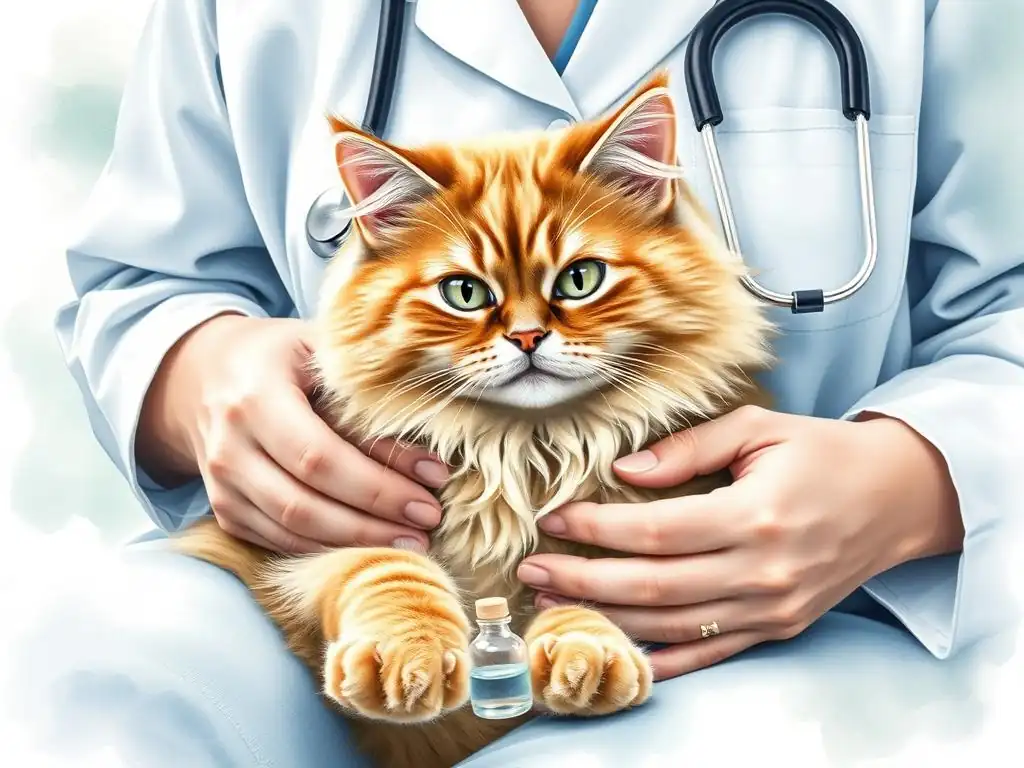
Regular veterinary checkups are crucial for preventing cat bacterial infections. These visits aren't just about addressing existing problems; they're a proactive approach to identifying potential issues before they escalate. During these checkups, your veterinarian can perform a thorough physical examination, assessing your cat's overall health and identifying any subtle signs of infection, such as subtle changes in behavior, appetite, or energy levels, that you might miss. Early detection is paramount; many bacterial infections are more easily treated in their early stages, before they become systemic or severely compromise your cat's health. A veterinarian can also perform diagnostic tests, such as blood work or urine analysis, to detect early signs of infection even before clinical symptoms manifest.
This proactive approach can significantly improve your cat's chances of a swift and complete recovery. Furthermore, your vet can advise on preventative measures tailored to your cat's age, breed, and lifestyle, minimizing the risk of future infections. For kittens, regular checkups are particularly important due to their developing immune systems. For senior cats, regular checkups help monitor age-related vulnerabilities to infection. Don't underestimate the value of these preventative visits; they are an investment in your cat's long-term health and well-being, helping you effectively prevent cat bacterial infections.
Scheduling these checkups every six months or annually, as recommended by your veterinarian, is a vital step in protecting your feline companion. Remember, a healthy cat is less susceptible to bacterial infections. Think of these visits as a form of preventative medicine, helping you actively prevent cat bacterial infections rather than just reacting to them. The peace of mind that comes with knowing your cat is receiving regular professional care is invaluable.
Maintaining a Clean and Hygienic Environment
A clean and hygienic living environment is vital in preventing bacterial infections in cats. This means regular cleaning of your cat's litter box—ideally, daily scooping and a complete box change at least weekly—to minimize the build-up of bacteria and ammonia. Bacteria thrive in damp, unclean environments, so maintaining a dry litter box is crucial. Regularly disinfecting food and water bowls, as well as surfaces your cat frequently interacts with, such as scratching posts and toys, helps to reduce bacterial contamination. Cleaning up spills and messes promptly prevents the spread of bacteria.
Consider using pet-safe disinfectants, ensuring they are properly diluted and rinsed to avoid harming your cat. Regular vacuuming and mopping of floors helps remove hair, dander, and other debris that can harbor bacteria. Regularly washing your cat's bedding can also significantly reduce the risk of bacterial infections. For multi-cat households, meticulous cleaning is even more critical to prevent the transmission of bacteria between cats.
Remember, a clean environment is a healthier environment for your cat, significantly reducing the opportunities for bacterial infections to take hold and flourish. Preventing cat bacterial infections requires a commitment to consistent hygiene practices. The effort you put into maintaining a clean environment is a direct investment in your cat's health. Think of it as a proactive barrier against potential pathogens.
Proper Nutrition and Hydration
Providing your cat with a balanced and nutritious diet is fundamental to maintaining a strong immune system, making them less susceptible to bacterial infections. High-quality cat food, formulated to meet their specific nutritional needs, provides the essential vitamins, minerals, and antioxidants necessary for optimal immune function. Avoid feeding your cat table scraps or human food, as these can upset their digestive system and compromise their immune response. Always ensure fresh, clean water is readily available.
Dehydration weakens the immune system, making your cat more vulnerable to infections. Consider using a filtered water fountain to encourage increased water intake and to provide cleaner, fresher water than a stagnant bowl. Regularly monitor your cat's food and water intake, noting any significant changes in appetite or thirst, which could be an early warning sign of illness. Consult your veterinarian about the best diet for your cat's age, breed, and health condition.
They can recommend a food that optimizes your cat's immune system and overall health. A healthy, well-nourished cat is better equipped to fight off bacterial infections. Proper nutrition and hydration are not just about preventing cat bacterial infections; they contribute to your cat's overall health and longevity. It's a proactive, holistic approach to pet wellness.
Boosting Your Cat's Immunity to Fight Bacterial Infections
A strong immune system is the first line of defense against bacterial infections in cats. Proactive measures to bolster your feline friend's natural defenses are crucial in preventing illness. While vaccines target specific bacterial pathogens, a holistic approach encompassing diet, stress management, and a healthy lifestyle significantly increases their resilience. Think of it as building a fortress around your cat's health, making it harder for bacteria to invade. This section will explore key strategies to fortify your cat's immunity and proactively prevent bacterial infections. Remember, a healthy cat is a happy cat!
The Role of Vaccination in Preventing Bacterial Infections in Cats
Vaccination is a cornerstone of preventative care for cats. While not all bacterial infections have available vaccines, core vaccines protect against common and potentially life-threatening bacterial diseases. These vaccines stimulate the immune system to produce antibodies, providing protection against specific bacteria. For example, feline panleukopenia virus (FPV) vaccination, although targeting a virus, indirectly contributes to overall immune strength, making the cat less susceptible to secondary bacterial infections that often complicate viral illnesses.
Keeping your cat's vaccination schedule up-to-date, as recommended by your veterinarian, is paramount in preventing bacterial infections. This includes annual booster shots to maintain optimal immunity. Regular veterinary check-ups also allow for early detection of any underlying health issues that could compromise your cat's immune system. Don't underestimate the power of preventative vaccinations in preventing cat bacterial infections!
Dietary Considerations to Strengthen Immunity Against Bacterial Infections
Nutrition plays a vital role in supporting a robust immune system. A balanced diet rich in essential nutrients is crucial for optimal immune function. High-quality cat food, specifically formulated to meet feline nutritional needs, should form the basis of your cat's diet. Look for foods containing high-quality protein sources, healthy fats (like omega-3 and omega-6 fatty acids), and a balanced array of vitamins and minerals.
These nutrients are the building blocks for a strong immune system. For example, vitamin C, although not essential for cats like it is for humans, is a powerful antioxidant that supports immune cell function. Similarly, Vitamin E and selenium are vital for protecting cells from damage caused by free radicals.
Avoid feeding your cat table scraps or processed foods, as these often lack essential nutrients and can potentially introduce harmful bacteria. A well-nourished cat is better equipped to fight off bacterial infections. Consider consulting with your veterinarian or a veterinary nutritionist to determine the best diet for your cat's specific needs and age.
Stress Reduction Techniques for a Healthier Immune System
Chronic stress weakens the immune system, making cats more vulnerable to infections. Creating a calm and enriching environment is crucial for maintaining your cat's well-being and immune health. Cats thrive on routine and predictability. A consistent feeding schedule, regular playtime, and access to safe spaces (like scratching posts and cat trees) significantly reduce stress levels.
Providing opportunities for environmental enrichment, such as interactive toys and puzzle feeders, helps keep your cat mentally stimulated and reduces boredom-related stress. Avoid sudden changes in your cat's routine or environment as much as possible. Introducing a new pet or moving house can trigger stress and weaken their immune response.
If you observe signs of stress in your cat (excessive grooming, hiding, changes in appetite or litter box habits), consult your veterinarian to discuss potential solutions. A happy and relaxed cat is a healthier cat, better equipped to prevent cat bacterial infections. Remember, a calm environment is essential for a strong immune system.
Managing Existing Bacterial Infections in Cats
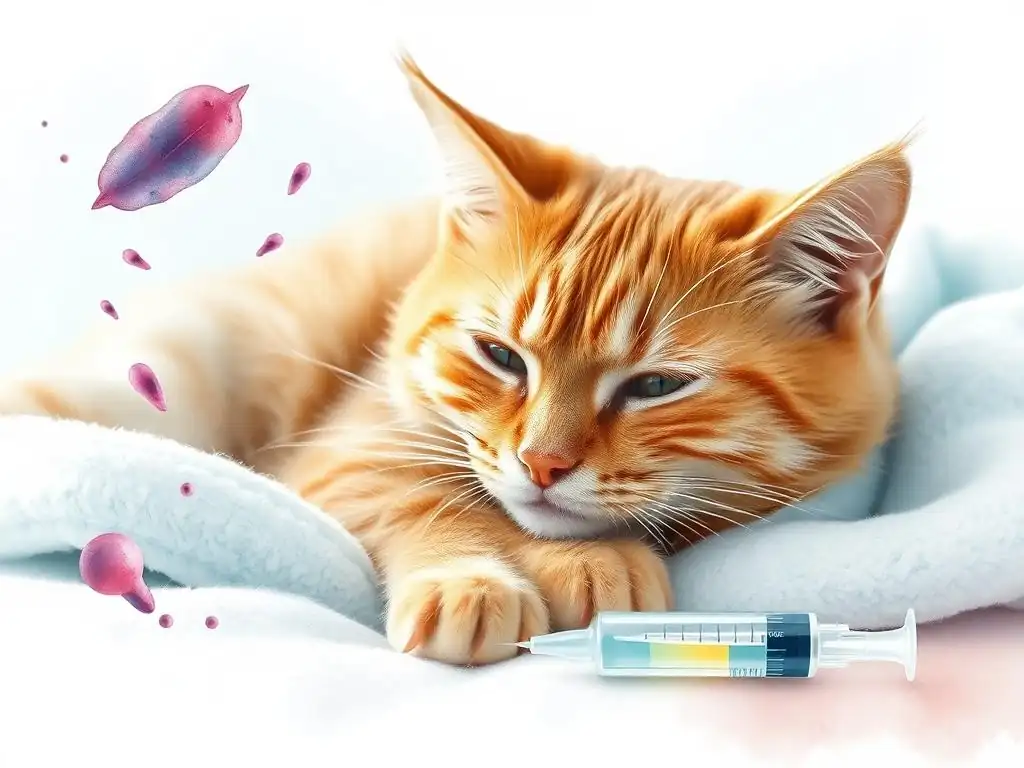
This section focuses on the crucial steps to take once a bacterial infection in your cat has been diagnosed. Early intervention is key to preventing complications and ensuring a full recovery. Remember, this information is for educational purposes only and should not replace professional veterinary advice. Always consult your veterinarian for diagnosis and treatment plans specific to your cat's condition. Effective management of cat bacterial infections relies on a multifaceted approach.
Treatment Options for Common Cat Bacterial Infections
Treatment for bacterial infections in cats typically involves antibiotics, tailored to the specific bacteria causing the infection. Your vet will conduct tests, such as bacterial cultures and sensitivity tests, to identify the culprit and determine the most effective antibiotic. The choice of antibiotic considers factors like the type of bacteria, the severity of the infection, and your cat's overall health.
Commonly prescribed antibiotics for feline bacterial infections include:
- Amoxicillin: A broad-spectrum antibiotic effective against a wide range of bacteria.
- Clavamox (amoxicillin-clavulanate): A combination antibiotic that combats bacteria resistant to amoxicillin alone.
- Baytril (enrofloxacin): A fluoroquinolone antibiotic often used for respiratory and urinary tract infections.
- Cefazolin: A cephalosporin antibiotic frequently used for skin infections.
The dosage and duration of antibiotic treatment will vary depending on the individual case. Your veterinarian will provide detailed instructions on administering the medication correctly. It's crucial to complete the entire course of antibiotics, even if your cat appears to be recovering, to prevent the infection from returning or developing antibiotic resistance. Failure to complete the prescribed course can lead to relapse and the development of more resistant strains of bacteria, making future treatment more challenging.
Beyond antibiotics, supportive care is essential. This may include:
- Fluids: Intravenous fluids might be necessary to combat dehydration, a common complication of bacterial infections.
- Pain management: Analgesics can help alleviate pain and discomfort associated with the infection.
- Nutritional support: A nutritious diet is vital for supporting your cat's immune system and promoting healing. Your vet might recommend a special diet depending on the severity and location of the infection.
When to Seek Emergency Veterinary Care for Bacterial Infections
While many bacterial infections respond well to treatment at home, some situations require immediate veterinary attention. Recognizing these signs is critical for preventing serious complications. Seek emergency veterinary care if your cat exhibits any of the following symptoms:
- Severe lethargy or weakness: An unusual lack of energy, significantly different from your cat's normal behavior.
- Difficulty breathing: Rapid, shallow breathing, or labored breathing.
- High fever: A temperature significantly above the normal range for cats (100.4-102.5°F or 38-39.2°C).
- Seizures: Uncontrolled muscle spasms or convulsions.
- Collapse or loss of consciousness: These signs suggest a severe, life-threatening infection.
- Severe dehydration: Sunken eyes, dry gums, and lack of skin elasticity.
- Bloody diarrhea or vomiting: These could indicate a severe gastrointestinal infection.
- Abscesses: Swollen, painful areas containing pus. These require immediate drainage and antibiotic treatment.
Prompt veterinary care in these situations can be life-saving. Don't hesitate to contact your vet or an emergency animal hospital if you observe any of these alarming symptoms. Early intervention significantly improves the chances of a successful outcome.
Post-Treatment Care and Monitoring
After completing antibiotic treatment, close monitoring is essential to ensure the infection has cleared completely and to detect any potential recurrence. Continue to observe your cat for any lingering symptoms. Your vet may recommend follow-up appointments, including blood tests or other diagnostic procedures, to assess your cat's recovery. Maintaining good hygiene practices at home is crucial to prevent reinfection. This includes regular cleaning of litter boxes, food and water bowls, and disinfecting surfaces your cat frequently interacts with.
A balanced diet, proper hydration, and stress reduction also contribute to a strong immune system, reducing the risk of future bacterial infections. Remember, preventative measures, such as regular vaccinations and parasite control, are key to keeping your feline companion healthy and reducing the likelihood of bacterial infections. Providing a clean and safe environment for your cat remains paramount in preventing future issues. 😻
Frequently Asked Questions about Cat Bacterial Infections Prevention

This section addresses common queries regarding preventing bacterial infections in cats. Understanding these preventative measures is crucial for maintaining your feline companion's health and well-being. Preventing cat bacterial infections requires a proactive and informed approach.
Can I prevent all bacterial infections in my cat?
No, you cannot guarantee the complete prevention of all bacterial infections in your cat. Bacteria are ubiquitous, and even with the best preventative care, exposure is inevitable. However, by diligently following preventative strategies, you can significantly reduce your cat's risk of developing serious bacterial infections. Think of it like this: you can't eliminate all chances of getting a cold, but you can significantly reduce your risk through good hygiene and a healthy lifestyle.
Similarly, proactive measures for your cat will bolster its natural defenses. This includes maintaining a clean environment, providing a balanced diet, and ensuring regular veterinary check-ups. These steps minimize the likelihood of infection and improve your cat's ability to fight off any bacteria it might encounter. A strong immune system is your cat's best defense against bacterial illnesses.
What are the early warning signs of a bacterial infection in cats?
Recognizing the early warning signs of a bacterial infection is paramount for timely intervention. Early detection dramatically improves treatment outcomes and reduces the severity of the illness. While symptoms can vary depending on the specific bacteria and your cat's overall health, some common indicators include:
- Lethargy and decreased appetite: A noticeable decline in energy levels and a refusal to eat are often early signs. This could manifest as your cat sleeping more than usual or showing less interest in their favorite treats.
- Fever: A higher than normal body temperature is a common response to infection. While you can't easily check your cat's temperature at home without a rectal thermometer, changes in behavior, like increased panting or hiding, can indicate a fever.
- Discharge from eyes or nose: A cloudy or colored discharge from the eyes or nose can signal an infection. Normal eye or nasal discharge is usually clear and watery.
- Coughing or sneezing: Persistent coughing or sneezing, especially if accompanied by other symptoms, warrants veterinary attention.
- Skin lesions: Abscesses, sores, or inflamed areas on the skin can indicate a localized bacterial infection. These areas might be red, swollen, or painful to the touch.
- Diarrhea or vomiting: Changes in bowel movements, such as persistent diarrhea or vomiting, can be symptoms of a bacterial infection, especially if combined with other signs.
- Changes in urination: Straining to urinate, frequent urination, or blood in the urine could indicate a urinary tract infection.
If you observe any of these symptoms, promptly consult your veterinarian. Early diagnosis and treatment are key to preventing more serious complications. Remember, even subtle changes in your cat's behavior can be indicative of an underlying health issue.
How often should I take my cat for a check-up?
Regular veterinary check-ups are vital for preventative care and early detection of potential health problems, including bacterial infections. While the frequency depends on your cat's age and overall health, a general guideline is:
- Kittens: Kittens require more frequent visits, typically every few weeks until they are fully vaccinated.
- Adult cats (1-7 years): Annual check-ups are recommended for healthy adult cats. This allows for vaccinations, parasite prevention, and a general health assessment.
- Senior cats (7+ years): Senior cats benefit from more frequent check-ups, potentially every six months, due to an increased risk of age-related health issues.
During these check-ups, your veterinarian will perform a physical examination, assess your cat's weight, and discuss any concerns you may have. They may also recommend additional diagnostic tests based on your cat's individual needs. Preventative care, including vaccinations and parasite control, are essential components of these visits and play a crucial role in preventing cat bacterial infections. Don't hesitate to contact your veterinarian if you have any concerns about your cat's health, even between scheduled appointments.
Proactive veterinary care significantly improves your cat's chances of a long and healthy life. Early intervention is key to preventing bacterial infections from becoming serious health threats. 😻
What are the best ways to clean my cat's environment?
Maintaining a clean environment is crucial in preventing bacterial infections in cats. This goes beyond a simple weekly vacuuming; it's about consistent, thorough cleaning targeting areas where bacteria thrive. Regularly disinfecting food and water bowls is paramount. Use warm, soapy water and a disinfectant safe for pets – always rinse thoroughly to avoid any residual chemicals that could harm your feline friend. Replace water daily to prevent bacterial growth.
Litter boxes should be scooped at least once a day, ideally twice, and completely changed and disinfected weekly. This is especially important because cat feces are a major source of bacteria like Toxoplasma gondii. Beyond litter boxes, regularly clean your cat's sleeping areas, scratching posts, and any surfaces they frequently interact with. Consider using enzymatic cleaners, which are specifically designed to break down organic matter and eliminate odors, thus reducing the bacterial load. Regular vacuuming and mopping of floors also helps to minimize the spread of bacteria.
Remember, a clean environment drastically reduces the risk of your cat contracting various bacterial infections. Don't forget to wash your hands thoroughly after handling your cat's litter box or cleaning their belongings to prevent the transmission of bacteria to yourself and other family members. A proactive approach to cleaning is your first line of defense in preventing bacterial infections in cats. 😻
What foods support a healthy immune system in cats?
A balanced and nutritious diet is the cornerstone of a strong immune system in cats. While there's no single "miracle food" to prevent all bacterial infections, certain nutrients play a vital role in bolstering your cat's natural defenses. High-quality commercial cat food, specifically formulated to meet the AAFCO (Association of American Feed Control Officials) nutritional standards, provides a good foundation. Look for foods rich in protein, as it's essential for building and repairing tissues, including those involved in immune function. Choose foods with easily digestible proteins, like chicken or fish, to ensure optimal nutrient absorption.
Healthy fats, like omega-3 and omega-6 fatty acids, are also crucial. These fatty acids have anti-inflammatory properties and support immune cell function. You can supplement your cat's diet with fish oil, but always consult your veterinarian before introducing any supplements. Furthermore, a diet rich in antioxidants, such as vitamins C and E, helps protect cells from damage caused by free radicals, which can weaken the immune system. These antioxidants are often found in fruits and vegetables, though cats are obligate carnivores and shouldn't rely on these for the majority of their nutrition.
Finally, ensuring your cat receives adequate vitamins and minerals is essential. A deficiency in any of these can compromise immune function. Consult with your veterinarian to determine the best dietary approach for your cat, taking into consideration their age, breed, activity level, and any pre-existing health conditions. Remember, a healthy diet is an investment in your cat's overall health and resilience against bacterial infections. 🐾
Frequently Asked Questions
What are the common bacterial infections in cats?
Cats can suffer from various bacterial infections, including upper respiratory infections, skin infections (like abscesses), and urinary tract infections. Early detection is crucial for effective treatment.
How can I prevent bacterial infections in my cat's urinary tract?
Maintain cleanliness of your cat's litter box, providing fresh, clean water at all times, and feeding a high-quality diet. Consult your vet if you notice any changes in urination habits.
What role does hygiene play in preventing bacterial infections?
Good hygiene is vital. Regularly clean your cat's food and water bowls, groom them frequently, and thoroughly clean any areas where they spend a lot of time.
My cat has a wound; how can I prevent infection?
Keep the wound clean and dry. Apply a veterinarian-recommended antiseptic and monitor it closely for signs of infection like swelling, redness, or pus. Visit your vet immediately if you have concerns.
What are the signs of a bacterial infection in cats?
Watch for symptoms like lethargy, loss of appetite, fever, coughing, sneezing, diarrhea, and skin abnormalities. Immediate veterinary attention is necessary if you observe any of these signs.
Final Reflection: The Unseen Battle: Protecting Our Feline Companions
The silent threat of bacterial infections in cats remains a significant concern for pet owners today, demanding our constant vigilance and proactive care. A seemingly healthy cat can quickly succumb to illness if preventative measures are neglected, highlighting the crucial role we play in safeguarding their well-being. This underscores the importance of understanding the subtle signs of infection and implementing the preventative strategies detailed throughout this guide.
The ongoing impact of feline bacterial infections extends far beyond the individual animal; it touches the emotional fabric of our lives. The bond we share with our cats is profound, and witnessing their suffering is deeply distressing. The love of a cat is a pure gift; it asks nothing, demands nothing, gives everything.
This quote perfectly encapsulates the selfless nature of our feline companions, making their health and happiness a paramount concern. Understanding and actively preventing bacterial infections is a testament to the depth of that love and our commitment to their well-being.
Now, consider your own feline friend. Have you reviewed your cat's environment for potential sources of infection? Are you diligently practicing preventative measures, such as regular grooming and vaccination? Take the time today to reassess your approach to cat care. By actively engaging in preventative practices, you are not only protecting your cat from the suffering of bacterial infections but also strengthening the unbreakable bond you share. Empower yourself with knowledge and action; your cat's health and happiness depend on it.
Unlock Your Cat's Healthiest Life: Take Action Now!
Thank you for learning how to protect your feline companion from bacterial infections! We hope this guide has provided you with valuable information to keep your cat happy and healthy. Now, let's put that knowledge into practice.
- Schedule a Veterinary Check-up: A preventative visit with your veterinarian is crucial. Discuss your cat's specific needs and address any concerns; this is the most impactful step you can take to ensure their well-being.
- Maintain a Clean Environment: Regularly clean your cat's litter box, food and water bowls, and sleeping areas using pet-safe disinfectants. A clean environment significantly contributes to a healthier cat.
- Share This Information: Help protect other cats! Share this article with fellow cat owners on social media or within your community.
Ready to give your furry friend the best possible care? What steps will you take today to ensure their health and happiness?