
Is Your Kitten at Risk? Feline Viral Disease Prevention for Young Cats

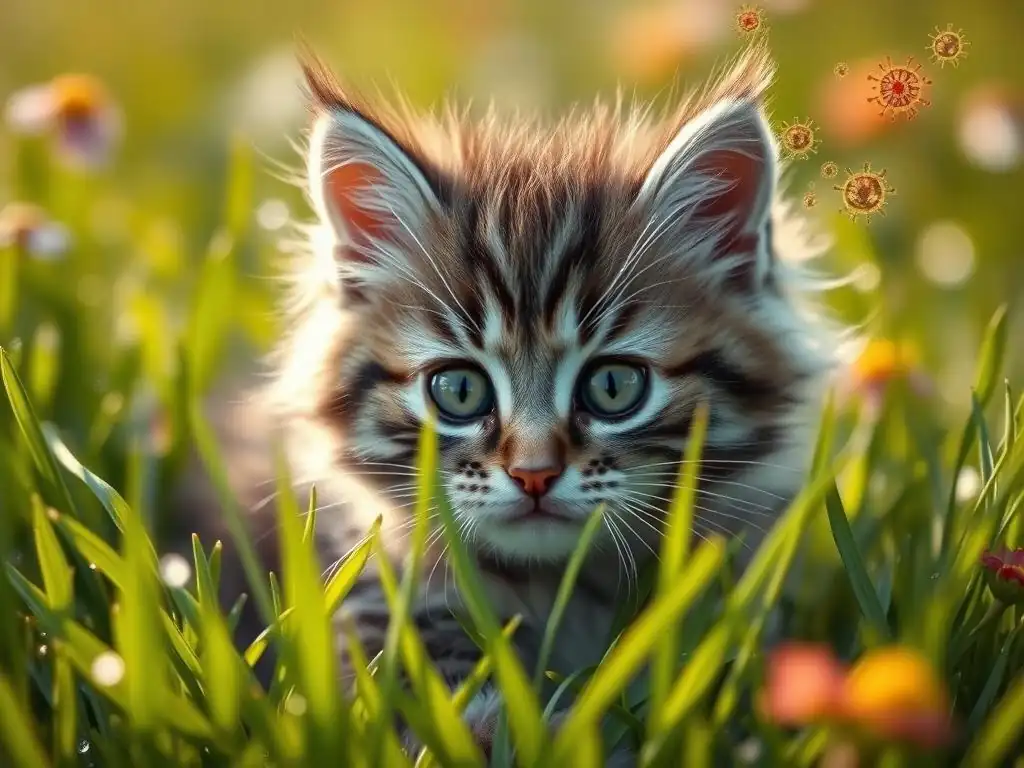
Welcome to PetCareWorld, your ultimate guide to a happier, healthier life for your beloved pets! Are you ready to arm yourself with the knowledge to protect your furry, feathered, or scaled friend? Then delve into our expert advice on crucial topics like Kitten Viral Disease Prevention. Discover proactive steps you can take to safeguard your kitten's well-being and ensure a long, joyful life together. Let's explore how to keep your feline companion thriving!
- Understanding Feline Viral Diseases in Kittens
- Kitten Viral Disease Prevention: Vaccination Strategies
- Boosting Your Kitten's Immunity Beyond Vaccines
- When to Seek Veterinary Care for Your Kitten
- Protecting Your Kitten: A Comprehensive Approach to Viral Disease Prevention
- Creating a Safe and Healthy Environment for Your Kitten
- Long-term Strategies for Maintaining Your Kitten's Health
-
Frequently Asked Questions
- What are the most common viral diseases in kittens?
- How can I prevent my kitten from contracting viral diseases?
- What are the signs of a viral infection in kittens?
- Is there a way to prevent my kitten from catching a viral disease from other cats?
- My kitten has been exposed to a sick cat. What should I do?
- Final Reflection: Protecting Our Purrfect Companions
- Empower Your Kitten's Health: Take Action Now!
Kittens, with their playful antics and boundless energy, are bundles of joy. However, their seemingly invincible nature belies a vulnerability to a range of serious viral diseases. This comprehensive guide focuses on kitten viral disease prevention, equipping you with the knowledge and strategies to protect your furry friend from these potentially life-threatening illnesses.
We will explore common feline viral infections, discuss the crucial importance of early recognition and diagnosis, and outline preventative measures to ensure your kitten enjoys a long, healthy life. Understanding the risks and implementing proactive strategies is key to safeguarding your kitten's well-being and preventing unnecessary suffering. This article is your essential resource for navigating the complexities of feline viral diseases and ensuring your kitten thrives.
Several viral infections pose significant threats to kittens, often manifesting with severe consequences if left untreated. Some of the most prevalent include:
- Feline Calicivirus (FCV): This highly contagious virus primarily affects the upper respiratory tract, causing symptoms such as sneezing, nasal discharge, and eye infections. Severe cases can lead to pneumonia and even death, particularly in young kittens.
- Feline Herpesvirus 1 (FHV-1): Similar to FCV, FHV-1 also targets the respiratory system. It can cause conjunctivitis (inflammation of the eye lining), corneal ulcers, and respiratory distress. Like FCV, it's highly contagious among kittens.
- Feline Panleukopenia Virus (FPV): Often referred to as feline distemper, FPV is a particularly dangerous virus that attacks rapidly dividing cells in the bone marrow, intestines, and lymph nodes. Symptoms include severe vomiting, diarrhea, dehydration, and a significant drop in white blood cell count. FPV has a high mortality rate, especially in unvaccinated kittens.
- Feline Immunodeficiency Virus (FIV): While not strictly a disease of kittens alone, FIV infection can be devastating, weakening the immune system and making kittens susceptible to opportunistic infections. Transmission typically occurs through bites.
- Feline Leukemia Virus (FeLV): Similar to FIV, FeLV weakens the immune system, increasing susceptibility to various cancers and infections. Transmission can occur through saliva, nasal secretions, and blood.
The severity of these infections varies depending on factors such as the kitten's age, overall health, and the specific viral strain. Early detection and intervention are crucial for optimal outcomes.
Early recognition of feline viral diseases is paramount for effective treatment and improved chances of survival, especially in young, vulnerable kittens. While symptoms can vary depending on the specific virus, some common warning signs include:
- Lethargy and weakness: A noticeable decrease in energy levels and activity.
- Loss of appetite: Refusal to eat or a significant reduction in food intake.
- Fever: Elevated body temperature, often accompanied by shivering or chills.
- Respiratory symptoms: Sneezing, coughing, nasal discharge, and difficulty breathing.
- Eye problems: Watery eyes, discharge, squinting, and corneal ulcers.
- Gastrointestinal issues: Vomiting, diarrhea, and dehydration.
- Changes in behavior: Increased hiding, unusual vocalizations, or aggression.
If you observe any of these symptoms in your kitten, it's crucial to seek immediate veterinary attention. Delaying treatment can lead to severe complications and potentially fatal outcomes. Early diagnosis allows for prompt intervention, maximizing the chances of a full recovery. 😻
The Importance of Early Diagnosis in Kittens
Early diagnosis is absolutely critical in managing feline viral diseases in kittens. The sooner the infection is identified, the sooner treatment can begin, minimizing the severity of the illness and improving the chances of survival. Veterinarians utilize various diagnostic tools, including:
- Physical examination: A thorough assessment of the kitten's overall health, including temperature, respiratory rate, and examination of the eyes, nose, and mouth.
- Blood tests: Analyzing blood samples to assess complete blood counts (CBC) and identify any abnormalities indicative of viral infection.
- Viral testing: Specific tests to identify the presence of particular viruses, such as FCV, FHV-1, FPV, FIV, and FeLV.
Prompt and accurate diagnosis allows for targeted treatment, including supportive care (fluid therapy, nutritional support) and antiviral medications where appropriate. Early intervention significantly improves the prognosis and reduces the risk of long-term complications. Remember, a proactive approach to kitten health is the best defense against viral diseases.
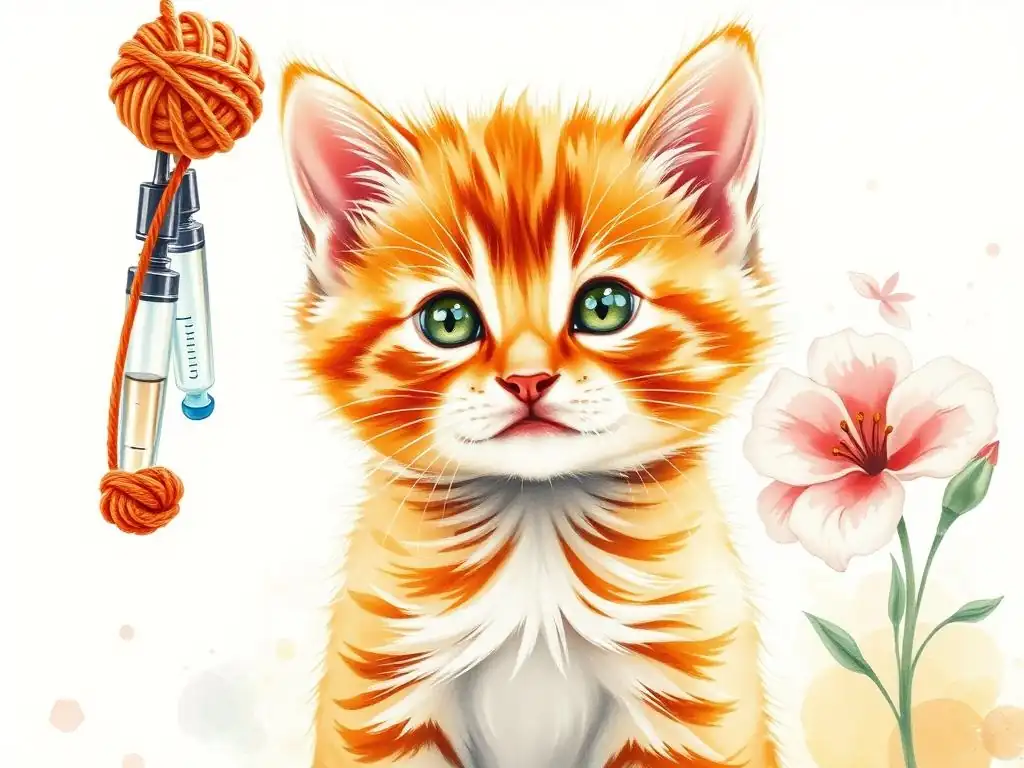
Protecting your kitten from viral diseases is paramount to ensuring a long and healthy life. Effective vaccination is the cornerstone of a robust preventative strategy against many potentially devastating illnesses. Understanding the different types of vaccines available and developing a tailored vaccination schedule is crucial for responsible kitten ownership.
This section will delve into the specifics of feline viral disease prevention through vaccination, addressing core and non-core vaccines and establishing a recommended vaccination timeline. Remember, always consult your veterinarian for personalized advice tailored to your kitten's specific needs and health history. This information should be considered supplementary to, and not a replacement for, professional veterinary guidance.
Core Kitten Vaccines: Protecting Against Common Threats
Core vaccines are considered essential for all kittens, regardless of lifestyle or geographic location. These vaccines protect against highly contagious and often severe diseases. The core vaccines typically include:
- Feline Herpesvirus (FHV-1): This virus causes feline viral rhinotracheitis, characterized by upper respiratory infections with sneezing, nasal discharge, and eye inflammation. Severe cases can lead to pneumonia. Vaccination significantly reduces the severity and frequency of outbreaks.
- Feline Calicivirus (FCV): Similar to FHV-1, FCV is a common cause of upper respiratory infections. It can also cause oral ulcers and lameness in severe cases. Vaccination offers protection against both infection and clinical disease.
- Feline Panleukopenia Virus (FPV): Often called feline distemper, FPV is a highly contagious and potentially fatal virus. It attacks rapidly dividing cells, severely impacting the bone marrow, intestinal lining, and lymphatic system. Vaccination is crucial for prevention.
Table 1: Core Vaccine Comparison
| Vaccine | Disease Prevented | Severity of Disease | Vaccination Importance |
|---|---|---|---|
| FHV-1 | Feline Viral Rhinotracheitis | Mild to Severe | Extremely Important |
| FCV | Feline Calicivirus | Mild to Severe | Extremely Important |
| FPV | Feline Panleukopenia (Feline Distemper) | Potentially Fatal | Absolutely Essential |
The efficacy of these core vaccines is high, significantly reducing the risk of infection and disease. However, complete protection isn't guaranteed, and some vaccinated cats may still experience mild illness if exposed. Booster shots are essential to maintain immunity.
Non-Core Vaccines: Evaluating the Risks and Benefits
Non-core vaccines target diseases that are less prevalent or pose a lower risk to the general feline population. The decision to administer non-core vaccines should be made on a case-by-case basis in consultation with a veterinarian, considering factors like the kitten's lifestyle, geographic location, and exposure risk. Examples of non-core vaccines include:
- Feline Leukemia Virus (FeLV): This retrovirus can cause various cancers and immune deficiencies. Vaccination is recommended for kittens at high risk of exposure, such as those who spend time outdoors or live in multi-cat households with known FeLV-positive cats.
- Feline Infectious Peritonitis Virus (FIPV): This virus causes a fatal disease with no effective treatment. Vaccination is controversial, with some studies questioning its efficacy. The decision to vaccinate should be carefully considered with your veterinarian based on your kitten's individual risk factors. The benefits must outweigh the potential risks of adverse reactions.
Choosing whether or not to administer non-core vaccines requires a careful risk-benefit assessment, always performed in conjunction with veterinary guidance.
Vaccination Schedule for Kittens: A Step-by-Step Guide
A typical vaccination schedule for kittens involves a series of shots administered at specific intervals. The precise schedule can vary slightly depending on the vaccine brand and your veterinarian's recommendations. However, a common approach is as follows:
- 8-10 weeks: First set of core vaccines (FHV-1, FCV, FPV).
- 12-14 weeks: Second set of core vaccines (FHV-1, FCV, FPV). This acts as a booster, enhancing the immune response.
- 16 weeks: Consider non-core vaccines (FeLV and potentially FIPV) based on the risk assessment discussed above.
- Annual Boosters: Annual booster shots are typically recommended for core vaccines to maintain immunity. The frequency of non-core vaccine boosters will depend on your veterinarian's advice and the specific vaccine used.
Remember, this is a general guideline. Your veterinarian will tailor the schedule to your kitten's individual needs and health status. Maintaining a vaccination log is crucial to track your kitten's immunization history. Regular veterinary check-ups are essential for monitoring your kitten's health and addressing any potential concerns. Early detection and intervention are vital in managing feline viral diseases. 😻
Addressing Concerns About Vaccine Safety
Many pet owners understandably have concerns about vaccine safety. It's crucial to address these anxieties with accurate information and open communication with your veterinarian. While rare, adverse reactions to vaccines can occur, the benefits of protecting your kitten from potentially life-threatening viral diseases significantly outweigh the risks. The vast majority of kittens tolerate vaccines well, experiencing only mild, temporary side effects such as lethargy or a slight swelling at the injection site.
These minor reactions are usually short-lived and easily managed. Your vet will be able to advise you on what to expect and how to address any concerns. Serious adverse reactions are exceptionally rare, and rigorous testing and monitoring protocols are in place to ensure vaccine safety. The risk of developing a serious viral infection like feline panleukopenia or feline herpesvirus is far greater than the risk associated with vaccination.
Furthermore, modern vaccines are significantly safer and more effective than earlier versions. They are developed using advanced techniques that minimize the risk of side effects while maximizing the immune response. Your veterinarian can discuss the specific vaccines recommended for your kitten, explaining the potential benefits and risks in detail, tailored to your kitten's individual health profile and lifestyle.
Remember, an informed decision is the best decision, and your vet is your partner in ensuring your kitten's health and well-being. Openly discussing your concerns will allow your veterinarian to address them and help you make the best choice for your beloved feline companion. Don't hesitate to ask questions – your veterinarian is there to support you.
Boosting Your Kitten's Immunity Beyond Vaccines

Vaccines are a cornerstone of kitten viral disease prevention, but they're not the only line of defense. A robust immune system is crucial for fighting off infections, and bolstering your kitten's natural defenses through proper nutrition and environmental control significantly reduces their risk of contracting feline viral diseases. Think of vaccines as the shield, and a healthy lifestyle as the armor underneath.
This section will explore ways to optimize your kitten's immune response beyond the protection offered by vaccinations. Remember, even vaccinated kittens can benefit from these preventative measures. A proactive approach to kitten viral disease prevention is key to ensuring a long and healthy life for your feline companion.
Nutritional Support for a Strong Immune System
A balanced diet is fundamental to a strong immune system. Kitten food formulated for growth and development is essential. Look for foods with high-quality protein sources, such as chicken, turkey, or fish, and healthy fats like omega-3 and omega-6 fatty acids. These fatty acids are known to have anti-inflammatory properties and support immune function. Avoid foods with excessive fillers, artificial colors, and preservatives, as these can negatively impact your kitten's health.
Specific nutrient requirements vary depending on breed, age, and activity level. Consult your veterinarian to determine the best dietary plan for your individual kitten. They can recommend specific brands or types of food based on your kitten's unique needs. Consider supplementing with a veterinarian-approved vitamin and mineral supplement if needed, but always discuss this with your vet first to avoid over-supplementation. Providing fresh, clean water at all times is also crucial for hydration and overall health. Remember, a well-nourished kitten is a healthier kitten, better equipped to fight off infections. This contributes significantly to effective kitten viral disease prevention.
Maintaining a Clean and Hygienic Environment
Maintaining a clean and hygienic environment is a critical aspect of kitten viral disease prevention. Feline viral diseases can be transmitted through contaminated surfaces, so regular cleaning is vital. This includes daily cleaning of food and water bowls, litter boxes (ideally multiple boxes for multiple kittens), and frequently touched surfaces like countertops and floors. Use pet-safe disinfectants to eliminate viruses and bacteria.
Consider the following cleaning schedule:
| Task | Frequency | Notes |
|---|---|---|
| Litter box cleaning | Daily | Scoop solid waste daily, completely change litter weekly. |
| Food and water bowl cleaning | Daily | Wash with hot, soapy water and rinse thoroughly. |
| Floor cleaning | Several times a week | Use pet-safe disinfectants. |
| Upholstery cleaning | As needed | Vacuum regularly and spot clean spills immediately. |
Regular vacuuming and washing of bedding also helps to remove potential pathogens. The goal is to minimize the presence of viruses and bacteria in your kitten's environment, thereby reducing the risk of infection. This proactive approach is a crucial component of a comprehensive kitten viral disease prevention strategy.
Preventing Exposure to Infected Cats
Limiting your kitten's exposure to other cats, particularly those showing signs of illness, is paramount in preventing the spread of feline viral diseases. Avoid contact with stray or feral cats, and ensure that your kitten's vaccinations are up-to-date before introducing them to other cats. If you have multiple cats, monitor them closely for any signs of illness. Early detection and isolation of a sick cat can prevent the spread of infection to your kitten.
Signs of Illness in Cats 🐈⬛
Common signs include lethargy, loss of appetite, sneezing, coughing, diarrhea, vomiting, and changes in behavior. If you observe any of these symptoms, consult your veterinarian immediately.
Even seemingly healthy cats can be carriers of viruses, so caution is always advised. This aspect of kitten viral disease prevention requires careful management and vigilance. Remember, responsible pet ownership includes protecting your kitten from potential risks. By minimizing exposure to potentially infected cats, you significantly reduce the likelihood of your kitten contracting a viral disease.
Recognizing and Managing Stress in Kittens
Stress significantly weakens a kitten's immune system, making them more vulnerable to viral infections. Recognizing the signs of stress in your kitten is crucial for proactive prevention. Kittens, unlike adult cats, often exhibit stress differently. Instead of subtle behavioral changes, kittens might demonstrate more overt signs of distress.
These can include excessive vocalization (meowing, hissing, or crying), changes in appetite (either overeating or refusing food), increased sleeping or hiding, changes in litter box habits (such as increased urination outside the box or straining), and even self-mutilation behaviors like excessive grooming or biting their fur. A stressed kitten might also appear lethargic, exhibiting less playful behavior than usual. Furthermore, observe their posture; a hunched back, flattened ears, or a tucked tail are all clear indicators of stress.
Understanding the sources of stress is equally important. Common stressors for kittens include changes in their environment (moving to a new home, introduction of new pets or people), insufficient socialization, lack of playtime and enrichment, and even loud noises or unfamiliar smells. Even seemingly minor disruptions to their routine can trigger stress. For example, a sudden change in feeding times or a disruption to their sleeping arrangements can have a significant impact on a young kitten's well-being.
Managing stress involves creating a safe and enriching environment for your kitten. This includes providing plenty of hiding places (such as cardboard boxes or cat beds), interactive toys to encourage play, and a consistent daily routine. Positive reinforcement training can also help build confidence and reduce anxiety. Avoid sudden loud noises and minimize exposure to stressful situations. If stress persists despite your efforts, consider consulting a veterinarian or a certified cat behaviorist.
They can provide guidance on advanced stress management techniques, possibly including pheromone diffusers or other behavior modification strategies. Remember, a relaxed and happy kitten is a healthy kitten, better equipped to fight off infections and thrive. Early intervention is key to preventing stress-induced immunosuppression and protecting your kitten from feline viral diseases. Providing a calm and predictable environment is a cornerstone of effective kitten viral disease prevention.
When to Seek Veterinary Care for Your Kitten
Knowing when to seek veterinary care for your kitten is crucial for preventing serious complications from feline viral diseases. While some symptoms might seem minor initially, they can rapidly escalate, leading to severe illness or even death. Early intervention significantly improves the chances of a successful outcome. This section focuses on identifying those warning signs that demand immediate veterinary attention. Proactive care is key to effective kitten viral disease prevention.
Several symptoms indicate an urgent need for veterinary care. These are not just mild inconveniences; they're red flags suggesting a potentially life-threatening situation. Immediate action is paramount. Look for these signs:
- Lethargy and severe weakness: A kitten that is unusually unresponsive, unable to stand, or significantly less active than usual requires immediate attention. This could signal a severe infection impacting their overall health.
- Difficulty breathing: Rapid, labored breathing, gasping, or open-mouth breathing are serious symptoms. These indicate respiratory distress, potentially caused by a severe viral infection.
- Dehydration: Sunken eyes, dry gums, and lack of urine production are signs of dehydration, a critical complication of many feline viral diseases. Dehydration can quickly become life-threatening.
- Severe vomiting and diarrhea: Persistent vomiting and diarrhea leading to significant weight loss and weakness indicate a serious problem requiring immediate veterinary intervention. This can cause rapid dehydration and electrolyte imbalances.
- High fever: A persistently high temperature, often accompanied by other symptoms, warrants immediate veterinary attention. A fever indicates the body's fight against infection, and a high fever can signify a severe, possibly life-threatening, infection.
- Neurological signs: Symptoms such as tremors, seizures, head tilt, or incoordination are worrying signs and require immediate veterinary assessment. These could be indicators of a severe viral infection affecting the nervous system.
- Bleeding: Any unexplained bleeding, such as nosebleeds or bleeding from the gums, should be considered an emergency. This could be linked to a severe viral infection impacting blood clotting mechanisms.
Remember, kitten viral disease prevention also involves prompt recognition and treatment of emergency symptoms. Don't hesitate to contact your veterinarian if you observe any of these signs. Early intervention is vital for the best possible outcome.
The Role of Regular Veterinary Checkups
Regular veterinary checkups are a cornerstone of effective kitten viral disease prevention. These visits allow your veterinarian to monitor your kitten's overall health, detect early signs of illness, and administer necessary vaccinations. The frequency of these visits is crucial.
Preventive care is far more effective than reactive treatment. A proactive approach minimizes the risk of serious complications. A schedule of routine checkups typically begins shortly after adoption or birth and continues throughout the kitten's life. These visits provide an opportunity for:
- Vaccinations: Core vaccines protect against common feline viral diseases such as feline panleukopenia, feline herpesvirus, and feline calicivirus. These vaccinations significantly reduce the risk of infection and serious illness.
- Parasite prevention: Regular parasite prevention, including deworming and flea/tick control, helps maintain overall health and prevents the spread of diseases.
- Early disease detection: Routine physical examinations allow veterinarians to identify subtle signs of illness before they become serious problems. Early detection improves the chances of a successful outcome.
- Nutritional guidance: Your veterinarian can offer advice on appropriate nutrition to support your kitten's growth and development, building a strong immune system.
Don't underestimate the importance of these regular checkups. They are a vital aspect of comprehensive kitten viral disease prevention and contribute significantly to your kitten's overall well-being.
If your kitten shows symptoms suggestive of a viral infection, your veterinarian will likely recommend several diagnostic tests to confirm the diagnosis and guide treatment. These tests are essential for effective kitten viral disease prevention, not just for treating existing infections. Accurate diagnosis leads to targeted therapies, improving outcomes and preventing further spread.
Several tests are commonly used:
| Test | Purpose | Results |
|---|---|---|
| Physical Examination | Assess overall health, observe symptoms, and identify potential viral signs. | Provides initial clues about the possible infection and its severity. |
| Blood Tests | Evaluate blood cell counts, liver and kidney function, and detect antibodies. | Identifies immune response, organ damage, and helps confirm viral infection. |
| PCR (Polymerase Chain Reaction) | Detects viral DNA or RNA in blood or tissue samples. | Confirms the presence of a specific virus and its type. |
| Serology Tests | Measures antibody levels to specific viruses. | Indicates past or current infection and the body's immune response. |
These tests, while sometimes invasive, are crucial for accurate diagnosis and treatment. Understanding the results helps guide the best course of action for your kitten's health. Remember, prompt diagnosis and treatment are key components of kitten viral disease prevention and management. The earlier the infection is identified, the better the chances of a successful outcome and minimizing long-term health consequences.
This section delves into the multifaceted approach necessary to safeguard your kitten from viral diseases. Effective prevention isn't solely reliant on vaccinations; it's a combination of proactive measures encompassing vaccination protocols, stringent hygiene practices, and a nutritionally balanced diet. Ignoring any one of these elements significantly increases your kitten's vulnerability. Remember, prevention is always better than cure, especially when dealing with potentially fatal feline viral illnesses.
Combining Vaccination, Hygiene, and Nutrition for Optimal Protection
Vaccination forms the cornerstone of kitten viral disease prevention. A comprehensive vaccination schedule, tailored to your kitten's age and breed, is crucial. Consult your veterinarian to determine the appropriate vaccines for your region and your kitten's specific needs. Common vaccines protect against feline panleukopenia (feline distemper), feline herpesvirus (FHV-1), and feline calicivirus (FCV) – all highly contagious and potentially life-threatening. These core vaccines are typically administered in a series of shots starting around 6-8 weeks of age.
Beyond vaccination, meticulous hygiene is paramount. Regular cleaning of your kitten's living space, including litter boxes, food and water bowls, and toys, minimizes the risk of viral transmission. Thorough handwashing before and after handling your kitten is equally important. Avoid contact with other cats, especially those showing signs of illness, to prevent cross-contamination. This diligent approach drastically reduces the chances of your kitten contracting a viral infection.
Furthermore, proper nutrition plays a vital role in bolstering your kitten's immune system. A high-quality kitten food, rich in essential nutrients and antioxidants, provides the building blocks for a robust immune response. Avoid feeding your kitten raw meat or uncooked food, as these pose a significant risk of bacterial and parasitic infections that can weaken its immune system and make it more susceptible to viral diseases. Consult your veterinarian or a veterinary nutritionist to determine the best dietary approach for your kitten's specific needs and developmental stage. A healthy, well-nourished kitten is better equipped to fight off infections.
Creating a Safe and Healthy Environment for Your Kitten
Creating a safe and healthy home environment for your kitten is a crucial aspect of "kitten viral disease prevention". This involves minimizing exposure to potential sources of infection and providing a stress-free living space.
Creating a Safe and Healthy Environment for Your Kitten
A clean and spacious environment is crucial. Regularly disinfect surfaces your kitten frequently interacts with. This includes scratching posts, bedding, and toys. Use pet-safe disinfectants to avoid harming your kitten. Regularly cleaning the litter box is essential, as it's a breeding ground for bacteria and parasites. Aim for at least daily cleaning, or more frequently if necessary.
Minimizing stress is also key. Kittens are sensitive creatures, and stress weakens their immune system. Provide a quiet and comfortable space for your kitten to retreat to when feeling overwhelmed. Avoid sudden loud noises or drastic changes in their routine. A calm and predictable environment will help your kitten stay healthy and resilient.
Proper socialization is important, but it should be done carefully. Introduce your kitten to other pets gradually and supervise all interactions. Avoid exposing your kitten to sick animals, as this increases the risk of infection. Early socialization helps your kitten develop into a well-adjusted adult cat, but it must be approached responsibly to prioritize its health and well-being.
Long-term Strategies for Maintaining Your Kitten's Health
Proactive health management extends beyond the initial vaccination period. Regular veterinary check-ups are crucial for monitoring your kitten's health and detecting any potential problems early. These check-ups allow for early diagnosis and treatment of any illnesses, preventing them from escalating into more serious conditions.
Long-term Strategies for Maintaining Your Kitten's Health
Regular veterinary check-ups are not just about vaccinations; they're about comprehensive health monitoring. Your veterinarian can assess your kitten's overall health, weight, and development. They can also screen for potential health issues, such as parasites or early signs of disease. This proactive approach helps to catch problems early, when treatment is often simpler and more effective.
Maintaining a consistent vaccination schedule throughout your kitten's life is vital. Booster shots are typically required to maintain immunity against various viral diseases. Your veterinarian will advise on the appropriate schedule for your kitten's needs.
Beyond vaccinations and check-ups, providing consistent, high-quality nutrition and a stress-free environment remains crucial. These are ongoing commitments that contribute significantly to your kitten's overall health and well-being, thus reducing the likelihood of viral infections. A healthy lifestyle is the best defense against illness. Remember to monitor your kitten's behavior for any changes that might indicate illness – changes in appetite, energy levels, or litter box habits are all potential warning signs that require immediate veterinary attention. Early detection and intervention are key to successful treatment and a longer, healthier life for your beloved feline companion.
Frequently Asked Questions
Kittens are susceptible to several viral diseases, including feline calicivirus (FCV), feline herpesvirus (FHV-1), and feline panleukopenia virus (FPV). These can cause serious illness and even death if left untreated.
Vaccination is the most crucial step. Ensure your kitten receives core vaccines, including those protecting against FCV, FHV-1, and FPV, according to your veterinarian's schedule. Maintain good hygiene practices.
Symptoms vary depending on the virus but can include lethargy, sneezing, eye discharge, fever, loss of appetite, and vomiting. Immediate veterinary attention is crucial if you notice these signs.
Yes, keeping your kitten indoors is the best way to reduce exposure. If you have other cats, ensure they are vaccinated and healthy. Avoid contact with stray or unvaccinated cats.
My kitten has been exposed to a sick cat. What should I do?
Contact your veterinarian immediately. They may recommend prophylactic treatment to help prevent infection or monitor your kitten closely for signs of illness. Quarantine your kitten if possible.
Final Reflection: Protecting Our Purrfect Companions
The vulnerability of kittens to viral diseases remains a stark reality, demanding our constant vigilance and proactive care. Ignoring preventative measures can lead to devastating consequences, not only for the kitten but also for the emotional well-being of their human companions. The bond we share with our feline friends is irreplaceable, and protecting them from preventable illnesses is a fundamental responsibility.
The impact of feline viral diseases extends far beyond the individual cat; it shapes the landscape of veterinary care, influencing research, policy, and the very way we interact with our pets. The emotional toll on owners who have lost a beloved kitten to a preventable disease is immeasurable. The best way to find yourself is to lose yourself in the service of others,
a quote often applied to human relationships, holds true for our animal companions as well. Our dedication to their health reflects our love and commitment.
Now, consider your own kitten, or the kittens you know. What steps are you taking to ensure their health and well-being? Take the information presented in this article and actively integrate it into your kitten's care routine. Schedule those crucial vaccinations, maintain a clean environment, and be vigilant for any signs of illness. By taking proactive steps, you're not just protecting a kitten; you're safeguarding a precious relationship, a source of unconditional love and companionship, for years to come. Let's work together to create a healthier and happier future for all our feline friends.
Empower Your Kitten's Health: Take Action Now!
Thank you for learning about protecting your precious kitten from viral diseases. We hope this article provided valuable insights into safeguarding their health. Now, let's put that knowledge into action!
- Schedule a comprehensive wellness visit with your veterinarian: This is the most crucial step to ensure early detection and prevention of feline viral diseases. Discuss vaccination schedules and any specific concerns.
- Adopt or purchase from reputable sources: If you're adding another feline friend to your family, ensure they are healthy and from a responsible breeder or shelter. Thorough research is key to finding a healthy kitten.
- Share this information: Help spread awareness and protect more kittens from preventable diseases by sharing this article with other cat lovers!
What proactive steps will you take today to keep your kitten healthy and thriving?