
Scent Swapping for Cats: The Secret to Successful First Encounters

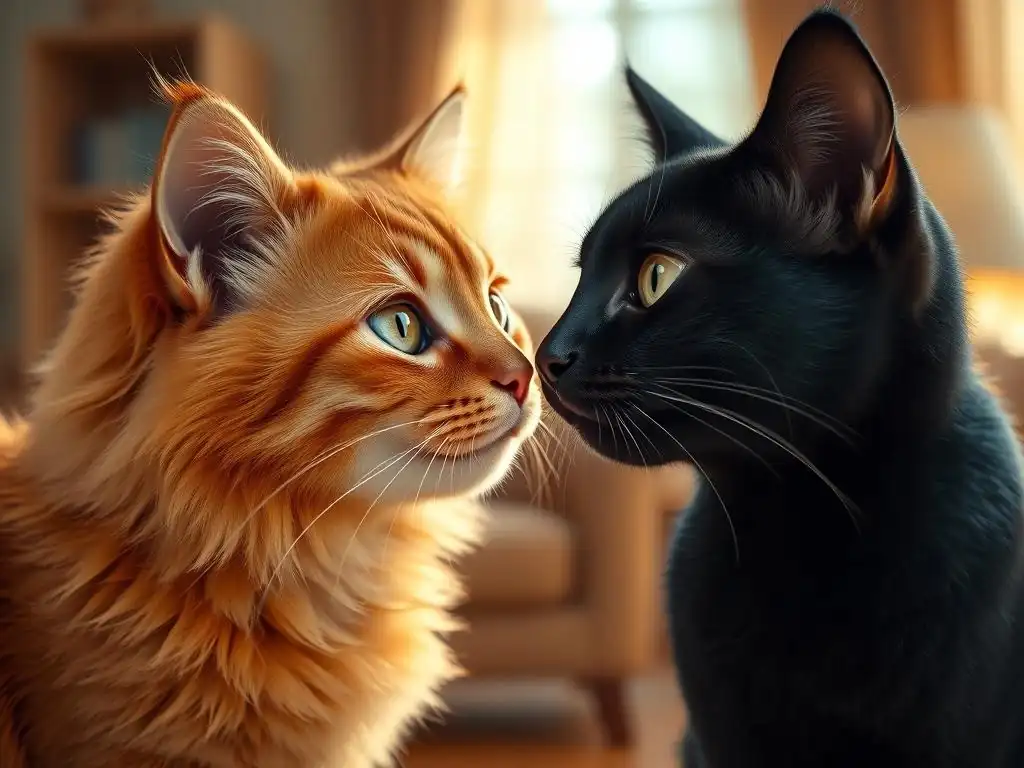
Welcome to PetCareWorld, your ultimate guide to a happier, healthier life for your beloved pets! Are you ready to unlock the secrets to harmonious multi-cat households? Discover how cat scent swapping can dramatically increase the chances of a successful introduction, transforming tense first encounters into purrfect friendships. Dive in and learn the techniques that will revolutionize your feline family dynamics – your cats will thank you for it!
- Understanding the Importance of Scent Swapping for Cat Introductions
- How Scent Swapping Facilitates Smooth Cat Introductions
- Techniques for Effective Scent Swapping Between Cats
- Troubleshooting Common Issues During Scent Swapping
- Successful Cat Introductions: Long-Term Strategies Using Scent and More
- Cat Scent Swapping: Ensuring a Positive and Stress-Free Introduction for Your Feline Friends
-
Frequently Asked Questions
- What is scent swapping, and how does it help with cat introductions?
- How long should I perform scent swapping before introducing my cats?
- What materials do I need for scent swapping?
- My cats seem aggressive even after scent swapping. What should I do?
- Is scent swapping guaranteed to result in a successful introduction?
- Final Reflection: The Unsung Power of Scent in Feline Introductions
- Unlock Your Cats' Feline Friendship: A Purr-fect Introduction
Understanding the Importance of Scent Swapping for Cat Introductions
Introducing a new cat to your existing feline family can be a stressful experience for both the newcomer and resident cats. Successfully integrating them requires patience, careful planning, and a deep understanding of feline communication. One crucial, often overlooked, aspect of this process is scent swapping.
This technique leverages cats' highly developed sense of smell to facilitate a smoother, less conflict-ridden introduction. By gradually familiarizing cats with each other's scent before a direct face-to-face meeting, you significantly increase the chances of a harmonious cohabitation. This article will delve into the science behind feline scent communication and provide practical steps for implementing successful scent swapping techniques to achieve a peaceful multi-cat household.
We'll explore why scent is paramount for cats, how they mark territory, and the vital role pheromones play in their social interactions, ultimately guiding you towards a stress-free introduction for your feline friends. Mastering scent swapping is a key component of ensuring a successful and happy multi-cat home, significantly reducing the potential for aggression and territorial disputes.
Why Cats Rely on Scent: The Feline Communication System
Cats, unlike humans, primarily rely on scent to communicate. Their olfactory system is far more developed than ours, allowing them to gather a wealth of information from the environment through smell. This includes identifying other cats, assessing their social status, determining reproductive status, and marking territory. Unlike dogs who communicate visually and auditorily more prominently, cats use scent marking as their primary method for establishing social hierarchies and navigating their surroundings.
This means understanding scent communication is essential for successfully introducing new cats. Think of it as their primary language – learning to “speak” it is key to a peaceful integration. Consider the following aspects of feline scent communication:
- Urine Marking: Cats use urine to mark territory, conveying information about their identity and reproductive status.
- Scratching Posts: Scratching isn't just about sharpening claws; it's a way to leave scent marks, claiming territory and communicating their presence.
- Facial Rubbing: This behavior, often seen when cats rub against objects or people, deposits scent glands, signifying acceptance and marking territory.
- Anal Glands: These glands also secrete scents that play a significant role in communication, although less visible than other methods.
Scent Marking and Territory in Cats
The concept of territory is fundamental to understanding feline behavior. Cats, both indoor and outdoor, meticulously mark their territory using a variety of scent-marking techniques. This isn't just about claiming space; it's about establishing a sense of security and control. A new cat entering an established territory will inevitably trigger a response from the resident cat(s), potentially leading to conflict if not managed appropriately. Scent swapping helps mitigate this conflict by gradually introducing the scents, allowing resident cats to become accustomed to the newcomer's presence before a direct encounter. Failure to address this territorial aspect often leads to hissing, fighting, and general stress in the household. Proper scent introduction helps to create a sense of familiarity and reduces the perception of the new cat as an immediate threat. The gradual introduction of scents helps to normalize the presence of the new cat, reducing the stress response in the resident cat.
Pheromones are chemical messengers that play a crucial role in feline communication, particularly in social interactions. These scents, often undetectable to humans, transmit important information about the cat's emotional state, reproductive status, and identity. Understanding the role of pheromones is vital for successful cat introductions. For instance, feline facial pheromones, released during rubbing, convey a sense of calm and security. Introducing these scents gradually can help alleviate anxiety and promote acceptance.
Synthetic feline pheromone products are available and can be beneficial in creating a more relaxed atmosphere during the introduction process. The use of these products alongside scent swapping can significantly improve the chances of a positive outcome. Remember, patience and understanding are key; rushing the process can undo all the careful preparation and lead to unwanted behavioral issues. The slow, gradual integration of scents is crucial for successful socialization and a harmonious multi-cat household.
How Scent Swapping Facilitates Smooth Cat Introductions

Scent swapping is a crucial technique for successfully introducing cats to each other. It allows cats to gradually become accustomed to each other's presence without the immediate stress of a face-to-face meeting. Felines rely heavily on scent to understand their environment and other animals. By slowly introducing scents, we bypass the initial territorial aggression often seen in abrupt introductions. This method significantly increases the chances of a positive and harmonious relationship between the cats.
The process essentially allows for a controlled olfactory introduction, reducing the likelihood of hissing, growling, or fighting. Instead of an immediate confrontation, the cats can process each other's scent at their own pace, building familiarity and reducing anxiety. This gentle approach is particularly important for cats with a history of aggression or those who are naturally more timid. Successful cat scent swapping dramatically improves the chances of a smooth integration.
Gradual Introduction: A Step-by-Step Guide Using Scent Swapping
The key to successful scent swapping lies in gradual exposure. Rushing the process can negate its benefits and potentially cause increased stress. Here's a step-by-step guide:
- Separate Spaces: Ensure your cats have separate, safe spaces where they can retreat if feeling overwhelmed. These spaces should contain food, water, litter boxes, and comfortable bedding.
- Scent Exchange (Week 1): Begin by swapping unwashed bedding items – blankets, towels, or even clothing that has absorbed their scent. Place a blanket from cat A in cat B's space, and vice versa. Observe their reactions. Do they sniff curiously? Do they avoid the items? Note their responses. This initial phase focuses solely on scent familiarity.
- Controlled Visual Access (Week 2): Maintain separate spaces but allow for brief, supervised visual contact. This can be achieved by placing their spaces close together, but with a barrier like a baby gate. Continue the scent swapping. The goal here is to allow them to see each other without the immediate threat of physical interaction.
- Scent Swapped Toys (Week 3): Introduce scent-swapped toys. Let each cat play with a toy that has been rubbed on the other cat's bedding. This adds a layer of playful association to the scent introduction.
- Supervised Interactions (Week 4 onwards): Once both cats seem relaxed around each other's scent and during brief visual encounters, you can start very short supervised interactions. Keep sessions brief and end them before any signs of aggression arise. Positive reinforcement with treats can help build positive associations.
This phased approach minimizes stress and allows the cats to adjust at their own pace. Remember, patience is key. The timeline is a guideline; adjust it based on your cats' individual personalities and responses. Some cats may adapt more quickly than others. Remember to always prioritize safety and comfort.
Preparing Your Cats for the Introduction Process: A Safe and Controlled Environment
Before beginning the scent-swapping process, ensuring a safe and controlled environment is crucial for success. This means providing each cat with their own dedicated space, complete with resources such as food bowls, water fountains, litter boxes, scratching posts, and comfortable resting areas. These spaces should be located far enough apart to prevent unwanted interactions at the beginning of the introduction process. The goal is to create a sense of security and minimize stress for both animals.
Consider using pheromone diffusers or sprays designed to calm cats. These can help reduce anxiety and make the introduction process smoother. Feliway, for example, mimics feline facial pheromones, known to have a calming effect. A quiet and predictable environment is also important. Avoid loud noises or sudden movements that could startle or frighten your cats.
Using Scent Swapped Items: Blankets, Toys, and Scratching Posts
Scent swapping isn’t limited to just bedding. To maximize the effectiveness and create a more holistic introduction, expand the range of scent-carrying items. This includes toys, scratching posts, and even food bowls. The key is to use items regularly used by each cat, so they carry a strong and familiar scent.
- Blankets: These provide a large surface area for scent transfer and offer a comforting association.
- Toys: Swapping toys adds a playful element to the introduction, creating positive associations with the other cat's scent.
- Scratching Posts: Cats often mark their territory on scratching posts, making them ideal for scent exchange.
- Food Bowls: While less common, gently rubbing a clean bowl on the other cat's bedding before placing food in it can subtly introduce their scent.
Remember to rotate the items regularly, ensuring each cat has access to items carrying the other cat's scent. Observe closely for any signs of stress or aggression. If either cat shows signs of discomfort, immediately separate them and return to a previous step in the introduction process. Patience and a careful, gradual approach are essential for a successful cat introduction using scent swapping. This detailed method significantly increases the likelihood of a harmonious co-existence.
Techniques for Effective Scent Swapping Between Cats

Scent swapping is a crucial, often overlooked, step in successfully introducing cats. It allows cats to familiarize themselves with each other's scent at their own pace, minimizing the risk of aggressive first encounters. This process leverages a cat's natural reliance on scent for communication and social understanding. The goal is to create a positive association with the new feline's scent before a face-to-face meeting occurs. Successful cat scent swapping significantly increases the chances of a smooth introduction and harmonious co-existence. Let's explore effective techniques.
Direct Scent Transfer: Swapping Bedding and Toys
Direct scent transfer involves physically exchanging items carrying the scent of each cat. This method is effective because it provides a strong, immediate olfactory experience. The key is to choose items frequently used by your cats, ensuring they carry a significant amount of scent.
Several strategies can be employed for direct scent transfer:
- Bedding Swap: Swap bedding, such as blankets or beds, between the cats. Leave each cat with the other's bedding for several days before swapping again. This gradual exchange allows for a slow and comfortable acclimation to the new scent.
- Toy Exchange: Similarly, exchange toys. Cats often rub their faces and bodies on their favorite toys, leaving behind a substantial amount of scent. Switching toys allows each cat to investigate the other's scent at their leisure.
- Scratching Post Exchange: If both cats use scratching posts, swap those as well. These posts often accumulate a significant amount of scent, and the act of scratching itself is a scent-marking behavior.
Remember to supervise initial interactions with the swapped items, as some cats may exhibit mild curiosity or even slight aggression. A gradual approach is key. Observe your cats carefully for signs of stress or aggression, such as hissing, flattened ears, or puffed-up fur. If any negative reactions occur, separate the cats and try again later with a more gradual introduction. Patience is paramount in this process.
Indirect Scent Transfer: Using Scent-Infused Items
Indirect scent transfer is a gentler approach, particularly useful if your cats are showing signs of anxiety or aggression during direct contact. This method involves using neutral items to transfer scents between cats, creating a less intense olfactory experience.
Here are some effective indirect scent transfer methods:
- Scent-Infused Clothing: Wear a clean shirt or towel and rub it gently against one cat. Then, rub the same garment against the other cat. This transfers a diluted version of each cat's scent to the fabric. Repeat this process over several days.
- Neutral Items: Use a neutral item like a soft toy or a small, unadorned blanket. Rub this against one cat and then place it near the other cat's resting area. Repeat this process with the other cat. The key is to avoid overwhelming either cat with the new scent.
- Scent-Infused Toys: Use two identical toys. Rub one toy against one cat, and the other toy against the other cat. Then, place the toys near each other, allowing the cats to investigate the scents at their own pace. This creates a familiar and comforting experience.
This indirect method is particularly beneficial when introducing cats with a history of aggression or territorial behavior. It allows them to gradually acclimate to each other's presence without the immediate pressure of direct contact. Observe closely for any signs of stress and adjust the frequency and intensity of the scent transfer accordingly.
Monitoring Your Cats' Reactions During Scent Swapping
Careful observation is critical throughout the scent-swapping process. Monitoring your cats' reactions allows you to identify potential problems early and adjust your approach accordingly. Pay close attention to the following:
| Behavior | Interpretation | Action |
|---|---|---|
| Relaxed posture, slow blinks | Positive response; comfortable with the other cat's scent. | Continue with scent swapping at a similar pace. |
| Hissing, flattened ears | Negative response; feeling threatened or uncomfortable. | Separate the cats immediately; try indirect scent swapping or a slower pace. |
| Puffed-up fur, arched back | Strong negative response; significant anxiety or aggression. | Separate immediately; seek professional guidance from a veterinarian or cat behaviorist. |
| Increased grooming | Mild anxiety; attempting self-soothing. | Slow down the scent swapping process; consider longer intervals between exchanges. |
| Increased appetite/activity | Positive response; feels more secure and relaxed in their environment. | Continue with the process, perhaps slightly increasing the frequency. |
Remember, every cat is an individual. Some cats will adapt quickly, while others may require more time and patience. If you encounter significant challenges, don't hesitate to seek advice from a veterinarian or a certified cat behaviorist. Their expertise can provide tailored guidance for a successful introduction, ensuring a harmonious multi-cat household. The key is patience and a gradual, respectful approach.
Troubleshooting Common Issues During Scent Swapping
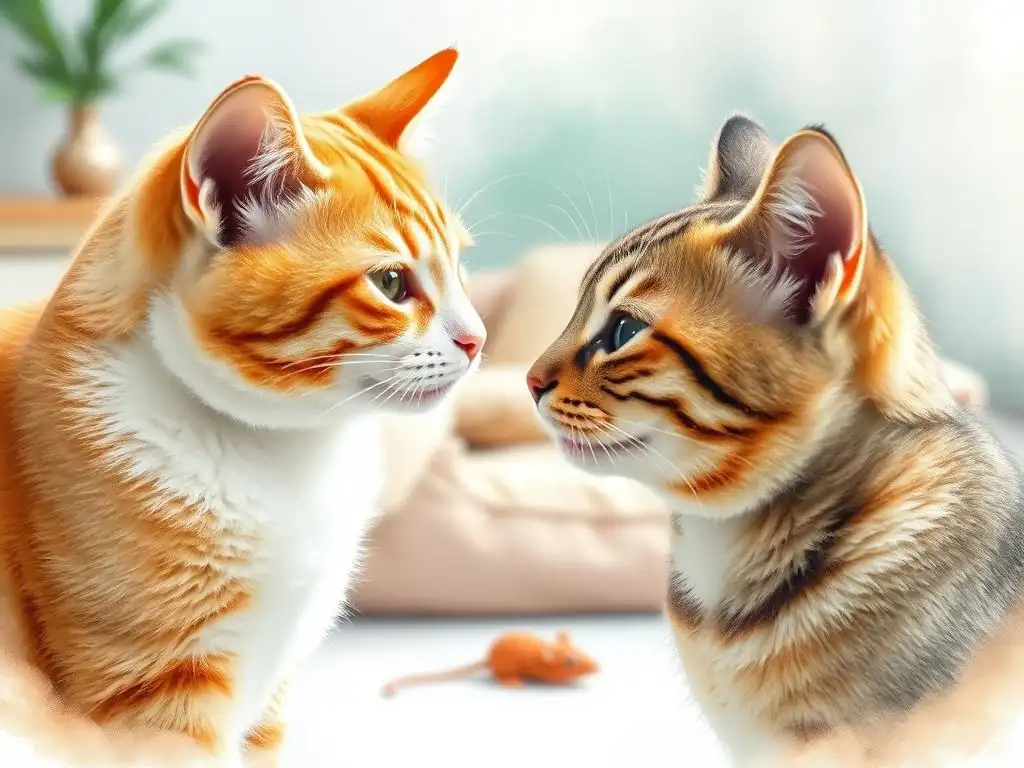
Introducing cats through scent swapping is a valuable technique, but it's not a guaranteed path to feline harmony. Understanding potential problems and how to address them is crucial for a successful introduction. This section focuses on common challenges and offers practical solutions to maximize the chances of a peaceful coexistence between your cats.
Aggressive Behavior During Introduction: Identifying and Addressing Problems
Aggressive behavior during a cat introduction, even after scent swapping, can manifest in various ways. This ranges from hissing and growling to swatting, chasing, and even biting. The severity can vary greatly, from mild displays of displeasure to serious attacks requiring immediate intervention. Identifying the root cause is key to effective management.
Several factors can trigger aggression: resource guarding (food, water, litter boxes, resting spots), territoriality (especially in multi-cat households where one cat feels its space is invaded), past negative experiences (abuse or neglect), or underlying medical conditions (pain, discomfort).
Addressing aggressive behavior requires a multi-pronged approach:
- Environmental Enrichment: Providing ample resources – multiple food and water bowls, strategically placed litter boxes, and numerous climbing and resting areas – can significantly reduce resource-based conflicts. Think of it as creating separate "zones" where each cat feels secure.
- Supervised Interactions: Never leave cats unsupervised during the initial introduction stages, even after scent swapping. Close monitoring allows for immediate intervention if aggression arises. Consider using a baby gate to allow visual contact but prevent direct physical interaction.
- Positive Reinforcement: Reward calm behavior with treats and praise. This helps create positive associations between the cats and encourages peaceful interactions.
- Safe Spaces: Ensure each cat has a safe, secure retreat where the other cat cannot access them. This could be a separate room, a high perch, or a cat tree.
Signs of Stress and Anxiety in Cats: Recognizing and Managing
Even without outright aggression, stress and anxiety are common during introductions. Recognizing these subtle signs is crucial for preventing escalation to more serious problems. These signs can be subtle and easily missed by untrained eyes.
Common indicators of stress and anxiety include:
- Changes in appetite: A sudden decrease or increase in food intake.
- Increased grooming: Excessive licking, potentially leading to hair loss.
- Changes in litter box habits: Urinating or defecating outside the litter box.
- Hiding: Spending more time in secluded areas.
- Flattened ears: A clear indicator of fear or apprehension.
- Dilated pupils: Signaling a heightened state of alertness or fear.
- Tail tucked low: A submissive posture often associated with fear.
- Increased vocalization: Excessive meowing, hissing, or yowling.
Managing stress and anxiety involves creating a calm and predictable environment. This includes using pheromone diffusers (like Feliway), providing plenty of vertical space (cat trees, shelves), and minimizing stressful stimuli (loud noises, sudden movements). Consider consulting a veterinarian or a certified cat behaviorist for further guidance and potential medication if the stress is severe or persistent.
When Scent Swapping Isn't Enough: Seeking Professional Help
Despite careful planning and implementation, scent swapping may not always be sufficient to ensure a smooth introduction. If aggression persists, stress levels remain high, or you observe concerning behavioral changes, seeking professional help is vital.
A certified cat behaviorist possesses the expertise to assess the situation, identify underlying causes, and develop a tailored behavioral modification plan. They can provide valuable insights into body language, identify potential triggers, and suggest strategies to address specific problems. Don't hesitate to seek their assistance; early intervention can prevent long-term behavioral issues and ensure the well-being of all your cats. Remember, patience and persistence are key, and professional guidance can significantly improve the chances of successful cat introductions.
Successful Cat Introductions: Long-Term Strategies Using Scent and More
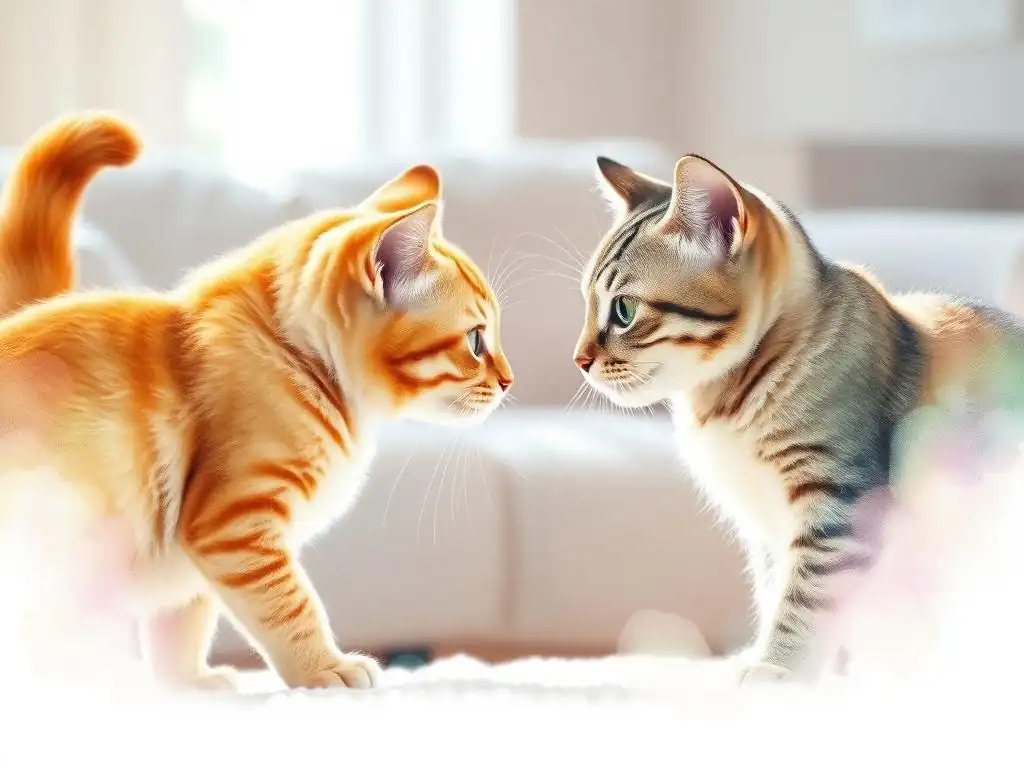
Successfully introducing cats using scent swapping is just the first step. Maintaining a harmonious multi-cat household requires ongoing effort and a deeper understanding of feline communication. While scent swapping plays a crucial role in the initial introduction phase, focusing solely on scent management isn't enough for long-term success.
A holistic approach that incorporates positive reinforcement, environmental enrichment, and careful observation is key to building a peaceful and loving environment for your feline family. Failure to continue these strategies can lead to renewed tension and conflict between cats, potentially undoing all the hard work invested in the initial introduction. Think of the scent swapping as laying the groundwork; the following strategies are the building blocks of a thriving multi-cat household.
Maintaining Harmony After a Successful Introduction
Once your cats have successfully completed the introduction phase and appear comfortable in each other's presence, maintaining harmony requires vigilance and consistency. This isn't a "set it and forget it" situation. Continue to monitor their interactions closely, looking for subtle signs of stress or aggression, such as flattened ears, hissing, or excessive grooming. Even after a seemingly successful introduction, resource guarding can become an issue. This is where providing multiple resources becomes crucial.
- Multiple Feeding Stations: Place food and water bowls in separate, easily accessible locations. This eliminates competition for resources, a common cause of conflict. Consider elevated feeders to further reduce stress. 😺
- Separate Litter Boxes: The general rule of thumb is one litter box per cat, plus one extra. This ensures each cat has a private space to relieve themselves, avoiding territorial disputes. Different types of litter boxes might also be beneficial to cater to individual preferences.
- Dedicated Safe Spaces: Each cat needs a safe haven where they can retreat when feeling overwhelmed or stressed. These could be high shelves, cat trees, or even enclosed beds. Ensure these spaces are easily accessible and free from disturbance.
Regularly assessing your cats' body language is essential for early detection of potential problems. A proactive approach, addressing minor issues before they escalate, is far more effective than reacting to a full-blown conflict. Remember, even subtle shifts in behavior can indicate underlying tension.
Continued Scent Management for Multi-Cat Households
While the initial scent swapping focuses on gradual introduction, ongoing scent management can further reinforce positive associations and prevent future conflicts. This isn't about repeating the initial process, but rather about subtly maintaining a familiar scent profile within the household.
- Shared Grooming: Regularly brush your cats, using the same brush for both, and then lightly rub the scent from the brush onto each cat. This subtle scent blending reinforces their shared identity.
- Scent-Marking Toys: Use toys that both cats can play with, allowing them to leave their scent on the toy. This shared interaction reinforces positive associations and creates a sense of shared ownership.
- Consistent Routine: Maintaining a predictable routine helps to reduce stress and establish a sense of security for all cats. Regular feeding times, play sessions, and grooming routines contribute to a stable environment.
The key is to maintain a balance – too much scent swapping might feel intrusive, while neglecting it entirely could lead to renewed tension. Subtle and consistent scent management is the key to long-term success.
Building Positive Associations and Strengthening Bonds Between Cats
Beyond scent management, actively building positive associations between your cats is vital. This involves creating opportunities for positive interactions and rewarding desirable behaviors.
- Supervised Play Sessions: Engage your cats in interactive play sessions, using toys that encourage them to interact with each other indirectly. This can help burn off excess energy and redirect any potential aggression into playful engagement. Feather wands or laser pointers are excellent tools for this.
- Treat Dispensing Toys: These toys can encourage cooperative play and positive interactions, as cats work together (or in close proximity) to access treats. This reinforces positive associations between the cats.
- Positive Reinforcement Training: Reward desired behaviors, such as calm interactions or mutual grooming, with treats or praise. This helps to strengthen positive associations and encourage more of the same behavior.
Remember, patience and consistency are crucial. Building a strong bond between cats takes time and effort, but the reward of a harmonious multi-cat household is well worth it. Observe your cats carefully, adapting your strategies as needed to meet their individual needs and personalities. The ultimate goal is a peaceful coexistence where each cat feels safe, secure, and loved within the household.
Cat Scent Swapping: Ensuring a Positive and Stress-Free Introduction for Your Feline Friends
Scent swapping is a crucial, often overlooked, step in successfully introducing cats. It allows your existing cat(s) and the newcomer to become familiar with each other's scent before a face-to-face meeting, significantly reducing the risk of aggression and territorial disputes. This gradual acclimation process leverages the feline sense of smell, which is far more developed than their vision or hearing, helping to minimize stress and anxiety during the introduction.
Successful cat introductions hinge on this initial, scent-based familiarization. Think of it as a crucial first step towards a harmonious multi-cat household. The goal is to create a positive association with the new scent, laying the groundwork for a peaceful coexistence.
Long-Term Benefits of a Smooth Introduction Process
A successful introduction, facilitated by scent swapping, offers numerous long-term benefits. These extend far beyond the initial meeting and contribute significantly to the overall well-being of your feline family. A smooth transition minimizes stress-related illnesses, such as urinary tract infections (UTIs), which are commonly observed in cats experiencing high levels of anxiety. Furthermore, it fosters a more relaxed and playful environment within the household, enriching the lives of all your cats.
Studies have shown that cats living in harmonious multi-cat households exhibit lower levels of stress hormones, leading to a longer, healthier lifespan. This positive dynamic translates into happier cats and a more peaceful home environment for you, the owner. The investment in careful introduction, particularly employing scent swapping techniques, yields significant returns in terms of long-term feline health and happiness. It's a proactive approach to preventative care, fostering a thriving and peaceful multi-cat household.
Creating a Harmonious Multi-Cat Household Through Careful Planning
Successful multi-cat households aren't accidental; they require careful planning and a phased approach. Scent swapping is the cornerstone of this strategy. Before even thinking about a face-to-face meeting, dedicate time to scent familiarization. This might involve exchanging bedding, toys, or even scratching posts between the cats. Allow them to passively sniff each other's belongings over several days, letting them adjust to the new scent gradually. Remember, patience is key.
Don't rush the process; a slow and steady introduction is far more likely to succeed than a hasty one. Consider creating separate, yet adjacent, spaces for each cat, allowing them to observe each other without direct contact. This controlled environment allows for gradual familiarization, minimizing the risk of conflict. A well-planned introduction minimizes stress for all involved, creating a foundation for a harmonious multi-cat household. This is a significant investment in the long-term well-being of your feline companions.
The Importance of Patience and Observation During Cat Introductions
Patience is paramount throughout the entire introduction process, especially during the scent-swapping phase. Observe your cats' behavior carefully. Signs of stress might include hissing, flattened ears, tail swishing, or avoidance. These subtle cues are crucial indicators of your cats' comfort levels. If you observe any signs of distress, slow down the process. Increase the distance between the cats' scent sources or extend the duration of the familiarization period.
Remember, every cat is an individual, and what works for one pair may not work for another. Flexibility and observation are essential to a successful introduction. Don't be discouraged by setbacks; these are opportunities to adjust your approach and ensure a smooth transition. Regular observation allows you to tailor your introduction strategy to the specific needs and personalities of your cats, maximizing the chances of success. This attentive approach significantly increases the likelihood of a peaceful and harmonious multi-cat household.
Frequently Asked Questions
What is scent swapping, and how does it help with cat introductions?
Scent swapping involves gradually familiarizing cats with each other's scent before a direct meeting. This reduces stress and increases the chances of a positive first encounter by allowing them to get used to each other's presence indirectly.
How long should I perform scent swapping before introducing my cats?
The duration varies, but aim for at least a week or two, depending on the cats' personalities. You should see signs of reduced stress and curiosity before proceeding to the next stage of introduction.
What materials do I need for scent swapping?
You'll mainly need soft cloths or blankets. Rub each cloth on one cat, then swap and let the other cat sniff the cloth. You can also use toys or bedding for the same purpose.
My cats seem aggressive even after scent swapping. What should I do?
If aggression persists, re-evaluate the process. Ensure the scent swapping is gradual and the cats aren't forced into interaction. Consider seeking advice from a veterinarian or professional cat behaviorist.
Is scent swapping guaranteed to result in a successful introduction?
While scent swapping significantly increases the likelihood of success, it's not a guarantee. Some cats may require more time and patience, and professional help might be needed for particularly challenging introductions.
Final Reflection: The Unsung Power of Scent in Feline Introductions
Successfully integrating a new cat into an existing household hinges on more than just careful observation and gradual introductions; it's about understanding the profound role scent plays in feline communication and social dynamics. The seemingly simple act of scent swapping, as detailed in this article, can be the key to unlocking harmonious co-existence, transforming stressful encounters into opportunities for friendship.
The impact of scent on cat behavior is often underestimated, yet its influence permeates every aspect of their lives, from territorial marking to recognizing kin. Cats communicate primarily through scent, not sound or sight. Understanding this is crucial for successful introductions.
This quote highlights the critical oversight many cat owners make, focusing on visual cues while neglecting the silent language of scent. My own experience fostering numerous cats has underscored this truth; those introductions where scent swapping was prioritized resulted in significantly smoother transitions, often avoiding the stressful hissing, growling, and territorial disputes.
Consider the power you now hold. You've learned a simple yet profoundly effective technique to ease the anxieties of both your resident cat and the newcomer. Don't just read about scent swapping – practice it. The next time you bring a new feline friend into your home, remember the importance of scent, and use this knowledge to create a welcoming and stress-free environment. The reward? A happy, harmonious multi-cat household, a testament to your understanding and compassion.
Unlock Your Cats' Feline Friendship: A Purr-fect Introduction
Thank you for exploring the fascinating world of scent swapping! We hope you gained valuable insights into helping your cats build positive relationships. Ready to put this knowledge into practice?
- Introduce scent swapping gradually: Gently rub a soft cloth on one cat, then lightly transfer that scent to the other. Carefully observe their reactions and adjust your approach as needed. This is key to fostering harmonious co-existence!
- Share your experiences! Tell us about your cats' reactions in the comments below – your insights can help other cat owners. Let's build a supportive community!
- For a successful introduction of new cats to your home, consider a slow, controlled approach using separate spaces, incorporating scent swapping to ease the transition.
Have you discovered any unexpected ways to encourage positive interactions between your cats? We'd love to hear your success stories!