
Litter Box Size Matters: Choosing the Right Fit for Your Cats

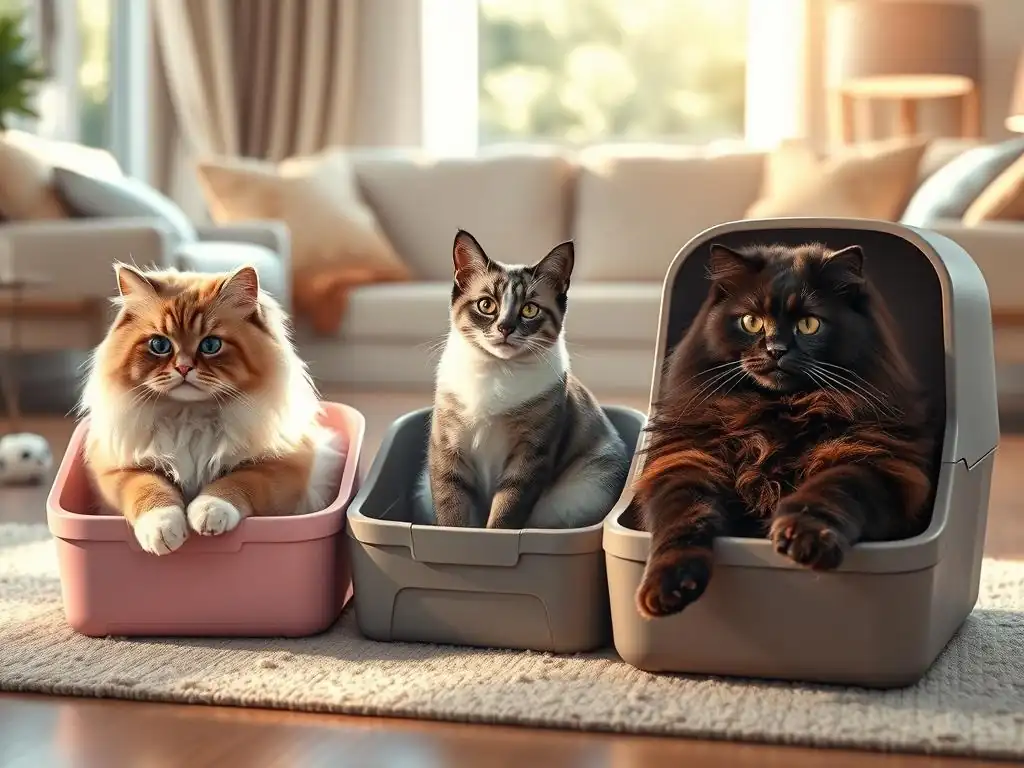
Welcome to PetCareWorld, your ultimate guide to a happier, healthier life for your beloved pets! Are you ready to unlock the secrets to a perfectly content feline companion? We delve into a crucial aspect of cat ownership often overlooked: finding the best litter box size for cats. Discover how choosing the right litter box can significantly impact your cat's hygiene and overall well-being – read on to learn more!
- Understanding the Importance of Proper Litter Box Size for Cats
-
Frequently Asked Questions
- How big should a litter box be for my cat?
- What if my cat has multiple litter boxes? Do they all need to be the same size?
- My cat is a kitten. What size litter box should I get?
- My cat avoids their litter box. Could the size be the issue?
- Are there different types of litter boxes beyond size that I should consider?
- Final Reflection: The Unseen Impact of Litter Box Size
- Unlock Your Cat's Happy Bathroom Habits
Understanding the Importance of Proper Litter Box Size for Cats
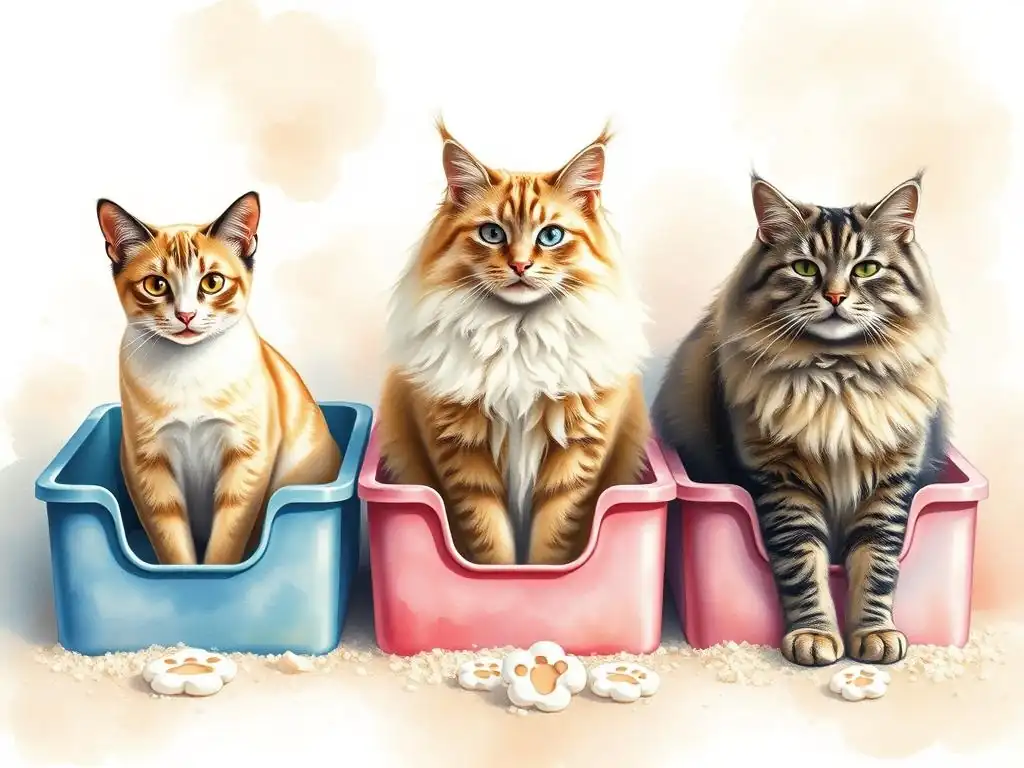
Choosing the right litter box size is crucial for maintaining a happy and healthy feline companion. A poorly sized litter box can lead to a variety of behavioral problems, including litter box avoidance, spraying, and even stress-related illnesses. This article will delve into the specifics of selecting the ideal litter box dimensions for your cat(s), focusing on factors that often get overlooked and providing practical advice for multi-cat households.
We'll explore why size matters so much, how to measure for the perfect fit, and the benefits of providing ample space for your beloved furry friends to relieve themselves comfortably and hygienically. Ignoring this seemingly simple aspect of cat care can have significant consequences, impacting both your cat's well-being and your home's cleanliness. This guide aims to help you find the best litter box size for cats, ultimately contributing to a harmonious coexistence between you and your feline family member(s).
Determining Your Cat's Ideal Litter Box Dimensions
The "best" litter box size for cats isn't a one-size-fits-all answer. It depends heavily on your cat's size and preferences. A good rule of thumb is to ensure the box is large enough for your cat to comfortably turn around in without touching the sides or the litter. For a single adult cat, a box that measures at least 1.5 times their body length is recommended. This allows for ample space to comfortably dig, eliminate, and cover their waste. Consider these factors when measuring:
- Length: Measure your cat from the tip of their nose to the base of their tail.
- Width: The width should allow for comfortable turning.
- Height: The sides should be high enough to prevent litter from scattering, but not so high that your cat struggles to enter or exit.
For kittens, start with a smaller box and upgrade as they grow. Regularly reassess the size as your cat matures or gains weight. Remember, a cat feeling cramped will be more likely to avoid the litter box entirely. This is especially important for larger breeds like Maine Coons who require significantly more space.
Litter Box Considerations for Multi-Cat Households
Managing multiple cats requires a strategic approach to litter box placement and sizing. The general rule of thumb for multi-cat households is to have one litter box per cat, plus one extra. For example, if you have three cats, you should have at least four litter boxes. This prevents competition and ensures each cat has access to a clean, readily available space.
However, simply adding more boxes isn’t enough. You also need to consider:
- Box Size: Even in a multi-cat household, each box should be appropriately sized for the largest cat. Smaller cats will still be able to use a larger box, but a large cat won't comfortably use a small one.
- Box Type: Consider different types of litter boxes, such as covered, uncovered, or corner boxes, to cater to individual cat preferences. Some cats prefer privacy, while others are less concerned.
- Box Placement: Distribute the litter boxes throughout your home, avoiding high-traffic areas and locations near food or water bowls. This encourages usage and minimizes territorial conflicts.
Recognizing Signs of Improper Litter Box Size
If your cat is exhibiting any of the following behaviors, it could indicate that their litter box is too small or otherwise unsuitable:
- Frequent urination outside the litter box: This is a very common sign of a problem.
- Defecation outside the litter box: Similar to urination, this indicates a significant issue.
- Straining during urination or defecation: This suggests discomfort or difficulty using the box.
- Avoiding the litter box altogether: This is a clear sign that something is wrong.
- Increased scratching or digging around the litter box: This might indicate frustration with the size or cleanliness.
Addressing these issues promptly can prevent more serious behavioral problems from developing. A quick assessment of your cat's litter box size and a potential upgrade could resolve the problem entirely. 😻
Choosing the Right Litter Box Material and Style
Beyond size, the material and style of the litter box also play a role. Some cats prefer certain textures, while others are more sensitive to the weight or feel of the box. Consider:
- Plastic: Inexpensive and easy to clean, but can be prone to scratching and odors.
- Metal: Durable and easy to clean, but can be cold and noisy.
- Ceramic: Durable and easy to clean, but can be more expensive and heavier.
- Covered vs. Uncovered: Covered boxes offer more privacy but can trap odors if not cleaned frequently. Uncovered boxes allow for better ventilation.
The best material and style will depend on your cat's individual preferences and your cleaning habits. Experimentation might be necessary to find the perfect fit. Remember to factor in cleaning ease; a box that's difficult to clean will likely lead to less frequent cleaning, which can contribute to litter box avoidance.
Frequently Asked Questions
How big should a litter box be for my cat?
A good rule of thumb is that your cat should be able to turn around comfortably, stretch out fully, and eliminate without their tail brushing the sides. A box too small can lead to avoidance and accidents outside the box.
What if my cat has multiple litter boxes? Do they all need to be the same size?
Not necessarily. You can have a mix of sizes, depending on your cats' individual preferences and sizes. Observe which boxes your cats prefer to determine optimal sizes.
My cat is a kitten. What size litter box should I get?
Start with a smaller litter box that's easy for your kitten to access. As they grow, you can gradually transition to a larger size to accommodate their increasing size.
My cat avoids their litter box. Could the size be the issue?
Yes, a litter box that's too small is a common reason for cats to avoid using it. Try a larger box, and ensure it's clean and easily accessible. Consider other factors too, like litter type and location.
Are there different types of litter boxes beyond size that I should consider?
Yes! Beyond size, consider features like covered vs. uncovered, self-cleaning features, and materials (plastic, metal, etc.). Choosing the right type depends on your cat's preferences and your lifestyle.
Final Reflection: The Unseen Impact of Litter Box Size
The right litter box size isn't just about convenience; it's about your cat's health and happiness. A seemingly small detail like litter box dimensions can significantly impact your feline companion's well-being, leading to a happier, healthier cat and a more harmonious home environment. Ignoring this crucial aspect can have unforeseen consequences, affecting everything from litter box avoidance to urinary tract infections.
The ongoing influence of proper litter box selection extends far beyond the immediate needs of the cat. It speaks to our responsibility as pet owners to understand and meet the subtle, yet vital, requirements of our animal companions. It's about recognizing that their comfort and health are intrinsically linked to the environment we provide. The bond with a pet is one of the purest loves in the world.
This quote highlights the deep connection we share with our cats, and providing them with a properly sized litter box is a tangible expression of that love and care.
So, consider this your call to action. Take a moment to assess your cat's current litter box situation. Is it truly the right size? Does your cat exhibit any signs of discomfort or avoidance? By making informed choices about your cat's litter box, you're not just improving their hygiene; you're investing in a stronger, healthier bond built on mutual respect and understanding. Let's work together to ensure every cat has a comfortable and appropriate space to do their business, contributing to a happier, healthier life for them and a more peaceful life for us.
Unlock Your Cat's Happy Bathroom Habits
Thank you for learning about the importance of proper litter box size! We hope you feel empowered to create a more comfortable and hygienic environment for your cat. Ready to take the next step?
- Prioritize your cat's comfort: A litter box that's large enough for your cat to comfortably turn around and eliminate in is crucial. This simple change can significantly improve your cat's bathroom experience. Measure your cat's length and width to ensure you choose a suitably sized box.
- Share your experiences! Have you noticed improvements in your cat's bathroom habits after adjusting their litter box size? We'd love to hear your story in the comments below!
- Explore litter box options: Experiment with different shapes and styles of litter boxes to find one that suits both your cat's preferences and your home's aesthetic.
What small change will you make today to improve your cat's bathroom experience?