
Finch and Canary Breeding Made Easy: A StepbyStep Guide

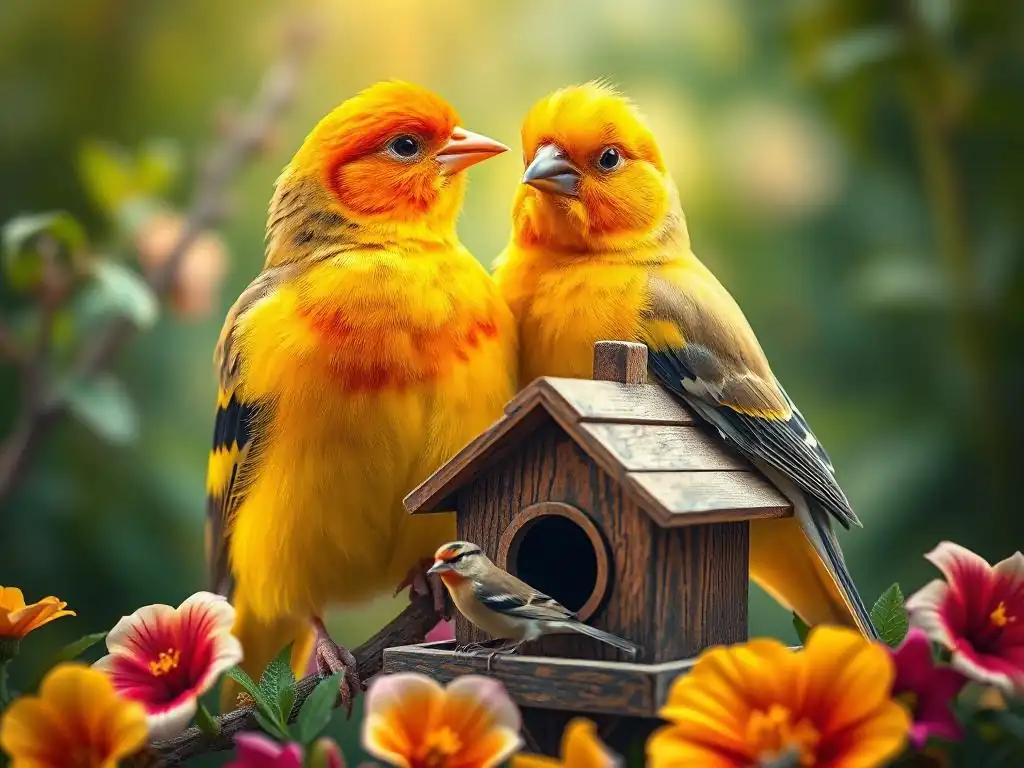
Welcome to PetCareWorld, your ultimate guide to a happier, healthier life for your beloved pets! Are you ready to embark on the rewarding journey of breeding finches and canaries? Our step-by-step guide unlocks the secrets to successful breeding, offering expert advice and practical solutions to ensure the well-being of your feathered friends. Discover the intricacies of this fascinating process and learn how to provide optimal care from egg to fledgling. Dive in and unlock the secrets to successful breeding – your avian companions will thank you!
- Getting Started: Preparing for Finch and Canary Breeding
-
The Breeding Process: A Step-by-Step Guide to Successful Hatching
- Step 1: Recognizing Breeding Behavior in Finches and Canaries
- Step 2: Nest Box Placement and Construction for Optimal Breeding Success
- Step 3: Monitoring Egg Laying and Incubation: Ensuring Healthy Egg Development
- Step 4: Chick Care and Development: Feeding and Monitoring Young Finches and Canaries
- Step 5: Weaning the Chicks: Transitioning Young Birds to Adult Diets
- Maintaining a Healthy Breeding Program: Post-Hatching Care
- Advanced Breeding Techniques: Improving Your Breeding Success Rate
- Resources and Further Learning: Expanding Your Knowledge of Finch and Canary Breeding
- Frequently Asked Questions
- Final Reflection: The Enduring Joy of Avian Companionship
- Unlock Your Inner Avian Expert!
Getting Started: Preparing for Finch and Canary Breeding
Breeding finches and canaries can be a rewarding experience, bringing joy and enriching your connection with these beautiful birds. However, successful breeding requires careful planning, preparation, and a deep understanding of their specific needs. This comprehensive step-by-step guide will walk you through the process, equipping you with the knowledge and tools to ensure the health and well-being of your birds throughout the breeding season.
We'll cover everything from selecting healthy breeding pairs and creating the perfect breeding environment to providing optimal nutrition and addressing potential challenges. This guide aims to empower you to confidently navigate the complexities of finch and canary breeding, ultimately leading to successful and healthy offspring. Remember, responsible breeding prioritizes the health and welfare of the birds above all else.
Let's embark on this journey together, learning how to breed finches and canaries successfully and ethically. This guide is designed to help you achieve successful breeding while ensuring the well-being of your birds—a crucial aspect of responsible pet ownership. 🐦
Selecting Healthy Breeding Pairs: Choosing the Right Finches and Canaries
Choosing healthy breeding pairs is paramount to successful finch and canary breeding. You should select birds that are vibrant, active, and free from any visible signs of illness or injury. Consider the following factors:
- Age: Ideally, select birds that are at least one year old and have completed at least one molt. Younger birds may not be physically mature enough for breeding.
- Physical Condition: Look for birds with bright, clear eyes; smooth, shiny feathers; and a healthy body weight. Avoid birds that appear lethargic, have ruffled feathers, or show signs of weight loss.
- Genetics: If you're aiming for specific traits, research the birds' lineage to ensure they possess the desired characteristics. Avoid closely related birds to minimize the risk of genetic defects.
- Temperament: Observe the birds' behavior. Choose birds that are generally calm and compatible, showing no signs of aggression towards each other. Aggressive birds are unlikely to successfully breed.
Remember to consult with an avian veterinarian before initiating any breeding program. They can perform a thorough health check to ensure your birds are suitable for breeding and provide guidance on preventing potential health problems. A veterinarian can also advise on genetic considerations and help you avoid potential issues. Careful selection is the foundation of successful breeding.
Creating the Ideal Breeding Environment: Cage Setup and Essentials for Successful Breeding
Providing a suitable breeding environment is crucial for the success of your breeding program. The cage should be spacious enough to accommodate the breeding pair comfortably, with ample room for nesting and movement. Consider the following aspects:
- Cage Size: The size of the cage will depend on the species of finch or canary you are breeding. Larger cages are always preferable, allowing for more space and reducing stress. [Specific cage size recommendations pending based on species].
- Nesting Material: Provide a variety of nesting materials, such as soft cotton, straw, and natural fibers. Avoid using synthetic materials, which can be harmful to the birds.
- Location: Place the cage in a quiet, well-lit area, away from drafts and direct sunlight. Avoid placing the cage near loud noises or areas with high traffic.
- Perches: Offer a variety of perches of different sizes and textures to help keep the birds' feet healthy.
- Food and Water Dishes: Ensure clean food and water are readily available at all times.
A well-structured breeding environment significantly reduces stress and increases the chances of successful breeding. Remember to maintain cleanliness and regularly disinfect the cage to prevent the spread of disease.
Essential Nutrition for Breeding Birds: Diet and Supplements for Optimal Health
Proper nutrition is essential for the health and reproductive success of your breeding finches and canaries. Breeding birds require a diet richer in protein and essential nutrients than non-breeding birds. Consider these dietary components:
- High-Quality Seed Mix: A balanced seed mix specifically formulated for breeding birds should form the basis of their diet. This mix should contain a variety of seeds, including niger, canary, and sunflower seeds.
- Fruits and Vegetables: Offer a variety of fresh fruits and vegetables daily, such as apples, carrots, and leafy greens. These provide essential vitamins and minerals.
- Insects: Insects are a crucial source of protein, especially during the breeding season. Offer live or freeze-dried insects regularly. [Specific insect recommendations pending based on species].
- Supplements: Consider adding supplements like calcium and vitamin supplements to ensure the birds receive all the necessary nutrients for egg production and chick development. Always consult with an avian veterinarian before introducing any supplements.
Maintaining optimal nutrition is critical for healthy breeding and strong offspring. Remember that a balanced diet and appropriate supplements are key factors in successful finch and canary breeding. Providing the right nutrients will support the health of both parents and their chicks.
The Breeding Process: A Step-by-Step Guide to Successful Hatching
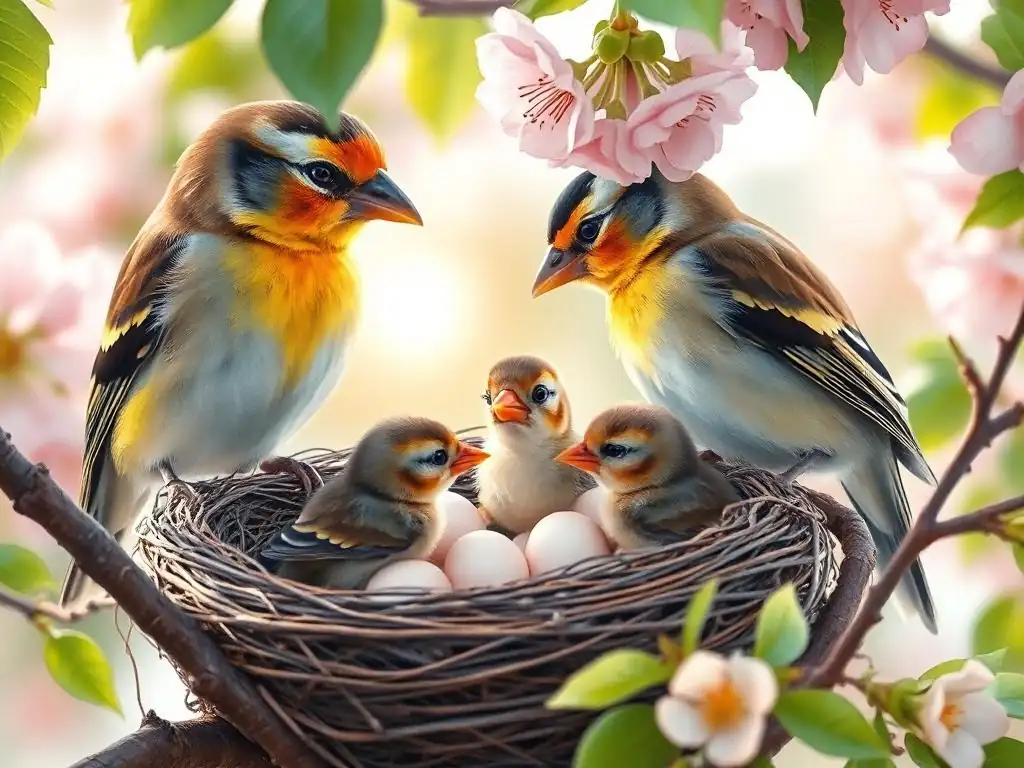
Breeding finches and canaries successfully requires careful planning and observation. This section details the crucial steps involved, from recognizing breeding behaviors to monitoring egg development, ensuring a smooth and successful breeding process for your avian companions. Understanding these stages is key to maximizing your chances of healthy hatchlings and contributes significantly to responsible bird breeding. Remember, ethical breeding practices prioritize the well-being of the birds above all else.
Step 1: Recognizing Breeding Behavior in Finches and Canaries
Identifying the subtle signs of breeding readiness in your finches and canaries is the first crucial step. Both species exhibit distinct behavioral changes indicating their willingness to breed. These changes are often subtle and require attentive observation.
Several key indicators signal that your birds are ready to breed. For finches, increased singing and chirping, particularly by the male, is a common sign. Males may also become more territorial, puffing up their feathers and displaying vibrant plumage. Females will often show increased nesting behavior, such as collecting materials and attempting to build nests in unsuitable locations.
Canaries, similarly, display increased vocalization, with males often singing more frequently and intensely. Males might also perform elaborate courtship displays, involving specific postures and movements aimed at attracting the female. Females, once receptive, will actively seek out nesting sites and may become more docile and less active.
Observing these behavioral changes allows you to prepare the breeding environment proactively, maximizing your chances of a successful breeding season. Keep detailed records of these behaviors – noting the date and specific actions observed – can be invaluable in future breeding attempts. This detailed record-keeping allows for a better understanding of your birds' individual breeding cycles and helps anticipate future breeding seasons. This is crucial for successful breeding of finches and canaries.
Step 2: Nest Box Placement and Construction for Optimal Breeding Success
Providing a suitable nest box is paramount for successful finch and canary breeding. The nest box should be placed in a quiet, secure location within the cage, away from disturbances and direct sunlight. The size and type of nest box will vary depending on the species.
For finches, a smaller, simpler nest box is usually sufficient. A small, shallow cup-shaped box with a diameter of approximately 4-5 inches and a depth of 2-3 inches is generally ideal. The material used should be safe and non-toxic. Avoid using treated wood or materials containing harmful chemicals.
Canaries, being slightly larger, benefit from a slightly larger nest box. A box with a diameter of 6-7 inches and a depth of 3-4 inches is often preferred. Consider offering a variety of nesting materials, such as soft cotton, wool, or shredded paper. Avoid using synthetic materials or materials that could pose a choking hazard to the birds.
The placement of the nest box is crucial. It should be positioned in a safe and private area of the cage, where the birds feel secure and protected. Avoid placing the box in direct sunlight or near drafts. The ideal location will provide a balance of privacy and accessibility for the birds. Regularly inspect the nest box for cleanliness and maintenance.
The correct nest box and placement significantly contribute to the birds' comfort and breeding success. Providing the right environment for nesting is crucial for the health and well-being of both parents and their offspring. Proper nest box setup is a vital step in the "breed finches canaries stepbystep" process.
Step 3: Monitoring Egg Laying and Incubation: Ensuring Healthy Egg Development
Once breeding commences, careful monitoring of egg laying and incubation is essential. The frequency of egg laying varies depending on the species, with finches typically laying 4-6 eggs, while canaries may lay up to 6 eggs.
The female will typically incubate the eggs, with the male often assisting in feeding her. The incubation period is usually around 12-14 days for finches and 13-14 days for canaries. During this period, it's crucial to minimize disturbance to the birds. Avoid unnecessary handling of the nest box or cage.
Regularly checking the eggs without disturbing the birds excessively can help ensure healthy development. Use a flashlight to gently check for cracks or abnormalities. If you observe any issues, consult with an avian veterinarian immediately.
Maintaining a consistent temperature and humidity within the cage is critical for successful incubation. Avoid drastic temperature fluctuations or exposure to drafts. Providing a suitable environment is essential for healthy egg development and hatching. The successful incubation of eggs is a key component of the "breed finches canaries stepbystep" method. Consistent monitoring ensures healthy offspring.
Step 4: Chick Care and Development: Feeding and Monitoring Young Finches and Canaries
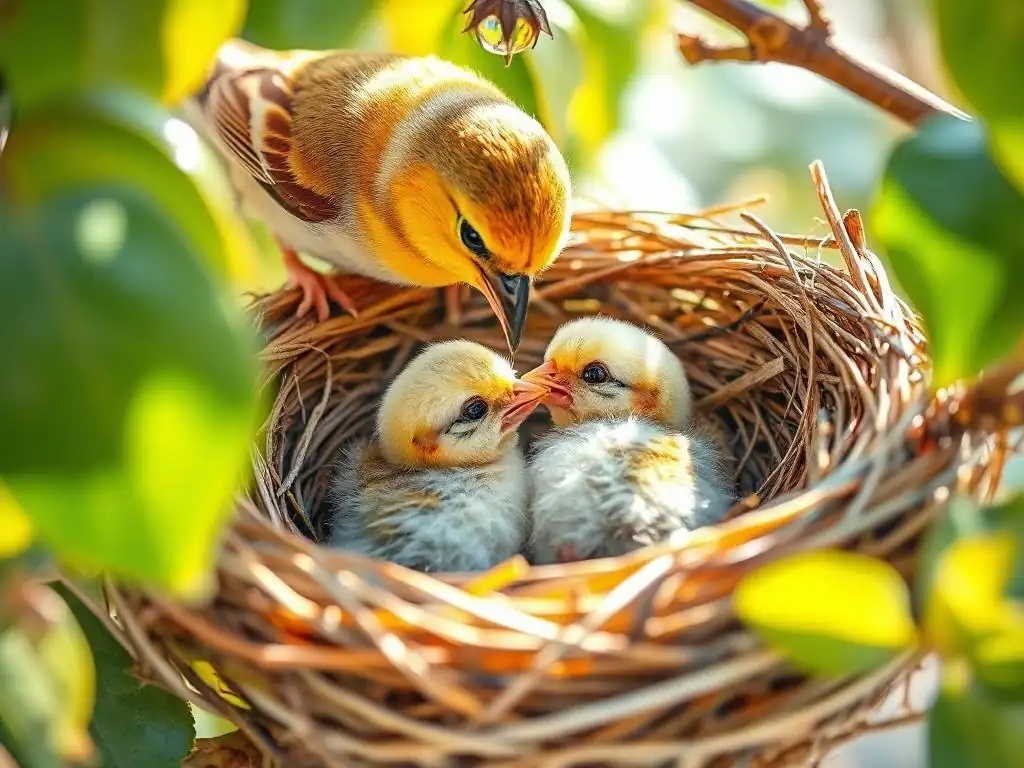
Once the eggs have hatched, a new phase of meticulous care begins. The parents will naturally feed the chicks, but close monitoring is crucial during this delicate stage. Newly hatched finch and canary chicks are entirely dependent on their parents for warmth and nourishment. You'll notice a significant increase in the parents' feeding frequency, with many trips to the nest cup throughout the day. Observe their behavior closely; a decrease in feeding activity could signal a problem, such as insufficient food, illness in the parents, or a potential issue with the chicks themselves.
Regularly inspect the nest for cleanliness. Accumulated droppings can attract parasites and create unsanitary conditions, potentially harming the young birds. Gently remove any excessive droppings without disturbing the chicks or the parents. This process should be done swiftly and carefully to minimize stress on the birds. It's vital to maintain a consistent temperature and humidity within the breeding cage to ensure the chicks' optimal development.
Sudden temperature fluctuations can lead to chilling, while excessive humidity can encourage bacterial growth. Providing a clean, comfortable, and safe environment is paramount for healthy chick development. A consistent supply of fresh water is also necessary to prevent dehydration in both parents and chicks. Signs of dehydration include lethargy, sunken eyes, and ruffled feathers.
Careful observation is key to detecting any potential problems early on. Weak or lethargic chicks may need additional care, possibly hand-feeding, although this should only be undertaken if the parents are clearly neglecting them or if there are other significant issues. In such cases, consulting an avian veterinarian is highly recommended. Remember to avoid disturbing the nest excessively, as constant interference can stress the parents and negatively impact the chicks' development.
Step 5: Weaning the Chicks: Transitioning Young Birds to Adult Diets
Weaning is a gradual process that typically begins when the chicks are around three to four weeks old, depending on the species and their individual development. At this stage, the chicks start to show increasing independence, venturing out of the nest and exploring their surroundings. Their downy feathers will be replaced by adult plumage, and they will become more active and vocal. The parents will naturally reduce the frequency of their feeding as the chicks' ability to feed themselves improves.
To support this transition, introduce a suitable weaning diet gradually. This might involve offering soft foods, such as finely crushed seeds, finely chopped vegetables (such as finely grated carrots), and egg food. These foods should be placed in shallow dishes within easy reach of the chicks. It’s crucial to ensure the food is fresh and clean to prevent bacterial contamination.
Continue to provide the parents with their regular adult diet. Monitor the chicks’ food intake, ensuring they are consuming sufficient amounts of the weaning diet. If some chicks are lagging behind in development, you may need to provide them with some extra attention and hand-feed them a small amount of soft food.
The weaning process typically takes around one to two weeks. By the time they are five to six weeks old, the chicks should be entirely weaned and able to consume an adult diet. Once fully weaned, the young birds can be gradually separated from their parents to avoid competition for food and resources. This separation process should be done cautiously, providing each bird with its own cage or aviary to minimize stress and potential aggression.
At this point, you can begin to observe the birds' sex and assess their readiness for future breeding cycles. Remember to continue providing a balanced diet and a clean, safe environment to ensure the healthy development of your young finches and canaries. 🎉
Maintaining a Healthy Breeding Program: Post-Hatching Care
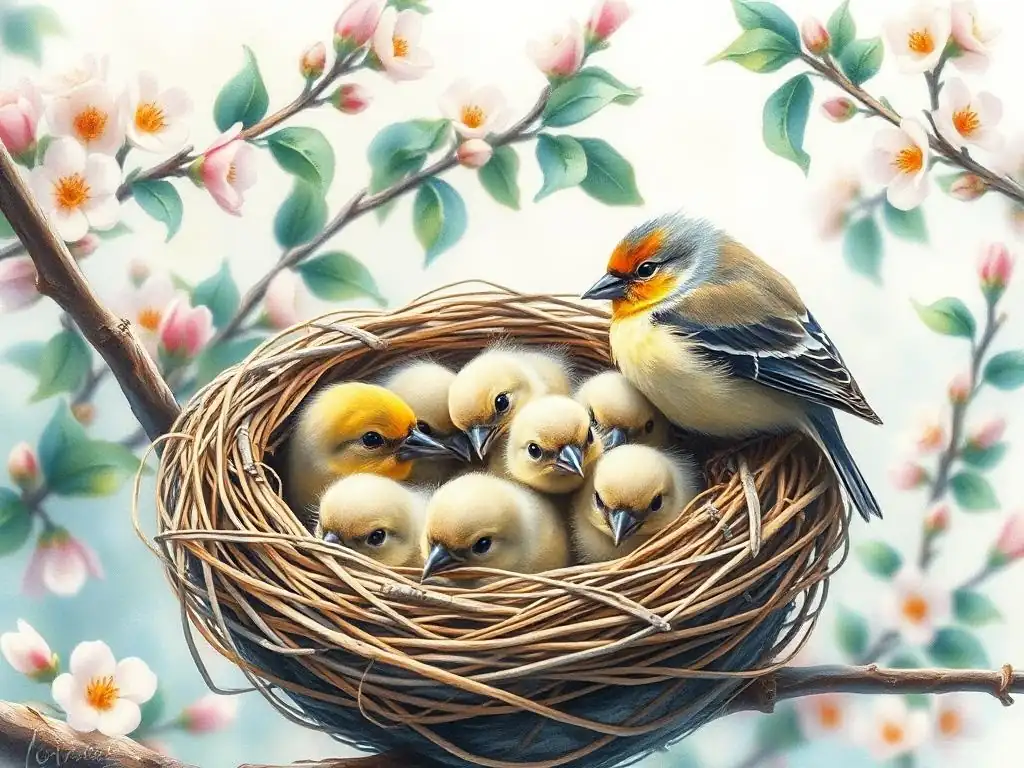
Successfully breeding finches and canaries extends beyond hatching; post-hatching care is crucial for the survival and healthy development of the chicks. This phase demands vigilant monitoring and proactive measures to ensure a thriving breeding program. Neglecting this stage can lead to high chick mortality and compromised adult bird health, impacting the overall success of your breeding efforts. The following sections delve into the key aspects of post-hatching care for optimal results.
Monitoring the Health of Parent Birds and Chicks: Identifying and Addressing Potential Issues
The health of both parent birds and chicks must be meticulously monitored. Parent birds may exhibit signs of stress or illness that negatively impact their ability to care for their young. Observe them daily for changes in behavior, appetite, or droppings. Signs of illness in parent birds include lethargy, ruffled feathers, loss of appetite, and unusual droppings.
Similarly, closely examine the chicks for healthy growth and development. Check for signs of dehydration, weakness, or unusual feather development. Weighing chicks regularly provides valuable data on their growth trajectory. A sudden drop in weight can be an early warning sign of a problem.
For instance, a parent bird exhibiting lethargy and a significant drop in food intake might indicate a bacterial infection. Prompt veterinary intervention is crucial in such cases. Similarly, chicks failing to gain weight or showing signs of dehydration require immediate attention, possibly involving supplemental feeding with a specialized formula. Keeping detailed records of weight, feeding, and any observed anomalies is invaluable for tracking progress and identifying potential issues early. Regular cleaning of the nest box and cage also plays a vital role in preventing the spread of diseases.
Preventing Disease and Parasites in Breeding Finches and Canaries
Proactive disease prevention is paramount in a successful breeding program. Finches and canaries are susceptible to various diseases and parasites. Maintaining optimal hygiene is the first line of defense. Regularly disinfect the breeding cages and nest boxes using a bird-safe disinfectant. Replace nesting material frequently. Also, ensure adequate ventilation to prevent the buildup of ammonia and other harmful gases. Providing fresh, clean food and water daily is essential to minimize the risk of bacterial contamination.
Parasite control is equally important. Regularly inspect birds for signs of mites, lice, or other external parasites. Use appropriate bird-safe treatments as needed, following the manufacturer's instructions carefully. Internal parasites can also be a significant threat. Consider regular fecal examinations to detect and treat internal parasites. A healthy breeding environment significantly reduces the chances of disease outbreaks, contributing to a higher success rate in breeding finches and canaries. Remember, prevention is always better and more cost-effective than cure.
Breeding Season Management: Timing and Frequency for Healthy Breeding Cycles
Strategic management of the breeding season is crucial for the long-term health and productivity of your birds. Overbreeding can lead to exhaustion, malnutrition, and reduced lifespan in both parent birds and offspring. Therefore, carefully plan the number of breeding cycles per year and allow sufficient rest periods between cycles. Typically, finches and canaries can successfully raise one to three broods per year, depending on the species and overall health. However, more frequent breeding should be avoided.
Consider the natural breeding patterns of your specific finch or canary species. Some species have defined breeding seasons, while others may breed year-round under suitable conditions. Respecting these natural rhythms can improve breeding success. Providing a stimulating environment during the breeding season, including appropriate lighting, temperature, and nesting materials, is also vital.
But equally important is providing adequate rest periods. Allowing sufficient time between breeding cycles allows birds to recover their physical strength and nutritional reserves, improving their overall health and reducing the risk of complications during subsequent breeding attempts. This careful management will lead to healthier birds and more successful breeding outcomes in the long run. Remember that a healthy bird is a productive bird.
Advanced Breeding Techniques: Improving Your Breeding Success Rate
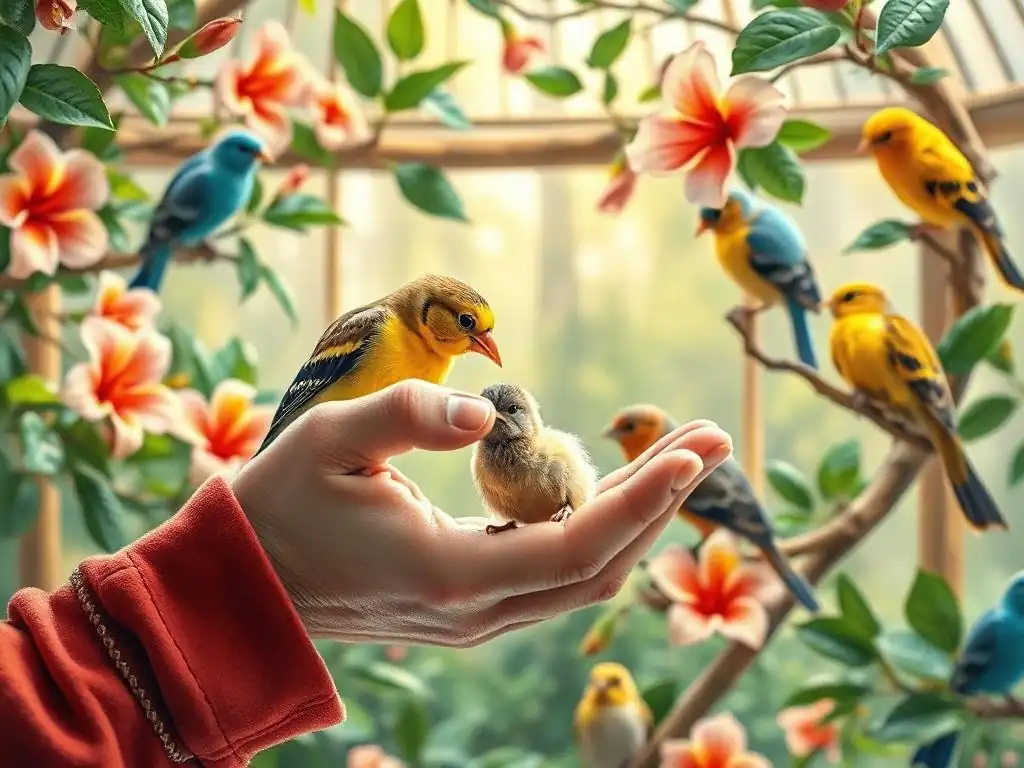
This section delves into advanced techniques to elevate your finch and canary breeding success. Moving beyond the basics, we'll explore methods to optimize your breeding program and achieve superior results. Consistent success in breeding finches and canaries requires attention to detail and a proactive approach to potential problems. Remember, responsible breeding prioritizes the health and well-being of the birds above all else.
Artificial Incubation Techniques for Finches and Canaries
Artificial incubation offers a valuable tool for experienced breeders, particularly when dealing with challenging situations or aiming for higher breeding success rates. It allows for greater control over environmental factors crucial for egg development, such as temperature and humidity. However, it's crucial to understand that this method requires specialized equipment and a thorough understanding of avian embryology. Improper incubation can lead to significant losses.
Successful artificial incubation hinges on precise temperature and humidity control. Optimal temperature typically ranges from 99.5°F to 100.5°F (37.5°C to 38°C), though this can vary slightly depending on the species of finch or canary. Humidity should be maintained around 45-55%, regularly monitored using a reliable hygrometer. Regular turning of the eggs (typically 3-4 times daily) is also essential to prevent uneven yolk development. Automatic egg turners are available to simplify this process.
Furthermore, the incubation environment must be kept clean and free from contaminants to prevent bacterial or fungal infections. Regular disinfection of the incubator is vital. Once hatching begins, the humidity may need to be slightly increased to assist with pipping. Close observation is critical during this period. After hatching, chicks require careful monitoring and appropriate feeding using a specialized formula, meticulously following the instructions for species-specific needs.
Selective Breeding for Desired Traits: Choosing and Breeding for Specific Characteristics
Selective breeding allows breeders to enhance desirable traits within their finch and canary populations. This involves carefully choosing breeding pairs based on specific characteristics, such as plumage color, song quality, or body size. It's a long-term process requiring meticulous record-keeping and a deep understanding of avian genetics.
Before initiating a selective breeding program, clearly define the desired traits. This might involve selecting for a specific plumage mutation, a richer song, or a particular body conformation. Thorough research into the genetics of these traits is crucial. Next, identify birds exhibiting these characteristics to the highest degree. Maintaining detailed pedigrees is essential to track the inheritance of desired traits across generations. This allows for informed decisions when pairing birds, maximizing the likelihood of producing offspring with the desired qualities.
However, focusing solely on aesthetics can inadvertently lead to health problems if not managed carefully. Always prioritize the overall health and vigor of the birds. Regular health checks are essential to ensure that selective breeding doesn't compromise the birds' well-being. Genetic diversity should also be maintained to prevent inbreeding depression, which can lead to weakened offspring.
Troubleshooting Common Breeding Problems: Addressing Challenges and Finding Solutions
Even with careful planning, breeding finches and canaries can present challenges. Understanding common problems and implementing effective solutions is crucial for success. This section outlines some frequent issues and offers practical advice for addressing them.
One common problem is egg infertility. Several factors can contribute to this, including poor nutrition, inadequate nesting conditions, or breeding incompatibility between the pair. Ensuring proper nutrition for the breeding pair is paramount. A balanced diet rich in vitamins and minerals is essential for successful egg production and fertilization. Furthermore, providing a suitable nesting box and materials is vital for successful breeding.
Another challenge is chick mortality. This can stem from various causes, including improper incubation, insufficient parental care, or disease. Regular monitoring of eggs and chicks is crucial to identify problems early. Prompt veterinary intervention may be necessary in cases of disease. Providing a warm, clean, and safe environment is critical to ensure chick survival.
Careful observation of parental behavior can also highlight potential issues. For instance, if parents are neglecting their young, intervention might be necessary. Lastly, maintaining a clean and hygienic environment is crucial in preventing disease outbreaks. Regular cleaning and disinfection of cages and nesting boxes will minimize the risk of infections. Remember, proactive monitoring and prompt action are essential for successful finch and canary breeding.
Resources and Further Learning: Expanding Your Knowledge of Finch and Canary Breeding
This section provides valuable resources to deepen your understanding of finch and canary breeding, taking your skills beyond the basics outlined in the step-by-step guide. We encourage you to explore these resources to further enhance your breeding practices and ensure the health and well-being of your birds. Remember, responsible breeding is key to the preservation of these beautiful species.
Recommended Books and Online Resources for Finch and Canary Breeders
Expanding your knowledge base is crucial for successful finch and canary breeding. Many excellent resources are available, offering in-depth information on various aspects of avian husbandry. Choosing reputable sources ensures you receive accurate and up-to-date information, vital for the health and success of your breeding program.
Here are some examples of resources you might find beneficial:
- Books: Look for books specifically focused on finch and canary breeding. Titles often include detailed information on genetics, nutrition, disease prevention, and nest box construction. Pay close attention to the publication date to ensure the information is current and reflects best practices. Some books may focus on specific breeds, providing even more specialized knowledge.
- Online Forums and Communities: Dedicated online forums and communities offer a platform to connect with experienced breeders. These platforms are invaluable for asking questions, sharing experiences, and learning from others' successes and mistakes. Look for forums with active moderators to ensure the quality of information shared.
- Scientific Journals: For those seeking the most rigorous and evidence-based information, scientific journals offer peer-reviewed articles on avian biology, genetics, and health. While this information may be more technical, it provides a deep understanding of the underlying principles of finch and canary breeding. Be aware that access to some journals might require a subscription.
- University Extension Programs: Some universities offer extension programs or courses related to avian husbandry and breeding. These programs often provide practical, hands-on training and connect you with experts in the field.
The following table summarizes some potential avenues for finding reliable information:
| Resource Type | Advantages | Disadvantages | Example Search Terms |
|---|---|---|---|
| Books | Comprehensive information, detailed explanations, readily available | Can become outdated, may not cover all aspects of breeding | "finch breeding guide," "canary breeding handbook" |
| Online Forums/Communities | Direct access to experienced breeders, opportunity for Q&A, community support | Information quality can vary, potential for misinformation | "finch breeding forum," "canary breeder community" |
| Scientific Journals | Rigorous, peer-reviewed information, evidence-based practices | Highly technical, may require subscriptions, not always readily accessible | "finch genetics," "canary reproductive biology" |
| University Extension Programs | Practical, hands-on training, expert instruction | May require travel, potentially costly | "avian husbandry courses," "[University Name] bird breeding" |
Remember to always critically evaluate the information you find, comparing it with multiple sources to ensure accuracy.
Connecting with Other Canary and Finch Breeders: Joining Communities and Forums
Networking with other canary and finch breeders is invaluable. Sharing experiences, exchanging advice, and learning from others' successes and challenges can significantly improve your breeding outcomes and contribute to a more responsible breeding practice.
Several avenues exist for connecting with fellow breeders:
- Online Forums: Numerous online forums cater specifically to bird breeders. These platforms provide a space to ask questions, share observations, and discuss breeding techniques. Engaging in respectful and constructive dialogue within these communities is essential. Look for forums with active moderators to ensure a safe and informative environment.
- Local Bird Clubs: Joining a local bird club offers the opportunity to meet breeders in person, attend workshops, and participate in events. This direct interaction can be particularly beneficial for beginners, providing hands-on learning and mentorship opportunities.
- Breed-Specific Organizations: Some organizations focus specifically on particular breeds of finches and canaries. These groups often have a wealth of information and resources specific to their breed of interest. They can provide valuable insights into the unique characteristics and breeding requirements of those specific birds.
- Social Media Groups: Social media platforms like Facebook and Instagram host numerous groups dedicated to bird breeding. These groups can provide a quick way to connect with other breeders, share photos, and ask questions. However, it's important to approach these platforms with caution, verifying the reliability of information shared before implementing any advice.
Remember that building relationships with experienced breeders can be a significant asset throughout your breeding journey. Their insights and support can prove invaluable as you navigate the challenges and rewards of breeding finches and canaries. Always be respectful and open to learning from others’ experiences. 🐦
Frequently Asked Questions
What are the basic requirements for breeding finches and canaries?
Breeding finches and canaries requires a suitable cage, proper nutrition, and a controlled environment. You'll also need to understand the specific needs of your chosen breed.
How do I prepare my birds for breeding?
Prepare by providing a balanced diet rich in vitamins and minerals, a nesting box, and nesting material. Ensure your birds are healthy and mature before attempting breeding.
What are the signs that my finches or canaries are ready to breed?
Signs include increased interaction, nest building behavior, and the female displaying receptiveness to the male. Observe their behavior carefully.
What should I do after the eggs are laid?
Maintain a quiet and stable environment and provide consistent food and water. Avoid disturbing the nest unless absolutely necessary. Incubation time varies depending on the species.
What are some common problems encountered when breeding finches and canaries?
Potential problems include infertile eggs, egg binding, and rejection of eggs or chicks. Consult a veterinarian for advice if issues arise.
Final Reflection: The Enduring Joy of Avian Companionship
The meticulous art of breeding finches and canaries, as detailed in this guide, remains a vibrant and rewarding pursuit in our increasingly urbanized world. It offers a tangible connection to nature, a chance to witness the miracle of life unfold, and a deep satisfaction in nurturing these beautiful creatures. The simple act of providing a safe and stimulating environment for these birds can bring immense joy and a sense of accomplishment.
The impact of responsible bird breeding extends beyond the individual breeder; it contributes to the preservation of genetic diversity within these species and fosters a deeper appreciation for the natural world. The best things in life are not things.
This sentiment, while often applied to material possessions, resonates deeply with the emotional rewards of caring for and breeding finches and canaries. The quiet moments spent observing their behavior, their vibrant songs filling the air, are priceless treasures that enrich our lives in ways that are difficult to quantify.
Now, consider your own connection to the natural world. Are you ready to embark on this enriching journey? Perhaps this guide has sparked a new interest, or perhaps it has solidified your commitment to responsible avian husbandry. Regardless, I encourage you to take the next step, whether it's researching a specific breed, preparing a suitable aviary, or simply spending more time appreciating the beauty and wonder of these remarkable birds. The world of finch and canary breeding awaits – embrace the challenge, and discover the profound rewards that await.
Unlock Your Inner Avian Expert!
Thank you for exploring the rewarding world of finch and canary breeding! We hope you feel empowered and prepared to begin this exciting journey. Ready to take the next step?
- Start your breeding program today! Begin by reviewing your setup to ensure it meets all the necessary requirements, including appropriate cage size, diet, and environmental conditions.
- Share your experiences! Join our PetCareWorld community forum and connect with fellow bird enthusiasts. Share your tips, successes, and challenges—your insights could be invaluable to others.
- Consider further research into breeding techniques specific to your chosen breed for advanced knowledge and expertise.
Are you ready to welcome adorable baby birds into your life? Let's discuss your next steps in the comments below!