
Beyond the Breath: The Hidden Dangers of Dog Dental Disease

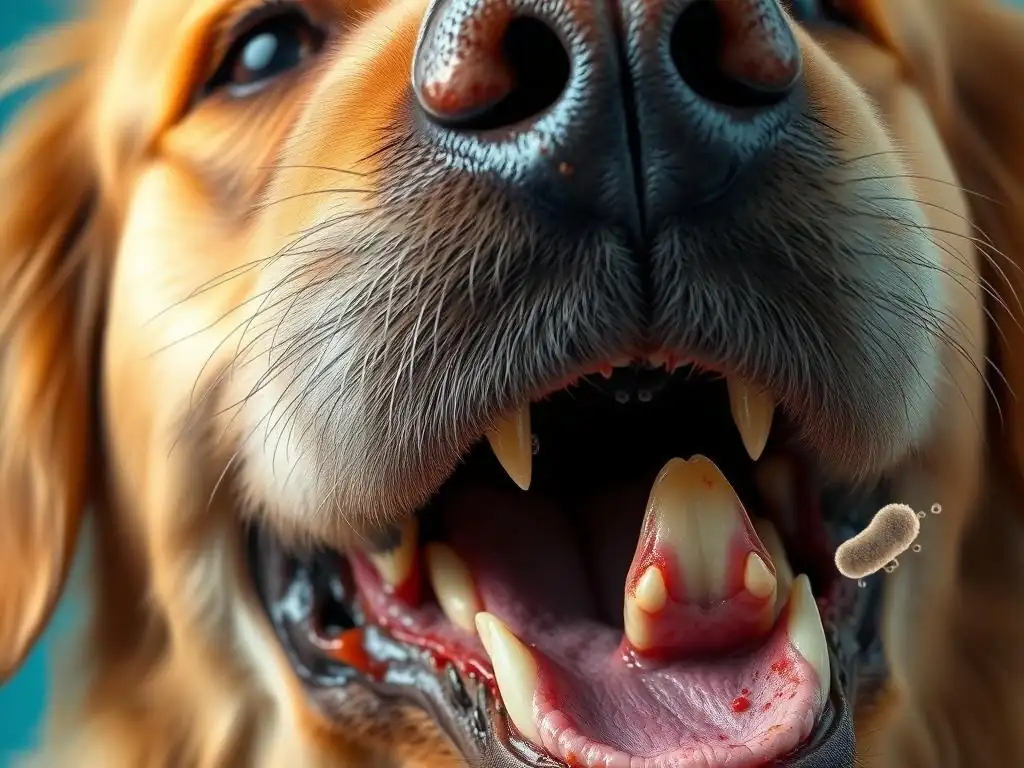
Welcome to PetCareWorld, your ultimate guide to a happier, healthier life for your beloved pets! We're passionate about providing you with the knowledge and tools you need to be the best pet parent possible. But did you know that seemingly minor issues, like bad breath, can mask serious threats? Discover the hidden dangers lurking behind your dog's smile in our in-depth article, "Beyond the Breath: The Hidden Dangers of Dog Dental Disease", and learn how to protect your furry friend from the devastating effects of dental disease. Dive in and unlock the secrets to optimal canine oral health!
- Understanding Dog Dental Disease: More Than Just Bad Breath
- Hidden Dangers of Untreated Dog Dental Disease
-
Preventing Dog Dental Disease: Proactive Measures
- Daily Oral Hygiene for Dogs: Brushing Techniques and Toothpaste
- Choosing the Right Dog Dental Chews and Toys
- Professional Dental Cleanings for Dogs: Frequency and Importance
- Early Detection Through Regular Veterinary Checkups
- Home Oral Care: Brushing, Chews, and Dental Diets
- Professional Dental Cleanings: A Vital Component of Prevention
- Treating Existing Dog Dental Disease: Options and Procedures
- Choosing the Right Veterinarian for Your Dog's Dental Care
- Frequently Asked Questions
- Final Reflection: Unmasking the Silent Suffering of Canine Companions
- Unleash Your Pup's Sparkling Smile!
Understanding Dog Dental Disease: More Than Just Bad Breath
Dental disease in dogs is far more than just bad breath; it's a serious health concern that can significantly impact your canine companion's overall well-being. Many pet owners mistakenly believe that a little doggy breath is normal, overlooking the insidious progression of periodontal disease and its potentially devastating consequences. This article delves into the hidden dangers of dog dental disease, exploring the prevalence of this condition, the subtle early warning signs, and the alarming link between oral health and systemic illnesses.
Understanding these aspects is crucial for proactive pet ownership and ensuring your furry friend enjoys a long, healthy life. Ignoring dental health can lead to preventable pain, suffering, and ultimately, increased veterinary costs. Let's shed light on the often-overlooked dangers lurking beneath the surface of your dog's seemingly healthy smile.
The Prevalence of Periodontal Disease in Dogs
Periodontal disease, encompassing gingivitis and periodontitis, is alarmingly common in dogs. Studies suggest that a significant percentage—[specific percentage pending]—of dogs over the age of three suffer from some form of periodontal disease. Smaller breeds, due to their crowded teeth, are often more predisposed. The progression is insidious: plaque buildup leads to gingivitis (inflammation of the gums), which, if left untreated, progresses to periodontitis (inflammation of the tissues supporting the teeth). This can result in tooth loss, painful infections, and even systemic complications.
The severity varies depending on factors like breed, diet, and oral hygiene practices. It's crucial to remember that even seemingly minor gum inflammation warrants veterinary attention. Early intervention is key to preventing more serious issues. 🐶
Early Signs of Canine Dental Problems: What to Watch For
Recognizing the early warning signs of dental problems is critical in preventing the progression of disease. While bad breath is a common indicator, it's not always the first sign. Pay close attention to these subtle clues:
- Red or swollen gums: Inflamed gums are a hallmark of gingivitis.
- Bleeding gums: Bleeding during chewing or brushing is a serious warning sign.
- Loose teeth: Noticeably loose teeth indicate advanced periodontal disease.
- Changes in appetite or eating habits: Painful gums can make eating difficult.
- Pawing at the mouth: Your dog may try to alleviate discomfort by pawing at their mouth.
- Excessive drooling: Increased salivation can be a sign of oral irritation or infection.
- Yellow or brown tartar buildup: Visible tartar on the teeth indicates plaque buildup and bacterial colonization.
Regularly examining your dog's mouth is essential. Look for any abnormalities and consult your veterinarian at the first sign of trouble. Early intervention can significantly improve treatment outcomes and prevent long-term complications.
The Link Between Oral Health and Systemic Diseases in Dogs
The connection between oral health and systemic health in dogs is undeniable. Bacteria from infected gums can enter the bloodstream, potentially leading to a range of serious health problems. This is often referred to as "oral-systemic connection." Research suggests links between periodontal disease and conditions such as:
- Heart disease: Bacterial endocarditis (infection of the heart lining) has been linked to oral bacteria.
- Kidney disease: Chronic kidney disease may be exacerbated by oral infections.
- Liver disease: Oral bacteria can contribute to liver inflammation.
- Diabetes: Poorly controlled diabetes can worsen periodontal disease, creating a vicious cycle.
Maintaining good oral hygiene is not just about preventing bad breath and tooth loss; it's about protecting your dog's overall health and longevity. Regular veterinary checkups, professional dental cleanings, and a proactive approach to home oral care are essential for preventing these serious complications. The investment in your dog's dental health is an investment in their overall well-being.
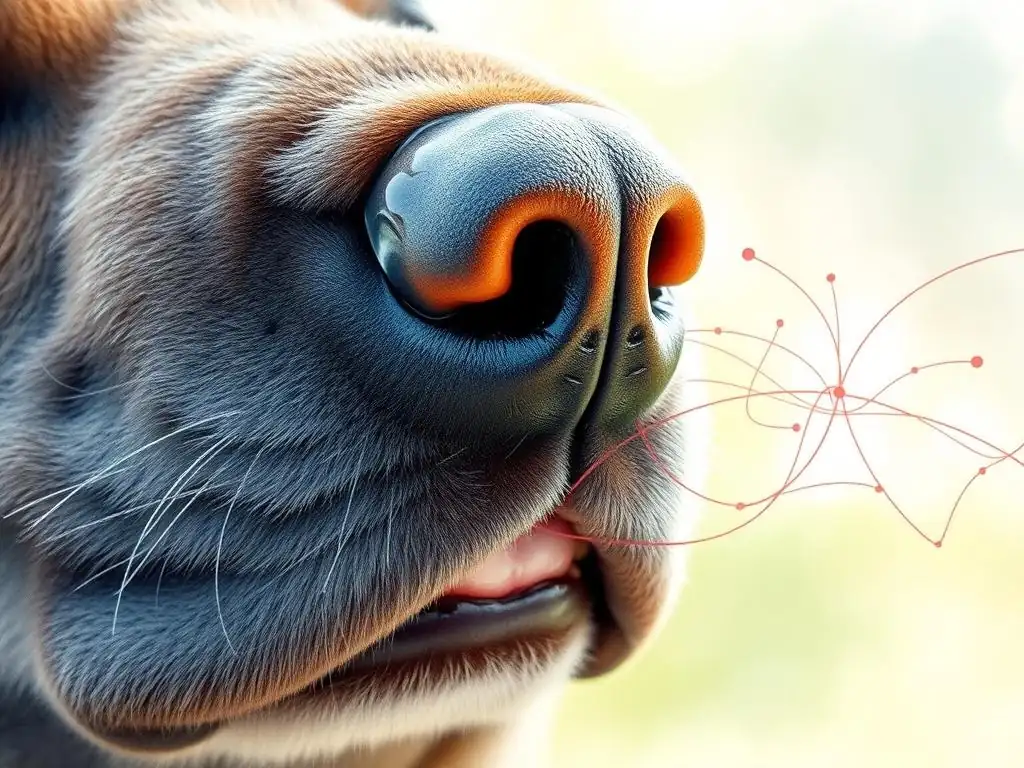
Untreated dog dental disease extends far beyond bad breath and stained teeth. It represents a significant threat to your canine companion's overall health, impacting major organs and systems. Ignoring dental hygiene can lead to a cascade of serious health complications, significantly reducing your dog's quality of life and lifespan. This section will explore some of the less obvious, yet profoundly dangerous, consequences of neglecting your dog's oral health, focusing on the often-overlooked connections between dental disease and systemic illnesses. Understanding these "hidden dangers" is crucial for proactive pet ownership and ensuring your furry friend enjoys a long, healthy life.
Impact on Heart Health: Bacterial Infections and Endocarditis
Bacteria thriving in infected gums and teeth can easily enter the bloodstream. This bacteremia poses a significant risk of developing endocarditis, a serious infection of the inner lining of the heart. The bacteria can attach to the heart valves, causing inflammation and potentially leading to heart failure. This is particularly dangerous in dogs with pre-existing heart conditions.
The severity of endocarditis related to dog dental disease can vary greatly. Some dogs may experience subtle symptoms like lethargy and decreased appetite, while others may present with more severe signs such as fever, rapid breathing, and a persistent cough. Early detection is crucial for successful treatment. Regular veterinary checkups, including dental examinations, are essential for early identification of potential problems and prompt intervention. Studies have shown a strong correlation between periodontal disease and the development of bacterial heart infections in dogs. [Specific study data pending] The risk is significantly higher in breeds predisposed to heart conditions.
The insidious nature of dog dental disease extends to the kidneys and liver. Bacteria from infected mouths can travel through the bloodstream, impacting these vital organs. Chronic kidney disease (CKD) and liver disease can develop as a consequence of prolonged exposure to these harmful bacteria. The body's attempt to fight off these infections can place an immense strain on the kidneys and liver, leading to organ damage over time.
Symptoms of kidney and liver disease related to dental issues can be subtle and easily overlooked. These may include increased thirst and urination, weight loss, lethargy, and changes in appetite. Regular blood tests are vital for detecting early signs of kidney or liver dysfunction, and a thorough dental examination can help identify the root cause.
Early intervention, including professional dental cleaning and appropriate antibiotic treatment, can help mitigate the progression of these serious conditions. The cumulative effect of unchecked bacterial infections from the mouth can severely compromise kidney and liver function, leading to a reduced lifespan for the affected dog. Preventing dental disease is therefore crucial for maintaining the health of these vital organs.
The Connection Between Dental Disease and Diabetes in Dogs
Diabetes mellitus in dogs is often linked to periodontal disease. The chronic inflammation associated with gum disease can negatively impact insulin regulation. Studies suggest that the presence of periodontal disease may increase the risk of developing diabetes, and conversely, uncontrolled diabetes can exacerbate existing dental problems. This creates a vicious cycle, where both conditions negatively influence each other.
The exact mechanisms linking dental disease and diabetes in dogs are still under investigation, but the inflammatory response plays a key role. Chronic inflammation from gum disease can interfere with the body's ability to effectively utilize insulin, leading to increased blood sugar levels. Moreover, poorly managed diabetes can weaken the immune system, making dogs more susceptible to gum infections.
Careful management of both conditions is paramount. Regular veterinary checkups, including blood glucose monitoring and thorough dental examinations, are crucial for early detection and effective treatment of both diabetes and periodontal disease to prevent further complications. Maintaining good dental hygiene is an important part of managing diabetes in dogs, potentially improving their overall health and quality of life.
Dental Disease and its effect on the Immune System
Periodontal disease in dogs, if left untreated, significantly weakens their immune system. The chronic inflammation caused by bacteria in the gums and teeth creates a constant barrage of inflammatory molecules throughout the body. This systemic inflammation doesn't just affect the mouth; it impacts the entire body's ability to fight off infection. Think of it like this: your dog's immune system is constantly battling the infection in their mouth, leaving fewer resources to combat other illnesses.
This makes them more susceptible to a range of infections, from simple colds to more serious conditions. Studies have shown a correlation between severe periodontal disease and a decreased response to vaccinations, meaning your dog may not be as protected against preventable diseases as they should be. The constant inflammatory stress also puts extra strain on vital organs, potentially contributing to long-term health problems. Regular dental care, including professional cleanings and at-home brushing, is crucial to mitigating this risk and strengthening your canine companion's overall immune response.
A healthy mouth contributes to a healthy body, and this is especially true for our furry friends. Ignoring dental health can lead to a cascade of health issues stemming from a compromised immune system, making preventative care paramount. The impact on the immune system is a significant hidden danger of untreated dog dental disease, often overlooked by pet owners. It's not just about bad breath; it's about overall health and longevity.
Preventing Dog Dental Disease: Proactive Measures
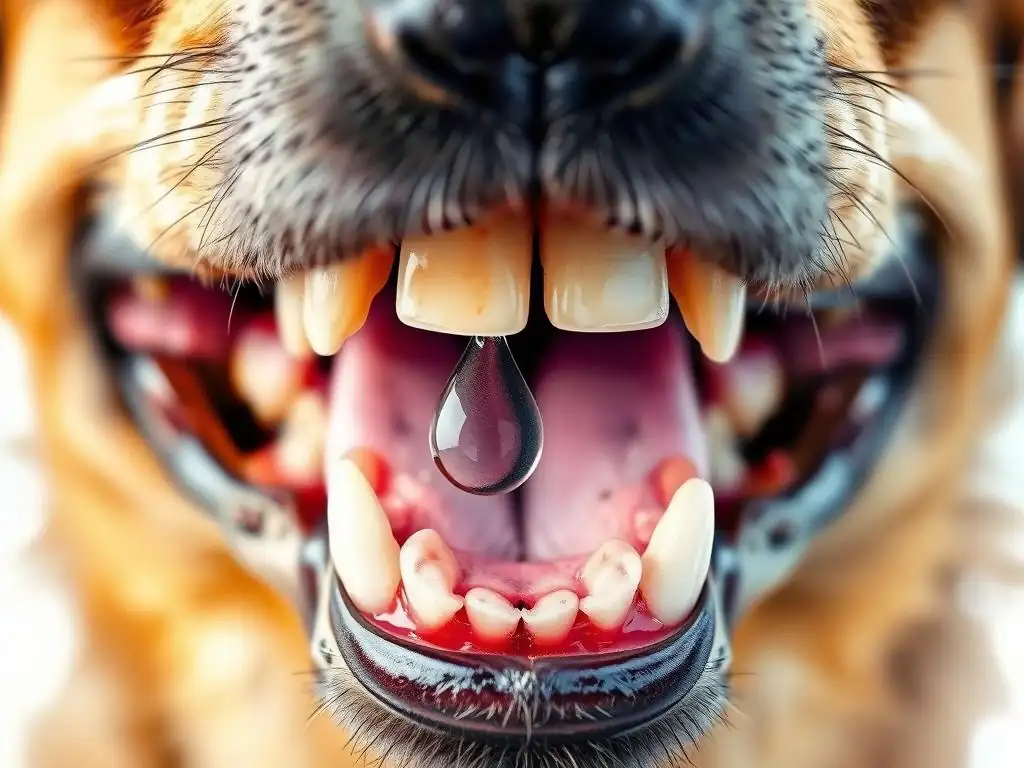
Dental disease in dogs is a serious issue, often manifesting with hidden dangers that can significantly impact their overall health. While addressing existing problems is crucial, preventing dog dental disease through proactive measures is even more important. A multi-pronged approach, combining diligent at-home care with professional veterinary attention, offers the best defense against the insidious progression of periodontal disease. This section will detail the key strategies for preventing these hidden dangers and keeping your canine companion's smile bright and healthy. Early intervention is key to minimizing the risk of more severe complications later in life.
Daily Oral Hygiene for Dogs: Brushing Techniques and Toothpaste
Daily brushing is the cornerstone of canine dental hygiene. Many owners underestimate the impact of consistent brushing, viewing it as an arduous task. However, just a few minutes each day can make a world of difference. The key lies in using the right techniques and products.
Start by acclimating your dog to the process gradually. Introduce the toothbrush and toothpaste slowly, rewarding positive interactions with treats and praise. Use a toothbrush specifically designed for dogs – these often have smaller heads and softer bristles to accommodate sensitive gums. Many vets recommend enzymatic toothpastes formulated for dogs, as these are palatable and safe if ingested (unlike human toothpaste, which is toxic to dogs).
The brushing technique itself should be gentle but thorough. Lift your dog's lip and gently brush the gum line and the surfaces of the teeth in small, circular motions. Focus on reaching all areas, including the back molars, which are often neglected.
Consistency is key; aim for at least once daily, preferably in the morning or evening as part of their routine. Remember, the goal is not just to remove food particles but also to disrupt the formation of plaque and tartar buildup. The regular removal of plaque is crucial in preventing the development of gingivitis and periodontitis, both major components of dog dental disease.
Choosing the Right Dog Dental Chews and Toys
While brushing remains the most effective method, supplemental dental chews and toys can play a valuable role in preventing dog dental disease. Not all dental chews are created equal, however. Look for chews that are specifically designed to promote dental health, and avoid those that are too hard, which could damage teeth, or those that are too soft, which won't offer sufficient cleaning action. Consider the following factors when selecting dental chews:
- Texture: The chew should have a slightly abrasive texture to help scrape away plaque and tartar.
- Size and Shape: Choose a size appropriate for your dog's breed and size to prevent choking hazards. Different shapes can reach different areas of the mouth.
- Ingredients: Opt for chews that are made with natural ingredients and are free from artificial colors, flavors, and preservatives. Some chews incorporate enzymes that actively help break down plaque.
Dental toys can also contribute to oral hygiene. Toys that encourage chewing and gnawing can help to keep teeth clean and gums stimulated. Look for durable toys made from strong materials that can withstand vigorous chewing. Remember to supervise your dog while they are using dental chews or toys to prevent choking or accidental ingestion of broken pieces.
Professional Dental Cleanings for Dogs: Frequency and Importance
Even with diligent home care, professional dental cleanings are crucial for preventing dog dental disease. Veterinary dental cleanings go beyond what's possible at home. Under anesthesia, your veterinarian can thoroughly clean your dog's teeth, removing tartar and plaque that has built up below the gum line.
They can also assess the health of your dog's gums and teeth, identifying any potential problems early on. This proactive approach can prevent minor issues from escalating into major health concerns. The frequency of professional cleanings depends on your dog's breed, age, and overall oral health.
However, most veterinarians recommend at least once a year, and more frequently for dogs with a predisposition to dental disease. During these cleanings, your vet can also perform necessary procedures such as tooth extractions if needed, further reducing the hidden dangers associated with advanced dog dental disease. Investing in regular professional cleanings is a vital part of a comprehensive preventative strategy.
Early Detection Through Regular Veterinary Checkups

Regular veterinary checkups are paramount in the fight against dog dental disease. These aren't just about annual vaccinations; a thorough oral examination should be a key component of every visit. Veterinarians are trained to spot subtle signs of periodontal disease that a pet owner might miss, such as early gum inflammation (gingivitis), slight tooth loosening, or the presence of plaque and tartar buildup below the gum line. Early detection is crucial because it allows for less invasive and more cost-effective treatment options.
Waiting until a problem becomes severe can lead to more extensive procedures, including tooth extractions, and potentially higher veterinary bills. Furthermore, early intervention can prevent the spread of infection to other parts of the body, a serious complication of advanced periodontal disease. Many veterinarians recommend dental checkups at least twice a year for adult dogs, and more frequently for senior dogs or those with a predisposition to dental problems. Remember, your veterinarian is your partner in maintaining your dog's oral health and overall well-being.
Don't hesitate to ask questions and express any concerns you may have about your dog's teeth and gums. Proactive care is far more effective, less stressful for your dog, and ultimately less expensive than reactive treatment of advanced dental disease. The peace of mind that comes with knowing your dog's teeth are healthy is invaluable. A proactive approach to dental care is a significant investment in your dog's long-term health and happiness.
Home Oral Care: Brushing, Chews, and Dental Diets
Maintaining good oral hygiene at home is a crucial part of preventing dog dental disease. Regular brushing is the cornerstone of this strategy. While it might seem challenging at first, with patience and the right techniques, most dogs can become accustomed to having their teeth brushed. Start slowly, introducing the toothbrush and toothpaste gradually. Use a dog-specific toothpaste, as human toothpaste can be toxic to dogs. Many pet stores offer a variety of flavored toothpastes designed to appeal to canine palates.
Aim to brush your dog's teeth at least two to three times a week, focusing on reaching all surfaces of the teeth and gums. In addition to brushing, dental chews and toys can help to remove plaque and tartar. Choose chews that are specifically designed for dental health, and supervise your dog while they chew to prevent choking hazards. Consider dental diets as another valuable tool in your arsenal. These specially formulated foods contain ingredients that help to reduce plaque and tartar buildup.
Look for diets that are veterinary-approved and have undergone rigorous testing to demonstrate their effectiveness in improving canine oral health. Remember, consistency is key. A comprehensive home oral care routine, incorporating brushing, appropriate chews, and a dental diet, significantly reduces the risk of developing serious dog dental disease. This proactive approach will contribute to your dog's overall health and well-being for years to come. The investment of time and effort in home oral care will be repaid many times over in reduced veterinary bills and a healthier, happier companion.
Professional Dental Cleanings: A Vital Component of Prevention
While home oral care is essential, professional dental cleanings are a vital component of preventing dog dental disease. These cleanings go beyond what can be achieved at home, removing plaque and tartar buildup below the gum line that is inaccessible with at-home brushing. Professional cleanings often involve anesthesia to ensure the safety and comfort of your dog. During the procedure, a veterinarian or veterinary technician will meticulously clean each tooth, removing tartar and plaque.
They will also assess the health of the gums and teeth, identifying any potential problems early on. The frequency of professional cleanings will depend on your dog's individual needs and risk factors, but annual cleanings are often recommended for many dogs. Some dogs may require more frequent cleanings, particularly those with a history of periodontal disease or other oral health issues. Professional dental cleanings are an investment in your dog's long-term oral health.
They can help to prevent more serious problems, such as tooth loss and infection, and contribute to your dog's overall well-being. The cost of professional cleanings is generally less than the cost of treating advanced periodontal disease, making it a worthwhile investment in preventive care. Discuss the appropriate cleaning schedule with your veterinarian to create a customized plan for your dog's needs. Regular professional cleanings, combined with a comprehensive home oral care routine, provide the most effective defense against dog dental disease.
Treating Existing Dog Dental Disease: Options and Procedures

Addressing dog dental disease requires a multifaceted approach tailored to the severity of the condition. Early detection and intervention are crucial in minimizing long-term health complications. The treatment options range from conservative non-surgical methods to more invasive surgical procedures. The best course of action will be determined by a veterinarian based on a thorough oral examination and assessment of the pet's overall health. Ignoring dog dental disease can lead to significant health problems, increasing veterinary costs and reducing your pet's quality of life. Therefore, proactive care is paramount.
Non-Surgical Treatments for Mild to Moderate Dental Disease
For dogs exhibiting mild to moderate periodontal disease, characterized by gingivitis (gum inflammation) and early stages of plaque and tartar buildup, non-surgical treatments are often effective. These methods focus on removing existing plaque and tartar and promoting healthy gum tissue. This often involves a combination of professional cleaning and at-home care.
Professional cleaning, performed by a veterinarian or veterinary technician, uses specialized instruments to meticulously remove plaque and tartar from above and below the gum line. This process is often referred to as a dental prophylaxis. Polishing the teeth after cleaning helps to smooth the tooth surface, making it more difficult for plaque to adhere.
At-home care is equally crucial in maintaining oral hygiene and preventing recurrence. This includes regular brushing with pet-specific toothpaste (human toothpaste is toxic to dogs! ), using dental chews designed to help scrape plaque away, and offering dental-specific diets formulated to reduce tartar buildup. The frequency of brushing should ideally be daily, but even a few times a week offers significant benefit. Consistent effort in home care significantly reduces the risk of future dental problems.
Surgical Interventions for Severe Periodontal Disease: Extractions and More
In cases of advanced periodontal disease, where significant bone loss and tooth damage have occurred, surgical intervention may be necessary. This often involves tooth extractions to remove severely compromised teeth that cannot be saved. While the prospect of tooth extraction might seem drastic, it's often a necessary step to prevent further infection and pain. Furthermore, it's important to remember that a healthy mouth is more important than a complete set of teeth.
Beyond extractions, other surgical procedures may be required depending on the individual case. This can include periodontal flap surgery, which involves lifting the gums to access and clean the deeper parts of the tooth roots and bone. In some cases, advanced imaging techniques, such as dental radiographs (X-rays), might be necessary to fully assess the extent of the damage and guide treatment planning.
The goal of these surgical interventions is to eliminate infection, preserve remaining healthy tissue, and improve the dog's overall oral health. Post-surgical pain management is a crucial aspect of this process, ensuring the dog remains comfortable during recovery.
Post-Treatment Care for Dogs: Pain Management and Diet
Following any dental procedure, appropriate post-operative care is essential for optimal healing and to minimize discomfort. Pain management is a critical component, typically involving prescription pain medications tailored to the dog's size and the extent of the procedure. Veterinarians will often prescribe antibiotics to prevent or treat infection.
Dietary modifications are also vital during the recovery period. Soft, easily digestible food is recommended to avoid putting undue stress on the gums and mouth. Avoid hard kibble or bones until the gums have healed sufficiently. The veterinarian will provide specific dietary guidelines based on the dog's individual needs and the type of procedure performed.
Regular monitoring of the healing process is necessary, and any signs of infection or complications should be reported to the veterinarian immediately. Consistent post-operative care significantly contributes to a successful outcome and ensures a return to optimal oral health. Remember, proactive care is key to preventing future occurrences of dog dental disease.
Long-Term Management of Canine Dental Disease
Maintaining optimal oral health in dogs, even after treatment for existing dental disease, requires a proactive and consistent approach. Simply addressing the immediate issue isn't enough; preventing future problems is crucial for your dog's overall well-being. This long-term management strategy often involves a multi-faceted approach, combining professional veterinary care with diligent home care. Neglecting this aspect can lead to a recurrence of periodontal disease, potentially necessitating more extensive and costly interventions in the future.
One critical component of long-term management is regular professional dental cleanings. The frequency of these cleanings will vary depending on your dog's breed, age, and overall oral health, but generally, annual or semi-annual checkups are recommended. During these visits, your veterinarian will perform a thorough examination, assessing the gums, teeth, and overall oral cavity for any signs of developing problems.
Professional cleaning removes tartar and plaque buildup that you can't reach at home, preventing the progression of gum disease. X-rays may also be used to detect problems below the gum line, allowing for early intervention. This preventative approach is significantly more cost-effective than addressing advanced periodontal disease.
Home care is just as vital as professional cleanings. Daily brushing is the cornerstone of this strategy. Using a toothbrush specifically designed for dogs and a pet-friendly toothpaste (avoid human toothpaste, which is toxic to dogs!) is essential. Start slowly, gradually introducing your dog to the process to avoid causing undue stress or fear.
Positive reinforcement and treats can significantly aid in this training process. Dental chews and toys designed to help scrape away plaque can also contribute to maintaining good oral hygiene. These should be used in conjunction with brushing, not as a replacement. The selection of appropriate dental chews is critical; choose those that meet veterinary standards for effective plaque removal. Avoid hard bones or toys that could damage the teeth.
Monitoring your dog's diet is another crucial element. A balanced diet plays a significant role in maintaining overall health, including oral health. Some commercially available dog foods are formulated to help reduce plaque and tartar buildup. Consult your veterinarian to determine the best dietary choices for your dog, considering their age, breed, and any existing health conditions. Remember, a healthy diet is not a substitute for proper brushing and professional cleanings but rather a valuable complementary measure.
Regularly checking your dog's mouth for any signs of redness, swelling, bad breath, or loose teeth is crucial for early detection of potential problems. Early intervention is always the most effective and less invasive approach to managing canine dental disease. The investment in consistent care significantly outweighs the costs associated with treating advanced dental issues. 🐶
Choosing the Right Veterinarian for Your Dog's Dental Care
Finding the right veterinarian is crucial for managing your dog's dental health, especially when dealing with the hidden dangers of dog dental disease. Not all veterinarians have the same level of expertise in canine dentistry. Choosing a specialist or a vet with significant experience in this area can significantly impact your dog's treatment and overall outcome.
Finding a Veterinarian Experienced in Canine Dentistry
Locating a veterinarian experienced in canine dentistry requires proactive research. Don't just settle for the closest clinic; take the time to investigate their credentials. Look for veterinarians who specifically mention expertise in veterinary dentistry on their website or in their clinic brochures. Some veterinarians may even hold board certifications in veterinary dentistry, signifying a higher level of training and skill.
This specialization translates to a better understanding of the intricacies of dog dental disease, including its hidden dangers and effective treatment strategies. Check online reviews and forums; other pet owners often share their experiences, providing valuable insights into a veterinarian's approach to dental care. Consider asking your primary care veterinarian for a referral to a specialist. They often have a network of colleagues and can recommend someone well-suited to your dog's needs.
Understanding the Cost of Dog Dental Care
The cost of dog dental care can vary significantly, depending on the complexity of the procedure and the veterinarian's location and fees. Routine cleanings are generally less expensive than more extensive procedures addressing advanced dog dental disease. Hidden dangers, like periodontal disease, often necessitate more involved treatments, potentially including extractions and specialized therapies. Before proceeding with any dental treatment, it's essential to obtain a detailed cost breakdown from your chosen veterinarian.
This should include the cost of the examination, cleaning, any necessary X-rays, extractions, and post-operative care. Inquire about payment options and consider pet insurance to help manage the financial burden, particularly if your dog has pre-existing conditions or requires ongoing dental care. Understanding the financial implications upfront prevents unexpected costs and allows for better budgeting. Don't hesitate to ask for a detailed estimate before scheduling any procedures.
Questions to Ask Your Veterinarian About Your Dog's Dental Health
Proactive communication with your veterinarian is key to ensuring your dog receives optimal dental care. Don't be afraid to ask detailed questions. Knowing how to assess your dog's dental health at home and understanding the signs of developing dog dental disease is crucial. Hidden dangers often present subtly, so early detection is paramount. Here are some essential questions to ask:
- What are the early warning signs of periodontal disease in dogs? This helps you monitor your dog's mouth at home and identify potential problems early.
- How often does my dog need professional dental cleanings? Frequency depends on breed, age, and overall health.
- What are the risks and benefits of anesthesia for dental procedures? Understanding the potential complications is essential.
- What preventative measures can I take at home to improve my dog's dental health? Brushing, dental chews, and special diets all play a role.
- What are the long-term consequences of untreated dog dental disease? Understanding the potential hidden dangers emphasizes the importance of proactive care.
- What are the available options for addressing advanced dog dental disease? This helps you make informed decisions about treatment.
Remember, asking questions empowers you to make informed decisions regarding your dog's dental health and helps mitigate the hidden dangers of dog dental disease. A proactive approach, coupled with a skilled veterinarian, significantly improves your dog's chances of maintaining a healthy smile for years to come. 🐶
Frequently Asked Questions
Dog dental disease can lead to serious health problems beyond bad breath. Infections can spread to the heart, kidneys, and liver, causing life-threatening complications. Untreated periodontal disease can also lead to pain and discomfort, impacting your dog's quality of life.
How can I tell if my dog has dental disease?
Look for signs like bad breath, red or swollen gums, loose teeth, excessive drooling, and changes in eating habits. Regular professional dental cleanings are crucial for early detection. If you notice any of these, consult your veterinarian immediately.
What are the most common causes of dog dental disease?
Plaque and tartar buildup are the primary culprits, leading to gingivitis and eventually periodontal disease. Poor diet, lack of regular brushing, and genetics also play a role. Regular dental hygiene is key to prevention.
How can I prevent dental disease in my dog?
Regular brushing with pet-specific toothpaste is essential. Provide dental chews and toys designed to clean teeth. A healthy diet also contributes to better dental health. Schedule professional dental cleanings with your vet, as recommended.
What treatments are available for dog dental disease?
Treatment options range from professional cleaning under anesthesia to extractions in severe cases. Your vet will recommend the best approach based on your dog's condition. Early intervention is key to minimizing the need for extensive procedures and improving prognosis.
Final Reflection: Unmasking the Silent Suffering of Canine Companions
The alarming prevalence of dog dental disease, often overlooked as a "minor" issue, poses a significant threat to the health and well-being of millions of beloved pets. Ignoring the subtle signs can lead to devastating consequences, impacting not only their oral health but also their overall quality of life and longevity. This silent killer deserves our immediate attention and proactive intervention.
The journey of researching and writing this article has profoundly impacted my understanding of the intricate connection between oral health and systemic well-being in dogs. It's a stark reminder that seemingly minor issues can escalate into serious, life-threatening conditions. A dog's health is a reflection of its owner's care,
a sentiment I now hold deeply, understanding the responsibility we bear in safeguarding our canine companions. The pervasive nature of this disease, coupled with the often-delayed diagnosis, highlights the critical need for increased awareness and education among pet owners.
Now, consider your own furry friend. Are you diligently attending to their dental hygiene? Do you understand the subtle signs of developing dental disease? Take this opportunity to schedule a dental checkup for your dog, and empower yourself with the knowledge to prevent this often-overlooked yet devastating condition. Your proactive care can make all the difference in ensuring your dog enjoys a long, healthy, and happy life. Let's work together to break the silence surrounding dog dental disease and champion the well-being of our canine companions.
Unleash Your Pup's Sparkling Smile!
Thank you for learning about the often-overlooked dangers of dog dental disease. You've gained valuable knowledge to protect your furry friend's health! Ready to put this knowledge into action?
- Schedule a dental checkup for your dog now. Proactive care is crucial; don't wait for visible problems.
- Brush your dog's teeth daily. Even a quick brushing significantly reduces the risk of future dental issues.
- Share this article with other dog owners. Let's spread awareness about canine dental health!
Ready to give your best friend the gift of a healthy, happy smile? What will you do today to improve your dog's dental hygiene?