
Beyond the Furniture: Understanding Your Cat's Scratching Instincts


Welcome to PetCareWorld, your ultimate guide to a happier, healthier life for your beloved companion! Are you baffled by your cat's seemingly destructive scratching habits? Discover the surprising reasons why cats scratch furniture in our insightful article, "Beyond the Furniture: Understanding Your Cat's Scratching Instincts," and unlock the secrets to protecting your belongings while satisfying your feline friend's natural instincts. Let's delve into the fascinating world of feline behavior and find the purrfect solution together!
- Why Cats Scratch Furniture: Unraveling the Mystery
- More Than Just Furniture: Identifying Your Cat's Preferred Scratching Surfaces
- Preventing Cat Scratching Damage: Effective Strategies and Solutions
- Understanding Your Cat's Scratching Behavior: Recognizing Underlying Issues
- Creating a Scratch-Friendly Environment for Your Cat
- Long-Term Solutions for Happy Cats and Furniture
- Frequently Asked Questions
- Final Reflection: Unraveling the Mystery of the Scratching Post
- Unleash Your Cat's Inner Explorer: Scratching & Beyond!
Why Cats Scratch Furniture: Unraveling the Mystery
Understanding why cats scratch furniture is crucial for any cat owner hoping to maintain a harmonious home environment and protect their belongings. This isn't simply a destructive habit; scratching is a deeply ingrained, multifaceted behavior driven by a complex interplay of physical needs, sensory stimulation, and social communication. This article will delve into the reasons behind this seemingly annoying behavior, helping you understand your feline friend better and develop effective strategies for managing it. We'll explore the instinctive drives that lead your cat to scratch, providing insights into the physical, sensory, and social aspects involved in this essential feline activity.
By understanding these underlying motivations, you can address the root cause of the scratching, rather than just treating the symptoms. This will not only protect your furniture but will also enrich your cat's life and strengthen your bond. 😼
The Physical Needs Behind Cat Scratching: Claw Maintenance and Stretching
Cats scratch for several crucial physical reasons. Their claws are constantly growing, and scratching is a natural way for them to shed the outer layers of their claws, keeping them sharp and healthy. Imagine trying to trim your own fingernails without any tools – it's uncomfortable and ineffective! Scratching provides the perfect tool-free manicure for cats.
Furthermore, scratching provides a much-needed stretch for their muscles and joints, particularly those in their back and forelegs. This stretching exercise is vital for maintaining their flexibility and overall physical well-being. Think of it as their daily yoga session – essential for a happy, healthy cat!
Regular scratching helps prevent overgrown claws that can lead to pain, discomfort, and difficulty walking. A cat that can’t properly maintain its claws may also experience increased stress and anxiety, leading to additional behavioral problems. The act of scratching itself is also a form of exercise, contributing to their overall physical fitness.
Sensory Stimulation: The Importance of Texture and Scent in Scratching Behavior
Beyond the physical benefits, scratching provides crucial sensory stimulation for cats. Different surfaces offer varying textures and tactile feedback, providing enriching sensory experiences. A cat might prefer the rough texture of a sisal scratching post, the softness of a carpet, or even the smooth surface of a wooden beam. This tactile exploration satisfies their natural curiosity and provides mental stimulation. Moreover, scratching posts often become infused with their scent thanks to scent glands located in their paws.
This scent marking reinforces their territory and provides a sense of security and familiarity. The act of scratching, therefore, becomes a self-soothing activity, providing comfort and reducing stress. Providing a variety of scratching surfaces with different textures will cater to this innate sensory need and may redirect their scratching away from your furniture. Consider offering surfaces with varying degrees of roughness, height, and angle to appeal to a wider range of preferences.
Territorial Marking: Scent Glands and Communication Through Scratching
Scratching is also a powerful form of communication and territorial marking for cats. Cats have scent glands in their paws, and when they scratch, they leave behind visual marks (the scratches themselves) and scent marks (pheromones from their paws). These marks serve to communicate their presence to other cats in the area, establishing their territory and deterring potential rivals.
This is especially important for cats who live outdoors or have access to outdoor spaces. Even indoor cats may still exhibit this behavior, marking their territory within the confines of their home. The scent left behind acts as a silent message, announcing their ownership of the space.
Understanding this aspect of scratching behavior helps you appreciate that it’s not just about claw maintenance; it’s a fundamental aspect of feline communication and social behavior. Providing appropriate scratching surfaces can help your cat feel secure and in control of their environment, reducing the likelihood of them scratching your furniture as a way to mark their territory.
More Than Just Furniture: Identifying Your Cat's Preferred Scratching Surfaces
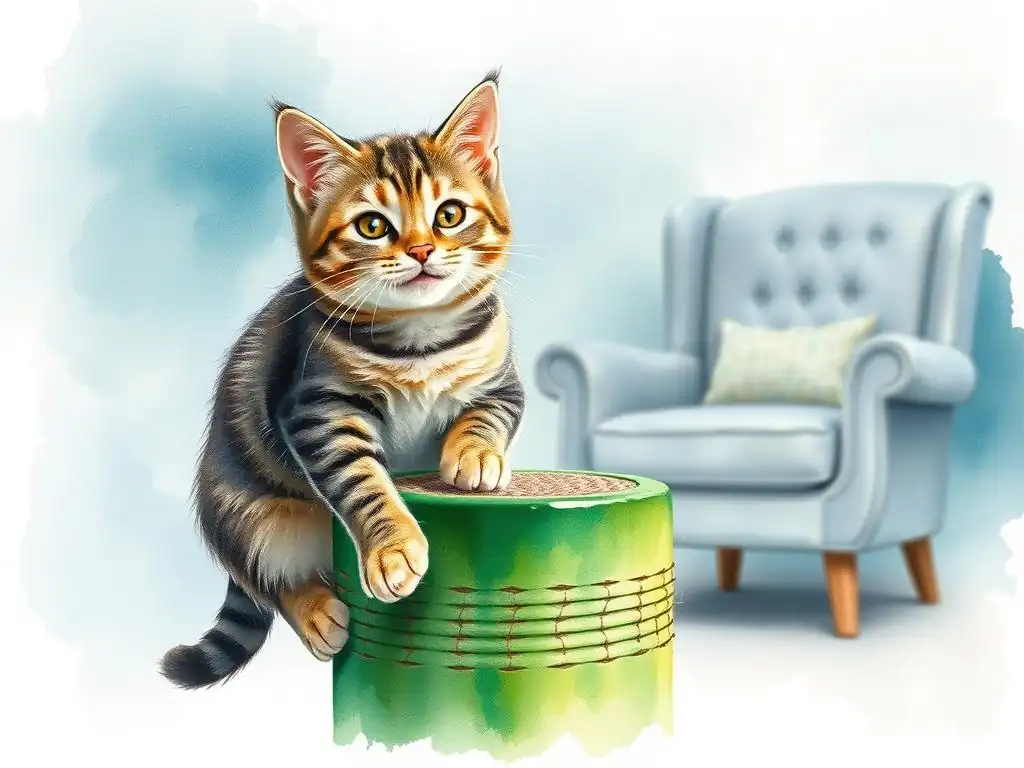
Understanding why cats scratch furniture is the first step to preventing it. But equally important is understanding what they prefer to scratch. It's not just about the destruction; it's about fulfilling a crucial feline need. Cats scratch for a multitude of reasons, all tied to their innate instincts. Ignoring these instincts only leads to frustration for both you and your feline companion. Let's delve into the specifics of their scratching preferences.
Material Preferences: Wood, Carpet, Cardboard, and More
Cats aren't indiscriminate in their scratching choices. They exhibit clear preferences based on texture, scent, and the feeling of the material against their claws. This preference is directly linked to their instinctive need for claw maintenance and scent marking.
The most common culprits in furniture destruction are often wooden surfaces. This isn't just random; wood offers a satisfying resistance, allowing cats to effectively shed the outer layers of their claws. The scratching action helps to keep claws sharp and healthy, preventing overgrowth and potential discomfort. The texture of the wood, whether smooth or slightly rough, plays a role. Some cats prefer the slightly more yielding feel of softer woods, while others enjoy the satisfying scrape of harder surfaces.
Carpet, on the other hand, provides a different kind of satisfaction. The fibers offer a more yielding surface, allowing for a deeper, more stretching scratch. This can be particularly appealing to cats who enjoy a more vigorous scratching session. The texture and density of the carpet also matter; thicker, plusher carpets might be preferred over thin, sparse ones.
Cardboard is another surprisingly popular choice. It’s inexpensive, readily available, and provides a satisfying tearing sensation. The relatively soft texture makes it a less destructive alternative to furniture, while still fulfilling the cat's need to scratch. Many commercial cat scratchers utilize corrugated cardboard for this very reason. The ability to tear and shred the cardboard also provides a form of enrichment, engaging their natural hunting instincts.
Beyond these common materials, some cats might exhibit preferences for other surfaces. This could include upholstered furniture (although this is generally less preferable due to the damage it inflicts! ), certain types of fabrics, or even concrete or stone outdoors. Observing your cat's behavior and noting their preferred scratching surfaces is key to redirecting their scratching to more appropriate locations. This observational data is crucial in determining the best type of scratching post or toy to provide.
Location, Location, Location: Strategic Scratching Spots in Your Home
The where of scratching is as important as the what. Cats are strategic creatures, and their choice of scratching location often reflects their need for territorial marking, visual prominence, and a sense of security. Understanding this can help you anticipate their scratching behaviors and provide alternatives in strategic locations.
Many cats prefer to scratch in high-traffic areas, or places where they can easily survey their surroundings. This behavior serves a dual purpose: it allows them to scent-mark their territory, claiming ownership, and simultaneously provides a vantage point for observation. Think of it as their way of announcing their presence and monitoring their domain. Providing a scratching post in a prominent location, such as near a window or in a frequently used room, can often redirect this behavior effectively.
Conversely, some cats prefer to scratch in secluded or quiet areas. This might be a corner of a room, behind a piece of furniture, or in a less-used space. For these cats, providing a scratching post in a more private location could be more effective. The key is to observe your cat’s behavior and identify their preferred spots.
The height of the scratching post also plays a role. Some cats prefer vertical scratching, while others might prefer horizontal. Offering a variety of scratching surfaces with different orientations caters to a broader range of preferences. Remember, providing multiple options increases the likelihood of success in redirecting your cat's scratching behavior away from your furniture. This proactive approach transforms a potentially frustrating issue into an opportunity for understanding your cat's needs and strengthening your bond.
Preventing Cat Scratching Damage: Effective Strategies and Solutions
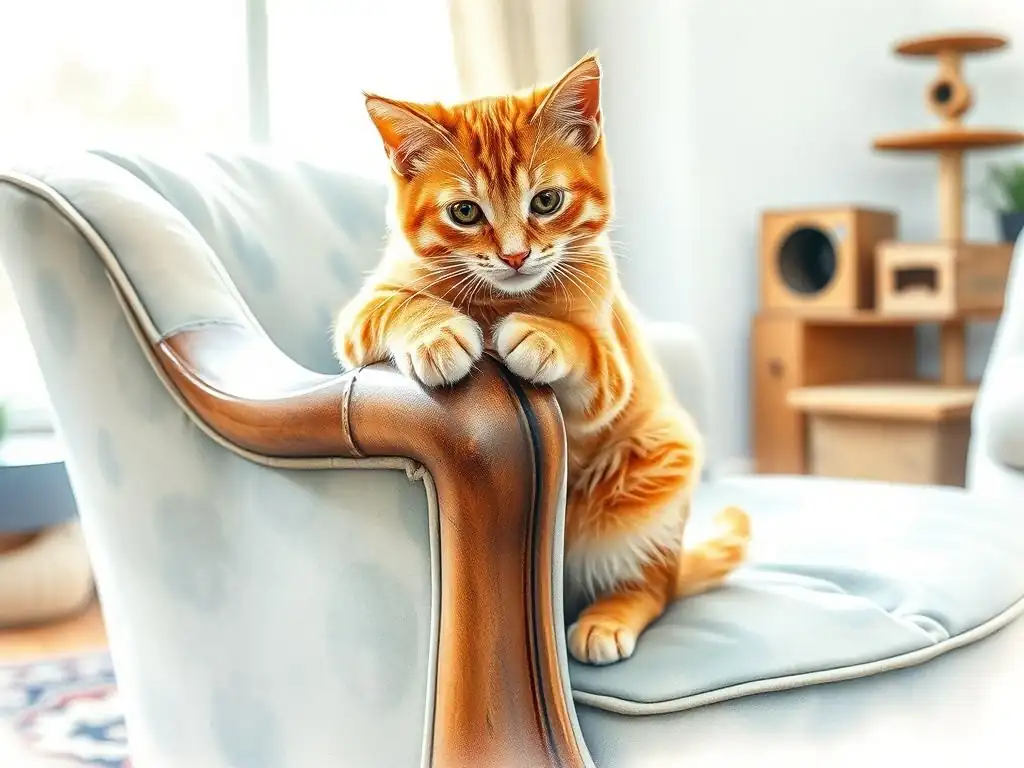
Understanding why cats scratch furniture is the first step towards preventing damage. It's not just about sharpening claws; scratching fulfills several crucial feline needs. Cats scratch to shed the outer layers of their claws, stretch their bodies, mark their territory with scent glands in their paws, and leave visual markers. Ignoring these innate behaviors only leads to frustration for both cat and owner.
Effective solutions involve redirecting these behaviors, not suppressing them. This requires a multifaceted approach, combining appropriate scratching posts with training and, if necessary, deterrents. Failure to address the root causes often results in persistent scratching, despite employing single solutions. Let's delve into practical strategies that effectively manage this common feline behavior.
Providing Appropriate Scratching Posts: Types, Materials, and Placement
The key to preventing furniture damage is offering attractive alternatives. A simple scratching post often isn't enough. Cats have preferences! Consider these factors:
- Types: Offer a variety of scratching surfaces. Some cats prefer sisal, others carpet, cardboard, or even wood. Experiment to find your cat's favorite texture. Consider vertical posts, horizontal scratching boards, and even cat trees that combine scratching surfaces with climbing opportunities. A diverse selection caters to different scratching styles and positions.
- Materials: Sisal is a popular and durable choice, known for its rough texture that effectively removes claw sheaths. Carpet provides a softer scratching experience. Cardboard scratchers are inexpensive and readily replaceable. Wooden posts can be appealing, particularly if treated with catnip or other attractants. Experimenting with different materials helps you determine your cat's preferences.
- Placement: Strategic placement is crucial. Don't just put the scratching post in a corner and hope for the best! Place scratching posts near the cat's favorite sleeping or playing areas, or even near areas where they frequently scratch furniture. This makes it easier for them to switch to the appropriate scratching surface. Multiple scratching posts strategically placed throughout the house are often more effective than a single one.
Training Your Cat to Use Scratching Posts: Positive Reinforcement Techniques
Training your cat to use a scratching post involves positive reinforcement, rewarding desired behaviors rather than punishing unwanted ones. Here's how:
- Associate the post with positive experiences: Sprinkle catnip on the scratching post, or place treats near it. This creates a positive association. When your cat uses the post, immediately praise and reward them with treats or affection.
- Redirect unwanted behavior: If you catch your cat scratching furniture, gently but firmly redirect them to the scratching post. Don't yell or punish; this only creates fear and anxiety, making them less likely to use the post.
- Consistency is key: Training takes time and patience. Be consistent with your positive reinforcement. Every time your cat uses the scratching post, reward them. This strengthens the positive association. Inconsistency will hinder the training process. Remember, patience is paramount in this process.
Deterrents and Repellents: Safe and Effective Options
If positive reinforcement alone isn't enough, consider safe and effective deterrents:
- Sticky tape: Cats dislike sticky surfaces. Double-sided tape placed on furniture can deter scratching. However, this is a temporary solution and should be used in conjunction with providing appropriate scratching posts.
- Citrus scents: Many cats dislike citrus scents. Spraying furniture with diluted citrus-based cleaners (ensure it's cat-safe!) can be a deterrent. However, ensure the product is non-toxic and will not harm your cat.
- Commercial repellents: Various commercial cat repellents are available. Check the ingredients to ensure they are safe for your cat and your family. Always prioritize non-toxic options.
Remember: Deterrents should be used in combination with positive reinforcement and the provision of appropriate scratching posts. The goal is to redirect the scratching behavior, not to punish your cat. A holistic approach that addresses the underlying reasons for scratching, combined with patience and consistency, is the most effective way to protect your furniture and ensure your cat's well-being. 😼
Understanding Your Cat's Scratching Behavior: Recognizing Underlying Issues
Cats scratch for a multitude of reasons, far beyond simply wanting to destroy your furniture. Understanding the underlying motivations behind this natural behavior is crucial for addressing the problem effectively and preventing future damage. While a new scratching post might solve the issue in some cases, it's vital to consider the possibility of underlying medical or behavioral problems contributing to excessive scratching. Ignoring these could lead to escalating issues and potentially harm your feline friend. Let's delve into the potential causes.
Medical Reasons for Excessive Scratching: Identifying Potential Problems
Excessive scratching, particularly sudden changes in scratching habits, can be a symptom of underlying medical conditions. A cat experiencing discomfort or pain might scratch more frequently as a way to alleviate the unpleasant sensation. Several health problems can manifest as increased scratching:
- Arthritis: As cats age, arthritis can cause joint pain and stiffness. Scratching can become a way to relieve this pain, even if it means damaging furniture. This is particularly common in older cats who may struggle to reach more comfortable scratching positions. Observing your cat's mobility and posture can provide clues. Do they seem stiff when getting up or jumping? Do they favor one leg over another?
- Skin Allergies and Irritations: Allergies to fleas, pollen, or food can cause intense itching and discomfort, leading to excessive scratching. Skin conditions like ringworm or mange can also trigger this behavior. Examine your cat's skin for redness, inflammation, or lesions. A veterinary examination is necessary to determine the underlying cause and implement appropriate treatment.
- Fungal or Bacterial Infections: These infections can cause intense itching and discomfort, leading to increased scratching. The affected area might be visibly inflamed, scabby, or hairless. Veterinary diagnosis and treatment are crucial to resolve the infection and reduce the scratching behavior.
- Parasites: Fleas, ticks, and mites can cause intense itching, leading to excessive scratching. Regular flea and tick prevention is essential. If you notice your cat scratching excessively, a thorough examination for parasites is necessary.
Addressing these medical issues is paramount. Ignoring them will only exacerbate the scratching problem and potentially cause further harm to your cat. A veterinary checkup is essential if you suspect a medical reason for your cat's increased scratching. Early detection and treatment can significantly improve your cat's comfort and reduce the damage to your furniture.
Behavioral Issues: Stress, Anxiety, and Boredom
Even if your cat is perfectly healthy, behavioral issues can significantly contribute to excessive scratching. Cats, like humans, experience stress, anxiety, and boredom, and these emotions can manifest as destructive behaviors, including excessive scratching.
- Stress and Anxiety: Changes in the household, such as moving, the arrival of a new pet or family member, or even a change in routine, can trigger stress and anxiety in cats. This stress can manifest as increased scratching, as they try to relieve their tension. Providing a safe, secure, and predictable environment is crucial for reducing stress levels.
- Boredom and Lack of Enrichment: Cats are naturally curious and active animals. A lack of mental and physical stimulation can lead to boredom and frustration, which can manifest as destructive behaviors, including excessive scratching. Providing your cat with plenty of toys, scratching posts, and opportunities for play can help alleviate boredom. Consider rotating toys to keep your cat engaged and prevent boredom.
- Territorial Marking: Scratching is a natural behavior for cats, and it serves multiple purposes, including scent marking. Cats have scent glands in their paws, and scratching leaves their scent behind, claiming their territory. If your cat feels insecure or threatened in its environment, it may scratch more frequently to reaffirm its territory. Providing sufficient vertical space, like cat trees, can help them feel more secure.
Understanding the behavioral root causes requires careful observation and often a trial-and-error approach to finding effective solutions. Addressing the underlying stress, anxiety, or boredom through environmental enrichment and providing appropriate outlets for scratching are crucial steps in managing this behavior. It's important to remember patience and consistency are key to success. Consider consulting a certified cat behaviorist for personalized guidance if the problem persists.
Creating a Scratch-Friendly Environment for Your Cat
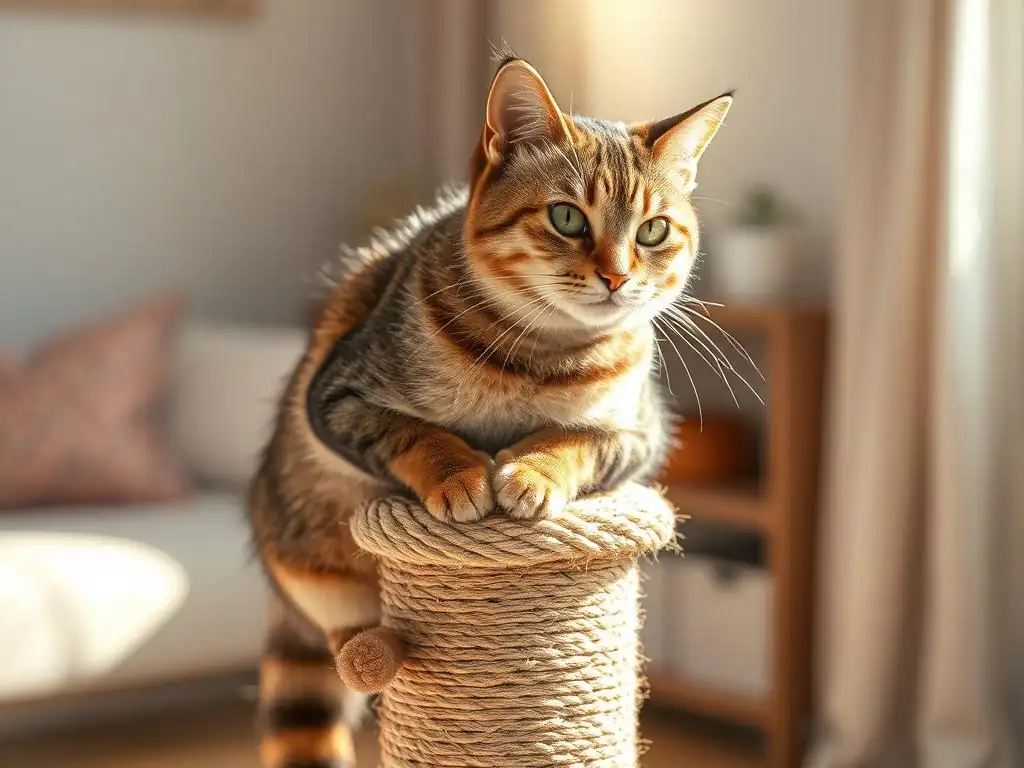
Understanding why cats scratch furniture is the first step to preventing it. It's not just about mischief; it's a deeply ingrained instinct driven by several crucial factors. Creating a scratch-friendly environment means addressing these needs proactively. We'll explore how to provide suitable alternatives that satisfy your feline friend's natural urges while protecting your belongings.
Balancing Your Needs with Your Cat's Instincts
Cats scratch for a variety of reasons, all stemming from their innate behaviors. These include:
- Scent Marking: Cats have scent glands in their paws. Scratching deposits their scent, essentially claiming territory and leaving a message for other cats. This is a crucial part of feline communication.
- Shedding of Outer Claw Layers: Scratching helps cats remove the outer, dull sheaths of their claws, keeping them sharp and healthy. Think of it as a natural manicure!
- Stretching and Exercise: Scratching provides a great full-body stretch, crucial for maintaining flexibility and muscle tone, particularly for indoor cats.
- Stress Relief: Scratching can be a self-soothing behavior. A stressed cat might scratch more frequently as a way to relieve tension.
To balance your need for furniture protection with your cat's instinctive scratching behavior, you need to offer a variety of scratching posts that cater to different preferences. Consider these points:
| Feature | Importance | Example |
|---|---|---|
| Material | Different cats prefer different textures (sisal, carpet, cardboard) | Sisal scratching post, cardboard scratcher |
| Height | Vertical posts allow for stretching; horizontal ones cater to different positions | Tall post, low-lying scratching pad |
| Placement | Strategically place posts near their favorite resting spots or high-traffic areas | Near a window, next to their food bowl |
| Stability | A wobbly post is frustrating; choose sturdy, well-weighted options | Heavy base, wall-mounted scratching post |
Providing multiple scratching options significantly increases the likelihood your cat will use them instead of your furniture. Remember, consistency is key. Don't give up if your cat initially ignores the new scratching posts – it might take time and patience. Positive reinforcement, such as treats or praise when they use the posts correctly, can greatly aid the transition. Observe your cat's scratching habits to understand their preferences and adjust accordingly. For example, if they consistently scratch a specific type of furniture, invest in a scratching post with a similar texture.
Long-Term Solutions for Happy Cats and Furniture
Long-term success in deterring furniture scratching requires a holistic approach, combining the right scratching posts with other preventative measures. It's about understanding your cat’s personality and adapting your strategies accordingly.
Addressing Underlying Issues
Sometimes, excessive scratching can indicate underlying stress or anxiety. Consider these factors:
- Environmental Changes: Recent moves, new pets, or family changes can trigger increased scratching as a stress response.
- Medical Conditions: Arthritis or other painful conditions can make scratching more uncomfortable, leading to increased frequency or intensity. Consult a veterinarian to rule out any medical issues.
- Boredom and Lack of Enrichment: Indoor cats need ample stimulation to prevent boredom-induced destructive behaviors. Provide interactive toys, climbing structures, and puzzle feeders to keep your cat mentally and physically engaged.
By carefully considering your cat's individual needs and preferences, you can create a harmonious environment where both your cat and your furniture can coexist peacefully. Remember, patience and consistent effort are essential for long-term success. Regularly assess your cat's scratching behavior and adjust your strategies as needed. A happy, enriched cat is less likely to resort to destructive scratching.
This proactive approach will lead to a more peaceful and enjoyable experience for both you and your feline companion. The key is to understand that scratching is a natural behavior, and providing appropriate alternatives is crucial for preventing damage to your furniture and ensuring your cat's well-being. 🎉
Frequently Asked Questions
Why does my cat scratch the furniture?
Cats scratch furniture for several reasons: territory marking (scent glands in their paws), shedding old nail sheaths, and stretching/exercising. Providing scratching posts can help redirect this behavior.
What are the best ways to stop my cat from scratching the furniture?
Try providing attractive scratching posts in various textures and locations. Positive reinforcement with treats and praise when they use the post is key. Consider using deterrents like sticky tape or scent repellents on furniture.
My cat only scratches one piece of furniture. Why?
Your cat may have chosen a particular spot due to its texture, location (near a window, for example), or scent. Try placing a scratching post very near that furniture to offer an alternative.
Are there any health reasons why my cat might scratch excessively?
Excessive scratching could indicate a health problem, such as arthritis or allergies. If you notice a sudden change in scratching behavior, consult your veterinarian.
What kind of scratching post should I buy for my cat?
Consider offering a variety of scratching posts; cardboard, sisal, carpet, and even wood. The height and placement are also important – some cats prefer vertical, others horizontal scratching surfaces. Experiment to find what your cat prefers.
Final Reflection: Unraveling the Mystery of the Scratching Post
Understanding feline scratching behavior is not merely about protecting our furniture; it's about understanding the very essence of our feline companions. The seemingly destructive act of scratching is, in reality, a complex interplay of instinct, communication, and physical well-being. Ignoring this crucial aspect of cat ownership leads to frustrated owners and unhappy cats.
The impact of this understanding extends far beyond the realm of damaged sofas and chairs. It speaks to a deeper connection with our pets, recognizing their innate needs and finding ways to meet them. A cat's scratching post is not just a piece of furniture; it's a vital tool for their physical and emotional health.
By acknowledging the importance of scratching, we move beyond simple problem-solving and into a realm of genuine empathy and understanding, enriching the bond we share with our feline friends. This shift in perspective allows us to appreciate the intricate communication happening right under our noses, from scent marking to physical stretching.
Now, consider your own cat. Think about their scratching habits, their preferred surfaces, and the overall context of their behavior. Are you providing them with adequate scratching opportunities? Are you understanding their communication? Take a moment to observe your cat, to truly see them, and to provide the environment they need to thrive. By understanding their instincts, we can create a harmonious home where both cats and humans can live happily, and perhaps, even more peacefully, together.
Unleash Your Cat's Inner Explorer: Scratching & Beyond!
Thank you for exploring the world of feline scratching! You've learned about your cat's natural behaviors and how to manage them. Now, let's put that knowledge into practice!
- Enhance your cat's scratching experience: Choose a scratching post that suits your cat's preferences in terms of texture and height, and watch them happily redirect their scratching instincts. This simple change can significantly protect your furniture.
- Share your scratching success stories: Tell us about your cat's new favorite scratching post in the comments below! Let's build a supportive community of happy cat owners.
- Provide engaging enrichment: Consider adding vertical climbing structures or puzzle feeders to further stimulate your cat's natural instincts beyond just scratching.
Ready to build a happier, healthier relationship with your feline companion? What creative solutions will you try next to encourage healthy scratching habits?