
Setting Up a Bioactive Enclosure for Your Corn Snake

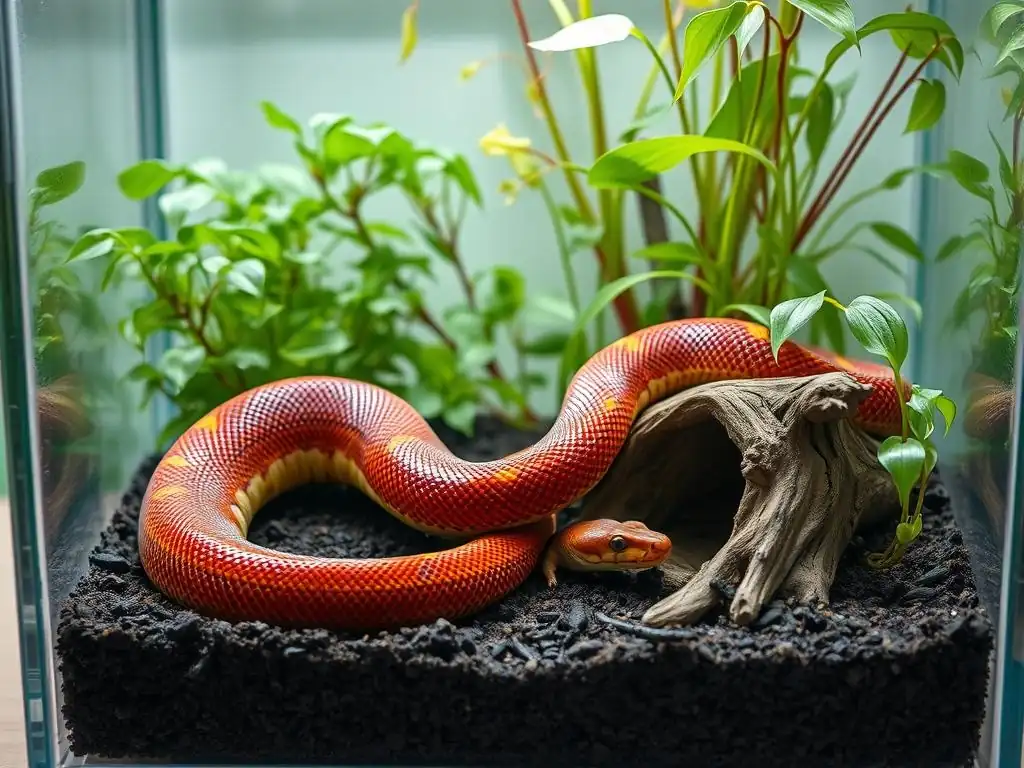
Welcome to PetCareWorld, your ultimate guide to a happier, healthier life for your beloved companions! Are you ready to create the perfect habitat for your scaly friend? Discover the secrets to a thriving ecosystem with our in-depth guide on corn snake bioactive enclosure setup. Learn how to transform your corn snake's home into a self-sustaining, enriching environment, ensuring your reptile thrives for years to come. Dive in and unlock the key to a flourishing bioactive setup – your corn snake will thank you!
- Understanding the Benefits of a Bioactive Corn Snake Enclosure
- Choosing the Right Enclosure for Your Corn Snake
- Building the Bioactive Ecosystem: Layer by Layer
- Planting Your Corn Snake's Bioactive Enclosure
- Adding Hiding Places and Enrichment
- Maintaining Your Corn Snake's Bioactive Enclosure
- Ensuring Your Corn Snake's Well-being in a Bioactive Setup
-
Frequently Asked Questions
- What is a bioactive enclosure, and why is it good for corn snakes?
- What substrate is best for a bioactive corn snake enclosure?
- What plants are safe for a bioactive corn snake enclosure?
- What cleanup crew should I use in my corn snake's bioactive enclosure?
- How often do I need to clean a bioactive corn snake enclosure?
- Final Reflection: Cultivating a Thriving Ecosystem for Your Corn Snake
- Unleash Your Corn Snake's Natural Instincts!
Understanding the Benefits of a Bioactive Corn Snake Enclosure
Creating the perfect habitat for your corn snake goes beyond simply providing a cage and a water bowl. A bioactive enclosure offers a significantly enhanced living space, mimicking the snake's natural environment and providing numerous benefits for both the snake's well-being and the owner's convenience.
This comprehensive guide will walk you through setting up a thriving bioactive enclosure specifically designed for your corn snake, covering everything from choosing the right substrate to selecting the ideal cleanup crew. We'll explore the advantages of this method, detailing how a bioactive setup reduces maintenance, promotes a more natural and stimulating environment, and ultimately contributes to a healthier, happier corn snake.
This guide is designed to equip you with the knowledge and steps needed to create a truly exceptional home for your reptile companion, using the keyword "corn snake bioactive enclosure setup" to provide useful and relevant information for pet owners searching for this specific topic.
Why Bioactive? Improved Habitat and Reduced Maintenance
A bioactive enclosure replicates the natural ecosystem of a corn snake's habitat. Instead of relying solely on manual cleaning, a bioactive setup utilizes a self-sustaining ecosystem. This involves layering the enclosure with specific substrates, planting live plants, and introducing a “cleanup crew” of beneficial organisms such as isopods and springtails. These tiny creatures break down waste products, preventing the buildup of ammonia and other harmful substances.
This significantly reduces the frequency of manual cleaning, saving you time and effort. The benefits extend beyond convenience; a cleaner environment directly contributes to a healthier snake, reducing the risk of infections and respiratory problems. The improved air quality alone is a significant advantage, creating a more natural and less stressful environment for your pet. Consider this: a typical bioactive enclosure might only require a complete cleaning every 6-12 months, compared to weekly or bi-weekly cleaning with traditional methods.
Creating a Natural and Stimulating Environment for Your Corn Snake
Beyond the practical benefits of reduced maintenance, a bioactive enclosure offers a far more stimulating and enriching environment for your corn snake. The addition of live plants provides visual interest and hiding places, mimicking the natural cover your snake would seek in its wild habitat. This is crucial for a corn snake's well-being, as it reduces stress and promotes natural behaviors like exploration and hiding. Furthermore, the varied textures and temperatures within the enclosure, created by the substrate and plants, provide opportunities for thermoregulation, allowing your snake to maintain its optimal body temperature.
The inclusion of branches or rocks adds further complexity and opportunities for climbing and basking. Think of it as creating a miniature rainforest – or desert, depending on your design – for your corn snake to thrive in. This more natural environment will result in a more active and engaged reptile.
Essential Components of a Successful Bioactive Setup
Setting up a bioactive enclosure requires careful planning and selection of the right components. The foundation lies in the substrate, which should be a well-draining mix that supports the growth of plants and the thriving of the cleanup crew. Popular choices include a blend of topsoil, coco coir, and horticultural charcoal.
Next, you'll need to choose appropriate plants that can tolerate the humidity and temperature levels within the enclosure. Pothos, bromeliads, and certain types of ferns are often recommended. The cleanup crew—isopods and springtails—are essential for waste breakdown, ensuring a clean and healthy environment.
Finally, you'll need appropriate hiding places, a water bowl, and a heat source to maintain the correct temperature gradient. Remember to research the specific needs of your corn snake before selecting components and always prioritize your snake's safety and well-being. Careful planning and execution will lead to a thriving bioactive enclosure that not only benefits your corn snake but also provides a rewarding and engaging experience for you as a pet owner.
Choosing the Right Enclosure for Your Corn Snake
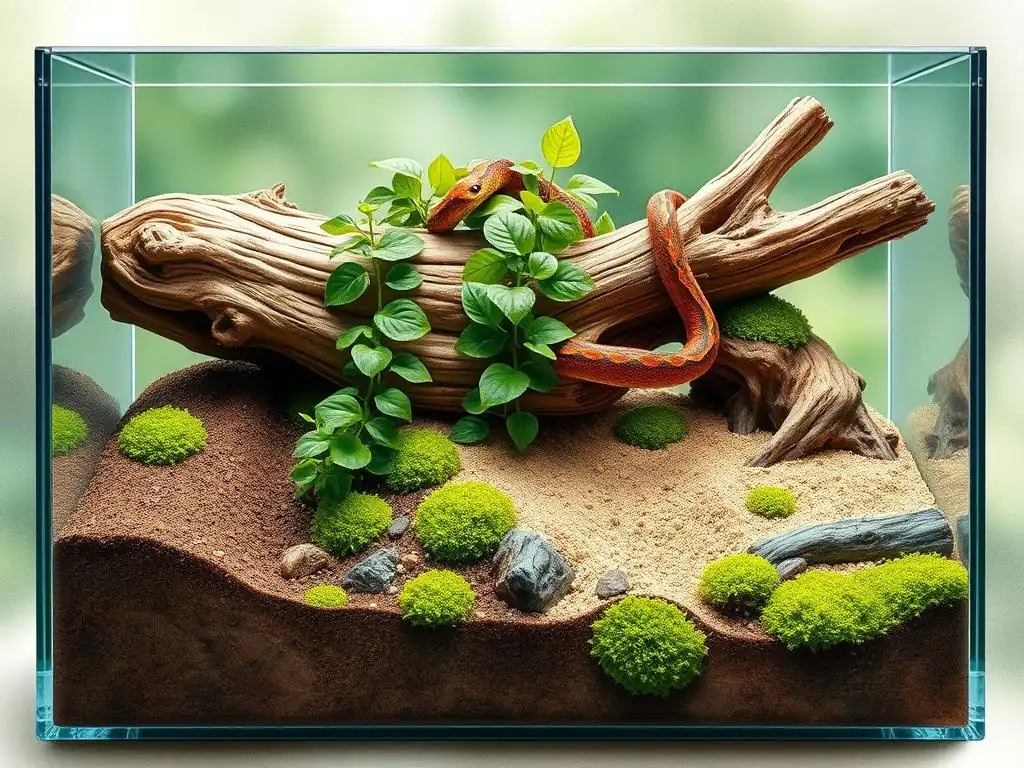
This section focuses on selecting the ideal enclosure for your corn snake, a crucial step in creating a thriving bioactive environment. The right enclosure provides ample space for natural behaviors, proper ventilation, and easy maintenance. Choosing poorly can lead to stress for your snake and difficulties in maintaining a healthy bioactive ecosystem. Remember, a happy snake is a healthy snake! This section will guide you through selecting the appropriate size and type of enclosure, setting the foundation for your corn snake's bioactive habitat.
Selecting the Appropriate Size and Type of Enclosure
The size of your corn snake's enclosure is paramount. While baby corn snakes can thrive in smaller enclosures (around 10-20 gallons), adult corn snakes require significantly more space. A 20-40 gallon long enclosure is generally recommended for a single adult corn snake, allowing for sufficient space for exploration, basking, and hiding. Avoid using overly large enclosures, as this can make it more difficult to maintain appropriate humidity and temperature gradients.
Choosing the type of enclosure is also vital. Glass terrariums are the most popular choice for bioactive setups due to their ease of cleaning and ability to retain humidity. However, ensure the glass is thick enough to prevent breakage and securely sealed to maintain the environment.
Plastic enclosures are a more budget-friendly alternative, but they can be more prone to scratching and may not retain humidity as effectively. Regardless of the material, ensure your enclosure has adequate ventilation to prevent the build-up of harmful gases and maintain proper airflow. Proper ventilation is key for a successful corn snake bioactive enclosure setup.
Substrate Selection: Creating a Healthy and Functional Base Layer
The substrate forms the base of your bioactive enclosure and plays a crucial role in its overall functionality. It's not just about aesthetics; the right substrate supports beneficial bacteria, allows for proper drainage, and provides a natural environment for your corn snake. Avoid using substrates like cedar or pine shavings, as they release harmful phenols that can harm your reptile.
Several excellent substrate choices exist for corn snake bioactive enclosures. A popular option is a mix of topsoil and coconut fiber. This blend provides excellent drainage, retains moisture effectively, and supports the growth of beneficial microorganisms. Another suitable choice is a blend of sphagnum moss and coco coir, which offers a higher moisture retention capacity.
The ideal substrate will depend on the specific humidity levels you aim to achieve within your enclosure. Remember to thoroughly research and choose a substrate that is safe, non-toxic, and appropriate for a bioactive environment. Proper substrate selection is vital for a healthy and thriving corn snake bioactive enclosure setup.
Drainage Layer: Essential for Moisture Control and Preventing Rot
The drainage layer is often overlooked but is absolutely essential for a successful bioactive setup. This layer sits at the very bottom of the enclosure and prevents water from accumulating, which can lead to substrate rot and the growth of harmful bacteria. Without proper drainage, your bioactive ecosystem will quickly become unhealthy.
A suitable drainage layer can be created using several materials. A common choice is a layer of gravel or river rocks, which allows water to drain through while providing support for the substrate above. Alternatively, you can use a layer of lava rocks or hydroton clay pebbles, which are lightweight and porous materials providing excellent drainage. The drainage layer should be approximately 1-2 inches deep and covered with a layer of mesh or filter fabric to prevent substrate from mixing with the drainage layer.
This prevents clogging and ensures that the drainage layer functions effectively. A well-constructed drainage layer is critical for maintaining a healthy and thriving corn snake bioactive enclosure setup. Without it, you risk creating an environment that’s detrimental to your reptile’s health.
Building the Bioactive Ecosystem: Layer by Layer
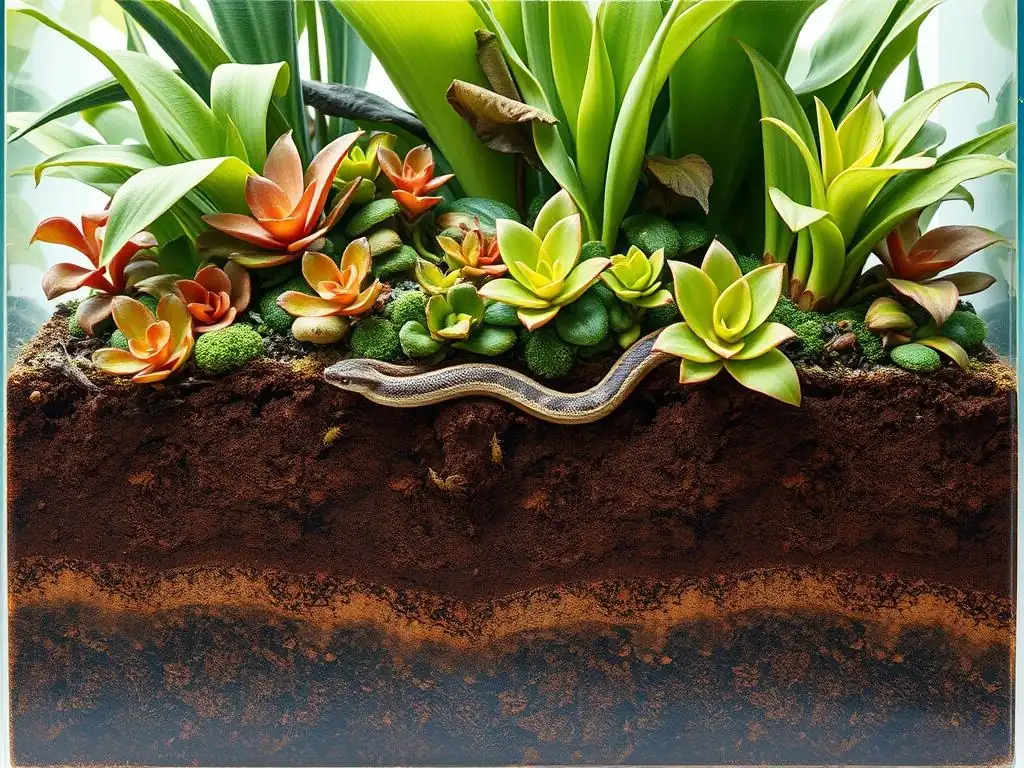
This section details the crucial steps in constructing a thriving bioactive enclosure for your corn snake, focusing on the layering process vital for a self-sustaining ecosystem. A properly constructed bioactive setup significantly reduces maintenance, mimicking your corn snake's natural environment and promoting its overall well-being. Successfully implementing a corn snake bioactive enclosure setup requires careful attention to each layer. We'll explore the materials and techniques needed to create a healthy and aesthetically pleasing habitat.
Establishing the Drainage Layer: Materials and Techniques
The drainage layer forms the foundation of your bioactive setup, preventing waterlogging and ensuring proper drainage. This is crucial for preventing mold and mildew growth, which can be detrimental to your corn snake's health. Several materials can be used, each with its own pros and cons.
- Common Materials:
- Lava Rock: Excellent for drainage and aeration, offering a good base for the subsequent layers. It's relatively inexpensive and readily available.
- Potting Clay Pebbles: Another popular choice, providing excellent drainage and a slightly smoother surface than lava rock. However, they can sometimes be more prone to becoming compacted over time.
- Screened Gravel: If using gravel, ensure it's thoroughly screened to remove any fine particles that could clog the drainage layer. This is less common for bioactive setups due to the potential for compaction.
- Technique: The drainage layer should be approximately 1-2 inches deep, depending on the enclosure size. Ensure an even distribution across the base of the enclosure. Avoid creating any significant hills or valleys which could disrupt water flow. A slight slope towards a designated drainage point (if you have one) can be beneficial.
Expert Tip: Before placing the drainage layer, consider using a thin layer of waterproof sealant (like silicone) around the bottom edges of the enclosure, to create a barrier against possible leaks. This is a preventative measure to protect the base of your enclosure and the surrounding area.
Adding the Substrate: Choosing the Right Blend for Your Corn Snake
The substrate layer sits atop the drainage layer and provides a natural-looking surface for your corn snake to explore and burrow in. The choice of substrate is crucial for maintaining humidity and supporting the beneficial microorganisms that form the core of a bioactive system.
- Ideal Substrate Blends:
- Coco Coir: A highly absorbent and readily available substrate, often preferred for its ability to retain moisture. It provides a good base for other substrate components.
- Topsoil: Adds essential nutrients for the plant life and microorganisms. Ensure it's pesticide-free and sterilized to prevent introducing harmful elements into the enclosure.
- Leaf Litter: Adds organic material, enriching the substrate and providing hiding places for the cleanup crew. Oak leaves are a popular choice, but avoid using cedar or redwood, as they contain oils that can be harmful to reptiles.
- Creating the Blend: A typical blend might consist of 70% coco coir, 20% topsoil, and 10% leaf litter. However, the exact proportions can be adjusted based on your specific needs and the humidity levels in your environment. Experimentation is key to finding the perfect balance for your setup.
Important Note: Always thoroughly rinse and sterilize any substrate before adding it to your corn snake's enclosure. This will help to remove any impurities and prevent the introduction of unwanted organisms.
Introducing the Bioactive Cleaning Crew: Choosing Beneficial Microorganisms
The success of a bioactive enclosure hinges on the introduction of a diverse and robust colony of beneficial microorganisms. These tiny organisms break down waste products, preventing the buildup of ammonia and other harmful substances. This is a key aspect of a successful corn snake bioactive enclosure setup.
- Key Microorganism Groups:
- Springtails: These tiny arthropods are highly effective at consuming decaying organic matter and mold spores. They are crucial for waste breakdown.
- Isopods: Another essential component of the cleanup crew, isopods (like dwarf white isopods) are also excellent at breaking down waste and controlling mold. They also help to aerate the substrate.
- Introducing the Crew: Begin with a relatively small population of springtails and isopods and monitor their numbers closely. Over time, their population will naturally increase to meet the demands of the enclosure. Avoid introducing too many initially, as it could lead to an imbalance in the ecosystem.
Caution: Always source your cleanup crew from reputable suppliers to avoid introducing unwanted pests or diseases into your bioactive enclosure. A healthy colony is essential for maintaining a clean and thriving environment for your corn snake. Regular monitoring will ensure a balanced and thriving ecosystem.
Remember, patience is key. Establishing a fully functioning bioactive enclosure takes time, but the rewards—a cleaner, healthier environment for your corn snake with reduced maintenance—are well worth the effort.
Planting Your Corn Snake's Bioactive Enclosure
This section focuses on the crucial aspect of plant selection and integration within your corn snake's bioactive enclosure. Successfully establishing a thriving ecosystem requires careful consideration of plant species, planting techniques, and ongoing maintenance. Remember, a healthy bioactive enclosure mimics a natural environment, providing enrichment and contributing to your corn snake's overall well-being. This is key to a successful corn snake bioactive enclosure setup.
Selecting Safe and Suitable Plants for Corn Snakes
Choosing the right plants is paramount. Corn snakes, while generally docile, might nibble on foliage, so toxicity is a major concern. Avoid anything known to be poisonous to reptiles. Here's a breakdown of safe and suitable options, categorized for easier selection:
- Safe & Easy:
- Spider plants (Chlorophytum comosum): Hardy, readily available, and tolerate a range of conditions. They also produce "spiderettes," adding visual interest.
- Pothos (Epipremnum aureum): Another highly adaptable choice, offering attractive variegated foliage. They trail nicely, creating vertical interest within the enclosure.
- Prayer plants (Maranta leuconeura): Known for their striking leaf patterns and the way they "pray" (fold their leaves) at night. They add a touch of elegance but require slightly higher humidity.
- More Challenging (but rewarding!):
- Fittonia (Nerve plant): Beautiful, but requires consistently moist conditions. Ideal for humid setups.
- Peperomia (various types): Many varieties exist, offering diverse textures and colors. Research specific peperomia species for their care requirements.
Important Considerations:
- Avoid: Plants with sharp thorns, easily-shed leaves (that could cause impaction), or those that produce irritating sap. Thorough research is essential before introducing any plant.
- Size: Choose plants appropriately sized for your enclosure. Avoid overcrowding. Larger plants can offer more hiding places for your corn snake.
- Research: Always double-check the toxicity of any plant before introducing it to your reptile's habitat. Numerous online resources and herpetological communities can provide guidance.
Planting Techniques and Considerations for a Bioactive Setup
Planting in a bioactive enclosure differs from typical potting. The goal isn't just aesthetics; it's creating a sustainable ecosystem.
- Substrate: The substrate is crucial. A well-draining mix of topsoil, coco coir, and potentially orchid bark is ideal. Avoid using peat moss, as it can retain excessive moisture and become anaerobic.
- Potting: Use appropriately sized pots with drainage holes. This prevents waterlogging and allows for easier plant maintenance. Consider burying the pots within the substrate for a more natural look.
- Placement: Position plants strategically to provide cover, basking spots (indirect sunlight only! ), and visual interest. Consider your corn snake's natural behaviors when choosing plant locations.
- Root System: Avoid plants with excessively aggressive root systems that could disrupt the substrate or other components of the bioactive setup.
- Overwatering: This is a common mistake. Allow the substrate to dry slightly between waterings. Overwatering can lead to root rot and negatively impact the entire bioactive ecosystem.
Maintaining Plant Health in a Bioactive Enclosure
Maintaining plant health is an ongoing process. Regular monitoring and adjustment are key to a thriving bioactive environment.
- Watering: Water plants carefully, avoiding overwatering. Observe the substrate moisture levels. Use a spray bottle to mist the foliage, mimicking natural rainfall.
- Fertilizing: Use a diluted reptile-safe fertilizer sparingly. Over-fertilizing can harm your corn snake.
- Pruning: Regularly prune plants to maintain their size and shape, preventing overcrowding.
- Pest Control: Monitor for pests such as aphids or mealybugs. Address any infestations promptly using reptile-safe methods.
- Replanting: Be prepared to replant or replace plants as needed. Plants have lifecycles, and some may not thrive in the long term. This is a normal part of maintaining a bioactive enclosure. Remember, a healthy bioactive setup is a dynamic system that requires ongoing care and attention. This dedication ensures your corn snake thrives in a stimulating and enriching environment, enhancing its overall health and well-being. The success of your corn snake bioactive enclosure setup depends heavily on your commitment to plant care.
Adding Hiding Places and Enrichment
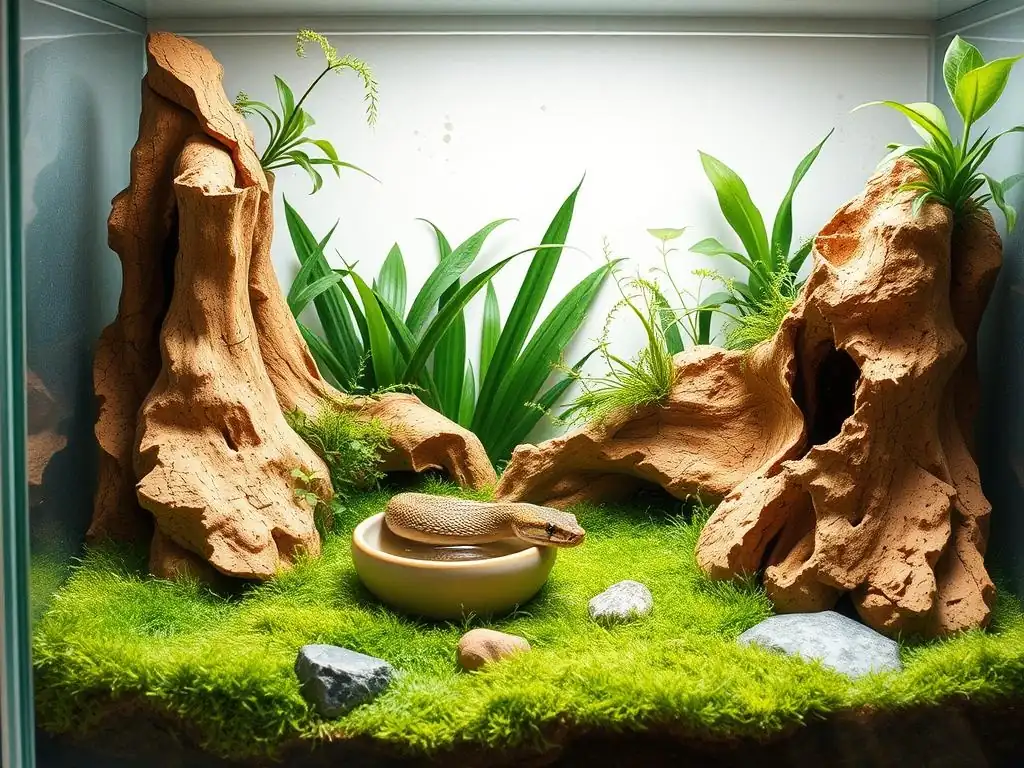
This section focuses on creating a stimulating and secure environment within your corn snake's bioactive enclosure, crucial for their physical and mental well-being. A properly enriched enclosure reduces stress and encourages natural behaviors, leading to a healthier and happier snake. The key is to mimic their natural habitat as closely as possible. Remember, a corn snake's natural environment offers plenty of places to hide and explore, and replicating this is essential for a successful bioactive setup. This involves providing a variety of hiding spots, climbing structures, and textural variations.
Providing Secure Hiding Spots for Your Corn Snake
Corn snakes are naturally shy and secretive creatures. Providing multiple secure hiding places is paramount to reducing stress and promoting a sense of security. These hiding spots should be dark, enclosed, and large enough for your snake to comfortably coil inside. Avoid using anything that could potentially trap or injure your snake.
Here are some excellent options for hiding spots:
- Half logs: These offer a natural and readily available hiding place. Ensure they are appropriately sized for your corn snake and are free of sharp edges or splinters.
- Cork bark: Pieces of cork bark provide excellent hiding places, particularly if stacked to create a complex structure. The varied crevices and tunnels offer numerous escape routes and exploration opportunities.
- Artificial caves: Many commercially available artificial caves are suitable, but always check for sharp edges or materials that could harm your snake. Select caves made from reptile-safe materials.
- Upcycled containers: Clean, upcycled containers such as appropriately sized ceramic flower pots (ensure no glaze is present and that the pot is thoroughly cleaned) can also serve as effective hiding places.
Remember to distribute hiding places throughout the enclosure, providing your corn snake with various options and minimizing competition for prime real estate. Consider the placement of these hiding places; some should be in warmer areas, and others in cooler zones, allowing your snake to thermoregulate effectively. A good rule of thumb is to provide at least two to three hiding spots per corn snake, depending on the enclosure size.
Incorporating Branches and Climbing Structures
While corn snakes are primarily terrestrial, they occasionally climb and appreciate the opportunity to explore vertically. Adding branches and climbing structures provides additional enrichment and allows your snake to exhibit natural behaviors. This also helps to create a more visually appealing and complex environment.
When selecting branches, consider these factors:
- Material: Opt for branches from non-toxic hardwood trees, thoroughly cleaned and free from pesticides or insecticides. Avoid treated lumber.
- Size and Shape: Choose branches that are securely placed and appropriately sized for your corn snake to easily navigate. Avoid branches with sharp points or splinters.
- Stability: Ensure branches are securely fastened to prevent them from collapsing or shifting, potentially injuring your snake. You might need to use strong, reptile-safe glue or clamps.
- Variety: Include a mix of horizontal and vertical branches to provide a variety of climbing options.
Adding climbing structures not only provides physical enrichment but also allows for better observation of your snake, as they'll be more visible at different levels within the enclosure. A well-placed branch can also help break up the visual monotony of a flat substrate.
Creating a Stimulating Environment with Varying Textures
A bioactive enclosure for a corn snake shouldn't just be functional; it should also be stimulating. Providing a variety of textures within the enclosure helps mimic the natural environment and enhances your snake's experience. This can be achieved by incorporating different substrate types, hiding places with varying textures, and even adding natural elements like leaf litter.
Consider these options for adding textural variety:
- Substrate Variation: While a consistent base layer of substrate is important for a bioactive setup, you can add pockets of different materials like sphagnum moss or leaf litter to create varied textures.
- Hiding Place Materials: Use a combination of different hiding places made from varied materials – cork bark, half logs, and artificial caves – to offer a range of tactile experiences.
- Live Plants: If your bioactive setup includes live plants, the varied textures of the leaves and stems add another layer of complexity and stimulation. Remember to choose non-toxic plants suitable for reptiles.
Remember, the aim is to create a visually and texturally stimulating environment that encourages natural behaviors and reduces stress in your corn snake. A well-designed bioactive enclosure, rich in hiding places, climbing opportunities, and textural variety, is a key component of responsible corn snake care. 📈 This holistic approach to enrichment ensures your corn snake thrives in its captive environment.
Maintaining Your Corn Snake's Bioactive Enclosure
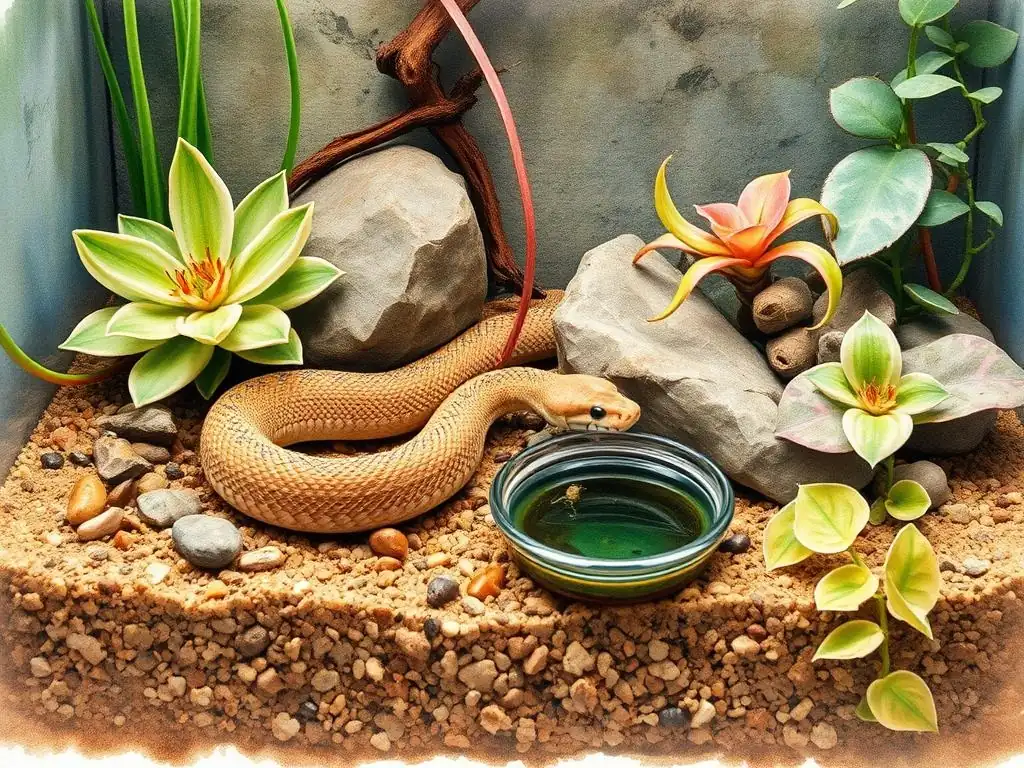
This section focuses on the ongoing care required to keep your corn snake's bioactive enclosure thriving and your snake healthy. A bioactive setup, while initially more complex to establish, offers long-term benefits in terms of reduced maintenance and a more natural, enriching environment for your reptile. Consistent monitoring and proactive maintenance are key to success.
Monitoring Humidity and Temperature Levels
Maintaining the correct humidity and temperature is crucial for your corn snake's health and the success of your bioactive enclosure. Corn snakes thrive in a specific range, and deviations can lead to health problems like respiratory infections or shedding difficulties. Consistent monitoring is essential.
Several methods exist for monitoring these vital parameters. Digital hygrometers and thermometers are readily available and provide accurate readings. Consider placing these at multiple points within the enclosure to account for microclimates. Aim for a temperature gradient, with a basking spot reaching 88-92°F (31-33°C) and cooler areas around 75-80°F (24-27°C). The humidity should ideally be kept between 50-70%.
Remember that the type of substrate and the amount of moisture added will significantly influence humidity. Observe your enclosure closely. If the humidity consistently falls below 50%, you may need to mist more frequently or consider adding a humidity-retaining element like a water dish with a large surface area. Conversely, excessively high humidity can lead to mold growth. Adjust your misting schedule accordingly, and ensure proper ventilation to prevent stagnant air. Regularly checking and adjusting your heating and humidity control methods is key to long-term success with your corn snake's bioactive enclosure setup.
Regular Cleaning and Maintenance Procedures
While a bioactive enclosure is designed to be self-regulating, it still requires regular cleaning and maintenance to prevent the buildup of waste and maintain a healthy environment. This differs significantly from traditional setups, focusing less on frequent substrate changes and more on spot cleaning and occasional deeper cleaning.
The frequency of cleaning depends on several factors, including the size of your enclosure, the number of inhabitants, and the efficiency of your cleanup crew (isopods, springtails, etc.). However, a good rule of thumb is to spot-clean waste daily. This involves removing any visible feces or uneaten food items using tweezers or a small scoop. Larger, more thorough cleanings should be performed every 3-6 months, depending on your setup.
This involves carefully removing any accumulated waste from the substrate's surface and potentially replacing a small portion of the substrate if necessary. Avoid completely replacing the substrate, as this disrupts the beneficial bacteria colonies essential for the bioactive ecosystem. Regular cleaning minimizes odor and prevents the buildup of harmful bacteria, contributing significantly to a healthy corn snake bioactive enclosure setup.
Addressing Potential Issues and Troubleshooting
Even with careful planning and maintenance, problems can arise in a bioactive enclosure. Proactive monitoring and understanding potential issues are key to maintaining a healthy environment for your corn snake.
- Mold Growth: Excessive humidity or poor ventilation can lead to mold growth. Address this by improving ventilation, reducing misting frequency, and spot-cleaning affected areas. In severe cases, a partial substrate replacement might be necessary.
- Unbalanced Ecosystem: If your cleanup crew is struggling to keep up with waste, you may notice an increase in unpleasant odors or visible waste buildup. This may require introducing more isopods or springtails or adjusting your feeding schedule to reduce waste production.
- Temperature Fluctuations: Inconsistent temperatures can be detrimental to your corn snake's health. Ensure your heating elements are functioning correctly and that there is adequate thermal regulation within the enclosure. Regularly check and calibrate your thermometers.
- Escapees: While unlikely, some invertebrates can escape their enclosure. Regularly inspect your enclosure for any signs of escapes and take appropriate action.
By carefully monitoring your enclosure, performing regular maintenance, and promptly addressing any issues, you can ensure your corn snake thrives in a healthy and enriching bioactive environment. Remember that a bioactive enclosure requires a slightly different approach to maintenance than a traditional setup, prioritizing the delicate balance of the ecosystem over frequent, disruptive cleaning. This proactive approach is fundamental to the long-term success of your corn snake bioactive enclosure setup.
Ensuring Your Corn Snake's Well-being in a Bioactive Setup
Creating a thriving bioactive enclosure for your corn snake requires more than just aesthetically pleasing components; it demands a vigilant approach to monitoring your reptile's health and adjusting the environment as necessary. A bioactive setup, while mimicking a natural habitat, still requires careful observation and proactive adjustments to ensure your corn snake's well-being. Remember, a healthy corn snake is an active corn snake, exhibiting natural behaviors and thriving within its environment.
The success of your bioactive corn snake enclosure setup hinges on your commitment to consistent monitoring and adaptation. This proactive approach minimizes stress and optimizes your corn snake's quality of life, contributing to a longer, healthier lifespan.
Observing Your Corn Snake's Behavior and Health
Regular observation is paramount in maintaining a healthy corn snake in a bioactive environment. Daily checks are recommended, paying close attention to several key indicators. Look for normal shedding patterns; a healthy corn snake should shed its skin smoothly and completely. Difficulty shedding, or retained eye caps, can indicate underlying health problems or environmental issues such as low humidity. 🔎
Furthermore, monitor your corn snake's feeding habits. A healthy appetite is a good sign. Note the frequency and amount of food consumed. Any sudden changes in appetite warrant investigation. Similarly, observe your snake's defecation. Healthy corn snake feces should be firm and dark, and the frequency should be consistent. Changes in stool consistency or color could suggest a problem requiring veterinary attention. 💩
Beyond physiological markers, observe your corn snake's behavior. A healthy corn snake is generally active, especially during its active period, exploring its enclosure and exhibiting natural behaviors such as basking and hiding. Lethargy, unusual stillness, or reluctance to eat should prompt a thorough assessment of the enclosure's conditions and a potential veterinary checkup. Remember, early detection is key to addressing any potential issues.
Signs of a Healthy and Happy Corn Snake in a Bioactive Environment
A thriving corn snake in a bioactive enclosure will display several tell-tale signs of health and happiness. These include a bright, clear eye, smooth and regularly shed skin, and a healthy appetite. The snake should be alert and active during its active period, exhibiting natural behaviors such as exploring its habitat and basking under the heat lamp. 🐍
The bioactive environment itself should also reflect the snake's well-being. A balanced ecosystem will show healthy plant growth, thriving cleanup crew, and a stable substrate moisture level. The absence of unpleasant odors is another crucial indicator. A foul smell might suggest a problem with waste breakdown or an overpopulation of microorganisms. Regular maintenance, as discussed earlier, plays a key role in maintaining a clean and healthy environment for your corn snake.
The following table summarizes key indicators of a healthy corn snake in a bioactive enclosure:
| Indicator | Healthy Sign | Unhealthy Sign |
|---|---|---|
| Shedding | Smooth, complete shed | Difficulty shedding, retained eye caps |
| Appetite | Consistent, healthy appetite | Loss of appetite, refusal to eat |
| Defecation | Firm, dark feces, consistent frequency | Changes in stool consistency or color |
| Activity Level | Alert, active during active period | Lethargy, unusual stillness |
| Appearance | Bright eyes, smooth skin | Dull eyes, rough or damaged skin |
| Enclosure Environment | Healthy plants, thriving cleanup crew | Foul odor, unhealthy plant growth, dead insects |
Making Adjustments and Adaptations as Needed
Maintaining a bioactive enclosure isn't a "set it and forget it" process. Regular monitoring allows for timely adjustments to maintain optimal conditions. For example, if your corn snake displays signs of dehydration (such as dull eyes or wrinkled skin), you may need to increase the humidity levels within the enclosure. This might involve misting more frequently or adding a humidity-retaining substrate layer. Conversely, if the enclosure becomes too humid, leading to mold growth, you may need to adjust ventilation or reduce misting.
Should you notice a decline in your corn snake's appetite or activity levels, consider evaluating various aspects of the environment. Is the temperature gradient correct? Is the basking spot warm enough? Are there sufficient hiding places? Are there any potential stressors in the enclosure?
Addressing these issues promptly can prevent minor problems from escalating into significant health concerns. Remember, a proactive approach is critical in maintaining a healthy and thriving bioactive environment for your corn snake. Regularly review and refine your setup based on your corn snake's individual needs and responses. Even seemingly minor adjustments can make a significant difference in your corn snake's overall well-being.
Frequently Asked Questions
What is a bioactive enclosure, and why is it good for corn snakes?
A bioactive enclosure mimics a natural ecosystem, creating a self-cleaning environment. This reduces maintenance and provides enrichment for your corn snake, promoting a healthier and happier life.
What substrate is best for a bioactive corn snake enclosure?
A mixture of soil, coco coir, and leaf litter forms a great base. Adding activated charcoal helps with odor control. Avoid substrates that can be ingested and cause impaction.
What plants are safe for a bioactive corn snake enclosure?
Choose non-toxic plants that can tolerate lower humidity. Pothos, bromeliads, and spider plants are popular choices, but always research thoroughly before introducing any plant.
What cleanup crew should I use in my corn snake's bioactive enclosure?
A combination of springtails and isopods is ideal. These decomposers break down waste and uneaten food, keeping the enclosure clean. Introduce them gradually to ensure they establish a healthy population.
How often do I need to clean a bioactive corn snake enclosure?
Bioactive enclosures require minimal cleaning. Spot clean any visible waste, but major cleaning is infrequent, potentially only once or twice a year, depending on the size of the enclosure and the number of cleanup crew members.
Final Reflection: Cultivating a Thriving Ecosystem for Your Corn Snake
Creating a bioactive enclosure isn't just about providing a home for your corn snake; it's about fostering a miniature, self-sustaining ecosystem that mirrors its natural habitat. This approach offers a more enriching and engaging environment for your reptile, reducing your workload while promoting its overall health and well-being. The benefits extend beyond the snake itself, offering a fascinating glimpse into the intricate balance of nature within the confines of your home.
The journey of setting up a bioactive enclosure is a testament to the power of observation and understanding. It requires patience, research, and a deep appreciation for the delicate interplay between living organisms. The best mimicry of nature is not a copy, but a sympathetic understanding.
This quote resonates deeply as I reflect on the process of creating a thriving environment, not just a functional habitat. The subtle adjustments, the careful selection of plants and clean-up crew, all contribute to a dynamic system that evolves over time, mirroring the complexity of the natural world.
Now, consider your own role in this miniature ecosystem. You are not merely a provider, but a steward. Think about the responsibility you hold in creating a space where your corn snake can thrive, a space that reflects your commitment to its well-being. Will you embrace the challenge of creating a bioactive enclosure, enriching the life of your corn snake and deepening your own connection with the natural world? The journey may seem daunting at first, but the rewards—both for your reptile and for your own understanding of ecological balance—are immeasurable.
Unleash Your Corn Snake's Natural Instincts!
Thank you for exploring the world of bioactive enclosures! You've learned how to create a thriving, natural habitat for your corn snake, enriching its life and simplifying your care routine. Now it's time to apply that knowledge.
- Start building your bioactive enclosure today! Gather your materials, follow your plan, and watch your corn snake's environment come alive. Remember, this is an ongoing process; allow yourself time to perfect it.
- Share your progress (and any questions!) with our community in the comments below. We love seeing your creations!
- Consider taking photos of your setup to document your journey and inspire others. Share them on social media using #BioactiveCornSnake and #PetCareWorld.
Ready to transform your corn snake's home into a vibrant ecosystem? What exciting features are you most looking forward to adding?