
First Aid Kit Essentials for Hiking with Your Dog: Be Prepared

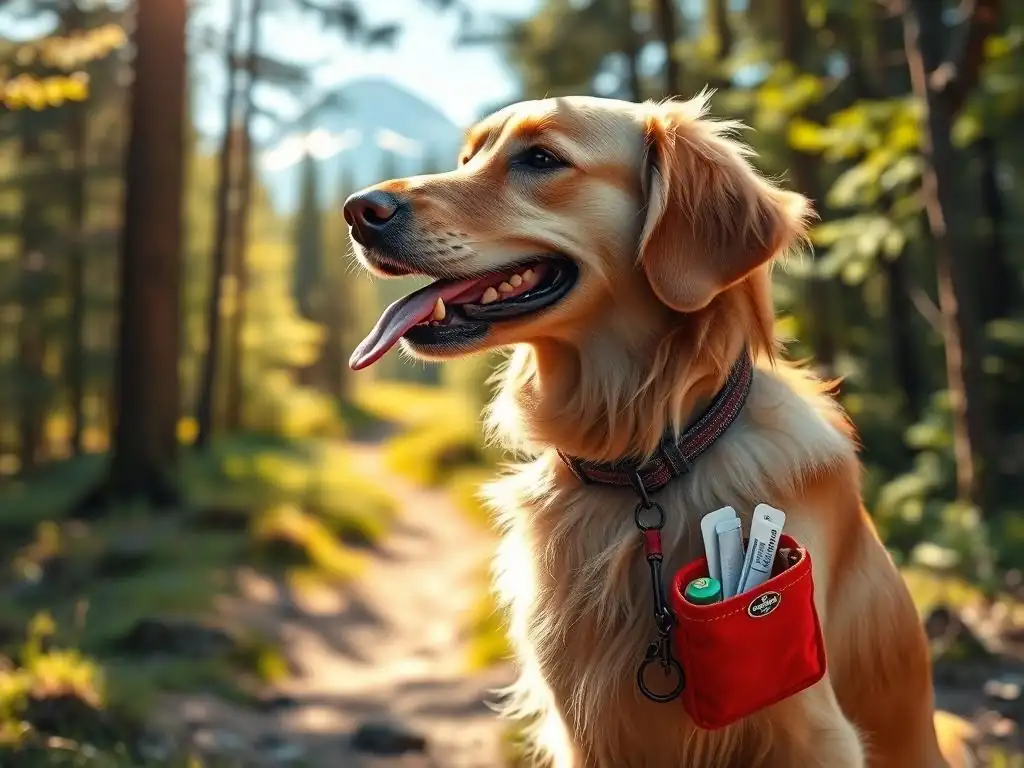
Welcome to PetCareWorld, your ultimate guide to a happier, healthier life for your beloved pets! Are you ready for an adventure? Then ensure you're prepared for anything with our expert guide on building the essential Dog Hiking First Aid Kit. Discover the must-have items and learn how to handle unexpected situations on the trail, so you and your furry friend can enjoy every moment of your hike to the fullest. Let's get started!
- Building Your Dog Hiking First Aid Kit: A Comprehensive Guide
- What to Include in Your Dog's Hiking First Aid Kit: A Checklist
- Beyond the Basics: Advanced First Aid for Hiking Dogs
- Preparing for Your Hike: A Step-by-Step Guide
- Maintaining and Updating Your Dog Hiking First Aid Kit
-
Frequently Asked Questions
- What are the must-have items in a dog hiking first aid kit?
- How do I choose the right size first aid kit for my dog?
- What if my dog gets a cut while hiking?
- Are there any specific medications I should include in my dog's hiking kit?
- What other supplies should I bring besides a first aid kit when hiking with my dog?
- Final Reflection: Preparedness: Your Dog's Best Hiking Companion
- Unlock Your Dog's Hiking Adventures: Be Prepared!
Building Your Dog Hiking First Aid Kit: A Comprehensive Guide
Taking your canine companion on a hike is a fantastic way to bond and enjoy the outdoors. However, the unpredictable nature of trails and wilderness environments necessitates preparedness. This comprehensive guide will equip you with the knowledge to assemble a robust first aid kit specifically designed for hiking adventures with your dog. We'll cover essential supplies for minor injuries, strategies for handling more serious situations, and crucial medications to address common canine ailments encountered on the trail.
Understanding these essentials will not only ensure your dog's safety but also significantly enhance your peace of mind during your outdoor escapades. This guide focuses on building a practical "Dog hiking first aid kit," providing you with the tools and knowledge to handle various scenarios, from minor scrapes to more serious emergencies. Remember, prevention is key, but being prepared is paramount.
Essential Supplies for Minor Injuries: Cuts, Scrapes, and Paw Protection
Minor injuries are common occurrences during hikes. A well-stocked kit should include items to address cuts, scrapes, and paw protection. These are the everyday occurrences that can quickly become problematic if not addressed promptly.
Proper wound care is crucial to prevent infection. Your kit should contain:
- Sterile gauze pads: Various sizes are recommended for different wound sizes (e.g., 2x2 inch, 4x4 inch).
- Adhesive bandage rolls: These are essential for securing dressings and protecting wounds.
- Antiseptic wipes: Alcohol-free wipes are gentler on your dog's skin.
- Scissors: Sharp, blunt-nosed scissors are ideal for cutting bandages and removing debris.
- Tweezers: For removing splinters or foreign objects from paws or wounds.
- Paw balm: A protective balm helps soothe and protect paws from abrasions and dryness. Consider a balm with natural ingredients like beeswax.
- Non-stick wound dressing: This type of dressing helps prevent the bandage from sticking to the wound.
Protecting your dog's paws is critical. Rough terrain can lead to cuts, blisters, and embedded objects. Always inspect your dog's paws regularly during and after the hike.
Addressing More Serious Issues: Bleeding, Shock, and Dehydration in Dogs During Hikes
While minor injuries are common, more serious situations require immediate attention and a different set of supplies. Knowing how to handle bleeding, shock, and dehydration is crucial for your dog's safety. Approaching these issues requires knowledge and quick action. Always consult a veterinarian after any serious incident.
Your kit should include:
- A pressure bandage: Essential for controlling severe bleeding. This should be a larger, more absorbent dressing than those used for minor cuts.
- A muzzle: Even the friendliest dog may bite when in pain or distress. A muzzle prevents accidental injury to both you and your dog. (Note: Ensure your dog is comfortable with the muzzle before using it on a hike.)
- Emergency blanket: To help prevent or treat shock by retaining body heat.
- Electrolyte solution: For rehydration in cases of heatstroke or dehydration. Remember to always carry plenty of fresh water for your dog.
- Styptic powder: For quick clotting of minor bleeding.
Recognizing the signs of shock (pale gums, rapid breathing, weakness) and dehydration (dry gums, lethargy) is crucial. Immediate action is essential in these cases.
Medications and Supplies for Common Canine Hiking Ailments
Some common canine ailments can be exacerbated by hiking. Having appropriate medications and supplies on hand can make a significant difference in your dog's comfort and recovery. Always consult with your veterinarian to determine the appropriate medications for your dog's specific needs and to obtain prescriptions if necessary. This section highlights common issues and the supplies to address them.
Your kit might include (only with veterinary consultation and prescription where necessary):
- Antihistamine: For allergic reactions (e.g., bee stings). Choose a pet-safe antihistamine.
- Pain relief medication: Only with veterinary approval and prescription, for pain management.
- Tick removal tool: For safely removing ticks.
- Insect repellent: To deter insects that could cause irritation or transmit diseases.
Remember, this list is not exhaustive and the specific contents of your kit should be tailored to your dog's breed, size, age, and any pre-existing health conditions. Regularly check your kit's contents and replace any expired items. Always prioritize your dog's safety and well-being during your hiking adventures. 🐶🐾
What to Include in Your Dog's Hiking First Aid Kit: A Checklist

Building a comprehensive dog hiking first aid kit is crucial for ensuring your canine companion's safety and well-being on the trail. A well-stocked kit allows you to address minor injuries and ailments promptly, preventing them from escalating into more serious problems. Remember, prevention is key, but preparedness is paramount when venturing into the wilderness with your furry friend. This checklist details essential items, categorized for easy packing and quick access in an emergency.
Wound Care Essentials for Your Canine Companion
Addressing wounds effectively is vital during a hike. Even minor cuts and scrapes can become infected if left untreated, especially in the outdoor environment. Your kit should include:
- Sterile gauze pads: Various sizes are beneficial for different wound sizes. Aim for at least 5-10 pads of varying sizes.
- Adhesive bandages: Assorted sizes and types, including both regular and conforming bandages, are important for securing dressings.
- Antiseptic wipes: Alcohol-free wipes are gentler on your dog's skin and less likely to sting open wounds.
- Antibiotic ointment: A triple antibiotic ointment can help prevent infection. Always check the label to ensure it's safe for pets.
- Tweezers: For removing splinters, ticks, or other foreign objects from your dog's fur or skin.
- Scissors: Sharp, blunt-nosed scissors are useful for cutting bandages and removing embedded materials.
- Non-stick wound dressing: These dressings help to prevent the wound from sticking to the bandage, minimizing pain and discomfort during dressing changes.
This meticulous approach to wound care will help ensure your dog's quick recovery from any trail-related injuries. Remember to always check your dog’s wounds regularly and seek veterinary attention if there are signs of infection (increased swelling, redness, pus, or unusual behavior). Your proactive approach to wound care is a significant aspect of responsible dog hiking. Don't forget to practice applying these items on your dog in a calm environment before your hike for a smoother experience during an emergency.
Protecting Your Dog's Paws on the Trail: Prevention and Treatment
A dog's paws are highly susceptible to injury during hikes. Sharp rocks, thorns, hot pavement, and abrasive surfaces can cause cuts, abrasions, and even more serious injuries. Proactive paw protection is crucial.
- Paw balm: A protective balm creates a barrier against the elements, moisturizing and protecting paw pads from dryness and cracking. Apply liberally before and after hikes.
- Booties: Dog booties offer superior protection, especially on rugged terrain. Choose booties that fit well and allow for good mobility. Introduce your dog to booties gradually before the hike to avoid discomfort or resistance.
- First-aid tape: Useful for securing bandages to paws and providing additional protection to minor cuts or abrasions.
- Clean water: For rinsing away debris from paws.
Regularly inspect your dog's paws during and after the hike. Look for cuts, swelling, redness, or any signs of limping. Prompt treatment of paw injuries is essential to prevent lameness and infection. Consider using a paw cleaner specifically designed for dogs to remove dirt, grime, and debris gently and effectively. Careful paw care is an often overlooked, but vital component of ensuring a safe and enjoyable hiking experience for your canine companion.
Hydration and Electrolyte Balance: Preventing Dehydration on Long Hikes
Dehydration is a serious concern for dogs, especially during strenuous hikes in hot weather. Maintaining proper hydration and electrolyte balance is crucial to prevent heatstroke and other health problems.
- Portable water bowl: A collapsible bowl is lightweight and easy to pack.
- Plenty of fresh water: Bring more water than you think you'll need, especially on longer hikes.
- Electrolyte supplement (powder or tablets): These can help replenish electrolytes lost through sweat, particularly on hot days or during prolonged activity. Always follow the dosage instructions carefully.
Monitor your dog's hydration level closely. Signs of dehydration include lethargy, dry gums, and excessive panting. If you notice any signs of dehydration, offer your dog frequent sips of water and consider an electrolyte supplement. Regular water breaks are essential, especially during strenuous activity or in hot weather. Carrying extra water and knowing how to recognize and address dehydration are key elements of responsible dog ownership during outdoor adventures. Remember that a dehydrated dog is a vulnerable dog; proactive hydration management is a non-negotiable part of a safe hiking experience. 🐕
Emergency Contact Information and Trail Map
Having readily accessible emergency contact information is paramount when hiking with your dog. This isn't just about your phone number; it's about ensuring swift access to crucial details in a crisis. Consider creating a small, waterproof card containing the following: your full name, your dog's name and a brief description (breed, color), your emergency contact's name and phone number (ideally someone who isn't hiking with you), your veterinarian's contact information, and any relevant allergies or medical conditions your dog has.
This card should be kept in a readily accessible pocket of your backpack, separate from your phone, which could be lost or damaged. Laminating the card adds an extra layer of protection against the elements. Remember to update this information regularly, especially if your contact details or your dog's medical needs change.
Failing to do so could be detrimental in an emergency situation. Consider also including a printed copy of your pet's medical records, including vaccination history and any ongoing medications.
Beyond contact information, carrying a trail map is equally crucial. Even experienced hikers can get disoriented, particularly in unfamiliar terrain or during periods of low visibility. A detailed map, preferably one that shows elevation changes and water sources, will help you navigate back to safety or guide emergency responders to your location.
A GPS device or a smartphone with a GPS app can be helpful, but these devices are susceptible to battery failure or signal loss. A physical map provides a backup that won't let you down. Mark your starting point and planned route on the map before you begin your hike, and regularly check your position.
This proactive approach significantly reduces the risk of getting lost and ensures a safer experience for both you and your canine companion. Consider carrying a compass as well, a valuable tool in conjunction with your map. Knowing how to use a map and compass is a vital skill for any responsible hiker, especially when venturing into potentially challenging environments with your dog.
Beyond the Basics: Advanced First Aid for Hiking Dogs
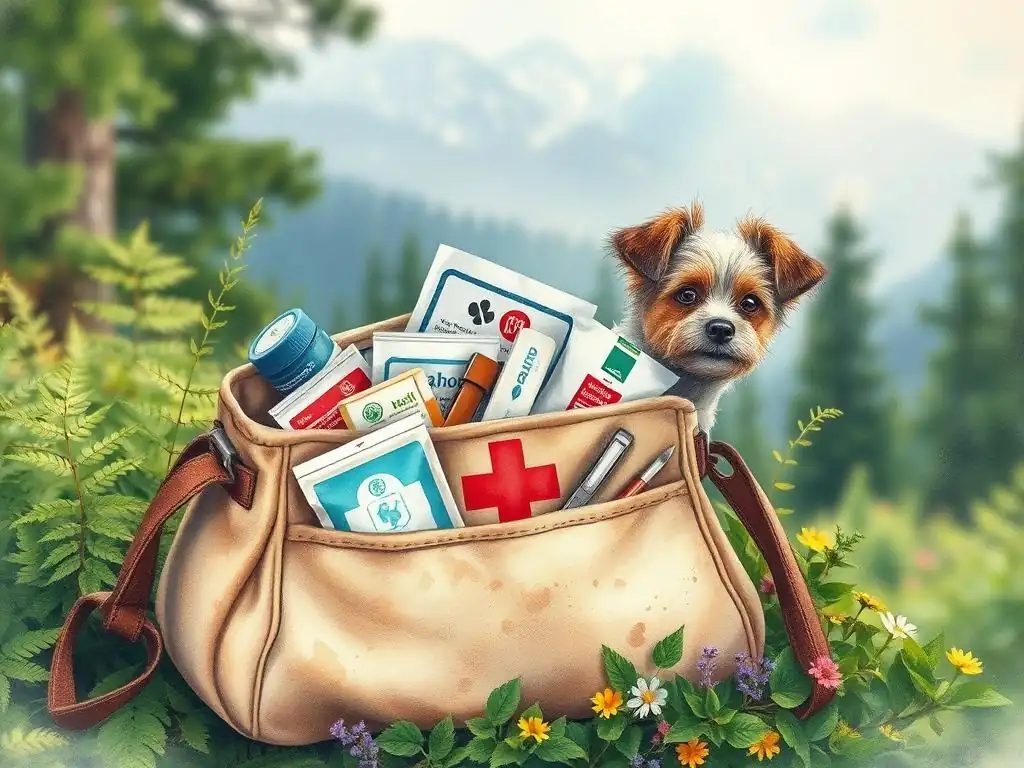
This section delves into more complex scenarios you might encounter while hiking with your canine companion. While a basic first-aid kit covers minor injuries, preparedness for more serious situations is crucial for responsible dog ownership on the trail. Remember, prevention is always the best medicine, so proper training and careful route selection are key components of a safe hiking experience. However, even with careful planning, unforeseen incidents can occur, requiring a higher level of first-aid knowledge and supplies. This section equips you with the knowledge to handle these more challenging situations.
Recognizing and Responding to Heatstroke in Dogs
Heatstroke is a life-threatening emergency in dogs, particularly during strenuous hikes in hot and humid conditions. Recognizing the early warning signs is paramount. Symptoms can include excessive panting, drooling, weakness, vomiting, diarrhea, staggering gait, and even collapse. The dog's gums may appear dark red or bluish. Body temperature will be significantly elevated – above 104°F (40°C) is a serious indicator.
Immediate action is vital. Move your dog to a shaded area or a cool environment immediately. Begin cooling the dog down gradually using cool (not ice-cold) water, applying it to the paws, groin, and underbelly. A damp towel or a fan can also help. Do not submerge the dog in ice water, as this can cause shock. Offer small amounts of cool water to drink if the dog is able to swallow.
Monitor the dog's breathing and temperature closely. Seek veterinary attention immediately, even if the dog seems to be recovering. The longer you wait, the greater the risk of permanent organ damage or death. Time is of the essence in heatstroke cases. Having a thermometer in your dog hiking first aid kit is crucial for accurate assessment.
Dealing with Bites, Stings, and Allergic Reactions on the Trail
Hiking trails expose dogs to various potential hazards, including insect bites and stings (bees, wasps, spiders) and even animal bites (snakes, other dogs). Allergic reactions can range from mild discomfort to life-threatening anaphylaxis. Your dog hiking first aid kit should include items to address these situations.
- Insect Bites/Stings: Remove any stingers carefully using tweezers. Apply a cold compress to reduce swelling and pain. Monitor for signs of allergic reaction (swelling of the face, difficulty breathing, hives). Antihistamines (if your vet has approved them for your dog) can help alleviate mild reactions.
- Animal Bites: Clean the wound thoroughly with antiseptic wipes. Apply a sterile bandage to control bleeding and prevent infection. Seek immediate veterinary care, as bites can lead to serious infections or the transmission of diseases. Note the type of animal if possible.
- Allergic Reactions: If you suspect an allergic reaction, administer any prescribed medication immediately (epinephrine auto-injector if prescribed). Seek emergency veterinary care without delay. Knowing your dog's allergies and carrying appropriate medication is crucial for their safety. It is vital to observe your dog carefully for any signs of allergic reaction, even if they appear mild at first. The symptoms can progress rapidly.
Emergency Transportation and Evacuation Planning for Hiking Accidents
Accidents can happen, and being prepared for emergency transportation is a vital part of responsible dog hiking. Consider these points:
| Scenario | Action | Kit Essentials |
|---|---|---|
| Dog Injury (Fracture, etc.) | Immobilize the injured area as best as possible. Contact emergency services. | Sturdy splint, soft padding, triangle bandage |
| Lost or Disoriented Dog | Remain calm, retrace your steps. Use a whistle to signal your dog. | Whistle, dog's leash, water, extra food |
| Severe Weather | Find shelter immediately. Contact emergency services. | Emergency blanket, waterproof bag for the kit |
Planning for evacuation is critical. Knowing your location and having a reliable communication method (satellite phone or personal locator beacon, if in remote areas) is crucial. Inform someone of your hiking plans, including your route and expected return time. Consider your dog's weight and size when planning for transport – a sturdy carrier or backpack may be necessary.
Practice carrying your dog in your chosen method before your hike to ensure a smooth and safe evacuation if needed. Having a detailed plan and practicing it beforehand is the best way to ensure a safe and successful hiking experience with your canine companion. Remember, a well-stocked dog hiking first aid kit is only part of the equation; proper planning and preparedness are equally important.
Preparing for Your Hike: A Step-by-Step Guide
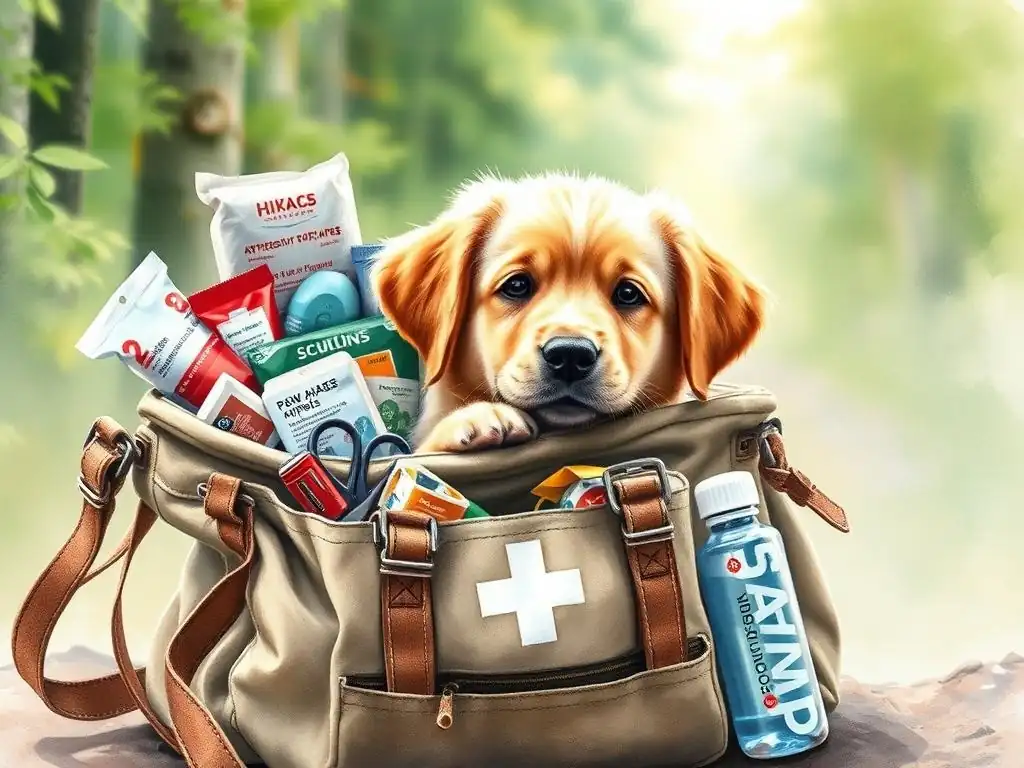
This section details the crucial preparatory steps to ensure a safe and enjoyable hiking experience with your canine companion. Proper planning minimizes risks and maximizes the fun for both of you. Remember, a well-prepared hike is a successful hike, especially when considering your dog's specific needs. Failing to prepare adequately can lead to unforeseen complications and potentially endanger your dog's well-being.
Pre-Hike Checkup for Your Dog: Health and Fitness Assessment
Before embarking on any hike, a thorough assessment of your dog's health and fitness level is paramount. This isn't just about a quick glance; it requires a more in-depth evaluation. Consider these key factors:
- Recent Vet Visit: Has your dog had a recent checkup? Addressing any underlying health conditions before a strenuous hike is crucial. Existing conditions like heart problems, joint issues, or respiratory ailments can be exacerbated by physical exertion. Consult your veterinarian if you have any concerns.
- Physical Examination: Check your dog's overall condition. Look for any signs of lameness, skin irritations, or unusual behavior. Feel their body for any lumps or bumps. Pay close attention to their paws – are they free from cuts, abrasions, or embedded debris?
- Fitness Level: Assess your dog's stamina. Start with shorter, less challenging hikes to gauge their endurance. Gradually increase the distance and intensity as your dog's fitness improves. Avoid pushing your dog beyond its limits, especially in hot weather. Overexertion can lead to heatstroke, a serious and potentially fatal condition.
- Hydration: Ensure your dog is well-hydrated before the hike. Dehydration can quickly become a problem during strenuous activity, particularly in warmer climates.
Packing Your Dog's Hiking Gear: First Aid Kit, Water, and More
Packing the right gear is essential for a safe and successful dog hiking trip. Your dog's "dog hiking first aid kit" should be comprehensive and easily accessible. Beyond the first aid kit, consider these vital items:
- Water and Bowl: Always carry plenty of fresh water and a collapsible bowl. Dehydration is a significant risk, especially on longer hikes. Consider adding electrolytes to the water, especially in hot weather.
- Food: Pack high-energy dog treats or a small portion of their regular food. This can provide extra energy during the hike and serve as a reward.
- Poop Bags: Always pack enough poop bags to clean up after your dog. Leave no trace behind! This is crucial for responsible pet ownership and environmental stewardship.
- Leash and Harness: A sturdy leash and well-fitting harness are essential for controlling your dog on the trail. Avoid retractable leashes, as they can be dangerous in unpredictable terrain.
- Dog Hiking First Aid Kit Contents: Your dog's first aid kit should include:
- Antiseptic wipes or spray
- Gauze pads
- Adhesive bandage rolls
- Tweezers (for removing ticks and thorns)
- Pain relief medication (as prescribed by your vet)
- Antibiotic ointment
- Emergency contact information
Choosing the Right Trail for Your Dog's Ability Level
Selecting an appropriate trail is crucial for both your safety and your dog's well-being. Consider these factors when choosing a hiking trail:
- Trail Difficulty: Start with easier trails and gradually increase the difficulty as your dog's fitness improves. Steep inclines, rocky terrain, and long distances can be challenging for some dogs.
- Trail Length: Choose a trail length that is appropriate for your dog's stamina and age. Shorten the hike if your dog shows signs of fatigue.
- Terrain: Avoid trails with treacherous terrain, such as steep cliffs or rocky areas. These can pose a risk of injury to your dog.
- Shade and Water Sources: Look for trails with adequate shade and access to water sources, especially during warmer months. This will help prevent heatstroke and dehydration.
- Dog-Friendliness: Check if the trail allows dogs and if there are any restrictions, such as leash requirements. Respect any posted regulations.
Remember, responsible pet ownership includes careful planning and preparation. A well-prepared hike ensures a safe and enjoyable experience for both you and your furry friend. Always prioritize your dog’s safety and well-being. 🐶🐾
Maintaining and Updating Your Dog Hiking First Aid Kit
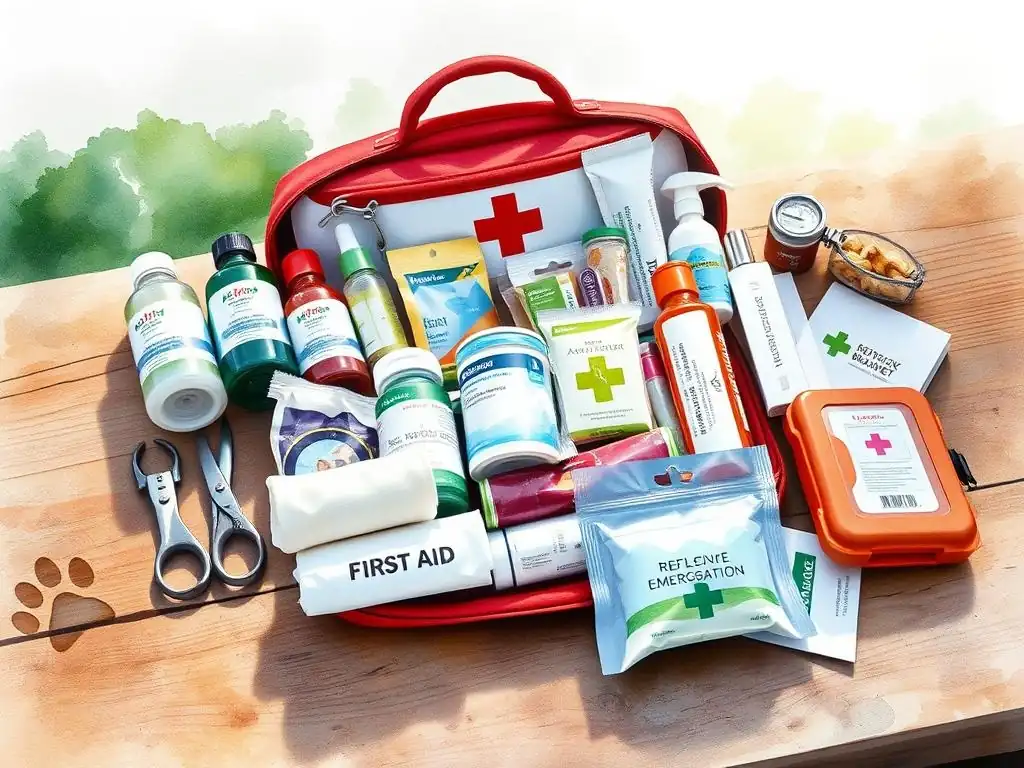
Maintaining a well-stocked and up-to-date dog hiking first aid kit is crucial for ensuring your canine companion's safety on the trail. Neglecting this vital aspect of responsible pet ownership can have serious consequences. Think of your kit as a proactive measure, a shield against unforeseen circumstances that can arise during outdoor adventures. Regular maintenance is key to its effectiveness. This section will guide you through the essential steps to keep your kit prepared for any eventuality.
Regularly Checking Expiration Dates and Replenishing Supplies
Regularly checking expiration dates is paramount. Many items in a dog first aid kit, such as antiseptic wipes, ointments, and medications (if included), have limited shelf lives. Expired supplies are not only ineffective but can potentially harm your dog. Aim to check your kit at least every three months, or more frequently if you're a frequent hiker.
Consider using a checklist or a simple spreadsheet to track expiration dates. This will streamline the process and prevent you from overlooking essential items. When an item nears its expiration date, immediately replace it. Don't wait until it's expired, as this could leave you ill-prepared during an emergency.
Here's a sample checklist you can adapt:
| Item | Expiration Date | Quantity | Notes |
|---|---|---|---|
| Antiseptic wipes | Check for dryness; replace if needed. | ||
| Sterile gauze pads | Ensure packaging is intact. | ||
| Antibiotic ointment | Check for discoloration or changes in texture. | ||
| Pain relief medication 1 | Only if prescribed by a vet; check dosage. | ||
| Tick removal tool | Inspect for damage or wear. |
1 Always consult your veterinarian before administering any medication to your dog.
Adding or Removing Items Based on Your Dog's Needs and Hiking Conditions
Your dog's individual needs and the specific hiking conditions significantly influence the contents of your first aid kit. A small, robust dog requires different supplies than a large, heavy-coated breed. Similarly, a hike in a desert environment demands different provisions than a hike in a mountainous region.
For example, if your dog is prone to allergies, you might need to include antihistamines. If you hike in areas with a high tick population, a tick removal tool becomes essential. Similarly, in areas with potential for exposure to poisonous plants, you might carry activated charcoal. Always consider the potential hazards of the specific trail and tailor your kit accordingly. Regularly review your kit based on these factors to ensure it remains relevant and effective.
Learning Advanced Canine First Aid Techniques for Enhanced Preparedness
While a well-stocked kit is crucial, knowing how to use its contents effectively is equally important. Basic first aid knowledge is a good starting point, but investing time in learning advanced canine first aid techniques significantly enhances your preparedness. Consider taking a certified canine first aid and CPR course. These courses provide hands-on training and in-depth knowledge of managing various canine injuries and emergencies.
Understanding how to properly assess your dog's condition, stabilize injuries, administer basic life support (like CPR), and provide appropriate care until veterinary assistance is available can be the difference between a minor setback and a life-threatening situation. Knowing how to apply bandages, handle wounds, and recognize signs of shock are crucial skills that can significantly improve your dog's chances of survival during a hiking emergency. The investment in your knowledge and skills is an investment in your dog's safety and well-being. Don't underestimate the value of this training – it's an invaluable asset for any responsible dog owner.
Frequently Asked Questions
What are the must-have items in a dog hiking first aid kit?
A dog hiking first aid kit should include bandages, antiseptic wipes, tweezers for removing ticks or splinters, pain relievers (only if prescribed by a vet), and a muzzle (for safety during injury). Don't forget water and a bowl.
How do I choose the right size first aid kit for my dog?
The size depends on your dog's size and breed. A larger dog may need a larger kit with more supplies. Consider the length of your hikes; longer hikes require more supplies.
What if my dog gets a cut while hiking?
First, clean the wound with antiseptic wipes. Apply pressure to stop bleeding. If the cut is deep or won't stop bleeding, seek immediate veterinary attention.
Are there any specific medications I should include in my dog's hiking kit?
Only include medications prescribed by your veterinarian for your dog. Never give your dog human medications without consulting a vet. Carry a list of your dog's medications and allergies.
What other supplies should I bring besides a first aid kit when hiking with my dog?
Besides a first aid kit, bring plenty of water and a collapsible bowl, dog waste bags, a leash, and a comfortable harness. Consider bringing a GPS tracker for safety.
Final Reflection: Preparedness: Your Dog's Best Hiking Companion
The unexpected can strike at any moment on the trail, and being prepared is the difference between a minor setback and a major emergency for your canine companion. A well-stocked first-aid kit isn't just a precaution; it's a testament to the bond you share and a commitment to your dog's well-being. Failing to prepare is preparing to fail, especially when navigating the unpredictable wilderness.
The responsibility of caring for a dog extends beyond providing food and shelter; it encompasses ensuring their safety and well-being, particularly in challenging environments like hiking trails. The knowledge gained from assembling and understanding the contents of a comprehensive first-aid kit empowers you to respond effectively to various situations. This preparedness fosters a deeper connection with your dog, built on trust and mutual reliance. The best moments in life are the unplanned ones, but the best plans are the ones that account for the unplanned.
This quote rings true for hiking with your dog; a well-planned kit allows you to embrace the unexpected adventures while mitigating potential risks.
Now, consider your own hiking adventures with your dog. What steps can you take today to enhance your preparedness? Take a moment to review the essentials outlined in this article, and perhaps even add a few personalized items based on your dog's specific needs and your usual hiking routes. Remember, every precaution taken is a step towards ensuring a safe and enjoyable experience for both you and your furry friend. Let's hit the trails, prepared and confident, knowing we've done everything we can to protect our beloved companions.
Unlock Your Dog's Hiking Adventures: Be Prepared!
Thank you for joining us on this journey to safer hiking adventures with your furry friend! We hope you've gained valuable insights into building a comprehensive first-aid kit. Now, let's put that knowledge into practice.
- Assemble your dog's hiking first-aid kit today! Gather essential supplies—antiseptic wipes, bandages, tweezers, and a small muzzle—and keep it readily accessible for your next hike. This is crucial for your dog's safety.
- Share your well-stocked first-aid kit! Post a picture on social media and tag us—let's build a community of prepared pet owners!
- Consider taking a canine first-aid course. It's a worthwhile investment in your peace of mind and your dog's well-being. Learning how to handle common hiking injuries will significantly boost your confidence.
Ready to confidently hit the trails with your canine companion, knowing you're prepared for anything?