
Cavalier King Charles Spaniel Care: Health, Grooming & Temperament


Welcome to PetCareWorld, your ultimate guide to a happier, healthier life for your beloved companion! Are you ready to unlock the secrets to caring for a Cavalier King Charles Spaniel? From understanding their unique health needs and grooming requirements to mastering their charming temperament, our comprehensive Cavalier King Charles Spaniel guide has you covered. Dive in and discover everything you need to know to ensure a long and joyful life together.
- Understanding the Cavalier King Charles Spaniel Temperament
- Cavalier King Charles Spaniel Health Concerns
- Cavalier King Charles Spaniel Grooming Guide
- Cavalier King Charles Spaniel Nutrition and Diet
- Exercise and Activity for Cavalier King Charles Spaniels
- Cavalier King Charles Spaniel: A Comprehensive Care Guide Summary
-
Frequently Asked Questions
- What are the typical health concerns for Cavalier King Charles Spaniels?
- How often should I groom my Cavalier King Charles Spaniel?
- What is the temperament of a Cavalier King Charles Spaniel like?
- What kind of training methods work best for Cavalier King Charles Spaniels?
- What is the average lifespan of a Cavalier King Charles Spaniel?
- Final Reflection: A Cavalier's Heart, A Lifetime of Joy
- Unlock Your Cavalier King Charles Spaniel's Happiest Life!
Understanding the Cavalier King Charles Spaniel Temperament

The Cavalier King Charles Spaniel, a beloved toy breed, is known for its gentle and affectionate nature. This guide delves into the essential aspects of caring for this charming breed, providing a complete overview to help you become a responsible and informed Cavalier owner. We'll cover key areas including temperament, training, socialization, grooming, and health concerns, equipping you with the knowledge to ensure your Cavalier enjoys a long, happy, and healthy life.
This comprehensive guide aims to serve as your ultimate resource for everything Cavalier King Charles Spaniel, solidifying its position as your go-to "Cavalier King Charles Spaniel guide". We will explore the breed's unique characteristics, providing practical advice and insights to address common challenges and maximize your bond with your furry companion. Understanding your Cavalier's needs is the first step towards a fulfilling relationship, and this guide is designed to be your trusted companion on that journey.
The Cavalier's Friendly and Affectionate Nature
Cavalier King Charles Spaniels are renowned for their sweet and gentle dispositions. They are often described as being incredibly friendly, approachable, and eager to please. Their loving nature makes them wonderful companions for families with children and other pets, provided proper socialization is implemented. This inherent friendliness, however, doesn't negate the need for training and consistent interaction. A well-socialized Cavalier will be confident and comfortable in various environments, interacting positively with both humans and other animals.
However, a lack of proper socialization can lead to anxieties and behavioral issues. Early exposure to diverse stimuli is crucial for developing a well-adjusted, happy Cavalier. Remember, even the most naturally friendly dog benefits from consistent training and positive reinforcement. This ensures that their inherent good nature translates into well-behaved, confident companions. Early exposure to different sounds, sights, and situations will help your Cavalier adapt more easily to the world around them.
Training Your Cavalier: Tips and Tricks for Success
Training a Cavalier King Charles Spaniel is generally a rewarding experience due to their eagerness to please. Positive reinforcement methods, which focus on rewarding desired behaviors, are highly effective. Consistency is key; establish clear rules and expectations from the outset. Short, frequent training sessions are more effective than long, tiring ones. Use high-value treats and praise to motivate your dog. Basic commands like "sit," "stay," "come," and "leave it" should be taught early on. House training usually goes smoothly with consistent crate training and scheduled potty breaks. Consider enrolling in puppy classes for socialization and structured training. Remember, patience and understanding are crucial. While Cavaliers are intelligent, they can also be easily distracted. Keep training sessions fun and engaging to maintain your Cavalier's interest and motivation. Remember to adjust your training approach to your dog's individual personality and learning style. Some Cavaliers may pick up commands more quickly than others.
Proper socialization is paramount for a well-adjusted Cavalier King Charles Spaniel. This involves exposing your puppy to a variety of people, animals, and environments from a young age. Early socialization helps your dog develop into a confident and well-behaved adult. Begin socialization as early as possible, ideally starting around 8 weeks of age.
Controlled and supervised interactions with other dogs are essential, ensuring positive experiences. Introduce your Cavalier to different sounds and sights, such as traffic noise, crowds, and various surfaces. Regular visits to parks, pet stores (with appropriate precautions), and other public areas (while adhering to local regulations) can significantly contribute to a positive socialization experience. Positive interactions with people of all ages are also crucial.
Avoid overwhelming your puppy; keep socialization sessions short and positive, ending on a good note. If your Cavalier exhibits signs of fear or anxiety, back off and try again later, using a more gradual approach. Remember, consistent and positive socialization is an investment in your Cavalier's overall well-being and happiness.
Cavalier King Charles Spaniel Health Concerns

This section delves into the specific health considerations for Cavalier King Charles Spaniels, a breed prone to certain hereditary conditions. Understanding these potential health issues is crucial for responsible ownership and ensuring your Cavalier enjoys a long and healthy life. Early detection and proactive management are key to mitigating the impact of these conditions. This guide will provide you with the knowledge to be a proactive and informed caregiver for your beloved pet.
Common Health Issues in Cavalier King Charles Spaniels
Cavalier King Charles Spaniels, while charming and affectionate, are unfortunately predisposed to several health problems. These are often inherited and understanding them is vital for responsible breeding and ownership. Some of the most common issues include:
- Mitral Valve Disease (MVD): This is arguably the most prevalent and serious health concern in Cavaliers. We'll discuss this in detail in the following section.
- Syringomyelia (SM): A neurological disorder affecting the brain and spinal cord, causing pain and potentially paralysis. Early diagnosis through MRI scans is often crucial.
- Epilepsy: Seizures can range in severity and frequency. Medication can often help manage the condition.
- Keratitis: Inflammation of the cornea, potentially leading to blindness if left untreated. Regular eye examinations are recommended.
- Patellar Luxation: This involves the kneecap slipping out of place, often requiring surgical correction.
- Intervertebral Disc Disease (IVDD): Similar to syringomyelia, this affects the spine and can cause pain and mobility issues. Maintaining a healthy weight can help reduce the risk.
It's important to note that not all Cavaliers will develop these conditions. However, responsible breeding practices and diligent health monitoring can significantly reduce the risk and improve the quality of life for your dog. Regular veterinary checkups are paramount in early detection and management.
Mitral Valve Disease (MVD) in Cavaliers: Prevention and Management
Mitral Valve Disease (MVD) is a serious cardiac condition affecting a significant percentage of Cavalier King Charles Spaniels. It involves the degeneration of the mitral valve in the heart, leading to heart murmurs and eventually heart failure. While there's no cure for MVD, early detection and management can significantly extend the lifespan and improve the quality of life for your dog.
The progression of MVD can vary greatly between individual dogs. Some may show minimal symptoms for years, while others may experience rapid deterioration. Early signs can be subtle, including a persistent cough, lethargy, and difficulty breathing, especially during exercise. Regular veterinary checkups, including echocardiograms (ultrasounds of the heart), are essential for early diagnosis.
Management of MVD often involves medication to control symptoms and slow disease progression. Lifestyle modifications, such as limiting strenuous activity and maintaining a healthy weight, can also play a significant role. Regular monitoring by a veterinarian is crucial to adjust treatment as needed. While heartbreaking, understanding the disease and working closely with your vet can allow you to provide the best possible care for your Cavalier during this challenging time.
Regular Veterinary Checkups: A Crucial Part of Cavalier Care
Regular veterinary checkups are not just recommended—they are essential for Cavalier King Charles Spaniels. Given their predisposition to certain health conditions, proactive veterinary care is crucial for early detection and management of potential problems. These checkups should ideally include:
| Checkup Frequency | Examination Focus |
|---|---|
| Every 6 months | Weight monitoring, heart auscultation, overall health assessment |
| Annually | Comprehensive blood work, urine analysis, echocardiogram (especially after age 3) |
| As needed | X-rays, consultations with specialists (e.g., cardiologist, neurologist) |
Beyond the scheduled checkups, don't hesitate to contact your veterinarian immediately if you notice any changes in your Cavalier's behavior, appetite, energy levels, or any other unusual symptoms. Early intervention is often key to successful treatment and a better outcome. Remember, proactive care is an investment in your Cavalier's health and happiness, ensuring they enjoy a long and fulfilling life by your side. This proactive approach is crucial for responsible ownership of this beloved breed, enhancing their overall well-being and longevity. 🐶❤️
Dental Care for Your Cavalier King Charles Spaniel
Dental disease is a prevalent issue in Cavalier King Charles Spaniels, as it is in many small dog breeds. Their small mouths and close jaw alignment can make proper cleaning more challenging, leading to a buildup of plaque and tartar. This buildup not only causes bad breath (halitosis), a common sign many owners overlook, but also leads to serious health problems.
Untreated dental disease can result in gum inflammation (gingivitis), periodontal disease, tooth loss, and even infection that can spread to other organs. In severe cases, this can necessitate expensive veterinary interventions, including extractions and potentially even hospitalization. Regular dental care is therefore crucial for maintaining your Cavalier's overall health and well-being.
To prevent dental issues, you should incorporate a comprehensive dental hygiene routine into your dog's care. This begins with regular brushing. Ideally, you should brush your Cavalier's teeth at least two to three times a week, using a toothbrush specifically designed for dogs and a pet-safe toothpaste. Human toothpaste is toxic to dogs and should never be used. Start slowly, introducing the toothbrush gradually to avoid frightening your dog. Positive reinforcement with treats and praise is key to making the experience enjoyable for both of you. Many Cavaliers will readily accept brushing once they become accustomed to the process.
Beyond brushing, consider dental chews and toys designed to help scrape away plaque and tartar. These should be chosen carefully, opting for durable options appropriate for your dog's size and chewing habits. Avoid giving your Cavalier hard bones or other objects that could potentially chip or break their teeth. Regular veterinary checkups are also essential.
Your veterinarian can perform a professional dental cleaning under anesthesia, removing built-up tartar and assessing the health of your dog's teeth and gums. They can also offer advice on the best dental care practices for your individual Cavalier. Remember, proactive dental care is a significant investment in your Cavalier's long-term health and happiness, preventing costly and painful problems down the line. The effort you put into maintaining their dental health will pay off in the form of a happier, healthier companion.
Cavalier King Charles Spaniel Grooming Guide
This section delves into the specific grooming needs of the Cavalier King Charles Spaniel, a breed known for its luxurious coat. Proper grooming is crucial not only for maintaining their beautiful appearance but also for preventing potential health issues. This guide provides detailed instructions and helpful tips for keeping your Cavalier looking and feeling their best. Remember, regular grooming is key to preventing matting and skin problems, contributing to your Cavalier's overall well-being and happiness. This comprehensive Cavalier King Charles Spaniel guide will equip you with the knowledge to provide optimal care.
Coat Care for Cavaliers: Brushing and Bathing Techniques
The Cavalier King Charles Spaniel boasts a silky, medium-length coat that requires regular brushing to prevent matting and tangles. A daily brushing session, using a slicker brush and a comb, is ideal. This helps to distribute natural oils, keeping the coat healthy and shiny. For those with longer coats, more frequent brushing may be necessary.
Focus on areas prone to matting, such as behind the ears, around the legs, and under the tail. Gentle, consistent brushing will minimize discomfort for your pet and prevent the formation of painful mats. If mats do occur, carefully work them out with your fingers or a de-matting tool. Never pull forcefully, as this could injure your dog's skin.
Bathing your Cavalier should be done as needed, typically every 4-6 weeks, or more frequently if they get particularly dirty. Use a mild, dog-specific shampoo to avoid irritating their skin. Thoroughly rinse all shampoo to prevent residue build-up, which can lead to skin problems. After bathing, towel dry your Cavalier completely, and consider using a low-heat hairdryer on a low setting if needed. Avoid getting water in their ears, and always be gentle during the entire process. A well-groomed Cavalier is a happy Cavalier!
Ear Cleaning and Maintenance for Cavalier King Charles Spaniels
Cavalier King Charles Spaniels are prone to ear infections due to their floppy ears, which create a warm, moist environment ideal for bacterial and yeast growth. Regular ear cleaning is therefore essential for maintaining their ear health.
Use a veterinarian-recommended ear cleaning solution and cotton balls or gauze pads to gently wipe the inside of the ear flap. Avoid using cotton swabs, which can push debris further into the ear canal and potentially damage the eardrum. Focus on cleaning the visible parts of the ear, and do not insert anything deep into the ear canal.
Check your Cavalier's ears regularly for any signs of infection, such as redness, swelling, discharge, or a foul odor. If you notice any of these symptoms, consult your veterinarian immediately. Early detection and treatment of ear infections are crucial to prevent more serious complications. Regular ear checks are a vital part of responsible Cavalier King Charles Spaniel ownership.
Nail Trimming and Paw Care for Your Cavalier
Regular nail trimming is crucial for your Cavalier's comfort and mobility. Overgrown nails can cause discomfort, interfere with their gait, and even lead to joint problems.
Trim your Cavalier's nails using a sharp pair of dog nail clippers. Be careful not to cut into the quick (the pink part of the nail containing blood vessels and nerves), as this will cause pain and bleeding. If you are unsure how to trim your dog's nails, consult your veterinarian or a professional groomer for guidance.
In addition to nail trimming, regularly check your Cavalier's paws for any cuts, abrasions, or foreign objects. Keep the fur between their paw pads trimmed to prevent matting and ice build-up in winter. Clean their paws after walks to remove dirt, debris, and potentially harmful substances. Protecting your Cavalier’s paws is a key aspect of responsible pet ownership and contributes significantly to their overall health and well-being as outlined in this Cavalier King Charles Spaniel guide.
Maintaining Your Cavalier's Beautiful Coat: Product Recommendations
Maintaining a Cavalier King Charles Spaniel's luxurious coat requires the right tools and products. Choosing high-quality items will not only make grooming easier but also contribute to the health and shine of their fur. Regular brushing is crucial, and the type of brush you use depends on the length and texture of your Cavalier's coat. For instance, a slicker brush is excellent for removing mats and tangles, while a bristle brush helps distribute natural oils, keeping the coat shiny and healthy. Avoid brushes with sharp or overly stiff bristles, which could irritate your dog's skin.
A good quality shampoo and conditioner are also essential. Look for products specifically formulated for dogs, avoiding human shampoos which can disrupt the delicate pH balance of their skin, potentially leading to dryness, irritation, or even skin infections. Opt for shampoos designed for sensitive skin, especially if your Cavalier has any allergies or skin sensitivities. Many excellent options are available, including those enriched with natural ingredients like oatmeal or aloe vera, known for their soothing properties. Remember to rinse thoroughly to prevent residue buildup, which can dull the coat and cause irritation.
Beyond shampoo and conditioner, consider adding a leave-in conditioner or detangler, particularly for long-haired Cavaliers. These products help to smooth the coat, making brushing easier and preventing knots. They also add extra shine and softness, enhancing the overall appearance of your dog's coat. Regular use of a high-quality detangler can significantly reduce the time and effort required for grooming, while also minimizing the risk of pulling or tugging on your Cavalier’s delicate skin during brushing. For a truly luxurious finish, consider a dog-specific coat spray designed to add shine and repel dirt.
Remember, consistency is key. Regular grooming, using the right products, will keep your Cavalier looking and feeling their best. Investing in quality grooming supplies is an investment in your dog's overall well-being. The time spent grooming your Cavalier is also a valuable opportunity to bond with your furry friend, strengthening your relationship and ensuring their comfort.
Cavalier King Charles Spaniel Nutrition and Diet

This section delves into the crucial aspects of maintaining a healthy and vibrant Cavalier King Charles Spaniel through proper nutrition. Understanding your Cavalier's dietary needs is paramount to ensuring a long and happy life for your beloved companion. We'll explore choosing the right food, implementing effective portion control, and adapting nutritional strategies to suit your dog's life stage.
Choosing the Right Food for Your Cavalier King Charles Spaniel
Selecting the appropriate food for your Cavalier King Charles Spaniel is a critical step in responsible pet ownership. The best diet will depend on several factors, including your dog's age, activity level, and any pre-existing health conditions. Avoid generic "all-breed" options and instead focus on high-quality dog food specifically formulated for small breeds or toy breeds.
Look for food with:
- High-quality protein sources: Chicken, lamb, or fish should be listed prominently in the ingredients, indicating a substantial protein content crucial for muscle development and overall health. Avoid fillers like corn, wheat, or soy, which offer minimal nutritional value.
- Healthy fats: Fats are essential for a shiny coat and healthy skin. Look for sources like fish oil or flaxseed oil, which provide omega-3 and omega-6 fatty acids.
- Added vitamins and minerals: A balanced blend of vitamins and minerals is crucial for supporting your Cavalier's immune system and overall well-being.
- Fiber: Fiber aids digestion and can contribute to a healthy gut microbiome. Look for ingredients like beet pulp or sweet potatoes.
It's also important to consider your Cavalier's sensitivity to certain ingredients. Some Cavaliers may exhibit allergies or intolerances to specific proteins or grains. If you notice any digestive upset, skin issues, or other adverse reactions, consult your veterinarian to determine potential food sensitivities and adjust your dog's diet accordingly. Always transition gradually to a new food to avoid digestive upset.
Feeding Your Cavalier: Portion Control and Feeding Schedules
Once you've chosen the right food, consistent portion control and a regular feeding schedule are vital. Overfeeding can lead to obesity, a significant health concern for Cavaliers, increasing the risk of heart problems and joint issues. Underfeeding, conversely, can result in malnutrition and weakened immunity.
The recommended daily amount of food will vary depending on your dog's age, weight, activity level, and metabolism. Refer to the feeding guidelines on your chosen dog food packaging, but remember these are only guidelines. Monitor your Cavalier's weight regularly and adjust portions as needed to maintain a healthy body condition. Avoid free-feeding (leaving food out all day), as this can lead to overeating.
A consistent feeding schedule helps regulate your dog's digestive system and prevents begging. Two meals a day are generally recommended for adult Cavaliers. For puppies, more frequent smaller meals might be necessary to support their growth. Always provide fresh, clean water at all times.
Nutritional Needs Throughout the Cavalier's Life Stages
Your Cavalier's nutritional needs will change throughout its life. Puppies require a diet higher in calories and protein to support rapid growth and development. Senior Cavaliers, on the other hand, may need a diet lower in calories and higher in fiber to maintain a healthy weight and support their digestive system.
- Puppies (0-1 year): Choose a puppy food formulated for small breeds. These foods are higher in calories and protein to support their rapid growth. Frequent, smaller meals are recommended.
- Adults (1-7 years): Transition to an adult food formulated for small breeds once your Cavalier reaches maturity. Maintain a consistent feeding schedule and monitor their weight carefully.
- Seniors (7+ years): As your Cavalier enters its senior years, consider switching to a senior formula. These diets are typically lower in calories and higher in fiber, helping to maintain a healthy weight and support joint health. They often contain added supplements to support cognitive function and other age-related concerns.
Regular veterinary check-ups are crucial throughout your Cavalier's life to monitor their health and address any nutritional concerns. Don't hesitate to consult your veterinarian for personalized dietary advice tailored to your dog's specific needs. Remember, a balanced diet is a cornerstone of a happy and healthy Cavalier King Charles Spaniel.
Addressing Dietary Sensitivities in Cavalier King Charles Spaniels
Cavalier King Charles Spaniels, like many breeds, can suffer from food sensitivities and allergies. These can manifest in various ways, from skin issues like itching and hot spots, to digestive problems such as vomiting, diarrhea, and gas. Recognizing and addressing these sensitivities is crucial for maintaining your Cavalier's overall health and well-being. A common trigger is a protein source; beef, chicken, and dairy are frequent culprits. Less common, but still possible, are sensitivities to grains like wheat, corn, and soy.
One of the first steps in managing dietary sensitivities is careful observation. Keep a detailed food diary, noting not only what you feed your Cavalier but also any subsequent symptoms. This meticulous record-keeping can help you identify potential triggers. For instance, if your dog experiences diarrhea after eating a meal containing chicken, chicken might be a suspect. This diary should include the type of food, the amount fed, the time of feeding, and a detailed description of any symptoms that follow. 🐕🦺
If you suspect a food allergy or sensitivity, consult your veterinarian. They can perform allergy testing or recommend an elimination diet. An elimination diet typically involves feeding your dog a novel protein source – one they haven't consumed before – for several weeks. This allows you to isolate potential allergens. Common novel protein sources include lamb, venison, or rabbit. During this period, it's vital to strictly avoid any other potential allergens, including treats or table scraps. The vet may also suggest a hypoallergenic diet, formulated with hydrolyzed proteins or novel ingredients, reducing the likelihood of an allergic reaction.
Remember, switching your Cavalier's diet should be done gradually to avoid digestive upset. A sudden change can lead to vomiting and diarrhea. Introduce the new food by mixing small amounts with the old food, gradually increasing the proportion of the new food over several days. This transition period is essential to minimize discomfort and ensure a smooth dietary change.
Patience and observation are key during this process. Regular monitoring of your Cavalier's stool consistency, energy levels, and skin condition will indicate whether the new diet is effective. A healthy, happy Cavalier is a testament to thoughtful and attentive care, including careful management of their dietary needs.
Exercise and Activity for Cavalier King Charles Spaniels
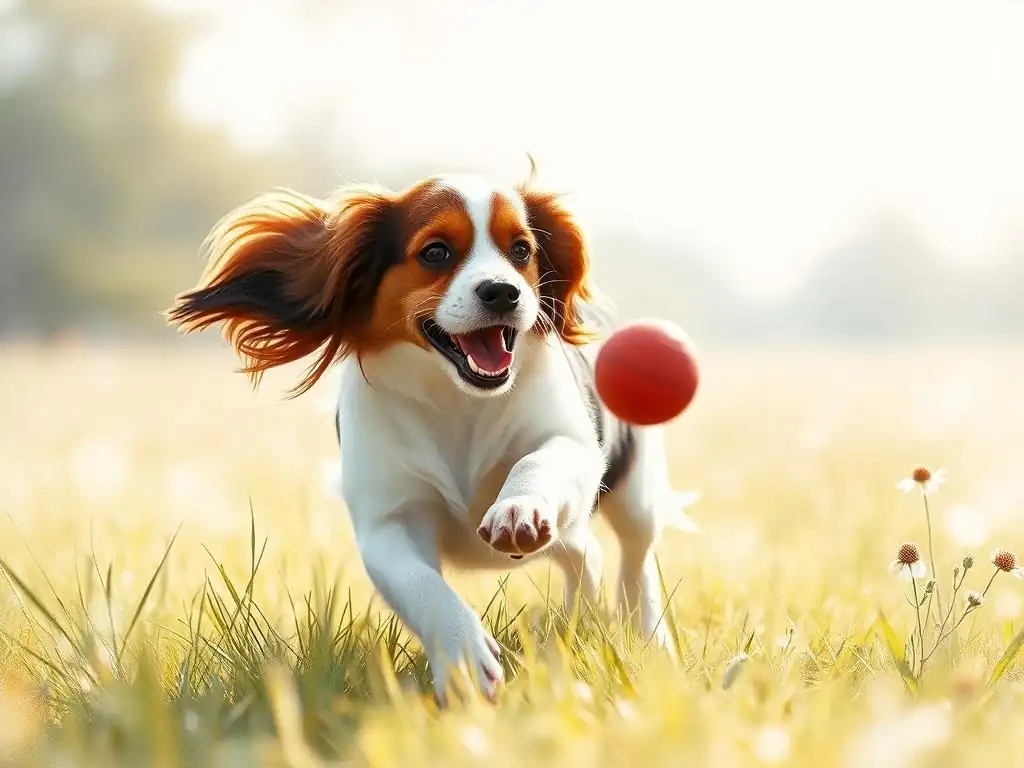
Cavalier King Charles Spaniels, while undeniably charming with their gentle nature, still require a sufficient amount of daily exercise to maintain their physical and mental well-being. Understanding their exercise needs is crucial for responsible ownership and contributes significantly to a happy and healthy Cavalier. This section will delve into the specifics of exercise for this beloved breed, providing a comprehensive Cavalier King Charles Spaniel guide to activity levels. Ignoring these needs can lead to behavioral problems and health issues, so let's explore the best ways to keep your Cavalier happy and active.
Daily Exercise Requirements for Cavaliers
The daily exercise needs of a Cavalier King Charles Spaniel vary depending on factors such as age, health, and individual temperament. However, a good rule of thumb is to aim for at least two 20-30 minute walks per day. These walks should be at a moderate pace, allowing your Cavalier to explore their surroundings and sniff to their heart's content. Remember, sniffing is a crucial part of their sensory experience and shouldn't be rushed.
For puppies, shorter, more frequent walks are recommended to avoid overexertion on their developing joints. Older Cavaliers or those with health concerns may require shorter walks or gentler activities, such as leisurely strolls in the park. Always observe your dog for signs of fatigue, such as panting, slowing down, or reluctance to continue. Listen to your pet; they'll let you know their limits. A good way to monitor their activity is to use a fitness tracker specifically designed for dogs, although this is not mandatory.
| Age Group | Recommended Daily Exercise | Considerations |
|---|---|---|
| Puppies (under 6 months) | Several short walks (10-15 minutes each), several times a day | Avoid strenuous activity to protect developing joints. |
| Adult (6 months - 7 years) | Two 20-30 minute walks, plus playtime | Incorporate varied activities to prevent boredom and maintain fitness. |
| Senior (7+ years) | One or two shorter walks (15-20 minutes each) | Adjust based on individual health and mobility. |
Suitable Activities for Cavalier King Charles Spaniels
Beyond daily walks, Cavaliers thrive on a variety of activities that stimulate both their physical and mental abilities. These activities help prevent boredom and contribute to a well-rounded and happy Cavalier.
- Playtime: Interactive games like fetch (with a soft ball), tug-of-war (with a soft rope toy), and hide-and-seek are excellent ways to engage your Cavalier. Remember to always supervise playtime and choose toys appropriate for their size and strength.
- Training: Basic obedience training not only teaches your Cavalier valuable commands but also provides mental stimulation. Positive reinforcement methods work best with this breed's sensitive nature. Consider enrolling in a puppy kindergarten class or a basic obedience course.
- Socialization: Regular interaction with other dogs and people helps your Cavalier develop good social skills and prevents anxiety. Supervised playdates with well-socialized dogs can be beneficial. However, always prioritize safety and ensure a positive, controlled environment.
- Swimming: Many Cavaliers enjoy swimming, providing a low-impact form of exercise that's gentle on their joints. Always supervise your dog closely near water and ensure a safe entry and exit point.
Avoiding Overexertion in Cavalier King Charles Spaniels
While exercise is vital, overexertion can be detrimental to your Cavalier's health. Monitor your dog closely for signs of fatigue, such as excessive panting, lethargy, or reluctance to continue. Avoid exercising your Cavalier during extremely hot or humid weather, as they are prone to overheating. Always provide access to fresh water, especially during and after exercise.
Remember, a tired Cavalier is a happy Cavalier, but a too tired Cavalier can suffer from health problems. Listen to your dog's cues and adjust their activity level accordingly. Regular veterinary check-ups are also crucial to ensure your Cavalier's health and identify any potential issues early on. A balanced approach to exercise, combined with a healthy diet and regular veterinary care, will contribute to a long and happy life for your beloved companion. This holistic approach encapsulates the essence of a truly comprehensive Cavalier King Charles Spaniel guide.
Cavalier King Charles Spaniel: A Comprehensive Care Guide Summary
This section provides a concise overview of essential Cavalier King Charles Spaniel care, summarizing key aspects of their health, grooming, and temperament to help you navigate this delightful breed's specific needs. Understanding these fundamentals is crucial for ensuring your Cavalier thrives and enjoys a long, happy life. This guide serves as a starting point for your journey into Cavalier ownership, offering a foundation upon which you can build a deeper understanding of this charming breed. Remember, responsible ownership involves ongoing learning and adaptation to your dog's individual needs.
Key Takeaways for Cavalier Owners
Owning a Cavalier King Charles Spaniel is a rewarding experience, but it requires commitment and understanding. Here are some key takeaways to ensure your furry friend’s well-being:
- Health: Cavaliers are prone to certain health issues, including mitral valve disease (MVD), syringomyelia (SM), and eye problems. Regular veterinary checkups, including echocardiograms to screen for MVD, are crucial. Early detection can significantly impact their quality of life. Choosing a reputable breeder who screens their dogs for these conditions is paramount.
- Grooming: Their long, silky coat requires regular brushing (at least 2-3 times a week) to prevent matting and tangles. Bathing should be done as needed, using a dog-specific shampoo. Regular nail trims and ear cleaning are also essential.
- Temperament: Cavaliers are known for their gentle, affectionate, and playful nature. They thrive on human companionship and do well in family environments. Early socialization is important to ensure they are well-adjusted and confident around other dogs and people. They are relatively easy to train with positive reinforcement methods.
- Exercise: While not high-energy dogs, Cavaliers still require daily exercise to stay healthy and happy. A brisk walk or playtime in a secure area is sufficient. Remember to avoid overexertion, especially in hot weather.
- Nutrition: Feed your Cavalier a high-quality, age-appropriate dog food. Consult your veterinarian for recommendations on the best diet for your dog's individual needs. Avoid overfeeding, as obesity can exacerbate existing health problems.
Resources for Further Learning about Cavalier King Charles Spaniels
For more in-depth information, consider exploring the following avenues:
- Veterinary Professionals: Your veterinarian is your best resource for personalized advice on your Cavalier's health and well-being. They can provide tailored guidance based on your dog's specific needs and health history.
- Reputable Breeders: Breeders dedicated to the health and well-being of their dogs can offer valuable insights into the breed's characteristics and potential health concerns. They often have extensive knowledge about responsible breeding practices.
- Cavalier King Charles Spaniel Clubs: Many national and international clubs dedicated to the breed offer resources, educational materials, and support networks for owners. These organizations often host events and workshops.
- Books and Online Articles: Numerous books and online resources provide detailed information on Cavalier King Charles Spaniel care, health, and training. Always verify the credibility and accuracy of the information before applying it.
Remember, responsible ownership is a continuous learning process. By staying informed and actively engaging in your Cavalier's care, you can ensure they live a long, healthy, and happy life. This guide offers a solid foundation, but remember to consult with professionals and continue your learning journey as your Cavalier grows and develops. 🐶
Frequently Asked Questions
What are the typical health concerns for Cavalier King Charles Spaniels?
Cavalier King Charles Spaniels are prone to several health issues, including mitral valve disease (MVD), syringomyelia (SM), and epilepsy. Regular veterinary check-ups are crucial for early detection and management.
How often should I groom my Cavalier King Charles Spaniel?
Regular grooming is essential. Aim for brushing at least twice a week to prevent matting, and bathe your Cavalier as needed, typically every 4-6 weeks, using a gentle shampoo.
What is the temperament of a Cavalier King Charles Spaniel like?
Cavaliers are known for their gentle, affectionate, and playful nature. They are generally good with children and other pets, making them excellent family companions.
What kind of training methods work best for Cavalier King Charles Spaniels?
Cavaliers respond well to positive reinforcement training methods. Consistency, patience, and rewarding good behavior are key to successful training. Avoid harsh punishments.
What is the average lifespan of a Cavalier King Charles Spaniel?
The average lifespan of a Cavalier King Charles Spaniel is 9-14 years. Providing proper care, nutrition, and regular veterinary check-ups can help extend their lifespan.
Final Reflection: A Cavalier's Heart, A Lifetime of Joy
The Cavalier King Charles Spaniel, a breed brimming with affection and charm, demands responsible ownership. Their playful nature and endearing personalities mask a breed prone to certain health challenges, highlighting the crucial need for informed care and proactive health management. Understanding these nuances is not just about responsible pet ownership; it's about ensuring a long and happy life for these beloved companions.
The Cavalier's impact extends far beyond the individual pet; they weave themselves into the fabric of our lives, becoming cherished family members. Their gentle nature and unwavering loyalty have cemented their place in countless homes, enriching our lives with unconditional love and playful companionship. A dog is the only thing on earth that loves you more than he loves himself.
– Josh Billings. This quote perfectly encapsulates the devotion and unwavering affection these dogs offer, underscoring the responsibility we have to provide them with the best possible care.
Now, consider your own relationship with animals, and specifically, the responsibility that comes with pet ownership. Are you prepared to dedicate the time, resources, and unwavering commitment necessary to provide a Cavalier King Charles Spaniel with a life filled with health, happiness, and love? Take the knowledge gained from this guide, and use it to make informed decisions about whether or not this breed is the right fit for your lifestyle. Embrace the opportunity to welcome a Cavalier into your life, but do so with open eyes and a heart full of commitment. The rewards are immeasurable.
Unlock Your Cavalier King Charles Spaniel's Happiest Life!
Thank you for learning about the wonderful Cavalier King Charles Spaniel! We hope you've gained valuable insights into their unique needs and charming personalities. Now let's put that knowledge into action.
- Prioritize regular veterinary checkups. This is crucial for ensuring your Cavalier enjoys a long and healthy life, strengthening your bond and providing early detection of potential health issues.
- Engage in fun, interactive training games to build a strong relationship with your dog and address any behavioral challenges. You'll find it incredibly rewarding!
- Share your Cavalier's cutest photos on social media using #CavalierLove and #PetCareWorld – let's build a thriving community of Cavalier owners!
Ready to embark on this exciting journey with your furry friend? What's the first step you'll take to improve your Cavalier's well-being today?