
Deworming Your Dog: When, Why, and How Often?


Welcome to PetCareWorld, your ultimate guide to a happier, healthier life for your beloved pets! Are you seeking expert advice on keeping your canine companion in tip-top shape? Then you've come to the right place. Discover the secrets to a thriving pet life, starting with our essential Dog Deworming Schedule Chart – a vital tool for ensuring your dog's well-being. Dive in and unlock the knowledge you need to provide the best possible care!
- Understanding the Importance of Canine Deworming
- Creating a Dog Deworming Schedule Chart: A Comprehensive Guide
- Choosing the Right Deworming Medication for Your Dog
- Administering Deworming Medication to Your Dog Safely and Effectively
- Preventing Parasite Infestation in Your Dog
- Monitoring Your Dog After Deworming
- Frequently Asked Questions about Dog Deworming
-
Building a Personalized Dog Deworming Schedule Chart: A Step-by-Step Guide
- Step 1: Consult your Veterinarian
- Step 2: Determine your dog's risk factors
- Step 3: Choose the appropriate deworming medication
- Step 4: Establish a deworming schedule
- Step 5: Administer the medication correctly
- Step 6: Monitor your dog for any adverse reactions
- Step 7: Maintain regular veterinary check-ups
- Frequently Asked Questions
- Final Reflection: The Enduring Importance of Canine Deworming
- Ready to Give Your Pup a Healthy Boost?
Understanding the Importance of Canine Deworming
Regular deworming is a crucial aspect of responsible dog ownership, often overlooked despite its significant impact on your canine companion's health and well-being. This comprehensive guide will delve into the "why," "when," and "how often" of deworming your dog, providing you with the knowledge to create a proactive and effective parasite prevention plan.
We'll explore common internal parasites affecting dogs, the telltale signs of infestation, and establish a clear understanding of a suitable deworming schedule – all to help you keep your furry friend happy, healthy, and parasite-free. Understanding the importance of a consistent deworming strategy is paramount in safeguarding your dog against potentially debilitating and even life-threatening parasitic infections.
This article aims to equip you with the information needed to confidently navigate the world of canine deworming and contribute to your dog's long and healthy life. We'll also address the frequently searched term "Dog deworming schedule chart," providing practical guidance to help you implement a personalized plan for your dog.
Why Deworming Your Dog is Crucial for Their Health
Internal parasites, such as roundworms, hookworms, whipworms, and tapeworms, can severely compromise your dog's health. These parasites compete with your dog for vital nutrients, leading to malnutrition, stunted growth (especially in puppies), and a weakened immune system. Severe infestations can cause anemia, weight loss, diarrhea, vomiting, and even death. Beyond the immediate physical effects, untreated parasite infections can lead to secondary complications, making your dog more susceptible to other illnesses.
Regular deworming acts as a preventative measure, minimizing the risk of these serious health consequences and ensuring your dog maintains optimal health and vitality. A healthy dog is a happy dog, and proactive deworming is a key component of responsible pet ownership. 🐕
Common Internal Parasites Affecting Dogs
Several internal parasites commonly affect dogs, each with its unique characteristics and potential health implications. Understanding these parasites is the first step in effective prevention and treatment.
- Roundworms (Toxocara canis): These large, round worms are often transmitted from mother to puppies through the placenta or milk. They can also be acquired through ingestion of contaminated soil or feces.
- Hookworms (Ancylostoma caninum): Hookworms attach to the intestinal wall, feeding on blood and causing anemia. They can penetrate the skin, making direct contact with contaminated soil a potential route of infection.
- Whipworms (Trichuris vulpis): These parasites embed themselves in the intestinal wall, causing chronic diarrhea and weight loss.
- Tapeworms (various species): Tapeworms are segmented flatworms that can reach significant lengths. Dogs typically acquire them by ingesting infected fleas or other intermediate hosts.
Understanding the life cycles and transmission routes of these parasites is vital in developing a comprehensive deworming strategy. The severity of infection can vary greatly depending on the parasite species, the number of parasites present, and your dog's overall health. Regular veterinary check-ups and fecal examinations are crucial for early detection and intervention.
Recognizing the Signs of Internal Parasites in Dogs
While some dogs with mild infestations may show no obvious symptoms, others may exhibit a range of signs that indicate the presence of internal parasites. It's crucial to be vigilant and seek veterinary attention if you observe any of the following:
- Diarrhea: Persistent or bloody diarrhea is a common symptom of many parasitic infections.
- Vomiting: Frequent vomiting, especially if containing worms or worm segments, warrants immediate veterinary examination.
- Weight loss: Unexplained weight loss, despite maintaining a normal appetite, can be a sign of parasitic infestation.
- Lethargy and weakness: A noticeable decrease in energy levels and overall weakness can indicate nutrient depletion caused by parasites.
- Pot-bellied appearance: A swollen abdomen, especially in puppies, can be indicative of a heavy roundworm burden.
- Dull coat: A lackluster coat can be a sign of malnutrition resulting from parasitic infection.
- Coughing: In some cases, parasites can migrate to the lungs, causing a persistent cough.
Early detection is key to effective treatment and preventing long-term health issues. Regular fecal exams, as recommended by your veterinarian, are crucial for identifying parasites before they cause significant damage. Remember, prevention is always better than cure, and a proactive deworming schedule is an essential part of your dog's overall healthcare plan.
Creating a Dog Deworming Schedule Chart: A Comprehensive Guide
Creating a personalized deworming schedule for your canine companion is crucial for their health and well-being. While a generalized chart provides a helpful starting point, several factors influence the frequency and type of deworming medication required. This section helps you understand those factors and build a tailored deworming plan, maximizing protection against parasites while minimizing unnecessary medication. Remember, always consult your veterinarian before starting any deworming regimen.
They can assess your dog's individual risk factors and recommend the most appropriate approach. This guide provides valuable information to discuss with your vet, empowering you to make informed decisions about your dog's health. The information below is for educational purposes only and does not substitute professional veterinary advice.
Determining Your Dog's Deworming Needs Based on Age and Lifestyle
A dog's age and lifestyle significantly impact their susceptibility to parasites. Puppies, for instance, are particularly vulnerable due to their developing immune systems. Similarly, dogs with outdoor lifestyles, those who interact frequently with other animals, or those who regularly consume raw food are at a higher risk of parasitic infection.
Consider these factors when determining your dog's deworming needs:
- Age: Puppies require more frequent deworming than adult dogs.
- Lifestyle: Dogs who spend time outdoors, hunt, or play in areas where other animals defecate are more exposed to parasites.
- Breed: Certain breeds may exhibit a higher predisposition to certain types of parasites.
- Pre-existing conditions: Underlying health issues can influence a dog's susceptibility to parasites and the effectiveness of deworming medication.
- Geographic location: The prevalence of specific parasites varies geographically. Areas with warmer climates might have a higher incidence of certain intestinal worms.
The following table summarizes the general risk factors:
| Risk Factor | Increased Risk? | Notes |
|---|---|---|
| Puppy (under 6 months) | Yes | Developing immune system, increased vulnerability to parasites. |
| Adult Dog | Moderate | Risk varies based on lifestyle and environment. |
| Outdoor Lifestyle | Yes | Higher exposure to parasites through soil and contact with other animals. |
| Raw Food Diet | Moderate | Potential for exposure to parasites present in raw meat. |
| Hunting Dog | Yes | High exposure to parasites through prey and environment. |
| Contact with other dogs | Yes | Increased risk of transmission of parasites. |
This information will help you and your veterinarian create a customized deworming schedule tailored to your dog's specific needs. Remember, regular fecal exams are essential for monitoring parasite levels and adjusting the deworming plan accordingly.
Puppy Deworming Schedule: A Detailed Timeline
Puppies are particularly susceptible to intestinal parasites. A proactive deworming schedule is crucial during their formative months. The following is a sample schedule; your veterinarian will determine the most appropriate plan for your puppy based on their individual risk factors and the prevalence of specific parasites in your area.
- 2-3 weeks old: Initial deworming treatment, often a broad-spectrum dewormer.
- 4-6 weeks old: Second deworming treatment.
- 6-8 weeks old: Third deworming treatment.
- 8-12 weeks old: Regular deworming, typically every 2-4 weeks, until the puppy is 6 months old. This frequency may vary depending on the vet's assessment.
- 6 months old onwards: Transition to a less frequent deworming schedule, as determined by your veterinarian. Regular fecal exams are crucial to monitor for parasites.
Remember, consistent deworming is vital for preventing serious health problems in puppies. Early intervention is key to managing parasitic infections effectively. Always follow your veterinarian's recommendations for dosage and frequency. Never administer medication without professional guidance. 🐶
Adult Dog Deworming Schedule: Maintaining Protection
While adult dogs are generally less susceptible to parasites than puppies, regular deworming remains crucial for maintaining their health. The frequency of deworming for adult dogs varies significantly depending on their lifestyle and risk factors. A yearly fecal examination is recommended for most adult dogs to assess their parasite load. This allows for targeted deworming only when necessary, minimizing the risk of medication side effects and promoting responsible parasite control.
Some adult dogs may only require deworming once or twice a year, while others may need more frequent treatments depending on their exposure to parasites. Factors like regular exposure to other dogs, consumption of raw food, or hunting activities influence deworming frequency.
Regular fecal exams are not just important for deworming; they're also crucial for early detection of other potential health issues.
Maintaining a proactive approach to parasite control is essential for the long-term health and well-being of your adult dog. This includes regular veterinary check-ups, a balanced diet, and prompt attention to any signs of illness. Remember, prevention is always better than cure when it comes to parasitic infections. A comprehensive deworming strategy, in consultation with your veterinarian, is a key component of responsible pet ownership.
Senior Dog Deworming: Adapting the Schedule for Older Canines
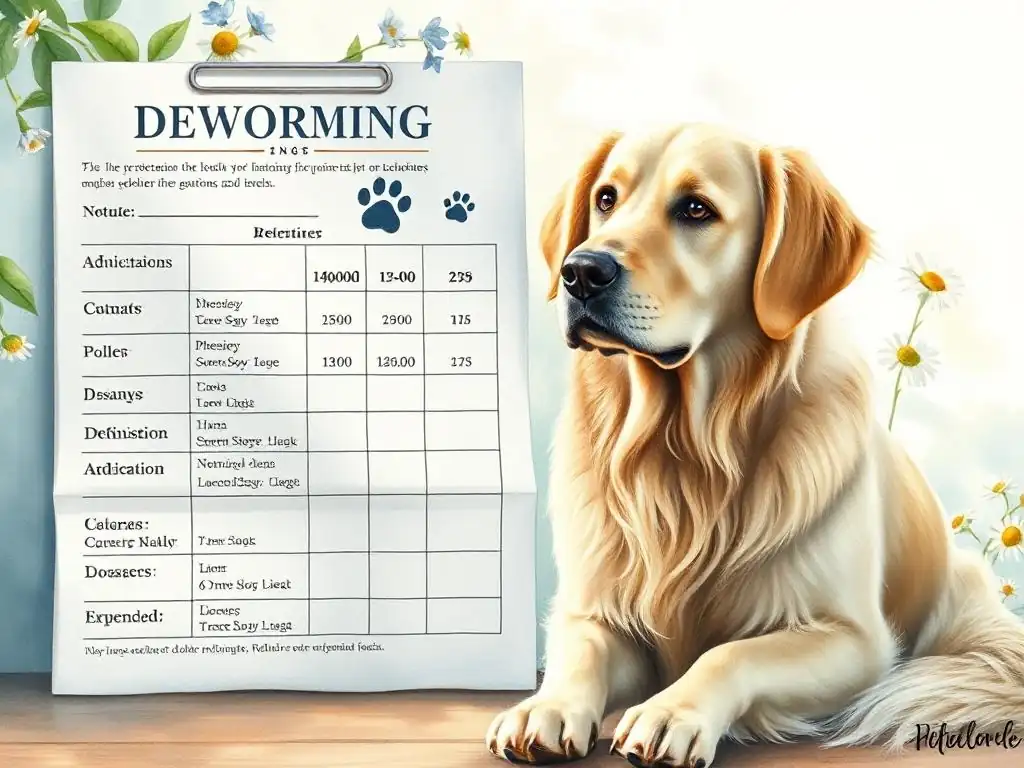
Senior dogs, generally considered to be seven years old and older, often have different health considerations than their younger counterparts. Their immune systems may be weaker, making them more susceptible to infections, and they may be taking medications that can interact with deworming medications. Therefore, their deworming schedule needs careful adjustment. It's crucial to consult your veterinarian before making any changes to your senior dog's deworming routine. They can assess your dog's overall health, consider any existing medical conditions, and recommend a tailored deworming plan.
The frequency of deworming may need to be reduced for senior dogs. While puppies and younger adult dogs often require more frequent deworming, older dogs may only need it once or twice a year, depending on their lifestyle and risk factors. For instance, a senior dog that spends most of its time indoors and doesn't interact with other dogs or wildlife will likely have a lower risk of parasite infection compared to a senior dog that regularly visits dog parks or spends time outdoors.
The type of deworming medication will also be a critical factor. Some medications are gentler on the system and may be preferred for older dogs.
Regular fecal examinations are vital for senior dogs. These tests can detect the presence of intestinal parasites even if your dog isn't showing any symptoms. Early detection allows for prompt treatment and helps prevent complications. Remember, even if your senior dog seems healthy, regular parasite checks are crucial for maintaining their well-being. Don't hesitate to discuss any concerns you have with your veterinarian; they can provide personalized advice and ensure your senior dog receives the appropriate care. Proactive deworming is a key component of preventative healthcare for senior dogs, helping them live long and healthy lives.
Deworming Schedules for Dogs with Specific Health Conditions
Certain health conditions in dogs can influence their deworming schedules and the choice of deworming medication. It's absolutely essential to consult your veterinarian before initiating or altering a deworming plan for a dog with a pre-existing health condition. Some conditions can make dogs more susceptible to parasites or increase the risk of adverse reactions to deworming medications.
For example, dogs with kidney disease may not tolerate certain deworming medications as well as healthy dogs. The veterinarian might recommend alternative deworming options or adjust the dosage and frequency to minimize the risk of kidney stress. Similarly, dogs with liver disease may require a modified deworming schedule due to the liver's role in metabolizing medications. The veterinarian will carefully consider the dog's liver function and choose a deworming medication that is less likely to cause liver damage.
Immunocompromised dogs—those with weakened immune systems due to illnesses like cancer or autoimmune disorders—require a carefully tailored deworming schedule. They are more vulnerable to parasitic infections and may need more frequent deworming or preventative measures. The veterinarian might recommend more frequent fecal exams and a proactive approach to parasite control. Furthermore, certain medications used to treat underlying health conditions can interact with deworming medications.
Your veterinarian will consider all medications your dog is taking to avoid any potential negative interactions. The goal is always to find a safe and effective deworming strategy that minimizes risks while maximizing protection against parasites. Regular communication with your veterinarian is crucial to ensure your dog's health and well-being. Never hesitate to discuss any concerns you have regarding your dog's health and deworming needs.
Choosing the Right Deworming Medication for Your Dog
Selecting the appropriate deworming medication for your canine companion is crucial for effective parasite control and your dog's overall health. The best choice depends on several factors, including your dog's age, breed, weight, and the specific type of internal parasites suspected or confirmed. Ignoring these factors can lead to ineffective treatment or even adverse reactions. Remember, always consult your veterinarian before starting any deworming regimen.
They can perform diagnostic tests to identify the specific parasites present and recommend the most suitable and safe medication. This personalized approach ensures optimal treatment and minimizes potential risks. A blanket approach to deworming is not recommended, as different medications target different parasites.
Types of Deworming Medications Available for Dogs
Several types of deworming medications are available for dogs, each targeting specific parasites. These include:
- Broad-spectrum dewormers: These medications effectively target a wide range of internal parasites, including roundworms, hookworms, whipworms, and sometimes even tapeworms. They are often the first line of defense in routine deworming. Effectiveness varies depending on the specific parasite and the medication's formulation.
- Specific dewormers: These medications target specific types of parasites. For instance, some medications are specifically designed to eliminate tapeworms, while others focus on heartworms. Your veterinarian will determine if a specific dewormer is necessary based on your dog's individual needs and the identified parasites.
- Combination dewormers: These medications combine multiple active ingredients to target a broader spectrum of parasites simultaneously. This approach can simplify treatment, particularly if your dog is infected with multiple types of parasites. However, it’s important to carefully consider potential side effects, as combining medications can increase the risk of adverse reactions.
The effectiveness and safety of each deworming medication depend on factors like the dosage, administration route (oral, topical), and your dog's overall health. Always follow your veterinarian's instructions precisely. Improper use can lead to treatment failure or harm your dog.
Over-the-Counter vs. Prescription Dewormers for Dogs
While some deworming medications are available over-the-counter (OTC), it's generally recommended to obtain dewormers from your veterinarian. OTC dewormers may not always be the most effective or safest option for your dog. Veterinarians can diagnose the specific parasites, assess your dog's overall health, and prescribe the appropriate medication and dosage. They can also monitor for potential side effects and adjust the treatment plan if necessary.
Using OTC dewormers without veterinary guidance can potentially mask a more serious underlying condition or lead to ineffective parasite control. This can result in prolonged infection, worsening symptoms, and potential complications. The convenience of OTC dewormers should not outweigh the importance of veterinary consultation for optimal parasite control.
Discussing Deworming Options with Your Veterinarian
Regular communication with your veterinarian is essential for establishing an effective deworming schedule and choosing the right medication for your dog. During your consultation, discuss your dog's age, breed, lifestyle (e.g., exposure to other animals, outdoor activities), and any existing health conditions. This information helps your veterinarian determine the appropriate deworming strategy and medication. Ask your veterinarian about the potential side effects of different medications and how to manage them.
Don't hesitate to ask questions and express any concerns you may have. Proactive communication and collaboration with your veterinarian are key to ensuring your dog's health and well-being. Remember that creating a personalized Dog deworming schedule chart in conjunction with your vet is the best approach for proactive parasite management. This chart should be tailored to your dog’s individual needs and risk factors.
Administering Deworming Medication to Your Dog Safely and Effectively

Administering deworming medication correctly is crucial for its effectiveness and your dog's safety. Following your veterinarian's instructions precisely is paramount. The method of administration will depend on the type of medication prescribed. Some dewormers are palatable chewable tablets, while others might be liquids or topical applications. Always check the label for specific instructions and dosage based on your dog's weight. Never exceed the recommended dose.
Different Methods of Deworming Medication Administration
Several methods exist for administering deworming medication to your canine companion. Understanding these methods will help you choose the best approach for your dog's temperament and the type of medication.
- Oral Tablets: Most common, these often come flavored to encourage consumption. However, some dogs are picky eaters. If your dog refuses the tablet, you may need to crush it and mix it with a small amount of palatable food, such as wet dog food or peanut butter (ensure it's xylitol-free!). Always ensure your dog fully consumes the mixture.
- Oral Liquids: These are often easier to administer to dogs who refuse tablets. Use a syringe (without a needle) to carefully measure and administer the liquid directly into the side of your dog's mouth, avoiding the back of the throat to prevent choking.
- Topical Medications: Some dewormers are topical applications applied to the skin. Follow the instructions carefully regarding the application site and amount to use. Ensure the area is clean and dry before application.
Remember, consistency is key. A missed dose can compromise the effectiveness of the deworming treatment. If you ever have any doubts or concerns about administering the medication, consult your veterinarian immediately. They can provide personalized guidance and address any specific questions you may have.
Tips for a Stress-Free Deworming Experience for Your Dog
Deworming can be a stressful experience for both you and your dog. However, with a little preparation and patience, you can make the process smoother.
- Positive Reinforcement: Before administering the medication, engage in positive reinforcement activities like petting, praising, or offering a favorite treat. This helps create a positive association with the process.
- Calm and Gentle Approach: Speak to your dog in a soothing voice and handle them gently. Avoid sudden movements or forceful actions that may frighten or agitate them.
- Distraction Techniques: If your dog is particularly anxious, try distracting them with a favorite toy or treat while administering the medication.
- Reward System: After successful administration, immediately reward your dog with praise and a small, healthy treat. This reinforces positive behavior and reduces anxiety associated with future deworming sessions.
Creating a calm and positive environment is crucial. A stressed dog may resist medication, making the process challenging for both of you. Remember, patience and a gentle approach are essential.
What to Do if Your Dog Vomits After Deworming
While uncommon with most modern dewormers, vomiting after deworming can occur. If your dog vomits within a short time after medication administration (within 30 minutes), it's important to contact your veterinarian immediately. They will determine if a repeat dose is necessary or if alternative treatment is required.
| Scenario | Action |
|---|---|
| Vomiting within 30 minutes | Contact your veterinarian immediately. |
| Vomiting after 30 minutes | Observe your dog for other symptoms (lethargy, loss of appetite). If symptoms persist or worsen, contact your veterinarian. |
| No vomiting, but concerns | Contact your veterinarian to discuss your concerns. |
It's important to monitor your dog closely after deworming. Note any unusual behavior or symptoms and consult your veterinarian if you have any concerns. Early intervention is key to ensuring your dog's health and well-being. Remember, a proactive approach to parasite prevention is crucial for maintaining your dog's health throughout their life. Regular deworming, as recommended by your vet, is a key part of responsible pet ownership.
Preventing Parasite Infestation in Your Dog
Proactive measures are crucial in preventing parasite infestations in your canine companion. A comprehensive approach combining environmental control, preventative medication, and diligent observation significantly reduces the risk of your dog contracting harmful parasites. This proactive strategy is far more effective and less stressful than dealing with a full-blown infestation. Remember, prevention is key when it comes to your dog's health and well-being. A well-executed prevention plan is a cornerstone of a healthy Dog deworming schedule chart.
Maintaining a Clean and Hygienic Environment for Your Dog
Maintaining a clean environment is paramount in preventing parasite infestations. Regular cleaning of your dog's living spaces, including bedding, toys, and food bowls, significantly minimizes the risk of parasite build-up. This includes:
- Frequent Vacuuming: Vacuuming carpets, rugs, and upholstery at least once a week helps remove flea eggs, larvae, and adult fleas. Pay particular attention to areas where your dog spends the most time.
- Washing Bedding Regularly: Wash your dog's bedding in hot water (at least 130°F) and dry it on a high heat setting to kill parasites and their eggs. Do this at least once a week, or more frequently if necessary.
- Cleaning Food and Water Bowls: Wash food and water bowls daily with hot, soapy water to eliminate any lingering food particles that might attract pests.
- Yard Maintenance: Regularly mow your lawn, remove debris, and control weeds to reduce tick and flea habitats. Consider using pet-safe insecticides if necessary, following all label instructions carefully.
Remember, a clean home is a healthy home, especially for your furry friend. Consistent cleaning dramatically reduces the chances of your dog encountering parasites. This contributes directly to the effectiveness of your Dog deworming schedule chart.
Regular Flea and Tick Prevention for Your Dog
Regular flea and tick prevention is essential for maintaining your dog's health and preventing infestations. Several effective methods exist, and the best choice depends on your dog's lifestyle, breed, and any pre-existing health conditions. Consult your veterinarian to determine the most suitable preventative for your dog. Options include:
- Topical Medications: These are applied directly to your dog's skin and provide ongoing protection against fleas and ticks. They're generally easy to administer and offer consistent protection.
- Oral Medications: Oral medications are available in chewable tablets or liquid form and offer protection against various internal and external parasites. They need to be administered regularly as directed by your veterinarian.
- Collars: Flea and tick collars release insecticides that repel and kill parasites. They offer continuous protection but require careful monitoring for skin irritation.
Regularly checking your dog for fleas and ticks, especially after walks in grassy or wooded areas, is crucial. Early detection allows for prompt treatment and prevents infestations from becoming severe. This proactive approach is an integral part of any successful Dog deworming schedule chart.
Proper Waste Disposal to Prevent Parasite Spread
Proper waste disposal plays a vital role in preventing the spread of parasites. Parasite eggs can survive in feces for extended periods, leading to re-infestation if not disposed of correctly. Follow these guidelines:
- Immediate Removal: Pick up your dog's feces immediately after they defecate, especially in areas where other dogs may frequent.
- Proper Disposal: Dispose of feces in sealed plastic bags and place them in designated trash receptacles. Avoid leaving feces exposed in your yard or other public areas.
- Regular Cleaning: Regularly clean areas where your dog frequently defecates to prevent parasite egg accumulation.
By adhering to these guidelines, you significantly reduce the risk of parasite transmission, both to your dog and other animals. This careful attention to detail further enhances the effectiveness of your Dog deworming schedule chart and ensures a healthier environment for your beloved pet.
Monitoring Your Dog After Deworming

After administering deworming medication to your canine companion, careful monitoring is crucial to ensure the treatment's effectiveness and to detect any potential adverse reactions. A proactive approach to post-treatment observation can significantly impact your dog's health and well-being. Remember, each dog reacts differently to medication, so vigilant observation is key, regardless of breed, age, or size. This section will guide you through the essential steps to take following a deworming treatment. Understanding the typical responses and recognizing potential complications will empower you to provide the best possible care for your furry friend.
Signs to Watch Out For After Deworming Treatment
Following deworming, your dog might exhibit some mild, temporary side effects. These are usually not cause for alarm, but it's essential to know what to look for. Common, relatively minor side effects can include:
- Lethargy: Your dog might seem more tired than usual for a day or two.
- Loss of Appetite: A temporary decrease in appetite is also possible. Offer small, frequent meals of palatable food.
- Mild Vomiting or Diarrhea: Some dogs might experience a slight upset stomach. Monitor the frequency and severity. If it becomes excessive or persistent, contact your veterinarian.
- Changes in Stool Consistency: You may notice changes in the texture or color of your dog's stool. This is often related to the expulsion of parasites.
However, some signs require immediate veterinary attention. These could indicate a more serious reaction to the medication:
- Severe Vomiting or Diarrhea (with blood): Persistent vomiting or diarrhea, especially if containing blood, is a serious concern and warrants immediate veterinary consultation.
- Excessive Drooling: Unexplained excessive drooling can be a sign of toxicity or other complications.
- Lethargy or Weakness (severe): If your dog is significantly lethargic or weak, unable to stand or walk, seek immediate veterinary help.
- Seizures: Seizures are a serious medical emergency and require immediate veterinary attention.
- Difficulty Breathing: Any signs of respiratory distress, such as labored breathing or gasping, need immediate veterinary care.
- Swollen Face or Hives: Allergic reactions can manifest as facial swelling or hives. These are serious and require prompt veterinary intervention.
Remember to keep a close watch on your dog's behavior and overall health for at least 24-48 hours after deworming. Note any changes and be prepared to contact your vet if necessary. Keeping detailed records of your dog's behavior and any observed symptoms can be invaluable in assisting your veterinarian in determining the cause of any problems.
When to Seek Veterinary Attention After Deworming
While minor side effects are often expected, certain symptoms indicate a need for immediate veterinary attention. Don't hesitate to contact your veterinarian if you observe any of the following:
- Persistent Vomiting or Diarrhea: If vomiting or diarrhea continues for more than 24 hours, or is accompanied by blood, contact your veterinarian immediately. Dehydration can quickly become a serious concern.
- Significant Changes in Behavior: Any unusual behavior, such as excessive restlessness, aggression, or unusual vocalizations, should be reported to your vet.
- Loss of Coordination or Weakness: If your dog exhibits ataxia (loss of coordination) or significant weakness, it's crucial to seek veterinary help immediately.
- Fever: A high temperature (check with a rectal thermometer) is a clear sign of a problem and requires immediate veterinary attention.
- Jaundice (Yellowing of Skin or Eyes): This indicates liver problems and requires urgent veterinary care.
- Any Symptom that Worries You: Trust your instincts. If you're concerned about any aspect of your dog's health after deworming, don't hesitate to contact your veterinarian for advice. It is always better to err on the side of caution when it comes to your pet's health.
Creating a Dog Deworming Schedule Chart and carefully monitoring your dog post-treatment are crucial steps in maintaining its health and well-being. Early detection and prompt veterinary intervention can prevent serious complications and ensure a swift recovery. Remember, proactive pet care is the best pet care. 🐶
Frequently Asked Questions about Dog Deworming
This section addresses common concerns regarding dog deworming, providing clarity on scheduling, potential side effects, and safety considerations for specific life stages. Understanding these aspects is crucial for responsible pet ownership and ensuring your canine companion's health and well-being. Remember, always consult your veterinarian for personalized advice tailored to your dog's breed, age, health status, and lifestyle. A customized dog deworming schedule chart is essential for effective parasite control.
How Often Should I Deworm My Dog?
The frequency of deworming your dog depends on several factors, including its age, lifestyle, exposure to parasites, and the specific type of parasite being targeted. There's no single "one-size-fits-all" answer, and a rigid schedule isn't always appropriate. Instead of relying on a generic schedule, consider these key aspects:
- Puppies: Puppies are particularly vulnerable to parasites and often require more frequent deworming. Your veterinarian will likely recommend a deworming schedule starting at a young age, possibly every 2-4 weeks until they reach a certain age, typically around 6 months. This is because puppies often acquire parasites from their environment and through their mother's milk.
- Adult Dogs: Adult dogs with low exposure to parasites (e.g., indoor dogs with limited outdoor access) may only need deworming once or twice a year, or even less frequently depending on their individual risk profile. Regular fecal exams can help determine the need for deworming.
- Dogs with High Exposure: Dogs with high exposure to parasites (e.g., hunting dogs, dogs who frequently visit areas with high parasite prevalence) might require more frequent deworming, possibly every 3-6 months, or even more often. This group benefits greatly from a tailored dog deworming schedule chart created in consultation with their vet.
- Type of Parasite: The specific type of parasite also influences the deworming frequency. For example, heartworm prevention requires monthly medication, while intestinal worms might necessitate less frequent treatment based on fecal testing results.
Important Note: Regular fecal examinations are vital for determining the presence and type of intestinal parasites. Your veterinarian can provide guidance on the appropriate deworming schedule based on these tests and your dog's individual needs. Don't rely solely on a generic dog deworming schedule chart; individual needs vary greatly.
What are the Side Effects of Deworming Medication?
While generally safe and effective, deworming medications can sometimes cause side effects. These are usually mild and temporary, but it's crucial to be aware of them. Common side effects include:
- Gastrointestinal Upset: This is the most frequently reported side effect and can manifest as vomiting, diarrhea, or loss of appetite. These symptoms usually resolve on their own within a day or two.
- Lethargy: Some dogs may exhibit temporary lethargy or weakness after deworming. This is usually not cause for concern but should be monitored.
- Allergic Reactions: Although rare, allergic reactions can occur. Symptoms can range from mild skin irritation to more severe reactions requiring immediate veterinary attention. Signs of an allergic reaction include hives, swelling, difficulty breathing, and collapse.
- Other Less Common Side Effects: In rare cases, more serious side effects may occur. These are typically associated with higher doses or underlying health conditions. These include neurological signs (e.g., tremors, seizures), liver or kidney damage. Always report any unusual symptoms to your veterinarian immediately.
The severity of side effects can vary depending on the type of medication used, the dog's overall health, and the dosage. Always follow your veterinarian's instructions carefully and report any concerns promptly. A detailed discussion with your vet about potential side effects before starting any deworming medication is highly recommended.
Is Deworming Safe for Pregnant or Nursing Dogs?
Deworming during pregnancy and lactation requires careful consideration. Some deworming medications are safe to use during these periods, while others are not. It's crucial to discuss your dog's deworming needs with your veterinarian before becoming pregnant or during pregnancy or nursing. They can recommend appropriate medications and dosages that minimize potential risks to both the mother and her puppies.
The risk of parasites to pregnant or nursing dogs and their offspring is a significant concern. Parasites can negatively impact the mother's health and the development of the puppies. Therefore, a proactive approach to parasite control is essential. Your vet will help you create a safe and effective deworming plan that considers the specific needs of your pregnant or nursing dog.
This may involve adjusting the frequency or type of medication used. Delaying deworming until after the puppies are weaned is generally not recommended due to the potential risks to the dam and pups. A customized dog deworming schedule chart should be prepared by your vet, taking this sensitive time into account. Never self-medicate your pregnant or nursing dog; always consult a veterinary professional.
Can I Deworm My Dog Myself, or Should I Consult a Vet?

While many over-the-counter deworming medications are available for dogs, it's crucial to remember that self-treating your canine companion can be risky. A veterinarian can accurately diagnose the type of parasite infecting your dog through fecal examination. Different parasites require different medications, and incorrect treatment can lead to ineffective deworming or even harmful side effects. For example, a medication effective against roundworms might be completely useless against hookworms, and using the wrong dosage can be detrimental to your dog's health.
Furthermore, your vet can assess your dog's overall health and determine if there are any underlying conditions that could complicate deworming or necessitate a different approach. They can also monitor your dog for any adverse reactions to the medication. Therefore, while seemingly convenient, self-treating your dog for worms can be dangerous and ultimately less effective than seeking professional veterinary advice.
A vet visit ensures the correct diagnosis and treatment plan, minimizing risks and maximizing the chances of a successful outcome. Think of it as an investment in your dog's long-term health and well-being. A comprehensive dog deworming schedule chart, provided by your veterinarian, will outline the best course of action tailored to your individual dog's needs and risk factors.
Natural Deworming Methods for Dogs: Fact vs. Fiction
The internet is rife with claims about natural deworming methods for dogs, often promoting remedies like pumpkin seeds, papaya seeds, or garlic. While some of these ingredients possess properties that might have a mild effect on certain parasites, there's no scientific evidence to support their effectiveness as a primary or sole treatment for a significant parasitic infestation. Many of these claims are anecdotal and lack rigorous testing.
Relying solely on these methods can lead to delayed or ineffective treatment, allowing the parasite population to grow and potentially cause serious health problems in your dog. Severe infestations can lead to anemia, malnutrition, and even death. A comprehensive dog deworming schedule chart provided by your veterinarian will always prioritize safe and effective pharmaceutical dewormers, proven to eliminate parasites efficiently.
While some natural ingredients might offer supplementary benefits as part of a holistic approach in conjunction with veterinary-recommended treatment, they should never replace professional veterinary care and prescribed medication. Always prioritize consulting your veterinarian before trying any alternative remedies, as they can assess the suitability and potential risks associated with such methods for your dog's specific situation. Remember, your dog's health is paramount, and a responsible approach to deworming is crucial.
Building a Personalized Dog Deworming Schedule Chart: A Step-by-Step Guide
This section details how to create a customized deworming schedule for your canine companion. Remember, a veterinarian's guidance is crucial; this information is for educational purposes and shouldn't replace professional advice. A personalized dog deworming schedule chart is essential for preventative care and maintaining your dog's health. Building a proper chart considers several key factors, ensuring your furry friend receives the appropriate level of protection against parasites.
Step 1: Consult your Veterinarian
Before embarking on any deworming regimen, a consultation with your veterinarian is paramount. They will conduct a thorough examination, considering your dog's breed, age, lifestyle, and overall health. This initial assessment helps determine the presence of existing parasites and identifies potential risk factors. Your vet will also discuss the various deworming medications available, explaining their effectiveness and potential side effects. This initial visit is crucial in establishing a baseline and tailoring the deworming plan to your dog's specific needs.
Don't hesitate to ask questions; understanding the process ensures you're confident in your dog's treatment plan. The vet may perform fecal tests to diagnose existing infestations and guide medication choices. This proactive approach significantly enhances the effectiveness of your deworming strategy. Furthermore, your vet can provide valuable insights into preventative measures, minimizing the likelihood of future infestations. Regular check-ups are an integral part of a comprehensive dog deworming schedule.
Step 2: Determine your dog's risk factors
Several factors influence the frequency and type of deworming required. These risk factors need careful consideration when building your dog deworming schedule chart.
- Lifestyle: Dogs that spend significant time outdoors, especially in areas with high wildlife populations (like parks or wooded areas), are at a much higher risk of parasite infestation than dogs primarily kept indoors. Hunting dogs, for example, face a significantly elevated risk.
- Age: Puppies and senior dogs often have weaker immune systems, making them more susceptible to parasitic infections. Their deworming schedule needs to be more frequent and tailored to their specific vulnerabilities.
- Breed: While not a primary determinant, certain breeds might exhibit a higher predisposition to specific parasites. Your veterinarian can provide breed-specific insights.
- Exposure to other animals: Contact with other dogs, particularly strays or those with known parasite infestations, increases the risk of infection. Regularly interacting with other animals necessitates a more vigilant deworming strategy.
- Pre-existing health conditions: Underlying health issues can compromise your dog's immune system, making them more vulnerable to parasites. This requires careful consideration when developing your deworming schedule.
Consider this simplified risk assessment table:
| Risk Factor | Low Risk | Moderate Risk | High Risk |
|---|---|---|---|
| Lifestyle | Primarily indoors | Some outdoor time, limited exposure | Frequent outdoor time, high wildlife exposure |
| Age | Adult dog (1-7 years) | Puppy or senior dog | Puppy or senior with compromised immunity |
| Exposure to others | Minimal contact with other animals | Occasional contact with other animals | Frequent contact with other animals, strays |
This table provides a general guideline. Your veterinarian's assessment is crucial for accurate risk categorization.
Step 3: Choose the appropriate deworming medication
Your veterinarian will recommend the most suitable deworming medication based on your dog's specific needs and identified risk factors. Several types of dewormers exist, each targeting different parasites:
- Broad-spectrum dewormers: These medications are effective against a wide range of internal parasites, including roundworms, hookworms, and whipworms.
- Specific dewormers: These target specific types of parasites, often used when a particular infestation is identified.
- Preventative dewormers: These are administered regularly to prevent infestations, rather than treating existing ones. The frequency of administration varies greatly depending on your dog's risk factors and the chosen medication.
The choice of medication will also consider factors such as your dog's weight, age, and any potential drug interactions. Never administer deworming medication without your veterinarian's explicit instructions. Always follow the dosage instructions precisely to ensure efficacy and minimize the risk of adverse reactions. Remember, a consistent and properly managed deworming schedule is vital for maintaining your dog's health and well-being. Regular veterinary check-ups are essential for monitoring effectiveness and adjusting the deworming plan as needed. This proactive approach guarantees your canine companion remains healthy and happy. 🐶
Step 4: Establish a deworming schedule
Once you've identified the appropriate deworming medication for your dog's needs and your vet has confirmed the plan, it's crucial to establish a consistent deworming schedule. This schedule will depend largely on your dog's age, lifestyle, and the specific parasites prevalent in your region. Puppies, for example, often require more frequent deworming than adult dogs due to their developing immune systems and increased vulnerability to parasites. Dogs with outdoor access, particularly those who frequently interact with other dogs or wildlife, will also necessitate a more rigorous deworming regimen.
A common approach involves preventative deworming every three months for adult dogs, although this can vary. Some vets might recommend more frequent deworming, perhaps monthly, during peak parasite seasons (typically warmer months). For puppies, the schedule is usually more frequent, often starting at 2 weeks of age and continuing at intervals of 2-4 weeks until they reach adulthood. Remember, this is a general guideline; your veterinarian will provide a tailored deworming schedule based on your dog's unique circumstances.
It's crucial to maintain consistent and accurate records of each deworming treatment, including the date, the type of medication administered, and the dosage. This information is invaluable for future veterinary visits and helps track the effectiveness of the treatment. A simple logbook or a dedicated app can be helpful for tracking this information efficiently.
Don't hesitate to consult with your vet if you have any questions or concerns about your dog's deworming schedule. They can help you create a schedule that's both effective and safe for your canine companion. The key is proactive prevention to minimize your dog's exposure to harmful parasites.
Step 5: Administer the medication correctly
Correct administration of deworming medication is paramount to ensure its effectiveness and to minimize potential side effects. Always follow your veterinarian's instructions precisely regarding the dosage and method of administration. Some dewormers are administered orally, while others might be topical applications. Oral medications often come in tablet or liquid form.
For tablets, ensure your dog swallows the medication completely; you might need to hide it in a tasty treat if necessary. For liquid medications, use a precise measuring device (such as a syringe) to ensure the correct dosage. Topical applications typically involve applying a specific amount of medication to your dog's skin, usually between the shoulder blades, where they cannot easily lick it off.
Never exceed the recommended dosage, as this could potentially lead to adverse reactions in your dog. Similarly, do not underdose the medication, as this could render it ineffective against the parasites. If you're unsure about the correct administration method, don't hesitate to ask your vet for a demonstration or clarification. They can provide guidance and ensure you're confident in administering the medication correctly.
Remember, accuracy is crucial in achieving the desired results and protecting your dog's health. A consistent and accurate approach to medication administration is a vital component of a successful deworming plan. Taking the time to understand the correct procedure will ensure the safety and well-being of your pet.
Step 6: Monitor your dog for any adverse reactions
After administering deworming medication, it's essential to carefully monitor your dog for any signs of adverse reactions. While most dogs tolerate dewormers well, some may experience mild side effects. Common symptoms to watch out for include vomiting, diarrhea, loss of appetite, lethargy, or changes in behavior. These reactions are usually temporary and resolve on their own, but it's still crucial to observe your dog closely.
In some cases, more serious allergic reactions can occur, although this is less frequent. Symptoms of a serious allergic reaction can include swelling of the face, difficulty breathing, or hives. If you notice any of these severe symptoms, seek immediate veterinary attention.
Keep a close eye on your dog for at least 24 hours after administering the medication. Note any changes in their behavior, appetite, or bowel movements. If you observe any unusual symptoms, contact your veterinarian immediately. They can assess the situation and advise you on the appropriate course of action.
Documenting any observed reactions, however mild, can be beneficial for future deworming treatments. This information will help your vet tailor future deworming strategies to minimize potential side effects. Remember, proactive monitoring is a key part of ensuring the safety and well-being of your canine companion during and after deworming. Early detection of any adverse reaction allows for prompt intervention and prevents potential complications.
Step 7: Maintain regular veterinary check-ups
Regular veterinary check-ups are crucial for maintaining your dog's overall health and are an integral part of a successful deworming strategy. These visits allow your veterinarian to assess your dog's health, monitor for any signs of internal parasites, and adjust the deworming schedule as needed. During these check-ups, your vet can perform fecal exams to detect the presence of parasite eggs or larvae, even if your dog isn't showing any obvious symptoms. Early detection is key to effective treatment and preventing the spread of parasites.
Beyond parasite detection, regular check-ups provide a broader picture of your dog's health. Underlying health conditions can weaken your dog's immune system, making them more susceptible to parasitic infestations. Your vet can identify these conditions and implement appropriate treatment plans, thereby strengthening your dog's natural defenses against parasites. This holistic approach ensures that your deworming strategy is as effective as possible.
Furthermore, your veterinarian can advise on the most appropriate deworming medication for your dog's specific needs and weight. The dosage and type of deworming medication can vary depending on factors such as breed, age, and overall health. Relying solely on a generic deworming schedule chart could lead to under-dosing or over-dosing, both of which can have negative consequences. Your vet's expertise ensures that your dog receives the correct medication in the correct amount.
Finally, regular check-ups provide an opportunity to discuss any concerns you may have about your dog's health, including potential signs of parasite infestation. This open communication with your veterinarian ensures that you are actively involved in your dog's care and that any issues are addressed promptly and effectively. Don't hesitate to discuss any changes in your dog's behavior, appetite, or bowel movements—these can be early indicators of parasitic infections.
A proactive approach, guided by your veterinarian, is the best way to keep your dog healthy and parasite-free. Remember, consistent veterinary care is as important as following a carefully planned deworming schedule.
Frequently Asked Questions
What is the best deworming schedule for my dog?
There's no single "best" schedule; it depends on your dog's age, lifestyle, and risk factors. Consult your veterinarian to create a customized deworming plan. They can assess your dog's individual needs and recommend the appropriate medication and frequency.
How often should I deworm my puppy?
Puppies require more frequent deworming due to their vulnerable immune systems. A vet will typically recommend a schedule involving monthly treatments until they reach a certain age, followed by less frequent deworming as they mature.
My dog is an adult; does it still need deworming?
Yes, even adult dogs need regular deworming, although the frequency is usually less than for puppies. Annual deworming is often recommended for adult dogs with low exposure to parasites, but this can vary depending on factors like their environment and activity level.
What are the signs of internal parasites in my dog?
Signs can include diarrhea, vomiting, weight loss, a pot-bellied appearance, dull coat, and lethargy. If you notice any of these symptoms, consult your veterinarian immediately for proper diagnosis and treatment.
What type of deworming medication should I use for my dog?
Never self-medicate your dog. Your veterinarian will prescribe the appropriate deworming medication based on your dog's specific needs, weight, and the type of parasite suspected. Using the incorrect medication can be harmful to your pet.
Final Reflection: The Enduring Importance of Canine Deworming
Protecting our canine companions from the insidious threat of internal parasites remains a crucial responsibility, a commitment that extends far beyond simply ticking off items on a deworming schedule chart. The health and well-being of our beloved dogs hinge on our vigilance and proactive approach to parasite prevention, ensuring they live long, happy, and healthy lives. Ignoring this responsibility can have devastating consequences, impacting not only our pets but also potentially our own families.
The impact of responsible deworming extends beyond the individual dog; it contributes to a healthier ecosystem for all pets and even impacts public health. The bond between humans and animals is one of the most profound and enduring relationships in history, and our responsibility to care for them is paramount.
This quote speaks to the deeper connection we share with our furry friends, a connection that demands we prioritize their health and well-being through consistent and informed preventative measures like deworming. Understanding the lifecycle of common parasites and implementing a tailored deworming plan, as outlined in this article, is a testament to that commitment.
Now, consider your own dog. Have you reviewed their deworming schedule recently? Do you understand the specific risks they face based on their lifestyle and environment? Take a moment to reflect on your approach to canine parasite prevention and identify areas for improvement. By actively engaging in your dog's health, you are not only extending their lifespan but also deepening the bond you share. Empower yourself with knowledge, consult your veterinarian, and create a deworming plan that ensures your canine companion thrives for years to come.
Ready to Give Your Pup a Healthy Boost?
Thank you for learning about deworming your dog! We hope you feel confident in understanding this crucial aspect of pet care. Now, let's put that knowledge into action.
- Schedule your dog's next deworming appointment: This is the most important step! Discuss your dog's specific needs with your veterinarian.
- Share this article with other pet owners: Help spread the word about responsible pet care!
- Explore natural deworming options with your veterinarian: Researching alternatives, under veterinary guidance, empowers you to make informed decisions about your dog's health.
Ready to give your furry friend the best possible care? What preventative health measures do you already use, and which new ones will you add to your routine?