
Schipperke Savvy: Understanding the Needs of Your Small Black Shepherd


Welcome to PetCareWorld, your ultimate guide to a happier, healthier life for your beloved companion! Are you ready to unlock the secrets of a truly exceptional pet relationship? Then dive into our comprehensive Schipperke dog breed guide, where we unravel the unique characteristics and needs of this captivating small black shepherd. Discover how to best understand and care for this intelligent and spirited breed. Prepare to be amazed by what you learn – your Schipperke will thank you for it!
- The Schipperke Dog Breed Guide: An Overview
- Caring for Your Schipperke: Essential Needs
- Schipperke Health Concerns and Veterinary Care
- Finding a Reputable Schipperke Breeder: Ensuring a Healthy Start for Your Puppy
- Schipperke Lifespan and Senior Care: Providing Care for Your Aging Schipperke
- Schipperke Grooming and Coat Care: Maintaining a Healthy Coat
- Schipperke and Family Life: A Schipperke in Your Home
- Schipperke Ownership: Making an Informed Decision
- Frequently Asked Questions
- Final Reflection: The Enduring Legacy of the Schipperke
- Unlock Your Schipperke's Potential!
The Schipperke Dog Breed Guide: An Overview
The Schipperke, often described as a "small black shepherd," is a captivating breed with a rich history and a unique personality. This comprehensive guide delves into the fascinating world of the Schipperke, providing pet owners with the essential knowledge to understand, care for, and appreciate this intelligent and independent canine companion. Whether you're a prospective Schipperke owner or already share your life with this delightful breed, this guide offers valuable insights into their history, temperament, physical characteristics, and the specific needs that contribute to their overall well-being.
We'll explore everything from their origins as barge dogs in Belgium to their modern-day roles as cherished family pets, covering crucial aspects of their care to help you become a truly informed and responsible Schipperke owner. Understanding the nuances of this breed will empower you to provide the best possible life for your furry friend, strengthening the bond you share and ensuring many happy years together.
This guide aims to be your ultimate resource for all things Schipperke, providing answers to your questions and equipping you with the knowledge to navigate the joys and responsibilities of Schipperke ownership. Prepare to be charmed by this remarkable breed!
Schipperke History and Origins: From Barge Dog to Beloved Companion
The Schipperke's history is deeply rooted in the canals and waterways of Belgium. Originating centuries ago, these small, sturdy dogs served as invaluable working dogs for bargemen. Their intelligence, alertness, and aptitude for guarding made them ideal companions on the waterways, protecting both the cargo and their human partners. 1 Their name, "Schipperke," is derived from the Dutch word "schipper," meaning "skipper" or "boatman," reflecting their historical role. Over time, they transitioned from their working roles to become beloved family pets, retaining their inherent intelligence and independent spirit. Their captivating appearance, with their distinctive black coat and fox-like face, has also contributed to their enduring popularity. While their precise origins are debated among breed historians, their historical association with barge life is undeniable and forms a significant part of their unique character. The breed's evolution showcases a remarkable adaptation from a working dog to a cherished companion, highlighting their resilience and adaptability.
Schipperke Temperament and Personality: Intelligent, Alert, and Independent
Schipperkes are known for their spirited and independent personalities. They are intelligent dogs, quick to learn, but also possess a strong will of their own. This independence can manifest as a certain stubbornness during training, requiring patience and positive reinforcement techniques.
Early socialization is crucial to ensure they develop into well-adjusted adults, comfortable around other dogs, people, and unfamiliar environments. Despite their independence, Schipperkes are loyal and affectionate towards their families, forming strong bonds with their human companions. They are often described as alert and watchful, making excellent watchdogs, although their small size typically prevents them from being effective guard dogs.
Their playful nature and energetic spirit make them enjoyable companions for active individuals or families, however, potential owners should be aware of their need for mental and physical stimulation to prevent boredom and potential behavioral issues. Understanding their independent nature is key to building a successful relationship with a Schipperke.
Schipperke Physical Characteristics: Size, Coat, and Grooming Needs
Schipperkes are small dogs, typically weighing between 10 and 16 pounds and standing 13 to 15 inches tall. Their most striking feature is their profuse, long, black coat, which is dense and weather-resistant. This coat requires regular grooming to prevent matting and tangles. Daily brushing is recommended, with more thorough grooming sessions needed periodically. While their coat is naturally low-shedding, regular brushing helps minimize shedding and keeps their coat healthy and shiny.
Their distinctive "fox-like" face, erect ears, and plumed tail complete their captivating appearance. Potential owners should be prepared for the grooming commitment required to maintain their beautiful coat. Proper grooming not only enhances their appearance but also contributes to their overall health and well-being. A healthy Schipperke coat is a testament to proper care and attention.
1 *Further research is needed to provide specific historical data and citations. *
Caring for Your Schipperke: Essential Needs
This section delves into the specific care requirements of the Schipperke, a spirited and intelligent small dog breed often described as a "small black shepherd." Understanding their unique needs is key to ensuring a happy and healthy life for your furry friend. This guide provides detailed information to help you become a confident Schipperke owner, solidifying your role as a responsible and informed pet parent. We'll cover crucial aspects of their care, focusing on diet, exercise, training, and socialization – all vital components of a comprehensive Schipperke dog breed guide.
Schipperke Diet and Nutrition: Choosing the Right Food for a Healthy Schipperke
A balanced diet is paramount for a Schipperke's overall health and well-being. Their small size doesn't mean they have simple dietary needs; in fact, Schipperkes, like many small breeds, are prone to certain health issues if not fed correctly. Avoid feeding table scraps, as these can upset their digestive system and lead to obesity. Instead, opt for high-quality, age-appropriate dog food formulated for small breeds.
Look for food that lists real meat and poultry as the primary ingredients, avoiding fillers and artificial additives. The protein content should be high, supporting their active lifestyle and muscular development. Consider the kibble size; smaller kibble is better suited for their smaller jaws. Always provide fresh, clean water at all times. The amount of food you give your Schipperke will depend on their age, activity level, and metabolism.
Consult your veterinarian to determine the ideal daily food intake for your individual dog. Regular veterinary check-ups are crucial for monitoring your Schipperke's weight and overall health, allowing for timely adjustments to their diet as needed. Remember, a healthy weight is a happy Schipperke! Monitoring their body condition score regularly is a proactive step in preventing obesity and related health problems.
Schipperke Exercise and Activity Levels: Keeping Your Schipperke Energetic and Engaged
Schipperkes, despite their small stature, possess a surprisingly high energy level. They require daily exercise to stay physically and mentally stimulated. A lack of sufficient exercise can lead to destructive behaviors, such as excessive barking or chewing, and contribute to weight gain. Aim for at least 30-60 minutes of exercise daily, spread throughout the day.
This exercise doesn't need to be strenuous; a brisk walk, a game of fetch in a secure area, or even interactive play sessions indoors can suffice. Consider incorporating activities like agility training or scent work to challenge their intelligence and keep them engaged. Remember that Schipperkes are intelligent and need mental stimulation as much as physical activity. Puzzle toys can provide a great outlet for their inquisitive nature.
Regular walks, however, remain essential, not only for physical fitness but also for socialization and mental enrichment. Observe your Schipperke's energy levels and adjust the exercise accordingly; some days they might be more energetic than others. Always ensure a safe and secure environment for your Schipperke during exercise.
Early socialization and consistent training are crucial for raising a well-adjusted Schipperke. Their intelligence and independent nature mean they need a firm but gentle hand during training. Positive reinforcement techniques, such as rewarding good behavior with treats and praise, are highly effective. Avoid harsh punishment, which can damage your bond and create fear or aggression.
Start socialization early, exposing your puppy to various sights, sounds, people, and other animals in a controlled and positive manner. This helps them develop into confident and well-behaved adults. Basic obedience training, including commands like "sit," "stay," "come," and "leave it," should begin early. Consistency is key; everyone in the household should use the same commands and training methods. Consider enrolling in puppy classes or seeking guidance from a professional dog trainer, especially if you encounter challenges.
Remember, a well-trained Schipperke is a happy Schipperke, and a joy to live with. Patience and consistency are vital components of successful Schipperke training. Early socialization minimizes the risk of behavioral problems later in life. 🐶
Schipperke Health Concerns and Veterinary Care

The Schipperke, while generally a hardy breed, is not immune to certain health concerns. Understanding these potential issues and proactively addressing them is crucial for ensuring your Schipperke enjoys a long and healthy life. This section of our Schipperke dog breed guide will delve into common health problems, preventative measures, and the importance of regular veterinary care. Responsible ownership includes being informed and prepared.
Common Schipperke Health Issues: Preventing and Managing Potential Problems
Schipperkes, like many small breeds, can be prone to specific health problems. Some of the most commonly reported issues include:
- Patellar Luxation: This is a dislocation of the kneecap, often causing lameness. Early detection through regular veterinary checkups is key. Treatment can range from conservative management (physical therapy, medication) to surgical intervention in severe cases. Smaller breeds are statistically more prone to this, making it a significant consideration for Schipperke owners.
- Progressive Retinal Atrophy (PRA): This is a degenerative eye disease that can lead to blindness. Responsible breeders screen their dogs for PRA to minimize the risk of passing on this genetic condition. While there's no cure, early detection can allow for management strategies to improve the dog's quality of life.
- Hip Dysplasia: While less common in smaller breeds like the Schipperke compared to larger breeds, it's still a possibility. Hip dysplasia is a malformation of the hip joint, causing pain and lameness. Careful breeding practices and maintaining a healthy weight can help mitigate the risk.
- Epilepsy: Seizures can occur in Schipperkes, although the exact cause is often unknown. Veterinary care is essential to manage seizures and improve the dog's quality of life. Medication may be necessary.
- Allergies: Skin allergies are relatively common in Schipperkes. These can manifest as itching, scratching, and skin inflammation. Identifying and eliminating allergens, along with appropriate veterinary treatment, is crucial for managing these allergies effectively.
Regular veterinary checkups, including comprehensive physical examinations and appropriate screening tests, are essential for early detection and management of these potential health problems. A proactive approach to veterinary care is a vital component of responsible Schipperke ownership. Remember, early intervention often leads to better outcomes. Think of it as preventative maintenance for your furry friend!
Finding a Reputable Schipperke Breeder: Ensuring a Healthy Start for Your Puppy
Choosing a responsible breeder is paramount to securing a healthy Schipperke puppy. A reputable breeder prioritizes the health and well-being of their dogs, implementing various measures to minimize the risk of genetic diseases. This is a crucial step in your journey towards responsible Schipperke ownership as part of your Schipperke dog breed guide.
Finding a Reputable Schipperke Breeder: Ensuring a Healthy Start for Your Puppy
Here's what to look for in a responsible Schipperke breeder:
- Health Testing: Reputable breeders conduct thorough health testing on their breeding dogs for common Schipperke health issues such as PRA, patellar luxation, and hip dysplasia. They should be able to provide documentation of these tests. This proactive approach significantly reduces the risk of inheritable conditions in their puppies.
- Temperament Evaluation: A good breeder assesses the temperament of their breeding dogs, selecting those with stable and well-balanced personalities. This ensures that puppies are likely to be well-adjusted and friendly companions.
- Cleanliness and Environment: The breeding environment should be clean, safe, and appropriately stimulating for the dogs. Puppies should be raised in a healthy and socialized environment.
- Openness and Transparency: A responsible breeder will be open and honest about their breeding practices and will readily answer your questions. They should be willing to discuss any health concerns associated with their dogs and their lineage.
- Puppy Socialization: Puppies should have had appropriate early socialization experiences before leaving the breeder. This ensures they're well-adjusted and comfortable in various situations.
By diligently researching and selecting a reputable breeder, you significantly increase the chances of welcoming a healthy and well-adjusted Schipperke puppy into your home. Remember, the initial investment in a healthy puppy from a responsible breeder can save you significant veterinary expenses and heartache in the long run.
Schipperke Lifespan and Senior Care: Providing Care for Your Aging Schipperke
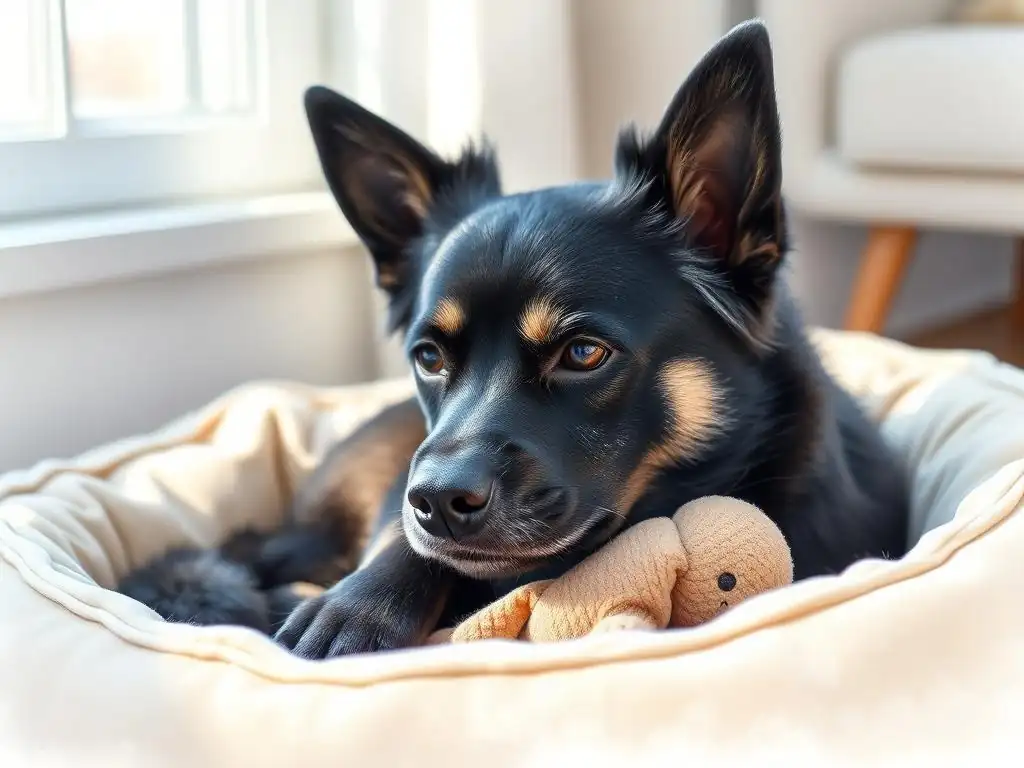
The average lifespan of a Schipperke is 12-15 years. As your Schipperke enters their senior years, their needs will change. Providing appropriate senior care is crucial for ensuring their comfort and well-being during this stage of life. This section of our Schipperke dog breed guide focuses on the specific needs of senior Schipperkes.
Schipperke Lifespan and Senior Care: Providing Care for Your Aging Schipperke
Senior Schipperkes, like senior dogs of other breeds, may experience age-related changes that require adjustments in their care. These changes might include:
- Decreased Activity Levels: As your Schipperke ages, they may become less active. Adjust their exercise routine accordingly, offering shorter, less strenuous walks or playtime sessions. Remember to always prioritize their comfort and avoid overexertion.
- Changes in Appetite and Digestion: Senior dogs may experience changes in their appetite or digestive system. Consult your veterinarian about appropriate senior dog food to maintain their nutritional needs. Regular vet checkups are essential to monitor their weight and overall health.
- Cognitive Decline: Some senior Schipperkes may experience cognitive decline, similar to dementia in humans. This can manifest as confusion, disorientation, or changes in behavior. Creating a calm and predictable environment can help manage these symptoms. A vet can advise on possible supportive care.
- Joint Issues: Arthritis and other joint problems become more common in senior dogs. Providing comfortable bedding, managing their weight, and potentially using joint supplements (after consultation with your veterinarian) can help improve their mobility and comfort.
- Dental Health: Dental disease can be painful and affect overall health. Regular dental checkups and professional cleanings are important, especially in senior dogs.
Providing compassionate and attentive care for your aging Schipperke is a testament to the bond you share. By understanding the common age-related changes and proactively addressing their needs, you can ensure your beloved companion enjoys a comfortable and fulfilling senior life. Remember to consult with your veterinarian regularly to monitor their health and address any concerns.
Schipperke Grooming and Coat Care: Maintaining a Healthy Coat
The Schipperke, with its distinctive black, profuse coat, requires dedicated grooming to maintain its health and shine. This small, energetic dog boasts a double coat – a dense undercoat and a longer, coarser outer coat. Regular grooming is crucial not only for aesthetic reasons but also to prevent matting, skin irritations, and the buildup of dirt and debris. Neglecting grooming can lead to discomfort for your Schipperke and potentially more serious health issues.
Understanding your Schipperke's coat and implementing a consistent grooming routine is key to ensuring a happy and healthy companion. This section will delve into the specific techniques and best practices for keeping your Schipperke's coat in optimal condition. Remember, a well-groomed Schipperke is a happy Schipperke!
Schipperke Brushing and Bathing Techniques: Keeping Your Schipperke's Coat Clean and Shiny
Regular brushing is the cornerstone of Schipperke coat care. Aim for at least two to three brushing sessions per week, increasing frequency during shedding seasons (typically spring and autumn). Use a slicker brush to remove loose undercoat and dead hair, followed by a bristle brush to smooth the outer coat and distribute natural oils. This dual-brushing approach helps prevent matting, particularly around the ruff and tail. Pay close attention to these areas, as they are prone to tangles. For stubborn mats, use a de-matting tool carefully to avoid pulling or hurting your dog.
Bathing your Schipperke should be done sparingly, perhaps every 2-3 months, or only when necessary. Over-bathing can strip the coat of its natural oils, leading to dryness and irritation. Use a dog-specific shampoo formulated for their coat type, avoiding human shampoos which can disrupt the pH balance of their skin.
Always rinse thoroughly to prevent shampoo residue, which can irritate their skin. After bathing, towel dry your Schipperke meticulously and consider using a low-heat hairdryer on a low setting to ensure complete drying, especially in the undercoat, to prevent skin infections. Remember to reward your Schipperke with treats and praise throughout the grooming process to make it a positive experience.
Schipperke Nail Trimming and Ear Cleaning: Essential Grooming Tasks
Nail trimming is another vital aspect of Schipperke grooming. Overgrown nails can cause discomfort, affect their gait, and even lead to joint problems. Trim your Schipperke's nails regularly, aiming for a length that doesn't click on the floor.
If you're unsure how to trim your dog's nails safely, consult a veterinarian or professional groomer for guidance. Use appropriate nail clippers designed for dogs and be cautious not to cut into the quick (the pink part of the nail containing blood vessels and nerves). Bleeding can occur if the quick is accidentally cut, so having styptic powder on hand is recommended.
Ear cleaning is equally important. Schipperkes, like many breeds, are prone to ear infections. Regularly inspect your dog's ears for any signs of redness, swelling, wax buildup, or unpleasant odor. Use a dog-specific ear cleaning solution and a cotton ball or soft cloth to gently clean the visible part of the ear canal. Never insert anything deep into the ear canal, as this can cause damage.
If you notice any abnormalities or your Schipperke shows signs of ear discomfort (shaking their head, scratching their ears excessively), consult your veterinarian immediately. A clean and healthy ear is crucial for your Schipperke's overall well-being. Remember, prevention is better than cure when it comes to ear infections. Regular checks and gentle cleaning will help keep your Schipperke's ears healthy and happy.
Schipperke and Family Life: A Schipperke in Your Home

This section delves into the specifics of integrating a Schipperke into your family life, addressing common concerns and offering practical advice for a harmonious co-existence. Understanding your Schipperke's unique needs is crucial for a happy and healthy pet. This Schipperke dog breed guide will help you navigate this exciting journey.
Schipperke Compatibility with Children and Other Pets: A Harmonious Household
Schipperkes, despite their small size, possess a spirited and independent nature. While generally good with children, early socialization is essential. Introducing a Schipperke puppy to children gradually and teaching children how to interact respectfully with a dog is paramount. Rough handling or teasing can easily upset even the most patient Schipperke, leading to nipping or defensive behavior. Always supervise interactions between children and your Schipperke, especially during playtime.
Adult Schipperkes, with proper training and socialization, can make wonderful companions for older, considerate children who understand how to treat a dog with respect. However, very young children may unintentionally hurt a Schipperke due to their smaller size and delicate frame.
Regarding other pets, the Schipperke's compatibility varies. Early and careful introduction to other animals is crucial. While some Schipperkes may readily accept other dogs or cats, others may exhibit territorial behavior, especially towards animals of the same sex. Patience, controlled introductions, and positive reinforcement training can help establish a peaceful household. It's important to monitor interactions closely, particularly during the initial stages.
| Pet Compatibility | Potential Challenges | Mitigation Strategies |
|---|---|---|
| Children (older) | Accidental injury, rough handling | Supervised interactions, training children on respectful pet handling |
| Children (young) | Accidental injury, overwhelming the dog | Strict supervision, limited interaction until the child understands |
| Dogs (same sex) | Territorial disputes, aggression | Gradual introductions, neutral territory, positive reinforcement |
| Cats | Hunting instinct, territorial issues | Slow introduction, providing safe spaces for the cat |
Schipperke Living Arrangements: Indoor vs. Outdoor Living for Schipperkes
Schipperkes are primarily indoor dogs. Their short, double coat offers some protection from the elements, but they are not suited for prolonged exposure to extreme temperatures or harsh weather conditions. Providing a warm, comfortable indoor space is crucial for their well-being. While they enjoy outdoor time for exercise and playtime, they should never be left outside unsupervised for extended periods. Leaving a Schipperke outdoors in inclement weather can lead to hypothermia or heatstroke. A well-fenced yard is necessary for safe outdoor playtime, but remember, they are escape artists! Ensure your fence is secure and tall enough to prevent escapes.
Remember, a Schipperke needs regular exercise and mental stimulation. A secure, stimulating indoor environment coupled with regular walks and playtime is ideal. Consider providing a comfortable dog bed, plenty of fresh water, and safe chew toys. Regular grooming is also essential to maintain their coat health.
A Schipperke's intelligence and playful nature require a stimulating home environment.
Schipperke-Specific Toys and Enrichment Activities: Keeping Your Schipperke Entertained
Schipperkes are intelligent and active dogs that need plenty of mental and physical stimulation to prevent boredom and destructive behaviors. Providing a variety of toys and engaging in enrichment activities is crucial for their happiness and well-being.
Here are some ideas for Schipperke-specific toys and activities:
- Puzzle toys: These toys challenge your Schipperke's intelligence and provide hours of entertainment. Look for puzzle toys that dispense treats, requiring your dog to solve a puzzle to get a reward.
- Interactive games: Games like fetch, hide-and-seek, or tug-of-war provide both physical and mental stimulation.
- Chew toys: Schipperkes, like many small breeds, have a strong chewing instinct. Provide a variety of safe and durable chew toys to satisfy this instinct and prevent destructive chewing on furniture or other household items. Avoid toys that are easily broken or pose a choking hazard.
- Training sessions: Training sessions are a great way to bond with your Schipperke and provide mental stimulation. Use positive reinforcement techniques to make training a fun and rewarding experience.
- Socialization: Regular exposure to different people, places, and other dogs helps socialize your Schipperke and reduces the risk of behavioral problems.
Remember to rotate toys regularly to prevent boredom and keep your Schipperke engaged. Regular exercise and mental enrichment are essential aspects of responsible Schipperke ownership, contributing to a well-adjusted and happy companion. This Schipperke dog breed guide emphasizes the importance of a rich and stimulating environment for your pet.
Schipperke Ownership: Making an Informed Decision

This section delves into the crucial considerations before welcoming a Schipperke into your life. Owning a Schipperke is a rewarding experience, but it requires commitment and understanding of their unique needs. This guide will help you determine if a Schipperke is the right breed for you. Thorough research is key to responsible pet ownership, and this section provides the information necessary to make an informed decision aligned with a Schipperke's specific requirements. Remember, adopting a pet is a long-term commitment, often spanning many years.
Are Schipperkes Right for You? : Assessing Your Lifestyle and Readiness
Before bringing home a Schipperke, honestly assess your lifestyle and living situation. Schipperkes are intelligent, active dogs with a strong prey drive. They thrive in active households with owners who can dedicate sufficient time to training, socialization, and exercise. Consider the following:
- Activity Level: Are you an active individual or family with ample time for daily walks, playtime, and mental stimulation? Schipperkes need a significant amount of exercise to prevent boredom and destructive behavior. A sedentary lifestyle is not suitable for this breed.
- Living Space: Do you have adequate space for a dog that, while small, still requires room to move and play? While they don't need vast yards, a confined apartment without opportunities for regular walks and outdoor activities will not suffice.
- Training Commitment: Schipperkes are intelligent but can be independent and stubborn. Are you prepared to commit to consistent, positive reinforcement training? Early socialization is crucial to prevent potential behavioral issues.
- Grooming Needs: Their coat requires regular brushing to prevent matting. Are you prepared to dedicate time to grooming? Failure to do so can lead to skin problems.
- Financial Resources: Owning a dog entails various costs, including food, vet care, grooming, toys, and training. Have you budgeted for these expenses? Unexpected veterinary bills can be substantial. Consider pet insurance as a way to mitigate these potential costs.
A thoughtful evaluation of these factors will help you determine if your lifestyle and resources align with the needs of a Schipperke. Remember, responsible pet ownership prioritizes the well-being of the animal.
Adopting a Schipperke: Giving a Rescue Dog a Loving Home
Adopting a Schipperke from a rescue organization is a wonderful way to give a deserving dog a loving home. Many Schipperkes find themselves in need of rescue due to various circumstances. Adopting provides a second chance and reduces the burden on shelters.
Before adopting, research reputable Schipperke rescue organizations in your area. These organizations often have detailed profiles of the dogs in their care, including their temperament, history, and any specific needs. Meeting the dog beforehand is essential to assess compatibility. Adopting a rescue Schipperke might require extra patience and understanding, as they may have experienced trauma or neglect.
Consistent positive reinforcement training and socialization are vital to help them adjust to their new home. Remember that adopting a rescue dog is a deeply rewarding experience, but it requires commitment and understanding. It’s a chance to make a real difference in a dog’s life.
The Costs of Schipperke Ownership: Budgeting for Your Schipperke's Needs
The cost of Schipperke ownership extends beyond the initial adoption or purchase fee. Budgeting for ongoing expenses is crucial for responsible pet ownership. Consider the following:
| Expense Category | Estimated Annual Cost (USD) | Notes |
|---|---|---|
| Food | $200 - $400 | Varies depending on food quality and quantity |
| Veterinary Care | $300 - $800+ | Includes routine checkups, vaccinations, and potential emergencies |
| Grooming | $100 - $300 | Regular brushing and occasional professional grooming |
| Toys & Supplies | $50 - $150 | Includes beds, collars, leashes, and toys |
| Training (optional) | $200 - $1000+ | Costs vary depending on the type and duration of training |
| Pet Insurance (optional) | $300 - $800+ | Provides financial protection against unexpected veterinary expenses 🐕🦺 |
These costs are estimates and can vary significantly based on your location, your Schipperke's health, and your choices regarding food, training, and insurance. It's vital to create a realistic budget that accounts for both routine and unexpected expenses. Failing to plan financially can negatively impact your Schipperke's well-being. Proactive budgeting ensures you can provide your companion with the best possible care throughout their life.
Frequently Asked Questions
What is a Schipperke?
A Schipperke is a small, black dog breed originating from Belgium. They're known for their fox-like appearance and independent, spirited personality. They are often described as a small "black shepherd".
What is the Schipperke's temperament like?
Schipperkes are intelligent and alert, making them excellent watchdogs. However, they can be stubborn and require consistent training. Early socialization is crucial for a well-adjusted dog.
How much exercise does a Schipperke need?
While relatively small, Schipperkes are active dogs that need a moderate amount of daily exercise. Daily walks and playtime are essential to prevent boredom and maintain their physical and mental well-being.
What are common health concerns for Schipperkes?
Like many breeds, Schipperkes can be prone to certain health issues. Progressive retinal atrophy (PRA) and patellar luxation are relatively common. Responsible breeding practices can help minimize these risks.
Are Schipperkes good family dogs?
With proper training and socialization, Schipperkes can be wonderful family companions. Their loyalty and intelligence are assets, but their independent nature means consistent, positive training is a must.
Final Reflection: The Enduring Legacy of the Schipperke
Understanding the Schipperke is not merely about breed specifics; it's about forging a deep and lasting bond with a truly unique companion. These intelligent, independent, and fiercely loyal dogs offer a rewarding partnership to those willing to invest the time and understanding necessary to meet their specific needs. Their spirited nature, while sometimes challenging, ultimately enriches the lives of their owners in immeasurable ways.
The Schipperke's enduring appeal lies in its captivating blend of playful energy and unwavering devotion. Their history, steeped in working heritage, continues to shape their personality and informs the best practices for their care. A dog is the only thing on earth that loves you more than he loves himself.
This quote, while applicable to many breeds, rings particularly true for the Schipperke, whose loyalty and affection are truly exceptional. Their impact on the lives of their owners extends beyond simple companionship; they become integral members of the family, enriching our lives with their unique charm and unwavering love.
Consider the information presented in this guide – from understanding their grooming needs to recognizing their subtle communication cues – and use it to build a stronger, more meaningful relationship with your Schipperke. Embrace their spirited nature, celebrate their individuality, and dedicate yourself to providing them with the enriching life they deserve. You'll find that the journey of understanding and caring for this remarkable breed is as rewarding as the companionship itself. The bond you forge will be a testament to the enduring magic of the Schipperke.
Unlock Your Schipperke's Potential!
Thank you for exploring the world of Schipperkes! We hope you've gained valuable insights into caring for these spirited companions. Ready to put your new knowledge into practice?
- Craft the Perfect Daily Routine: Consider your dog's individual needs, from exercise to mental stimulation, and create a daily schedule that caters to them. This personalized approach will strengthen your bond and lead to a happier dog.
- Share Your Schipperke Experiences: Tell us about your life with this breed! What has surprised you most about your Schipperke? We'd love to hear your stories in the comments below.
- Learn More About Schipperkes: Explore our website's extensive breed library for more fascinating facts and helpful advice.
What exciting adventure will you and your Schipperke embark on today?