
Large Breed Dog Exercise: Tailoring Activities to Their Size and Energy Levels

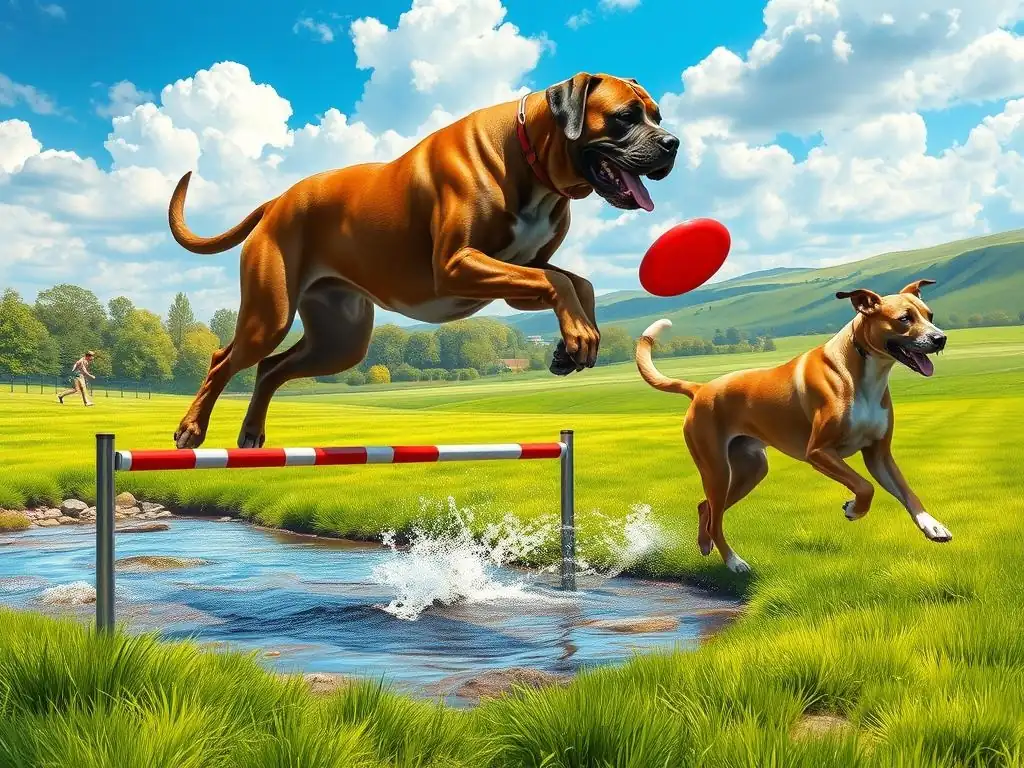
Welcome to PetCareWorld, your ultimate guide to a happier, healthier life for your beloved companion! Are you ready to unlock the secrets to keeping your large dog happy and thriving? We delve into the crucial topic of Large dog breed exercise needs, exploring tailored activities that match their unique size and energy levels. Discover how to avoid common pitfalls and ensure your giant friend gets the physical and mental stimulation they deserve. Let's embark on this journey together—read on to learn more!
- Understanding Large Breed Dog Exercise Needs
- Types of Exercise for Large Dog Breeds
- Creating a Safe and Effective Exercise Program for Your Large Dog
- Common Mistakes to Avoid When Exercising Large Breeds
- Choosing the Right Activities for Your Large Breed Dog
- Adapting Activities to Different Weather Conditions
- Finding Safe and Suitable Exercise Locations: Parks, Trails, and More
- Supplements and Support for Large Breed Exercise
-
Frequently Asked Questions
- How much exercise does a large breed dog need daily?
- What are some suitable exercises for large breed dogs?
- Are there any exercises I should avoid with my large breed dog?
- How can I tell if my large breed dog is getting enough exercise?
- What are the consequences of insufficient exercise for large breed dogs?
- Final Reflection: The Unwavering Bond: Exercise and the Giant Heart
- Unlock Your Dog's Playful Potential!
Understanding Large Breed Dog Exercise Needs
Owning a large breed dog is incredibly rewarding, but it comes with unique responsibilities, especially when it comes to exercise. Meeting the specific exercise needs of your large canine companion is crucial for their physical and mental well-being. This comprehensive guide delves into the specific demands of large breed dogs, exploring the variations in energy levels across different breeds, and emphasizing the importance of joint health in exercise routines.
Understanding these factors is key to ensuring your large dog thrives and enjoys a long, healthy life. Proper exercise is not just about burning energy; it's about preventing future health problems and fostering a strong bond between you and your furry friend. This article will equip you with the knowledge to tailor an exercise plan perfectly suited to your dog's breed, size, and individual energy levels, helping you address the crucial keyword: "Large dog breed exercise needs".
The Unique Physical Demands of Giant Breeds
Giant breeds, such as Great Danes, Irish Wolfhounds, and Saint Bernards, face unique physical challenges. Their sheer size puts significant stress on their joints and bones. Intense, high-impact activities can easily lead to injuries like hip dysplasia or cruciate ligament tears. Therefore, exercise for giant breeds needs to be carefully planned and moderated. Instead of focusing on high-intensity activities, prioritize low-impact exercises like:
- Long, leisurely walks: These are gentler on their joints than running.
- Swimming: This is an excellent low-impact cardiovascular workout.
- Gentle games of fetch: Keep the throws short and avoid jarring movements.
It's crucial to monitor your giant breed dog closely during exercise for any signs of fatigue or discomfort. Remember, prevention is key – a gradual increase in exercise intensity and duration is crucial to avoid overexertion. Regular veterinary check-ups are also essential to monitor joint health and catch potential problems early. Failing to address the specific needs of giant breeds can lead to serious, long-term health issues. The size and weight of these breeds necessitate careful consideration of their physical limitations.
Energy Levels: Variations Within Large Breeds
While all large breeds require significant exercise, their energy levels vary considerably. A Bernese Mountain Dog, for instance, is known for being relatively calm and content with moderate exercise, while a Labrador Retriever needs a much higher level of physical activity. Understanding your dog's breed-specific temperament and energy level is paramount in designing an appropriate exercise plan.
Consider these factors when assessing your large breed's energy needs:
| Breed Type | Typical Energy Level | Suitable Exercise Examples |
|---|---|---|
| Working Breeds | High | Hiking, agility training, long runs (with caution) |
| Sporting Breeds | High to Moderate | Fetch, swimming, frisbee |
| Mastiff-type | Moderate to Low | Leisurely walks, gentle playtime |
Failing to match exercise intensity to your dog's energy level can lead to behavioral problems like destructive chewing or excessive barking. An under-exercised dog, regardless of breed, is likely to be restless and frustrated. Conversely, over-exercising a lower-energy breed can cause undue stress on their joints and lead to injury.
Joint Health and Exercise: Preventing Injury in Large Dogs
Large breed dogs are predisposed to several joint issues, including hip and elbow dysplasia. Inappropriate exercise can exacerbate these conditions. Therefore, protecting your dog's joints is crucial. This involves choosing the right types of exercise and avoiding activities that put excessive stress on their joints.
Here are some key considerations for protecting your large dog's joints:
- Warm-up and cool-down: Always include a gentle warm-up before any exercise and a cool-down afterward.
- Avoid hard surfaces: Opt for softer surfaces like grass or sand whenever possible.
- Gradual increase in intensity: Avoid sudden increases in exercise duration or intensity.
- Proper nutrition: A balanced diet rich in glucosamine and chondroitin can support joint health.
- Monitor for signs of lameness or pain: If you notice any signs of discomfort, consult your veterinarian immediately.
Regular veterinary check-ups are crucial for early detection of joint problems and to ensure that your dog's exercise plan is appropriate for their health status. Remember, a proactive approach to joint health can significantly extend your dog's active and comfortable life. Ignoring these preventative measures can lead to irreversible joint damage and significantly reduce your dog's quality of life.
Types of Exercise for Large Dog Breeds
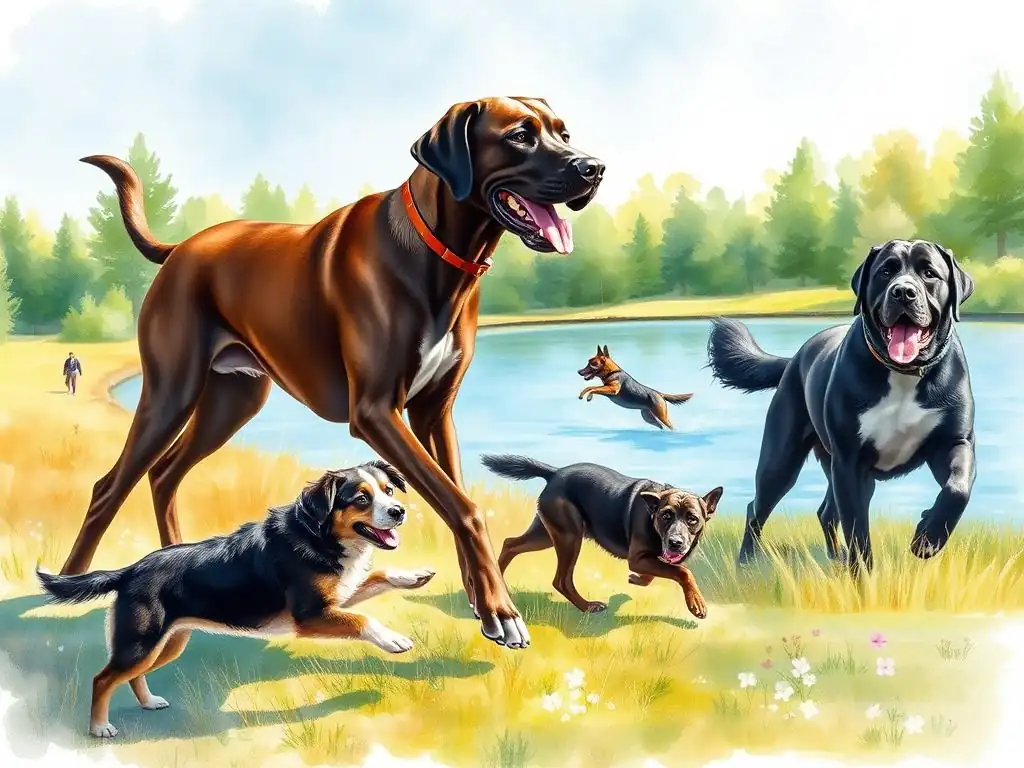
Large dog breed exercise needs are significantly different from those of smaller breeds. Their size and often higher energy levels necessitate a diverse and well-planned exercise regimen to maintain their physical and mental health. Failing to meet these needs can lead to a variety of problems, including obesity, joint issues, and behavioral problems. Understanding the specific exercise requirements of your large breed dog is crucial for their overall well-being.
This section details the key types of exercise suitable for large breeds, focusing on cardiovascular health, strength building, and agility development. Remember to always consult your veterinarian before starting any new exercise program, especially with puppies or dogs with pre-existing health conditions. Proper conditioning is vital to prevent injuries.
Cardiovascular Exercise for Large Dogs: Maintaining a Healthy Heart
Cardiovascular exercise is paramount for large breed dogs. Their large frames require regular exertion to maintain a healthy heart and circulatory system. This type of exercise improves stamina, burns calories, and contributes to overall fitness. Suitable activities include:
- Long, brisk walks: Aim for at least 30-60 minutes of walking daily, adjusting the intensity and duration based on your dog's age, breed, and fitness level. Avoid strenuous activity on excessively hot or cold days.
- Jogging (with appropriate conditioning): Gradually introduce jogging, starting with short intervals and increasing the duration as your dog's fitness improves. Always monitor your dog for signs of fatigue.
- Swimming: Swimming is a low-impact, highly effective cardiovascular exercise that’s particularly beneficial for dogs with joint problems.
- Fetch (with moderation): While fetch is enjoyable, it should be done in moderation to prevent strain on joints. Opt for softer balls and limit the intensity and duration of play.
Remember to consider the breed's specific predispositions. For example, Great Danes are prone to bloat, so intense exercise immediately after eating should be avoided. Consistent, moderate exercise is key to maintaining a healthy heart and preventing cardiovascular issues. Monitoring your dog's breathing and energy levels during exercise is crucial; if they show signs of distress, stop and rest.
Strength Training Exercises for Large Dogs: Building Muscle and Bone Density
Large breeds are prone to orthopedic problems like hip and elbow dysplasia. Strength training helps build and maintain muscle mass and bone density, reducing the risk of these conditions. However, it's essential to avoid overexertion, especially in puppies and young dogs whose bones are still developing. Appropriate strength training activities include:
- Controlled hill walking: Walking uphill strengthens leg muscles and improves cardiovascular fitness. Start with gentle inclines and gradually increase the difficulty as your dog's strength improves.
- Weight-pulling (under supervision): Under the guidance of a professional trainer, weight pulling can be a safe and effective way to build muscle mass. It's crucial to ensure proper technique to avoid injury.
- Obstacle courses (age-appropriate): Simple obstacle courses can be designed to challenge your dog's strength and coordination. Always introduce obstacles gradually and avoid anything too strenuous.
- Stair climbing (in moderation): Climbing stairs can be a good strength-building exercise, but it should be done in moderation to avoid excessive stress on joints.
A well-structured strength training program can significantly contribute to your large breed dog's overall health and longevity. Pay close attention to your dog's body language; if they seem hesitant or uncomfortable with an exercise, stop immediately. Remember, gradual progression is key to preventing injuries.
Agility Training for Large Breeds: Improving Coordination and Flexibility
Agility training is an excellent way to improve your large breed dog's coordination, flexibility, and mental stimulation. It combines physical exercise with mental engagement, providing a holistic approach to fitness. However, it requires careful planning and execution, especially for larger breeds, to avoid injuries. Important considerations include:
- Starting slowly: Begin with basic exercises and gradually increase the difficulty as your dog's skills and fitness improve. Avoid pushing your dog too hard, especially in the beginning.
- Proper conditioning: Adequate cardiovascular and strength training are crucial before starting agility training. This helps prevent injuries and ensures your dog is physically prepared for the demands of agility exercises.
- Focus on technique: Correct technique is essential to prevent injuries. Work with a qualified agility trainer to ensure your dog is learning the exercises correctly.
- Choosing appropriate equipment: Select age-appropriate and well-maintained equipment. Avoid equipment that is too high or challenging for your dog's size and capabilities.
Agility training provides mental enrichment alongside physical exercise, keeping your large dog engaged and happy. Regular sessions can significantly improve their coordination, flexibility, and overall well-being. Remember, safety and gradual progression are paramount. Always prioritize your dog's well-being over pushing them to achieve advanced levels too quickly. Regular veterinary checkups are also recommended to monitor their progress and address any potential concerns.
Mental Stimulation Exercises: Keeping Large Breeds Engaged and Happy
Large breed dogs, despite their impressive physical capabilities, also require significant mental stimulation to prevent boredom, destructive behaviors, and even anxiety. Failing to meet their cognitive needs can lead to a range of problems, from excessive barking and chewing to more serious issues like separation anxiety and aggression. Providing mental enrichment is just as crucial as physical exercise for a well-rounded and happy large breed companion.
One highly effective method is puzzle feeders. These interactive toys require your dog to work for their food, engaging their problem-solving skills and keeping them occupied for extended periods. There's a wide variety available, from simple treat-dispensing balls to more complex puzzles that require multiple steps to access the reward. Gradually increasing the difficulty level as your dog masters each puzzle keeps them challenged and prevents boredom. Remember to supervise your dog, especially initially, to ensure they don't become frustrated.
Another excellent way to stimulate your large breed's mind is through training. This doesn't just mean basic obedience commands; consider incorporating more advanced tricks and agility exercises. Learning new skills provides a sense of accomplishment for your dog and strengthens the bond between you. Positive reinforcement methods, such as rewarding with treats and praise, are crucial for making training a positive and enjoyable experience. Consider enrolling in a dog training class specifically designed for large breeds, which can provide expert guidance and socialization opportunities.
Beyond formal training, nose work is a fantastic mental exercise. Dogs have an incredible sense of smell, and engaging this sense is incredibly stimulating. You can hide treats or toys around the house or yard and let your dog use their nose to find them. This activity is especially beneficial for dogs who enjoy sniffing and exploring. For a more structured approach, you can even consider scent work competitions, which offer a challenging and rewarding experience for both you and your canine companion.
Finally, interactive games are a fun and engaging way to provide mental stimulation. Fetch, tug-of-war, and hide-and-seek are all great options that promote physical activity while also engaging your dog's mind. The key is to vary the games to prevent monotony and keep your dog interested. Remember that the goal is to keep your large breed engaged and challenged, preventing boredom and promoting a happy and well-adjusted canine companion. This mental enrichment, combined with adequate physical exercise, will contribute significantly to their overall well-being. 🐶
Creating a Safe and Effective Exercise Program for Your Large Dog
This section focuses on building a tailored exercise plan for your large breed dog, considering their unique needs and preventing common injuries. Large dog breed exercise needs are significantly different from those of smaller breeds, primarily due to their size and skeletal structure. Ignoring these differences can lead to serious health problems like hip dysplasia and joint issues. A well-structured program is crucial for their physical and mental well-being. We'll explore key aspects to ensure your canine companion thrives.
Assessing Your Dog's Fitness Level and Breed Specific Needs
Before embarking on any rigorous exercise regime, a thorough assessment of your dog's current fitness level is paramount. This isn't just about assessing their energy levels; it's about understanding their physical capabilities and potential limitations based on breed and individual health. Some large breeds, like Great Danes, are predisposed to certain health issues requiring more careful consideration of exercise intensity. Others, like Border Collies, possess naturally high energy levels and require more extensive workouts.
Consider these factors when assessing your dog's fitness:
- Breed predisposition: Research your dog's breed-specific health concerns. Giant breeds are more susceptible to hip and elbow dysplasia, requiring gentler, low-impact exercise.
- Age: Puppies and senior dogs have different exercise needs. Puppies need controlled activity to avoid joint damage, while seniors need gentler exercise to prevent injuries.
- Current weight: Obesity significantly increases the risk of joint problems. If your dog is overweight, gradual weight loss should be a priority before increasing exercise intensity.
- Existing health conditions: Any pre-existing conditions, such as arthritis or heart problems, will dictate the type and intensity of exercise suitable for your dog. Consult your veterinarian for guidance.
A veterinarian's checkup can provide a comprehensive assessment, offering personalized recommendations tailored to your dog's specific needs. This professional evaluation is invaluable in preventing potential injuries and ensuring your dog's long-term health. Remember, a healthy, fit large breed dog is a happy dog!
Gradual Progression of Exercise Intensity: Avoiding Overexertion
The key to a successful exercise program for a large breed dog is gradual progression. Avoid pushing your dog too hard, too soon. This is particularly crucial for puppies and young dogs whose bones and joints are still developing. Sudden increases in activity can lead to serious injuries, such as sprains, strains, and even fractures.
Start with short, low-impact activities and gradually increase the duration and intensity over several weeks. For example:
| Week | Duration (minutes) | Activity Type | Intensity Level |
|---|---|---|---|
| 1 | 10-15 | Leash walks on flat surfaces | Low |
| 2 | 20-25 | Leash walks, gentle incline walks | Low to Moderate |
| 3 | 30-35 | Leash walks, short periods of fetch | Moderate |
| 4 | 40-45 | Longer walks, varied terrain | Moderate to High |
Always monitor your dog's body language. Signs of fatigue include panting, slowing down, or reluctance to continue. Respect these signals and reduce the intensity or duration of the exercise. Remember, consistency is key, but safety should always come first. Listen to your dog; they’ll tell you when they've had enough.
Monitoring Your Dog for Signs of Fatigue or Injury
Regular monitoring of your large breed dog's physical condition during and after exercise is essential. Early detection of fatigue or injury is crucial for preventing long-term problems. Be vigilant and look for the following signs:
- Limping: Obvious lameness is a clear indication of a potential injury.
- Stiffness: Difficulty getting up or moving after exercise suggests muscle soreness or joint problems.
- Excessive panting: While panting is normal after exercise, excessive or labored breathing could indicate overexertion or a respiratory issue.
- Lethargy: Unusual tiredness or unwillingness to play could signal an underlying problem.
- Changes in appetite or behavior: These subtle changes can also be indicators of discomfort or illness.
If you observe any of these signs, immediately stop the exercise and consult your veterinarian. Early intervention can significantly improve your dog's prognosis and prevent more serious complications. Remember, a proactive approach to your dog's health is the best way to ensure their happiness and longevity. A healthy, active large breed dog is a joy to own, but responsible exercise planning is key to achieving this. 🐶
Hydration and Nutrition for Optimal Performance
Maintaining optimal hydration and nutrition is crucial for your large breed dog's exercise performance and overall health. Dehydration can significantly impact energy levels and even lead to serious health problems, especially during strenuous activity. Large dogs, with their larger body mass, are particularly susceptible to dehydration, requiring a more attentive approach to water intake. Always ensure fresh, clean water is readily available, especially before, during, and after exercise sessions.
Consider carrying a portable water bowl during longer walks or hikes. The amount of water needed will vary depending on factors like the intensity and duration of the exercise, the weather conditions, and your dog's individual needs. Observing your dog's urine color is a good indicator of hydration; pale yellow is ideal, while dark yellow suggests dehydration.
Nutritional needs also play a vital role in your dog's ability to perform physical activities. Large breeds have specific dietary requirements to support their growth and development, especially during their puppyhood and adolescence. Their food should be formulated to meet these needs, providing adequate protein, carbohydrates, and essential fats for energy production and muscle maintenance. Avoid feeding your dog human food, as many common human foods are toxic to dogs.
Always consult with your veterinarian to determine the best diet for your dog's age, breed, activity level, and any specific health conditions. They can help you choose a high-quality dog food that meets your dog's energy demands and supports their musculoskeletal system. Feeding schedules should also be adjusted to accommodate increased energy expenditure during periods of intense exercise. You may need to increase the portion size or the frequency of feeding to provide sufficient energy for their activities.
Monitoring your dog's weight and body condition is essential to ensure they are maintaining a healthy weight and are not overweight or underweight. Overweight dogs are at increased risk of joint problems and other health issues that can further limit their exercise capabilities. Finally, consider supplementing their diet with joint supplements, especially as they age, to help maintain healthy joints and reduce the risk of injury during exercise. These supplements often contain glucosamine and chondroitin, which support cartilage health.
Common Mistakes to Avoid When Exercising Large Breeds
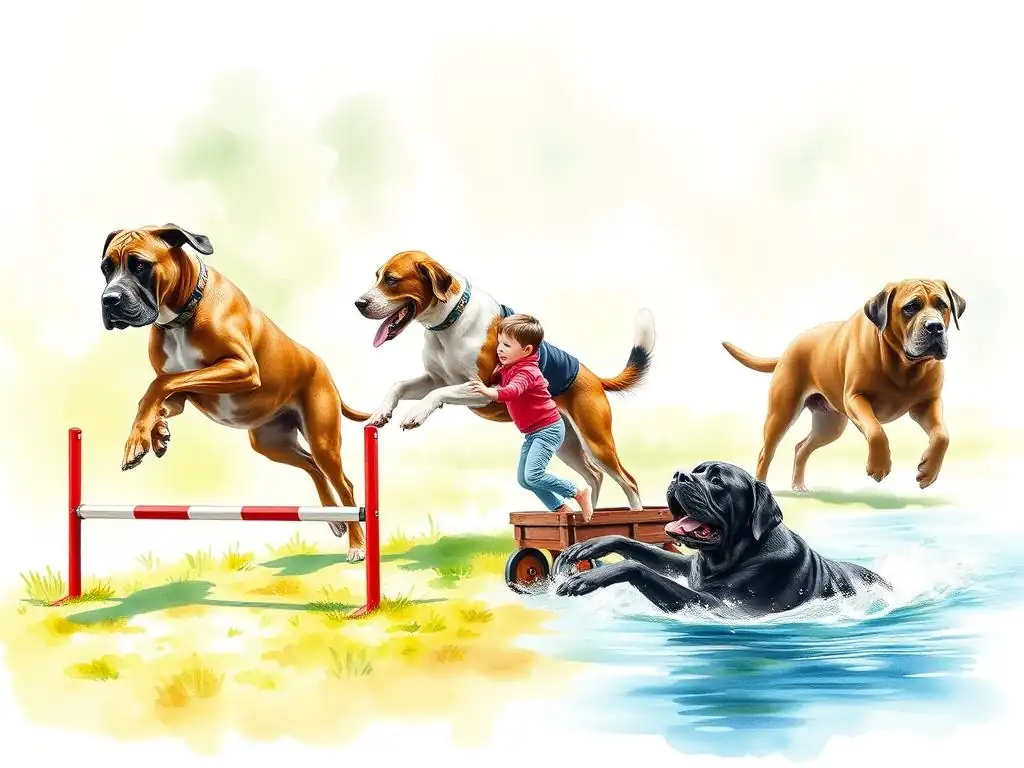
Large dog breed exercise needs are often misunderstood, leading to common mistakes that can negatively impact your dog's health and well-being. Understanding these pitfalls is crucial for ensuring your canine companion thrives. Failing to address these issues can lead to serious health problems and a less fulfilling relationship with your pet. Let's delve into some critical areas where many owners fall short.
Overtraining: The Risks of Excessive Exercise
Overtraining is a significant concern for large breed dogs. Their larger size and often higher energy levels can tempt owners to push them too hard, believing more is better. This couldn't be further from the truth. Overexertion can lead to a range of problems, including:
- Joint damage: Large breeds are predisposed to joint issues like hip and elbow dysplasia. Excessive exercise puts undue stress on these joints, accelerating degeneration and potentially leading to debilitating conditions requiring expensive veterinary intervention. Think of it like this: a marathon runner without proper training is more likely to get injured than one who follows a structured plan. Your dog is the same.
- Muscle strains and tears: Pushing your dog beyond its limits can result in muscle injuries, causing pain, inflammation, and limited mobility. These injuries can take weeks or even months to heal, significantly impacting your dog's quality of life.
- Cardiovascular issues: Overexertion places strain on the cardiovascular system. While exercise is beneficial for heart health in moderation, excessive exercise can lead to heart problems in susceptible breeds.
- Heatstroke: Large dogs are more susceptible to heatstroke, especially during strenuous activity in warm weather. Their larger mass means they generate more heat, and their panting mechanism may not be sufficient to dissipate it quickly enough during intense exercise.
Remember, gradual progression is key. Start with shorter, less intense sessions and gradually increase the duration and intensity as your dog's fitness improves. Always monitor your dog for signs of fatigue, such as panting, lethargy, or reluctance to continue. Listen to your dog – they will tell you when they've had enough! Consider consulting with a veterinarian or canine fitness professional to create a tailored exercise plan for your breed and your dog's specific needs.
Incorrect Exercise Techniques: Preventing Joint Problems
The way you exercise your large breed dog is just as important as the amount. Improper techniques can exacerbate joint problems and lead to injuries. Here are some key considerations:
- Avoid high-impact activities: Activities like jumping, running on hard surfaces, and playing fetch with forceful throws should be minimized, especially in younger dogs or those with pre-existing joint conditions. Opt for lower-impact exercises like swimming, walking on soft surfaces, or playing gentle games of fetch in a grassy area.
- Proper warm-up and cool-down: Just as humans need to warm up before a workout and cool down afterward, so do dogs. A short warm-up before exercise helps prepare muscles and joints for activity, while a cool-down helps reduce muscle soreness and prevent injuries.
- Controlled leash training: Pulling on the leash puts significant strain on your dog's neck and shoulders, potentially leading to long-term problems. Use a harness instead of a collar and practice loose-leash walking techniques. This is crucial for the health of their joints and spine.
Remember, prevention is always better than cure. By focusing on proper techniques, you can significantly reduce the risk of joint problems and ensure your large breed dog enjoys a long, active life. Observe your dog carefully during exercise; any signs of limping or discomfort warrant immediate attention.
Ignoring Individual Needs: Tailoring Exercise to Your Dog's Personality
Every dog is an individual, and their exercise needs vary based on factors like breed, age, health, and personality. Ignoring these individual needs can lead to frustration for both you and your dog.
- Breed-specific considerations: Certain large breeds are naturally more energetic than others. A Great Dane, for instance, may have different exercise requirements than a Newfoundland. Research your specific breed's typical energy levels and activity needs.
- Age and health: Puppies and senior dogs have different exercise needs than adult dogs. Puppies' joints are still developing, requiring gentler exercise, while senior dogs may have age-related joint issues that limit their activity level.
- Personality: Some dogs are naturally more energetic and playful than others. A highly active dog will require more exercise than a calmer, more laid-back dog. Forcing a less energetic dog into strenuous activity will likely lead to stress and unhappiness.
Consider your dog's individual preferences and adjust your exercise routine accordingly. Observe your dog's body language and energy levels. If your dog seems tired or disinterested, shorten the exercise session. Remember, the goal is to provide your dog with enjoyable and beneficial exercise that fits their unique needs and personality. A happy, well-exercised dog is a healthy dog! 🐕
Choosing the Right Activities for Your Large Breed Dog

Choosing the right exercise for your large breed dog is crucial for their physical and mental well-being. Large breeds, with their powerful builds and often high energy levels, require activities that cater to their specific needs. Ignoring these needs can lead to various health problems, including obesity, joint issues (like hip and elbow dysplasia), and behavioral problems stemming from pent-up energy. Understanding your dog's breed, age, and individual energy levels is paramount. For instance, a young, energetic Great Dane will have vastly different exercise requirements than an older, more sedentary Newfoundland.
Remember, the goal isn't just to tire your dog physically; it's to provide mental stimulation as well. A bored large breed dog is a recipe for destructive behavior. Therefore, incorporating activities that challenge their minds, such as puzzle toys or scent work, is just as important as physical exertion. This holistic approach ensures a happier, healthier, and better-behaved canine companion. Consider factors like your dog's breed predispositions to certain health issues. For example, breeds prone to hip dysplasia might benefit more from low-impact exercises like swimming.
Best Exercises for Specific Large Breeds
Different large breeds have varying energy levels and physical capabilities. Tailoring exercises to their specific needs is essential. Here's a glimpse into the exercise preferences of some popular large breeds:
| Breed | Ideal Exercises | Considerations |
|---|---|---|
| Great Dane | Swimming, leisurely walks, fetch (short bursts) | Prone to bloat; avoid strenuous exercise after meals |
| Labrador Retriever | Fetch, hiking, agility training | High energy; needs significant daily exercise |
| German Shepherd Dog | Hiking, running, obedience training | Intelligent and active; requires mental stimulation |
| Bernese Mountain Dog | Moderate walks, swimming, gentle games | Prone to hip and elbow dysplasia; low-impact activities |
| Newfoundland | Swimming, calm walks, gentle play | Gentle giant; prone to obesity; needs controlled exercise |
Remember, this table provides general guidelines. Individual dogs within a breed can vary significantly in their energy levels and needs. Observe your dog's behavior and adjust the intensity and duration of exercise accordingly. Always prioritize their comfort and well-being. 🐶
Adapting Activities to Different Weather Conditions
The weather significantly impacts your large breed dog's exercise routine. Extreme heat or cold can be dangerous, even life-threatening. Adjusting activities based on the weather is crucial for their safety and comfort.
Adapting Activities to Different Weather Conditions
- Extreme Heat: Avoid strenuous exercise during the hottest parts of the day. Opt for early morning or late evening walks, ensuring access to plenty of water. Consider shorter, less intense activities or even skipping exercise altogether on excessively hot days. Signs of heatstroke include excessive panting, drooling, and lethargy – seek veterinary attention immediately if these are observed. 🥵
- Cold Weather: Large breeds, with their larger surface area to volume ratio, can lose heat more quickly than smaller breeds. Keep walks shorter in freezing temperatures, and consider using a dog coat or booties to protect their paws from ice and snow. ❄️
- Rain: While a light rain shower might not be a problem, heavy rain can make surfaces slippery, increasing the risk of injury. If the weather is particularly bad, opt for indoor activities like playing fetch in the house or engaging in interactive puzzle games. 🌧️
Finding Safe and Suitable Exercise Locations: Parks, Trails, and More

The environment where you exercise your large breed dog is just as important as the activity itself. Choosing safe and suitable locations is crucial for preventing injuries and ensuring a positive experience for both you and your furry friend.
Finding Safe and Suitable Exercise Locations: Parks, Trails, and More
Finding the right exercise location is vital for your large dog's safety and enjoyment. Consider the following factors:
- Fenced Areas: For dogs with strong prey drives or a tendency to wander, securely fenced areas are essential. This prevents escapes and ensures their safety. Off-leash dog parks can be great, but always assess your dog's temperament and recall before letting them off-leash.
- Trail Conditions: When choosing hiking trails, consider the terrain. Steep inclines and uneven surfaces can put stress on your dog's joints. Opt for well-maintained trails appropriate for your dog's age and physical condition.
- Traffic: Avoid busy roads and areas with heavy foot traffic. Large dogs can be intimidating to other people and pets, and the risk of accidents increases in crowded spaces. Prioritize quiet, less populated areas.
- Water Access: If your dog enjoys swimming, consider locations with safe and accessible bodies of water. Always supervise your dog closely near water, as even strong swimmers can get into trouble.
Remember, responsible pet ownership includes providing a safe and enriching environment for your large breed dog to thrive. Regular exercise is crucial, but it's equally vital to prioritize your dog's safety and well-being in every aspect of their daily routine.
Supplements and Support for Large Breed Exercise
Large dog breed exercise needs extend beyond just playtime; proper supplementation and nutritional support play a crucial role in maintaining their health and well-being, especially as they age. Failing to address these needs can lead to various health issues, impacting their quality of life and potentially shortening their lifespan. This section focuses on key areas to consider when supplementing your large breed's exercise routine.
Joint Supplements for Large Breeds: Protecting Against Arthritis
Large breeds are predisposed to joint problems like hip and elbow dysplasia, and osteoarthritis. The strain of regular, vigorous exercise, while essential, can exacerbate these conditions if not managed properly. Joint supplements, therefore, become a vital component of a comprehensive exercise plan. These supplements often contain glucosamine and chondroitin, naturally occurring substances that support cartilage health and reduce inflammation. Some also include MSM (methylsulfonylmethane) which possesses anti-inflammatory properties.
Choosing the right supplement requires careful consideration. Look for products specifically formulated for large breeds, indicating appropriate dosages and ingredients. Always consult your veterinarian before starting any supplement regimen, as they can assess your dog's individual needs and potential interactions with other medications. They can also help you determine the appropriate dosage based on your dog's weight, breed, and activity level.
Ignoring this crucial step can potentially lead to adverse effects or ineffective treatment. Remember that supplements are not a replacement for a healthy diet and regular veterinary check-ups. They serve as a supportive measure to enhance joint health and mitigate the risks associated with strenuous activity.
Nutritional Considerations for Active Large Dogs
Nutritional needs are significantly different for active large breeds compared to their less active counterparts. A high-quality diet rich in protein, healthy fats, and essential nutrients is paramount to supporting their energy levels and muscle mass development. Active dogs require more calories to fuel their exercise routines. A diet deficient in essential nutrients can lead to muscle weakness, fatigue, and increased susceptibility to injury.
Consider the following factors when choosing a diet:
- Protein Content: High-quality protein sources are crucial for muscle repair and growth. Look for diets with animal-based proteins as primary ingredients.
- Fat Content: Healthy fats provide energy and support healthy skin and coat. Choose diets with sources like fish oil or flaxseed oil.
- Calorie Density: Active dogs need more calories. Adjust portion sizes based on your dog's breed, weight, age, and activity level. Consult your veterinarian or a veterinary nutritionist for personalized recommendations.
- Joint Health: Diets specifically formulated for large breeds often contain added nutrients to support joint health, such as glucosamine and chondroitin.
It's important to avoid overfeeding, which can lead to obesity, further stressing joints and reducing exercise tolerance. Monitor your dog's weight regularly and adjust their food intake accordingly. A balanced diet, tailored to their activity level, is a critical component of supporting their exercise regime. Remember, a well-nourished dog is a healthier and happier dog, better equipped to handle the demands of a robust exercise program.
Veterinary Guidance on Exercise Programs
Before embarking on any rigorous exercise program, a consultation with your veterinarian is crucial, especially for large breeds. They can assess your dog's overall health, identify any potential health risks, and provide guidance on appropriate exercise types and intensity. This is particularly important for puppies and senior dogs, whose bodies are more susceptible to injury.
Your vet can help you create a safe and effective exercise plan tailored to your dog's specific needs and limitations. They can also advise on:
- Breed-Specific Considerations: Different large breeds have different physical predispositions and energy levels. Your vet can help you choose activities that are suitable for your dog's breed.
- Age-Appropriate Exercise: Puppies and senior dogs require different exercise routines. Overexertion can lead to serious injuries in growing puppies, while older dogs may need gentler activities to protect their joints.
- Early Detection of Problems: Regular veterinary check-ups can help identify potential problems early on, allowing for timely intervention and preventing further complications.
Regular veterinary check-ups, combined with a well-structured exercise plan, are key to ensuring your large breed enjoys a long and healthy life. Remember that prevention is always better than cure, and proactive veterinary care can significantly reduce the risk of exercise-related injuries. Don't hesitate to seek professional advice; it's an investment in your dog's well-being.
Frequently Asked Questions
How much exercise does a large breed dog need daily?
The amount of exercise varies greatly depending on the breed, age, and individual dog's energy level. Generally, large breeds need at least 60-90 minutes of exercise per day, broken into multiple sessions. Consult your vet for personalized recommendations.
What are some suitable exercises for large breed dogs?
Long walks, jogging (if the dog is healthy enough), swimming, and fetch are all excellent options. Consider activities that engage both their physical and mental capabilities, such as obedience training or puzzle games.
Are there any exercises I should avoid with my large breed dog?
Avoid high-impact activities like extreme jumping or running on hard surfaces, especially for puppies or senior dogs, as this can strain their joints. Overexertion can lead to serious injuries.
How can I tell if my large breed dog is getting enough exercise?
Observe your dog's behavior and energy levels. A well-exercised dog is usually calm and relaxed indoors, sleeps soundly, and shows less destructive behavior. If your dog seems restless or hyperactive, they likely need more exercise.
What are the consequences of insufficient exercise for large breed dogs?
Lack of exercise can lead to weight gain, joint problems, destructive behaviors, and anxiety. It can also significantly impact their overall health and well-being, shortening their lifespan.
Final Reflection: The Unwavering Bond: Exercise and the Giant Heart
The need for tailored exercise in large breed dogs isn't just a matter of physical health; it's the cornerstone of a happy, fulfilling life for both dog and owner. Ignoring these unique needs can lead to serious health problems and a strained relationship, impacting the quality of life for everyone involved. This isn't just about preventing hip dysplasia; it's about fostering a bond built on mutual understanding and joyful shared experiences.
The impact of proper exercise extends far beyond the physical. It shapes the dog's temperament, reduces behavioral issues stemming from pent-up energy, and strengthens the human-animal bond in profound ways. A tired dog is a good dog,
is a common saying, but it's more than just a cliché; it speaks to the transformative power of appropriate physical and mental stimulation. It's about creating a partnership where both parties thrive, a testament to the deep connection we can share with our canine companions. The joy of a long hike with a happy, healthy dog is a reward in itself, a reminder of the simple pleasures life offers.
Consider the information presented within this article. Think about your own dog, their breed, their energy levels, and their individual needs. Are you providing them with the right kind of exercise, the right amount of mental stimulation, and the right opportunities for joyful interaction? Take the time to reassess your approach, to listen to your dog's cues, and to build a stronger, healthier, and more fulfilling relationship based on mutual respect and understanding. The journey towards a happier, healthier life for your large breed companion starts with you.
Unlock Your Dog's Playful Potential!
Thank you for exploring the world of large breed dog exercise with us! We hope you've gained valuable insights into keeping your canine companion happy and healthy. Now, let's put that knowledge into action.
- Create a Personalized Exercise Plan: Develop a daily routine tailored to your dog's breed, age, and energy level. This should include a variety of activities, from brisk walks to engaging games of fetch, gradually increasing the intensity and duration as your dog's fitness improves.
- Share Your Successes: We'd love to hear about your favorite activities and how you've adapted them for your dog! Your experiences can inspire others in our PetCareWorld community.
- Explore New Activities: Have you considered canine sports like dock diving or weight pulling? These can be incredibly rewarding and beneficial for large breeds, providing both physical and mental stimulation.
What exciting new exercise adventures will you and your dog embark on today?