
The Ultimate Guide to Feeding Your Carnivorous Reptile: What You Need to Know


Welcome to PetCareWorld, your ultimate destination for expert pet care advice! Are you ready to unlock the secrets to thriving reptile ownership? Our comprehensive Carnivorous Reptile Feeding Guide dives deep into the essential dietary needs of your scaly companion, ensuring their health and happiness. Discover the crucial nuances of proper nutrition and avoid common pitfalls – prepare to become a confident and informed reptile caregiver. Let's explore the fascinating world of carnivorous reptile diets together!
- Understanding Your Carnivorous Reptile's Dietary Needs
- Choosing the Right Prey for Your Carnivorous Reptile
- Feeding Frequency and Techniques for Carnivorous Reptiles
- Maintaining Optimal Gut Health in Your Carnivorous Reptile
- Supplements and Nutritional Considerations for Carnivorous Reptiles
- Common Mistakes to Avoid When Feeding Carnivorous Reptiles
- Monitoring Your Carnivorous Reptile's Health and Weight
- Resources and Further Learning on Carnivorous Reptile Nutrition
- Frequently Asked Questions
- Final Reflection: A Legacy of Life, One Meal at a Time
- Unleash Your Reptile's Inner Predator: Master Feeding Techniques!
Understanding Your Carnivorous Reptile's Dietary Needs
Providing proper nutrition is paramount to the health and longevity of your carnivorous reptile. Unlike herbivorous or omnivorous reptiles, carnivores have specific dietary needs that must be met to ensure they thrive. This comprehensive guide will delve into the crucial aspects of feeding your carnivorous reptile, covering everything from identifying their species-specific requirements to understanding the essential nutrients they need for a healthy and vibrant life.
Failing to provide a balanced and appropriate diet can lead to various health problems, including metabolic bone disease, nutritional deficiencies, and weakened immune systems. Therefore, understanding your reptile's dietary needs is not just important—it's essential for responsible pet ownership. This guide will equip you with the knowledge to create a feeding plan that ensures your carnivorous companion receives the optimal nutrition they require for a long and healthy life.
We'll explore the nuances of feeding juvenile versus adult reptiles, and highlight the critical role of protein, fat, and essential vitamins in their diet. Let's embark on this journey to becoming a knowledgeable and responsible carnivorous reptile caregiver.
Identifying Your Reptile's Species and Specific Dietary Requirements
The first step in crafting a suitable feeding plan for your carnivorous reptile is accurately identifying its species. Different species have drastically different dietary requirements. For instance, a corn snake's diet will differ significantly from that of a bearded dragon (despite the fact that bearded dragons are omnivores, their diet still differs significantly from true carnivores). Knowing the specific species allows you to research its natural diet and mimic it as closely as possible in captivity.
This often involves understanding the size and type of prey animals they consume in the wild. Some carnivorous reptiles are specialists, feeding almost exclusively on a single type of prey, while others have more diverse diets. Consult reputable herpetological resources, books, and even experienced breeders to determine the precise dietary needs of your specific reptile.
This initial research will lay the groundwork for a successful and healthy feeding regime. Remember, a misidentified diet can have severe consequences. For example, feeding a reptile prey that is too large can cause digestive issues and even death.
Juvenile vs. Adult Carnivorous Reptile Diets: Key Differences
The dietary needs of juvenile and adult carnivorous reptiles differ significantly. Juveniles require more frequent feeding and a higher proportion of protein in their diet to support their rapid growth. They generally need to be fed every other day or even daily, depending on their species and size.
Adults, on the other hand, require less frequent feeding and a slightly lower protein intake, adjusted to maintain their adult weight and overall health. The frequency and size of meals should be adjusted based on the individual reptile's growth rate, activity level, and overall health. Always monitor your reptile's weight and adjust feeding accordingly.
Overfeeding can lead to obesity and related health problems, while underfeeding can result in malnutrition and stunted growth. Regular weighing and observation are crucial in maintaining the correct feeding schedule for your reptile throughout its life stages. This careful monitoring ensures your reptile receives optimal nutrition throughout its development.
Essential Nutrients for Carnivorous Reptiles: Proteins, Fats, and Vitamins
Carnivorous reptiles require a diet rich in high-quality protein to support muscle development and overall health. The protein source should ideally mimic what they would consume in the wild – whole prey items such as appropriately sized mice, rats, insects, or fish (depending on the species). Processed reptile foods can be supplemented, but should not replace whole prey. Furthermore, fats are crucial for energy production, hormone regulation, and the absorption of fat-soluble vitamins.
A balanced diet will naturally provide the necessary fats. Finally, various vitamins and minerals are essential for bone health, immune function, and overall well-being. Calcium is particularly important for preventing metabolic bone disease, a common problem in reptiles with inadequate calcium intake.
Reptile-specific vitamin and mineral supplements can be used to ensure that your reptile receives the correct balance of nutrients. However, always follow the instructions carefully to avoid over-supplementation, which can be just as harmful as under-supplementation. Remember that a balanced diet consisting primarily of whole prey is the foundation of a healthy carnivorous reptile.
Choosing the Right Prey for Your Carnivorous Reptile

This section delves into the crucial aspects of selecting appropriate prey for your carnivorous reptile, ensuring its health and well-being. Choosing the right food is paramount for a thriving reptile; an improper diet can lead to serious health issues, including metabolic bone disease (MBD), nutritional deficiencies, and ultimately, death. Understanding your reptile's specific dietary needs is the first step towards responsible pet ownership. This guide focuses on providing detailed information to help you make informed decisions about your carnivorous reptile's diet. Remember, a well-fed carnivorous reptile is a happy and healthy reptile!
Selecting Appropriate Prey Sizes Based on Reptile Size
The size of the prey offered to your carnivorous reptile is critically important. Feeding prey that is too large can cause regurgitation, stress, and even internal injuries. Conversely, prey that is too small may not provide sufficient nutrition. A good rule of thumb is to select prey that is no larger than the widest part of your reptile's head.
For example, a small juvenile leopard gecko ( Eublepharis macularius) might start with appropriately sized crickets or mealworms, while a larger adult could handle larger insects like dubia roaches or even pinky mice (depending on the individual and its established diet). Larger species, such as certain monitor lizards, require significantly larger prey items such as whole mice, rats, or even larger animals, depending on the species and size of the reptile. Always consult with a veterinarian or experienced reptile keeper specializing in your specific species for precise recommendations.
| Reptile Size Category | Appropriate Prey Size Example | Considerations |
|---|---|---|
| Small | Small insects (crickets, mealworms) | Monitor for signs of choking or difficulty swallowing. |
| Medium | Medium insects (dubia roaches), small rodents | Ensure prey is appropriately sized to avoid regurgitation. |
| Large | Larger rodents (mice, rats), whole prey items | Adjust feeding frequency based on prey size and reptile’s metabolic needs. |
It's crucial to monitor your reptile's feeding behavior. If it struggles to consume prey, adjust the size accordingly. Regular veterinary check-ups are also essential to ensure your reptile is maintaining a healthy weight and receiving adequate nutrition. Remember, consistent monitoring and adjustment are key components of responsible carnivorous reptile care.
The Importance of Variety in Prey Selection: Avoiding Nutritional Deficiencies
While many carnivorous reptiles may seem to thrive on a single prey item, a varied diet is crucial to prevent nutritional deficiencies. This is particularly true for reptiles kept in captivity, where their diet is entirely under your control. A monotonous diet can lead to imbalances in essential vitamins, minerals, and other nutrients, causing long-term health problems.
Consider offering a rotation of different prey types. For instance, a reptile that primarily eats crickets might also benefit from occasional meals of dubia roaches, waxworms (in moderation), or other appropriate insects, providing a broader spectrum of nutrients. Similarly, a snake that eats mice might also benefit from the occasional rat, depending on its size and species.
A varied diet is essential for maintaining the health and vitality of your carnivorous reptile. Think of it like a balanced human diet – a single food source will not provide all the necessary nutrients.
This variety not only prevents nutritional deficiencies but also adds interest to feeding time, potentially stimulating your reptile’s natural hunting instincts. Remember that even small variations can significantly improve your reptile's overall health and well-being. Consult with a reptile veterinarian or experienced keeper to develop a suitable rotation plan for your specific reptile.
Sourcing Safe and High-Quality Prey: Ethical Considerations and Suppliers
Sourcing safe and high-quality prey is essential for the health and well-being of your carnivorous reptile. Wild-caught prey carries a significant risk of parasites and diseases that can be transmitted to your pet. Therefore, it is strongly recommended to only use captive-bred prey items.
Ethical sourcing is also paramount. Many reputable breeders prioritize the humane treatment of their animals, ensuring they are raised in clean and healthy environments. This not only benefits your reptile but also contributes to responsible and sustainable practices within the reptile keeping community.
Choosing a reputable supplier is vital. Look for breeders who are transparent about their husbandry practices and can provide proof of their animals' health. Ask questions about their feeding regimens, hygiene protocols, and disease prevention measures. A responsible breeder will be happy to answer your questions and address your concerns.
Consider the following factors when selecting a supplier:
- Reputation and reviews from other reptile keepers.
- Transparency regarding breeding practices and animal welfare.
- Availability of a variety of prey species.
- Health guarantees and disease prevention protocols.
By carefully selecting your prey source, you are not only ensuring the health of your reptile but also contributing to a more ethical and sustainable reptile keeping community. The well-being of your pet depends heavily on the quality and source of its food. Don't compromise; choose wisely!
Preparing Prey for Feeding: Thawing, Gut Loading, and Supplementation
Proper preparation of prey items is crucial for the health and well-being of your carnivorous reptile. This involves more than simply thawing frozen food; it encompasses a process of gut loading and supplementation to ensure your reptile receives a complete and balanced diet. Neglecting these steps can lead to nutritional deficiencies and health problems down the line.
Thawing Frozen Prey: Never feed frozen prey directly to your reptile. Rapid thawing in warm water is the safest and most effective method. Avoid microwaving, as this can create hot spots that could burn your reptile's food and potentially harm the animal upon consumption. Once thawed, the prey should be at room temperature before offering it to your reptile.
Inspect the prey carefully for any signs of spoilage before feeding – any discoloration, unusual odor, or slimy texture should be cause for discarding the item. Always use clean utensils and thoroughly wash your hands after handling frozen or thawed prey. This helps prevent the spread of bacteria and parasites.
Gut Loading: Gut loading is the process of feeding the prey animal a nutritious diet before offering it to your reptile. This is critical because the nutritional value of the prey is transferred to your reptile. A well-gut-loaded prey item will be packed with vitamins, minerals, and other essential nutrients that your reptile needs to thrive.
For example, feeding crickets a diet rich in high-quality commercial cricket food, leafy greens, and vegetables before feeding them to your reptile significantly increases the nutritional value of the cricket. The type of gut loading diet will vary depending on the prey species. Research the specific dietary needs of your chosen prey insects or rodents for optimal results.
Supplementation: While gut loading significantly improves the nutritional value of prey, supplementation often remains necessary. Many commercial supplements are available, specifically formulated for carnivorous reptiles. These supplements typically contain calcium, vitamin D3, and other essential vitamins and minerals often lacking in prey animals alone.
The correct dosage and frequency of supplementation will depend on the species of reptile, its age, and its overall health. Always follow the instructions on the supplement packaging carefully, and consult with a veterinarian or herpetologist if you are unsure about the appropriate supplementation regimen for your pet. Over-supplementation can be just as harmful as under-supplementation.
Regular veterinary check-ups are essential to monitor your reptile's health and adjust the supplementation plan as needed. Remember, a healthy and balanced diet is the cornerstone of a healthy and happy carnivorous reptile. Proper thawing, gut loading, and supplementation are crucial steps in ensuring your reptile receives the nutrition it needs to flourish.
Feeding Frequency and Techniques for Carnivorous Reptiles
This section delves into the crucial aspects of feeding frequency and appropriate techniques for maintaining the health and well-being of your carnivorous reptile. Understanding these elements is paramount for responsible reptile ownership and contributes significantly to the longevity and vibrancy of your pet. A well-structured feeding regimen, combined with safe handling practices, forms the cornerstone of successful carnivorous reptile care. This guide provides detailed information to help you navigate this important aspect of reptile ownership.
Establishing a Consistent Feeding Schedule for Optimal Health
A consistent feeding schedule is vital for maintaining the health of your carnivorous reptile. The frequency depends heavily on the species, age, and size of your reptile. For example, juvenile reptiles generally require more frequent feedings than adults. They are experiencing rapid growth and need a higher caloric intake to support their development. Adults, on the other hand, need less frequent meals to maintain their body condition.
Here's a general guideline, but always consult a veterinarian specializing in reptiles for species-specific advice:
- Juveniles (under 1 year): May require daily or every-other-day feeding, depending on the species and growth rate. Observe their weight and growth to adjust feeding frequency as needed. Monitor for signs of obesity or malnutrition.
- Adults (over 1 year): Typically fed 2-3 times per week, or even less frequently depending on the species. Overfeeding can lead to health problems such as obesity and liver disease.
- Very large adults: May only require feeding once a week or even less frequently.
Remember, visual observation is key. A healthy carnivorous reptile will have a plump body, clear eyes, and active behavior. Adjust feeding frequency based on these visual cues. Underweight reptiles will require more frequent meals, while overweight reptiles need a reduction in feeding frequency and portion size. Maintaining a healthy weight is crucial for preventing various health complications. Always weigh your reptile regularly to monitor its growth and weight accurately.
Safe Handling and Feeding Techniques to Prevent Injury
Safe handling during feeding is crucial for both your safety and the reptile's well-being. Carnivorous reptiles can possess sharp teeth and powerful jaws, posing a potential risk during feeding. Following these techniques minimizes the chances of injury:
- Use appropriate tongs or feeding forceps: Never handle prey items with your bare hands. This prevents accidental bites and the potential transmission of diseases. Use long-handled tongs to deliver food items safely.
- Avoid handling the reptile during or immediately after feeding: Reptiles can become aggressive when feeding, especially if they are stressed or hungry. Give them ample time to consume their food before handling.
- Provide a suitable feeding environment: Offer food in a separate enclosure to reduce stress and avoid accidental bites. This also keeps the main enclosure clean and prevents the build-up of uneaten food.
- Appropriate prey size: Ensure the prey items are appropriately sized for your reptile. Too large a prey item can cause injury, while too small may not provide sufficient nutrition. Consult species-specific guidelines for appropriate prey size.
- Supervise feeding: Always supervise the feeding process to ensure your reptile eats the prey and to promptly remove any uneaten food. This prevents spoilage and the potential for bacterial growth.
Observing Your Reptile's Eating Habits: Identifying Potential Problems
Regular observation of your reptile's eating habits is essential for early detection of potential health issues. Changes in appetite, feeding behavior, or the rejection of food can indicate underlying problems.
- Loss of appetite: A sudden loss of appetite can be a significant indicator of illness or stress. Consult a veterinarian immediately if your reptile stops eating.
- Refusal of specific prey items: This can sometimes be due to a preference for certain types of food, but it can also indicate a dietary deficiency or health problem.
- Difficulty swallowing: If your reptile struggles to swallow its food, this could indicate a mouth or throat infection or other health issues.
- Regurgitation: The regurgitation of food can point to various problems, including parasites, improper feeding techniques, or underlying medical conditions.
Maintaining detailed feeding records—including date, type and amount of food offered, and amount consumed—is incredibly valuable for tracking your reptile's eating habits and identifying any potential problems early on. This information will be crucial for veterinary diagnosis and treatment. Early intervention is key to resolving potential health issues and ensuring the well-being of your carnivorous reptile. Regular veterinary check-ups are also highly recommended. Remember, proactive monitoring is essential for the long-term health of your pet.
Dealing with Picky Eaters: Strategies for Encouraging Food Intake
Even the most well-cared-for carnivorous reptile can sometimes exhibit picky eating habits. This can be frustrating for owners, but understanding the underlying causes and employing effective strategies can significantly improve food intake. Several factors can contribute to a reptile's reluctance to eat, including stress, improper temperature gradients within their enclosure, underlying health issues, or simply a preference for specific prey items. A sudden change in feeding behavior warrants a veterinary check-up to rule out any medical problems.
One effective strategy is to vary the type of prey offered. While consistency is important, offering a variety of appropriately sized insects, rodents, or other suitable prey can stimulate a reptile's appetite. For example, a bearded dragon might show more interest in dubia roaches one day and crickets the next. This variety mimics their natural foraging behavior and prevents boredom. Remember to always ensure the prey is appropriately sized for your reptile to avoid potential choking hazards.
Another crucial aspect is presentation. Live prey often triggers a more instinctive feeding response than pre-killed prey. However, some owners prefer to feed pre-killed prey to minimize the risk of injury to their reptile. If your reptile is rejecting pre-killed prey, trying to present it in a more enticing manner might help. For instance, you could try slightly warming the prey or lightly dusting it with a calcium and vitamin supplement powder to enhance its appeal. Observe your reptile's behavior carefully to determine what presentation methods work best.
Environmental enrichment also plays a significant role. A stimulating and enriching environment can reduce stress and encourage natural feeding behaviors. This could involve adding climbing structures, hiding places, or manipulating the lighting and temperature gradients within the enclosure to better mimic the reptile's natural habitat. A stressed reptile is far less likely to eat regularly.
Finally, patience is key. Don't force-feed your reptile. Instead, consistently offer appropriate food items at regular intervals, paying close attention to your reptile's body condition. If you notice significant weight loss or other concerning signs, consult a veterinarian immediately. A thorough examination can help pinpoint any underlying medical conditions that might be contributing to the picky eating behavior. Remember, consistent observation and a proactive approach are essential for maintaining the health and well-being of your carnivorous reptile. A healthy, well-fed reptile is a happy reptile!
Maintaining Optimal Gut Health in Your Carnivorous Reptile
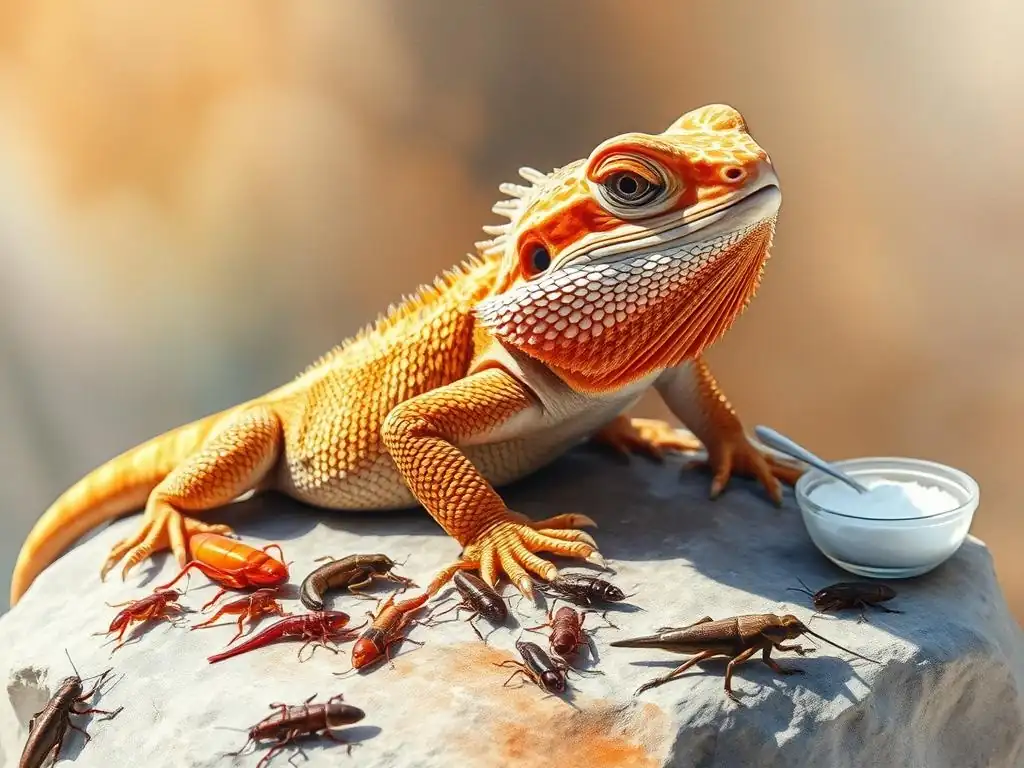
Maintaining a healthy gut is crucial for your carnivorous reptile's overall well-being. A balanced diet plays a significant role, but proactive measures are essential to prevent and address digestive problems. Understanding the nuances of your reptile's digestive system and implementing preventative strategies are key to ensuring a long and healthy life for your scaly companion. This section will explore methods for supporting optimal gut health, focusing on identifying problems and implementing preventative solutions. Remember, a healthy gut is a happy reptile!
Recognizing Signs of Digestive Issues: Diarrhea, Vomiting, and Lethargy
Digestive problems in carnivorous reptiles can manifest in several ways. Early detection is vital for timely intervention. Common signs include:
- Diarrhea: Frequent, watery, or unusually foul-smelling stools are indicative of digestive upset. The consistency and color of the feces can provide clues about the underlying issue. For instance, unusually pale stools might suggest a problem with fat absorption, while dark, tarry stools could indicate internal bleeding. Note the frequency and consistency of your reptile's bowel movements as a baseline for comparison.
- Vomiting: While infrequent vomiting might be a normal occurrence, particularly after a large meal, persistent or forceful vomiting warrants immediate attention. Note the appearance of the vomit – is it undigested food, bile, or mucus? This information is crucial for diagnosis.
- Lethargy: A significant decrease in activity levels, loss of appetite, and general weakness can be signs of underlying digestive problems. A lethargic reptile might be unable to maintain its normal body temperature, suggesting a serious issue requiring veterinary attention.
Promptly contacting a reptile veterinarian is essential if you observe any of these symptoms. Accurate diagnosis and treatment are crucial for resolving digestive issues and preventing long-term complications. Early intervention often leads to better outcomes and minimizes the risk of serious health problems.
Preventing Parasites and Bacterial Infections
Parasites and bacterial infections are common threats to carnivorous reptiles. These can severely impact gut health and lead to significant health complications if left untreated. Implementing preventative measures is crucial. These include:
- Quarantine New Reptiles: Always quarantine new reptiles before introducing them to your existing collection. This helps prevent the introduction of parasites or diseases. The quarantine period should be at least 30 days.
- Proper Hygiene: Maintain meticulous hygiene when handling your reptile and its enclosure. Wash your hands thoroughly before and after handling, and disinfect all equipment regularly with a reptile-safe disinfectant. Contaminated food and water are major vectors for the spread of parasites and bacteria.
- Source High-Quality Prey: Feeding your reptile high-quality, ethically sourced prey significantly reduces the risk of parasite transmission. Wild-caught prey is more likely to carry parasites than captive-bred prey, so opt for ethically sourced, captive-bred insects or rodents.
- Regular Fecal Examinations: Regular fecal examinations are essential for early parasite detection. Your veterinarian can recommend a schedule based on your reptile's species and age. Early detection and treatment significantly improve the chances of a successful outcome.
Regular preventative care significantly reduces the likelihood of parasitic and bacterial infections, contributing to a healthier gut and overall well-being for your carnivorous reptile.
Maintaining Cleanliness in the Enclosure to Reduce Contamination Risk
Maintaining a clean enclosure is paramount in preventing digestive issues. Accumulated waste and uneaten food can harbor harmful bacteria and parasites, directly impacting your reptile's gut health. Here's how to maintain a hygienic environment:
- Frequent Substrate Changes: The frequency of substrate changes depends on the type of substrate and the reptile's size and habits. However, regular cleaning is always necessary. Remove fecal matter and uneaten food daily.
- Disinfection: Regularly disinfect the enclosure using a reptile-safe disinfectant. Pay close attention to corners and crevices where bacteria and parasites can accumulate.
- Water Dish Cleaning: Clean and change the water dish daily to prevent bacterial growth. Stagnant water is a breeding ground for harmful bacteria.
- Proper Ventilation: Good ventilation helps reduce humidity, which can promote the growth of harmful microorganisms. Ensure your enclosure has adequate ventilation to maintain a healthy environment.
By consistently maintaining a clean and hygienic environment, you significantly reduce the risk of bacterial infections and parasitic infestations, thus supporting your reptile's digestive health and overall well-being. Remember, a clean enclosure is a healthy reptile!
Supplements and Nutritional Considerations for Carnivorous Reptiles

Providing a balanced diet is crucial for the health and well-being of your carnivorous reptile. While a diet primarily consisting of appropriately sized prey animals can provide many essential nutrients, supplementation is often necessary to ensure your reptile receives the full spectrum of vitamins and minerals required for optimal growth, bone development, and immune function. Ignoring this aspect can lead to serious health problems, including metabolic bone disease (MBD), a debilitating condition affecting bone density and structure.
This section delves into the critical role of supplementation in a carnivorous reptile's diet and how to approach it safely and effectively. Understanding your reptile's specific needs based on species, age, and activity level is paramount to successful supplementation.
Essential Vitamins and Minerals for Carnivorous Reptiles
Carnivorous reptiles, unlike herbivores, obtain many essential nutrients directly from their prey. However, certain vitamins and minerals are often deficient in commonly fed prey items, necessitating supplementation. These include:
- Calcium (Ca): Absolutely crucial for bone growth, muscle function, and nerve transmission. Calcium deficiency is a common problem leading to MBD. Symptoms can include lethargy, skeletal deformities, and difficulty shedding.
- Phosphorus (P): Works in conjunction with calcium for proper bone development and overall health. An imbalance between calcium and phosphorus can exacerbate MBD.
- Vitamin D3: Essential for calcium absorption. Reptiles synthesize Vitamin D3 through exposure to UVB light, but supplementation is often necessary, especially for indoor-kept reptiles.
- Vitamin A: Supports vision, immune function, and reproduction. Deficiencies can lead to eye problems and respiratory infections.
- Vitamin E: An antioxidant crucial for immune function and cell protection.
- Vitamin B complex: A group of vitamins vital for various metabolic processes.
The exact requirements for each vitamin and mineral vary depending on the species of reptile. For example, a young, rapidly growing bearded dragon will have different needs than a mature adult. Always research the specific dietary requirements for your reptile species. Consult reputable sources like veterinary herpetologists or experienced reptile keepers for personalized advice.
Using Calcium and Vitamin D3 Supplements Effectively
Calcium and Vitamin D3 are arguably the most critical supplements for carnivorous reptiles. Dusting prey items with a calcium and Vitamin D3 powder is a common and effective method of supplementation. However, the frequency and ratio of calcium to Vitamin D3 need careful consideration.
| Supplement Type | Frequency | Ratio (Ca:D3) | Notes |
|---|---|---|---|
| Calcium w/o D3 | Every feeding | 100% Ca | Use when UVB lighting is adequate. |
| Calcium + D3 | Every other feeding | 2:1 or 1:1 | Adjust based on UVB exposure and reptile's health. Avoid over-supplementation. |
It's crucial to use a high-quality supplement specifically formulated for reptiles. Avoid human supplements, as these may contain ingredients harmful to reptiles. The method of dusting should ensure even coverage of the prey item. Observe your reptile closely for signs of over-supplementation or deficiency. Adjust your supplementation strategy as needed.
Avoiding Over-Supplementation and Potential Health Risks
Over-supplementation can be just as harmful as deficiency. Excessive calcium can lead to kidney problems and other health issues. Too much Vitamin D3 can cause hypervitaminosis D, characterized by calcium deposition in soft tissues. Symptoms of over-supplementation can include lethargy, loss of appetite, and unusual behavior.
Always follow the instructions on the supplement label carefully. Start with a lower dose and gradually increase it as needed, based on observation of your reptile's health and growth. Regular veterinary check-ups are recommended to monitor your reptile's overall health and ensure that your supplementation strategy is effective and safe. Early detection of any issues is crucial for successful management and preventing long-term health problems. Remember, prevention is always better than cure when it comes to your reptile's health. Careful observation and responsible supplementation are key components of providing optimal care for your carnivorous reptile.
Common Mistakes to Avoid When Feeding Carnivorous Reptiles
This section delves into the common pitfalls many reptile keepers encounter when feeding their carnivorous pets. Understanding these mistakes and implementing preventative measures is crucial for ensuring the health and longevity of your reptile companion. Avoiding these errors will contribute significantly to your reptile's overall well-being, maximizing its lifespan and minimizing potential health problems. Let's examine some critical areas where mistakes frequently occur.
Overfeeding: The Risks of Obesity and Metabolic Bone Disease
Overfeeding is a surprisingly common issue among carnivorous reptile owners. The temptation to spoil your pet, coupled with a lack of understanding regarding appropriate portion sizes, can lead to serious health consequences. Obesity in reptiles isn't merely an aesthetic concern; it significantly increases the risk of developing metabolic bone disease (MBD).
MBD arises from an imbalance of calcium and phosphorus in the reptile's diet, often exacerbated by inactivity and insufficient ultraviolet (UVB) light exposure. Overfeeding contributes to this imbalance by leading to excessive weight gain, putting additional strain on bones and joints. The extra weight hinders the reptile's ability to absorb essential nutrients, further exacerbating the problem. Symptoms of MBD can include skeletal deformities, lethargy, weakened bones, and ultimately, death.
To prevent overfeeding, carefully research your specific reptile species' dietary requirements. Consult reputable sources like veterinary herpetologists or experienced breeders. Weigh your reptile regularly to monitor its weight and adjust feeding amounts accordingly. Remember, it's always better to slightly underfeed than to overfeed a carnivorous reptile. Consistent monitoring and responsible portion control are paramount.
Underfeeding: The Consequences of Nutritional Deficiencies
While overfeeding poses significant risks, underfeeding is equally detrimental. A diet lacking in essential nutrients can lead to a range of health problems, compromising your reptile's immune system and overall well-being. Nutritional deficiencies manifest in various ways, depending on the specific nutrient lacking.
For example, a deficiency in calcium can lead to MBD, as discussed earlier. A lack of vitamin A can cause respiratory infections and eye problems. Protein deficiencies can result in stunted growth, muscle weakness, and a weakened immune response, making your reptile more susceptible to infections and diseases. Underfeeding can also lead to lethargy, poor shedding, and a generally unhealthy appearance.
To avoid underfeeding, ensure your reptile receives a varied diet that provides a balanced supply of essential nutrients. Offer a diverse selection of appropriate prey items, and supplement the diet with appropriate vitamins and minerals as recommended by a veterinarian specializing in reptiles. Regular fecal examinations can help monitor nutrient absorption and identify potential deficiencies early on. A healthy, thriving carnivorous reptile is a well-fed carnivorous reptile.
Improper Prey Handling: Risks of Injury to Both Reptile and Handler
Handling live prey before feeding your reptile introduces several risks. Live prey can injure your reptile, particularly smaller or weaker specimens. Furthermore, the handling of live prey, especially larger specimens like mice or rats, presents a risk of injury to the handler. Bites and scratches from struggling prey animals are common occurrences. In addition, some prey animals may carry diseases or parasites that can be transmitted to your reptile or even to you.
To mitigate these risks, always opt for pre-killed prey whenever possible. This eliminates the risk of injury to both your reptile and yourself. If you must use live prey, exercise extreme caution and use appropriate handling techniques to minimize the risk of injury. Always sanitize your hands and any equipment used in the handling process. Remember, the safety and well-being of both you and your reptile should always be the top priority. Prioritizing safety ensures a positive experience for both you and your pet, contributing to a harmonious and healthy reptile-keeping journey.
Neglecting Hygiene: Preventing Disease Transmission
Maintaining impeccable hygiene is paramount when handling carnivorous reptiles and their food. Failure to do so can lead to serious health problems for your reptile, potentially resulting in illness and even death. Bacteria, parasites, and other pathogens can easily contaminate food items, enclosures, and handling equipment, leading to a breeding ground for disease. The consequences of neglecting hygiene can range from relatively minor infections to life-threatening illnesses.
One of the most crucial aspects of hygiene is proper food preparation. Raw prey items, such as mice or insects, should be sourced from reputable breeders known for their healthy stock. Before feeding, it's essential to thoroughly inspect the prey for any signs of illness or parasites. Discard any prey that appears unhealthy or shows signs of disease. Furthermore, using separate utensils for handling prey and avoiding cross-contamination with other food sources is vital.
Cleaning and disinfecting the reptile's enclosure is another critical step in preventing disease transmission. Regularly removing uneaten food and fecal matter is essential to prevent the buildup of bacteria and parasites. Use a reptile-safe disinfectant to thoroughly clean all surfaces of the enclosure, including the substrate, hides, and water dishes. It's also crucial to wash your hands thoroughly with soap and water before and after handling your reptile or its food to minimize the risk of transferring pathogens.
Beyond the enclosure, maintaining hygiene extends to all handling equipment. Tweezers, tongs, and other tools used to feed your reptile should be cleaned and disinfected after each use to prevent the spread of bacteria and parasites. Regularly cleaning these tools helps to ensure that your reptile remains healthy and free from disease.
Neglecting this crucial aspect of reptile care can have severe consequences, so attention to detail is imperative. Remember, a proactive approach to hygiene is the best defense against disease transmission in carnivorous reptiles. Investing time in proper cleaning and disinfection protocols is an investment in the long-term health and well-being of your pet.
Monitoring Your Carnivorous Reptile's Health and Weight
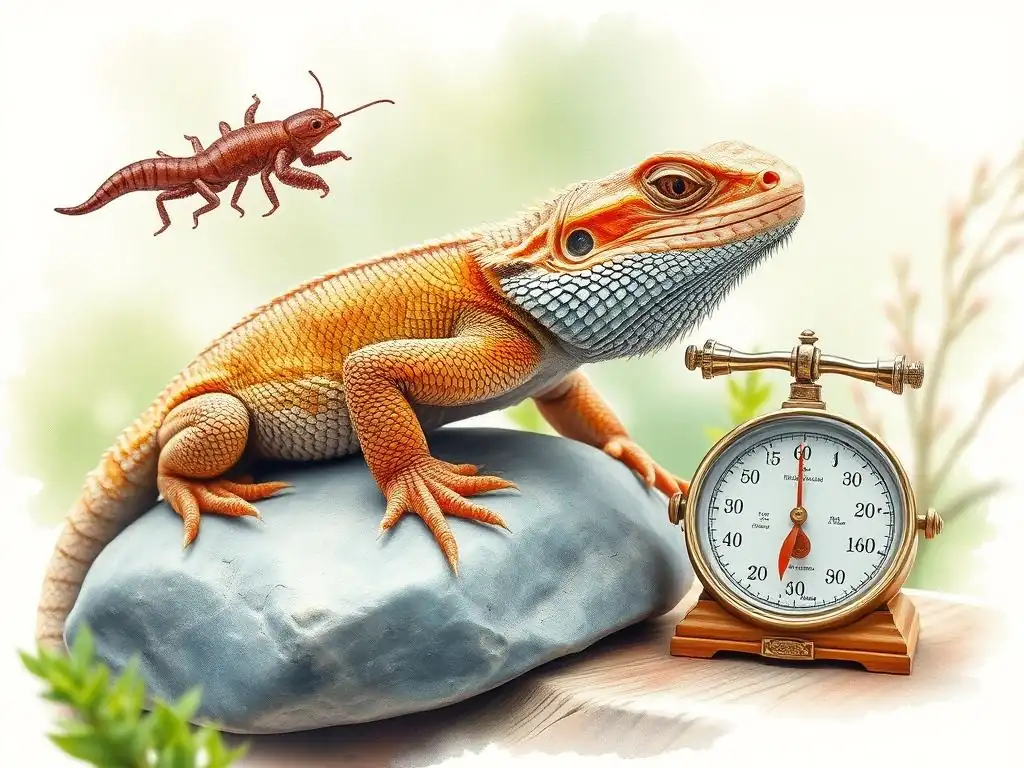
Maintaining the health of your carnivorous reptile is paramount. A crucial aspect of responsible carnivorous reptile care is diligently monitoring their weight and overall health. Regular monitoring allows for early detection of potential problems, preventing minor issues from escalating into serious health concerns. This proactive approach ensures your reptile thrives and enjoys a long, healthy life. This section will focus on practical strategies for monitoring your reptile's health and weight, enabling you to provide the best possible care.
Regularly Weighing Your Reptile to Monitor Growth and Health
Regular weighing is a cornerstone of responsible carnivorous reptile ownership. It provides valuable data on your reptile's growth trajectory and overall health. Ideally, you should weigh your reptile at least once a month, using a gram-accurate digital scale. Consistent weighing allows you to identify any sudden weight loss or gain, which can be indicative of underlying health issues. Keep a detailed record of your reptile's weight, noting the date and any other relevant observations, such as changes in appetite or activity levels.
For example, let's say you're monitoring a juvenile bearded dragon. Consistent weight gain over several months indicates healthy growth and development. However, a sudden drop in weight could signify a problem, prompting a closer examination of its diet, environment, and behavior. This data-driven approach to monitoring weight allows for early intervention, maximizing the chances of successful treatment. Remember to always handle your reptile gently and carefully during weighing to minimize stress.
Here's a sample weight tracking table you can use:
| Date | Weight (grams) | Notes |
|---|---|---|
| 2024-10-26 | 150 | Active, good appetite |
| 2024-11-26 | 162 | Slight increase, normal behavior |
| 2024-12-26 | 175 | Good growth, healthy appearance |
| 2025-01-26 | 170 | Slight weight loss, investigate further |
Recognizing Signs of Illness or Nutritional Deficiencies
Beyond weight monitoring, observing your reptile's behavior and physical condition is vital for identifying potential health problems early on. Several signs can indicate illness or nutritional deficiencies. These include:
- Lethargy: A significant reduction in activity levels.
- Poor appetite: Refusal to eat or a dramatic decrease in food intake.
- Dehydration: Sunken eyes, loose skin, and decreased skin elasticity.
- Shedding problems: Difficulty shedding skin, retained scutes, or abnormal skin color.
- Changes in stool: Unusual color, consistency, or frequency.
- Respiratory issues: Wheezing, gasping for air, or open-mouth breathing.
- Regurgitation: Vomiting undigested food.
- Abnormal posture: Unusual body position or difficulty moving.
These symptoms can be indicative of various issues, ranging from simple dehydration to more serious conditions like metabolic bone disease (MBD) or parasites. Early recognition of these symptoms is crucial for prompt veterinary intervention. Remember that subtle changes can be significant; any deviation from your reptile's normal behavior should be carefully evaluated. A proactive approach, combining regular weight monitoring with attentive observation, is key to maintaining your reptile's health.
Consulting with a Veterinarian for Regular Checkups and Advice
Regular veterinary checkups are essential for maintaining the health of your carnivorous reptile. Even if your reptile appears healthy, preventative care is crucial. A veterinarian specializing in reptiles can conduct a thorough examination, assess your reptile's overall health, and recommend appropriate preventative measures. They can also provide valuable advice on diet, husbandry, and disease prevention.
Schedule regular checkups, at least once a year, or more frequently if any health concerns arise. Your veterinarian can help you develop a comprehensive healthcare plan tailored to your reptile's specific needs, ensuring it receives the optimal level of care throughout its life. Don't hesitate to contact your veterinarian if you notice any changes in your reptile's behavior or physical condition; early intervention is key to successful treatment and a longer, healthier life for your pet.
Resources and Further Learning on Carnivorous Reptile Nutrition
This section provides valuable resources to deepen your understanding of carnivorous reptile nutrition, beyond the basics covered in this guide. Successfully keeping a carnivorous reptile requires ongoing learning and adaptation, so utilizing these resources is crucial for the long-term health and well-being of your pet. Remember, responsible ownership involves continuous education and a commitment to providing the best possible care.
Recommended Books and Online Resources on Reptile Nutrition
Choosing the right resources is paramount. Avoid unreliable sources offering anecdotal evidence or outdated information. Prioritize materials authored by veterinary professionals or experienced herpetologists. Look for information backed by scientific research and real-world application.
Several excellent books delve into the complexities of reptile nutrition. These often provide detailed feeding charts, species-specific dietary recommendations, and insights into nutritional deficiencies and their consequences. Look for titles that specifically address carnivorous reptile diets, as herbivorous and omnivorous reptiles have very different nutritional requirements.
Online, reputable websites and academic journals offer valuable information. However, always critically evaluate the source's credibility and bias. Look for sites associated with recognized herpetological societies or veterinary organizations. Be wary of forums or blogs offering unqualified advice. Remember, the information you find online should complement, not replace, advice from a qualified veterinarian.
A good starting point is to search for research articles using keywords like "carnivorous reptile dietary needs," "prey item analysis for [specific reptile species]," or "nutritional deficiencies in captive [specific reptile species]". Remember to be specific in your searches to get the most relevant results.
Here’s a sample table illustrating the kind of information you might find in reputable sources:
| Prey Item | Nutritional Value | Suitable for Species | Cautions |
|---|---|---|---|
| Mice (pinkies/fuzzies) | High in protein, fat; good calcium-to-phosphorus ratio | Many small snakes, lizards | Risk of bacterial contamination if improperly sourced |
| Crickets | Moderate protein, varied nutritional content | Many lizards, small snakes | Requires gut-loading for optimal nutrition |
| Dubia Roaches | High in protein, lower fat than crickets | Lizards, some snakes | Easier to culture than crickets |
| Day-old Chicks | High protein, good calcium source | Larger lizards, snakes | May require supplementation |
Remember, this is just a small sample and the suitability of prey items varies widely depending on the specific species of reptile.
Finding Reputable Veterinarians Specializing in Reptiles
Finding a veterinarian experienced with reptiles is crucial. Regular check-ups are essential to monitor your reptile's health and address any nutritional concerns early. A specialized veterinarian can provide personalized dietary advice based on your reptile's species, age, and individual needs.
Many general practitioners may lack the specific knowledge required for reptile care. Look for veterinarians who are members of professional organizations like the Association of Reptilian and Amphibian Veterinarians (ARAV) or similar organizations in your region. These affiliations often indicate a higher level of expertise and commitment to reptile care.
Don't hesitate to call several veterinary clinics and ask about their experience with reptiles. Inquire about their familiarity with specific dietary needs of carnivorous reptiles and their ability to perform necessary diagnostic tests. Choosing the right vet is a critical step in ensuring your reptile thrives.
Joining Online Communities and Forums for Reptile Keepers
Connecting with other reptile keepers can be incredibly valuable. Online forums and communities offer a platform to share experiences, ask questions, and learn from others' successes and mistakes. However, remember to critically evaluate the information you find. Not all advice is created equal. Prioritize information from experienced keepers with a proven track record of success.
Look for communities that emphasize responsible reptile keeping and encourage the sharing of scientifically sound information. Avoid groups that promote harmful practices or spread misinformation. Remember, responsible reptile ownership involves continuous learning and a commitment to providing the best possible care for your pet. The right online community can provide a supportive environment for this learning process. A vibrant and active community can also help you find reputable breeders and suppliers of quality food items for your carnivorous reptile. It's a valuable resource for addressing specific challenges and getting tailored advice.
Frequently Asked Questions
What types of prey are suitable for my carnivorous reptile?
The best prey depends on your reptile's species and size. Generally, live insects, small rodents, or other appropriately sized animals are suitable, but always research your specific reptile's dietary needs. Consult a veterinarian or herpetologist for personalized advice.
How often should I feed my carnivorous reptile?
Feeding frequency varies depending on age, species, and size. Young, growing reptiles need more frequent feeding than adults. Overfeeding can be harmful, so follow a feeding schedule based on your reptile's specific needs and observe its weight.
How do I ensure my reptile is getting proper nutrition?
Provide a varied diet to ensure your reptile receives all necessary nutrients. Supplementing with calcium and vitamin D3 is often crucial, especially for young reptiles. Again, consult a veterinarian or herpetologist for specific dietary recommendations.
What are the signs of malnutrition in a carnivorous reptile?
Signs of malnutrition include weight loss, lethargy, poor shedding, and bone deformities. If you notice any of these, consult a veterinarian immediately. Early intervention is key to correcting nutritional deficiencies.
What are the dangers of feeding my reptile improperly?
Improper feeding can lead to nutritional deficiencies, metabolic bone disease (MBD), obesity, and even death. Always research your reptile's specific dietary requirements and ensure the prey is appropriately sized and handled safely to avoid injury to both you and your reptile.
Final Reflection: A Legacy of Life, One Meal at a Time
Understanding the dietary needs of carnivorous reptiles is not merely a hobbyist pursuit; it's a crucial element in ensuring their well-being and contributing to the conservation of these fascinating creatures. The health and longevity of your scaly companion directly depend on providing the right nutrition, a responsibility that extends beyond simple feeding schedules to encompass a deep understanding of their natural behaviors and evolutionary adaptations.
The impact of responsible reptile keeping extends far beyond the individual animal. Our choices as keepers influence the sustainability of the reptile trade and the preservation of wild populations. The fate of wild animals is inextricably linked to the choices we make in our own lives.
This quote underscores the importance of ethical sourcing and responsible breeding practices, ensuring that our passion for these animals doesn't inadvertently contribute to their decline. We must strive to be informed keepers, making conscious decisions that benefit both our pets and their wild counterparts.
Now, consider your own role in this delicate ecosystem. You've learned about the intricacies of carnivorous reptile diets, the importance of varied prey, and the potential pitfalls of improper feeding. Take this knowledge and apply it. Become an advocate for responsible reptile ownership, sharing your newfound expertise with others and contributing to a community that prioritizes the well-being of these magnificent creatures. Let's work together to ensure a future where these captivating animals thrive, both in captivity and in the wild.
Unleash Your Reptile's Inner Predator: Master Feeding Techniques!
Thank you for exploring the world of carnivorous reptile care! You've gained valuable knowledge to ensure your scaly companion thrives. Ready to put this knowledge into practice?
- Prioritize a varied diet: Regularly review your feeding plan, ensuring variety in prey type and size. Consider introducing a new food item this week, such as appropriately sized crickets or mealworms, depending on your reptile's species and size.
- Supplement effectively: Verify your reptile's vitamin and mineral supplement schedule is accurate and appropriate for its species and age. Consult a veterinarian or reptile specialist if you're unsure.
- Share your experiences: Join our active PetCareWorld community forum to share your feeding successes, tips, or ask questions. Let's collaboratively create the ultimate carnivorous reptile feeding guide!
What small adjustment can you make to your reptile's diet today to improve its health and well-being?