
Reptile Habitat Safety Checklist: Ensuring a Secure Environment for Your Pet

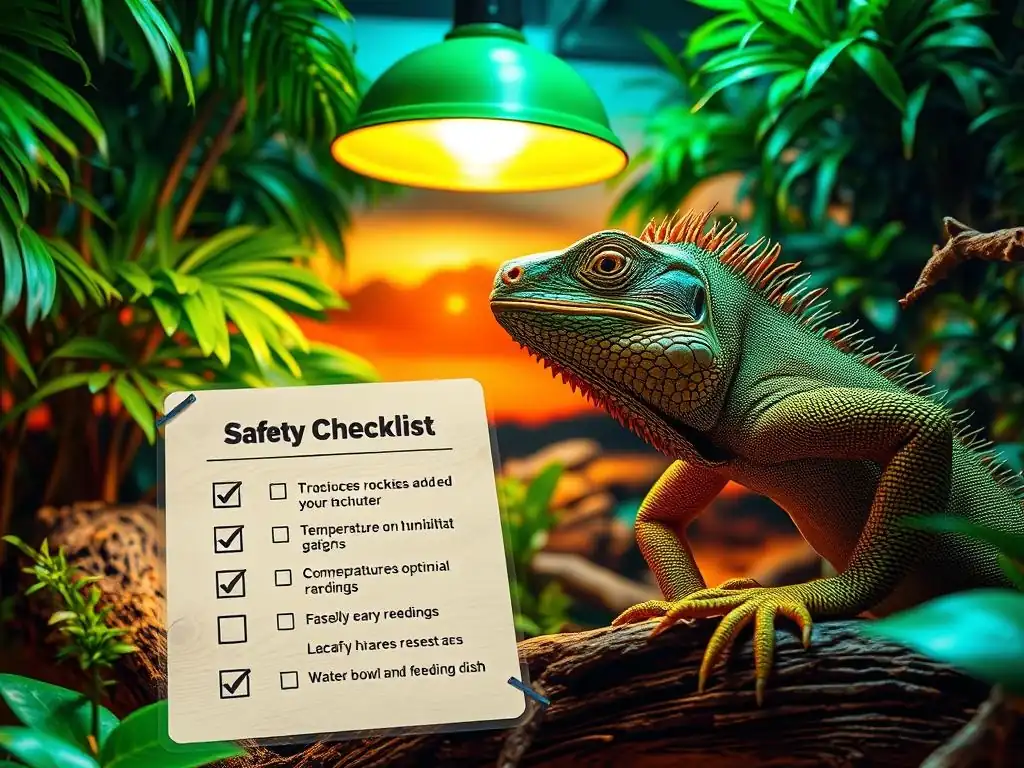
Welcome to PetCareWorld, your ultimate guide to responsible and enriching pet ownership! Are you ready to ensure your scaly companion thrives in a safe and stimulating environment? Our comprehensive Reptile Habitat Safety Checklist will walk you through essential steps to create a secure haven for your reptile, minimizing risks and maximizing their well-being. Discover the crucial elements of a safe habitat and unlock the secrets to a happy and healthy pet. Dive in and explore!
- Creating a Safe Reptile Enclosure: A Comprehensive Checklist
- Preventing Escapes: Securing Your Reptile Habitat
- Avoiding Toxic Materials in Reptile Habitats
- Electrical Safety in Reptile Habitats
- Maintaining Cleanliness and Hygiene in Reptile Habitats
- Monitoring Your Reptile's Behavior: Early Detection of Problems
- Emergency Preparedness for Reptile Owners
- Regular Habitat Maintenance and Safety Checks: A Preventative Approach
- Frequently Asked Questions
- Final Reflection: Securing a Future for Scaly Companions
- Ready to Create a 5-Star Reptile Haven?
Creating a Safe Reptile Enclosure: A Comprehensive Checklist
Providing a safe and enriching environment for your reptile is paramount to its health and well-being. This comprehensive checklist will guide you through the essential steps to ensure your reptile's habitat is secure, stimulating, and free from potential hazards. From assessing the specific needs of your species to meticulously checking temperature and humidity levels, we’ll cover all the crucial aspects of building a safe and thriving reptile enclosure. This guide focuses on preventative measures, helping you proactively avoid common accidents and health issues, ultimately contributing to a longer, healthier life for your scaly companion.
Creating a safe habitat isn't just about providing shelter; it's about understanding your reptile's unique requirements and creating an environment that mirrors its natural habitat as closely as possible. Ignoring safety precautions can lead to escapes, injuries, and even death, so let's delve into the specifics to ensure your reptile thrives. 🐍
Assessing Your Reptile's Specific Needs: Species-Specific Safety
Before even considering decorations or enrichment items, understanding your reptile's specific needs is crucial. Different species have vastly different requirements regarding enclosure size, substrate type, temperature, and humidity. For example, a small leopard gecko will have entirely different needs compared to a large iguana. Failing to account for these species-specific differences can lead to serious problems.
Consider these points when assessing your reptile's specific needs:
- Species: What species of reptile do you own? Knowing the exact species is essential, as even subspecies can have different requirements.
- Size: How big is your reptile, and how big will it get? The enclosure must be appropriately sized for its fully grown size.
- Temperament: Is your reptile docile or aggressive? This impacts the type of enclosure and security measures needed.
- Natural Habitat: Research your reptile's natural habitat. Understanding its native environment helps you create a more suitable enclosure.
- Specific Requirements: What are the specific temperature, humidity, and lighting requirements for your reptile? These are non-negotiable for survival.
This detailed understanding forms the foundation of a safe and appropriate habitat. Ignoring these species-specific needs can result in stress, illness, and even death for your reptile. Always consult reputable sources like herpetological societies and experienced keepers for accurate information specific to your species.
Habitat Size and Substrate Safety: Preventing Escapes and Ingestion Hazards
The size of your reptile's enclosure is paramount. A cramped enclosure can lead to stress and health problems, while an inadequately secure enclosure can result in escapes. Similarly, the substrate – the material covering the bottom of the enclosure – must be carefully chosen to avoid ingestion hazards.
Here’s a breakdown of key considerations:
| Feature | Safe Options | Unsafe Options | Considerations |
|---|---|---|---|
| Enclosure Size | Sufficient space for movement & basking | Too small, leading to stress and injury | Always research the adult size of your reptile. |
| Escape Prevention | Secure lids, locks, and escape-proof materials | Gaps, loose-fitting lids, easily climbed surfaces | Regularly inspect for weaknesses in the enclosure. |
| Substrate | Paper towels, reptile carpet, tile (for some) | Sand (for many species), small gravel | Avoid substrates that can be ingested and cause impaction. |
Remember, escape prevention is crucial. Even small reptiles can squeeze through surprisingly small gaps. Regularly check for any potential escape routes and address them immediately. The substrate choice should always be tailored to your reptile's species, avoiding those that pose an ingestion risk.
Temperature and Humidity Control: Maintaining Optimal Reptile Health and Safety
Maintaining the correct temperature and humidity levels is critical for your reptile's health and survival. Incorrect levels can lead to dehydration, respiratory infections, and other serious health issues. Precise and consistent control is essential.
To ensure proper temperature and humidity:
- Thermometer and Hygrometer: Invest in accurate digital thermometers and hygrometers to monitor conditions. Place them in multiple locations within the enclosure to ensure even distribution.
- Heating Sources: Use appropriate heating devices, such as heat lamps or under-tank heaters (UTHs), carefully following manufacturer instructions. Never leave heating devices unattended.
- Humidity Control: Use water bowls, misting systems, or other appropriate methods to maintain the correct humidity level for your reptile's species. Regular monitoring is key.
- Thermostat: Consider using a thermostat to automatically regulate temperature and prevent overheating or underheating. This is crucial for maintaining a consistent environment.
Careful monitoring and control of temperature and humidity are crucial for your reptile's health and longevity. Inconsistent conditions can lead to various health problems, so prioritize accurate measurement and consistent adjustments. Remember, a safe habitat is a healthy habitat.
Preventing Escapes: Securing Your Reptile Habitat
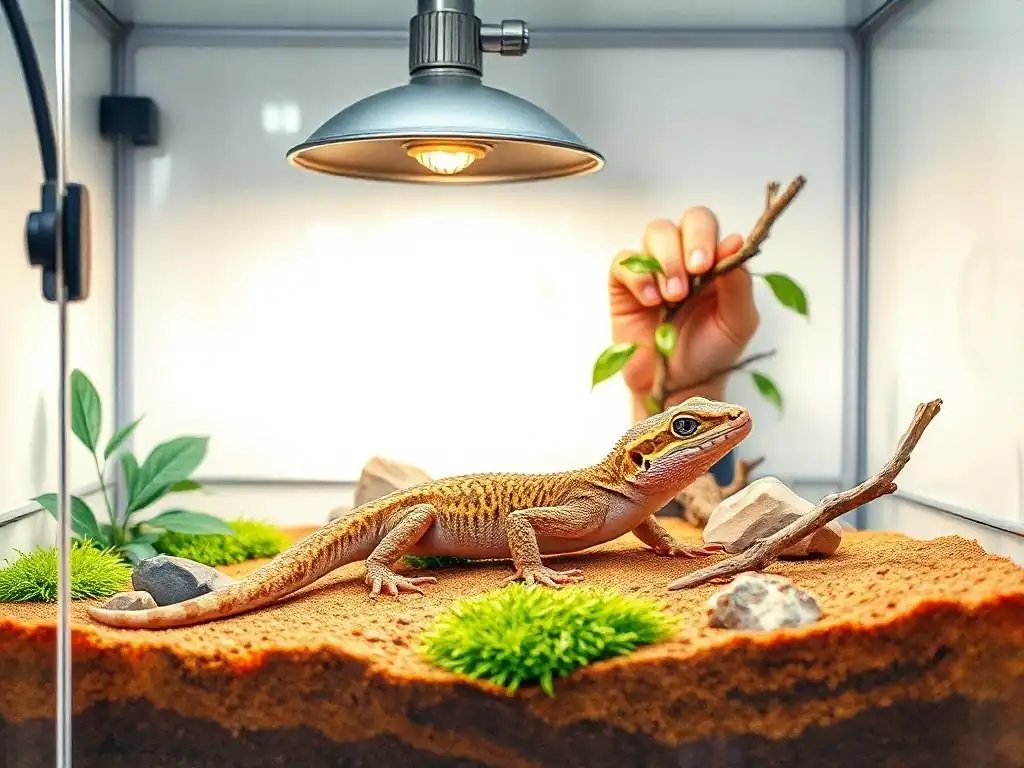
Ensuring your reptile cannot escape its enclosure is paramount for both its safety and yours. A seemingly secure habitat can have vulnerabilities that a determined reptile can exploit. This section focuses on proactive measures to prevent escapes, minimizing risks and ensuring your scaly friend remains safely within its designated environment. A comprehensive approach to reptile habitat safety checklist should prioritize escape prevention.
Enclosure Lid Security: Preventing Unwanted Escapes
The most common escape route for reptiles is a poorly secured lid. Many commercially available enclosures come with latches that, while functional, might not be robust enough for powerful or persistent reptiles. Always inspect your enclosure's lid mechanism regularly. Look for signs of wear and tear, such as loose screws, cracks in the plastic, or bending hinges. Replace or repair any damaged components immediately.
Consider upgrading to a more secure lid system if necessary. Some options include adding extra latches or securing the lid with strong clips or straps. For particularly strong reptiles, you might even consider using a weighted lid or adding a secondary barrier, such as a sheet of sturdy plexiglass, on top of the enclosure.
Remember, prevention is key. A thorough check of the lid and its locking mechanism should be part of your routine reptile care. Don't underestimate the ingenuity of your pet; they are often surprisingly adept at finding weaknesses in their enclosures! Regular inspections can help you catch potential problems before they lead to an escape.
Substrate Selection and Depth: Choosing Safe and Appropriate Bedding
The substrate, or bedding material, you choose for your reptile's habitat significantly impacts its safety. Some substrates pose a risk of ingestion, impaction, or even injury. For example, loose substrates like sand or small gravel can be easily ingested by reptiles, leading to potentially fatal impaction. This is especially true for reptiles that are known to burrow or ingest substrate as part of their natural behavior.
When selecting a substrate, consider your reptile's species and its specific needs. For example, arboreal species might benefit from a paper towel substrate, while terrestrial species might tolerate a more substantial substrate, like cypress mulch. Always opt for a substrate that is appropriate for your reptile's size and digging habits. Avoid substrates that are too fine or dusty, as these can irritate respiratory systems.
The depth of the substrate is also crucial. Too deep a substrate can encourage burrowing to the point where your reptile might become trapped or injured. Conversely, too shallow a substrate might not provide adequate enrichment or thermal regulation. Research the ideal substrate depth for your specific reptile species.
| Substrate Type | Pros | Cons | Suitable for |
|---|---|---|---|
| Paper Towels | Clean, easily replaceable, inexpensive | Not visually appealing, lacks enrichment value | Most species, especially juveniles |
| Cypress Mulch | Natural, good moisture retention | Can mold if not maintained properly | Many terrestrial species |
| Coconut Fiber (Coco Coir) | Good moisture retention, natural look | Can be dusty, requires proper preparation | Many terrestrial species |
| Aspen Shavings | Absorbent, readily available | Can be dusty, some species may ingest | Some terrestrial species |
Remember to regularly check and replace the substrate to maintain hygiene and prevent the buildup of harmful bacteria or parasites. A clean and appropriate substrate is a crucial part of a safe and healthy reptile habitat.
Hiding Places and Decor: Safe and Secure Enrichment Options
Providing hiding places and decor is essential for your reptile's well-being, but it's crucial to ensure these additions don't compromise habitat security. Avoid using decorations with sharp edges or small, easily swallowed parts. Rocks and branches should be securely placed to prevent them from collapsing or falling on your reptile. Furthermore, ensure that any hiding places are large enough for your reptile to easily enter and exit without getting stuck.
When choosing decorations, prioritize natural materials over artificial ones. Artificial materials can sometimes contain harmful chemicals or leach toxins into the environment. Natural materials, like wood and rocks, are generally safer, but always ensure they are thoroughly cleaned and free of parasites before introducing them into the enclosure.
Always inspect the decorations and hiding places regularly, looking for any signs of damage or deterioration. Replace or repair any damaged items immediately to prevent injury to your reptile. Remember, a safe and enriched environment is not just about providing a visually appealing habitat; it's about creating a safe and secure space where your reptile can thrive. A carefully considered approach to habitat design, as outlined in this reptile habitat safety checklist, is a crucial aspect of responsible reptile ownership.
Avoiding Toxic Materials in Reptile Habitats
Creating a safe and enriching environment for your reptile is paramount. A seemingly harmless decorative item or substrate can be incredibly toxic to your scaly friend, leading to serious health problems or even death. This section focuses on identifying and avoiding common hazardous materials frequently found in reptile habitats. Understanding the potential dangers is the first step towards ensuring your reptile's well-being and longevity.
Remember, even seemingly minor exposure to toxic substances can have cumulative effects, slowly weakening your pet's immune system and overall health. A proactive approach to habitat safety is crucial for responsible reptile ownership. Prioritizing non-toxic materials is an essential aspect of responsible reptile care. Let's delve into specific examples and practical solutions.
Non-Toxic Substrate Options for Reptile Enclosures
Substrate selection is a critical aspect of reptile habitat safety. Many commercially available substrates, while aesthetically pleasing, can pose significant health risks. For instance, cedar and pine shavings, popular choices due to their affordability, release volatile organic compounds (VOCs) that are harmful to reptiles. These VOCs can irritate respiratory systems and lead to liver and kidney damage. Avoid these completely.
Instead, opt for non-toxic alternatives. Here's a table comparing some safe options:
| Substrate Type | Pros | Cons | Suitable Reptiles |
|---|---|---|---|
| Paper Towels/Newspaper | Cheap, readily available, easy to clean | Not aesthetically pleasing, needs frequent change | All reptiles, especially juveniles or during quarantine |
| Repti-Bark/Coconut Fiber | Good moisture retention, natural look | Can mold if not properly maintained | Many species, particularly arboreal reptiles |
| Tile/Slate | Easy to clean, durable, heat retention | Can be cold to the touch, may need heating elements | Most reptiles, especially those requiring dry environments |
| Cypress Mulch | Natural, good moisture retention | Can be dusty, requires careful sourcing | Many species, but check for pesticide treatment |
Remember to always research the specific needs of your reptile species before choosing a substrate. Moisture levels and the reptile's burrowing habits are important factors to consider. Regularly inspect and replace the substrate to prevent the buildup of waste and bacteria, maintaining a clean and healthy habitat. A clean habitat is a safe habitat.
Safe Decor and Enrichment Items: Avoiding Hazardous Materials
Decorative elements enhance a reptile's environment, but many common materials are toxic. Painted rocks, untreated wood, and certain plastics can leach harmful chemicals. Avoid anything with lead-based paints or unknown origins. Always thoroughly research the materials used in any decorative item before introducing it to your reptile's enclosure.
- Untreated Wood: Can harbor bacteria, parasites, and mold. Properly treated wood, specifically designed for reptile enclosures, is acceptable.
- Painted Rocks: The paint can contain lead or other heavy metals, extremely dangerous if ingested. Opt for natural, unpainted rocks.
- Plastic Plants: Some plastics can leach chemicals. Choose reputable brands specifically marketed for reptile habitats.
- Metal Objects: Ensure these are non-toxic and won't rust or corrode.
Always prioritize natural, non-toxic materials whenever possible. This minimizes the risk of accidental ingestion of harmful chemicals and ensures a healthier environment for your reptile. A healthy environment contributes directly to a happy and thriving reptile.
Choosing Safe Plants for Reptile Habitats: Avoiding Toxic Species
Live plants can add beauty and enrichment to a reptile enclosure, but many common houseplants are toxic to reptiles. Ingestion of these plants can lead to severe illness or death. Before introducing any plant, thoroughly research its toxicity to reptiles.
Some plants to absolutely avoid:
- Ivy (all varieties)
- Lilies (all varieties)
- Azaleas
- Oleander
- Dieffenbachia
Safe plant options, after careful research, might include:
- Spider plants
- Bromeliads (certain varieties)
- Pothos (certain varieties, and only if you are certain it has not been treated with pesticides)
Always ensure that any plant introduced is safe for your specific reptile species. Consider the plant's size, growth habits, and the reptile's ability to interact with it safely. Regularly inspect plants for pests or diseases, removing any affected parts immediately. A healthy plant contributes to a healthy habitat. Remember, thorough research is crucial before introducing any new element into your reptile's habitat. Prioritizing safety ensures a long and healthy life for your pet.
Electrical Safety in Reptile Habitats
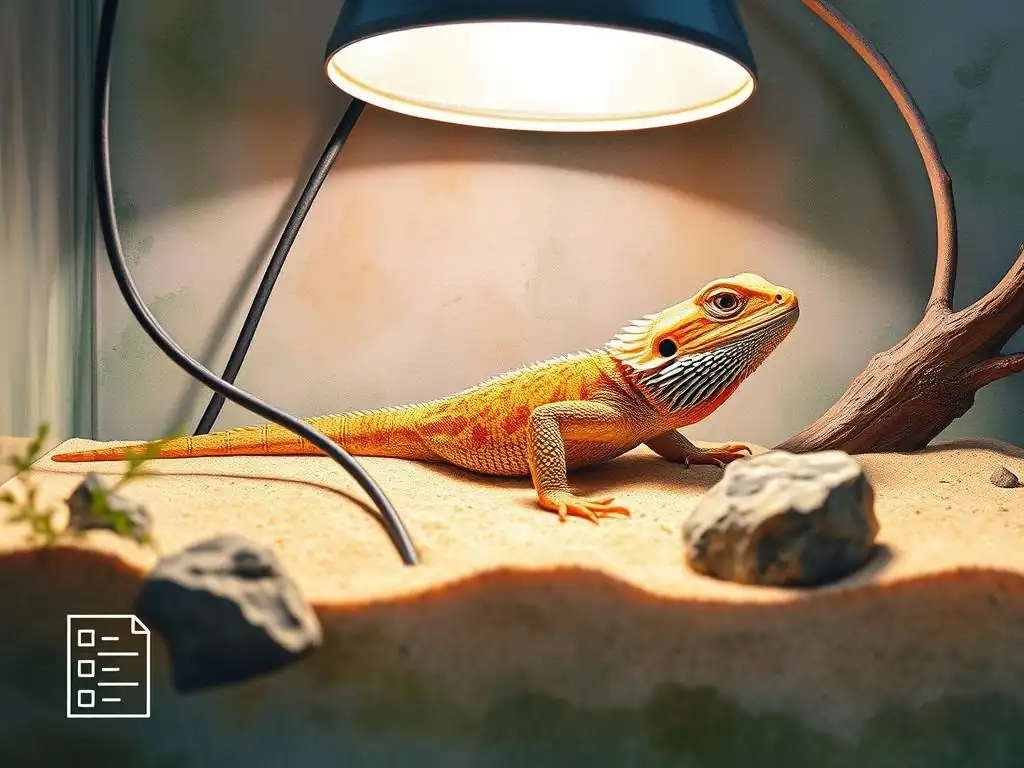
Ensuring the electrical safety of your reptile's habitat is paramount to preventing serious accidents and ensuring your pet's well-being. Improper wiring or malfunctioning equipment can lead to electrocution, fire hazards, and even death for your reptile. This section will detail crucial steps to mitigate these risks and create a safe electrical environment for your scaled friend. Remember, a safe habitat is a happy habitat! 🐍
Secure Wiring and Cord Management: Preventing Electrical Hazards
Loose wires, frayed cords, and exposed electrical components pose significant dangers within a reptile enclosure. Chewing on electrical cords is a common behavior for some reptiles, especially younger ones, leading to potential electrocution or serious injury. To prevent this, implement the following preventative measures:
- Use Cord Protectors: Invest in cord protectors, either flexible plastic sleeves or rigid conduit, to shield wires from curious reptiles. These protectors prevent chewing and reduce the risk of accidental damage. Ensure the protectors are securely fastened and regularly inspected for wear and tear.
- Secure Wiring: Use zip ties or cable clips to neatly organize and secure all electrical cords. Keep them away from the reach of your reptile, ideally routed outside the enclosure or along the back wall where access is limited.
- Regular Inspection: Regularly inspect all cords and wiring for any signs of damage, such as fraying, cracking, or exposed wires. Replace any damaged cords immediately. Don’t use damaged equipment.
- Surge Protectors: A surge protector can safeguard your valuable equipment from power surges, which can damage heating elements or other electronic components within the enclosure. This preventative measure protects both your equipment and your reptile.
- Underground Wiring (if applicable): If you're using underground heating systems, ensure proper installation by a qualified electrician to prevent electrical shorts and potential hazards.
Remember, proactive maintenance is key to preventing electrical hazards. A few minutes of preventative care can save your reptile’s life and protect your investment in their habitat.
Thermostat Placement and Safety: Maintaining Consistent Temperatures
Maintaining the correct temperature is crucial for a reptile's health and survival. However, improperly placed or malfunctioning thermostats can create dangerous temperature fluctuations or even fire hazards. Consider these safety measures:
- Proper Placement: Place the thermostat probe in a location that accurately reflects the temperature your reptile experiences, typically away from direct heat sources like basking lamps. Avoid placing the probe directly on the substrate or against the enclosure wall, as this can lead to inaccurate readings.
- Secure Mounting: Securely mount the thermostat and its probe to prevent accidental dislodgement or damage. Use appropriate fasteners and ensure the connections are secure and reliable.
- Regular Calibration: Regularly calibrate your thermostat to ensure accuracy. Consistent temperature readings are crucial for your reptile’s health and prevent unnecessary stress.
- Backup Power: Consider using a backup power supply for your thermostat, especially in areas prone to power outages. This ensures consistent heating and prevents dangerous temperature drops.
- Type of Thermostat: Choose a thermostat appropriate for the type of heating element you are using and the size of your enclosure. Underpowered or overpowered thermostats can create unsafe conditions.
By carefully selecting and monitoring your thermostat, you can ensure a safe and consistent temperature for your reptile.
Avoiding Water Hazards in Reptile Enclosures: Preventing Drowning
Water sources, while essential for many reptiles, can also pose significant dangers if not properly managed. Accidental drowning is a serious risk, especially for smaller reptiles or those unfamiliar with aquatic environments. To prevent this:
- Shallow Water Dishes: Use shallow water dishes to minimize the risk of drowning. The depth should be such that your reptile can easily enter and exit without difficulty.
- Stable Water Sources: Ensure that any water source is stable and cannot easily tip over. Heavy, non-slip dishes are ideal.
- Regular Cleaning: Regularly clean and disinfect water dishes to prevent the growth of bacteria and algae, which can be harmful to your reptile.
- Water Feature Design (if applicable): If you have a more elaborate water feature, design it with careful consideration of your reptile's size and swimming abilities. Ensure there are easy access points for exiting the water. Avoid waterfalls or strong currents that could overwhelm your reptile.
- Supervision (especially with young reptiles): Closely supervise young or inexperienced reptiles around water sources, especially during the initial introduction.
By implementing these safety measures, you can create a safe and enriching environment for your reptile, minimizing the risk of accidental drowning. Remember, prevention is key to ensuring the health and happiness of your pet.
Maintaining Cleanliness and Hygiene in Reptile Habitats
Maintaining a clean and hygienic reptile habitat is crucial for preventing disease and ensuring your pet's well-being. Neglecting hygiene can lead to bacterial and parasitic infections, impacting your reptile's health and potentially shortening its lifespan. A clean environment also contributes to a reduced stress level for your reptile, fostering a healthier and happier pet. This section details essential cleaning and waste disposal practices for optimal reptile habitat hygiene. Remember, the specific cleaning frequency will depend on the species of reptile, the size of the enclosure, and the substrate used.
Regular Cleaning and Disinfection Protocols: Preventing Bacterial and Parasitic Infections
Regular cleaning and disinfection are paramount in preventing the buildup of harmful bacteria and parasites. The frequency of cleaning varies significantly depending on the reptile species and the type of substrate used. For example, a bioactive setup (a self-sustaining ecosystem within the terrarium) might require less frequent full cleaning compared to a simple substrate setup. However, spot cleaning should be a daily task for all habitats.
Spot cleaning involves removing fecal matter, uneaten food, and other waste immediately. This prevents the rapid spread of bacteria and parasites. Use paper towels or appropriate reptile-safe cleaning wipes to remove waste.
Full enclosure cleaning should be performed at least once a week, or more often if necessary. This involves removing all substrate, decorations, and water dishes. Thoroughly scrub all surfaces with a reptile-safe disinfectant, such as a diluted bleach solution (always follow the manufacturer's instructions carefully and rinse thoroughly). Allow the enclosure to dry completely before replacing the substrate, decorations, and water dishes.
Important Considerations:
- Substrate Selection: Certain substrates are easier to clean and maintain than others. Consider using substrates that are easily replaceable, washable, or that support a bioactive setup.
- Water Dishes: Change the water in water dishes daily to prevent bacterial growth and ensure fresh, clean water for your reptile. Clean and disinfect the water dishes regularly.
- Disinfectant Safety: Always use reptile-safe disinfectants and follow the manufacturer's instructions carefully. Never use harsh chemicals that could be harmful to your reptile. Thorough rinsing is essential to remove any residue.
Waste Disposal and Hygiene Practices: Maintaining a Clean and Safe Environment
Proper waste disposal is just as critical as regular cleaning. Improper waste management can lead to the spread of diseases, attract unwanted pests, and create an unpleasant environment for both your reptile and yourself.
Safe Waste Disposal Procedures:
- Fecal Matter and Uneaten Food: Dispose of fecal matter and uneaten food in a sealed plastic bag. Discard the bag in your regular household trash. Avoid flushing fecal matter down the toilet, as it can clog plumbing systems.
- Used Substrate: If replacing substrate, dispose of the used substrate in a sealed bag in your household trash. Do not compost reptile waste, as it may contain harmful pathogens.
- Cleaning Supplies: Store cleaning supplies in a secure location away from your reptile and other pets. Always follow the manufacturer's instructions for safe handling and storage.
Maintaining Hygiene:
- Handwashing: Always wash your hands thoroughly with soap and water before and after handling your reptile and its enclosure. This is crucial in preventing the transfer of bacteria and parasites between your reptile and yourself.
- Protective Gear: Consider wearing gloves when cleaning the enclosure to protect your hands from potential pathogens.
- Ventilation: Ensure adequate ventilation in the reptile enclosure to prevent the buildup of ammonia and other harmful gases. Good ventilation contributes to a healthier environment.
Remember, a proactive approach to cleanliness and hygiene is essential for maintaining a safe and healthy environment for your reptile. Regular cleaning, proper waste disposal, and safe handling practices are key to preventing disease and ensuring your reptile thrives. By following these guidelines, you'll contribute significantly to the overall well-being of your scaly companion. 🦎
Monitoring Your Reptile's Behavior: Early Detection of Problems
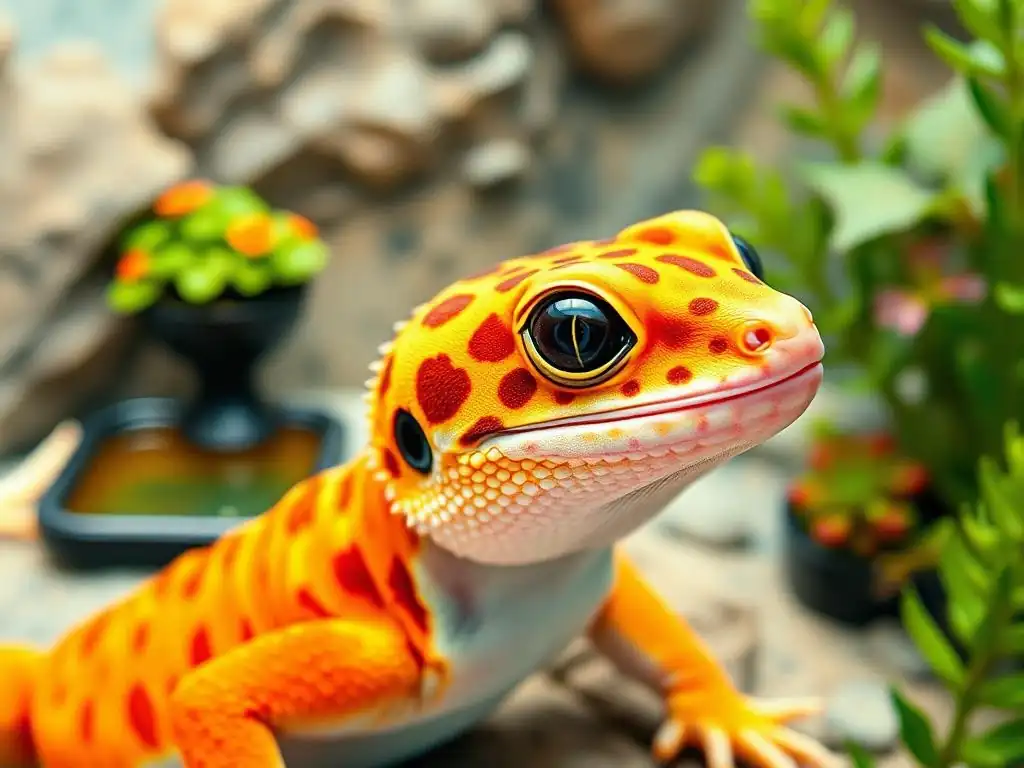
Regular observation of your reptile's behavior is crucial for maintaining a safe and healthy habitat. Subtle changes can indicate underlying issues before they become serious threats. Proactive monitoring allows for early intervention, preventing potentially life-threatening situations and improving your reptile's quality of life. Think of it as your reptile's personal safety net, woven with vigilance and understanding. This proactive approach is key to successful reptile keeping and contributes significantly to their overall well-being. A healthy reptile will exhibit predictable behaviors, making any deviation immediately noticeable to a watchful owner.
Recognizing Signs of Stress or Illness in Reptiles
Recognizing signs of stress or illness in reptiles can be challenging, as they often mask their discomfort. However, careful observation can reveal subtle clues. Changes in appetite are a common early warning sign. A usually voracious eater suddenly refusing food might indicate illness or stress. Similarly, lethargy, a marked decrease in activity levels compared to their usual behavior, is another significant indicator.
Look for changes in posture; unusual hunching or a reluctance to move could suggest pain or discomfort. Respiratory issues, like labored breathing or gaping mouths, demand immediate veterinary attention. Furthermore, changes in shedding patterns, such as incomplete shedding or difficulty shedding, can be a sign of underlying health problems. Finally, observe their droppings; changes in frequency, consistency, or color should prompt investigation. A comprehensive reptile habitat safety checklist includes regular monitoring for all these indicators.
| Sign of Stress/Illness | Description | Potential Causes | Action to Take |
|---|---|---|---|
| Decreased Appetite | Reduced or absent food intake | Illness, stress, temperature issues, parasite infestation | Consult a veterinarian, review habitat conditions |
| Lethargy | Reduced activity levels | Illness, stress, improper temperature or humidity | Consult a veterinarian, review habitat conditions |
| Abnormal Posture | Hunching, unusual body position | Pain, illness, injury | Consult a veterinarian, carefully examine for injuries |
| Respiratory Issues | Labored breathing, gaping mouth | Respiratory infection, environmental issues | Consult a veterinarian immediately |
| Shedding Problems | Incomplete shedding, difficulty shedding | Nutritional deficiencies, dehydration, skin disease | Consult a veterinarian, improve humidity and hydration |
| Altered Droppings | Changes in frequency, consistency, color | Parasites, digestive issues, illness | Consult a veterinarian, collect a sample for analysis |
Responding to Unusual Reptile Behaviors: Seeking Veterinary Assistance
If you observe any unusual behavior in your reptile, don't delay seeking professional veterinary assistance. Early intervention is critical in many cases. A reptile veterinarian specializing in exotic animals possesses the expertise to accurately diagnose and treat a wide range of reptile-specific conditions. Documenting your observations—including the date, time, and specific behaviors—is crucial for providing your veterinarian with a complete picture. Take photos or videos if possible, to visually illustrate the symptoms.
Remember, a seemingly minor change in behavior could be indicative of a serious underlying problem. Delaying treatment can exacerbate the issue, potentially leading to severe complications or even death. A proactive approach to your reptile's health, including prompt veterinary care when needed, is a key component of responsible reptile ownership and a comprehensive reptile habitat safety checklist. Don't hesitate; your reptile's well-being depends on it. The faster you act, the better the chances of a positive outcome.
Emergency Preparedness for Reptile Owners
Responsible reptile ownership extends beyond providing the perfect habitat and nutritious diet. A crucial aspect often overlooked is emergency preparedness. Accidents can happen, and having a plan in place can significantly impact your reptile's survival and well-being. This section focuses on creating a proactive approach to reptile emergencies, ensuring you're ready to act swiftly and effectively should the need arise. Proactive emergency planning for your scaled companion is a key element of responsible reptile ownership, contributing to their overall health and longevity. Neglecting this aspect can have serious consequences.
Creating a Reptile First-Aid Kit: Essential Supplies for Emergencies
A well-stocked reptile first-aid kit is your first line of defense in a crisis. Unlike a human first-aid kit, a reptile kit requires specific items tailored to their unique needs and vulnerabilities. Don't just grab any old kit; assemble one specifically for reptiles. Here's a comprehensive list of essential supplies:
- Clean towels and cloths: For cleaning wounds and gently restraining your reptile. Choose absorbent, soft materials.
- Sterile saline solution: For cleaning minor wounds and preventing infection. Avoid using hydrogen peroxide or alcohol, which can damage delicate reptile skin.
- Antiseptic wipes: For disinfecting surfaces and tools. Opt for reptile-safe options.
- Tweezers: For removing debris or parasites from your reptile's skin or enclosure.
- Small scissors: For carefully cutting away any entangled materials or damaged skin (use with extreme caution).
- Thermometer: To monitor your reptile's body temperature, a crucial indicator of health. A digital thermometer is ideal for accuracy.
- Heating pad (or heat lamp): For providing supplemental warmth in case of hypothermia.
- Small container for transporting injured reptile: A secure, well-ventilated container is essential for safe transport to a veterinarian.
- Reptile-safe lubricant: For aiding in the removal of impacted shed skin.
- Contact information for your veterinarian and reptile specialist: Keep this readily accessible within the kit itself.
Remember to store your kit in a cool, dry place, away from direct sunlight and out of reach of children and pets. Regularly check the expiration dates of any medications or solutions and replace them as needed. A proactive approach to your reptile's well-being ensures you are prepared for any eventuality. This is not just about reacting to an emergency; it's about being proactive in preventing them as well.
Emergency Contact Information: Veterinarians and Reptile Specialists
Having readily available contact information for experienced reptile veterinarians and specialists is paramount. Finding a veterinarian familiar with reptiles is crucial, as their needs differ significantly from mammals or birds. Don't wait until an emergency arises; research and record the contact details of nearby reptile specialists before you need them.
This information should include:
- Veterinarian's Name and Practice Name: Clearly write down the name and location of the practice.
- Veterinarian's Phone Number: Include both the main practice number and the direct line, if available.
- Veterinarian's Emergency Contact Number: This is crucial for after-hours emergencies.
- Reptile Specialist's Name and Contact Information (if different from your vet): Many vets specialize in specific animal types, so having a contact for a reptile specialist is beneficial.
- Emergency Animal Hospital's Contact Information: Identify the closest 24/7 emergency animal hospital that handles exotic animals.
Keep this information easily accessible – perhaps laminated and placed near your reptile's enclosure or in your first-aid kit. Time is of the essence in a reptile emergency, so having this information readily at hand can be the difference between life and death for your pet. Consider adding a list of local reptile rescue organizations as well, which can be invaluable for certain situations. Remember, proactive preparation is the best emergency response.
Regular Habitat Maintenance and Safety Checks: A Preventative Approach
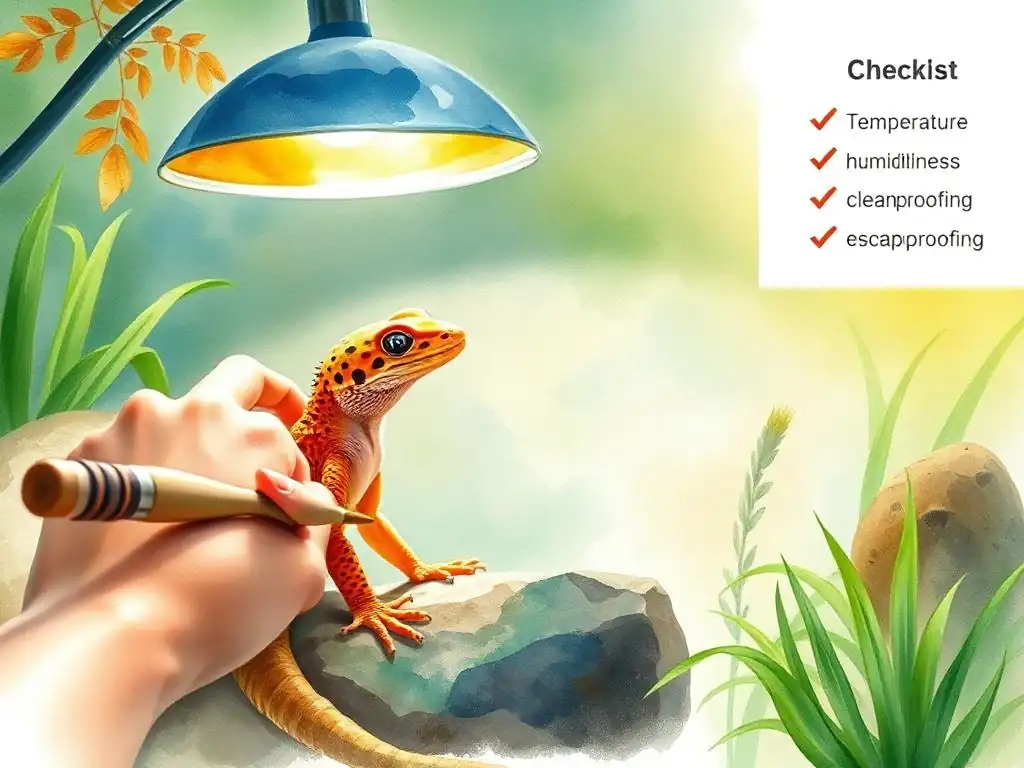
Regular maintenance and proactive safety checks are paramount to ensuring a secure and thriving environment for your reptile. Neglecting these crucial steps can lead to avoidable accidents, injuries, and even the death of your pet. A proactive approach, focusing on preventative measures, is far more effective than reacting to problems after they arise. This section details how to implement a robust reptile habitat safety checklist as part of your regular care routine. Proactive reptile habitat safety is key to responsible pet ownership.
Establishing a Routine Inspection Schedule: Identifying Potential Hazards Early
Developing a consistent inspection schedule is the cornerstone of effective reptile habitat safety. Instead of sporadic checks, aim for a routine that allows you to identify potential hazards before they become serious problems. A weekly inspection is recommended as a minimum, but for younger reptiles or those with specific health concerns, daily checks may be necessary. Consider this a preventative health measure for your scaled companion.
The frequency of your inspections should also depend on the type of reptile you own. For instance, a bioactive terrarium might require more frequent checks to ensure the substrate's moisture level and the health of the cleanup crew remain optimal. A simpler, less complex habitat might require less frequent, but still regular, checks.
Consider incorporating the following into your weekly inspection routine:
- Visual Inspection: Carefully examine all aspects of the enclosure, including the substrate, decorations, hides, water dishes, and any heating or lighting equipment. Look for any signs of damage, deterioration, or potential escape routes.
- Substrate Check: Assess the substrate for moisture levels, signs of mold or mildew, and the presence of any harmful debris. For bioactive setups, check the health and activity levels of the cleanup crew.
- Equipment Functionality: Test the functionality of all heating and lighting equipment, ensuring they are operating correctly and at the appropriate temperatures and light cycles. Check for frayed wires or other potential electrical hazards.
- Escape Route Assessment: Pay close attention to any potential escape routes, such as gaps in the enclosure, loose lids, or unsecured mesh. Reptiles are masters of escape, so vigilance is essential.
- Waste Removal: Regularly remove any waste products to maintain hygiene and prevent the buildup of harmful bacteria or parasites. This is crucial for maintaining a healthy environment for your reptile and minimizing the risk of disease.
Remember to document any issues or changes you observe. Maintaining a logbook or digital record can help you track potential problems and identify patterns that might indicate a more significant underlying issue. This detailed approach to reptile habitat safety will ensure your pet's long-term health and well-being. Regular checks are your best defense against unforeseen problems.
Frequently Asked Questions
What is the most important aspect of reptile habitat safety?
The most important aspect is ensuring a secure enclosure to prevent escapes. This involves secure locks, proper ventilation, and a substrate that won't be ingested. A secure enclosure protects both your reptile and your home.
How can I prevent my reptile from escaping its enclosure?
Always use secure lids and latches, and regularly check for any cracks or gaps in the enclosure. Consider using escape-proof materials and avoid placing the enclosure near areas your reptile could easily access to climb out.
What are some common hazards within a reptile habitat?
Common hazards include loose substrate that could be ingested, toxic plants, improper lighting or heating, and inadequate ventilation. Always research the specific needs of your reptile species.
How often should I check my reptile's habitat for safety issues?
You should perform a daily visual check of your reptile's habitat. This allows for early detection of any potential problems, such as damaged equipment or signs of escape attempts. Regular maintenance is key.
What should I do if my reptile escapes?
Remain calm and systematically search your home. Know your reptile's hiding habits and use appropriate containment methods if you find it. If you cannot locate your reptile, contact a local reptile expert or animal control.
Final Reflection: Securing a Future for Scaly Companions
Creating a safe and enriching habitat is not merely a checklist item; it's the cornerstone of responsible reptile ownership. The well-being of these fascinating creatures hinges on our understanding and commitment to providing them with an environment that mirrors their natural needs. Ignoring even seemingly minor safety precautions can have devastating consequences for your pet.
The impact of responsible reptile keeping extends far beyond the individual animal. It influences our understanding of conservation efforts, promoting empathy and respect for all creatures. As we learn to create safe and stimulating habitats, we also foster a deeper appreciation for the delicate balance of ecosystems. The greatness of a nation and its moral progress can be judged by the way its animals are treated.
- Mahatma Gandhi. This quote, while broad, speaks to the interconnectedness of our actions and their ripple effects on the world around us. Our commitment to reptile welfare reflects our broader ethical considerations and responsibility towards the planet.
Now, consider your own reptile's environment. Is it truly as safe and enriching as it could be? Take a moment to revisit the checklist, not just as a list of tasks, but as a guide to building a strong, trusting relationship with your scaly companion. Make the commitment today to ensure your reptile thrives, not just survives. Your dedication will not only improve the life of your pet but will also contribute to a more compassionate and informed community of reptile keepers.
Ready to Create a 5-Star Reptile Haven?
Thanks for learning how to create a safe and enriching habitat for your reptile! You've already gained valuable insights into their well-being. Now let's put that knowledge into action. Here's how to take the next steps:
- Thoroughly inspect your reptile's enclosure: Carefully examine every item in your reptile's enclosure, using a checklist as a guide. Address any potential hazards immediately. This is crucial!
- Share your habitat setup: Post a picture of your improved reptile enclosure on our PetCareWorld community forum! We'd love to see the results and offer further advice.
- Enhance your reptile's environment: Consider adding climbing structures, a new substrate, or stimulating toys to make your reptile's home more engaging.
What creative solutions have you found to make your reptile's habitat safer and more stimulating? Share your ideas!