
The Aquarium Disease Detective: How to Identify and Treat Common Fish Illnesses

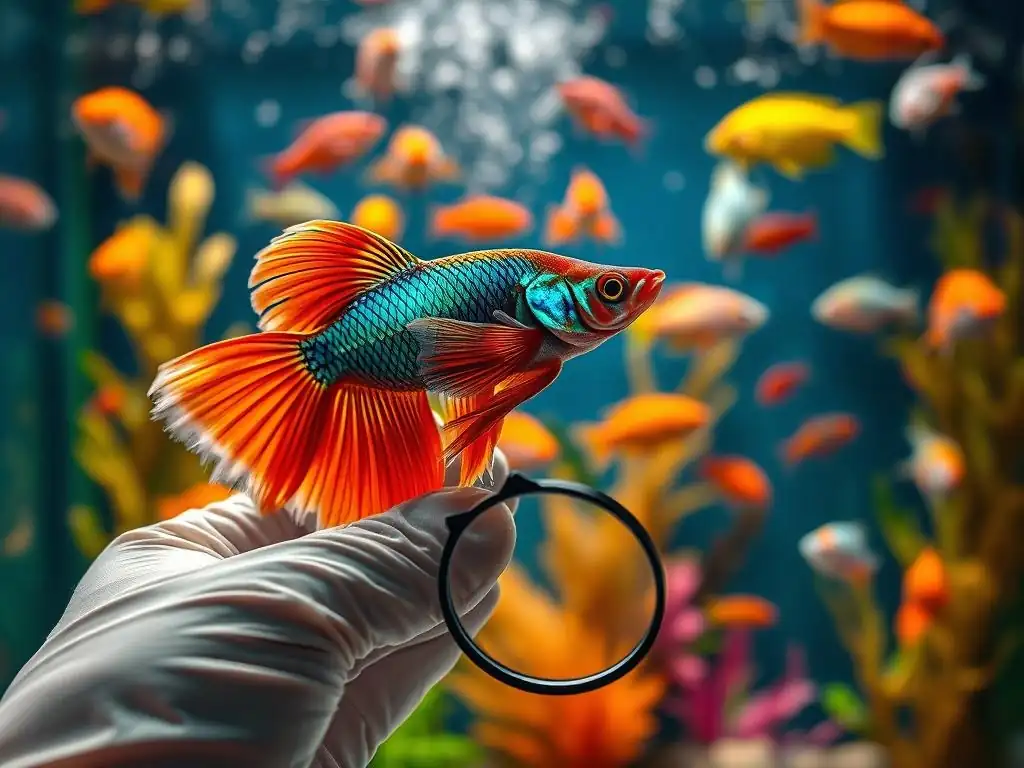
Welcome to PetCareWorld, your ultimate guide to a happier, healthier life for your beloved companions! Are you noticing unusual behavior in your aquarium? Dive into our expert guide, "Identify common fish diseases," and learn to become a detective for your finned friends. Uncover the secrets to recognizing and treating common fish illnesses, ensuring your aquatic pets thrive. Discover how early detection and proper care can make all the difference – let's keep those scales shimmering!
-
Identifying Common Fish Diseases: A Visual Guide
- Recognizing Ich (White Spot Disease) in Your Fish
- Identifying Fin Rot and Tail Rot in Aquarium Fish
- Diagnosing Fish with Velvet Disease (Oodinium)
- Spotting Bacterial Infections in Your Aquarium Fish
- Detecting Fungal Infections in Fish
- Identifying Parasites in Your Fish Tank
- Recognizing Fish with Internal Bacterial Infections
- Common Fish Disease Symptoms: What to Look For
-
Treating Common Aquarium Fish Illnesses
- Effective Treatments for Ich (White Spot Disease)
- Treating Fin Rot and Tail Rot in Fish
- Treatment Options for Velvet Disease (Oodinium)
- Bacterial Infection Treatment for Fish: Antibiotics and Other Medications
- Fungal Infection Treatment for Fish: Antifungal Medications
- Treating Parasites in Fish: Medication and Water Changes
- Treating Internal Bacterial Infections in Fish
- Preventing Fish Diseases: Proactive Aquarium Care
- When to Seek Professional Veterinary Help for Your Fish
- Frequently Asked Questions
- Final Reflection: The Enduring Ripple Effect of Aquarium Health
- Unveil Your Inner Fish Doctor: Take Action Now!
Identifying Common Fish Diseases: A Visual Guide
Keeping a thriving aquarium is a rewarding hobby, but it demands vigilance. Understanding common fish diseases is crucial for maintaining the health and happiness of your aquatic companions. This comprehensive guide will equip you with the knowledge to identify and address some of the most prevalent illnesses affecting aquarium fish, empowering you to become a proactive and effective aquarium disease detective.
We'll explore the visual cues associated with several common ailments, enabling early detection and intervention which is key to successful treatment and preventing widespread outbreaks within your tank. This guide focuses on practical identification, providing you with the tools to effectively diagnose and treat your fish, ultimately contributing to a healthier and more vibrant aquarium environment.
Early identification of common fish diseases is paramount for successful treatment and preventing the spread of illness amongst your fish population. Let's dive in and learn how to identify and address some of the most common problems.
Recognizing Ich (White Spot Disease) in Your Fish
Ich, or Ichthyophthirius multifiliis, is a highly contagious parasitic infection characterized by the appearance of small, white spots on your fish's body, fins, and gills. These spots resemble grains of salt scattered across the fish's skin. The severity of the infestation can vary; some fish may only show a few spots, while others might be heavily covered. Beyond the visible spots, infected fish often exhibit lethargy, loss of appetite, rapid gill movement (trying to dislodge parasites), and may even exhibit flashing behavior – rubbing against objects in the tank to alleviate itching.
Early detection is key. If you notice even a few white spots, it's crucial to act quickly. Ignoring Ich can lead to severe illness and potentially death for your fish. Effective treatment often involves raising the water temperature slightly (check your fish's specific temperature tolerance), adding aquarium salt (following package instructions carefully! ), and potentially using medication specifically designed to treat Ich. Regular water changes are also vital in removing free-swimming Ich parasites from the tank. Remember to always quarantine any new fish before introducing them to your main tank to prevent future outbreaks.
The severity of Ich can range from mild, with a few scattered white spots, to severe, with dense coverage that hinders the fish's ability to breathe and feed. This highlights the importance of early detection and prompt treatment.
Identifying Fin Rot and Tail Rot in Aquarium Fish
Fin rot and tail rot are bacterial infections that cause the fins and tail of your fish to deteriorate. The affected areas may appear frayed, ragged, or translucent. In advanced stages, the fins can become completely eroded, leaving the fish vulnerable to secondary infections. Several factors can contribute to fin rot, including poor water quality (high ammonia or nitrite levels), aggressive tank mates, and injuries.
Symptoms of fin rot often start subtly. You might notice a slight fraying or discoloration at the edges of the fins. As the infection progresses, the damage becomes more extensive, leading to the complete disintegration of the fin tissue. Treatment typically involves improving water quality through frequent partial water changes, using medication specifically designed to treat bacterial infections, and ensuring adequate filtration. Removing any aggressive tank mates that may be contributing to the injury is also essential. Prevention is key; maintaining pristine water conditions and avoiding overcrowding are crucial in preventing fin and tail rot. 🐠
Diagnosing Fish with Velvet Disease (Oodinium)
Velvet disease, caused by the parasite Oodinium, is another common ailment in aquariums. This parasite coats the fish's body, giving it a velvety or golden appearance. Similar to Ich, infected fish often exhibit lethargy, loss of appetite, and may display flashing behavior. However, unlike the distinct white spots of Ich, velvet presents as a more subtle, shimmering gold or brown coating across the fish's body.
The gold or brown shimmer is often more noticeable under bright light. As the infection progresses, the fish's breathing may become labored, and they may become increasingly weak and unresponsive. Treatment for velvet involves improving water quality, raising the temperature slightly (again, within the tolerance of your specific fish species), and potentially using medication specifically formulated for treating Oodinium.
Early intervention is crucial for a successful outcome; the sooner you identify and treat the disease, the better the chances of your fish recovering. Remember that accurate diagnosis is crucial for effective treatment; if you are unsure about the diagnosis, it's always best to seek advice from an experienced aquarist or veterinarian specializing in aquatic animals.
Spotting Bacterial Infections in Your Aquarium Fish
Bacterial infections are a common ailment among aquarium fish, often stemming from poor water quality, stress, or injuries. Identifying these infections early is crucial for successful treatment. Several visual cues can help you pinpoint a bacterial infection. One of the most common signs is the appearance of white, fuzzy patches on the fish's body or fins. These patches can be small initially, gradually spreading and becoming more pronounced. The affected areas may also appear inflamed and reddened.
Additionally, you might observe fin rot, characterized by frayed or ragged fins that appear eroded or disintegrating. Some bacterial infections lead to ulcers, open sores on the fish's body, which can be easily spotted. These ulcers often appear as reddish or inflamed areas, sometimes with a cloudy or white discharge. Behavioral changes are also significant indicators. Infected fish often become lethargic, lose their appetite, and may exhibit unusual swimming patterns, such as staying near the bottom of the tank or gasping at the surface.
Remember, prompt action is key. If you suspect a bacterial infection, immediately isolate the affected fish to prevent the spread of the disease and begin treatment with an appropriate antibiotic, always following the instructions carefully. It's also vital to improve water quality by performing a large water change and checking your filter's efficiency. Early detection and immediate action significantly increase the chances of your fish's recovery. Ignoring these symptoms can lead to a rapid decline in the fish's health and potentially death.
Detecting Fungal Infections in Fish
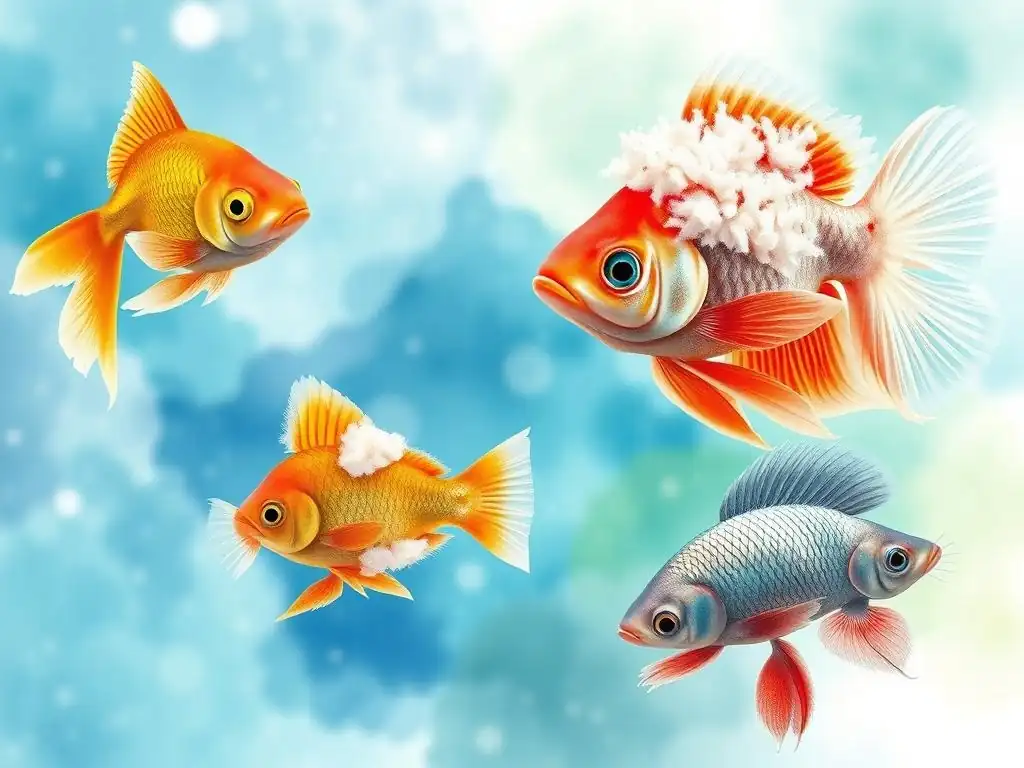
Fungal infections, while less common than bacterial infections, are still a significant concern for aquarium fish keepers. Unlike bacterial infections, fungal infections often present as cotton-like or fuzzy growths on the fish's body, fins, or gills. These growths can be white, gray, or even slightly brownish in color and have a characteristic fluffy appearance. Unlike bacterial infections which might present as localized lesions, fungal infections can sometimes appear more diffuse, spreading across larger areas of the fish's body. The infected areas may also appear inflamed or reddened.
Furthermore, a loss of appetite and lethargy are common behavioral indicators of a fungal infection. Affected fish may become less active, hide more frequently, and show a noticeable decrease in their feeding behavior. Similarly to bacterial infections, respiratory distress is often observed, with fish gasping at the surface or exhibiting rapid gill movements. However, unlike bacterial infections, the lesions caused by fungal infections tend to be less deeply penetrating. Treatment usually involves antifungal medications, along with improving water quality and reducing stress on the fish.
Maintaining a clean and well-maintained aquarium is crucial in preventing fungal infections. Regular water changes and proper filtration are essential for creating a healthy environment that's less susceptible to fungal growth. Remember, early diagnosis and prompt treatment are critical in managing fungal infections successfully. Ignoring these symptoms can lead to a serious and potentially fatal outcome for your fish.
Identifying Parasites in Your Fish Tank
Parasites are another common cause of illness in aquarium fish. They can be either external, visible on the fish's body, or internal, residing within the fish's tissues. Identifying the type of parasite is crucial for effective treatment. External parasites, such as ich ( Ichthyophthirius multifiliis), often present as small, white spots scattered across the fish's body and fins. These spots are actually the parasite's cysts, and their presence is a clear indication of infestation. Affected fish may also exhibit excessive scratching against objects in the tank, a behavior known as flashing.
Other external parasites, like flukes, may appear as small, worm-like organisms clinging to the fish's skin or gills. They can cause irritation and inflammation, leading to visible lesions or excessive mucus production. Internal parasites are more difficult to detect visually. Symptoms often include lethargy, loss of appetite, distended abdomen, and weight loss. Fish infected with internal parasites may also exhibit unusual swimming patterns or exhibit pale gills. Careful observation and regular water quality checks are crucial in detecting parasitic infestations.
If you suspect a parasitic infection, isolating the affected fish is essential to prevent the spread. Appropriate treatment will depend on the type of parasite identified. Maintaining good water quality and minimizing stress on your fish are crucial preventative measures against parasitic infections. Regular tank maintenance and careful monitoring of your fish's behavior are key to early detection and successful treatment. Remember, a healthy aquarium environment is the first line of defense against parasitic infestations. 🐠
Recognizing Fish with Internal Bacterial Infections
Internal bacterial infections in fish are often insidious, making early detection crucial for successful treatment. Unlike external infections which are readily visible, internal infections manifest through subtle behavioral and physical changes. A keen eye and understanding of these signs are vital for identifying the problem before it becomes life-threatening. Early intervention significantly improves the chances of a positive outcome.
One of the first signs to watch for is lethargy. An infected fish may become less active, spending more time resting at the bottom of the tank instead of its usual swimming patterns. This reduced activity is often accompanied by loss of appetite, a significant indicator that something is amiss. You might notice your fish ignoring food altogether or only picking at it sporadically, a stark contrast to its previous enthusiastic feeding habits.
Physical symptoms can be more challenging to identify, often requiring a closer inspection. Cloudy eyes are a common sign, indicating inflammation and potential infection. Similarly, red streaks or blotches on the fish's body, particularly around the fins or gills, can be indicative of internal bacterial spread. These markings might not be easily noticeable, so regular, careful observation is essential. You may also observe swollen or protruding belly, a sign of internal organ damage and inflammation often associated with bacterial infections.
Further complicating diagnosis, some internal bacterial infections mimic other health issues. For instance, a bloated belly could also suggest parasitic infestation or constipation. Therefore, it’s vital to consider the totality of symptoms – lethargy, loss of appetite, unusual coloration, and any visible physical abnormalities – for a more accurate assessment.
Unfortunately, many internal bacterial infections only become definitively diagnosable through laboratory testing, which is often unavailable to home aquarists. However, by closely monitoring your fish's behavior and physical condition, you can significantly increase the likelihood of early detection and intervention. Remember, prompt action is key to treating internal bacterial infections and improving your fish's chances of survival.
Early identification of symptoms, even if not definitive, should always prompt you to isolate the affected fish and begin supportive care, such as improving water quality and providing appropriate medication based on your best educated guess. Consulting with an experienced aquarist or veterinarian specializing in aquatic animals can also be beneficial in these situations.
Common Fish Disease Symptoms: What to Look For
Identifying common fish diseases early is crucial for successful treatment and preventing widespread outbreaks in your aquarium. Recognizing subtle changes in your fish's behavior and physical appearance is the first step in becoming a successful aquarium disease detective. Early detection significantly improves the chances of a positive outcome, minimizing suffering and potential losses within your aquatic ecosystem. This section will guide you through the key symptoms to watch for.
Changes in Fish Behavior: Lethargy, Loss of Appetite, Hiding
One of the earliest indicators of illness in fish is a change in their typical behavior. Healthy, active fish exhibit vibrant swimming patterns, readily approach food, and maintain a prominent position within the tank. Conversely, sick fish often display noticeable behavioral shifts.
Lethargy is a common symptom. Instead of their usual energetic swimming, affected fish may rest on the bottom of the tank, exhibiting minimal movement. They may also appear listless and unresponsive to external stimuli. This inactivity can be a significant warning sign, often preceding more visible physical symptoms.
Loss of appetite is another crucial indicator. If your fish are normally eager feeders but suddenly refuse food, this could signal underlying illness. Observe carefully—a temporary reduction in feeding might be normal, but persistent refusal is a cause for concern.
Finally, hiding behavior is a common response to illness or stress. Fish that usually occupy open areas of the tank may suddenly seek shelter amongst plants, rocks, or other hiding places. This behavior suggests they are feeling unwell and vulnerable. A sudden change in a fish's preferred location within the tank should be noted and investigated. For example, a usually bold betta suddenly hiding in its cave could indicate a problem.
Physical Symptoms: Lesions, Spots, Fins, Scales, and Body Changes
Beyond behavioral changes, physical symptoms are often more readily apparent. A careful visual inspection of your fish is essential for early detection.
Lesions, or open sores, are often indicative of bacterial or fungal infections. These can appear as red, inflamed areas on the skin or fins, sometimes with visible pus or discoloration. The severity and location of lesions can vary depending on the specific disease.
Spots are another common symptom, appearing as small, discolored patches on the body. Their color can vary widely, ranging from white or gray (indicative of ich) to red or black. The distribution and appearance of spots are important factors in disease identification.
Fin rot, characterized by frayed or eroded fins, is a frequent problem, often associated with poor water quality or bacterial infections. Observe for ragged edges, discoloration, or complete fin loss.
Scale loss or abnormal scale protrusion (pineconing) are also indicative of various diseases, often linked to parasitic infections or severe stress. Note any unusual changes in the appearance or arrangement of your fish's scales.
Body changes, such as bloating, emaciation, or abnormal curvature of the spine, can also signal underlying health issues. Detailed observation, including noting changes in body shape and posture, is crucial for accurate diagnosis. For instance, a severely bloated fish might have dropsy.
Water Quality Indicators: Ammonia, Nitrite, Nitrate Levels
While not a direct symptom of a specific disease, poor water quality significantly increases the susceptibility of fish to illness. Regular monitoring of key water parameters is essential for preventative care and early diagnosis.
High levels of ammonia (NH3) are extremely toxic to fish, leading to various health problems, including gill damage and organ failure. Regular testing and appropriate filtration are crucial to maintain safe ammonia levels.
Elevated nitrite (NO2) levels are equally harmful, interfering with oxygen uptake and causing stress. Nitrite poisoning is a common problem, especially in newly established aquariums.
High nitrate (NO3) levels, while less acutely toxic than ammonia and nitrite, can still contribute to stress and weaken the immune system, increasing the likelihood of disease. Regular water changes are vital to keep nitrate levels within a healthy range. Consistent monitoring of these three parameters allows for proactive management of water quality, minimizing the risk of disease outbreaks and supporting the overall health of your fish. Remember to always use a reliable liquid test kit for the most accurate readings.
Treating Common Aquarium Fish Illnesses
This section delves into effective treatment strategies for some of the most prevalent aquarium fish diseases. Remember, early diagnosis and prompt treatment are crucial for successful outcomes. Always quarantine affected fish to prevent the spread of illness within your main aquarium. Accurate identification of the disease is paramount before initiating any treatment. Misdiagnosis can lead to ineffective treatment and potentially worsen the fish's condition.
Effective Treatments for Ich (White Spot Disease)
Ich, or Ichthyophthirius multifiliis, is a highly contagious parasitic disease easily identified by the tiny white spots covering a fish's body and fins. These spots are actually the parasite's reproductive cysts. Severe infestations can lead to lethargy, loss of appetite, and ultimately, death.
Several treatment options exist for Ich, ranging from raising the water temperature to using medications.
- Raising the Water Temperature: A slight increase in water temperature (up to 86°F or 30°C) can speed up the parasite's life cycle, potentially killing it before it can reproduce. However, this method is only effective in the early stages and must be carefully monitored to avoid stressing the fish. Always gradually increase the temperature to avoid shocking your fish.
- Medication: Several medications are specifically formulated to treat Ich. These often contain malachite green or formalin, but always follow the manufacturer's instructions precisely. Overdosing can be harmful to your fish. Some medications require you to remove activated carbon from your filter media during treatment. Remember to research different medications and choose one suitable for your specific fish species and tank setup.
- Salt Treatment: Adding aquarium salt to the water can also help in managing Ich. The correct dosage is crucial; too much salt can be harmful. Consult reliable sources for the appropriate salt concentration for your specific fish. Always perform a partial water change before introducing salt.
The effectiveness of each treatment method can vary depending on factors such as the severity of the infection, the fish species involved, and the overall health of the aquarium environment. Regular water changes (around 25% weekly) and maintaining good water quality are essential components of any treatment plan. Careful observation of your fish's behavior and appearance is crucial throughout the treatment process. Any sign of worsening condition should prompt a re-evaluation of the treatment strategy.
Treating Fin Rot and Tail Rot in Fish
Fin rot and tail rot are bacterial infections that cause the fins and tail to become frayed, eroded, and discolored. These infections often result from poor water quality, stress, or injury. Early detection is important, as severe cases can lead to significant tissue damage and even death.
Treatment strategies for fin and tail rot typically involve improving water quality and using antibiotics.
- Water Quality Improvement: Regular partial water changes (at least 25% weekly) are essential to remove waste and maintain optimal water parameters (ammonia, nitrite, nitrate levels). Regular filter maintenance is also crucial.
- Antibiotic Treatment: Several aquarium-safe antibiotics are available to combat bacterial infections. These are often available in liquid or tablet form. Always carefully follow the manufacturer's instructions, paying close attention to dosage and treatment duration. Some antibiotics may require you to temporarily remove activated carbon from your filter.
- Stress Reduction: Identify and address any potential stressors in the aquarium environment, such as overcrowding, aggressive tank mates, or inadequate filtration. A stress-free environment helps the fish's immune system fight off infection more effectively.
Accurate diagnosis is crucial, as fin rot can sometimes be confused with other conditions. If the rot progresses rapidly or doesn't respond to initial treatment, it's essential to seek advice from an experienced aquarist or veterinarian.
Treatment Options for Velvet Disease (Oodinium)
Velvet disease, caused by the parasitic dinoflagellate Oodinium, is characterized by a velvety or golden coating on the fish's body. Infected fish often exhibit flashing behavior (rubbing against objects) and lethargy. Like Ich, this disease is highly contagious and requires prompt treatment.
Several treatment options are available for velvet disease, each with its own advantages and disadvantages.
- Raising Water Temperature and Salinity: Similar to Ich treatment, slightly increasing the water temperature and adding aquarium salt can help control the parasite's life cycle. This method is most effective in the early stages of infection and should be combined with other treatments for severe cases.
- Formalin and Malachite Green: These medications are commonly used to treat velvet disease. However, they can be toxic to invertebrates and some fish species. Always research the compatibility of the medication with your specific fish and tank inhabitants before use. Follow the manufacturer's instructions carefully.
- Copper-Based Medications: Copper-based medications are effective against velvet but can be toxic to invertebrates and plants. Careful monitoring of copper levels is crucial, and regular partial water changes are essential to maintain appropriate concentrations. Use a copper test kit to ensure accurate levels.
Treating velvet disease often requires a combination of approaches, including improving water quality, reducing stress, and using medication. Regular observation of your fish's condition is crucial to gauge the effectiveness of the treatment. If the infection doesn't improve or worsens, seek professional veterinary advice. Remember that prevention is key; maintaining a clean and healthy aquarium environment is the best defense against velvet disease and other common fish illnesses.
Bacterial Infection Treatment for Fish: Antibiotics and Other Medications
Bacterial infections are a common problem in aquariums, often stemming from poor water quality, overcrowding, or stress. Identifying the specific bacteria is crucial for effective treatment, but this often requires laboratory testing, which may not be readily available to home aquarists. Therefore, treatment often focuses on broad-spectrum antibiotics. These medications target a wide range of bacteria, increasing the chances of success. However, it's vital to remember that antibiotics should only be used when necessary, as overuse can lead to antibiotic-resistant strains and disrupt the beneficial bacteria in your aquarium's ecosystem.
Several types of antibiotics are available for treating bacterial infections in fish, each with its own strengths and weaknesses. Some are administered directly to the fish, often in food or through injection (requiring veterinary expertise), while others are added to the aquarium water. The choice of antibiotic and administration method depends on the severity of the infection, the type of fish affected, and the aquarist's experience level.
Always follow the manufacturer's instructions carefully, as incorrect dosage can harm your fish or be ineffective. Monitoring the fish closely during treatment is essential, and adjustments may be needed based on their response. In addition to antibiotics, improving water quality and reducing stress factors are equally important for successful treatment.
This includes regular water changes, proper filtration, and ensuring the aquarium is not overcrowded. A quarantine tank can help prevent the spread of infection to other fish. Finally, remember that even with treatment, some fish may not survive a severe bacterial infection.
Fungal Infection Treatment for Fish: Antifungal Medications
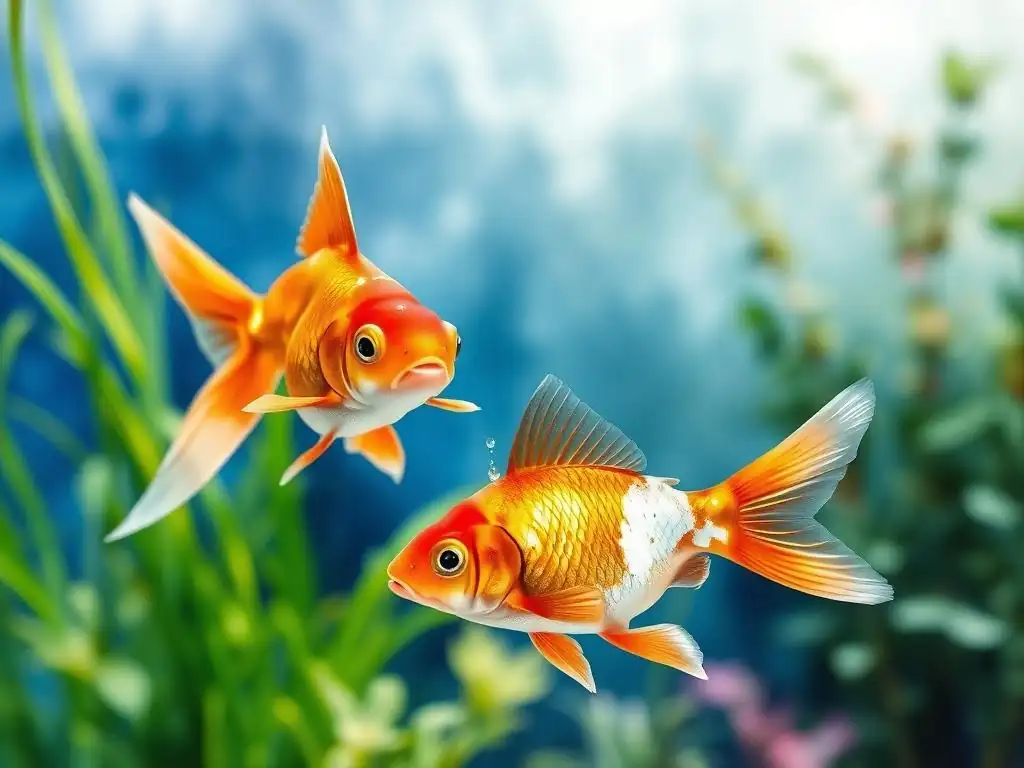
Fungal infections, often manifesting as white or fuzzy patches on the fish's body or fins, are another common aquarium ailment. These infections thrive in environments with poor water quality, such as those with high organic loads or fluctuating temperatures. Similar to bacterial infections, accurate identification of the specific fungus is ideal but often impractical for home aquarists. Treatment typically involves antifungal medications, which are available in various forms, including dips, topical applications, and water treatments.
Common antifungal medications for fish include malachite green, methylene blue, and formalin. Each has its own mechanism of action and potential side effects, requiring careful consideration and adherence to dosage instructions. Malachite green, for instance, is effective against a broad range of fungi but can be toxic to some fish and invertebrates at higher concentrations.
Methylene blue, on the other hand, is less toxic but may not be effective against all types of fungal infections. Before using any antifungal medication, it's crucial to thoroughly research its properties and potential risks to your specific fish species and the overall aquarium ecosystem. As with bacterial infections, improving water quality and reducing stress are crucial for successful treatment.
This includes regular water changes (often more frequent than usual during treatment), proper filtration, and maintaining stable water parameters. Careful observation of the fish is critical, and adjustments to the treatment plan may be necessary based on their response. In severe cases, isolating infected fish in a quarantine tank is recommended to prevent the spread of infection.
Treating Parasites in Fish: Medication and Water Changes
Parasites are microscopic organisms that can infest fish, causing a range of symptoms, from lethargy and loss of appetite to visible external parasites like ich (white spot disease). Several types of parasites can affect aquarium fish, including protozoa, worms, and crustaceans. Treatment strategies vary depending on the type of parasite, but often involve a combination of medication and water changes. Accurate identification of the parasite is crucial for effective treatment, but this often requires microscopic examination, potentially necessitating professional veterinary assistance.
Treatment for parasitic infections often involves medications like praziquantel (for worms), metronidazole (for some protozoa), and various treatments for external parasites like ich. These medications are available in different forms, including liquid, powder, and food additives. It's essential to follow the manufacturer's instructions carefully, as incorrect dosage can be ineffective or harmful to your fish. In addition to medication, regular water changes are vital in controlling parasitic infections.
Parasites often thrive in poor water quality, so improving water parameters can help disrupt their life cycle and reduce their numbers. Maintaining a clean aquarium with effective filtration is crucial for preventing future infestations. For external parasites like ich, raising the water temperature slightly (within the tolerance range of your fish species) can also help speed up the parasite's life cycle and make it more susceptible to treatment.
Quarantine is highly recommended to prevent the spread of infection to other fish in the main tank. Finally, observe the fish carefully throughout the treatment process and adjust the strategy based on their response. Remember, prevention is key; maintaining good water quality and avoiding overcrowding are crucial for preventing parasitic infestations.
Treating Internal Bacterial Infections in Fish
Internal bacterial infections in fish are often insidious, progressing silently until symptoms become pronounced. Early detection is crucial for successful treatment, and unfortunately, many cases go unnoticed until the fish shows significant distress. Identifying the specific bacteria responsible is often difficult without laboratory testing, making broad-spectrum antibiotics the most common approach. However, responsible antibiotic use is paramount to avoid contributing to antibiotic resistance in aquatic environments.
Several factors contribute to the development of internal bacterial infections. Poor water quality, including high ammonia and nitrite levels, compromised immune systems due to stress (overcrowding, poor water parameters, or improper handling), and injuries sustained during aggression or improper handling can all create an environment where bacteria thrive and overwhelm a fish's defenses. Additionally, introducing new fish without proper quarantine can inadvertently introduce pathogens into an established tank.
Treatment typically involves a combination of approaches. First and foremost, addressing the underlying water quality issues is essential. Performing a large water change (up to 50% or more, depending on the severity) with properly dechlorinated water is crucial. Regular maintenance, including gravel vacuuming and filter cleaning (without using harsh chemicals), should be diligently followed.
Next, a broad-spectrum antibiotic, typically in liquid form for easier administration, is often prescribed. The specific antibiotic and dosage will depend on the severity of the infection and the type of fish affected; it is crucial to consult with an experienced veterinarian or aquatic specialist for accurate diagnosis and treatment recommendations. Follow the prescribed dosage and duration meticulously; prematurely stopping treatment can lead to relapse.
Beyond medication, supportive care plays a vital role. Improving water quality reduces stress, allowing the fish's immune system to fight the infection more effectively. Providing a clean, stress-free environment is crucial for recovery. This includes ensuring adequate filtration, appropriate temperature, and avoiding any further stressors like overcrowding or aggressive tank mates. Furthermore, feeding a high-quality, nutritious diet supports immune function and promotes healing.
Observe your fish closely during and after treatment for any signs of relapse or other complications. Regular monitoring of water parameters is also essential to ensure the treatment is not further compromising the water quality. Remember, patience and consistent care are key to successful treatment and preventing future outbreaks. Early intervention and proactive water management are the best defenses against internal bacterial infections in your aquarium.
Preventing Fish Diseases: Proactive Aquarium Care
Preventing fish diseases is far more effective and less stressful than treating them. A proactive approach to aquarium maintenance significantly reduces the risk of illness outbreaks in your fish community. This involves a multi-pronged strategy focusing on water quality, proper setup, and responsible fish selection. By implementing these preventative measures, you'll create a thriving and healthy environment for your aquatic pets, reducing the need to "identify common fish diseases" in the first place.
Maintaining Optimal Water Quality: Regular Water Changes and Testing
Maintaining pristine water quality is paramount in preventing fish diseases. This involves a regular schedule of partial water changes and consistent water testing. Aim for a 25-50% water change weekly, depending on the size of your tank and the bioload (number of fish and invertebrates). This removes accumulated waste products like ammonia, nitrite, and nitrate, which are highly toxic to fish. Neglecting water changes significantly increases the risk of infections and other health problems.
Regular water testing is equally crucial. Use a reliable test kit to monitor ammonia, nitrite, nitrate, and pH levels. These parameters should remain within the optimal range for your specific fish species. Consistent monitoring allows for early detection of any imbalances, enabling you to take corrective action before they escalate into serious problems and before you need to identify common fish diseases.
For example, a sudden spike in ammonia can rapidly lead to ammonia poisoning, a potentially fatal condition. Regular testing helps prevent such scenarios. Keep detailed records of your water parameters to track trends and identify potential issues before they become major problems.
Importance of Proper Aquarium Setup and Filtration
A properly set up aquarium with a robust filtration system is the cornerstone of disease prevention. The filtration system should be appropriately sized for your tank and bioload. An undersized filter struggles to keep up with waste production, leading to water quality deterioration and increased susceptibility to diseases. Consider using a combination of mechanical, biological, and chemical filtration to ensure thorough water purification.
Beyond filtration, the aquarium setup itself plays a crucial role. Avoid overcrowding your tank. Overstocking stresses fish, weakening their immune systems and making them more vulnerable to disease. Provide ample hiding places and suitable substrate to reduce stress and promote natural behaviors. Regular cleaning of the aquarium glass and decorations also prevents the buildup of harmful bacteria and algae. This proactive approach minimizes the chances of disease outbreaks and reduces your need to identify common fish diseases in your tank. Remember, a well-maintained aquarium is a healthier aquarium.
Choosing Healthy Fish: Quarantine and Acclimation
Introducing new fish to your established aquarium carries a significant risk of introducing diseases. Therefore, a quarantine period is essential. Before adding any new fish to your main tank, keep them in a separate quarantine tank for at least 2-4 weeks. This allows you to observe them for any signs of illness before they can potentially infect your existing fish population. During this period, monitor their behavior, appetite, and appearance for any abnormalities.
Acclimation is equally important. Gradually introduce new fish to the water parameters of your main tank to avoid shock. A sudden change in temperature, pH, or salinity can severely stress fish, making them more vulnerable to disease.
Use a drip acclimation method to slowly equalize the water parameters over a period of 30-60 minutes. This gentle transition minimizes stress and maximizes the chances of a healthy integration into your existing fish community. By carefully selecting healthy fish and following proper quarantine and acclimation procedures, you'll significantly reduce the risk of introducing diseases into your aquarium, saving you time and effort spent trying to identify common fish diseases later on.
Providing a Balanced Diet for Your Fish
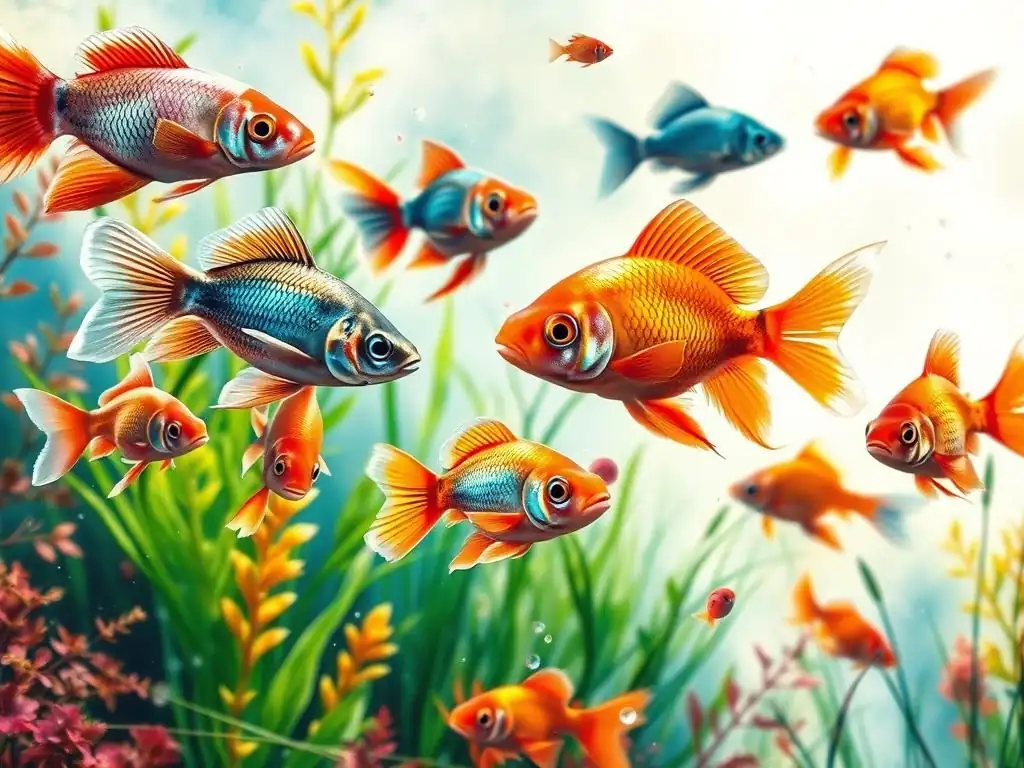
A balanced diet is the cornerstone of preventative fish health. Just like us, fish require a variety of nutrients to thrive and resist disease. Providing a monotonous diet, relying solely on flakes for instance, leaves your fish vulnerable. A diverse diet strengthens their immune system, making them more resilient to infections.
This involves incorporating different food types, such as high-quality fish flakes, pellets, live foods (like brine shrimp or daphnia – always sourced responsibly), and frozen foods (bloodworms, mysis shrimp). The specific dietary needs vary greatly depending on the species; some fish are omnivores, others carnivores or herbivores. Research your fish's specific requirements to ensure you're providing the optimal nutritional balance. For example, goldfish benefit from a diet including algae wafers to support their digestive system and prevent constipation, a common issue contributing to secondary infections.
Remember to feed in moderation; overfeeding leads to water quality issues, which are a breeding ground for disease. Observe your fish's eating habits; if they aren't eating with their usual enthusiasm, it could be a sign of an underlying health problem requiring veterinary attention. Regularly rotating food types prevents nutritional deficiencies and keeps your fish engaged with their meals.
Stress Reduction for Aquarium Fish: Avoiding Overcrowding and Aggressive Tank Mates
Stress significantly weakens a fish's immune system, making them susceptible to various illnesses. Overcrowding is a major stressor; fish need adequate space to swim freely and establish territories. A cramped tank leads to increased competition for resources, heightened aggression, and the rapid accumulation of waste, further compromising water quality. To determine the appropriate stocking level, research your fish's specific space requirements. Consider the size of your aquarium and the adult size of your fish.
Online aquarium calculators can be helpful tools to estimate appropriate stocking densities. For example, a 20-gallon tank might comfortably house a small group of peaceful community fish, but it would be far too small for larger, more territorial species. Aggression between tank mates is another significant stressor. Thorough research before introducing new fish is crucial. Ensure compatibility by choosing peaceful species with similar temperament and habitat requirements.
Avoid combining aggressive species with shy or smaller fish. Careful observation of your fish's behavior is essential; any signs of fin nipping, chasing, or hiding could indicate aggression issues. If aggression is observed, consider rehoming the aggressive fish or separating them into different tanks to prevent stress-related illnesses and injuries. A properly maintained aquarium with ample space and compatible tank mates creates a peaceful environment, supporting the health and well-being of your fish.
When to Seek Professional Veterinary Help for Your Fish
Identifying common fish diseases is crucial for responsible fishkeeping, but knowing when to seek professional help is equally important. While many minor ailments can be treated at home with careful observation and appropriate adjustments to the aquarium environment, some conditions require the expertise of a qualified fish veterinarian. This section will help you discern when a trip to the vet is necessary for your finned friends.
Early intervention significantly increases the chances of a successful outcome, so don't hesitate to seek professional help if you're unsure about your fish's condition. The cost of veterinary care can be a factor, but remember that the value of your pet's life and well-being far outweighs the expense in many cases.
Recognizing Severe or Untreatable Illnesses
Some fish illnesses simply cannot be effectively treated at home. These often present with severe symptoms and rapid deterioration of the fish's health. Recognizing these signs is paramount to making the right decision. Look for symptoms such as:
- Severe lethargy: A fish that remains listless at the bottom of the tank, unresponsive to stimuli, and exhibiting labored breathing is likely suffering from a serious condition.
- Advanced fin rot: While minor fin rot can often be treated, severe fin rot, where significant portions of the fins are missing or severely damaged, often indicates a systemic infection requiring professional intervention.
- Open sores or lesions: Large, bleeding sores or lesions on the fish's body are indicative of significant bacterial or parasitic infections. These require specialized treatment beyond typical home remedies.
- Internal organ failure: Symptoms like bloating, protruding eyes (exophthalmia), or unusual coloration changes can suggest underlying internal organ problems. These are generally difficult to diagnose and treat without professional assistance.
- Rapid spread of disease: If you notice a disease spreading quickly throughout your tank, despite your best efforts at treatment, it's time to seek professional help. This often indicates a highly contagious or resistant pathogen.
Remember, even if you believe you've accurately identified the illness and attempted home treatment, a lack of improvement or worsening condition necessitates immediate veterinary consultation. Delaying treatment can lead to irreversible damage or even death.
Finding a Qualified Fish Veterinarian Near You
Finding a veterinarian experienced with aquatic animals can be challenging, as not all veterinary practices specialize in fish care. Your local veterinary association or online search engines can provide a starting point. When searching for a fish vet, consider these factors:
- Specialization: Look for veterinarians explicitly stating their expertise in aquatic animal medicine or fish health.
- Reviews and Recommendations: Check online reviews and seek recommendations from other fish keepers in your area.
- Facilities and Equipment: A reputable fish veterinarian will have the necessary diagnostic equipment, such as microscopes and water testing kits, to accurately diagnose your fish's illness.
- Communication: Clear and effective communication is essential. Choose a veterinarian who is willing to answer your questions and explain the treatment plan thoroughly.
Preparing Your Fish for a Veterinary Visit
Transporting a fish to a veterinarian requires careful planning to minimize stress and ensure the fish's safety. Here's how to prepare:
- Secure Container: Use a well-ventilated, leak-proof container large enough to comfortably hold your fish. A plastic bag with oxygen is often recommended.
- Water Sample: Collect a water sample from your aquarium to provide the veterinarian with essential information about water parameters (temperature, pH, ammonia, nitrite, nitrate levels).
- Accurate History: Be prepared to provide a detailed history of your fish, including its species, age, diet, and any recent changes in the aquarium environment. Note any observed symptoms and their duration.
- Transportation: Minimize travel time and keep the container at a consistent temperature close to the aquarium's water temperature. Avoid sudden temperature changes, which can stress the fish. Consider a temperature-controlled carrier for longer distances.
Remember that a calm and prepared approach will help reduce stress on both you and your fish during the veterinary visit. The veterinarian will appreciate the detailed information and careful handling, ultimately leading to a more accurate diagnosis and effective treatment plan. 🐠
Frequently Asked Questions
How can I identify common fish diseases?
Observing your fish for unusual behavior, such as lethargy, loss of appetite, or changes in swimming patterns, is crucial. Look for physical signs like cloudy eyes, fin rot, or unusual spots on their bodies. Consult a reliable resource like PetCareWorld for visual aids and detailed descriptions.
What are some common signs of illness in fish?
Common symptoms include lethargy, loss of appetite, unusual swimming patterns, fin rot, cloudy eyes, redness or sores, and rapid breathing. Any significant change from your fish's normal behavior should warrant investigation.
What should I do if I suspect my fish is sick?
Immediately quarantine the affected fish to prevent the spread of disease. Improve water quality by performing a partial water change. Observe your fish closely and consider consulting a veterinarian specializing in aquatic animals for diagnosis and treatment.
Are there preventative measures I can take to keep my fish healthy?
Maintaining excellent water quality is paramount. This includes regular water changes, proper filtration, and avoiding overfeeding. Quarantine new fish before introducing them to the main tank to prevent the introduction of diseases.
Where can I find reliable information about fish diseases?
PetCareWorld provides comprehensive guides and resources on identifying and treating common fish illnesses. You can also consult reputable aquatic veterinary professionals or experienced aquarists for further assistance.
Final Reflection: The Enduring Ripple Effect of Aquarium Health
Understanding and treating fish illnesses isn't just a hobbyist's concern; it's a crucial aspect of responsible pet ownership and the preservation of aquatic biodiversity. The seemingly small world of a home aquarium reflects a larger ecosystem, highlighting the interconnectedness of life and the importance of proactive care. Ignoring the subtle signs of disease can lead to devastating consequences, not only for the individual fish but for the entire tank environment.
The journey of learning to identify and treat common fish diseases is a continuous one, a testament to the ever-evolving understanding of aquatic health. It's a process that demands patience, observation, and a willingness to adapt. This journey has profoundly shaped my own approach to aquarium keeping, instilling a deeper respect for the delicate balance within these miniature ecosystems. The greatest discovery of all time is that a person can change his future by merely changing his attitude.
– Oprah Winfrey. This quote resonates deeply, as changing one's attitude towards proactive fish care can dramatically alter the health and well-being of their aquatic companions.
Now, I invite you to reflect on your own aquarium practices. Are you diligently observing your fish for any signs of illness? Do you have a plan in place for early intervention? Take the knowledge gained from this article and apply it to your own aquarium, fostering a healthier and more vibrant environment for your finned friends. Remember, every healthy fish is a testament to your dedication and care, a small victory in the larger battle for aquatic conservation.
Unveil Your Inner Fish Doctor: Take Action Now!
Thank you for exploring the world of aquarium health with us! You've gained valuable knowledge to address common fish illnesses. Ready to apply your new skills?
- Prioritize your fish's well-being: Carefully observe your fish for any signs of illness, however subtle. Early detection is crucial for successful treatment.
- Share your aquarium experiences: Join our PetCareWorld community forum and connect with other fish keepers. Share your successes and challenges—let's build a supportive network!
- Expand your knowledge: Research the specific needs of your fish species to proactively maintain their health and prevent future problems.
Ready to become the ultimate aquarium caregiver? What small step will you take today to ensure your fish thrive?