
The Impact of Weight on Mobility: Helping Your Pet Move More Freely


Welcome to PetCareWorld, your ultimate guide to a happier, healthier life for your beloved companion! Are you concerned about your pet's mobility? Discover how even small changes can make a significant difference in their quality of life. Learn about the critical link between pet weight and mobility problems, and explore practical solutions to help your furry friend move more freely and comfortably. Dive into our expert advice on "Pet weight mobility problems solutions" and unlock the secrets to keeping your pet active and joyful for years to come.
- Understanding the Link Between Pet Weight and Mobility Issues
- Identifying Mobility Problems in Overweight Pets
- Strategies for Improving Mobility in Overweight Pets
- Addressing Specific Mobility Problems Related to Pet Weight
- Long-Term Management of Pet Weight and Mobility
- Prevention of Weight-Related Mobility Issues in Pets
-
Frequently Asked Questions
- How does my pet's weight affect their mobility?
- What are the signs of mobility issues in overweight pets?
- What are some practical solutions to help my overweight pet regain mobility?
- Can physiotherapy help my pet with mobility problems related to weight?
- What role does nutrition play in improving my pet's mobility?
- Final Reflection: Releasing the Joy of Movement in Our Beloved Pets
- Unlock Your Pet's Joyful Movement Today!
Understanding the Link Between Pet Weight and Mobility Issues
Maintaining a healthy weight is crucial for your pet's overall well-being, significantly impacting their mobility and quality of life. This article delves into the intricate relationship between pet weight and mobility problems, exploring how excess weight contributes to various physical limitations and offering practical solutions to help your furry friend move more freely. We'll examine the specific ways extra pounds strain joints, weaken muscles, and ultimately hinder your pet's ability to enjoy life to the fullest.
Understanding these connections empowers you to make informed decisions about your pet's diet and exercise, ultimately contributing to a longer, healthier, and more active life together. This guide focuses on practical strategies and real-world examples to help you address and resolve pet weight mobility problems effectively. We'll cover everything from recognizing the early warning signs to implementing effective weight management plans tailored to your pet's specific needs and breed.
Excess Weight and Joint Strain in Pets
Excess weight places significant stress on a pet's joints, particularly the hips, knees, and elbows. Every extra pound translates to increased pressure on these crucial joints, leading to accelerated wear and tear. This can manifest as osteoarthritis, a degenerative joint disease characterized by pain, stiffness, and reduced range of motion. Think of it like this: imagine carrying a heavy backpack – the heavier it is, the more strain it puts on your shoulders and back. The same principle applies to overweight pets. Studies have shown a strong correlation between obesity and the development of osteoarthritis in dogs and cats. For example, a large breed dog carrying 20% extra body weight experiences significantly increased pressure on its hip joints, potentially leading to early-onset osteoarthritis and chronic pain. 1 This increased strain can cause inflammation, cartilage damage, and eventually, joint deformity. Early detection and weight management are crucial in mitigating these risks. Early signs of joint pain in pets can include lameness, stiffness, reluctance to jump or climb stairs, and changes in their normal activity levels.
Obesity's Impact on Muscle Function and Endurance
Obesity doesn't just affect joints; it also negatively impacts muscle function and endurance. Carrying excess weight forces muscles to work harder, leading to fatigue, weakness, and decreased stamina. Overweight pets often struggle with even simple tasks like walking, playing, or climbing stairs. Their muscles become less efficient, contributing to a vicious cycle: reduced activity due to fatigue leads to further weight gain, exacerbating the problem.
This is particularly concerning for active breeds or those who enjoy regular exercise. For instance, a Labrador Retriever accustomed to long walks may become significantly less active if overweight, leading to a decline in both muscle mass and overall fitness. The decreased muscle mass also contributes to poor posture and instability, further increasing the risk of falls and injuries. Implementing a gradual exercise program tailored to your pet's current fitness level is essential to improve muscle strength and endurance without causing further strain.
How Overweight Pets Develop Mobility Problems
The development of mobility problems in overweight pets is a gradual process, often starting subtly and progressing over time. It's a complex interplay of factors, including:
- Increased Joint Stress: As discussed earlier, extra weight directly increases the load on joints, leading to wear and tear.
- Muscle Atrophy: Reduced activity due to discomfort or fatigue causes muscle wasting, further impairing mobility.
- Hormonal Imbalances: Obesity can disrupt hormonal balance, contributing to inflammation and joint degeneration.
- Metabolic Changes: Overweight pets are more prone to metabolic disorders that can negatively impact joint health.
- Increased Risk of Injury: Overweight pets are more likely to suffer injuries due to decreased agility and balance.
Recognizing the early warning signs and taking proactive steps towards weight management is crucial. A comprehensive approach involving dietary adjustments, increased physical activity, and veterinary guidance can significantly improve your pet's mobility and quality of life. Remember, even small changes can make a big difference in helping your pet move more freely and comfortably.
1 [Specific data and study reference pending]
Identifying Mobility Problems in Overweight Pets

Excess weight significantly impacts a pet's mobility, often leading to discomfort and reduced quality of life. Recognizing the early signs of mobility issues in overweight pets is crucial for timely intervention and preventing further complications. Early detection allows for the implementation of effective weight management strategies and potentially avoids more serious health problems down the line. This section focuses on identifying key indicators of weight-related mobility problems in your beloved companion. Remember, consulting your veterinarian is paramount for a proper diagnosis and personalized treatment plan. They can assess your pet's specific situation and recommend the best course of action.
Signs of Joint Pain and Stiffness in Pets
Overweight pets frequently experience joint pain and stiffness due to the increased stress placed on their musculoskeletal system. This extra weight puts added pressure on joints like hips, knees, and elbows, leading to inflammation and degenerative conditions like osteoarthritis. Observe your pet carefully for the following signs:
- Limping or lameness: Noticeable limping, especially after rest or exercise, is a strong indicator of joint pain. This might be subtle at first, perhaps a slight favoring of one leg.
- Reluctance to exercise or play: A previously active pet suddenly showing disinterest in activities they once enjoyed is a significant warning sign. They may tire easily or avoid jumping, climbing stairs, or even walking.
- Stiffness after rest: A noticeable stiffness, particularly after periods of rest or sleep, can indicate joint inflammation. This stiffness might manifest as difficulty getting up or a hesitant gait initially after waking.
- Vocalization during movement: Whimpering, yelping, or other vocalizations during movement, especially when getting up or lying down, suggests pain.
- Changes in sleeping habits: Pets might change their sleeping positions to alleviate pressure on painful joints. They might seek out softer surfaces or avoid lying on their sides.
Early detection of these symptoms is critical. Addressing weight issues promptly can help alleviate pain and slow the progression of joint degeneration. Remember, even subtle changes in your pet's behavior warrant a veterinary checkup.
Changes in Gait and Posture Indicating Weight Problems
Changes in your pet's gait and posture can be subtle at first but become increasingly noticeable as weight problems worsen. These alterations often reflect the body's attempt to compensate for joint pain and discomfort. Pay attention to:
- Altered gait: A change in walking style, such as a shorter stride length, a swaying gait, or a stiff-legged walk, can be indicative of underlying mobility issues. Compare their current gait to their previous, healthier walking style.
- Difficulty rising or lying down: Struggling to get up or down, especially after resting, signals potential joint problems exacerbated by excess weight. They may need to push themselves up with their front legs or take multiple attempts.
- Swayback or hunched posture: An altered posture, such as a swayback (lordosis) or a hunched posture (kyphosis), suggests an attempt to distribute weight differently to reduce pressure on painful joints. Observe their overall body stance and compare it to previous photos or videos.
- Dragging their rear legs: This can indicate significant weakness or pain in the hind legs, often linked to joint issues aggravated by excess weight.
- Changes in their body's alignment: A noticeable shift in the way their body is aligned, such as a noticeable lean to one side, can indicate muscle imbalances or joint problems.
Documenting these changes, perhaps with short videos or notes, can be incredibly helpful when discussing your pet's condition with your veterinarian. This helps provide a clearer picture of the progression of symptoms.
Difficulty with Everyday Activities: A Key Indicator
Weight-related mobility problems often manifest as a decreased ability to perform everyday activities. This can be a significant indicator of underlying issues and a clear sign that your pet needs help. Look for:
- Reduced jumping ability: Inability to jump onto furniture, beds, or into cars suggests joint pain and reduced mobility.
- Difficulty climbing stairs: Hesitation or avoidance of stairs, or struggling to climb them, points to potential musculoskeletal problems.
- Decreased playfulness: A significant reduction in playfulness and energetic activities is often linked to pain and discomfort.
- Changes in grooming habits: Difficulty grooming themselves, especially reaching certain areas, can indicate stiffness or pain.
- Changes in elimination habits: Straining during urination or defecation can be a symptom of underlying musculoskeletal issues. This can be particularly relevant for older pets.
These seemingly small changes in your pet's daily routine can be early warnings of significant mobility problems. Addressing these issues proactively, through a combination of veterinary care and weight management, can significantly improve your pet's quality of life and help them enjoy their golden years to the fullest. Remember, early intervention is key in managing pet weight mobility problems.
Strategies for Improving Mobility in Overweight Pets

This section focuses on practical strategies to help your overweight pet regain mobility and improve their quality of life. Successfully addressing pet weight mobility problems requires a multifaceted approach encompassing gradual weight loss, dietary adjustments, and tailored exercise programs. Remember, always consult your veterinarian before implementing any significant changes to your pet's diet or exercise routine. They can provide personalized recommendations based on your pet's breed, age, health conditions, and current weight. Ignoring veterinary advice can worsen existing health problems.
Gradual Weight Loss Plans for Pets: A Safe Approach
Rapid weight loss can be detrimental to your pet's health. A gradual and steady approach is crucial for minimizing stress and ensuring the process is safe and effective. The ideal weight loss rate for most pets is 1-2% of their body weight per week. This translates to a slow and steady reduction, preventing sudden metabolic shifts and potential health complications.
For example, a 20-pound dog aiming for a 1% weekly weight loss should lose approximately 0.2 pounds (or roughly 3 ounces) each week. This seemingly small amount adds up significantly over time. Tracking progress is essential; weighing your pet weekly allows for adjustments to the plan as needed.
Here's a sample plan outline, remember to tailor this to your vet's guidance:
| Week | Target Weight Loss (lbs) | Food Adjustments | Exercise Adjustments | Monitoring |
|---|---|---|---|---|
| 1 | 0.2 | Reduce daily food intake by 10% | Increase walk duration by 5 minutes | Weigh pet, observe energy levels |
| 2 | 0.2 | Maintain reduced food intake, consider lower-calorie food | Add short playtime sessions | Weigh pet, monitor appetite |
| 3 | 0.2 | Consider adding more fiber to the diet | Introduce low-impact exercises like swimming | Weigh pet, note any changes in mobility |
| 4 | 0.2 | Continue monitoring food intake and adjust as needed | Gradually increase exercise intensity | Weigh pet, consult vet if needed |
Remember, consistency is key. Sticking to the plan, even during setbacks, is crucial for long-term success. Patience and understanding are essential, as weight loss takes time. Celebrate small victories along the way to maintain motivation.
Dietary Changes for Weight Management in Pets
Dietary modifications are fundamental to successful weight management. This involves transitioning to a lower-calorie, higher-fiber diet specifically formulated for weight loss. Avoid drastic changes; gradual transitions minimize digestive upset. Many commercially available pet foods cater to weight management needs. These diets often contain increased fiber, which promotes satiety, and reduced fat content, decreasing caloric intake.
However, simply switching food isn't enough. Portion control is equally vital. Accurately measure food according to your vet's recommendations, avoiding overfeeding. Treats should also be factored into the daily caloric intake, and these should be minimized or replaced with low-calorie alternatives. For example, instead of high-calorie biscuits, use small pieces of carrot or green beans as rewards.
Consider the following when choosing a diet:
- Protein content: Adequate protein is vital for maintaining muscle mass during weight loss.
- Fat content: Reduced fat content lowers overall caloric density.
- Fiber content: High fiber promotes satiety and healthy digestion.
- Additives and preservatives: Opt for foods with minimal artificial ingredients.
It's crucial to monitor your pet's response to dietary changes. Note any changes in bowel movements, energy levels, or appetite. Consult your veterinarian if you observe any adverse effects. Remember, a balanced diet tailored to your pet's specific needs is paramount for successful weight management and improved mobility.
Exercise Programs Tailored to Overweight Pets
Exercise plays a crucial role in improving mobility and facilitating weight loss. However, starting slowly and gradually increasing intensity is paramount, especially for overweight pets. Overexertion can lead to injury, hindering progress. Consult your veterinarian to determine appropriate exercise types and intensity levels based on your pet's breed, age, and health condition.
Start with short, low-impact activities. For example, short, frequent walks are better than one long walk initially. Gradually increase the duration and intensity of exercise as your pet's fitness improves. Observe your pet closely for signs of fatigue or discomfort. If your pet shows signs of tiredness, stop the activity immediately and rest.
Here are some suitable low-impact exercise options:
- Swimming: An excellent low-impact exercise for many pets.
- Walking: Start with short walks on level surfaces and gradually increase distance and terrain.
- Gentle playtime: Short sessions of fetch or tug-of-war can be beneficial.
- Hydrotherapy: Water-based therapy can be particularly beneficial for pets with joint issues.
Remember, the goal is gradual improvement, not immediate results. Celebrate each milestone achieved, and be patient and understanding throughout the process. Consistent, moderate exercise, combined with a balanced diet, is a powerful tool in improving your pet's mobility and overall well-being. Regular veterinary checkups are essential to monitor progress and address any potential issues.
Veterinary Care and Supportive Therapies
Addressing mobility issues in overweight pets requires a multifaceted approach, and veterinary intervention is crucial. A comprehensive veterinary examination is the first step. This allows the vet to identify underlying health conditions that might be contributing to or exacerbating the mobility problems.
For example, arthritis, hip dysplasia, or spinal issues can significantly impact mobility, and these conditions often worsen with excess weight. The vet will conduct a thorough physical exam, potentially including blood work and radiographs (X-rays) to diagnose any underlying problems. Early detection and treatment of these conditions are vital for improving your pet's quality of life and preventing further deterioration.
Beyond diagnosing underlying diseases, your veterinarian will play a key role in developing a weight loss plan tailored to your pet's specific needs. This plan will likely involve a combination of dietary changes and increased physical activity. The vet can recommend specific diets formulated for weight management, taking into account your pet's age, breed, and any existing health conditions. They can also advise on appropriate calorie intake and portion sizes to ensure gradual and safe weight loss. Furthermore, they can monitor your pet's progress throughout the weight loss journey, making adjustments to the plan as needed.
In addition to dietary adjustments and exercise, supportive therapies might be recommended to manage pain and improve mobility. These could include medications such as non-steroidal anti-inflammatory drugs (NSAIDs) to alleviate pain and inflammation associated with arthritis or other joint problems. In some cases, your vet might suggest physical therapy, which can involve exercises designed to strengthen muscles, improve range of motion, and enhance mobility.
Hydrotherapy, a form of therapy involving underwater exercise, is another option that can be beneficial for overweight pets, as it provides low-impact exercise that minimizes stress on the joints. The veterinarian will carefully consider all options and tailor the treatment plan to your pet's specific circumstances, ensuring the best possible outcome. Regular check-ups are essential to monitor your pet's progress and make any necessary modifications to the treatment plan.
Remember, consistent veterinary care is paramount in effectively managing your overweight pet's mobility problems and improving their overall well-being. This proactive approach is crucial for achieving long-term success in improving your pet's quality of life and addressing "pet weight mobility problems solutions".

This section delves into the specific mobility issues directly linked to excess weight in pets. Understanding these problems is crucial for developing effective weight management strategies and improving your pet's quality of life. Addressing these issues requires a multifaceted approach combining dietary changes, exercise modification, and potentially veterinary intervention.
Ignoring these problems can lead to significant pain and reduced lifespan for your beloved companion. Remember, proactive management is key to preventing further deterioration and ensuring your pet maintains a comfortable level of mobility. The following sections will explore some of the most common mobility problems associated with overweight pets and offer practical solutions.
Arthritis Management in Overweight Animals
Arthritis, a degenerative joint disease, is significantly exacerbated by excess weight. The added pressure on joints leads to increased inflammation, pain, and reduced mobility. Overweight animals often exhibit stiffness, lameness, and reluctance to exercise. Effective arthritis management in overweight pets requires a two-pronged approach: weight loss and pain management.
Weight loss, even a modest reduction, can significantly alleviate joint stress. This can be achieved through a combination of a veterinarian-approved diet plan, tailored to your pet's specific needs and breed, and increased physical activity. Gentle, low-impact exercises like swimming or short walks on soft surfaces are recommended. Avoid strenuous activities that could further damage already inflamed joints.
Pain management can involve medications prescribed by your veterinarian, such as non-steroidal anti-inflammatory drugs (NSAIDs). These medications help reduce inflammation and pain, improving your pet's comfort and encouraging increased activity. Your vet might also suggest joint supplements like glucosamine and chondroitin, which help support joint health. Regular veterinary checkups are crucial for monitoring progress and adjusting treatment as needed. Remember, consistent monitoring and adherence to the treatment plan are essential for effective arthritis management.
Hip and Joint Dysplasia in Obese Pets
Hip and joint dysplasia, a developmental condition affecting the hip and other joints, is significantly worsened by obesity. The extra weight puts excessive strain on already compromised joints, leading to accelerated degeneration, increased pain, and severely restricted mobility. Early diagnosis and intervention are vital in mitigating the effects of this condition.
Managing hip and joint dysplasia in obese pets necessitates a comprehensive strategy, focusing primarily on weight reduction to lessen the load on the affected joints. A carefully planned diet, prescribed by your veterinarian, is paramount. This diet should be low in calories and high in nutrients to support overall health while facilitating weight loss. Regular veterinary check-ups are essential to monitor progress and make adjustments to the diet and exercise plan as needed.
Furthermore, physical therapy, under the guidance of a veterinary professional, can help strengthen supporting muscles, improve joint stability, and enhance mobility. This might involve exercises like swimming, underwater treadmill therapy, or specific range-of-motion exercises. In severe cases, surgical intervention might be necessary to correct the underlying joint malformation. However, weight management remains a crucial aspect of long-term management, even after surgery. The goal is to maintain a healthy weight to prevent further joint damage and improve the pet's quality of life.
Obesity places significant strain on the spine, potentially leading to various problems such as intervertebral disc disease (IVDD), spinal stenosis, and other spinal issues. These conditions can manifest as back pain, stiffness, difficulty walking, and even paralysis in severe cases. Careful management is crucial to prevent further complications and ensure your pet's well-being.
Managing obesity-related spinal problems requires a holistic approach encompassing weight management, pain control, and supportive care. Weight loss is paramount to reduce the pressure on the spine. This involves carefully controlled dietary changes as prescribed by a veterinarian, combined with appropriate exercise. Gentle exercises, like short walks on leash, can help maintain muscle strength and improve spinal support without causing further damage. Avoid any activity that might exacerbate spinal pain or injury.
Pain management might involve medications, such as NSAIDs, prescribed by your veterinarian to reduce inflammation and pain. In more severe cases, surgery might be necessary. However, even after surgical intervention, weight management remains crucial for long-term success. Regular veterinary check-ups are essential to monitor progress and make adjustments to the management plan as needed. Remember, proactive management and consistent adherence to the treatment plan are essential for improving your pet's mobility and quality of life. Early intervention is key to preventing more serious complications and improving the prognosis.
Long-Term Management of Pet Weight and Mobility
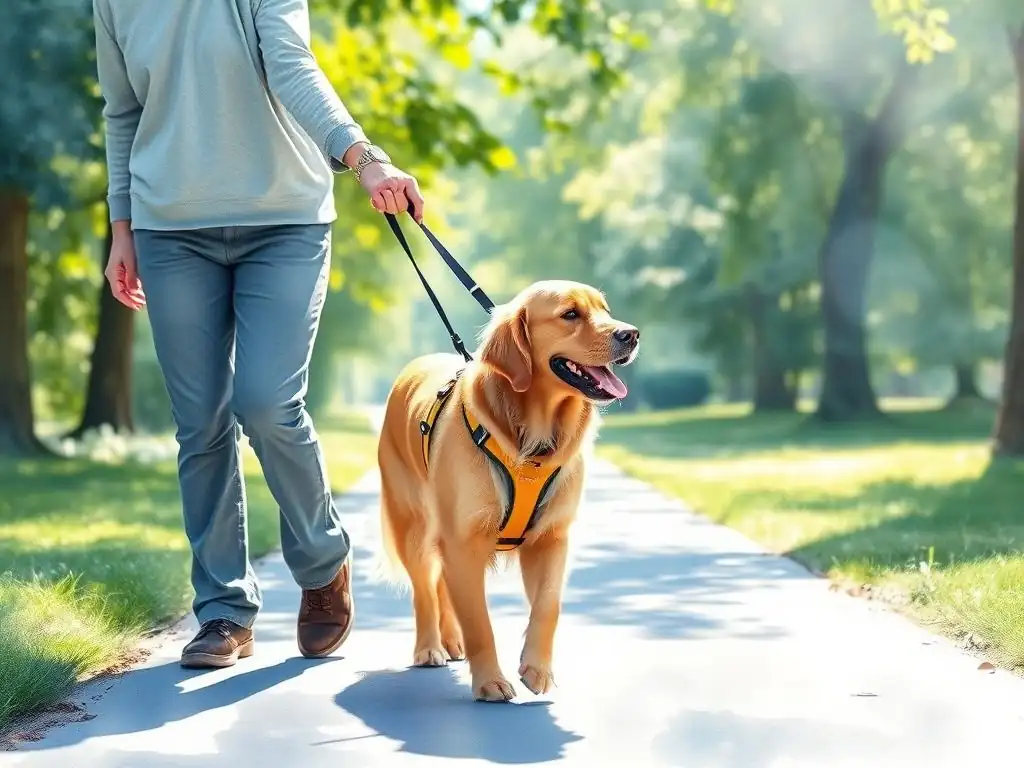
Maintaining a healthy weight isn't a quick fix; it's a lifelong commitment crucial for your pet's mobility and overall well-being. Successfully managing your pet's weight requires a sustained effort and a holistic approach that integrates various strategies. This section focuses on the long-term aspects of weight management to ensure lasting improvements in your pet's mobility. We'll explore how to prevent weight regain and maintain the positive changes achieved through initial weight loss efforts. Remember, consistency is key in preventing a return to mobility problems associated with excess weight.
Maintaining a Healthy Weight to Prevent Recurrence
Preventing weight regain after successful weight loss is paramount. This requires ongoing vigilance and adherence to a carefully planned diet and exercise regimen. Simply reverting to old habits will almost certainly lead to weight re-gain, negating all previous progress and potentially exacerbating existing mobility issues.
Several strategies are crucial for long-term weight management:
- Consistent Portion Control: Sticking to the recommended daily food intake is non-negotiable. Use a measuring cup to ensure accuracy, avoiding eyeballing portions. Even small overfeeding can accumulate over time, leading to significant weight gain.
- Regular Weigh-Ins: Regular monitoring (at least monthly) provides early warning signs of potential weight fluctuations. A gradual increase in weight is easier to address than a sudden, significant jump. Keep a weight chart to track progress.
- Nutritional Adjustments: As your pet ages, their nutritional needs may change. Consult your veterinarian to ensure the diet remains appropriate for their age, activity level, and overall health. This might involve switching to a senior formula or adjusting the calorie content.
- Treat Moderation: Treats, while enjoyable, contribute significantly to caloric intake. Limit treats to a small percentage of their daily caloric needs. Consider using low-calorie alternatives like small pieces of vegetables.
- Environmental Enrichment: Maintaining a stimulating environment can help prevent boredom eating. Provide plenty of toys, puzzle feeders, and opportunities for mental stimulation to keep your pet engaged and less focused on food.
Regular Veterinary Check-ups for Monitoring Progress
Regular veterinary check-ups are essential not only for monitoring weight but also for detecting any potential health problems that could impact mobility. These check-ups should include:
- Weight Monitoring: Your vet will track your pet's weight and assess its progress towards the ideal weight range. They can identify any concerning trends early on.
- Physical Examination: A thorough physical examination helps detect early signs of osteoarthritis, muscle weakness, or other conditions that can affect mobility. Early detection allows for timely intervention.
- Bloodwork and Urinalysis: These tests can help identify underlying health conditions that may contribute to weight gain or affect mobility, such as hypothyroidism or Cushing's disease.
- Joint Assessment: Your veterinarian can assess your pet's joints for signs of pain or inflammation, providing insights into the impact of weight on mobility.
Lifestyle Adjustments for Sustained Mobility Improvement
Beyond diet, lifestyle adjustments play a crucial role in long-term mobility improvement. These adjustments should be incorporated into your pet's daily routine:
- Gradual Exercise Increase: Avoid sudden increases in exercise intensity, which can lead to injury. Gradually increase the duration and intensity of exercise to build strength and endurance without straining joints.
- Appropriate Exercise Type: Choose exercise types suitable for your pet's age, breed, and physical condition. Low-impact activities like swimming or walking on soft surfaces are gentler on joints than high-impact activities like running.
- Supplements: Your vet may recommend joint supplements like glucosamine and chondroitin to support joint health and reduce inflammation. These supplements can help mitigate the impact of weight on joints.
- Environmental Modifications: Make your home more pet-friendly by removing obstacles that might hinder mobility, such as rugs or steep stairs. Consider ramps or steps to help your pet navigate difficult areas.
Maintaining your pet's ideal weight and improving their mobility is a continuous process requiring dedication and collaboration with your veterinarian. By following these guidelines and maintaining open communication with your vet, you can significantly improve your pet's quality of life and help them move more freely for years to come. Remember, proactive management is key to preventing future "pet weight mobility problems" and ensuring your furry friend enjoys a long, healthy, and active life. 🐾
Maintaining a healthy weight is crucial for your pet's mobility and overall well-being. Excess weight puts immense strain on joints, leading to osteoarthritis, hip dysplasia, and other debilitating conditions. Preventing these problems requires a proactive approach focusing on nutrition, exercise, and regular veterinary checkups. This section explores key strategies to keep your furry friend moving freely throughout their life.
Maintaining an Ideal Body Condition Score (BCS)
Regularly assessing your pet's Body Condition Score (BCS) is paramount. A BCS is a numerical scale (typically 1-9) that vets use to evaluate your pet's fat reserves. An ideal BCS generally falls within the 4-5 range, indicating a healthy weight with visible ribs but no excessive fat deposits. You can learn how to assess your pet's BCS through online resources and veterinary guidance. Consistent monitoring allows for early intervention, preventing significant weight gain.
Understanding your pet's breed predispositions is also vital. Some breeds are genetically prone to weight gain, requiring stricter dietary management and increased exercise. For example, Labrador Retrievers are notoriously susceptible to obesity, while certain small breeds, like Dachshunds, are prone to back problems exacerbated by excess weight. Regularly checking your pet against breed-specific weight charts can help you stay ahead of potential issues.
Early Detection of Weight Gain in Pets
Early detection is key to preventing weight-related mobility problems. Don't rely solely on visual assessment; regular weigh-ins are essential. Keep a record of your pet's weight using a pet scale – even a small, gradual increase can signal trouble. Combine this with visual checks: feel your pet's ribs; you should be able to feel them easily without excessive pressure.
Notice any changes in their waistline or overall body shape. A subtle increase in weight can significantly impact joint health over time. Remember, a pound or two can make a difference, especially in smaller breeds. Consider using a pet weight tracking app or spreadsheet to monitor progress.
Pay attention to behavioral changes. Is your pet less active than usual? Are they struggling to climb stairs or jump onto furniture? These subtle signs can indicate the onset of weight-related mobility issues, even before significant weight gain becomes apparent. Don't dismiss these symptoms; seek veterinary attention promptly. Early intervention can make a world of difference in managing and potentially preventing serious problems.
Proactive Veterinary Care for Healthy Joints
Regular veterinary check-ups are not just about vaccinations; they're crucial for monitoring your pet's weight and joint health. Your vet can perform a thorough physical examination, assess your pet's BCS, and identify any early signs of joint problems. They can also advise on appropriate diet and exercise plans tailored to your pet's breed, age, and health status. Don't hesitate to discuss any concerns you have about your pet's weight or mobility.
Furthermore, proactive veterinary care may include diagnostic tests like x-rays or blood work to evaluate joint health and rule out underlying conditions. Early diagnosis allows for prompt treatment, slowing the progression of osteoarthritis or other joint diseases and improving your pet's quality of life. In some cases, your vet might recommend supplements like glucosamine and chondroitin to support joint health.
Remember, prevention is always better than cure when it comes to maintaining your pet's mobility and preventing future problems related to pet weight mobility problems solutions. A healthy weight contributes significantly to a long and active life for your beloved companion. 🐶🐱🐕🦺
Frequently Asked Questions
How does my pet's weight affect their mobility?
Excess weight puts extra strain on your pet's joints, muscles, and bones, leading to arthritis, hip dysplasia, and other mobility problems. Even a few extra pounds can make a significant difference.
What are the signs of mobility issues in overweight pets?
Look for stiffness, limping, reluctance to jump or climb stairs, difficulty getting up or down, and changes in their energy levels and overall behavior.
What are some practical solutions to help my overweight pet regain mobility?
A gradual weight loss plan supervised by your veterinarian is crucial. This involves a modified diet and increased exercise, tailored to your pet's breed, age, and health condition.
Yes, physical therapy can significantly improve your pet's mobility. It can strengthen muscles, improve range of motion, and alleviate pain, helping your pet move more freely.
What role does nutrition play in improving my pet's mobility?
A balanced diet formulated for weight management provides the necessary nutrients without excess calories. Consult your vet for recommendations on appropriate food for your pet's specific needs.
Final Reflection: Releasing the Joy of Movement in Our Beloved Pets
The struggle with pet obesity is not merely an aesthetic concern; it's a critical issue impacting the quality of life for millions of animals. Untreated weight problems significantly diminish a pet's mobility, leading to pain, reduced lifespan, and a diminished capacity for the joyful activities that define their bond with us. This is a problem we can, and must, actively address.
The impact of pet obesity extends far beyond the individual animal; it shapes our understanding of responsible pet ownership and the crucial role we play in their well-being. The subtle changes – the slower walk, the reluctance to play, the labored breathing – are often overlooked until the problem becomes severe. The greatest gift you can give your pet is a long, healthy, and happy life,
and that begins with mindful attention to their weight and mobility. This journey of understanding and intervention is not just about extending their lifespan, but enriching every moment they share with us.
Consider your own pet. Are they moving with the same effortless grace they once possessed? Do you prioritize regular exercise and a balanced diet? Take this opportunity to reassess your pet's weight and activity levels. Small changes, like incorporating more playtime, choosing healthier treats, and consulting your veterinarian, can make a profound difference in their mobility and overall well-being. Let's work together to unlock the joy of movement for our beloved companions, ensuring they experience the fullness of life, one playful leap and happy trot at a time.
Unlock Your Pet's Joyful Movement Today!
Thank you for learning about how weight affects your pet's mobility. We hope this information helps your furry friend live a happier, healthier life! Now, let's put this knowledge into action.
- Prioritize a balanced diet and regular exercise: This is the most effective way to improve your pet's mobility. Even small changes can make a big difference!
- Schedule a veterinary checkup: Discuss your pet's weight and any mobility concerns with your veterinarian. They can provide personalized recommendations and identify any underlying health issues.
- Share this information with other pet owners: Help spread the word and empower others to support their pets' well-being!
What small step will you take today to improve your pet's mobility and overall quality of life?