Reptile Travel Carriers: Choosing the Right Enclosure for a Safe Journey
😊 Ensure your reptile's safe journey with the right carrier! PetCareWorld guides you through selecting a travel enclosure that prioritizes your reptile's…
Read article
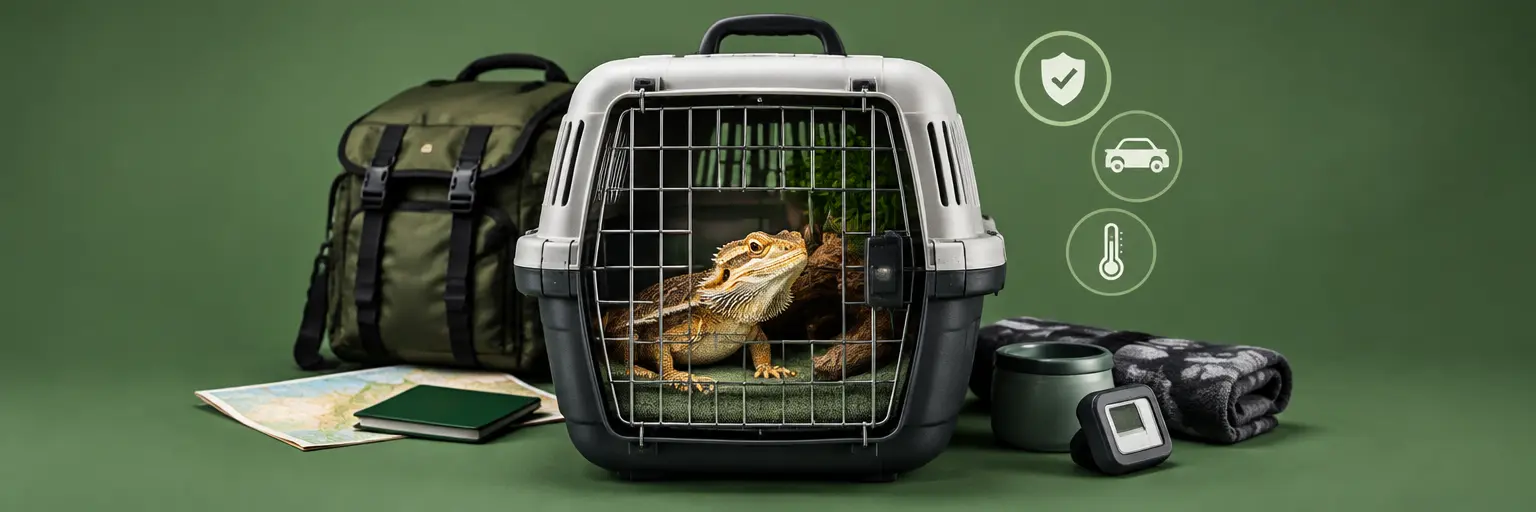
Traveling with your reptile requires more than just a sturdy box—it demands careful planning and the right safety measures to ensure a stress-free journey for your cold-blooded companion. Whether you’re heading to the vet, moving homes, or embarking on a cross-country road trip, the correct reptile travel carrier can make all the difference between a safe adventure and a risky one. From ventilated plastic terrariums to insulated, escape-proof enclosures, choosing the right transport solution ensures proper temperature regulation, humidity control, and minimal stress for your lizard, snake, turtle, or gecko. Our expert-backed guide covers essential safety protocols, including secure latching systems, substrate-free flooring to prevent injury, and gradual acclimation to motion. Plus, we dive into emergency preparedness—packing heat packs for cooler climates, hydration methods, and frequent rest stops for temperature checks. Never gamble with your reptile’s well-being; equip yourself with the knowledge to select carriers that prioritize airflow, durability, and ease of cleaning, while also learning how to avoid common pitfalls like overheating or sudden temperature drops.
😊 Ensure your reptile's safe journey with the right carrier! PetCareWorld guides you through selecting a travel enclosure that prioritizes your reptile's…
Read article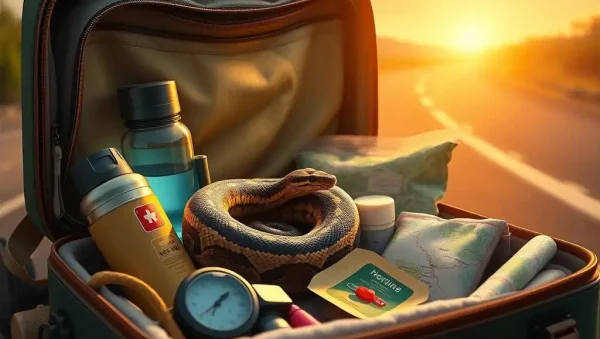
😊 Planning a trip with your reptile? PetCareWorld's safe reptile travel checklist ensures a smooth journey. Prepare your carrier, verify vet records,…
Read articleTraveling with a reptile requires far more preparation than simply placing them in a box. Whether you're heading to the vet, relocating, or going on an adventure, the right carrier and safety protocols are crucial for minimizing stress and preventing injury. This guide covers essential carriers, climate control, and security measures to ensure your cold-blooded companion travels safely and comfortably.
Selecting a carrier depends on your reptile's size, species, and temperament. Hard-sided plastic carriers with secure latches are ideal for most snakes and lizards, offering durability and easy cleaning. For arboreal species like chameleons, mesh or ventilated carriers with branches are better, as they allow climbing and airflow. Avoid cardboard boxes for long trips, as they collapse, retain heat poorly, and provide no escape-proof protection. Always ensure the carrier is escape-proof, with no gaps larger than your animal's head.
For smaller reptiles like geckos or hatchlings, well-ventilated deli cups or small plastic terrariums with snap-on lids work well, but they must be secured inside a secondary container to prevent rolling. Soft-sided carriers are not recommended for reptiles, as they can be chewed through or allow temperature fluctuations. Measure your reptile while coiled or stretched, and choose a carrier that allows them to turn around but not slide excessively. For larger snakes, heavy-duty locking tubs with drilled ventilation holes are a cost-effective, safe option, but always reinforce the lid with clips during transit.
Reptiles are ectothermic, meaning they rely on external heat sources. A sudden drop or spike in temperature can be fatal. Use a portable digital thermometer and hygrometer inside the carrier to monitor conditions. For warm-weather travel, place a reusable heat pack wrapped in a towel under one side of the carrier, never directly touching your pet. In cold climates, use a reptile-specific heat pad designed for shipping, and insulate the carrier with a blanket, but ensure airflow is not blocked. Conversely, avoid leaving carriers in direct sunlight, as internal temperatures can skyrocket within minutes.
Humidity is equally critical, especially for tropical species. Mist the inside of the carrier lightly before departure, but avoid soaking the substrate. For species like chameleons or tree frogs, use a spray bottle to mist during rest stops. For desert reptiles like bearded dragons, keep humidity low to prevent respiratory issues. Always check species-specific requirements before you travel. And never use ice packs directly, as they can cause hypothermia. Instead, use frozen water bottles wrapped in cloth placed outside the carrier to cool the surrounding air gradually.
Reptiles are master escape artists, and a loose snake or lizard in a moving vehicle is a serious safety hazard. The carrier must have a locking mechanism that your particular pet cannot manipulate. For sliding glass or plastic lids, use binder clips or carabiner clips to secure them. For tubs with click-on lids, reinforce all four sides with zip ties or metal clips. Avoid carriers with flimsy latches, as many reptiles can push them open with surprising strength. Before every journey, test the lock by shaking the carrier gently.
Inside the vehicle, place the carrier on the floor behind the front seat or in the footwell, where it won't slide around. Use a seatbelt to secure the carrier by threading the belt through handles or around the carrier body. Never place carriers on the passenger seat with airbags, as a sudden stop can be lethal. For large snake tubs, place them in a rigid, lidded crate designed for dogs, with additional padding around the tub. This double-containment strategy prevents direct impact and keeps your reptile secure even in a collision.
Travel is inherently stressful for reptiles. Minimize stress by maintaining a dark, quiet environment. Cover the carrier with a thin, breathable cloth like a pillowcase or towel, but ensure no fabric enters the ventilation holes. Avoid loud music, sudden braking, and heavy vibrations. Do not handle your reptile during the trip unless absolutely necessary, as this raises cortisol levels. For very anxious species, consider a pheromone spray designed for reptiles, though always test it at home first. Keep rest stops brief, and never open the carrier outdoors.
If your journey exceeds six hours, plan for a short “comfort stop” in a quiet, temperature-controlled room. Open the carrier only to check hydration or mist, but do not force your reptile to come out. Offer water via a shallow dish if safe, but never force-feed. Some reptiles may regurgitate if fed within 24 hours of travel, so avoid feeding the morning of departure. For long hauls, place a small, damp sponge inside for hydration, but only for species that drink from droplets, not from bowls. After arrival, give your reptile 24-48 hours of undisturbed rest before offering food.
Even with perfect planning, accidents happen. Pack a mini reptile first-aid kit that includes sterile saline rinse, betadine solution (diluted), gauze pads, a small syringe for oral fluids, and a backup heat pack. Know the contact number of a reptile vet along your route, and keep a printed list of reptile-safe emergency clinics. If your reptile appears lethargic or shows signs of overheating (gaping mouth, uncoordinated movement), move the carrier to a cooler area and mist lightly. Do not submerge your pet in water, as this causes shock.
If your reptile escapes inside the vehicle, pull over safely and close all doors. Use a flashlight to check under seats, but avoid grabbing forcefully—most escapes occur during frantic attempts to catch. Gently coax with a towel or barrier, steering them into an open carrier. Never chase a snake under the pedals while driving. For venomous species, always have a pre-arranged emergency protocol and a locked, dedicated carrier with a warning label. Keep a snake hook in the vehicle if you handle large constrictors. After any incident, even if minor, schedule a vet check within 48 hours.
No, fabric carriers are unsuitable for reptiles. They are chewable, offer poor temperature insulation, and can trap moisture leading to scale rot. Hard plastic or PVC carriers with secure latches are the safest choice, as they resist escape attempts and are easy to sanitize. Always prioritize escape-proofing over convenience.
Only open the carrier for emergency checks, ideally every 4-6 hours. Opening it frequently increases stress and escape risk. Use clear ventilation windows to observe without opening. If you must open, do so inside a closed car with windows up, and never outdoors.
No, avoid feeding 24-48 hours before travel. A full stomach can cause regurgitation, especially during motion. Digesting food also raises metabolic heat, making temperature control harder. Offer fresh water before departure, but not inside the moving carrier to prevent spills.
Place the tub inside a rigid dog crate or on the floor, wrapped in a towel to prevent sliding. Use a seatbelt threaded through the tub’s handles or around the crate. Never stack multiple tubs, as they can shift. Secure the lid with clips and verify the tub has ventilation on all sides.
Heat packs are safe only if used correctly. Always wrap them in a towel and place them under the carrier, never inside. Avoid for species requiring high humidity, as heat packs dry the air. Monitor temperature continuously; disconnect the pack if the interior exceeds 85°F (29°C) for most temperate species.