The Sound of Silence: Minimizing Noise Stress for Birds in Transit
😊 Minimize stress for your feathered friend during travel! PetCareWorld's guide on "The Sound of Silence" offers quiet bird travel tips to…
Read article
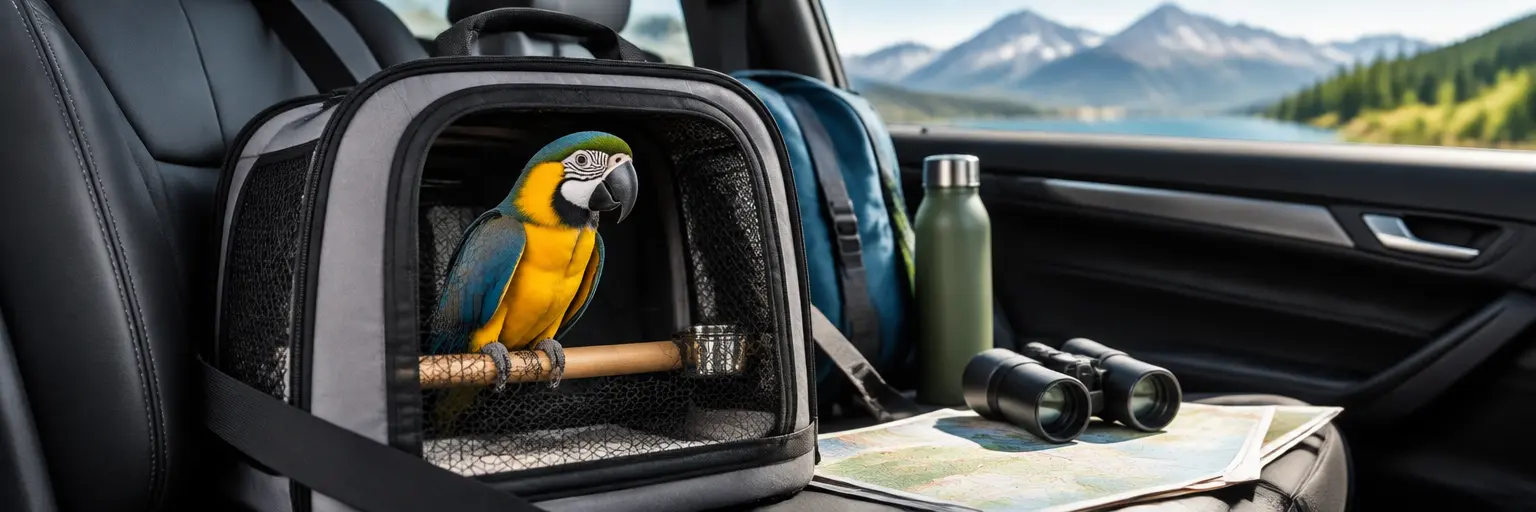
Planning a getaway with your feathered friend? Taking your bird on the road requires more than just a travel cage—it demands careful preparation to ensure safety, comfort, and zero stress for your avian companion. From temperature control and secure carrier selection to minimizing motion sickness and handling unexpected stops, smart strategies make all the difference. Whether you’re heading to the vet, a summer cabin, or a cross-country adventure, knowing how to manage noise, hydration, and perches mid-journey turns a potentially chaotic trip into a smooth, enjoyable experience for both of you. Discover essential tips on acclimating your bird to the car, choosing the right harness or crate, and spotting signs of travel fatigue—so every mile feels safe and reassuring. Your bird’s well-being on the road starts with a solid plan, and we’ve got the practical advice to get you there.
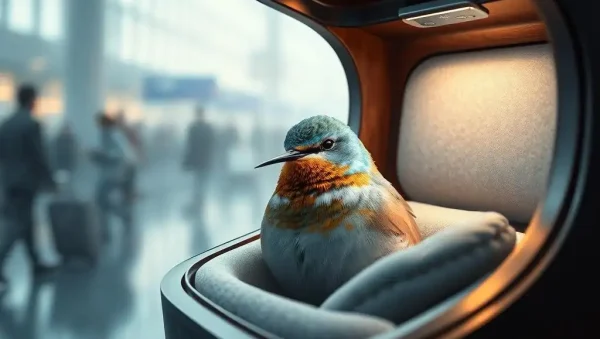
😊 Minimize stress for your feathered friend during travel! PetCareWorld's guide on "The Sound of Silence" offers quiet bird travel tips to…
Read article
😊 PetCareWorld reveals stress-free travel for your feathered friend! Learn essential calm bird travel techniques to ensure a safe and peaceful journey…
Read articleTraveling with a feathered companion requires more than just a sturdy carrier—it demands a strategic blend of preparation, safety protocols, and species-specific knowledge. At PetCareWorld, we understand that a successful journey with your avian friend hinges on reducing stress, preventing escape, and managing environmental shifts. This guide explores proven travel strategies, from pre-trip vet checkups to in-transit temperature control, ensuring that every mile is safe and comfortable for your bird. Whether you’re planning a short car ride to the vet or a cross-country relocation, these insights will help you navigate the road with confidence.
Before any road trip, schedule a thorough avian veterinary exam to confirm your bird is fit for travel. A professional can assess weight, hydration, and identify any underlying conditions that might flare up under stress. For interstate or international journeys, request a health certificate dated within 10 days of departure, as many authorities and airlines require it. Keep copies of vaccination records (especially for avian polyomavirus) and your vet’s emergency contact number easily accessible in your travel bag.
Acclimating your bird to its travel carrier weeks before departure is equally vital. Introduce the carrier as a fun, safe space with favorite treats and toys, leaving the door open at home so your bird can explore voluntarily. On the day of travel, avoid feeding a heavy meal within two hours before departure to prevent motion sickness, but always provide fresh water. A well-rested, hydrated bird with a clean bill of health is far more resilient to the physical demands of the road.
Your carrier is your bird’s mobile fortress, so select one that is well-ventilated, escape-proof, and appropriately sized for your species. For small birds like budgies or cockatiels, a hard-sided plastic carrier with a perch is ideal; for larger parrots, use a dog-style crate with a secure latch but add a secondary lock. Line the bottom with paper towels for easy cleanup and attach a portable water bottle designed for birds to prevent spills. Never use a carrier with exposed metal edges that could injure feet or beak.
In the vehicle, position the carrier on the floor behind the front seat, away from direct sunlight and airbag zones. Secure it with a seatbelt or non-slip mat so it doesn’t slide during turns. Keep the cabin temperature between 65–75°F (18–24°C) and never leave your bird unattended in a parked car, as heat can rise to lethal levels within minutes. If your journey exceeds four hours, plan rest stops every two hours to offer water and check for signs of overheating or distress.
A well-stocked emergency kit can be a lifesaver during unexpected delays or vehicle breakdowns. Include a small first-aid kit with styptic powder (for broken blood feathers), sterile gauze, and bird-safe antiseptic. Carry a backup power bank for a portable fan or heating pad, plus a thermal blanket to regulate temperature extremes. Pack a spray bottle with lukewarm water for misting, which helps some birds calm down, and a towel to gently wrap your bird for safe handling during a crisis.
Food and hydration are non-negotiable components of your kit. Pack a sealed container of your bird’s regular pellets or seeds, as abrupt diet changes cause digestive upset. Include fresh fruits, vegetables, or a bird-safe electrolyte solution in a cooler, but offer them only when stationary. Keep a spare water bottle and a collapsible bowl, and label everything with your contact information. This proactive approach transforms a potential disaster into a manageable inconvenience, keeping your bird safe and secure no matter what the road throws your way.
Birds are prone to motion sickness, which may manifest as drooping wings, excessive vocalization, or regurgitation. To minimize this, ensure your bird faces forward in the carrier, which reduces visual disorientation. Play soft, familiar music or white noise at a low volume to mask road sounds that can trigger alarm. Some avian vets recommend natural calming supplements, such as chamomile tea (cooled) or L-theanine, but always consult your vet before administering any remedy. Never give human anti-nausea medications.
Observe your bird’s body language every 30 minutes during travel. Signs of severe stress include frantic wing flapping, panting, or biting the carrier bars. If this occurs, pull over at a safe rest area, place the carrier on a flat surface, and offer a gentle misting or a favorite treat. Do not open the carrier outside unless you are in a fully enclosed space, as a startled bird can escape in seconds. With patience and consistency, many birds learn to associate car rides with positive rewards, making future trips progressively easier.
If your trip requires overnight stays, research bird-friendly accommodations in advance—call hotels to confirm they allow pets without a "no exotic pets" policy. Once inside your room, set up a temporary "bird zone" away from drafts, heating vents, and open windows. Cover the carrier with a breathable, light-blocking cloth to signal sleep time and reduce stress from unfamiliar sounds. Inspect the room for hazards like exposed wires, toxic plants (e.g., philodendron), or gaps under doors where your bird could escape.
Never let your bird out of its carrier in a hotel room unless you have bird-proofed every corner, including checking for ceiling fans and window screens. Use a travel play stand with a secure harness or flight leash if you allow supervised out-of-carrier time. Keep your bird’s sleep schedule consistent with its home routine, and always use a secondary latch on the room door to prevent accidental opening by staff. These precautions ensure a restful night for both you and your avian companion, ready for the next day’s adventures.
Most birds can handle 3–4 hours of continuous travel with proper ventilation and hydration, but longer trips require rest stops every 2 hours. At each stop, offer fresh water and observe your bird for signs of stress, such as heavy breathing or listlessness. Never leave your bird in a parked vehicle, even for a few minutes, as temperature swings can be fatal.
It is not recommended unless you are inside a fully enclosed and bird-proofed space, like a lockable restroom or a pet-relief area with a roof. The risk of sudden flight, wind gusts, or predator encounters is extremely high outdoors. Always use a harness and flight leash if you need to give your bird exercise during a stop.
Chamomile tea (cooled and offered in a bowl) can help soothe nerves, as can lavender essential oil placed on a cloth near the carrier—never directly on your bird. Speak in soft, reassuring tones and play gentle classical music. Always test any supplement on a practice trip before a long journey, and avoid any product with caffeine or alcohol.
Yes, both flighted and clipped birds can travel safely, but extra precautions differ. A clipped bird is less likely to escape but may panic if it tries to fly and cannot. A flighted bird requires a double-secured carrier and a harness whenever outside it. Regardless of wing status, never open doors or windows during travel without physical restraint.
Immediately move the carrier to a cooler area, mist your bird with lukewarm water, and offer water to drink. Place a cool, damp towel partially over the carrier to lower ambient temperature without soaking your bird. If symptoms persist—such as open-mouth breathing, seizures, or collapse—transport your bird to the nearest avian emergency vet while keeping the vehicle cool and stopping every few miles.