Scent Work Training for Rescue Dogs: Helping Them Adapt and Thrive
😊 Discover how scent work training transforms rescue dogs. PetCareWorld reveals proven techniques to boost confidence, improve adaptability, and unlock your rescue…
Read article
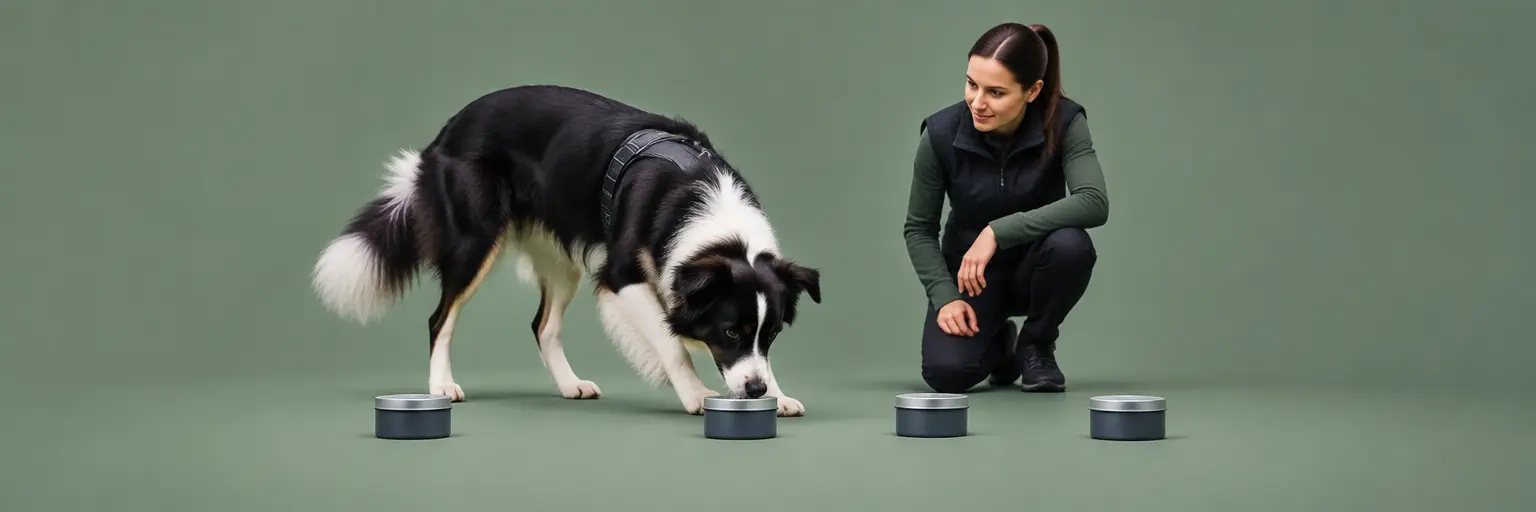
Unlock your dog’s natural instincts with scent work training—a mentally stimulating, fun-filled activity that transforms daily walks into exciting treasure hunts. At PetCareWorld, we guide you through nosework games that build confidence, sharpen focus, and provide a fantastic outlet for pent-up energy, all while strengthening your bond. From beginner sniffing puzzles to advanced search patterns, our expert tips help you harness your pup’s remarkable olfactory abilities safely indoors or outdoors. Perfect for shy, hyperactive, or senior dogs, scent work is a low-impact yet highly rewarding enrichment that reduces anxiety and improves obedience. 🐾 Discover step-by-step methods, essential tools like scent boxes and hidden treats, plus troubleshooting advice to keep sessions engaging. Whether you aim for casual fun or competitive K9 nosework, our tailored approach ensures every dog—regardless of breed or age—can thrive. Dive in and watch your furry friend’s tail wag with pride as they master the art of the sniff! 👃✨
😊 Discover how scent work training transforms rescue dogs. PetCareWorld reveals proven techniques to boost confidence, improve adaptability, and unlock your rescue…
Read article
🐶 Enhance your working dog's field performance with scent work training. This specialized training sharpens their senses, boosting accuracy and efficiency in…
Read article
😊Unlock your dog's scent-work potential with positive reinforcement! PetCareWorld shows how rewarding good behavior builds confidence and fosters a strong bond, leading…
Read article
😊 Unleash the power of scent! Discover how olfactory stimulation profoundly impacts your canine companion's well-being. Learn about dog scent stimulation benefits…
Read articleWelcome to PetCareWorld’s dedicated hub for **scent work training for dogs**, a mentally enriching and physically engaging activity that taps into your canine’s natural olfactory genius. Whether you have a playful puppy or a seasoned senior, scent work—also known as nose work—builds confidence, burns mental energy, and strengthens the bond between you and your pet. Our expert-backed guides help you start from simple home games and progress to competitive K9 Nose Work trials. Explore practical techniques, safety tips, and troubleshooting strategies to turn your dog’s sniffing instinct into a rewarding lifelong skill.
Before your dog uncovers their first hidden treat, you’ll need the right gear. Start with high-value rewards (like small chicken or cheese), a few cardboard boxes, and scented cotton swabs or Q-tips stored in a glass jar. For beginners, avoid using plastic containers as they can hold residual odors. A simple harness and long leash give you control without restricting your dog’s head movement. Create a distraction-free zone in your home, such as a hallway or spare room, to establish a clear scenting area.
Your first session should last only 3–5 minutes to keep your dog eager. Place a treat under a single box, let your dog watch, then encourage them with a cheerful “find it!”. Reward immediately upon discovery. Gradually increase difficulty by hiding the scent out of sight while your dog waits. Remember to always end on a success—this builds your dog’s problem-solving confidence. For indoor spaces, use boxes, towels, or drawers; outdoors, use Tupperware with holes or specially designed scent work kits.
Dogs possess up to 300 million olfactory receptors compared to our 6 million, making them exceptional scent detectives. In scent work training, you’re not just teaching a trick—you’re engaging the dog’s innate hunting drive. During a search, the brain’s reward centers activate, releasing dopamine which reinforces calm, focused behavior. This mental workout is often more tiring than a long run, making scent training ideal for high-energy breeds or dogs on restricted physical activity due to injury or age.
From a learning perspective, scent work uses operant conditioning. We pair the odor of a target (such as birch, anise, or clove) with a reward, creating a strong positive association. Over time, your dog learns to indicate the source by sitting, staring, or pawing. This improves impulse control, because the dog must pause before the final reward. For anxious or reactive dogs, the structured searching process provides a safe outlet, reducing stress hormones like cortisol while boosting oxytocin—the bonding hormone—during your shared sessions.
Once your dog masters “box games,” it’s time to level up. Level two involves introducing scent odor—not just food. Soak a cotton swab in birch essential oil and place it in a small tin with holes; hide this tin among boxes that do not contain food. Pairs of items help teach discrimination. Next, move to “exterior searches” in your yard, using firing ranges of 5–10 feet between hides. Always keep sessions short and sweet, with 3–5 hides maximum to avoid frustration.
Advanced levels include vehicle searches, interior room searches, and even luggage or shipping container searches for competition. For pet owners, however, the goal is playful engagement, not perfection. Introduce novelty—new rooms, cluttered spaces, or slightly windy conditions—to strengthen your dog’s ability to work through distractions. Use a clear verbal cue like “search” and a release word such as “take it”. Track your dog’s body language: a lowered head, rapid sniffing, and tail wagging signal they are on the trail. If they pause and look at you, they likely need a subtle encouragement—”keep going”—rather than a direct hint.
Many owners face the same hurdles: dog loses interest quickly, searches too fast, or becomes overly excited. If your dog quits early, reduce distraction and ensure the reward is exceptionally high-value. If they race past hides, you might be rewarding “speed” accidentally—calmly ask them to wait before you give the treat. For overly enthusiastic sniffers, work on impulse control exercises like “leave it” or “settle” before starting. Another common issue is odor contamination: always use clean tweezers or gloves when handling scent swabs and store them away from food.
If your dog becomes fixated on your hand or pocket (where treats are kept), start hiding treats without showing your dog where you place them. Practice “cold hides”—where you set up the search without your dog watching—from the very beginning. For shy or nervous dogs, start with the target scent in a visible location and praise any curiosity. Also, check your dog’s health: respiratory issues can impede scent detection. If problems persist, consider a virtual consultation with a certified scent work instructor who can observe your sessions and provide personalized feedback.
Safety is paramount in scent work. Always use food-grade or diluted essential oils—never synthetic perfume—and keep them out of reach. Ensure your dog does not ingest cotton swabs or tin containers; supervise every hide. Practice in well-ventilated areas, especially outdoors on hot days, to prevent overheating. Aim for 8–15 minute sessions, 3–4 times per week, allowing more rest for young puppies or older dogs. Consistency beats marathon sessions: a daily 5-minute game can produce remarkable results within a month.
Long-term benefits extend beyond fun. Studies have shown that scent work reduces stereotypic behaviors in shelter dogs, improves cognitive function in aging dogs, and provides an alternative to high-impact exercise for breeds prone to joint issues. For human owners, it offers a low-stress, portable activity—you can practice in any park, friend’s house, or hotel room. It also builds a deeper mutual understanding: you learn to trust your dog’s nose, and your dog learns to trust your guidance. Many owners report a calmer, more content dog after regular sessions, simply because the mental stimulation satisfies an innate urge to hunt and explore.
For those seeking formal avenues, you can join organizations like the American Kennel Club (AKC) Scent Work, the National Association of Canine Scent Work (NACSW), or UKC Nosework. Each offers titles from novice to elite, with tests in interior and exterior searches, container searches, and vehicle searches. Training for competitions often adds precision—teaching a defined indication behavior such as a sit or down—and endurance over multiple hides. Even if you never compete, having a fun “trick” like finding keys or a lost toy impresses visitors and gives your dog a job.
Daily integration is simple: hide a treat in your dog’s food bowl before they enter the room, scatter kibble in grass for a foraging game, or ask your dog to locate your car keys before a walk. This taps into your dog’s work ethic. For multi-dog households, rotate individual sessions to prevent rivalry. Remember to always reward enthusiastically—your reaction is part of the fun. Scent work is a lifelong skill that grows with your dog, so adjust difficulty as their confidence soars. Embrace mistakes as learning moments, and watch your four-legged friend transform into a confident, focused explorer.
Any age works, but puppies as young as 8 weeks can begin with simple treat-finding games. For seniors, start with very short, low-impact sessions. Scent work is gentle on joints, making it ideal for dogs with mobility issues. Always consult your vet for dogs with respiratory or nasal conditions.
Yes, scent work is highly recommended for reactive dogs because it provides a calm, focused task. The sniffing itself lowers stress hormones. Start in a quiet, secure area, and use a muzzle if needed. With time, your dog may become more relaxed around new environments.
No, you can successfully start at home using our guides. However, if you notice frustration, inability to focus, or you aim for competition, a certified scent work instructor offers live feedback. Online courses are also excellent for step-by-step progression with video reviews.
Most dogs understand a basic “find it” within a few short 5-minute sessions, often in one day. Perfecting indication and discrimination, such as finding birch over anise, may take several weeks. Patience and consistency yield faster, lasting results than intense daily drilling.
Safer choices include birch, anise, clove, and myrrh essential oils diluted at 0.1% or less, or simply using clean cotton swabs and food rewards. Always choose therapeutic-grade oils that are safe for pets, and avoid tea tree, citrus, or pine which can be irritating. Store all scents out of reach.







