How to Introduce Toothbrushing to a Resistant Dog
😊 Overcoming dog teeth brushing resistance? PetCareWorld offers expert advice and practical solutions to gently introduce your canine companion to a vital…
Read article
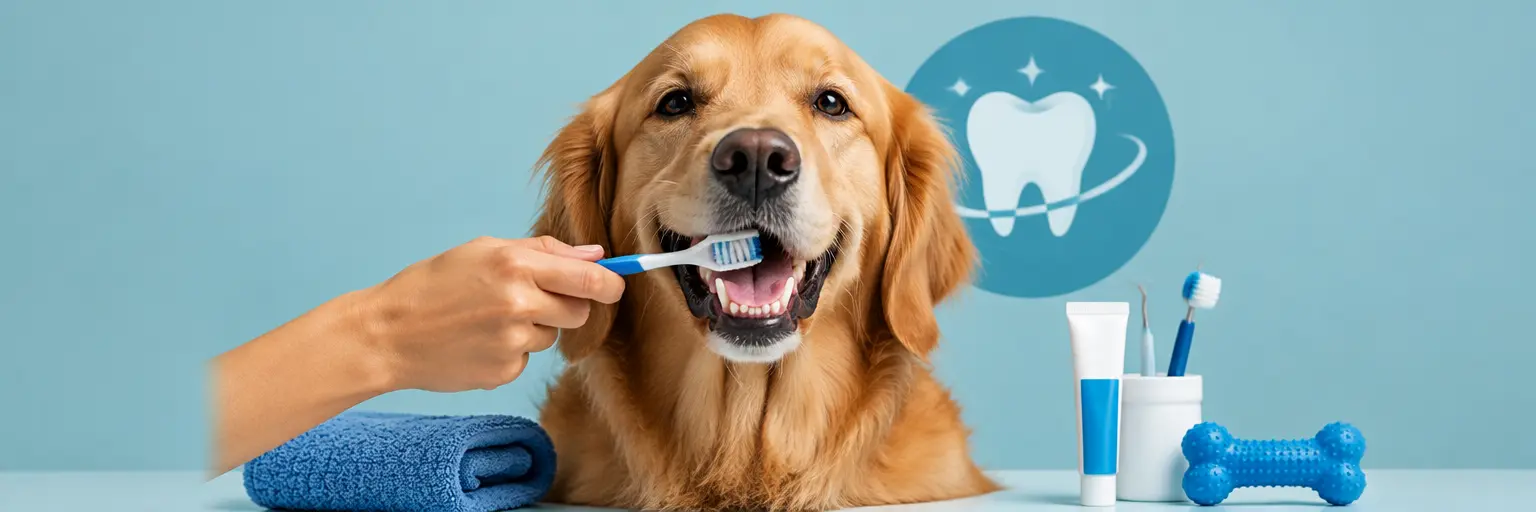
Discover the secrets to a sparkling smile and fresh breath for your furry friend with our expert guidance on dog dental care and hygiene—a vital component of overall canine wellness that’s often overlooked by pet parents. 🐶🦷 From understanding the risks of plaque and tartar buildup to mastering daily brushing techniques, we provide practical, step-by-step solutions that fit seamlessly into your routine. Learn why periodontal disease affects over 80% of dogs by age three, and how proactive care can prevent painful infections, tooth loss, and even heart or kidney issues. Our tailored advice covers everything from choosing the right toothpaste, brushes, and dental chews to exploring professional cleanings, water additives, and natural alternatives—all backed by veterinary insights. Whether you have a playful puppy or a senior senior, our easy-to-follow tips will help you build a stress-free dental regimen, spot early warning signs like bad breath or bleeding gums, and turn hygiene into a bonding moment. Ready to protect your dog’s health from nose to tail? Dive into our comprehensive resources and give your companion the healthy, happy smile they deserve. ✨🐾
😊 Overcoming dog teeth brushing resistance? PetCareWorld offers expert advice and practical solutions to gently introduce your canine companion to a vital…
Read article
😊 Tackle your dog's stinky breath effectively! PetCareWorld reveals expert solutions and simple dog bad breath home remedies to address the underlying…
Read article
😊 Ignoring dog dental hygiene carries severe risks. PetCareWorld reveals the hidden dangers of periodontal disease, impacting your dog's overall health and…
Read article
😊 PetCareWorld explores crucial safety considerations surrounding dog dental anesthesia. Learn about potential risks and how to minimize them for your canine…
Read articleWelcome to PetCareWorld’s dedicated hub for dog dental care and hygiene. Just like humans, dogs require regular oral care to prevent painful conditions, tooth loss, and systemic health issues. This subcategory is your go-to resource for understanding canine dental anatomy, establishing daily brushing routines, selecting safe chews, and recognizing early warning signs of dental disease. Proper oral hygiene can add two to five years to your dog’s life by preventing bacteria from entering the bloodstream. Here, we break down everything from at-home techniques to professional veterinary cleanings, all tailored to keep your furry friend’s smile healthy and bright.
Periodontal disease is the most common clinical condition in adult dogs, affecting over 80% of dogs by age three. The accumulation of plaque and tartar leads to inflamed gums, infection, and eventually tooth loss, but the consequences extend far beyond the mouth. Bacteria from oral infections can travel through the bloodstream, damaging the heart, liver, and kidneys. By prioritizing dental hygiene, you are not just protecting your dog’s teeth—you are safeguarding their entire body. This section explores the hidden links between oral health and overall wellness, helping you understand why daily care is a non-negotiable part of responsible pet ownership. Regular check-ups and at-home routines reduce the need for invasive procedures and costly extractions later on.
Moreover, dental pain is often silent; dogs instinctively hide discomfort to appear strong, making it easy for owners to miss chronic suffering. Bad breath, drooling, and changes in chewing habits are subtle clues that should never be ignored. By learning what healthy gums look like—pink, firm, and free of bleeding—you can catch issues early. This guide empowers you with the knowledge to perform simple mouth inspections at home, turning a five-minute check into a lifesaving habit. Combined with professional veterinary assessments at least once a year, you build a comprehensive defense against oral diseases that can otherwise shorten your dog’s life expectancy significantly.
Brushing remains the gold standard for canine dental care, but many owners find it intimidating. The secret lies in gradual desensitization and using proper tools. Start by letting your dog taste a pet-safe toothpaste (never human toothpaste, which contains xylitol, a toxic sweetener). Next, gently lift the lips and rub your finger along the teeth for a few seconds, rewarding with treats. Over several days, introduce a finger brush, then a soft-bristled toothbrush designed for dogs. Aim for a 45-degree angle against the gum line, using small circular motions on the outer surfaces of the teeth, which harbor most plaque. Two to three sessions per week is a solid baseline, though daily brushing is optimal for breeds prone to dental issues, such as Poodles and Yorkshire Terriers.
Consistency beats intensity—a two-minute brush every other day outperforms a marathon session once a month. Always end on a positive note with praise and a dental-friendly chew to reinforce the experience. If your dog resists brushing, consider alternatives like dental wipes or oral rinses, but know that these are adjuncts, not replacements. This section also covers how to handle sensitive mouths, senior dogs with loose teeth, and puppies who need early acclimatization. By following these steps, you transform a chore into a bonding ritual, ensuring your pet actually enjoys the routine. Track your progress with a simple calendar, and celebrate small victories to stay motivated.
Not all chews are created equal. The Veterinary Oral Health Council (VOHC) provides a seal of approval for products that meet rigorous standards for reducing plaque and tartar. Look for this seal when selecting dental chews, as it guarantees clinical efficacy. Hard, brittle treats like rawhide bones can cause tooth fractures or choking hazards, while soft treats may not provide enough abrasive action. Instead, choose chews with a flexible yet resilient texture, such as those made from vegetable starch or rubber-based toys with ridges that scrape teeth. Dental toys like rope tugs and textured balls also help remove plaque during play, but they require supervision to prevent ingestion of fibers. Rotating options prevents boredom and maximizes cleaning coverage across different tooth surfaces.
Additionally, edible chews containing enzymes (e.g., glucose oxidase) break down plaque chemically, offering a dual mechanical and biochemical approach. However, always factor caloric content into your dog’s daily intake to avoid weight gain. For aggressive chewers, avoid hard nylon or antler products that can crack teeth; instead, opt for rubber toys that flex. This guide also reviews popular brands like Greenies, Whimzees, and Virbac C.E.T., comparing their effectiveness and palatability based on independent testing. Remember, chews are supplements—not substitutes—for brushing. Pair them with a routine, and you’ll create a multi-layered defense against periodontal disease. Always supervise your dog with any chew to ensure safe chewing habits.
Veterinary dental cleanings, also called periodontal therapy, are essential for removing tartar below the gumline where brushing cannot reach. Contrary to some myths, professional cleanings are rarely effective without anesthesia. Anesthesia ensures your dog is immobile, pain-free, and unable to aspirate water or debris during scaling and polishing. The procedure involves a thorough oral examination, digital X-rays to assess bone loss and hidden abscesses, ultrasonic scaling above the gumline, and root planing below it. Polishing smooths the enamel to slow future plaque buildup, followed by a fluoride treatment. Depending on the severity, extractions or antibiotics may be necessary. Most dogs recover within a day, and the benefits—fresher breath, reduced pain, and lower systemic infection risk—far outweigh the minimal anesthesia risks.
Preparing for a dental cleaning involves a pre-anesthetic blood panel to screen for organ function, fasting for 12 hours, and arranging a quiet recovery space. Post-procedure, your vet will provide guidelines on soft food, pain relief, and when to resume brushing. Many pet parents worry about anesthesia in seniors, but modern monitoring (ECG, pulse oximetry, blood pressure) makes it safe even for older dogs, provided underlying conditions are managed. This section explains how often your dog needs a professional cleaning—typically every 6 to 12 months, depending on breed, age, and home care diligence. We also address cost considerations, insurance coverage, and how to find a veterinary dentist for complex cases. Investing in professional care prevents more severe, expensive emergencies later.
Early detection is your best defense against irreversible dental damage. Persistent bad breath is the most common and often the first sign of bacterial overgrowth, but it’s frequently dismissed as “dog breath.” Watch for red, swollen, or bleeding gums, which indicate gingivitis. Yellow-brown tartar along the gumline signals advanced plaque accumulation, while receding gums expose tooth roots and cause sensitivity. Behavioral changes like dropping food, chewing on one side, excessive drooling, or pawing at the mouth are pain indicators. More subtle signs include reluctance to play tug, face rubbing on furniture, and a decreased interest in hard kibble. These symptoms worsen over weeks to months, so do not wait for advanced stages where tooth loss or bone infection occurs.
If you notice any of these signs, schedule a veterinary exam immediately rather than attempting self-treatment. Home remedies like baking soda are abrasive and harmful, while human mouthwashes contain alcohol that is toxic to dogs. This section also covers breed-specific vulnerabilities, such as brachycephalic breeds (Pugs, Bulldogs) with crowded teeth, and toy breeds with retained baby teeth. We provide a checklist to conduct a monthly mouth exam, including how to gently lift lips and check the back molars. Early intervention often saves teeth and avoids the need for painful extractions, saving you both heartache and money. Regular professional visual checks from your vet during routine vaccinations can also catch issues before they become visible to you.
The internet is full of “natural” dental hacks, but many are ineffective or dangerous. For example, coconut oil pulling in dogs lacks scientific evidence and can be messy or cause diarrhea if ingested in large amounts. Raw bones are controversial: while they provide mechanical cleaning, they risk tooth fractures, gastrointestinal obstruction, and bacterial infections like Salmonella. If you choose raw bones, always consult your vet and opt for raw, meaty bones that are soft enough to dent with a fingernail—never cooked bones, which splinter. Similarly, adding parsley or mint to food may freshen breath, but it does not remove plaque. Dried kelp supplements containing iodine may help some dogs, but consult your vet first, especially for those with thyroid issues.
What does work is a balanced diet with crunchy kibble, though its effectiveness is minor compared to brushing. Carrot sticks and apple slices can serve as low-calorie, crunchy snacks that provide mild abrasiveness, but they are not sufficient alone. DIY toothpaste options using baking soda are discouraged due to their high pH and abrasive nature. This section provides evidence-based guidance on which natural remedies have modest support (e.g., chlorhexidine rinses at veterinary-strength) and which to skip entirely. We also highlight the importance of using VOHC-approved products even if they are “natural.” Remember, the safest natural approach is a consistent brushing routine paired with professional oversight. When in doubt, always ask your veterinarian before introducing any home remedy.
Ideally, brush your dog’s teeth daily, but if that’s not feasible, aim for at least three times per week. Daily brushing is the most effective way to prevent plaque buildup and gingivitis. Consistency matters more than duration—a short, gentle session every morning is better than a lengthy one once a month. For puppies, start early to build acceptance, but even adult dogs can learn with patience and positive reinforcement.
No, dental chews are supplemental aids, not replacements for brushing. They reduce plaque and tartar through mechanical abrasion and enzymatic action, but they cannot reach below the gumline. Brush at least three times weekly and use VOHC-approved chews daily or as recommended for extra protection. Combine both for comprehensive care, plus schedule annual professional cleanings.
Use a toothpaste specifically formulated for dogs, preferably one with a VOHC seal. Common veterinary-recommended brands include Virbac C.E.T., PetSmile, and Vet’s Best. Flavors like poultry or malt are popular with dogs. Never use human toothpaste because it contains fluoride and xylitol, both toxic to dogs. Always rinse the toothbrush after use and do not let your dog swallow large amounts.
Bad breath is a symptom, not a condition. While home brushing and chews can reduce odor temporarily, persistent foul breath usually indicates underlying dental disease or other health issues like kidney or liver problems. If brushing and professional cleaning have been done but bad breath persists, schedule a veterinary exam to rule out systemic causes. Do not mask odor with sprays.
Most vets recommend professional cleanings every 6 to 12 months, depending on your dog’s breed, age, and home oral care. Signs like tartar buildup, red gums, or difficulty eating warrant an earlier visit. Your vet will assess during annual exams and can advise a personalized schedule. Early cleaning prevents costly extractions and pain associated with advanced periodontal disease.







